
Blender Buying Guide: Jar Shape Matters More Than Watts
Wattage measures electricity drawn, not work done. Jar geometry, blade planes, and the drive coupling decide whether a blender is any good.
Blenders are sold on watts, and watts are the least useful number on the box. A motor rated at 1500 watts can be worse at crushing ice than one rated at 900, because what matters is torque under load, blade and jar geometry, and how the vortex moves food back into the blades. Wattage measures electricity drawn, not work done.
Work out which of the four blender types you actually need, and the rest of the decision becomes straightforward.

Four types, four different jobs
Full-size countertop blenders have a 1.5 to 2 litre jar and are the general-purpose choice. Good ones make silky smoothies, soup, nut butter, and crushed ice. They take up real counter space and the cheap ones are loud and disappointing.
Personal or bullet blenders blend directly into a bottle you then drink from, which removes the washing-up almost entirely. For one smoothie at a time they are the most convenient tool available. Their limits are volume, heat — they overheat on long runs — and that a small jar cannot form a proper vortex with fibrous ingredients.
Immersion or stick blenders go into the pot. They are the best tool for soup, because you skip transferring hot liquid, and the best tool for small jobs like mayonnaise and a single portion of sauce. They cannot make a smooth smoothie from kale and frozen fruit, and they cannot crush ice.
High-performance blenders are countertop machines with substantially more torque, heavier jars, and tamper tools. They pulverise fibrous greens and nuts into genuinely smooth results, and they will heat soup by friction alone if run long enough. They cost several times a standard blender and are worth it only if you use those specific capabilities regularly.
Most households are best served by one full-size blender plus a stick blender, which together cost less than a single high-performance machine and cover more ground. If you drink one smoothie every morning and nothing else, buy a personal blender and skip the rest. The Vitamix 5200 review covers the high-performance end if that is where you are headed.
Jar shape and blade geometry beat wattage
Blending works by circulation. The blades cut what reaches them, and the jar's job is to keep pushing food back down into the blades rather than letting it ride around the walls. A tall narrow jar circulates poorly and traps ingredients above the blade line. A jar that tapers toward the base, ideally with vertical ribs on the inner wall to disrupt smooth rotation, keeps the vortex working.

Blades themselves are widely misunderstood. Blender blades are deliberately blunt, and they work by impact rather than slicing, so sharpening them achieves nothing. What matters is how many prongs there are and at what angles they sit: a good assembly has blades on multiple planes, some angled up and some down, so material is driven vertically as well as around.
Jar material is a real trade. Glass does not scratch or absorb odours, feels solid, and is heavy and breakable. Copolyester plastic is light, tough, and safe to drop, and it scratches and clouds over years. Both are fine; if you buy plastic, check that it is BPA-free, which is now standard.
Capacity is a trap in the other direction. A 2 litre jar cannot blend a single small portion well, because there is not enough volume to form a vortex. If you mostly make one serving, a smaller jar or a personal blender does a better job than an under-filled large one. Some machines sell a small jar as an accessory, which is the neat solution.
Motor, drive coupling, and where cheap machines fail
Instead of watts, look for evidence of torque and durability. A machine that starts under load without straining, has a metal drive coupling between motor and blade assembly rather than a plastic gear, and carries a long motor warranty is telling you more than any wattage figure.
The plastic drive coupling is the single most common failure point on inexpensive blenders. It is a small toothed part that transmits rotation from motor to jar, and it is designed to strip rather than burn out the motor. That is sensible engineering, but on some models the part is unobtainable, which ends the machine. Check that couplings and jar seals are available as spares before buying.
Thermal protection is a feature worth having and also a hint. A machine with a thermal cutout will shut down rather than cook its motor, which is good. If reviews mention the cutout tripping regularly during normal use, the machine is underpowered for what it is sold to do.

Multi-jar mixer grinders, common in South Asian kitchens, are worth mentioning because they solve the small-batch problem directly: separate jars for wet grinding, dry spices, and chutney, each sized for its job. If you grind spices or make idli batter, that format beats a single large Western-style jar comfortably.
Controls: fewer, better
Ten preset programmes are a marketing device. Blending needs three controls: variable speed, a pulse function, and ideally a way to run at low speed briefly before ramping up.
Variable speed matters because different tasks need different speeds. High speed is for smoothies and pulverising. Low speed is for chopping, folding, and anything you do not want turned to purée. A machine with only High and Low will chop onions into water.
Pulse is the most useful single control. Short bursts at high power drop ingredients back onto the blades between pulses, which is how you chop rather than liquefy, and how you break up frozen chunks without stalling. If a blender has no pulse, skip it.
Presets do have one legitimate use: they run a timed ramp so you can walk away, which is genuinely convenient for a daily smoothie or an ice-crush cycle. Treat them as convenience rather than capability, and do not pay much for them.
Two things to check on any machine: whether the jar has to be locked into position for the motor to run — a safety interlock you want — and whether the lid has a removable centre cap so you can add ingredients while running without splashing.
Noise, and the physics you cannot avoid
Blenders are loud because a blade tip moving at high speed through liquid cavitates, and cavitation is noise. Powerful machines are louder than weak ones, and the only real mitigations are a sound-dampening enclosure — heavy, expensive, and effective — or a rubber base and a heavier jar, which take the edge off.
Practical measures that cost nothing: run the machine on a folded towel to stop the counter resonating, and do not run it at maximum for longer than needed. If you blend early in the morning in a flat with thin walls, a personal blender with a small jar is meaningfully quieter than a full-size machine simply because there is less volume moving.
Cleaning is where blenders get abandoned
The self-clean routine works and takes thirty seconds: fill the jar a third with warm water, add a drop of washing-up liquid, run on high for twenty seconds, rinse. Do it immediately after use, before anything dries, and you will almost never need to disassemble anything.

Design differences matter here. A jar where the blade assembly unscrews from the base can be cleaned thoroughly, and also has a gasket that can perish and leak. A sealed jar with a fixed blade cannot leak and cannot be fully cleaned in the corners. Neither is wrong; know which you are buying and whether replacement gaskets are sold.
Dishwasher claims deserve scepticism. Repeated hot cycles cloud plastic jars and degrade gaskets faster than hand washing. Rinse the jar by hand and reserve the dishwasher for lids and small parts, and the jar stays clear for years longer.
What good technique fixes for free
Half the complaints about blenders are loading order. Liquids go in first, then soft ingredients, then leafy greens, then frozen items and ice on top. That order lets the blades start in liquid, which they can move, rather than jamming against a frozen block.
Do not overfill: two-thirds is the practical maximum for anything hot, and hot liquid needs the lid cap removed or vented, because steam expands and will lift the lid off. Never blend truly boiling liquid in a sealed jar.
For fibrous greens, blend the liquid and greens first into a smooth base, then add frozen fruit. For nut butter, expect several minutes with scraping stops, and accept that a standard blender will struggle where a high-performance one will not. For crushed ice, pulse rather than run continuously.
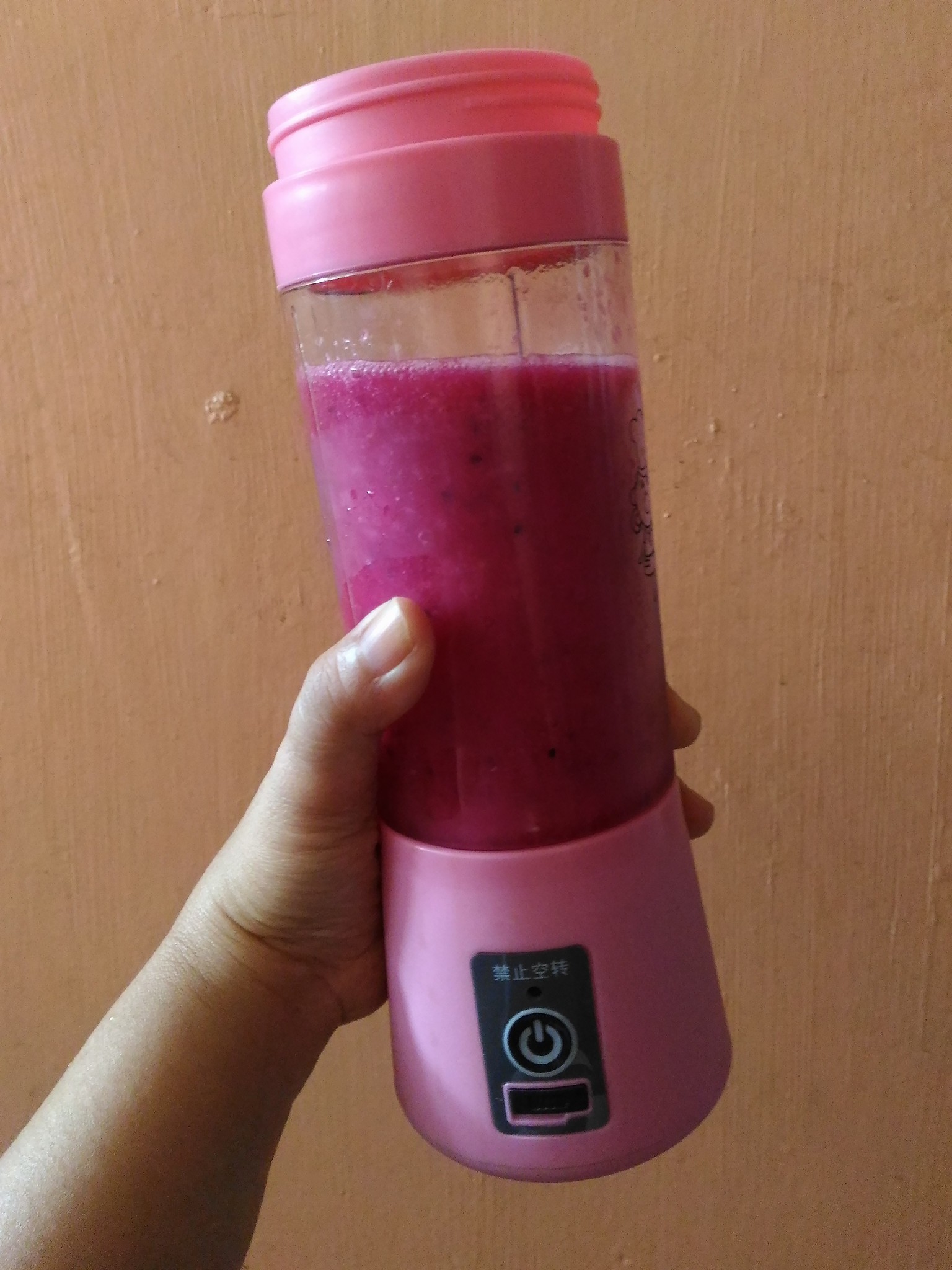
Rechargeable portable blenders exist for blending away from a socket. They are convenient for travel and genuinely limited in power; treat them as a way to mix a protein shake rather than as a blender.
Matching the machine to what you cook
One smoothie a day, no other blending: a personal bullet blender. Least washing-up, least counter space, lowest cost.
General household cooking — soups, sauces, occasional smoothies, batters: a mid-range full-size blender with variable speed, pulse, a tapered ribbed jar, and a metal drive coupling, plus a cheap stick blender for pot work.
Daily green smoothies, nut butters, frozen desserts: a high-performance machine with a tamper. This is the one case where the price premium buys a capability you cannot get otherwise.
Soup-heavy cooking and small sauces: a stick blender first. It is cheaper, stores in a drawer, and blends directly in the pan.

One thing worth saying plainly: a well-built basic blender from twenty years ago often outperforms a cheap modern one with a bigger number on the front, because it has a proper motor and a sensible jar. If you are choosing between a budget machine with impressive claims and a mid-range one with modest ones, the modest one is usually the better buy.
For the rest of the kitchen, the multicooker versus air fryer guide covers the other countertop appliances competing for the same space, the cookware guide covers pans for the soup you are about to blend, and the Ninja Creami Deluxe review covers frozen desserts specifically, which is a job blenders do badly.
The short version
Ignore wattage. Choose the type first: personal blender for single smoothies, stick blender for soup, full-size for general use, high-performance only if you make nut butter and green smoothies daily. Look for a tapered ribbed jar, multi-plane blades, a metal drive coupling, variable speed, and pulse. Check that gaskets and couplings are sold as spares. Then load liquids first, use pulse, and rinse the jar within a minute of finishing.
More coupon shopping advice
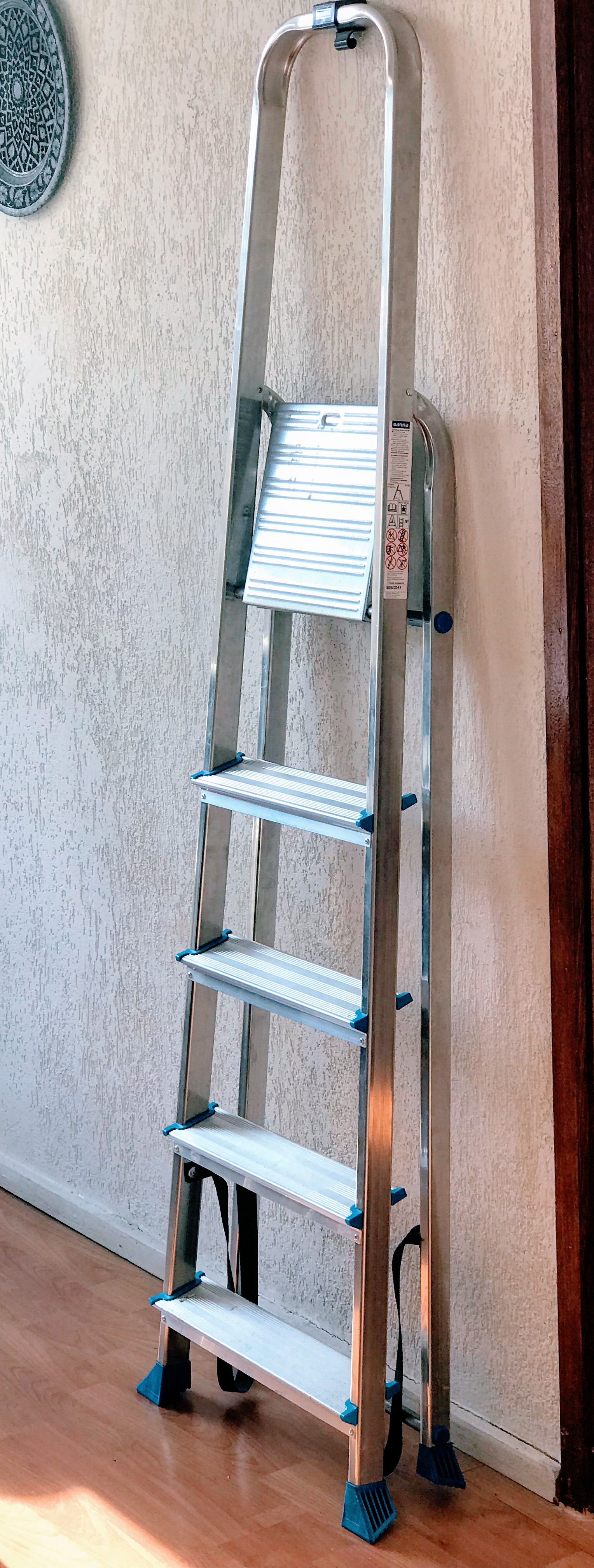
Ladder Buying Guide: Standards, Reach, and the Feet
Ladder specs are actually standardised and worth reading. Size by working height, not length, and check the feet before every single climb.

Iron and Garment Steamer Buying Guide: Steam Over Watts
Wattage only sets reheat speed. Grams per minute, bar pressure, and a removable scale collector decide how fast you get through a pile of shirts.

Dehumidifier Buying Guide: Diagnose the Damp First
Dehumidifiers fix condensation, not leaks. Compressor or desiccant depends on room temperature, and quoted capacity is measured in a greenhouse.