
Iron and Garment Steamer Buying Guide: Steam Over Watts
Wattage only sets reheat speed. Grams per minute, bar pressure, and a removable scale collector decide how fast you get through a pile of shirts.
Irons are sold on wattage and on the number of holes in the soleplate, and neither predicts how quickly you will get through a pile of shirts. Steam output does, and so does the shape of the soleplate tip, and so does whether the cord gets in your way. Meanwhile the decision most people never consciously make — iron, steam generator, or garment steamer — matters more than any specification on any of them.
Here is how to choose, starting with the choice between the three tools.
Iron, steam generator, or garment steamer
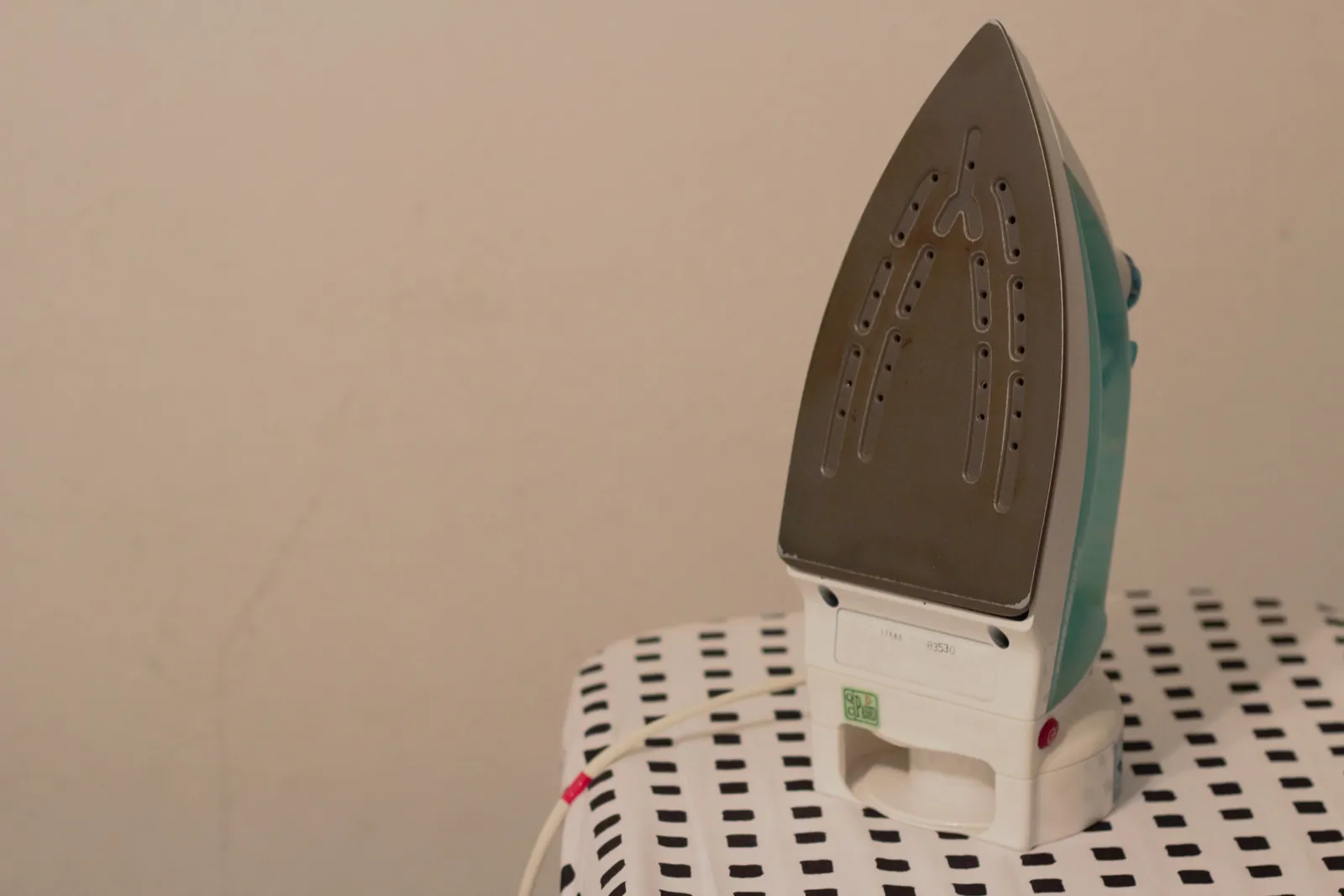
A steam iron heats a soleplate and holds a small water tank in the body. It presses fabric flat by combining heat, moisture, and pressure, which is what produces a genuinely crisp shirt collar and a sharp trouser crease. It is the right tool if you want pressed results, and the water tank is small so you refill it during a long session.
A steam generator separates the boiler from the iron: a large water tank on a base unit generates pressurised steam and feeds it up a hose to a lighter iron head. The steam is continuous and at higher pressure, so it penetrates thick fabric and you make far fewer passes. For anyone ironing more than a couple of items a week — bedding, shirts for a household, tablecloths — the time saving is substantial. The costs are price, storage size, and a longer initial heat-up.
A garment steamer does not press at all. It relaxes fibres with steam while the garment hangs, which removes creases without flattening. It is excellent on delicate fabrics, suits, knitwear, curtains still on the rail, and upholstery, and it cannot produce a crease or a crisp collar. Handheld travel versions are convenient and low-powered; upright floor models with a pole and hanger are far more effective.
The honest summary: if you want crisp shirts, you need an iron or a steam generator. If you want quick de-creasing of jersey, wool, and suits, a steamer is faster and safer. Many households benefit from an iron plus a cheap handheld steamer rather than one machine trying to do both.
Steam output is the number that matters
Wattage tells you how fast the soleplate reheats after it dumps heat into damp fabric, which matters — a 2000 watt iron recovers faster than a 1400 watt one, so it does not go cold mid-shirt. Beyond about 2400 watts the difference is marginal.
What actually flattens fabric is steam. Look for two figures. Continuous steam output, quoted in grams per minute, describes the steady flow: 25 to 40 g/min is normal for a domestic iron, and 100 g/min or more is typical of a steam generator. Steam boost or shot output is the burst you get by pressing a button for stubborn creases, quoted anywhere from 100 to 250 grams per minute.
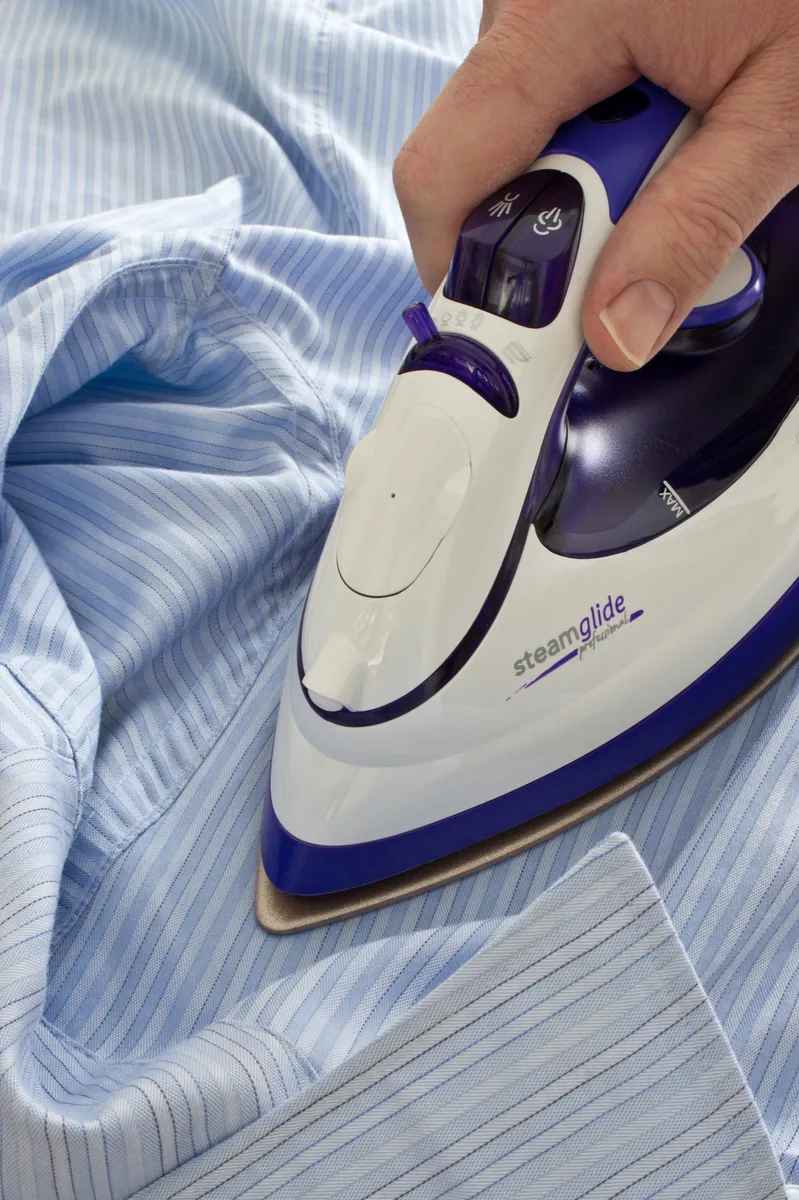
On steam generators there is a third figure: bar pressure, typically 5 to 8 bar. Higher pressure drives steam deeper into the weave, which is the mechanism behind ironing linen in one pass instead of four. Pressure matters more than raw grams per minute, because pressurised steam penetrates rather than sitting on the surface.
One caution: high steam output on a small tank means frequent refilling. A 300 millilitre iron running at 40 g/min empties in well under ten minutes of continuous steaming. Match tank size to output, and prefer a wide fill opening you can use under a tap without a funnel.
Soleplate: material and shape
Soleplate material determines glide, and glide determines how tiring ironing is. Stainless steel is durable, glides well, and is the sensible default. Ceramic and ceramic-coated plates glide very smoothly and the coating can chip or wear through over years. Aluminium is light, cheap, heats fast, and scratches easily. Titanium-coated plates are hard-wearing and expensive. Anodised aluminium sits in between.
Shape matters more than most buyers notice. A sharply tapered tip gets between buttons and into gathers and pleats; a blunt-nosed plate does not. A grooved or recessed channel along the rear edge lets you iron around buttons rather than over them. And check the vent hole layout — holes concentrated at the tip and along the edges put steam where the creases are, while a plate with holes only in the middle steams the part already flat.
Weight is a genuine trade-off. A heavier iron does more of the pressing work for you, which means fewer passes; a lighter iron is less tiring to hold for an hour. Steam generators resolve this neatly, because the boiler is on the base and the head is light while the steam does the work.
Limescale is what kills irons
Every steam appliance boils water, and in hard water areas calcium precipitates inside. Scale blocks steam channels, reduces output, and eventually spits white flakes and brown water onto a white shirt, which is the failure mode people remember.
Three defences, in order of usefulness. A removable anti-scale cartridge or collector that traps scale and can be rinsed or replaced is the best arrangement, and on steam generators a descaling drawer or a boiler you can flush is close to essential. A self-clean function flushes the steam chamber and works if you use it monthly. An anti-drip system stops water leaking through the plate at low temperatures, which is a related nuisance rather than a scale fix.
On water: check the manual rather than assuming. Many manufacturers now specify plain tap water and explicitly warn against pure distilled or deionised water, because some anti-scale systems rely on minerals to work and pure water can cause spitting. In very hard water areas a 50-50 mix of tap and distilled is the common compromise. Never use water from a tumble dryer or dehumidifier, or scented ironing water in an appliance not designed for it — see our dehumidifier buying guide on why that condensate is not clean.
Empty the tank after every session. Water left standing in a warm iron accelerates scale and can leave a stale smell that transfers to fabric.
Temperature, fabrics, and the burn risk
Fabric care symbols use dots: one dot is roughly 110 °C for synthetics and silk, two dots about 150 °C for wool and polyester blends, three dots about 200 °C for cotton and linen. Synthetics melt, and a melted synthetic welds itself to the soleplate, which is the most common way to ruin both a garment and a plate.
Work from coolest to hottest so you are never waiting for the iron to cool, and use a pressing cloth — a plain cotton tea towel works — over anything delicate, printed, or dark. Dark fabrics develop a shine when pressed directly, so iron them inside out.
Some irons offer a single optimal temperature with clever steam control, which removes the dial entirely and works well in practice. If you buy one, check independent reviews for whether it genuinely handles both silk and linen, because the claim is doing a lot of work.
Steam and hot metal both burn. Never steam a garment while wearing it, keep the plate away from the cord, and let the appliance cool fully before storing. Auto shut-off after a few minutes idle, and after 30 seconds resting on the plate, is worth insisting on in any household with children or distractions.
Cord, base, and the details you notice daily
A 2 metre cord reaches a socket across a room; a 1.5 metre one tethers you. A 360 degree swivel at the iron end stops the cord kinking and lets left- and right-handed users work equally. Cord storage on the base matters if the appliance lives in a cupboard.
Cordless irons charge on a base and run for perhaps 30 to 60 seconds of use before needing to reheat. For a few items they are pleasant; for a pile of shirts the pauses are maddening.
On steam generators, check the hose length and flexibility — a short stiff hose fights you — whether the iron locks to the base for carrying, and how loud the pump is, since it cycles audibly. Also check heat-up time: 2 minutes is good, 5 or more is a reason to iron in batches rather than one shirt at a time.
The ironing board is not an accessory. A wobbly board absorbs the pressure you are trying to apply, and a thin worn cover lets heat sink into the metal mesh instead of reflecting back through the fabric. A stable board at the right height — roughly hip level — with a well-padded reflective cover does more for both speed and results than upgrading from a mid-range iron to a premium one.
Getting good results faster
Most of the work happens before the iron touches anything. Take washing out of the machine promptly and shake it out; clothes left compressed in a drum set their creases. A lower spin speed leaves clothes slightly damp and much easier to iron, and drying on a hanger rather than a line removes most of the need — our washing machine buying guide covers spin speeds and how much they matter.
Iron slightly damp rather than bone dry. If clothes have dried fully, mist them with a spray bottle and let the moisture soak in for a minute; steam applied to a bone-dry surface evaporates before it can relax the fibres.
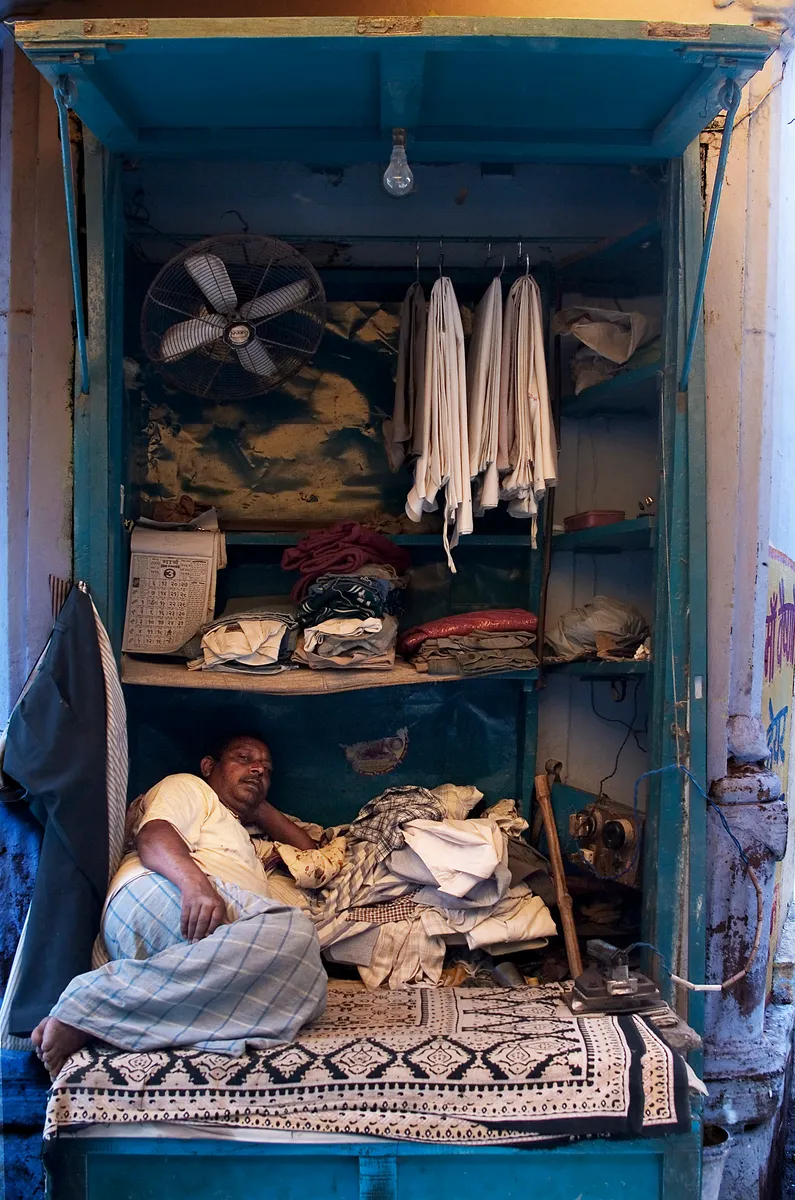
Shirt order that saves time: collar first, both sides, then the cuffs, then the sleeves, then the yoke across the shoulders, then the body panels finishing with the front placket. Working outward-in means you do not re-crease finished sections.
Clean the soleplate when it drags. A cold plate can be cleaned with a paste of bicarbonate of soda and water on a damp cloth; melted synthetic comes off a warm plate with a wooden scraper, never a metal one. Never use abrasive scourers or oven cleaner on a coated plate. Fabric choice reduces the whole problem — the wardrobe durability guide covers which weaves crease and which recover on their own.
Matching the tool to your laundry
One or two shirts a week, small flat, limited storage: a mid-range 2200 to 2400 watt steam iron with a stainless or ceramic plate, 40 g/min continuous steam, anti-drip, and auto shut-off. Spend the surplus on a solid board.
Family laundry, shirts and bedding every week: a steam generator at 6 bar or more with a large detachable tank and a descaling system. The upfront cost is repaid in time within months.
Suits, knitwear, and curtains: an upright garment steamer with a pole and hanger, and a small iron for collars and cuffs.
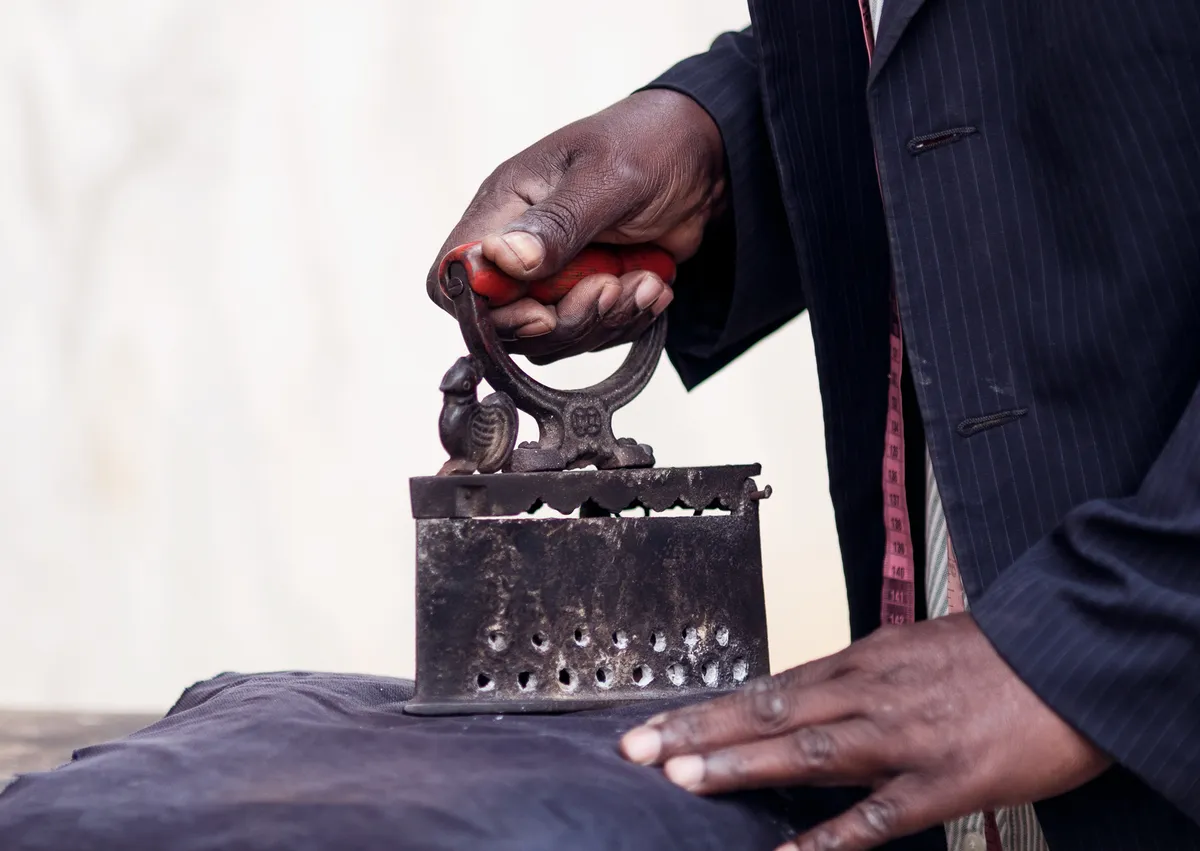
Sewing and craft work: a smaller, precise iron with a sharp tip and reliable dry mode, since pressing seams needs accuracy and heat rather than volume of steam.
Travel: a compact handheld steamer with dual voltage, which also handles a hotel room's curtains. Do not expect it to press anything.
Hard water area, whatever you choose: prioritise a removable scale collector or flushable boiler over every other feature, because scale is what ends these appliances. The same water chemistry logic applies elsewhere in the house — see the electric kettle buying guide and the dishwasher buying guide for descaling and softener settings.
The short version
Decide the tool first: iron or steam generator for crisp pressed results, garment steamer for relaxing creases in delicates and suits. Judge irons on continuous steam in grams per minute and generators on bar pressure, not on wattage or hole count. Look for a tapered tip, a rear button channel, and vents at the edges. Insist on anti-drip, auto shut-off, a swivel cord, and above all a removable scale collector if your water is hard. Then buy a stable board with a good cover, iron slightly damp, and empty the tank after every session.
More coupon shopping advice

Home Security Camera Buying Guide: Local vs. Cloud Storage
A practical, balanced buying guide to home security cameras that weighs local storage against cloud subscriptions, wired versus battery power, camera placement, night vision, smart detection accuracy, and smart home integration.

Beginner Mirrorless Camera Buying Guide
A practical, honest walkthrough of what actually matters when buying your first mirrorless camera, from sensor size and lens mounts to autofocus, video specs, and the real total cost of a beginner-friendly system.

Air Purifier Buying Guide: CADR, ACH, and Filter Costs Explained
A practical walkthrough of the numbers that actually matter when buying an air purifier — CADR and ACH for sizing, true HEPA versus marketing terms, real three-year filter costs, realistic noise levels, and when a purifier won't help at all.