
Washing Machine Buying Guide: Capacity Lies, Noise Matters
Drum size and spin speed are the wrong numbers. Motor type, noise, cycle length, and parts availability decide the next decade.
Washing machines are bought on drum capacity and spin speed, and neither of those is what determines whether you are happy with the machine in year six. Reliability, noise, cycle length, and how the door seal handles being neglected matter far more — and none of them appear on the shelf tag.
This guide covers what the numbers actually mean, the front-loader versus top-loader trade that is really about water use and space, and the maintenance that decides whether a machine reaches ten years or dies at five smelling of mildew.
The quick answer
For most households: a front-loader, 7-9kg drum, 1,400rpm spin, from a brand whose parts you can buy locally. Budget $450-$800. It uses roughly a third less water than a top-loader and washes more gently.
For a household that adds items mid-cycle, has back or mobility issues, or wants 40-minute washes: a top-loader. Faster, easier to load, and thirstier.
Spin speed above 1,400rpm produces diminishing returns and more fabric wear. 1,200rpm is fine; 1,600rpm is a marketing number that saves a few minutes of drying.
Measure the space including door swing and the depth needed for hoses behind the machine — 5-8cm — before ordering anything.
Capacity, and why the quoted number misleads
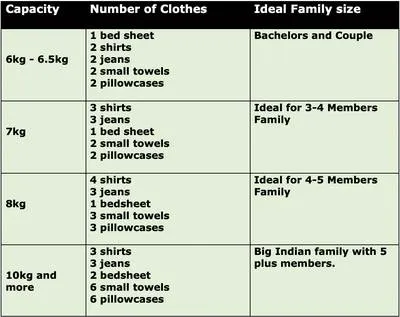
Drum capacity is quoted in kilograms of dry cotton, packed to the manufacturer's test standard. In real use you will load 70-80% of that, because clothes need room to tumble and a packed drum washes badly.
Rough sizing: 6-7kg suits one or two people, 8kg suits a family of three or four, 9-10kg suits larger families or anyone washing duvets. A 10kg machine is not a better 7kg machine — larger drums use more water on small loads unless the machine has good load sensing, and they cost more.
The item that actually dictates capacity is bedding. A king-size duvet needs 9kg or more to move freely; anything less and it wraps into a ball and comes out partly dry and partly soaked. If you wash duvets at home rather than at a laundrette, size for that and ignore the clothing maths.
Front-loader versus top-loader, on the evidence
Front-loaders tumble clothes through a shallow pool of water, lifting and dropping them. That mechanism needs much less water — commonly 45-70 litres per cycle against 90-150 for a traditional agitator top-loader — and is gentler on fabric because there is no central agitator twisting garments against each other.
They also spin faster, which extracts more water and shortens drying time, and they stack with a dryer, which is often the deciding factor in a flat.
The costs are real. Cycles are long: a normal front-loader wash runs 60-120 minutes against 30-50 for a top-loader, because saving water means longer mechanical action to achieve the same cleaning. Loading requires bending. Nothing can be added once the door locks. And the rubber door gasket traps water and lint, which is where the mildew smell comes from — a well-documented and entirely preventable problem covered below.
Top-loaders with an impeller plate rather than a tall agitator split the difference: more water-efficient than agitator models, gentler on clothes, and still fast and easy to load. If a top-loader suits your household, that is the version to look for.
The specifications that predict satisfaction
Noise, quoted in decibels for wash and spin separately. A spin cycle at 76dB in an open-plan flat is genuinely disruptive; 72dB is noticeably better, and each 3dB is roughly a doubling of sound energy. Machines with inverter motors and better balancing run quieter, and this is the specification people wish they had checked.
Motor type. Direct-drive and brushless inverter motors have no belt and fewer wear parts, run quieter, and typically carry longer motor warranties — ten years is common. Belt-driven brushed motors are cheaper and the belt is a consumable.
Energy and water labels, read as annual figures rather than letter grades, since grading scales have been rescaled and an older A+++ is not comparable to a current A. The annual kWh and litre figures are directly comparable and are what will show on your bills.
Cycle length for the cycle you will actually use. Manufacturers achieve headline efficiency figures on a long eco cycle that many people never select. Check the duration and consumption of the normal 40°C cotton cycle, which is what most washes are.
And a genuine convenience feature worth having: an automatic load-sensing system that adjusts water to the actual load. It saves water on small washes and prevents the under-washing that happens when a half-load gets a full-load water volume.
Temperature, detergent, and what actually cleans
Modern detergents are formulated with enzymes that work at 20-40°C, which is why cold and warm washes clean well and use a fraction of the energy — heating water is around 80-90% of a wash cycle's electricity.
There is one exception worth knowing. Low-temperature washing does not kill bacteria or clear the biofilm that builds inside the machine, which is the mildew-smell mechanism. Running a 60°C or higher maintenance wash monthly, with the drum empty and either a machine cleaner or a measure of detergent, addresses it. This is the single most effective habit for machine longevity and smell.
Detergent quantity is where most people go wrong in the opposite direction. Excess detergent does not clean better; it leaves residue in fabric and in the machine that feeds biofilm. If you have soft water, use noticeably less than the box suggests — the dosing instructions assume hard water.
Fabric softener is worth reconsidering entirely. It coats fibres, which reduces towel absorbency and the wicking of technical fabrics, and it contributes to residue in the machine. Our wardrobe basics guide covers the fabric side of laundry decisions, and the short version is that heat and over-washing damage clothes far more than detergent choice does.
Dryers, and the washer-dryer compromise
Combined washer-dryers fit one appliance where two would go, which in a small flat is often the only option. The compromise is real and worth knowing: drying capacity is typically half the washing capacity, so a 9kg wash must be split into two dry loads, and condenser drying without a heat pump takes three to four hours and uses substantial electricity.
Separate machines are better in every respect except space. Heat pump dryers in particular use roughly half the energy of a vented or condenser dryer by recycling warm air, run at lower temperatures that are gentler on fabric, and need no external vent. They cost more up front and cost less to run, and the crossover point is usually two to three years of regular use.
If you have outdoor space or a well-ventilated room, a drying rack costs nothing to run and is gentler on clothes than any dryer. The heat and tumbling in a dryer is what shrinks cotton, degrades elastane, and produces the lint that is literally your clothes wearing away.
Installation details that cause problems later
Transit bolts must come out before the first wash. They immobilise the drum for shipping, and running a machine with them fitted destroys the suspension. Delivery teams usually remove them; check, because the symptom is a machine that sounds like it is trying to leave the building.
Levelling matters more than it seems. An unlevel machine walks across the floor during spin, and on a suspended timber floor it can be loud enough to be a household argument. Use the adjustable feet and a spirit level, and check again after a month of use.
Hoses are the flood risk. Standard rubber inlet hoses fail eventually; braided stainless hoses cost $15 and largely remove the risk. Fit a drip tray if the machine sits above a finished floor, and know where the stopcock is.
Maintenance that adds years
Leave the door and the detergent drawer ajar after each wash. Trapped moisture in a sealed drum is what grows mildew, and this costs nothing.
Wipe the door gasket dry weekly and check the fold at the bottom, where water and lint collect. On front-loaders this is where smells originate almost every time.
Clean the detergent drawer monthly and the drain pump filter every few months. The filter — usually a small hatch at the bottom front — catches coins, hair grips, and lint, and a blocked one causes drainage errors that get diagnosed as pump failure.
Run the monthly hot maintenance wash. And descale if you have hard water, since limescale on the heating element reduces efficiency and eventually kills the element, which is one of the more expensive repairs.
Repairability and total cost
Average machine lifespan is around eight to eleven years, and it varies enormously by usage and maintenance. The variable that most affects total cost is whether a repair is economic, which depends on parts availability and labour cost relative to a new machine.
Before buying, check whether the manufacturer publishes spare parts and for how many years, whether independent engineers service the brand locally, and whether the drum bearings are replaceable or sealed into the tub. Sealed-tub designs are cheaper to build and mean a failed bearing writes off the machine — a repair that would otherwise cost $150.
The cheapest machine on the shelf is frequently the most expensive over a decade: two $400 machines at five years each cost more than one $700 machine at eleven, and produce more waste. The $600-$850 band, from a brand with local parts support, is where the value sits for a household washing four or more loads a week.
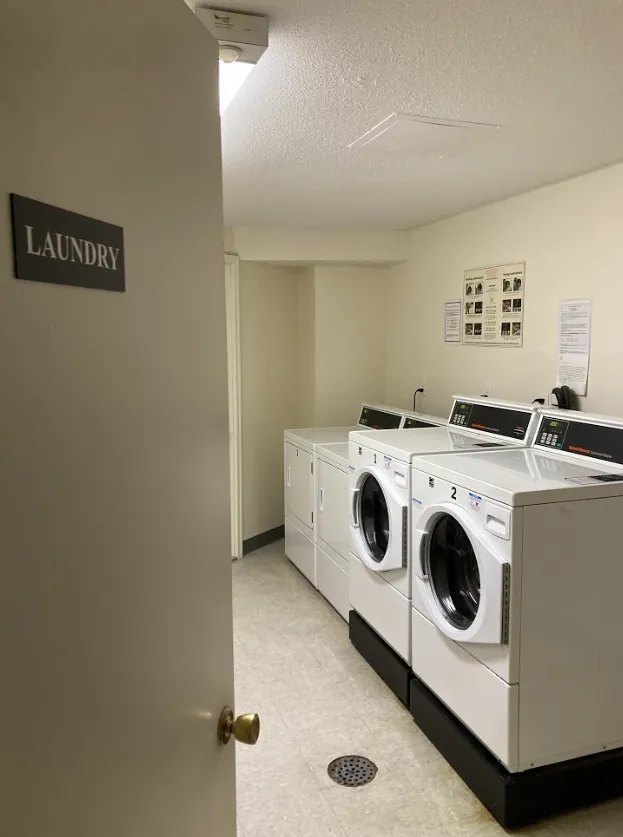
One last practical note: if you are in a rented flat with shared laundry, none of this applies and the correct purchase is a good drying rack and a laundry bag. The machine decision only matters when you own the machine.
More coupon shopping advice

Home Security Camera Buying Guide: Local vs. Cloud Storage
A practical, balanced buying guide to home security cameras that weighs local storage against cloud subscriptions, wired versus battery power, camera placement, night vision, smart detection accuracy, and smart home integration.

Beginner Mirrorless Camera Buying Guide
A practical, honest walkthrough of what actually matters when buying your first mirrorless camera, from sensor size and lens mounts to autofocus, video specs, and the real total cost of a beginner-friendly system.

Air Purifier Buying Guide: CADR, ACH, and Filter Costs Explained
A practical walkthrough of the numbers that actually matter when buying an air purifier — CADR and ACH for sizing, true HEPA versus marketing terms, real three-year filter costs, realistic noise levels, and when a purifier won't help at all.