
Wardrobe Basics Buying Guide: How to Read a Label for Durability
Fabric weight, fibre content, and seam construction predict how long clothing lasts. Price above a floor mostly does not.
Clothing durability is measurable, and almost none of the measurements appear on the label. What appears instead is a brand name, a price, and a composition list that most shoppers skim. That composition list is actually the most informative thing on the garment, because a few percentage points of elastane or a shift from ringspun to open-end cotton changes how long the thing lasts by years.
This guide covers what to read on a label, how fabric weight and construction predict lifespan, and where paying more genuinely buys durability versus where it buys branding. It is written for someone who would rather own eight things for a decade than thirty things for a season.
The quick answer
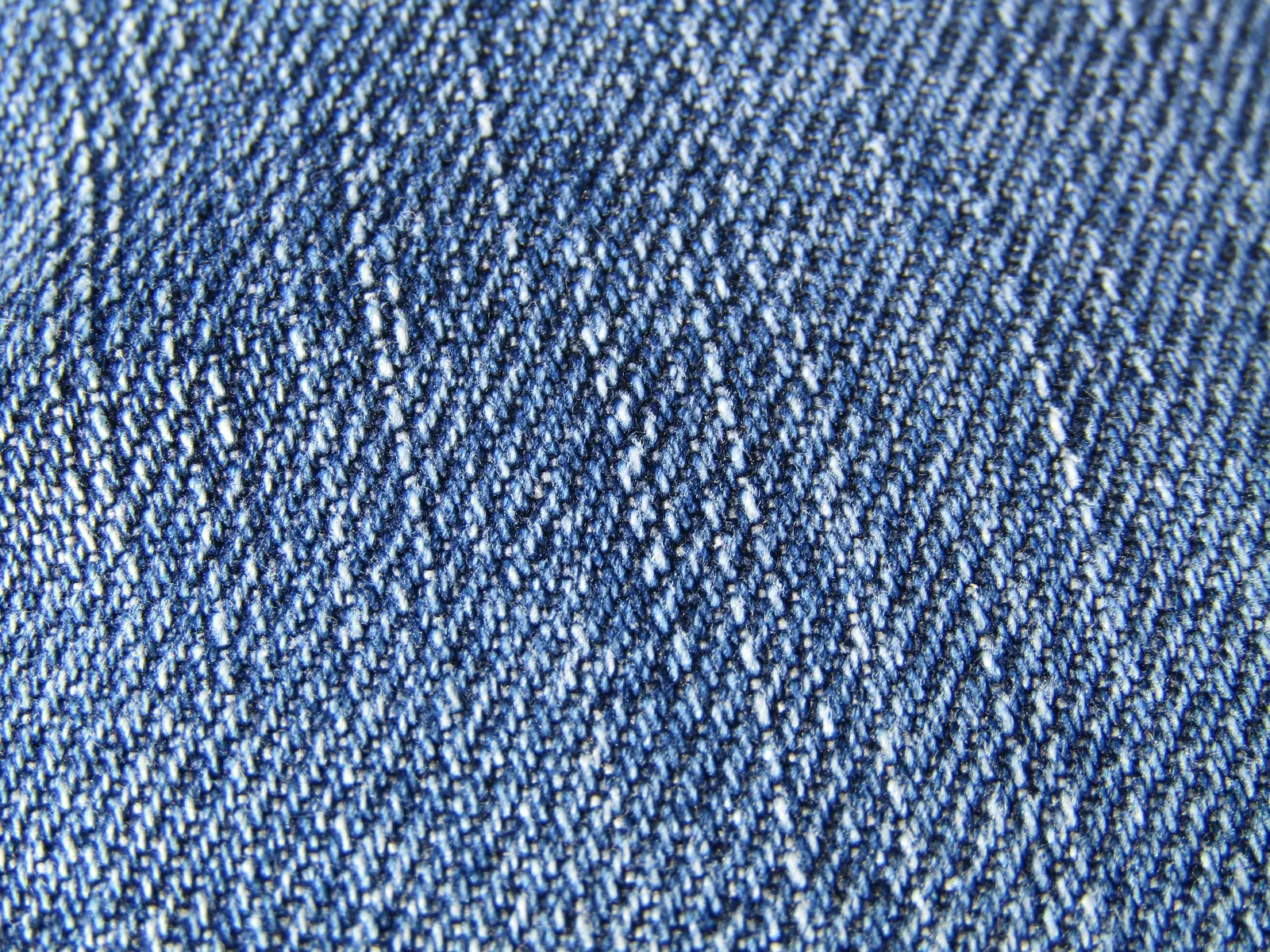
For trousers you will wear constantly: 100% cotton denim at 12oz or heavier, or with at most 1-2% elastane. Above about 3% stretch, the garment will bag out at the knees and seat within a year and never recover.
For t-shirts: combed ringspun cotton, 180gsm or heavier, with a taped shoulder seam and a ribbed collar that is at least 2cm deep. Thin 140gsm shirts twist and lose their collar shape in a dozen washes.
For knitwear: merino wool for warmth-to-weight and odour resistance, lambswool for durability and price, and avoid anything with a high acrylic content if you want it to look good in year three.
For outer layers: match the insulation to the climate rather than buying the warmest thing available. Down for dry cold, synthetic for damp cold, and a shell over either for wind and rain.
Reading a label properly
Fibre content first. 100% natural fibres generally age better cosmetically and worse functionally — cotton has no stretch recovery, wool felts if washed hot. Small synthetic additions are frequently improvements: 1-2% elastane in denim adds comfort at almost no durability cost, and a little nylon in a wool sock is what stops the heel wearing through.
Large synthetic proportions are where it turns. Above roughly 5% elastane, garments lose shape permanently. Above about 30% acrylic in a knit, expect pilling within a season. Polyester is genuinely durable and genuinely holds odour, which is why a polyester gym shirt outlasts a cotton one and smells worse doing it.
Fabric weight next, usually in gsm for knits and ounces per square yard for denim. This is the single best proxy for durability within a fabric type. 12-14oz denim is a workhorse; 9-10oz is comfortable and short-lived. 180-220gsm makes a t-shirt that keeps its shape; 140gsm makes one that does not.
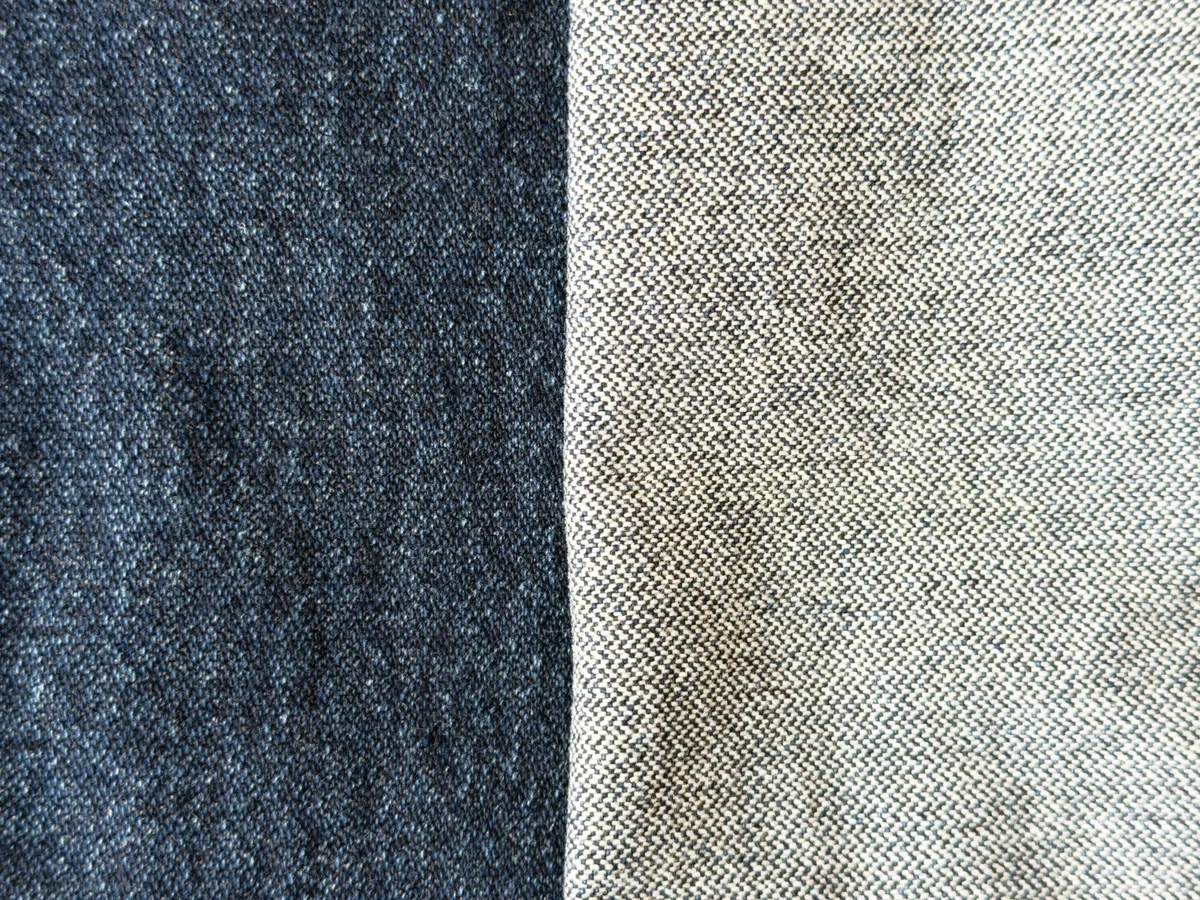
Then look at what the label does not say. Country of manufacture tells you less than people think; a well-made garment from a low-cost country beats a poorly-made one from an expensive one. What does tell you something is whether the brand publishes fabric weight, mill, and yarn type at all — brands that specify are generally brands with something worth specifying.
Construction details that predict failure
Garments fail at seams and edges, and a two-minute inspection finds most problems before purchase.
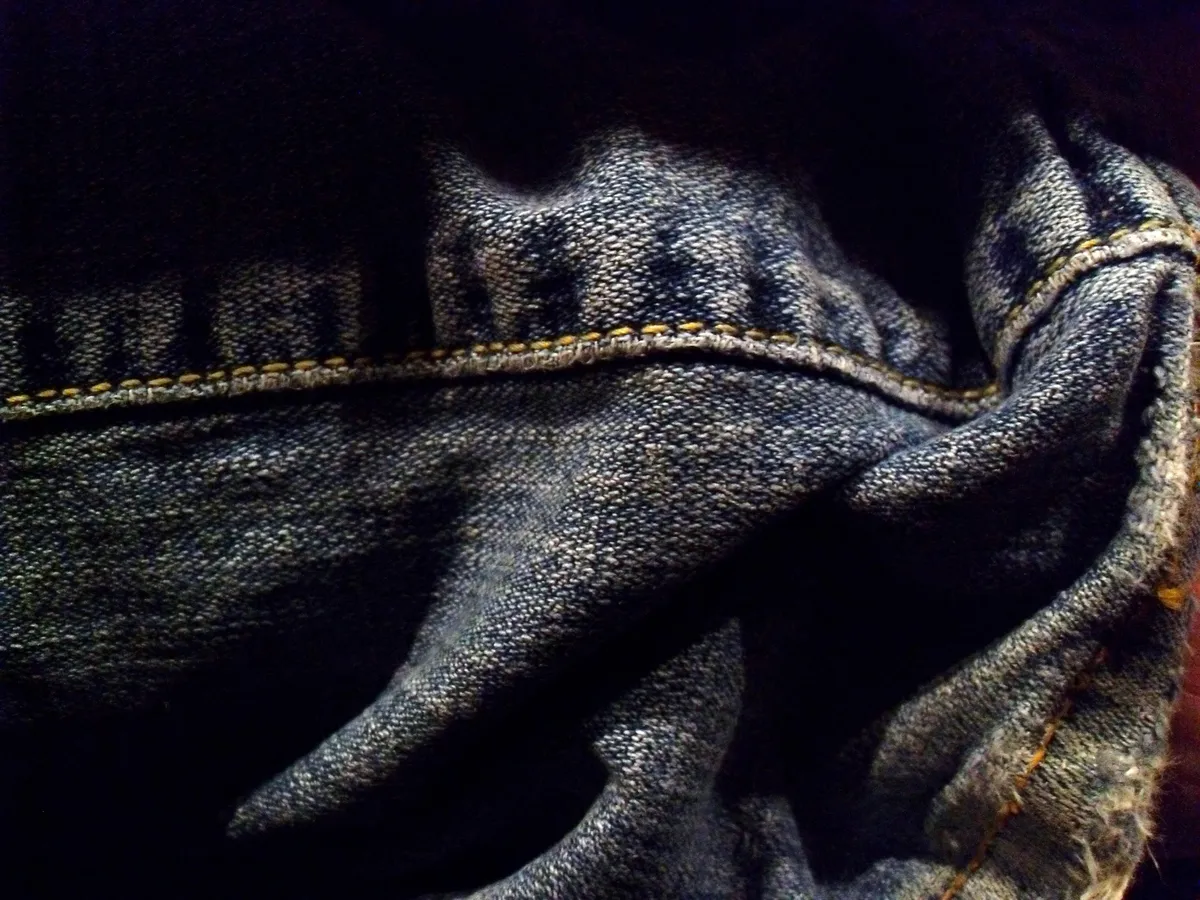
Seam type matters. A single row of stitching on a stress seam — inseam, crotch, armhole — will fail. Flat-felled or double-needle chainstitch seams enclose raw edges and distribute load. Turn a garment inside out and look at the crotch of trousers and the underarm of a shirt; if the raw edge is exposed and stitched once, that is where it will go.
Stitch density is a reliable quality tell. Count stitches in a couple of centimetres: roughly 8-12 per 2.5cm is normal, and noticeably fewer means faster seam failure. Loose, uneven stitching on a visible seam usually reflects the same care applied to the ones you cannot see.
Buttons and buttonholes next. Cross-stitched or shank-mounted buttons hold; a button attached with four loose passes of thread will come off. Buttonholes should be tightly stitched with no fraying at the ends; a bar tack at each end is a good sign.
Finally, check the fabric grain and the pattern match. A shirt where the pattern does not line up across the placket or the pockets indicates a factory cutting to save fabric, and the same corner-cutting tends to show elsewhere.
Denim, specifically
Denim is the clearest case of durability being knowable in advance. Three variables determine it.
Weight, as above: under 11oz is lightweight and comfortable; 12-14oz is the standard durable range; above 16oz is stiff for weeks and lasts years.

Stretch content, as above: the elastane that makes jeans comfortable is also the fibre that degrades fastest, and it degrades faster with heat. Tumble-drying stretch denim is the quickest way to destroy it.
Finish and distressing. Pre-distressed jeans have had fabric mechanically or chemically removed, which is exactly the same thing as pre-worn, and they wear through sooner. Heavy sandblasting or laser distressing at the knee removes the fibres that would have held that knee together.
Washing is where most denim life is lost. Cold water, inside out, minimal detergent, and air drying will double the life of a pair of jeans compared with hot washing and tumble drying. Wash less often than instinct suggests — denim does not need washing after every wear, and airing it does most of the work. Our Levi's 501 review covers the straight-leg standard against these criteria, including how the non-stretch version behaves over time.
Footwear: construction over material
Shoe durability is mostly about how the upper attaches to the sole. Cemented construction glues them, which is light, cheap, and unrepairable — when the sole wears out, the shoe is finished. Stitched constructions such as Goodyear welt or Blake stitch attach mechanically, which means a cobbler can replace the sole for $60-$120 and the shoe continues for another few years.
For sneakers, almost everything is cemented, so the question becomes how long the midsole lasts. EVA foam midsoles compress permanently over roughly 500-800km of walking or running, after which the cushioning is gone even though the shoe looks fine. That is the real replacement trigger and it is invisible.
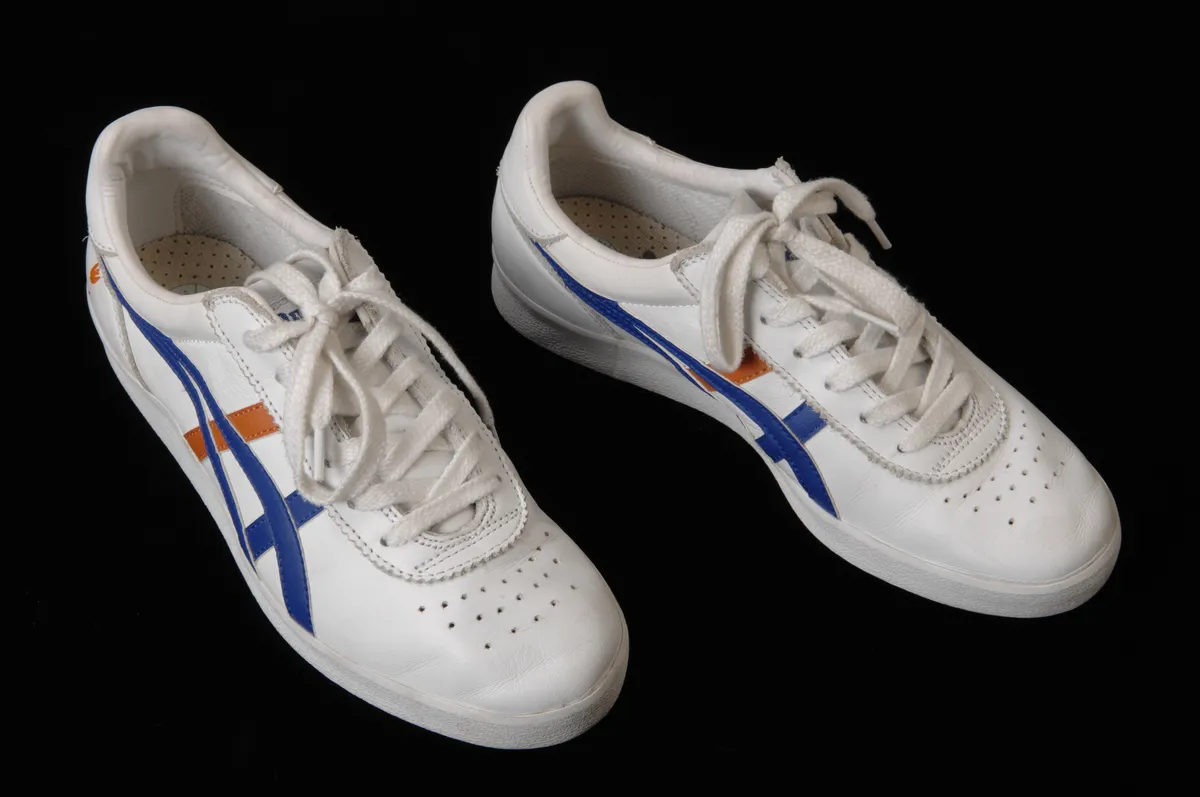
Rotating two pairs rather than wearing one daily extends both substantially, because foam recovers between wears and linings dry out. This is the cheapest durability intervention in footwear and it requires buying nothing new.
Wool uppers are worth a specific note since they have become common in everyday sneakers: they are comfortable, breathable, and manage odour well, and they are less abrasion-resistant than synthetic mesh, so they wear at flex points sooner. Our Allbirds Wool Runners review covers two months of daily wear on exactly that trade-off.
Insulation: down versus synthetic
Down is measured by fill power — 550, 700, 800 and so on — which describes how much volume a given weight of down occupies, and therefore its warmth-to-weight efficiency. Higher fill power means lighter for the same warmth, not warmer in itself; total warmth depends on fill weight as well.
Down's failure mode is water. Wet down clumps and loses nearly all its insulating loft, and dries slowly. Hydrophobic treatments help and do not eliminate this. In genuinely damp climates, synthetic insulation, which retains most of its warmth when wet and dries fast, is the more practical choice despite being heavier and less compressible.
Synthetic insulation also degrades differently: the fibres break down and lose loft over a few years of compression, where well-cared-for down can last decades. So down is the long-term investment for dry cold, and synthetic is the practical choice for wet cold and for anything that gets stuffed into a bag daily.
Our Patagonia Nano Puff review covers the synthetic side as a year-round layer, which is the case where the wet-performance argument matters most.
Care, which matters more than purchase price
Heat is the enemy of almost every garment. Tumble dryers shrink cotton, destroy elastane, felt wool, and melt the laminate in waterproof jackets. Air drying costs nothing and adds years.
Over-washing is second. Detergent and agitation abrade fibres every cycle. Wool and denim in particular need washing far less often than habit suggests — airing overnight handles most of it.
Repair is the highest-leverage skill in this entire category. Reattaching a button, closing a small seam split, and darning a sock heel are twenty-minute jobs that add years, and a $10 sewing kit covers all three. A cobbler resoling $200 boots for $90 is better value than any purchase.
Where price stops correlating with quality
Below a floor — roughly $25 for a t-shirt, $60 for jeans, $90 for shoes — you are generally buying materials and construction that cannot last, and the cost-per-wear works out worse. Above a ceiling, which arrives sooner than the market implies, additional money buys design, brand, and materials whose benefits are aesthetic.
The reliable signals of the middle band, where value lives: published fabric weight and composition, a stated repair or warranty policy, availability of the same product across multiple years rather than a seasonal-only range, and construction details visible on inspection. None of those correlate strongly with price above the floor, which is why a careful $80 purchase frequently outlasts a careless $250 one.
More coupon shopping advice

Home Security Camera Buying Guide: Local vs. Cloud Storage
A practical, balanced buying guide to home security cameras that weighs local storage against cloud subscriptions, wired versus battery power, camera placement, night vision, smart detection accuracy, and smart home integration.

Beginner Mirrorless Camera Buying Guide
A practical, honest walkthrough of what actually matters when buying your first mirrorless camera, from sensor size and lens mounts to autofocus, video specs, and the real total cost of a beginner-friendly system.

Air Purifier Buying Guide: CADR, ACH, and Filter Costs Explained
A practical walkthrough of the numbers that actually matter when buying an air purifier — CADR and ACH for sizing, true HEPA versus marketing terms, real three-year filter costs, realistic noise levels, and when a purifier won't help at all.