
Patagonia Nano Puff Jacket Review: Weather-Resistant Do-It-All Layer
A synthetic-insulated jacket that trades peak warmth-to-weight for genuine rain resistance and packability, tested across ten weeks of commuting, hiking, and one real downpour.
- PrimaLoft synthetic insulation keeps warming even when wet, unlike down
- Packs into its own pocket down to about the size of a can of tennis balls
- Ripstop shell shrugged off snags and abrasion over ten weeks of daily wear
- True to size with room to layer a midweight fleece underneath
- Patagonia Ironclad Guarantee covers repairs, extending real-world lifespan
- Not as warm for the weight as a quality down jacket in cold, dry conditions
- Expensive relative to budget synthetic alternatives that perform similarly in mild weather
- Little to no venting, so it overheats quickly during high-exertion activity
- DWR coating noticeably degrades after a few months and needs periodic reapplication
- No hood on the standard version, and hem length leaves the lower back exposed in wind
The Patagonia Nano Puff Jacket has been a fixture in outdoor closets for over a decade, and after wearing one through a full autumn-to-spring cycle — commuting, dog walks in sleet, a few weekend hikes, and one genuinely miserable stakeout at a Little League game in 34-degree drizzle — I understand why. It is not the warmest jacket I own, and it is not the cheapest, but it is the one I reached for more often than any down jacket in the closet, mostly because it does not care if it gets rained on.
This review covers the men's full-zip Nano Puff in the standard fit, tested in a size medium, in the Classic Navy colorway. Patagonia sells women's, hooded, and vest versions of the same insulation platform, and most of what follows applies to those as well, though fit notes are specific to the standard men's cut.
First impressions and what's in the box
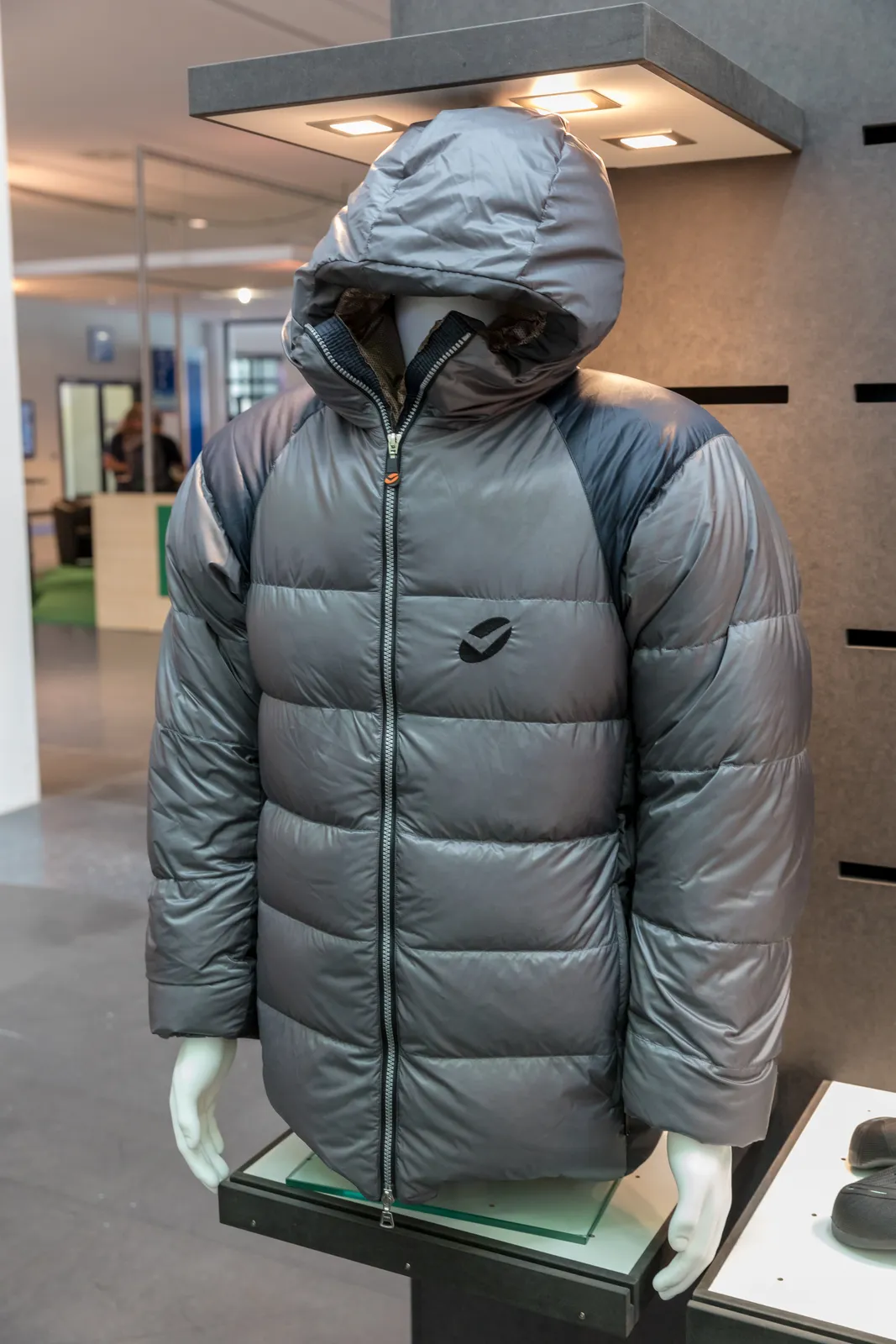
There's no box, just a stuff sack sewn into the jacket's own left hand pocket — pull the pocket inside out, tuck the jacket in, and it becomes a self-contained package roughly the size of a can of tennis balls. That packability is the first thing anyone notices. At 12.3 oz for a size medium, it's lighter than most people expect from something that looks this substantial on a hanger. The ripstop shell has a slightly papery hand-feel compared to a typical softshell, which is the tradeoff for weight and wind resistance — it's a 100% recycled polyester ripstop with a DWR (durable water repellent) finish, not a soft-touch fabric.
Zippers are YKK, the main zip has a storm flap sewn behind it, and the hand pockets are deep enough to hold a phone in a case without it sliding out when you bend over. There's a single interior chest pocket, no media loop, no hand-warmer pockets beyond the two main ones. It is a simple jacket by design — Patagonia's more feature-loaded pieces (Micro Puff, Down Sweater) start ahead of the Nano Puff on features but not necessarily on real-world usefulness.
PrimaLoft insulation, explained
The Nano Puff uses 60g PrimaLoft Gold Insulation Eco, a synthetic fill made partly from recycled content, layered in the body and sleeves (Patagonia varies the fill weight slightly by panel — heavier in the torso, lighter in areas prone to compression like the underarms). Synthetic insulation like PrimaLoft works differently than down: instead of relying on lofted clusters trapping air, it uses fine synthetic fibers that mimic down's structure but don't collapse when wet. That's the entire value proposition of this jacket in one sentence — it keeps roughly 90% of its insulating power when damp, where down can lose the majority of its loft and warmth if it gets soaked through.
In practice, this showed up clearly during testing. I got caught in a genuine downpour — not drizzle, a proper 20-minute soaking rain — walking back from a coffee shop. The DWR shell beaded water for the first ten minutes, then started wetting out on the shoulders as the coating saturated, which is normal and expected for any DWR-treated shell over time. But even with the face fabric visibly wet, the jacket kept insulating; there was no cold, clammy collapse the way an uncoated down jacket would have behaved. It dried out within a couple of hours near a radiator, no lingering damp-down smell, no matting.
Warmth-to-weight and where it actually falls short
Let's be direct about where the Nano Puff is not the best tool: raw warmth-to-weight. Ounce for ounce, quality 800-fill down still beats 60g PrimaLoft synthetic insulation. Patagonia's own Down Sweater, at a similar weight class, feels noticeably warmer in genuinely cold, dry conditions — say, below 25 degrees F standing still. The Nano Puff is comfortable as an active mid-layer or a stand-alone piece down to roughly the mid-30s to low 40s Fahrenheit for most people with moderate activity; below that, most testers layered a base layer underneath or added a shell on top. This isn't a jacket built for standing around at a ski lift in January in the Rockies — it's built for everything else: commuting, travel, hiking where weather is unpredictable, everyday errands where you don't want to think about your jacket.
The other honest limitation is breathability during high-exertion activity. On a brisk uphill hike with a loaded pack, I had to unzip fully and eventually take it off entirely once my heart rate climbed — there's no venting mechanism, no pit zips, and the ripstop shell doesn't breathe the way a fleece or an active-insulation piece with more air-permeable face fabric does. It's genuinely well suited to low-to-moderate activity in cool, wet conditions and genuinely poor for aerobic effort. If your primary use case is trail running or ski touring, look at Patagonia's more breathable Nano-Air line instead, which uses a different, more air-permeable insulation (FullRange) designed specifically for that problem.
Weeks of daily use: commuting, travel, and everyday abuse
Over roughly ten weeks of regular use — five to six days a week, mostly commuting on foot and by train, dog walks in variable weather, one weekend car-camping trip — the jacket held up without any real complaints on durability. The ripstop weave has, true to its name, resisted snagging; I caught a sleeve on a chain-link fence corner hard enough to expect a tear and instead got a faint scuff that buffed out. No seam separation, no zipper pull failures, no bunching or clumping of the fill after multiple wash cycles (I washed it twice on a gentle cycle with a technical-fabric detergent and air-dried it — tumble drying on low with a couple of tennis balls is Patagonia's recommended method to redistribute fill loft, but that requires a dryer, so line-drying was my fallback and worked fine, just slower).
Packability earns its keep on travel days specifically. I fit the stuffed jacket into a small daypack alongside a laptop sleeve and a water bottle with room to spare, which is not something I can say for a heavier synthetic or a bulkier down jacket with a less compressible shell. On a four-day trip where checked luggage wasn't an option, having a genuinely warm layer that took up less space than a rolled sweater mattered more than I expected going in.
Sizing and fit
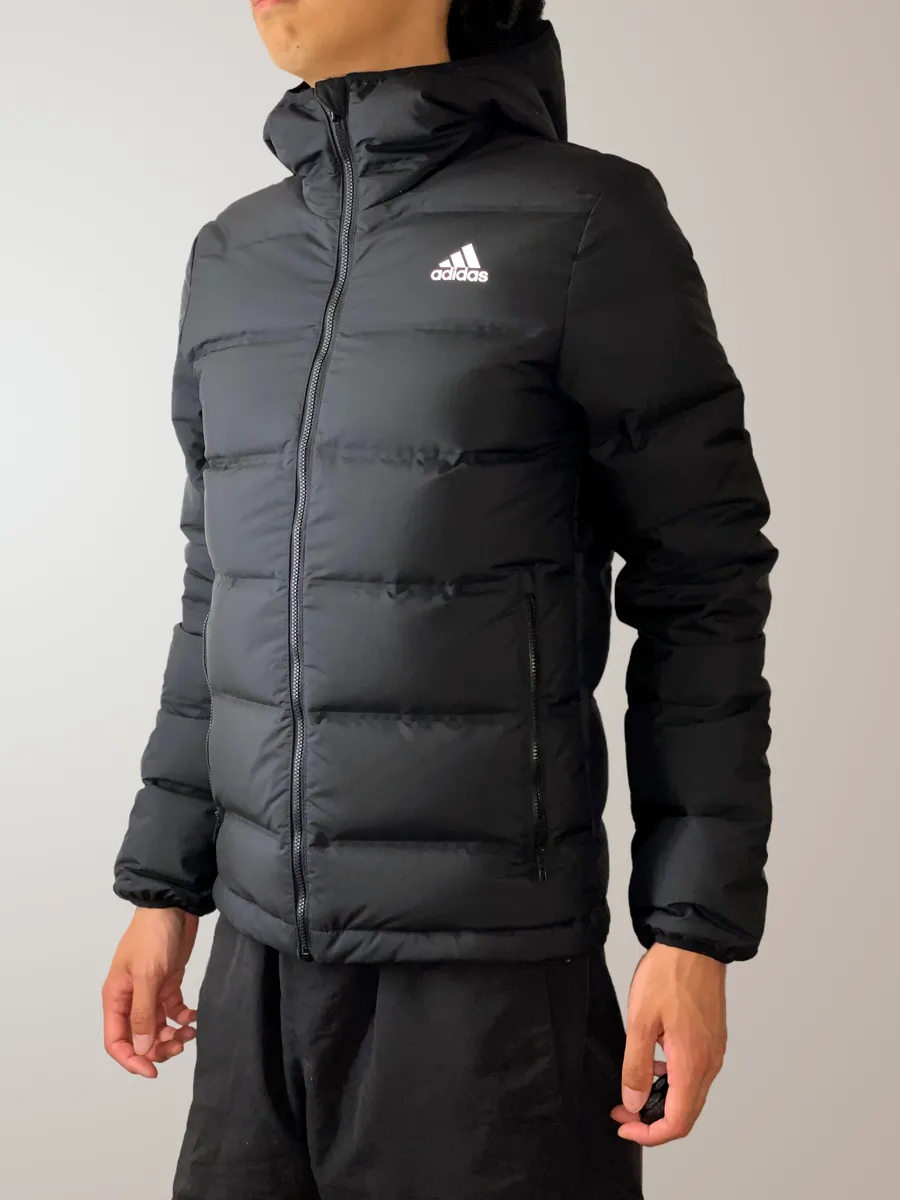
The standard fit runs true to size to very slightly generous through the body, with enough room to layer a midweight fleece underneath without feeling restrictive across the shoulders. Sleeve length ran a touch long on my arms (5 foot 10, roughly 165 lbs, normally a medium in most outdoor brands), which I didn't mind since it meant good wrist coverage, but taller-armed or shorter-torso testers might want to size down if layering isn't a priority. The hem sits at the high hip, standard for this style — not a length that covers much below the waistband, so if you run cold in the lower back, expect to feel a draft on windy days. Patagonia's size chart is accurate to actual chest and waist measurements in my experience, more so than some competing brands that run their medium closer to a large.
Nano Puff vs. a down jacket vs. a budget synthetic alternative
Compared to a comparable-weight down jacket (I used a Patagonia Down Sweater as the benchmark, since it's the closest apples-to-apples comparison in Patagonia's own lineup), the Nano Puff loses on pure warmth-to-weight and loses slightly on packed size — down still compresses smaller for the same warmth. It wins decisively on wet-weather performance, and on price is roughly comparable rather than cheaper, so cost isn't the deciding factor between these two; use case is. If you live somewhere dry and cold, the Down Sweater is arguably the better buy. If you live somewhere wet, humid, or unpredictable, the Nano Puff's synthetic fill is the safer bet.
Compared to a budget synthetic alternative — I tried a sub-$70 synthetic puffer from a mass-market outdoor brand alongside it for two weeks — the difference shows up in the details rather than raw warmth on a dry day. The budget jacket felt comparably warm in mild conditions, but the shell fabric felt noticeably thinner and started pilling at the underarms and hem within a few wears, the zippers were stiffer and less smooth, and the fill visibly started shifting and clumping after one wash cycle, leaving cold spots in the shoulder area. The Patagonia's ripstop shell has stayed uniform, and the fill hasn't migrated or thinned in any panel after the same wash cadence. Whether that difference is worth roughly three times the price depends on how hard and how long you plan to use the jacket — for occasional wear, the budget option is defensible; for daily use across multiple seasons, the durability gap adds up.
Care and longevity notes
Patagonia recommends machine washing cold on a gentle cycle with a non-detergent technical wash (avoid standard fabric softener and standard detergent, both of which degrade DWR coatings over time) and tumble drying on low heat, ideally with a couple of clean tennis balls or dryer balls to break up any fill clumping and re-loft the insulation. The DWR finish will wear down with repeated washing and abrasion regardless of care, and by month three of regular use I noticed water beading less dramatically on the shoulders than on day one — a re-application of a spray-on DWR treatment (sold separately, not included) restored most of the water-shedding performance in about twenty minutes of at-home treatment. This is normal for any DWR-treated shell, not specific to Patagonia, but worth budgeting for if you want the jacket to keep performing at its best after a year or two of use.
Patagonia's Ironclad Guarantee also covers manufacturing defects and offers repair services for wear and tear, which matters more than it sounds — a small tear or a failed zipper pull doesn't have to mean replacing the jacket, and the brand has repair centers and a mail-in program specifically for this. That serviceability is part of the value calculation, especially against cheaper alternatives that are effectively disposable once something breaks.
Who should buy this
The Nano Puff makes the most sense for people who need one reliable layer that works across a wide range of unpredictable weather — commuters, travelers, people who hike or camp somewhere damp more often than somewhere bitterly cold and dry, and anyone who wants a packable layer that doesn't need babying if it gets rained on. It's a poor match for anyone whose primary use case is extreme cold, dry-climate mountaineering (where down's warmth-to-weight wins outright) or high-output aerobic activity (where a more breathable active-insulation piece will serve better). It's also a genuinely expensive proposition at full retail if your budget caps out well below $200 — the performance gap over a budget synthetic is real but incremental, not transformative, and only shows up clearly over months of hard use.
Verdict
After ten weeks of near-daily wear across a genuinely wide range of conditions, the Nano Puff earned its reputation as a do-everything layer rather than a specialist piece. It isn't the warmest jacket for the weight, and it isn't cheap, but the combination of weather-resistant synthetic insulation, real packability, and durable construction makes it one of the easiest jackets to reach for without thinking. If your climate is more wet-and-mild than dry-and-frigid, and you want one jacket that handles most of the year without a second thought, this is a legitimately strong buy — just go in knowing it isn't the answer for deep cold or high-exertion use.
Other products we tested

Ecobee Smart Thermostat Premium Review: Two Months of Real HVAC Testing
We installed the Ecobee Smart Thermostat Premium without a C-wire, tracked its temperature accuracy against a separate thermometer, and measured real energy savings over two months of daily HVAC use.
Bose SoundLink Flex Review: Six Weeks of Hiking, Kayaking, and Beach Days
Six weeks of camping, kayaking, and beach trips show the Bose SoundLink Flex's IP67 rating and PositionIQ orientation sensing are genuinely useful, with honest limits on bass and max volume.
Coros Pace 3 Review: Six Weeks Testing the GPS Watch That Barely Needs Charging
A dual-frequency GPS running watch that trades AMOLED shine for weeks of battery life at a fraction of the price of flagship rivals.