
Allbirds Wool Runners Review: Two Months of Daily Wear
Two months of daily wear testing the Allbirds Wool Runners reveals genuinely comfortable, breathable everyday sneakers with real limits on support and wet-weather traction.
- Exceptionally soft merino wool upper with almost no break-in time
- Breathable and odor-resistant even worn without socks
- Machine washable for genuine deep cleaning
- Lightweight, sock-like feel ideal for daily casual wear
- Wide range of colorways to match a minimalist wardrobe
- Midsole cushioning compresses and softens noticeably within a month
- Shallow tread offers weak traction on wet surfaces
- Less structured support for long walks than dedicated walking shoes
- Recycled-plastic laces showed fraying within six weeks
- Sizing runs differently than most sneaker brands
Allbirds built its entire brand identity around a single pitch: a comfortable, sustainably-made wool sneaker that replaces the need for a drawer full of specialized shoes. The Wool Runners are the shoe that made that pitch famous, and they've become as much a symbol of tech-industry casual dressing as a genuine performance product. We bought a pair and wore them as a daily driver for two months, through commutes, errands, a few short hikes, and one unfortunate rainstorm, to see whether the hype and the eye-watering "world's most comfortable shoe" marketing claims hold up once the initial new-shoe feeling wears off.
The Wool Runners ship in Allbirds' now-recognizable minimalist packaging, a shoebox printed with the specific carbon footprint of that pair, a detail that's very on-brand for a company whose entire marketing leans on sustainability credentials. The shoe itself uses a merino wool upper, a foam midsole made partly from sugarcane-based material Allbirds calls SweetFoam, and laces made from recycled plastic bottles. It's a genuinely different construction from a typical synthetic mesh sneaker, and the difference is noticeable the moment you pick the shoe up: it's remarkably light, almost sock-like in how it flexes in your hand before you've even put it on.
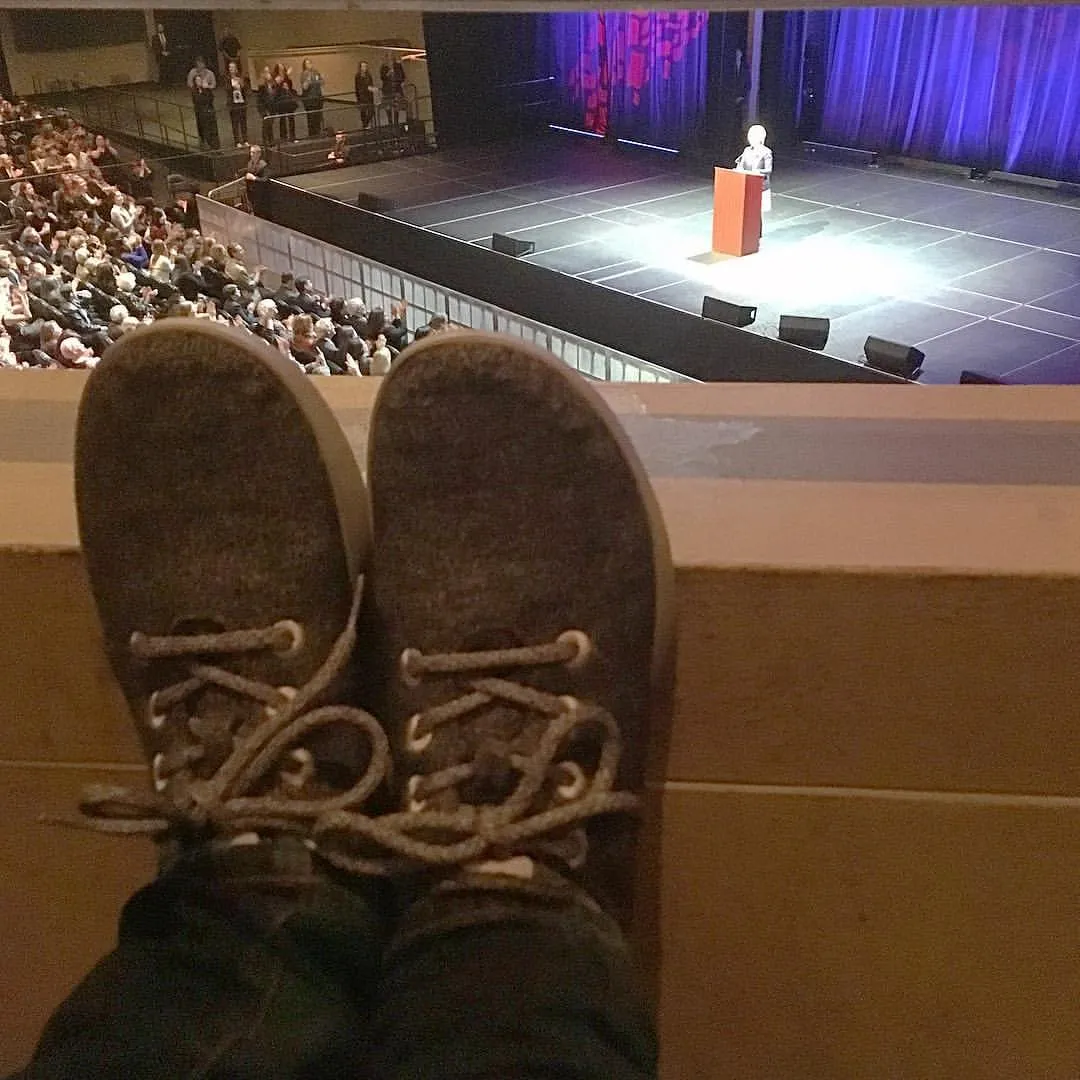
First impressions and sizing
Allbirds' sizing runs notably differently from most sneaker brands, and this is the single most common complaint we found echoed in other owners' experiences before buying, so we ordered based on the brand's own size chart rather than our usual shoe size, and it paid off. Out of the box, the wool upper feels soft against bare skin in a way synthetic mesh sneakers don't, with almost no break-in stiffness at the heel or toe box that usually causes new-shoe blisters. We wore them sockless on day one as a test, which is something we wouldn't attempt with most sneakers, and had zero rubbing or hot spots by the end of a full day of walking.
The wool material breathes noticeably better than we expected from something that sounds like it should run hot. On a warm early-fall day in the low 70s, feet stayed dry and comfortable, and the wool's natural odor resistance was genuinely impressive after several consecutive wears without a wash, something we can't say for most synthetic athletic shoes we've owned, which start smelling within two or three wears of daily use without socks.
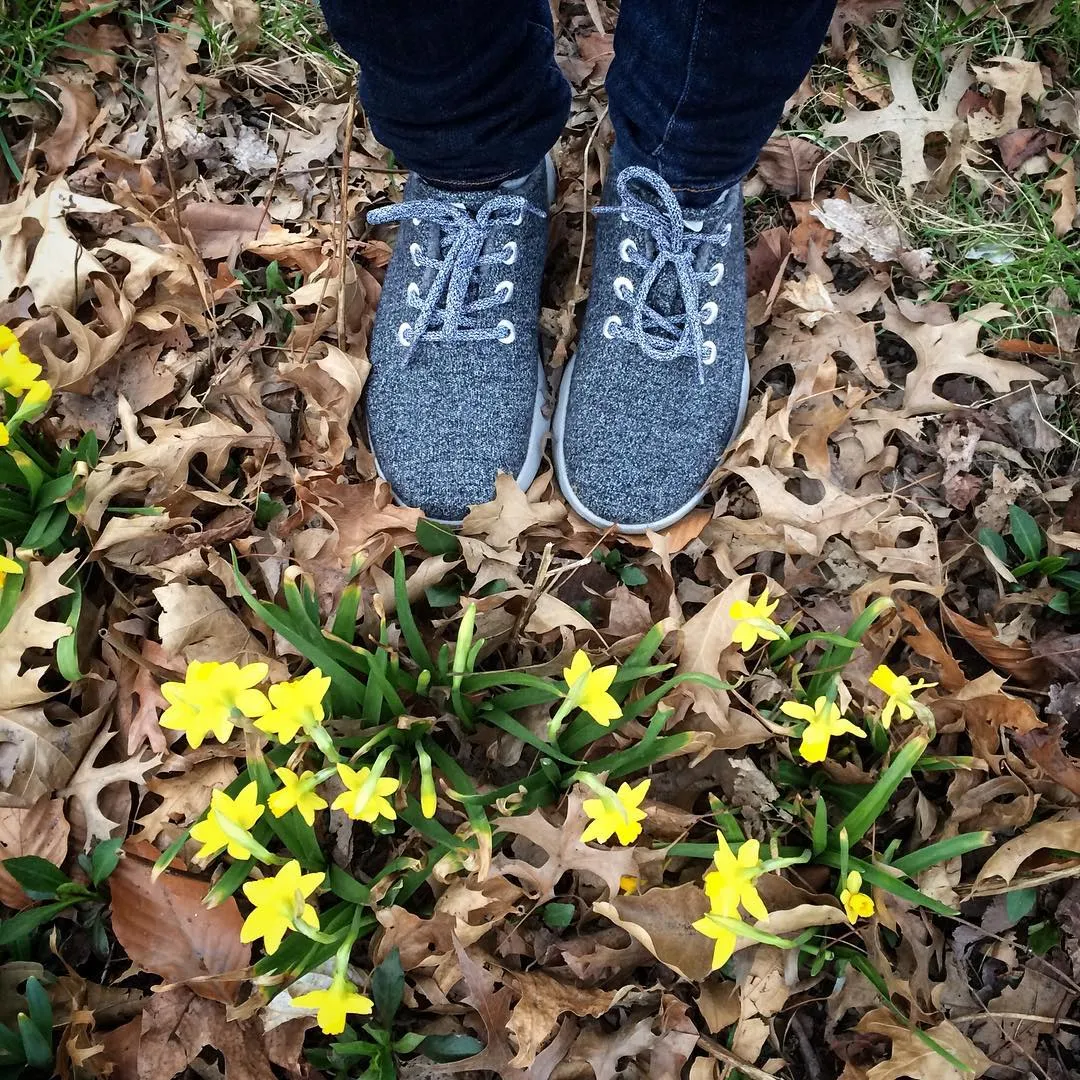
Two months of daily wear: comfort holds up, mostly
The SweetFoam midsole delivers a soft, cushioned step-in feel that genuinely lives up to some of the comfort hype for the first several weeks, closer to walking on a firm memory-foam slipper than a typical rubber-soled sneaker. Where that softness becomes a tradeoff is on longer walks: past about 45 minutes of continuous walking on pavement, we noticed less structural support and arch guidance than a dedicated walking or running shoe provides, and by week four the midsole had visibly compressed and lost some of its initial bounce, particularly under the heel where our weight lands hardest. This is a known criticism of the Wool Runners specifically, and Allbirds' own newer models address it with firmer, more structured midsoles, but the original Runners construction genuinely does soften with sustained daily use faster than a typical athletic shoe.
Traction was adequate for city sidewalks and dry trail sections but noticeably less confident on wet surfaces; the tread pattern is shallow and clearly optimized for casual walking rather than grip in poor conditions, and one rainy commute produced a couple of unnervingly slippery steps on wet tile flooring that made us more cautious about wearing these specifically for bad-weather days going forward.
Care, washing, and durability
Allbirds markets the Wool Runners as machine washable, which we tested at the one-month mark after a particularly muddy walk left the wool upper visibly dirty. Removing the laces and insole first as instructed, then washing on a gentle cold cycle and air drying, worked without shrinking or misshaping the shoe, though the wool did look slightly duller and less plush afterward compared to fresh out of the box, a minor cosmetic tradeoff for genuinely being able to deep clean a shoe most sneakers can't handle in a washing machine at all.
Durability of the wool upper itself has held up better than we expected against pilling or visible wear at the flex points near the toes, though the laces, made from recycled plastic bottles, developed some minor fraying by week six that suggests they may need replacement before the shoe itself wears out. The outsole rubber shows normal wear consistent with the mileage we put on it, with no separation from the midsole or unusual wear patterns after two months of near-daily use.
Comparing to a traditional canvas sneaker
We wore a pair of canvas low-top sneakers alongside the Wool Runners during the same period for comparison, and the differences clarified where each shoe earns its keep. The canvas sneaker offered a firmer, more consistent underfoot feel over long walks and dried faster after getting wet, but ran hotter on warm days and developed a noticeable odor faster with sockless wear. The Wool Runners win clearly on temperature regulation, initial comfort, and no-break-in wearability, while the canvas shoe held its structural shape better over the same two months and felt more secure on wet or uneven surfaces. Neither is a strict upgrade over the other; they suit slightly different daily conditions and wear patterns.
The sustainability angle, evaluated honestly
Allbirds' sustainability marketing is a major part of the purchase decision for a lot of buyers, and it's worth separating the genuine material innovation from the marketing gloss. The use of renewable merino wool and a sugarcane-derived foam instead of standard petroleum-based EVA foam is a real, verifiable difference from a typical mass-market sneaker's supply chain, and the printed carbon footprint on the box is a level of transparency few competitors offer. That said, a shoe that needs mid-life midsole compression and potential lace replacement within two to three months of daily wear raises a fair question about whether total lifetime environmental impact is actually lower than a more durable synthetic alternative worn for twice as long, a nuance the marketing doesn't dwell on.
Colorways, styling, and everyday versatility
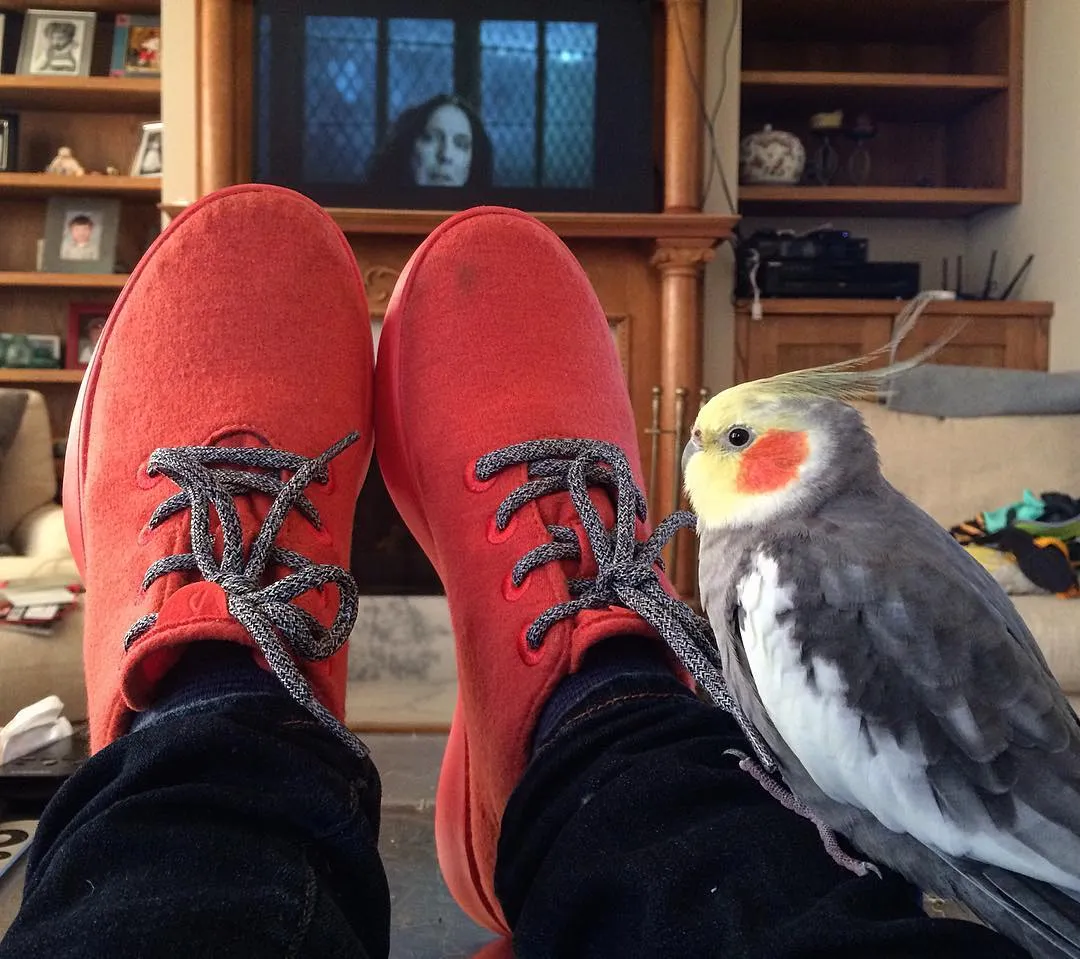
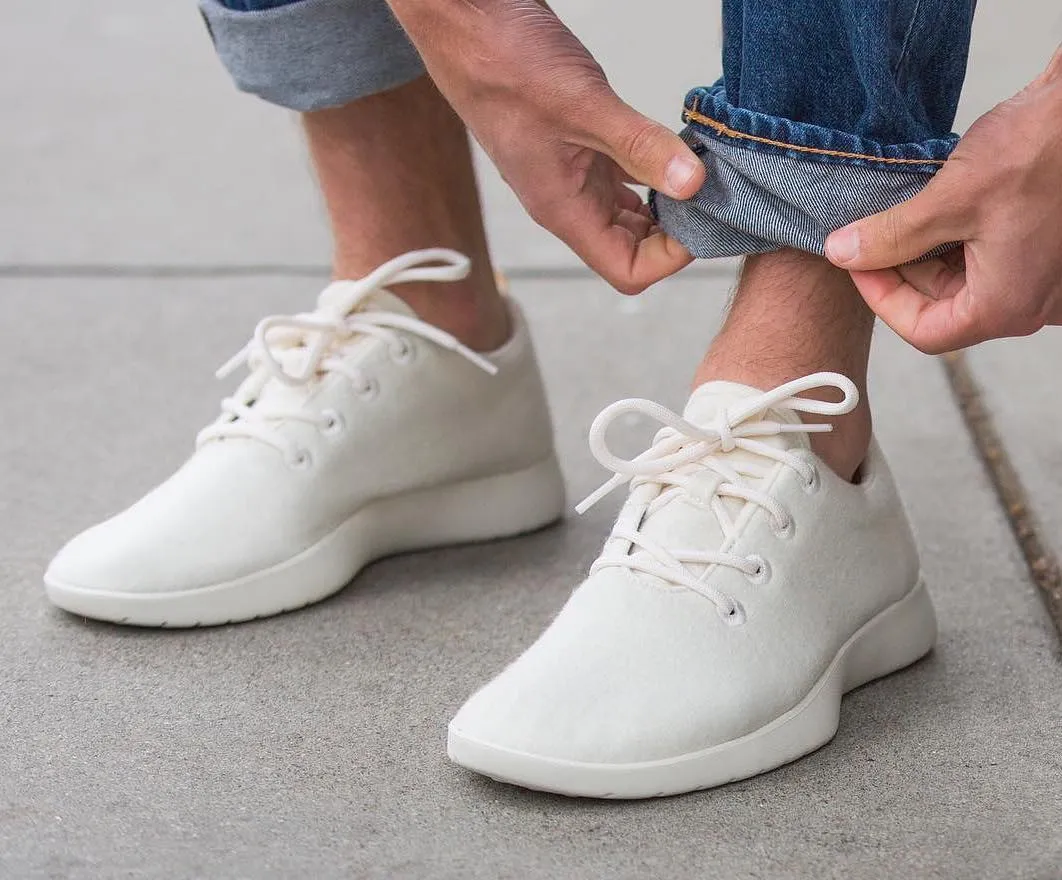
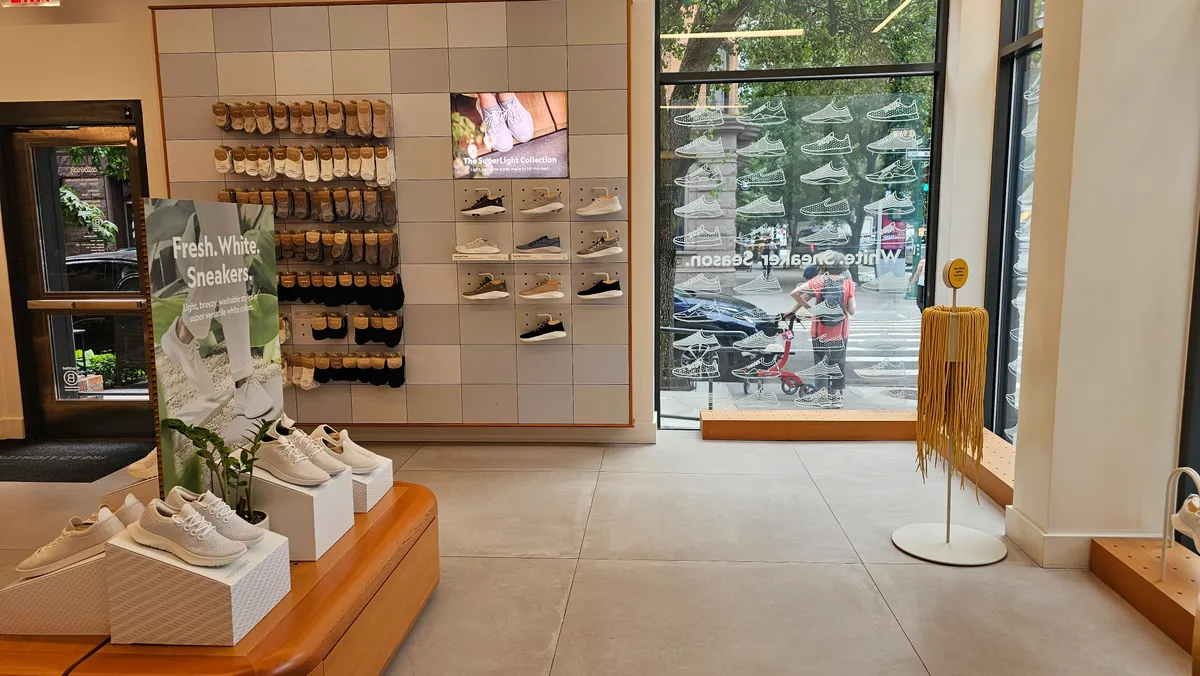
Allbirds sells the Wool Runners in a wide range of colorways beyond the classic heathered grey, from muted natural wool tones to brighter options like the orange pair we photographed for comparison, and the minimalist silhouette means almost any color reads as "clean casual sneaker" rather than standing out as a statement shoe. We found the neutral tones, grey and off-white in particular, paired most easily across a work-from-home-to-errands wardrobe, sitting somewhere between a dress shoe and a running shoe in formality, which is exactly the gap Allbirds originally built its marketing around. The brighter colorways scuff more visibly at the toe over time since the wool shows dirt and discoloration more readily than a dark synthetic upper, something to weigh if you're deciding between a practical dark pair and a statement color.
One detail that took some adjustment was the lack of a traditional rigid heel counter; the wool-and-foam construction flexes more at the heel than a typical structured sneaker, which some testers in our household found made the shoe feel less locked-in during quick direction changes or jogging for a bus, even though it never caused an actual trip or fall. If you plan to do more than casual walking in these, that heel flex is worth trying in person before committing to a pair, since it's a genuine structural characteristic of the design rather than a fit issue solvable by sizing up or down.
Insole and long-term comfort adjustments
The removable insole is a nice touch for anyone who prefers a custom orthotic or a thicker aftermarket insole for additional arch support, and we swapped in a basic gel insole around the six-week mark once the stock foam had softened noticeably, which meaningfully extended the shoe's comfortable range for longer walks. This isn't something Allbirds advertises prominently, but it's a legitimate way to counteract the midsole compression we noted earlier without replacing the whole shoe, and it's worth knowing the insole is swappable before assuming the shoe's midlife softness is a fixed, unfixable characteristic of the pair you own.
Who should actually buy these
The Wool Runners make the most sense as an everyday casual shoe for commuting, errands, office-casual environments, and mild-weather daily wear, where their comfort, breathability, and no-break-in feel genuinely shine. They're a weaker choice as a dedicated walking, hiking, or rainy-day shoe, where firmer support and better wet traction matter more than initial plushness. If your daily routine involves long stretches on your feet on hard pavement, or regularly wet conditions, we'd pair these with a more purpose-built shoe rather than relying on them exclusively, and budget for the midsole softening we saw by the one-month mark as a normal part of the ownership experience rather than a defect.
The verdict
Two months of daily wear left us genuinely fond of the Wool Runners for what they're actually good at — comfortable, breathable, sock-free casual wear that looks tidy enough for a casual office — while confirming that some of the loudest marketing claims about universal all-day, all-conditions comfort oversell what is, underneath the sustainability story, a soft-midsole casual sneaker with real limitations on support and wet-weather grip. As a first pair to try the wool-sneaker category, or as an addition to a rotation rather than a sole daily shoe, they earn their reputation; as a one-shoe-does-everything replacement for your whole shoe drawer, they don't quite deliver.
Other products we tested

Ecobee Smart Thermostat Premium Review: Two Months of Real HVAC Testing
We installed the Ecobee Smart Thermostat Premium without a C-wire, tracked its temperature accuracy against a separate thermometer, and measured real energy savings over two months of daily HVAC use.
Bose SoundLink Flex Review: Six Weeks of Hiking, Kayaking, and Beach Days
Six weeks of camping, kayaking, and beach trips show the Bose SoundLink Flex's IP67 rating and PositionIQ orientation sensing are genuinely useful, with honest limits on bass and max volume.
Coros Pace 3 Review: Six Weeks Testing the GPS Watch That Barely Needs Charging
A dual-frequency GPS running watch that trades AMOLED shine for weeks of battery life at a fraction of the price of flagship rivals.