
Dishwasher Buying Guide: Racks and Filters Beat Place Settings
Place settings are a lab number and decibels are the one honest spec. Rack layout, drying method, and the filter decide whether you like the machine.
A dishwasher is one of the few appliances that pays you back in time every single day, and one of the few where the spec sheet tells you almost nothing useful. Place settings, decibels, and a list of fifteen cycle names are what the box advertises. What actually determines whether you like the machine three years in is the rack layout, how the filter is designed, whether the drying method suits your dishes, and whether the door can even open in your kitchen without hitting the island.
This guide walks through the decisions in the order they actually matter, starting with the one that eliminates most of the catalogue before you compare a single feature.
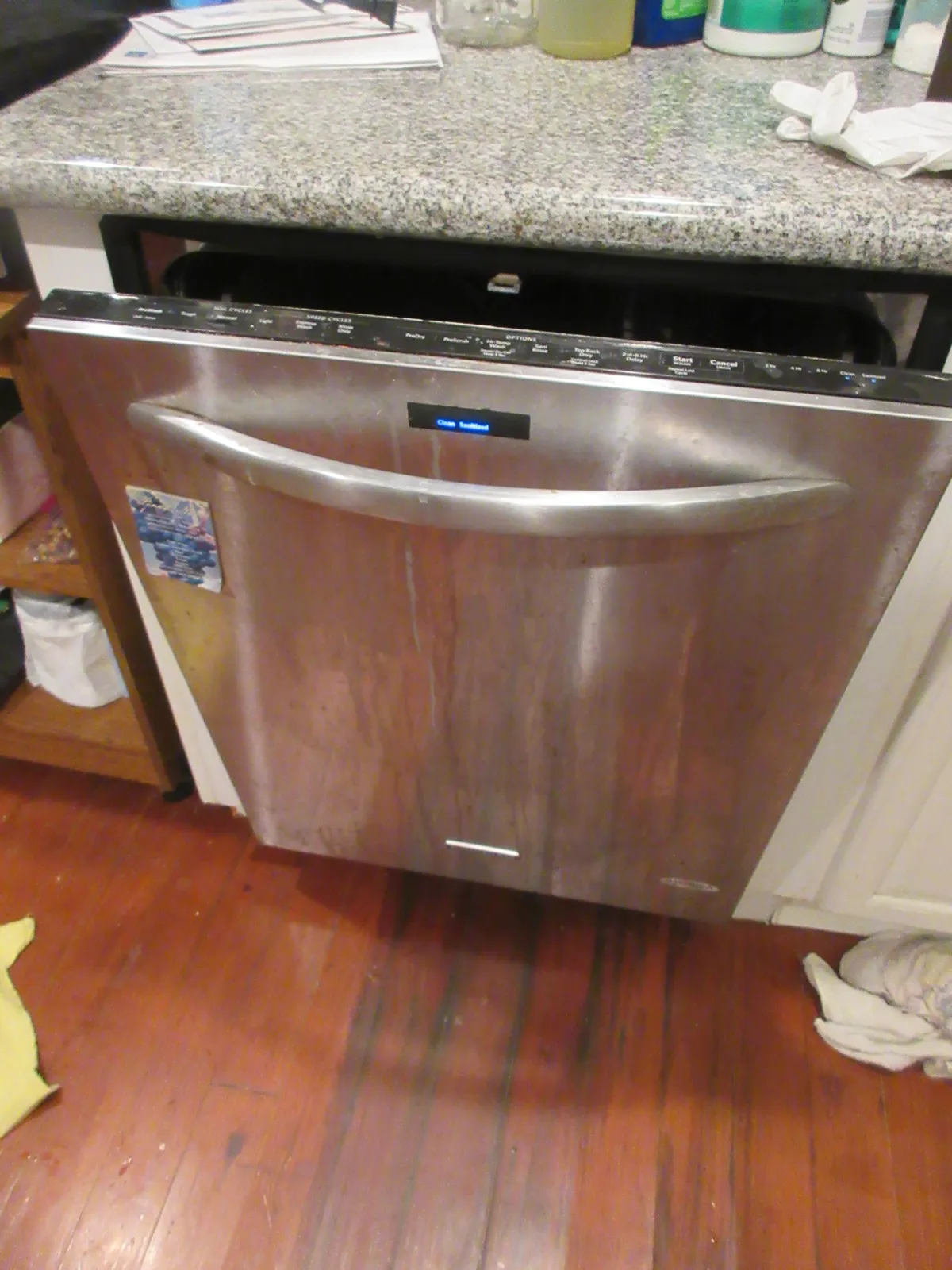
Measure the opening before you shortlist anything
Standard full-size dishwashers are roughly 60 cm wide, 60 cm deep, and 82 to 85 cm tall, but "roughly" is doing a lot of work in that sentence. Cabinet openings in older kitchens are frequently a centimetre or two narrower than nominal, and the height available under a worktop varies with how thick the counter is and whether there is a plinth. Measure the width at the narrowest point, the height from the floor to the underside of the counter, and the depth from the back wall to the front edge of the cabinet frame.
Then measure the thing most people forget: swing clearance. A dishwasher door drops down about 55 cm in front of the machine, and the racks slide out beyond that. In a galley kitchen or a room with an island, you can end up with a machine you cannot load without standing sideways. If clearance is tight, a slimline 45 cm model or a drawer-style dishwasher solves the problem in a way no amount of feature comparison will.
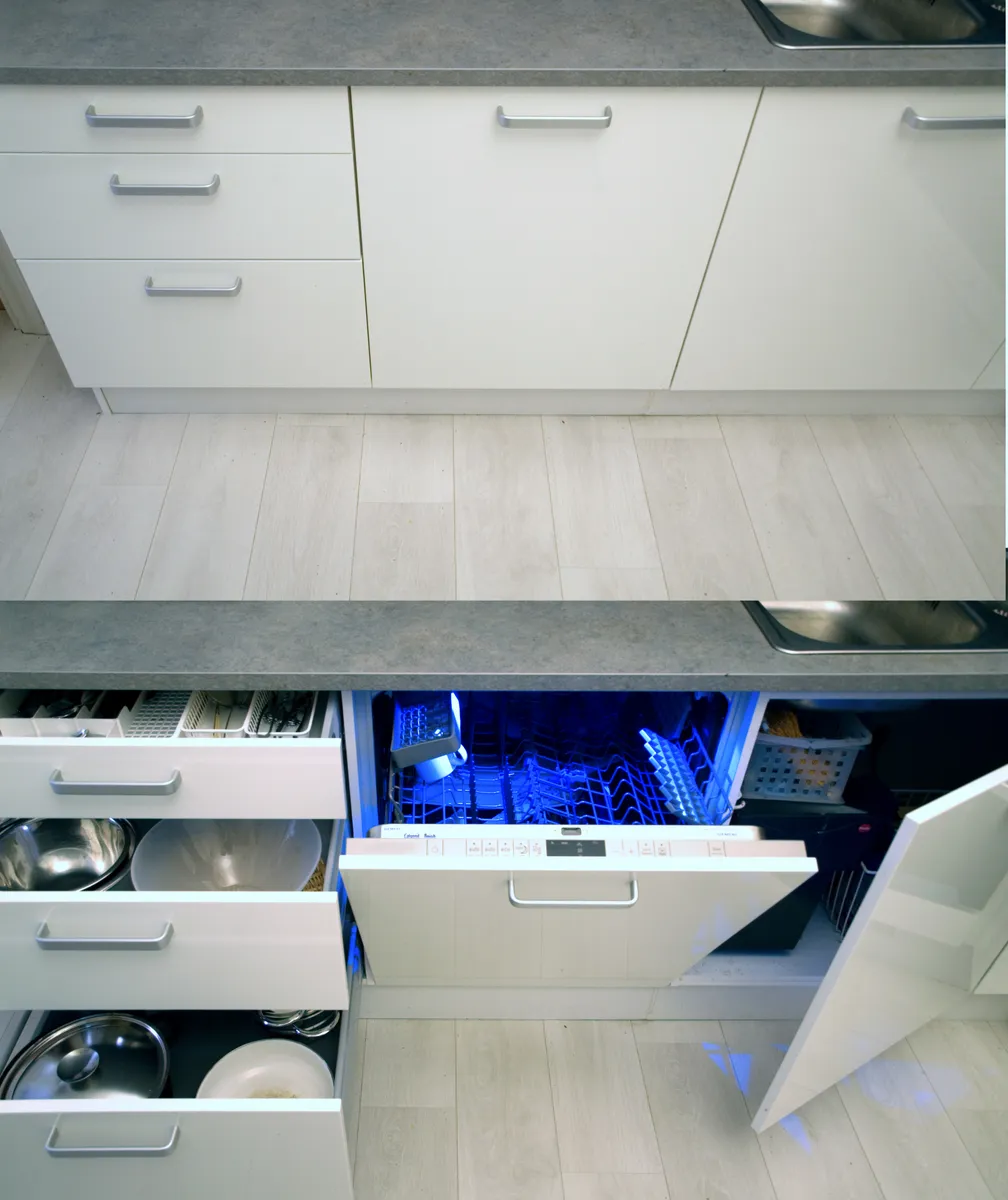
Finally, decide between freestanding, semi-integrated, and fully integrated. Freestanding machines have a finished top and side panels and can sit anywhere with plumbing. Semi-integrated hides the body behind a cabinet door but leaves the control panel visible. Fully integrated hides everything, which looks cleaner but means the controls face upward on the door edge, and you cannot see the cycle status without opening the door unless the model projects a light onto the floor.
Place settings are a lab number, not a capacity
Capacity is quoted in place settings, where a place setting is a defined set of plates, bowls, glasses, and cutlery. A full-size machine is typically rated 12 to 15 settings. The number is measured with the specific crockery in the standard, arranged optimally, and it collapses the moment you own a mixing bowl, a wok, or tall wine glasses.
What actually governs usable capacity is rack design. Look for a third cutlery tray at the top rather than a basket in the lower rack, because that frees a whole row of lower-rack space and lays flatware flat where water reaches it. Look for fold-down tines in both racks, so you can flatten a section for pots without fighting the layout. Look for a height-adjustable upper rack, ideally one that can be raised or lowered while loaded rather than needing to be empty.
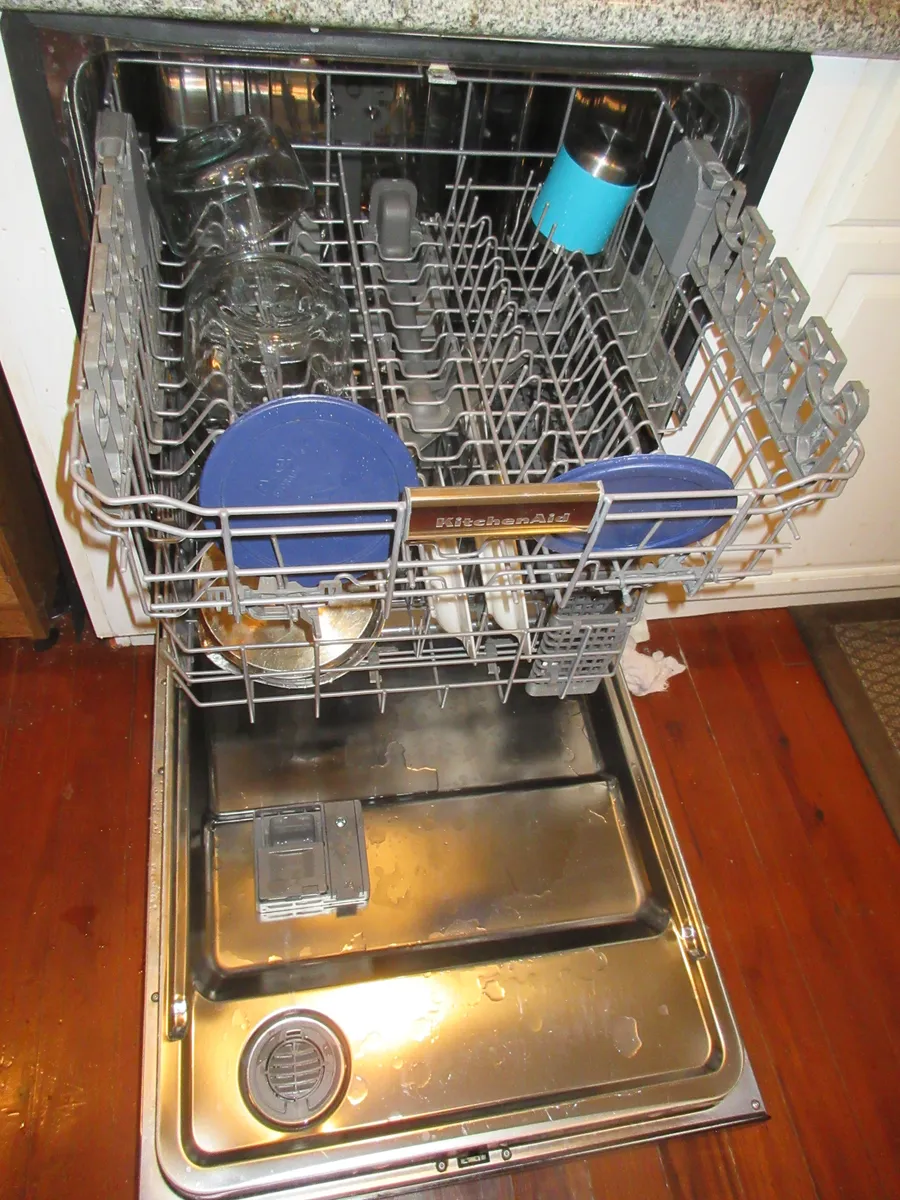
If you can, go to a showroom and load a machine with something awkward from your own kitchen. A 28 cm frying pan and one tall glass will tell you more in thirty seconds than any capacity rating. Two machines with identical place-setting numbers can differ by an entire pot's worth of practical space.
Stainless steel or plastic tub, and why it changes drying
Tub material affects three things: noise, longevity, and drying. Stainless steel absorbs sound better, resists staining from tomato and turmeric, and holds heat, which means condensation drying works. Plastic tubs are cheaper and perfectly durable but stain over the years and shed heat faster.
Drying method matters more than people expect. There are three broad approaches. A heated element in the base evaporates water quickly, dries plastics well, and uses the most energy. Condensation drying relies on the hot stainless tub: water condenses on the cooler steel walls and drains away, which is quiet and efficient but leaves plastic items damp because plastic does not retain heat. Zeolite drying uses a mineral that releases heat when it absorbs moisture, which dries better than plain condensation at similar energy cost and appears on higher-end European machines.
If your household uses a lot of plastic containers and children's cups, a machine with active heated drying or zeolite will save you towel-drying every load. If you mostly wash ceramic and glass and do not mind opening the door for ten minutes at the end, condensation drying is fine and quieter.
Noise: the number that actually is comparable
Unlike suction claims on vacuums or contrast claims on televisions, dishwasher decibel ratings are measured under a common standard and are broadly comparable between brands. The scale is logarithmic, so the differences are bigger than they look. Around 52 dB is audible across an open-plan room and will intrude on television at normal volume. Around 46 dB is background noise you notice only when the room is quiet. Anything at or below 42 dB is close to inaudible from the next room, and models in the high thirties exist.
Noise is worth paying for specifically if your kitchen is open to a living area or if you run the machine at night. It is worth almost nothing if the kitchen is a separate room with a door. Quiet models achieve their rating through a stainless tub, extra bitumen insulation, and a brushless inverter motor, and that same insulation and motor usually correlate with longer service life, so the premium is not purely acoustic.
Cycles: three of them do all the work
Manufacturers list an alarming number of programmes and then bury the one you should use most. The efficient or eco cycle is almost always the right default: it uses less water and heats it less aggressively, then compensates by running for two to four hours. Longer time at lower temperature cleans as well as a short hot blast because detergent enzymes need soak time to work, and it costs meaningfully less to run.
An auto or sensor cycle uses a turbidity sensor to measure how dirty the water is and adjusts water use and duration accordingly. This is the cycle to pick when a load is genuinely filthy or you cannot be bothered choosing. A short or quick cycle exists for lightly used glassware and does not clean baked-on food, no matter what the label implies.
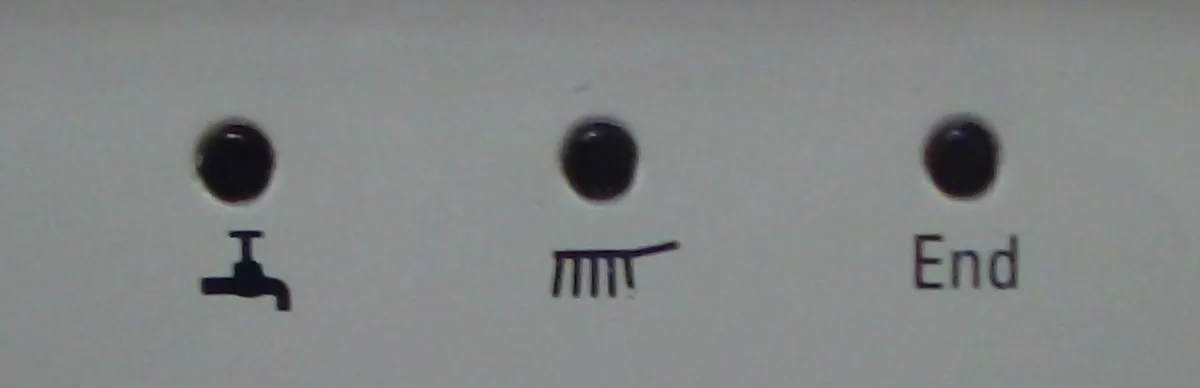
The pictograms on the panel are worth decoding once rather than guessing at: a glass symbol indicates the low-temperature delicate programme, a pan or pot symbol the intensive one, and a clock or leaf the eco cycle. Some panels mark the sensor cycle with a dial or gauge icon. Learning the three you will use takes a minute and stops you defaulting to whichever button is first.
Beyond those three, the useful extras are a half-load or zone wash that runs only one rack, a delay start so you can shift running to off-peak hours, and an automatic door opening at the end of the cycle, which vents steam and dramatically improves drying on condensation machines. Steam pre-treatment, sanitise cycles, and dedicated wine glass programmes are pleasant and rarely decisive.
Detergent, salt, and rinse aid actually matter
The single most common cause of "my new dishwasher does not clean well" is water chemistry, not the machine. Hard water leaves limescale on the heating element and white film on glass, and it also reduces detergent effectiveness. Most European machines include a softener reservoir that you fill with coarse dishwasher salt and set to match your local water hardness, which you can look up from your water supplier. Set it once and top the salt when the indicator says so.
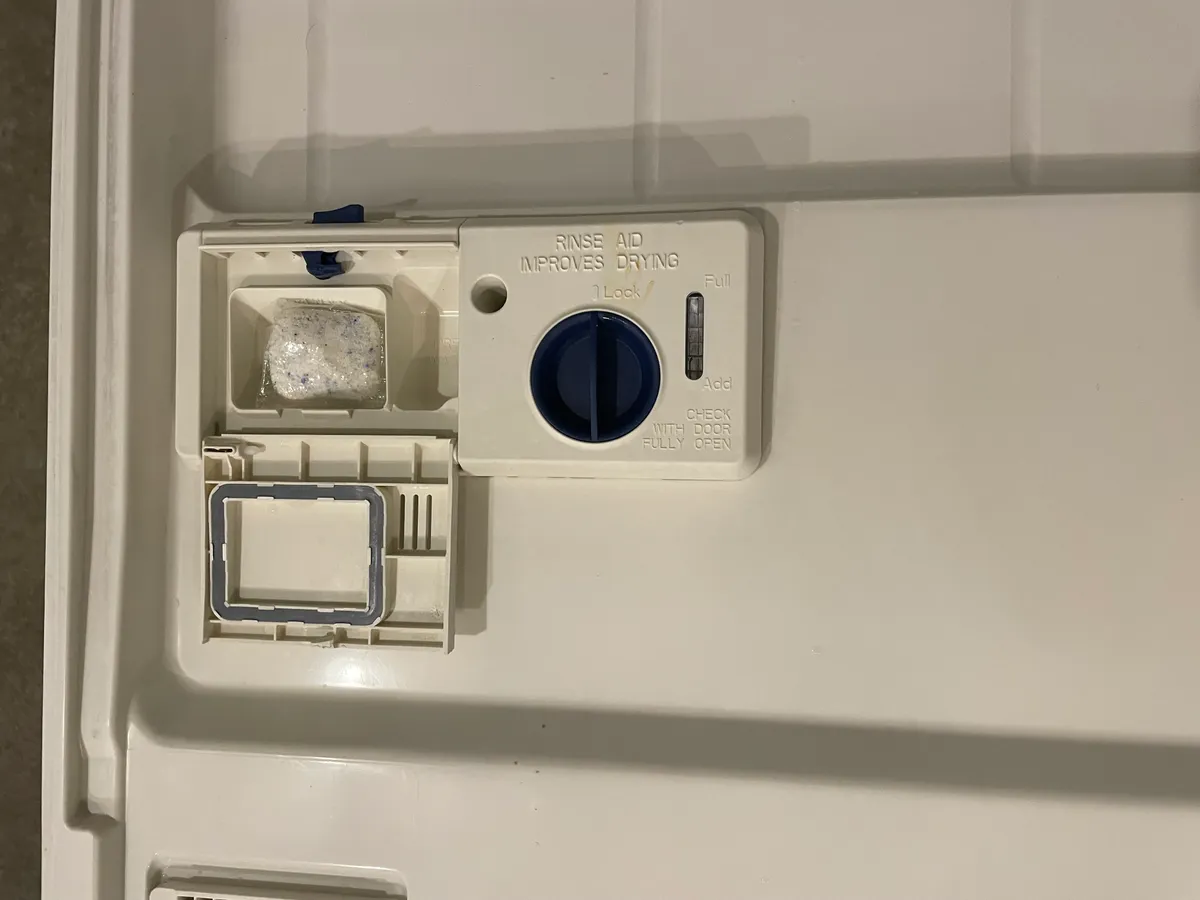
Rinse aid is not optional on a condensation-drying machine. It lowers the surface tension of water so it sheets off rather than beading, which is the entire mechanism by which glasses come out spot-free. All-in-one tablets contain a small amount of rinse aid and salt substitute, which is adequate in soft water and insufficient in hard water. If you have hard water and spots, add separate rinse aid and salt and the problem usually disappears in one load.
One more habit worth changing: stop pre-rinsing. Modern sensor cycles read how dirty the water is, and a load of pre-rinsed dishes triggers a shorter, gentler wash than the baked-on lasagne dish actually needs. Scrape solids into the bin, leave the residue, and let the machine do its job.
The filter is a buying criterion
Every dishwasher either grinds food waste with a hard food disposer or captures it in a manual filter. Grinders are noisier and are increasingly rare. Manual filters are quieter but require you to pull the cylinder out and rinse it, ideally every week or two. The design differences are large: some filters lift out in one piece and rinse clear under a tap in fifteen seconds, others come apart into three components with a mesh that traps coffee grounds and needs a brush.
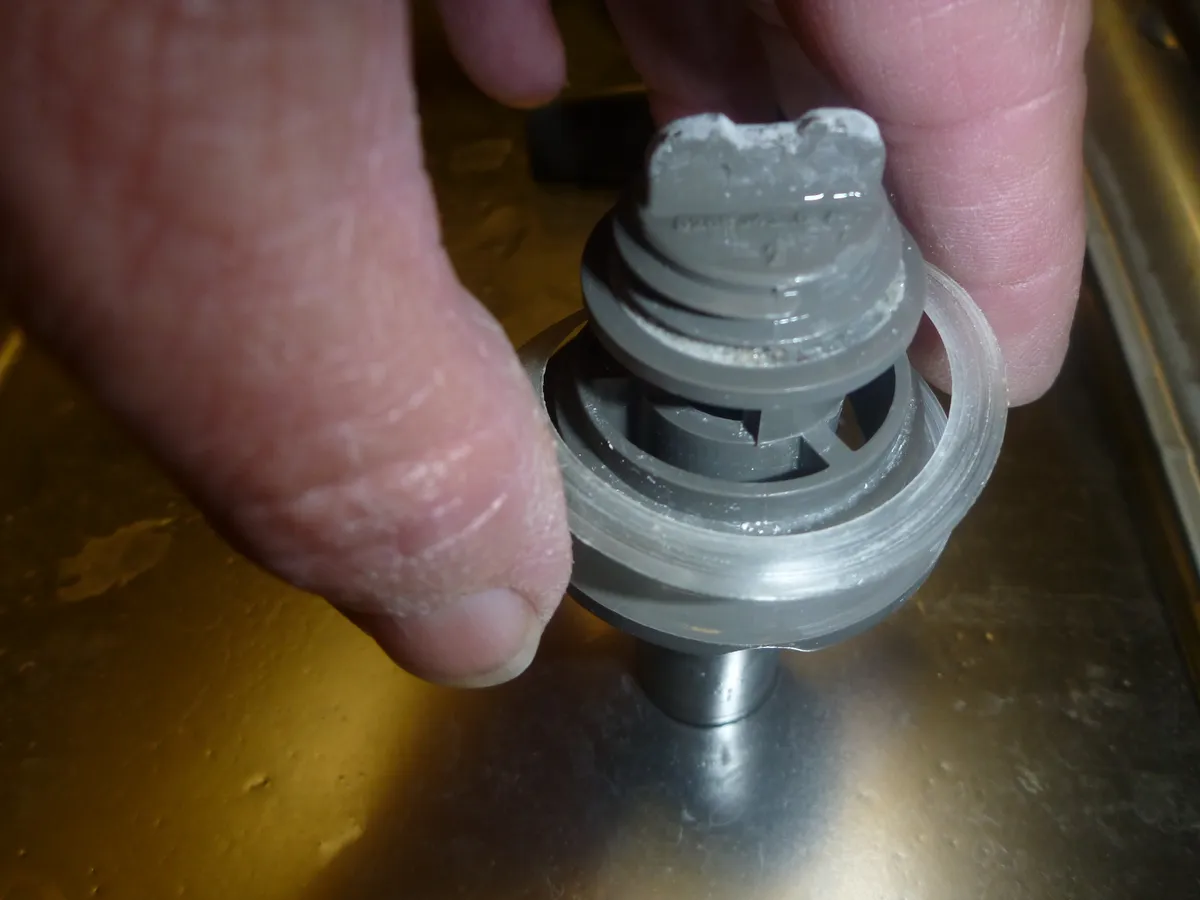
Ask to see the filter in the showroom and take it out yourself. A filter you find annoying is a filter you will not clean, and a clogged filter is the direct cause of the two most common complaints about older dishwashers: gritty residue on the bottom rack and a persistent smell. While you are there, check that the spray arms detach without tools, because the jets block with limescale and debris and need occasional clearing.
Reliability, parts, and what to check before you commit
Dishwashers fail in predictable places: the drain pump, the door seal, the heating element, the electronic control board, and the wheels on the racks. None of those is exotic, and all of them are cheap if the part is available and expensive if it is not. Before buying, search for the model number plus the word "spares" and see whether pumps, seals, and rack wheels come up from independent suppliers. Brands with a long parts pipeline and a documented service network are worth a premium over a marginally better-specified machine from a badge that changes model lines every year.
Look at the warranty terms rather than the headline years. Some manufacturers advertise ten years on the motor only, which is the part least likely to fail, while covering everything else for two. A five-year parts-and-labour warranty on the whole machine is worth more than a decade on a single component.
On energy labels, treat the class as a rough guide and read the annual consumption figure in kilowatt-hours and litres per cycle instead. The difference between a mid-range and top-tier machine over a year is usually modest in absolute money, so do not let it override rack layout or noise, both of which you experience daily.
Installation details that cause callouts
A dishwasher needs a cold water feed, a drain connection, and a socket, and the drain is where problems start. The drain hose must rise to a high loop above the level of the machine's inlet before dropping to the waste, or dirty sink water siphons back into the tub. If you are connecting to a sink waste spigot, check that the blanking plug inside it has been knocked out, which is the single most common cause of a brand-new machine that will not drain.
Level the machine on all four feet, not three, and check the door closes flush. An out-of-level dishwasher pools water at one side of the sump, which the sensor reads incorrectly, and puts uneven load on the door seal. If the machine sits on a floating floor, put it on a rigid pad so it does not walk or transmit vibration into the boards.
Matching the machine to your household
A two-person household that runs the machine every second day should prioritise a half-load or single-rack option and quiet running, and can save money on capacity. A family of five running two loads a day should prioritise rack flexibility, drying performance, and a filter that is trivial to clean, because you will be interacting with all three constantly.
If you cook a lot, look specifically at lower-rack clearance and whether the upper rack lifts high enough to fit a stockpot below. If you entertain, a dedicated glass programme with lower temperature and gentler jets protects thin crystal. If your kitchen is open-plan and you run the machine in the evening, spend the money on decibels rather than the extra programmes.
For the rest of the kitchen, our cookware buying guide covers which pans survive repeated dishwasher cycles and which need hand washing, and the kitchen knife buying guide explains why good knives should never go in the machine at all. If you are trying to cut down on disposables at the same time, the reusable kitchen swaps guide covers which replacements are actually dishwasher safe.
The short version
Measure the opening and the door clearance first, because that eliminates most of the market. Ignore place settings and judge capacity by loading your own awkward pan into a showroom machine. Choose a stainless tub if you want quiet and efficient condensation drying, or insist on active heated or zeolite drying if you wash a lot of plastic. Treat the decibel rating as real and pay for it only if your kitchen is open to a living space. Set the water softener, use rinse aid, stop pre-rinsing, and pick a machine whose filter you would genuinely be willing to rinse every fortnight. Everything else on the spec sheet is a tiebreaker.
More coupon shopping advice

Home Security Camera Buying Guide: Local vs. Cloud Storage
A practical, balanced buying guide to home security cameras that weighs local storage against cloud subscriptions, wired versus battery power, camera placement, night vision, smart detection accuracy, and smart home integration.

Beginner Mirrorless Camera Buying Guide
A practical, honest walkthrough of what actually matters when buying your first mirrorless camera, from sensor size and lens mounts to autofocus, video specs, and the real total cost of a beginner-friendly system.

Air Purifier Buying Guide: CADR, ACH, and Filter Costs Explained
A practical walkthrough of the numbers that actually matter when buying an air purifier — CADR and ACH for sizing, true HEPA versus marketing terms, real three-year filter costs, realistic noise levels, and when a purifier won't help at all.