
Reusable Kitchen Swaps: Which Ones Actually Pay Off
A reusable only wins once it has replaced enough disposables. Here is which swaps get there and which sit in a drawer.
Reusable kitchen products are sold on an implied promise: buy this once, stop buying the disposable version, save money and waste. The promise is real for some of these items and quietly false for others, because a reusable product only pays off once it has been used enough times to offset the resources that went into making it — and a reusable that lives in a drawer never gets there.
This guide works out which swaps actually break even, how many uses each needs, and where the disposable version is genuinely the better choice. It is written for someone who wants less waste and is not interested in feeling guilty about it.
The quick answer
The swaps that reliably pay off: a reusable water bottle, cloth shopping bags, silicone food bags for freezer and fridge storage, and glass containers for leftovers. All are used frequently, last years, and replace something you buy weekly.
The swaps that are marginal: beeswax wraps, which work well for some jobs and poorly for others; reusable straws, which are a small waste stream with a large convenience cost; and reusable coffee pods, which pay off only if you drink a lot of them.
The swaps that usually fail: anything bought as a set of twelve in a colour you liked, and anything requiring a cleaning routine more elaborate than your existing washing-up habit. Frequency of use is the entire variable.
The break-even arithmetic nobody prints on the box
Producing a reusable item costs energy and materials, so its environmental case depends on displacing enough disposables. Published life-cycle assessments vary by region and methodology, but the shape of the answer is consistent and worth knowing.
A cotton tote needs to replace many dozens of thin plastic bags before it wins on carbon, because cotton cultivation is resource-intensive; organic cotton is often worse on this specific metric because of lower yields. A polypropylene woven bag breaks even after perhaps ten to twenty uses. A stainless steel bottle breaks even against single-use plastic bottles after roughly ten to fifty fills depending on the study.
The practical conclusion is not "don't buy reusables." It is that the number of items matters. Two bags used constantly beat fifteen bags used occasionally, and the household that owns fifteen totes has almost certainly made things worse rather than better. The same logic applies to bottles: one bottle you carry daily is a genuine win, and four bottles in a cupboard are four manufacturing footprints doing nothing.
Water bottles: what to check beyond capacity
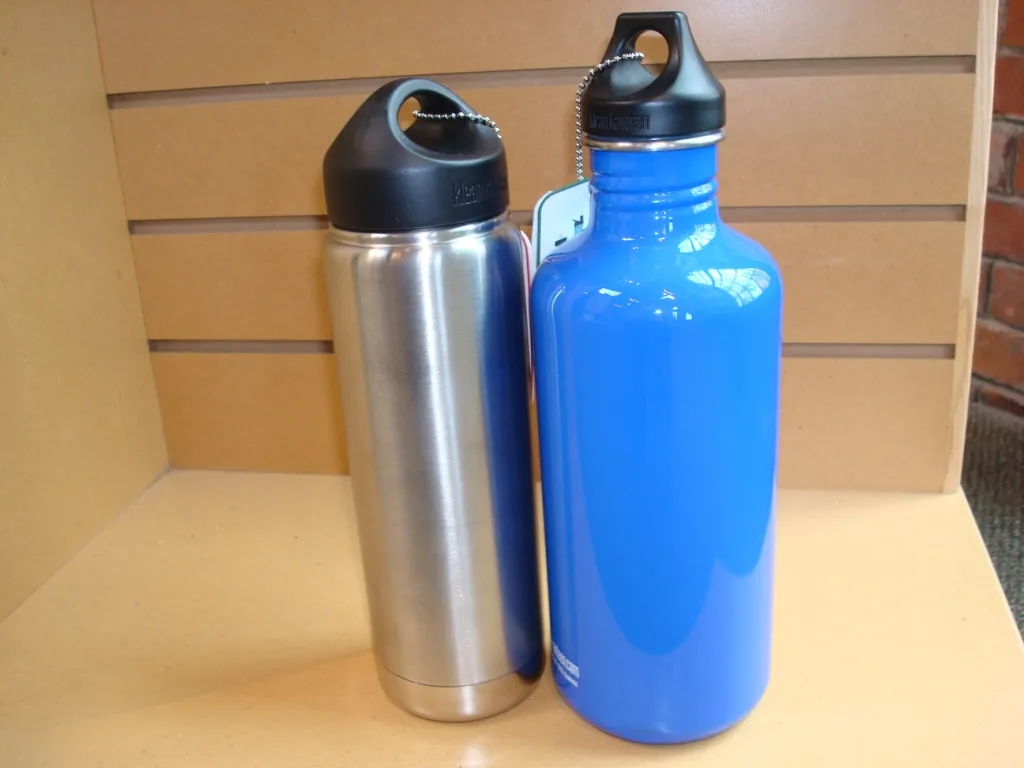
Material first. 18/8 stainless steel is the sensible default: it does not retain flavours, does not leach, and survives being dropped. Aluminium bottles need an internal liner, and a damaged liner is a real problem. Plastic is light and cheap and picks up smells within months. Glass is inert and tastes best and breaks.
Insulation is the specification that changes daily use. Double-walled vacuum insulation keeps cold drinks cold for 18-24 hours and hot drinks hot for 8-12, and it stops condensation soaking your bag. Single-walled bottles are lighter and cheaper and will sweat all over a laptop.
The opening is the detail that decides whether you keep using it. A wide mouth takes ice cubes and is easy to clean but pours fast enough to spill while walking. A narrow mouth or straw lid is drinkable one-handed and hard to scrub. Straw lids have the most parts and the most places for mould to establish, which is worth knowing before buying one for a child.
Two things to verify: that lid seals are replaceable, since the silicone gasket is the first part to fail and a $4 gasket saves a $35 bottle; and whether the bottle is dishwasher-safe, because a bottle requiring hand-washing gets washed less often.
Beeswax wraps: honest scope
Beeswax wraps are cotton impregnated with wax, resin, and oil. Warmth from your hands makes them pliable enough to mould around a bowl rim or a piece of cheese, and they hold that shape as they cool. They are breathable, which suits some foods and disqualifies others.
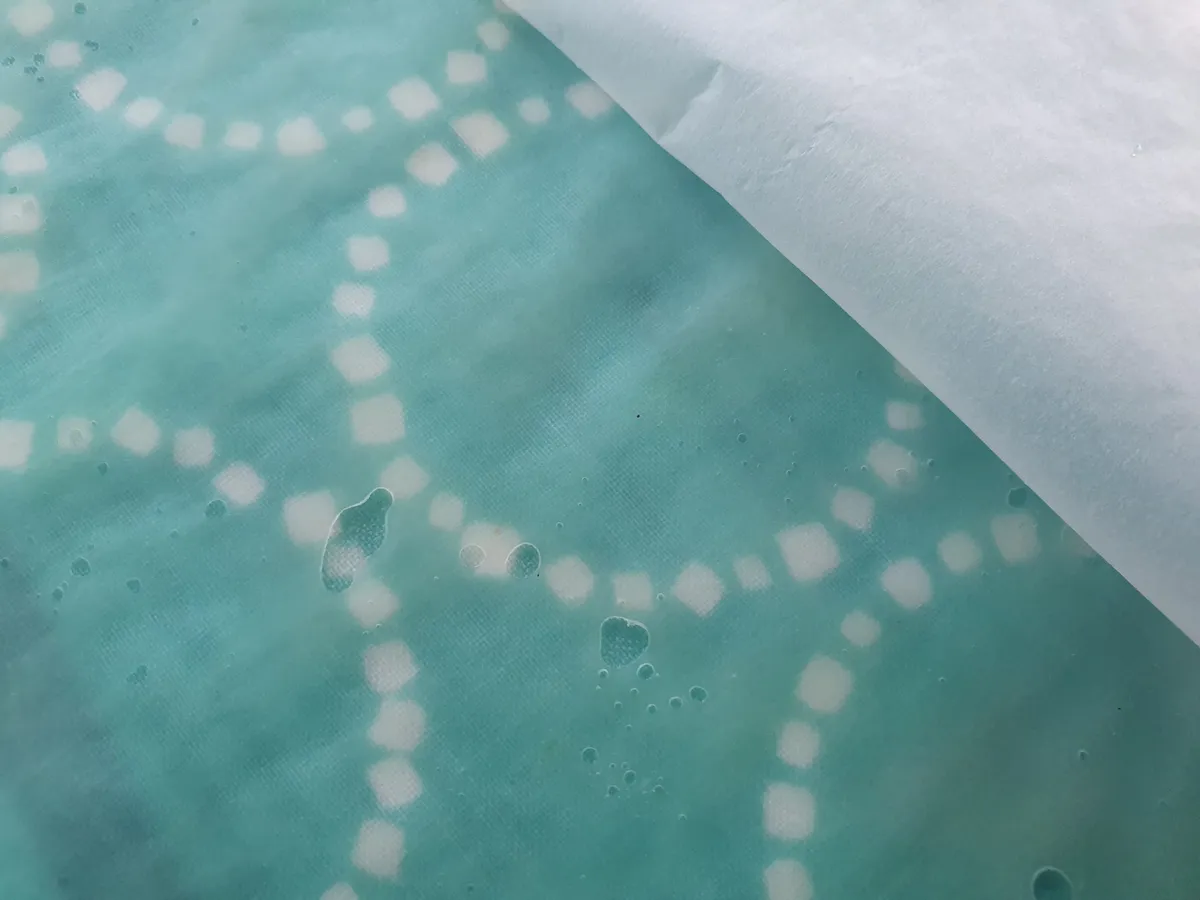
Where they genuinely work: covering bowls, wrapping hard cheese, which keeps better breathing than sealed in plastic, wrapping bread and pastries for a day or two, and bundling cut vegetables in the fridge.
Where they do not: raw meat and fish, which cannot be safely cleaned off a porous waxed cloth. Anything wet or acidic, which degrades the coating. And anything needing a genuine airtight seal, because a wrap folded around a bowl is not airtight and will not stop a strong smell transferring.
They also cannot be washed in hot water — that melts the coating off — so cleaning means cool water, mild soap, and air drying. Lifespan is around a year of regular use, after which they can be re-waxed with a block of beeswax and an oven at low temperature, which extends them for years. Whether that appeals is a fair test of whether they suit you.
Silicone bags and glass containers
Reusable silicone bags are the strongest performer among the newer swaps, because they do what plastic bags do and a bit more: freezer-safe, boil-safe for sous-vide, microwave-safe, and dishwasher-safe. Food-grade platinum-cured silicone is chemically stable across that temperature range in a way plastic film is not.
Two practical checks. Whether the bag stands up on its own when filled, since a bag that flops while you pour soup into it is a poor design. And whether the seal is a simple pinch closure or a slider — sliders are easier and are the first component to break.
Cleaning is the real friction. A silicone bag that held oily food needs hot water and thorough drying, and the closed shape traps water. Turning them inside out over a bottle or a glass to dry is the standard trick and it needs counter space. Our Stasher silicone bags review covers four weeks of replacing disposables with them, including how the cleaning routine settles down.
Glass containers with locking lids are the least exciting and most durable option for leftovers. Glass does not stain, does not absorb smells, goes from fridge to oven, and lasts indefinitely. It is heavy and it breaks, which makes it wrong for packed lunches carried by children and right for a fridge shelf. Borosilicate glass handles thermal shock better than soda-lime; check which you are buying if you intend to move containers between freezer and oven.
Buy rectangular rather than round. Rectangles use fridge space far more efficiently, and stacking is the practical difference between using them and giving up.
Bags, and the one that actually matters
The best shopping bag is the one already in your bag. A compact ripstop nylon bag that folds to the size of a wallet gets carried, and therefore gets used, and therefore breaks even quickly. A beautiful heavy canvas tote left in the hallway does not.
Mesh produce bags for loose fruit and vegetables are a small, cheap, genuinely effective swap, since they replace a bag used once for eleven minutes. Buy four, not twenty, and check they are light enough that the till weight is negligible.
Wash cloth bags occasionally. Bags that carry raw meat packaging and then vegetables are a documented cross-contamination route, and the fix is a wash at 40 degrees every few weeks.
Where disposable still wins
Raw meat and fish handling. A disposable bag or paper wrapping goes in the bin with the contamination; a reusable needs a hot wash and there is no benefit to being clever about it.
Illness in the household. During a stomach bug, disposable cleaning cloths and paper towels genuinely reduce transmission compared with reusable cloths that need laundering.
Anything where a failure is expensive. Freezing a large batch of stock in a silicone bag that leaks costs more, in food and in mess, than the film it replaced. Use rigid containers for anything liquid and valuable.
And if water quality where you live is genuinely poor, bottled water is a health decision rather than a convenience one, and that trumps the waste argument.
Buying in the right order
Start with the disposable you buy most often. If that is bottled water, buy one good bottle. If it is cling film, buy two silicone bags and a couple of wraps. If it is carrier bags, buy two compact folding bags and keep them in the bag you always carry. Working from your own bin rather than from a starter-kit list is the whole method.
Then wait a month before buying more. The items that survive a month of real use tell you what your kitchen actually needs, and the ones that annoyed you tell you what not to buy in a larger size.
Finally, use what you already have before buying anything. Jars from shop-bought sauces are free glass containers with airtight lids. A cotton tea towel covers a bowl. An old plastic tub freezes stock. The most sustainable purchase in this entire category is the one you skip, and the industry built around reusables has an obvious incentive not to mention it. Our Bee's Wrap review covers three months of trying to replace cling film, and the honest conclusion there — that it handles some jobs and not others — generalises to the whole category.
More coupon shopping advice

Home Security Camera Buying Guide: Local vs. Cloud Storage
A practical, balanced buying guide to home security cameras that weighs local storage against cloud subscriptions, wired versus battery power, camera placement, night vision, smart detection accuracy, and smart home integration.

Beginner Mirrorless Camera Buying Guide
A practical, honest walkthrough of what actually matters when buying your first mirrorless camera, from sensor size and lens mounts to autofocus, video specs, and the real total cost of a beginner-friendly system.

Air Purifier Buying Guide: CADR, ACH, and Filter Costs Explained
A practical walkthrough of the numbers that actually matter when buying an air purifier — CADR and ACH for sizing, true HEPA versus marketing terms, real three-year filter costs, realistic noise levels, and when a purifier won't help at all.