
Stasher Reusable Silicone Bags Review: Four Weeks Without a Single Disposable Bag
We replaced every disposable zip-top bag in our kitchen with Stasher's reusable silicone bags for a month to see if the pinch seal, freezer performance, and cleanup hold up to daily cooking.
- Genuinely leak-proof once you learn the pinch seal
- Freezer, microwave, oven, and boiling-water safe in one product
- Stand-up flat-bottom design saves fridge and freezer space
- Held up with zero degradation after weeks of regular use
- Dishwasher safe, and easy to hand-wash inside-out
- Pinch seal has a real learning curve and is hard for kids to manage
- Tomato and turmeric-based foods leave stains a normal wash cycle won't fully clear
- Higher upfront cost than disposable bags, with a payback period that depends on usage
- Interior seal ridge can trap food particles that need a hand rinse
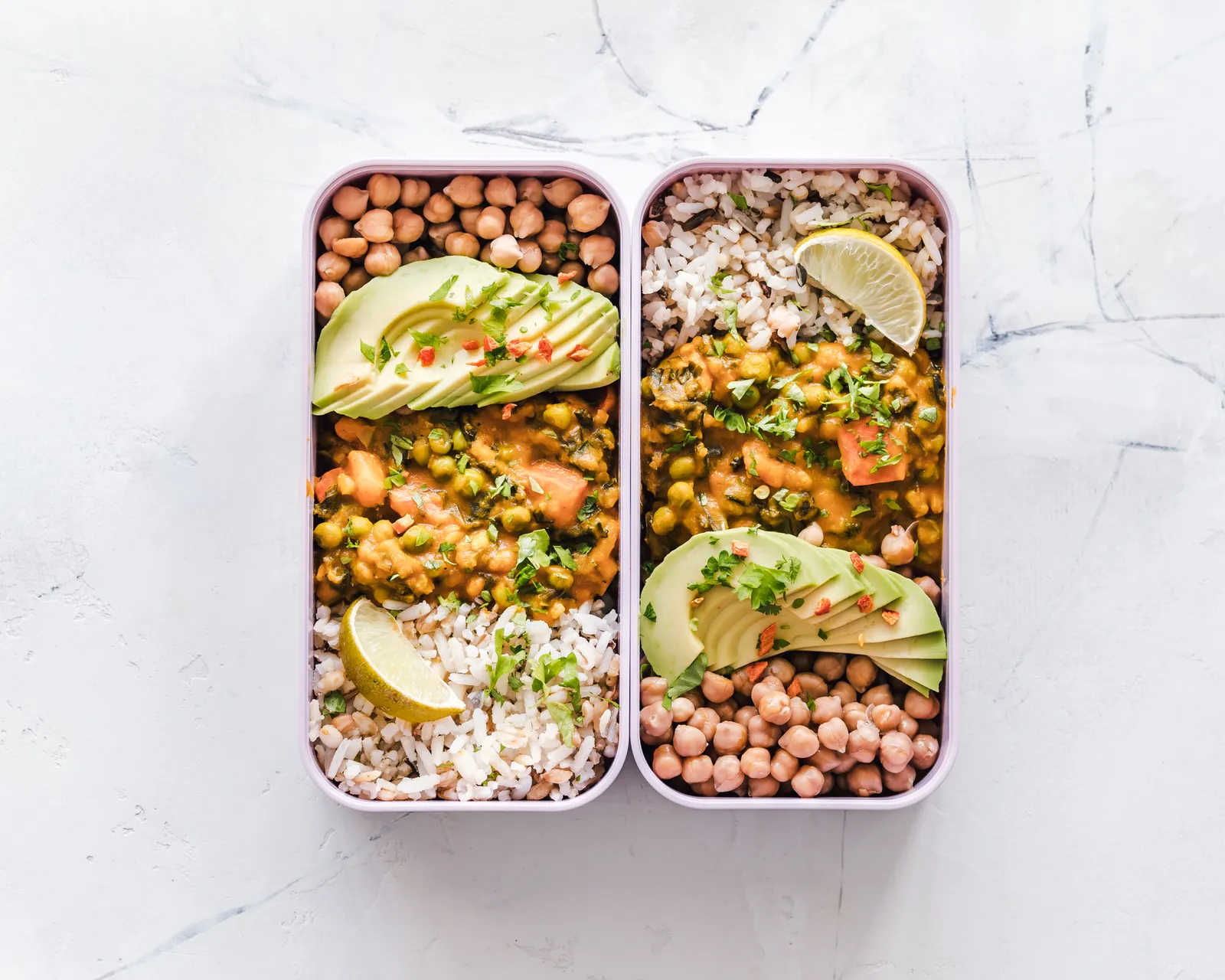
Plastic sandwich bags are one of those small daily wastes that's easy to ignore until you actually try to stop buying them, which is what sent us looking at Stasher's reusable silicone bags: a set of platinum-silicone pouches that seal, stand upright, go in the freezer, the microwave, and the dishwasher, and are pitched as a permanent replacement for the disposable zip-top bags most kitchens go through by the hundred. We bought a starter set, the small and the two half-gallon sizes plus a couple of sandwich bags, and used them as our only food storage bags for four weeks of actual grocery shopping, meal prep, freezing, and lunch packing to see whether they hold up to that promise or end up back in a drawer after the novelty wears off.
First impressions and what's in a starter set
Stasher bags are made from a single piece of food-grade platinum silicone, pinch-sealed along a molded ridge rather than a plastic zipper track, which is the detail that sets them apart from the cheaper silicone-and-plastic hybrid bags that have started showing up on discount shelves. Out of the pouch, they feel thick and slightly tacky, more like a jar lid than a sandwich bag, and they hold their shape well enough to stand open on a counter while you spoon something in, which is a small thing but genuinely useful when you're portioning soup or filling a bag one-handed while the other holds a ladle. The seal itself is a raised silicone lip that you press together with your fingers, starting from one corner and working across, and it takes a few tries to learn to do it in one smooth motion rather than in choppy segments that leave a gap.
The starter assortment we tested included a small bag around the footprint of a snack-size zip bag, two stand-up half-gallon bags with a flat bottom seam that lets them sit upright in a refrigerator door or a pantry shelf, and a couple of sandwich-size bags with a slightly narrower profile meant for, unsurprisingly, sandwiches. Every size we tried shares the same seal mechanism and the same slightly translucent, food-safe silicone in a handful of muted colors, and every one of them is rated by the company for freezer, microwave, oven up to a stated temperature, boiling water, and dishwasher use, which is a wider range of stated use cases than almost anything else in a kitchen drawer.
The seal test: water, freezer, and a lot of skepticism
Our first real test wasn't glamorous: fill a bag with water, seal it, and turn it upside down over the sink. All three sizes held without leaking, including a deliberately overfilled small bag we sealed almost to bursting to see where the failure point was. The pinch seal does require full attention across its entire length, though; leaving even a centimeter unsealed at one corner, which we did once on purpose, produces a slow drip rather than the abrupt gush you'd get from a torn plastic bag, so a lazy seal job is forgiving in the sense that it fails slowly and visibly rather than catastrophically.
Freezing was the test we were most interested in, since that's where cheap reusable bags often fail, either cracking in the cold or letting frost creep in through a seal that wasn't quite tight. We froze a half-gallon bag of soup flat, a small bag of sliced strawberries, and a sandwich bag of shredded cheese, all sealed the same way we'd seal a normal freezer bag, and left them for two weeks. All three came out solid, no freezer burn inside the seal line, and the silicone itself showed no cracking or stiffening at freezer temperature, which is a real advantage over the single-piece hinged-lid plastic containers we've used in the past that tend to get brittle in the cold over time.
Four weeks of actual daily use
Where the bags earned their keep wasn't the lab-style seal test but the mundane routine of replacing every disposable bag in our kitchen for a month. Lunches went into the sandwich-size bags, cut vegetables and portioned rice went into the small bags for the fridge, and the half-gallon stand-up bags became our default for marinating chicken, storing large batches of soup, and holding a week's worth of chopped onion and pepper for quick weeknight cooking. The flat-bottom design on the larger bags is a genuinely nice piece of design; being able to stand a bag of marinating meat upright in the fridge door rather than laying a floppy bag flat on a shelf saved space and avoided the leaks that a poorly sealed flat bag can produce when jostled.
Microwaving directly in the bag worked as advertised for reheating rice and steaming vegetables with a corner left open for venting, and the silicone stayed cool enough to handle at the edges even when the contents were hot, unlike some plastic containers that warp or that get uncomfortably hot to the touch straight out of the microwave. We also tried the boiling-water use case, sous-vide style, sealing a bag of marinated chicken thighs and holding it at a low simmer for forty-five minutes; the seal held, the silicone showed no discoloration, and the bag was easy to re-seal for a second use in the fridge afterward.
Cleaning, staining, and long-term wear
Dishwasher-safe claims on silicone products are common, but they don't always mean stain-free, and that turned out to be the biggest asterisk on our four weeks with Stasher. Tomato-based sauces and turmeric-heavy dishes left a faint but real yellow-orange tint on the interior of two bags that a normal dishwasher cycle didn't fully remove, though a baking-soda paste and some direct sunlight lightened it considerably over a couple of days. It's a cosmetic issue rather than a functional one, the seal and material integrity were unaffected, but anyone expecting the bags to look brand new after months of tomato sauce and turmeric should adjust that expectation now rather than be disappointed later.
Hand-washing turned out to be faster in practice than using the dishwasher for these, mostly because the interior ridges around the seal can trap small food particles that a dishwasher spray doesn't always dislodge, requiring a quick hand rinse anyway before or after a dishwasher cycle. Turning the bags fully inside out for washing, which the material's flexibility allows, made this dramatically easier and became our default cleaning method by the second week, even though it feels a little more effortful than just tossing a bag in a dishwasher basket.
How it compares to disposable plastic bags
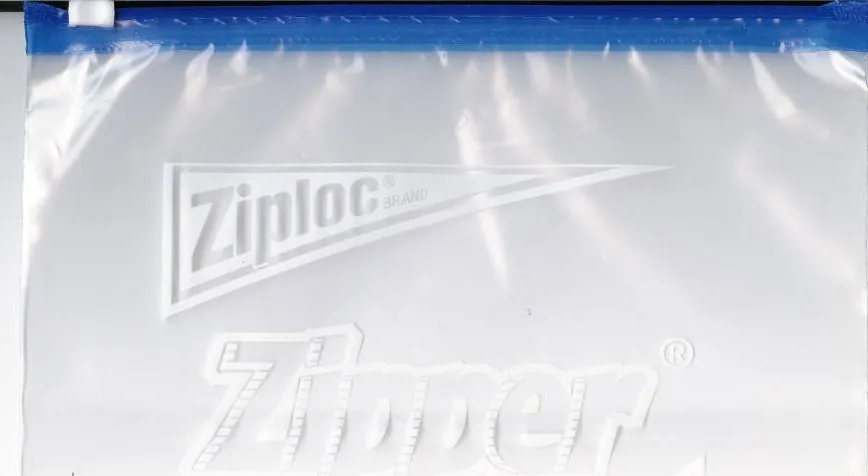
The honest comparison point for most buyers isn't another eco-product, it's the box of disposable zip-top bags sitting in the same drawer, and on pure convenience a fresh plastic bag still wins: it's lighter, it seals with an easier plastic zipper track rather than a pinch seal that takes practice, and you throw it away rather than washing it. What the disposable bag can't do is survive more than one or two uses before getting greasy or torn, and the cost of continually rebuying them adds up in a way that's easy to lose track of, whereas a Stasher bag used two or three times a week for four weeks showed zero degradation and, based on the material, should reasonably last years rather than weeks. The break-even point in pure dollar terms takes a while to reach given the higher upfront price, but the daily annoyance of running out of bags mid-week disappeared entirely once we stopped needing to restock them.
How it compares to beeswax wraps and glass containers
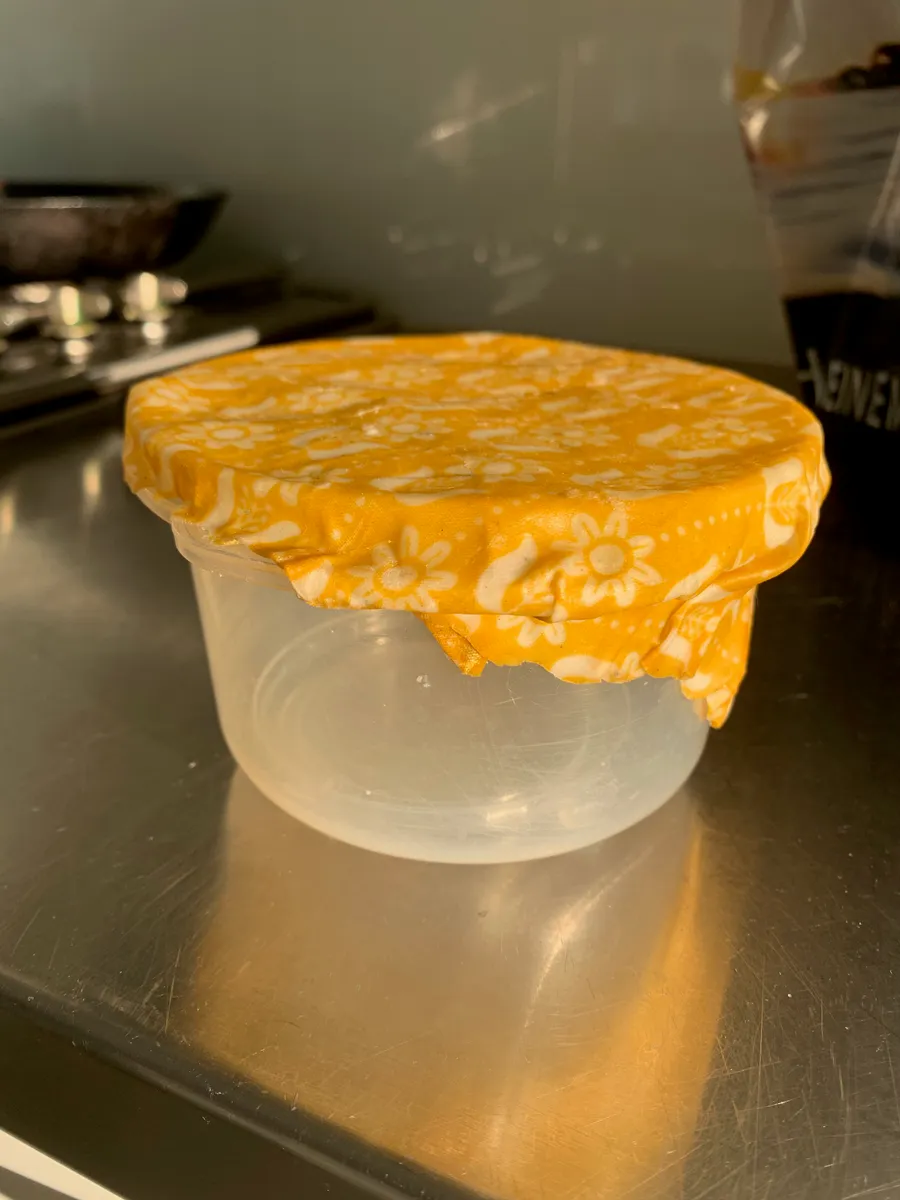
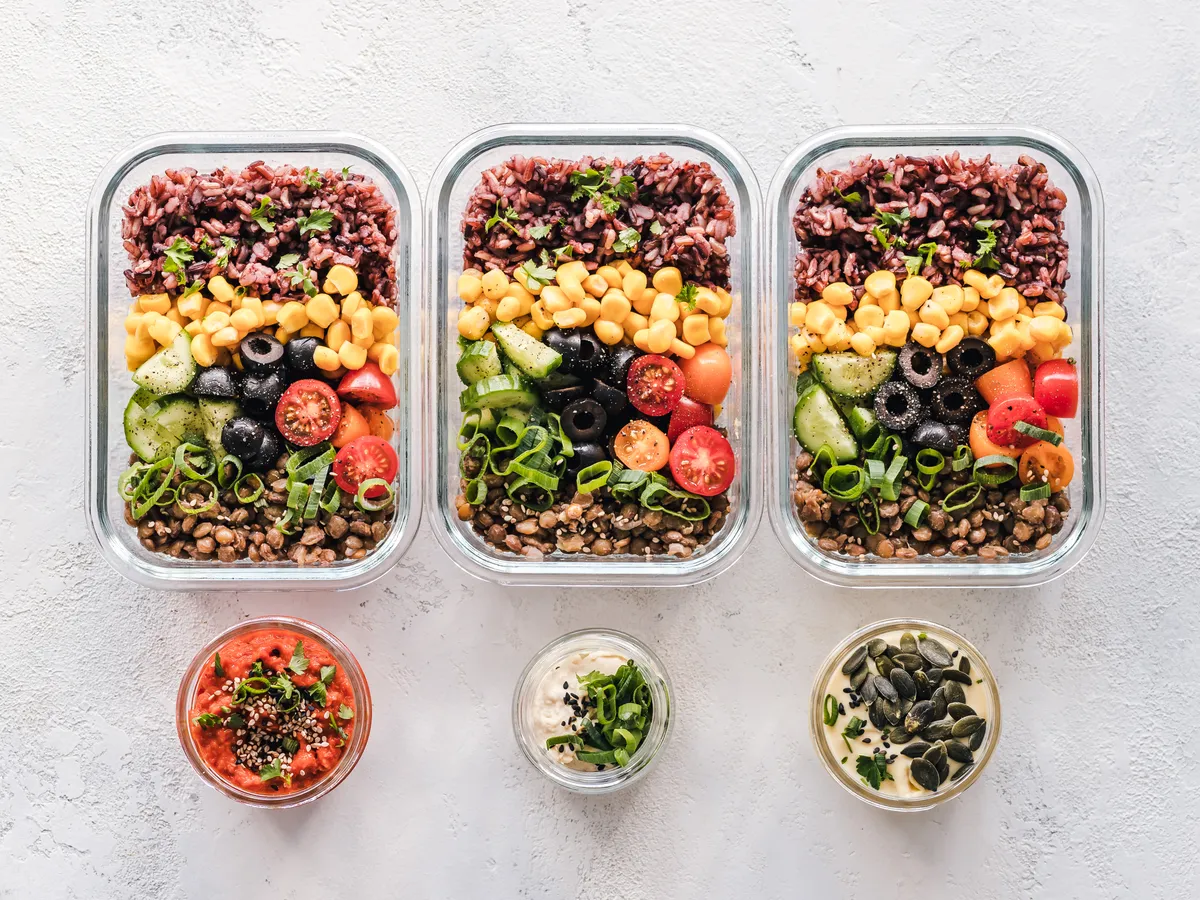
We also had a few beeswax food wraps on hand from an earlier attempt to cut down on plastic, and the comparison is useful because they solve an overlapping but different problem. Beeswax wraps are better for covering a bowl or wrapping a half an onion or a block of cheese, molding to an irregular shape with hand warmth, but they can't be sealed liquid-tight, can't go in a freezer without the wax cracking, and need to be hand-washed in cool water only, which makes them a complement to silicone bags rather than a replacement. Glass containers with locking lids, meanwhile, are more airtight and don't stain, but they're heavier, breakable, take up rigid shelf space that doesn't compress when empty, and simply aren't an option for the flat, space-saving freezer storage a Stasher bag or a plastic bag both handle easily. After a month, our actual kitchen system settled into a mix: Stasher bags for freezer storage, marinating, and portioned lunches; glass for pantry staples and leftovers going straight into the fridge; beeswax wraps for quick produce coverage. None of the three fully replaced the others, which is a more honest outcome than the all-or-nothing pitch some zero-waste product marketing implies.
The learning curve most reviews don't mention
Nobody seals a Stasher bag perfectly on the first try, and it took genuinely a week of regular use before sealing one felt as fast and automatic as zipping a plastic bag shut. The trick, once you find it, is starting the seal at one corner and dragging your fingers along the ridge in a single continuous motion rather than pressing down at a few separate points along the top, which is how most people instinctively try it at first and which reliably leaves weak spots. Kids in the household found the seal genuinely difficult to manage without help, which is worth knowing if part of your reason for buying these is getting a child to pack their own lunch; the sandwich bags in particular are narrow enough that small hands struggled to get a clean seal across the full width.
Price and the honest math
A multi-size starter set costs meaningfully more than a year's supply of disposable bags bought at a warehouse club, and it's fair to be skeptical of any product that asks you to spend more upfront on a promise of long-term savings and reduced waste. Where the math works in Stasher's favor is frequency: a household that goes through a box of sandwich bags every couple of weeks will spend that same amount, repeatedly, forever, while a durable silicone bag used for years is a one-time cost that eventually crosses over. Where the math doesn't obviously favor it is for someone who barely uses disposable bags to begin with; if your household goes through one box a year, the payback period stretches out long enough that the environmental argument carries more weight than the financial one.
Who should actually buy this
These bags make the most sense for a household that's already cooking regularly, freezing batches of food, and packing lunches often enough that disposable bags were a recurring grocery-list item rather than an occasional purchase. They're a weaker fit for someone who rarely uses bags at all, since the higher upfront cost per bag takes longer to pay off, and for anyone who wants zero learning curve and zero hand-washing, since the pinch seal and staining both require a bit more attention than tearing a disposable bag off a box. Anyone specifically trying to cut single-use plastic out of daily food storage, though, will find these do the job a beeswax wrap or a rigid container can't quite cover on their own: flexible, freezer-safe, and genuinely reusable for the long haul.
The verdict
After four weeks of using Stasher bags as our only food storage bags, replacing disposable plastic across lunches, freezer storage, marinating, and reheating, they held up to every use case they're marketed for, with the one real caveat being staining from tomato and turmeric-heavy foods that a normal wash cycle doesn't fully clear. The pinch seal takes real practice and isn't a great fit for young kids managing their own lunch bags, and the upfront price only pays off with regular use, but for a kitchen that was already burning through disposable bags weekly, this is a durable, genuinely multi-use replacement rather than a gimmick that ends up back in a drawer.
Other products we tested

Ecobee Smart Thermostat Premium Review: Two Months of Real HVAC Testing
We installed the Ecobee Smart Thermostat Premium without a C-wire, tracked its temperature accuracy against a separate thermometer, and measured real energy savings over two months of daily HVAC use.
Bose SoundLink Flex Review: Six Weeks of Hiking, Kayaking, and Beach Days
Six weeks of camping, kayaking, and beach trips show the Bose SoundLink Flex's IP67 rating and PositionIQ orientation sensing are genuinely useful, with honest limits on bass and max volume.

Coros Pace 3 Review: Six Weeks Testing the GPS Watch That Barely Needs Charging
A dual-frequency GPS running watch that trades AMOLED shine for weeks of battery life at a fraction of the price of flagship rivals.