
Cookware Buying Guide: Three Pans, Not a Twelve-Piece Set
Stainless, cast iron, carbon steel, and non-stick differ physically. Match each to what it does and treat non-stick as a consumable.
Cookware sets are sold by piece count, which is how a kitchen ends up with a saucepan nobody uses and a lid that fits nothing. Nearly all home cooking happens in three vessels: a large frying pan, a medium saucepan, and something big enough for pasta or stock. Everything beyond that is either a specialist tool for something you genuinely do, or a slot-filler in a box.
This guide covers what each material actually does — because the differences between stainless, cast iron, carbon steel, and non-stick are physical rather than marketing — and how to buy three pans that will still be good in a decade.
The quick answer
Buy three pans: a 28cm stainless or carbon steel frying pan for searing and sauces, a 20cm non-stick pan for eggs and fish, and a 4-5 litre saucepan or Dutch oven with a lid. Budget $120-$300 for all three.
Buy tri-ply or fully-clad stainless rather than a single layer of steel. Bare stainless is a poor conductor; the aluminium or copper core is what makes the pan cook evenly.
Treat non-stick as a consumable. It will lose its coating in three to five years of regular use no matter what you paid, so buy a cheap-to-mid one and replace it, rather than spending $180 on a pan with a limited lifespan.
Check your hob before anything else. Induction requires magnetic material in the base — a magnet sticking to the bottom is the test — and a beautiful copper or plain aluminium pan will simply not heat on it.
Materials, by what they physically do
Stainless steel is durable, non-reactive with acids, oven-safe at any temperature, and dishwasher-tolerant. On its own it conducts heat poorly, which is why quality stainless pans are clad: a layer of aluminium or copper sandwiched between steel layers spreads heat evenly. Tri-ply means three layers throughout, and the important detail is whether the cladding extends up the sides or stops at a disc on the base — full cladding heats the walls, disc bases produce a hot centre and cool edges.
Stainless is the right default for searing meat, building pan sauces, and anything acidic. It sticks more than non-stick, which is a technique issue rather than a defect: a properly preheated stainless pan with hot fat releases food reasonably well.
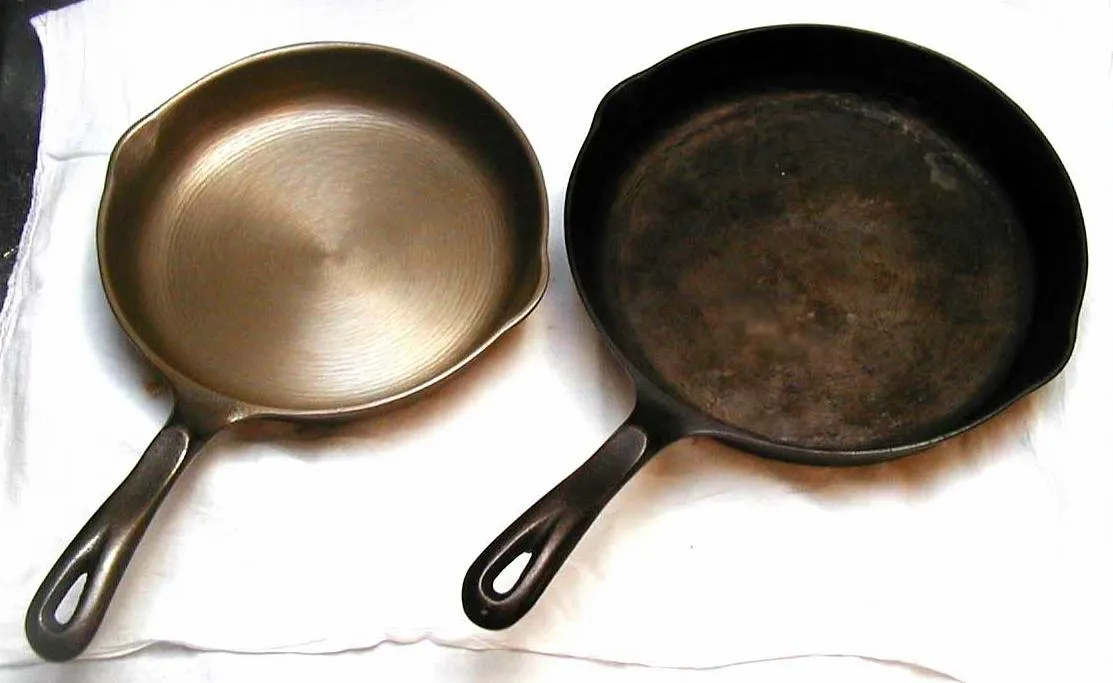
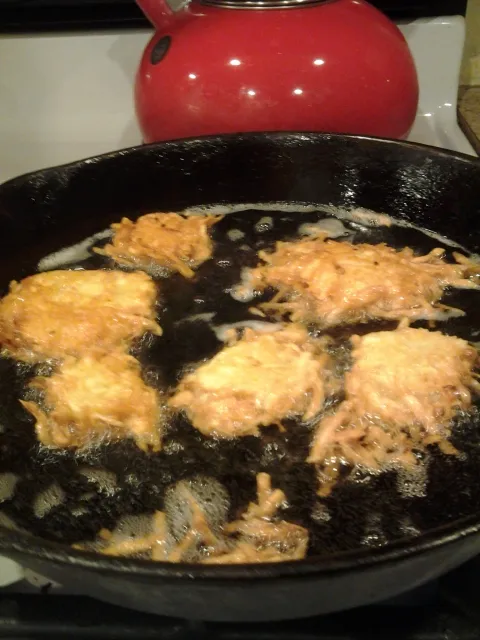
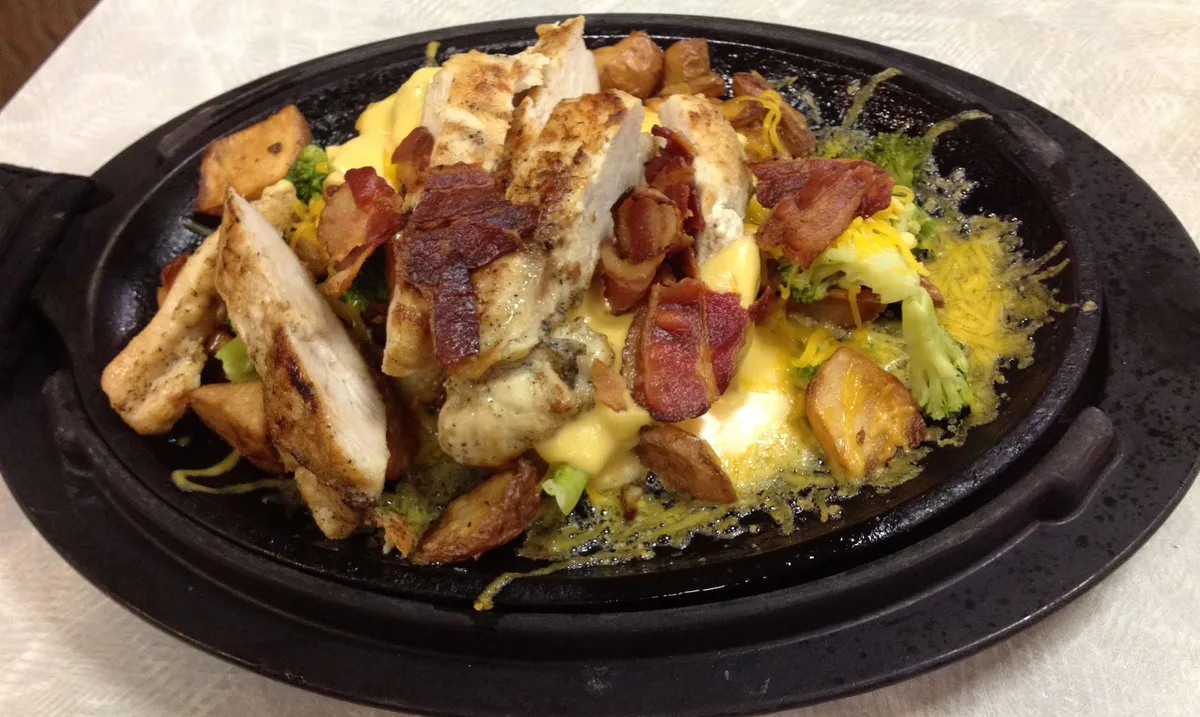
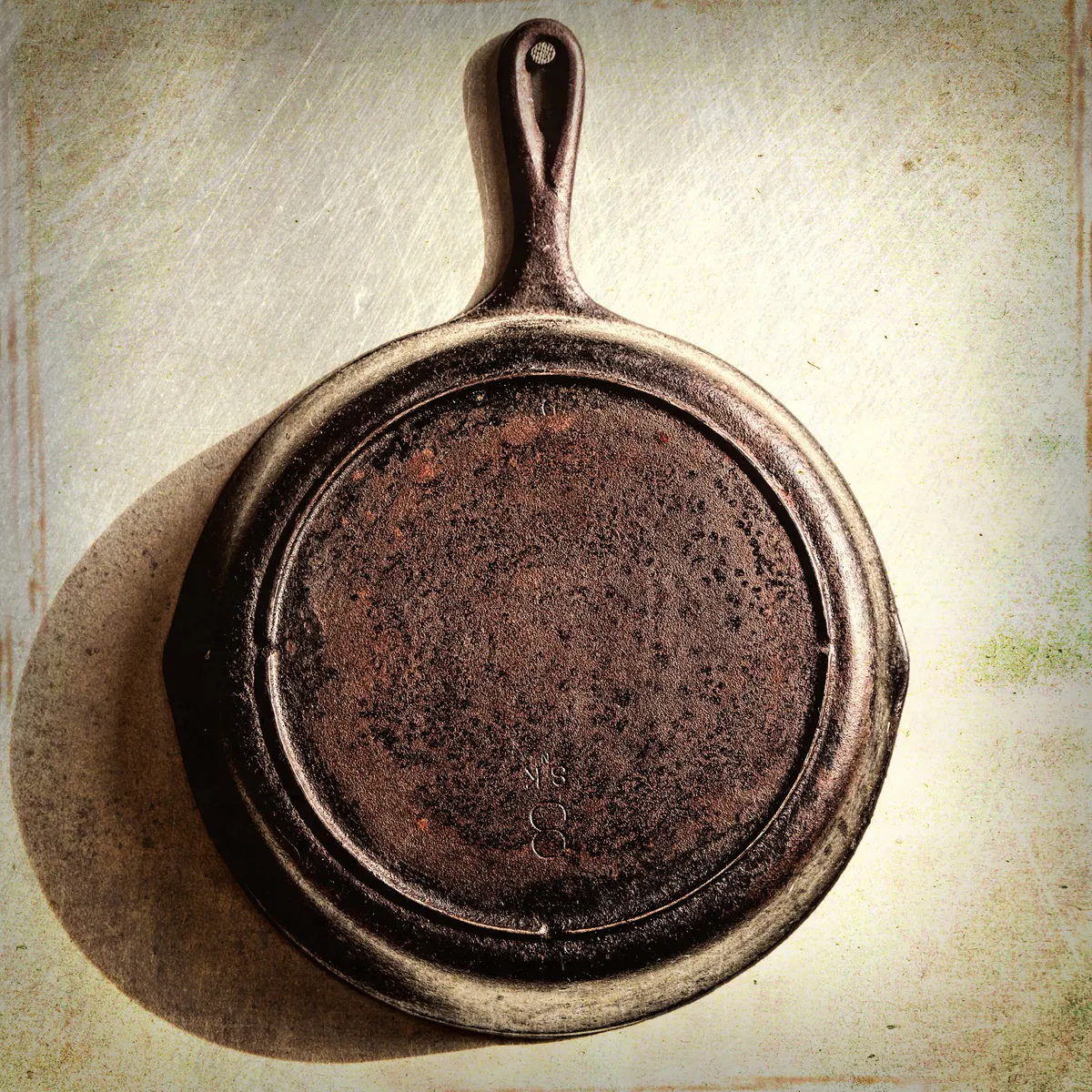
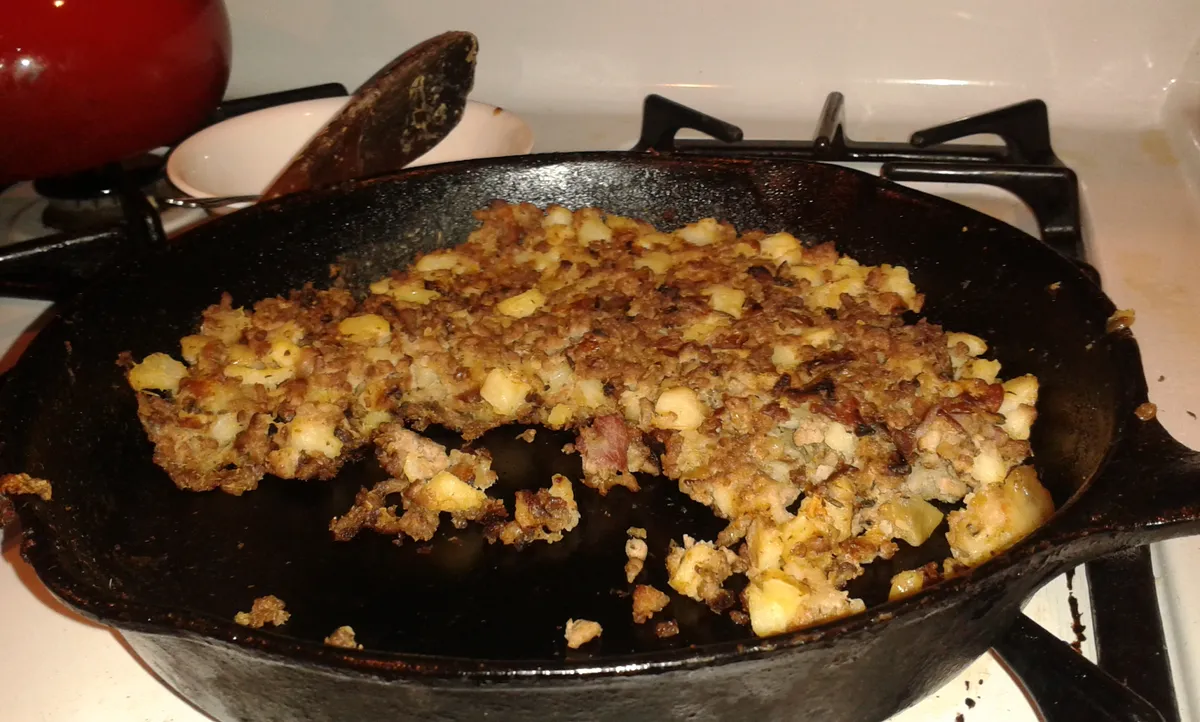
Cast iron holds an enormous amount of heat, which is why a steak dropped into it keeps searing rather than steaming. It heats slowly and unevenly on the way up, so it wants a few minutes of preheating. It is heavy, it rusts if left wet, and a maintained seasoning layer makes it effectively non-stick over time. It is also the cheapest genuinely lifetime cookware available.
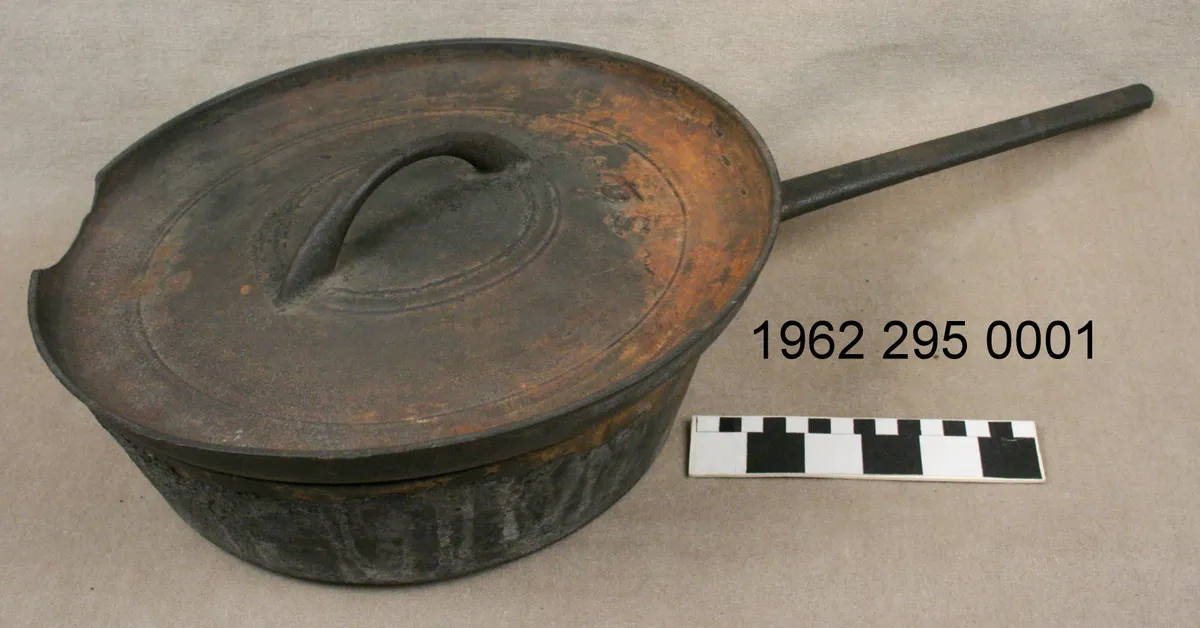
Carbon steel is the underrated option: thinner and lighter than cast iron, seasons the same way, heats faster and responds to temperature changes quickly. It is what most professional kitchens use for frying, and it costs $35-$70. The trade is the same rust vulnerability as cast iron and a seasoning layer that takes a few weeks of use to establish properly.
Non-stick coatings are fluoropolymer films over an aluminium base. They are excellent for eggs, pancakes, and delicate fish, and they degrade — the coating wears mechanically and breaks down thermally. Ceramic-coated pans are silica-based and marketed as an alternative; they are genuinely non-stick when new and typically lose that faster than fluoropolymer, often within a year or two.
Non-stick, used properly and replaced honestly
Two rules extend a non-stick pan's life substantially. Keep it under about 260°C, which in practice means never on high heat empty and never under a grill, because fluoropolymer coatings begin degrading above that. And use wood, silicone, or nylon utensils rather than metal, since scratches are where failure starts.
Also avoid the dishwasher even on pans labelled dishwasher-safe. Detergent is abrasive and alkaline and shortens coating life measurably.
Replace it when food starts sticking to a clean pan, or when the coating is visibly scratched through to the metal. A worn non-stick pan is not dangerous in the way internet warnings suggest — the film is inert at cooking temperatures — but it stops doing the one job it exists for, and cooking eggs in a half-stick pan is worse than cooking them in stainless.
Because it is a consumable, the sensible spend is $30-$60. Above that you are paying for a handle and a brand on a component that will be in a bin within five years. The one exception worth paying for is a thicker base, which resists warping — a warped non-stick pan rocks on an induction hob and heats unevenly.
Seasoning cast iron and carbon steel, without the mythology
Seasoning is polymerised oil: a thin layer of fat heated past its smoke point bonds to the metal and builds up over uses into a hard, slick surface. It is not a coating you apply once; it is a film you maintain by cooking.
The method is simple. Wipe a very thin layer of neutral oil over the whole pan, wipe it off again so it looks almost dry, and heat until it stops smoking. Repeat two or three times for a new pan. Thick applications produce a sticky, patchy finish, which is the most common beginner mistake.
Maintenance is easier than the folklore suggests. You can use soap — modern dish soap does not strip polymerised seasoning. What you must not do is leave the pan wet or soaking, because that is how rust forms. Dry it on the hob for a minute after washing and the problem never arises.
Acidic food — tomato sauce, wine reductions, lemon — will strip seasoning if simmered for a long time. Do that in stainless and keep the iron for searing, frying, and baking, which is the natural division of labour anyway.
Construction details worth checking in a shop
Base thickness is the best single quality indicator you can assess by hand. A thin base heats fast, develops hot spots, and warps. Look for something you would describe as substantial — 3mm or more of total base thickness in a stainless pan.
Handle attachment next. Riveted handles are strong and leave two bumps inside the pan to clean around. Welded handles are cleaner inside and can fail at the weld under weight. Screwed handles loosen and can be retightened, which is arguably the best of the three if you check them occasionally. Plastic or wooden handles limit oven use; all-metal handles are oven-safe and get hot on the hob.
Flare and depth affect what the pan can do. A frying pan with sloped sides is for tossing and for getting a spatula under things. A sauté pan with straight sides holds more liquid and suits braising. If you buy one 28cm pan, sloped sides are the more versatile choice.
Lids are worth having and rarely worth buying separately at $25 each. Check that the pans you choose come with lids or share a diameter so one lid fits several.
What each hob type demands
Induction needs a ferrous base. Cast iron, carbon steel, and most clad stainless work; pure aluminium and copper do not unless a steel disc is bonded on. Induction also heats extremely fast, which punishes thin bases with warping and hot spots — base thickness matters more here than on any other hob.
Gas heats from a ring of flame, so heat concentrates in a circle rather than across the base. Thicker, well-clad bases even that out. Gas is the most forgiving hob for thin or lightweight pans, and the one where handles get hottest.
Electric radiant and ceramic hobs need flat-bottomed pans in genuine contact with the surface. A slightly warped pan loses much of its heat transfer, and cast iron can scratch a glass ceramic top if dragged.
Building a set that lasts
Start with the 28cm stainless or carbon steel frying pan, since it does the most work. Add the small non-stick, which is the one pan a beginner most notices the benefit of. Add the 4-5 litre pot with a lid, which covers pasta, soup, stock, and braises.
Then wait. The fourth pan should be bought in response to something you actually cook — a wok if you stir-fry weekly, a small saucepan if you make a lot of sauces, a roasting tin if you roast. Buying it in advance is how sets happen.
On price: the $60-$120 band for a clad stainless frying pan buys genuinely good cookware, and above roughly $200 per pan you are into materials and finish rather than performance. Restaurant supply shops sell the pans professionals use — heavy, plain, unbranded, and cheap — and they outperform most consumer sets.
Finally, the pan is half of it. A sharp knife and a stable board do as much for weeknight cooking as any upgrade in cookware; our kitchen knife buying guide covers that side, including why the sharpening habit matters more than the purchase. And for the appliances that take work off the hob entirely, our multicooker vs air fryer vs slow cooker guide matches each machine to the cooking it genuinely suits.
More coupon shopping advice

Home Security Camera Buying Guide: Local vs. Cloud Storage
A practical, balanced buying guide to home security cameras that weighs local storage against cloud subscriptions, wired versus battery power, camera placement, night vision, smart detection accuracy, and smart home integration.

Beginner Mirrorless Camera Buying Guide
A practical, honest walkthrough of what actually matters when buying your first mirrorless camera, from sensor size and lens mounts to autofocus, video specs, and the real total cost of a beginner-friendly system.

Air Purifier Buying Guide: CADR, ACH, and Filter Costs Explained
A practical walkthrough of the numbers that actually matter when buying an air purifier — CADR and ACH for sizing, true HEPA versus marketing terms, real three-year filter costs, realistic noise levels, and when a purifier won't help at all.