
Multicooker vs Air Fryer vs Slow Cooker: Which One Earns Its Counter Space?
Three appliances that all promise easier dinners, matched honestly to the meals you actually cook on a weeknight.
Countertop cooking appliances have a specific failure pattern. They get bought in January with genuine enthusiasm, used intensively for three weeks, and then migrate to the top of a cupboard where they stay until a house move. The appliance is rarely the problem. The mismatch between what it does well and how the household actually cooks is.
Multicookers, air fryers, and slow cookers all promise to simplify dinner, and each does — for different dinners. This guide is about matching the machine to the food you genuinely make on a weeknight, plus the counter-space and cleaning realities that decide whether it stays out or goes away.
The quick answer
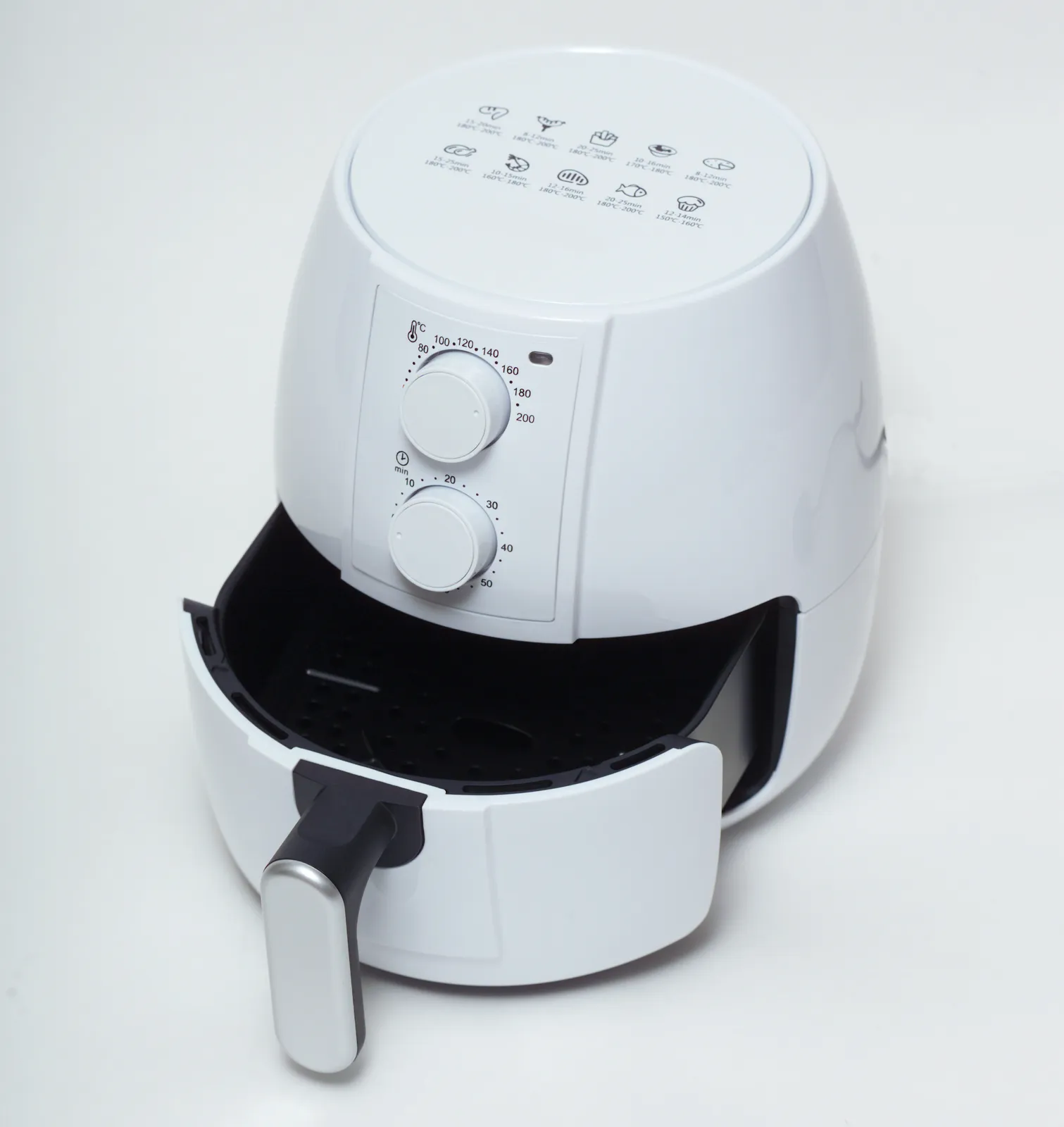
Air fryer if you cook for one or two, eat a lot of chicken, frozen food, roasted vegetables, and reheated leftovers, and want food in fifteen minutes. It is a small convection oven and it is very good at browning small quantities fast.
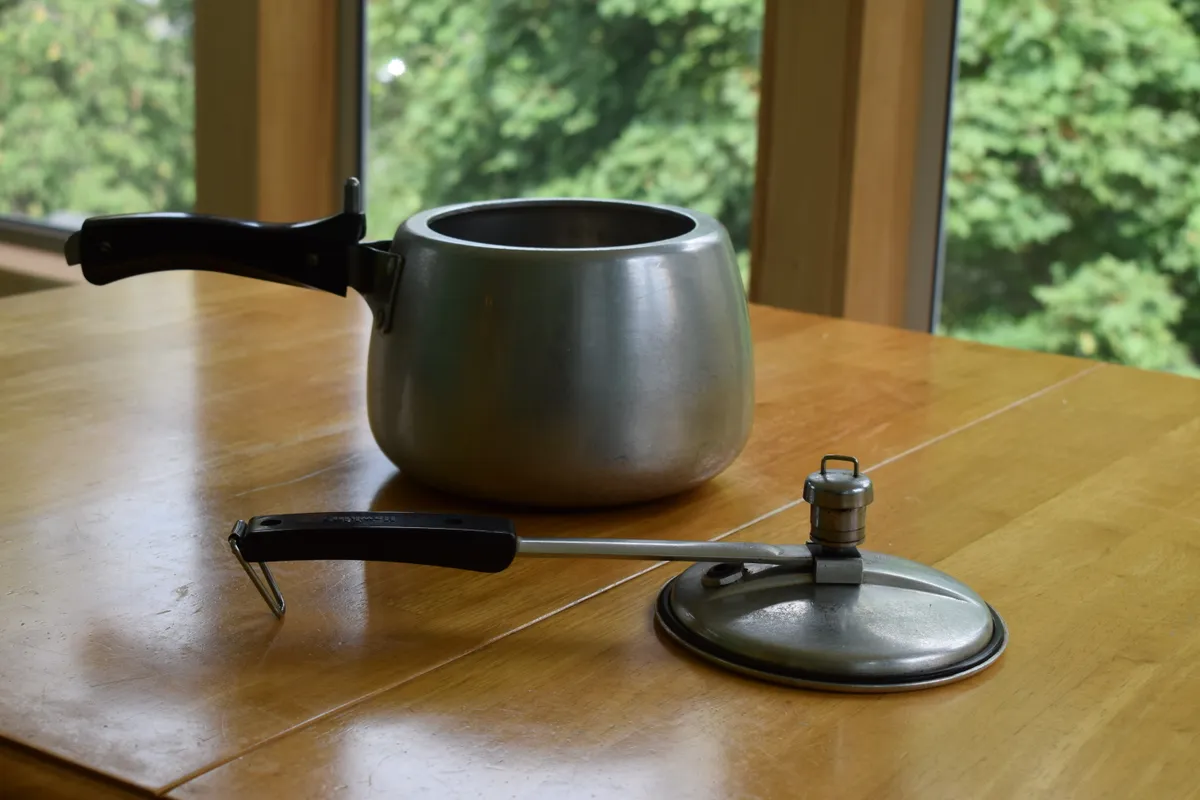
Multicooker (pressure cooker) if you cook beans, stews, tough cuts, rice, stock, and curries, and you want a two-hour braise finished in forty minutes. It does not brown well and it does not make anything crispy.
Slow cooker if you leave the house at 8am and want food ready at 6pm without thinking about it. It is the cheapest, simplest, and most genuinely hands-off of the three.
If you can only have one and you cook actual meals rather than snacks, the multicooker covers the widest range. If your cooking skews toward reheating and roasting portions for one or two, the air fryer will get used more often — and getting used is the whole point.
What each machine physically does
An air fryer is a compact convection oven with a powerful fan and a small chamber. The small volume is the trick: hot air circulates fast around food in a basket, which dries the surface and browns it much faster than a full-size oven can. Nothing is fried, and the "less oil" claim is really "this replicates deep-frying texture using a tablespoon of oil," which is true for chips and breaded items and irrelevant for chicken thighs that would not have been fried anyway.
A pressure cooker seals a pot and raises the internal pressure, which raises the boiling point of water from 100°C to roughly 120°C. Reactions that break down collagen and soften starches accelerate sharply at that temperature, which is why dried beans go from an overnight soak plus 90 minutes to about 35 minutes with no soak at all. Modern electric multicookers add a sauté function, a slow cook mode, yoghurt, and rice programmes on top.
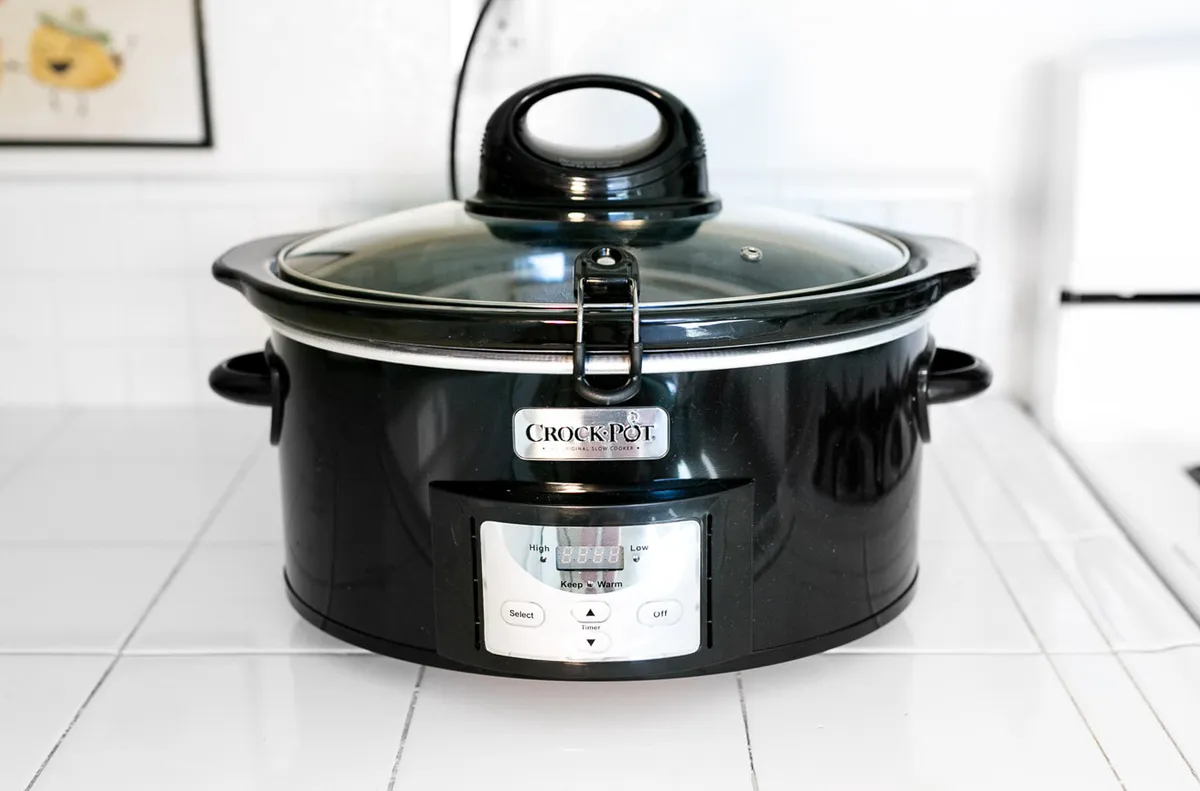
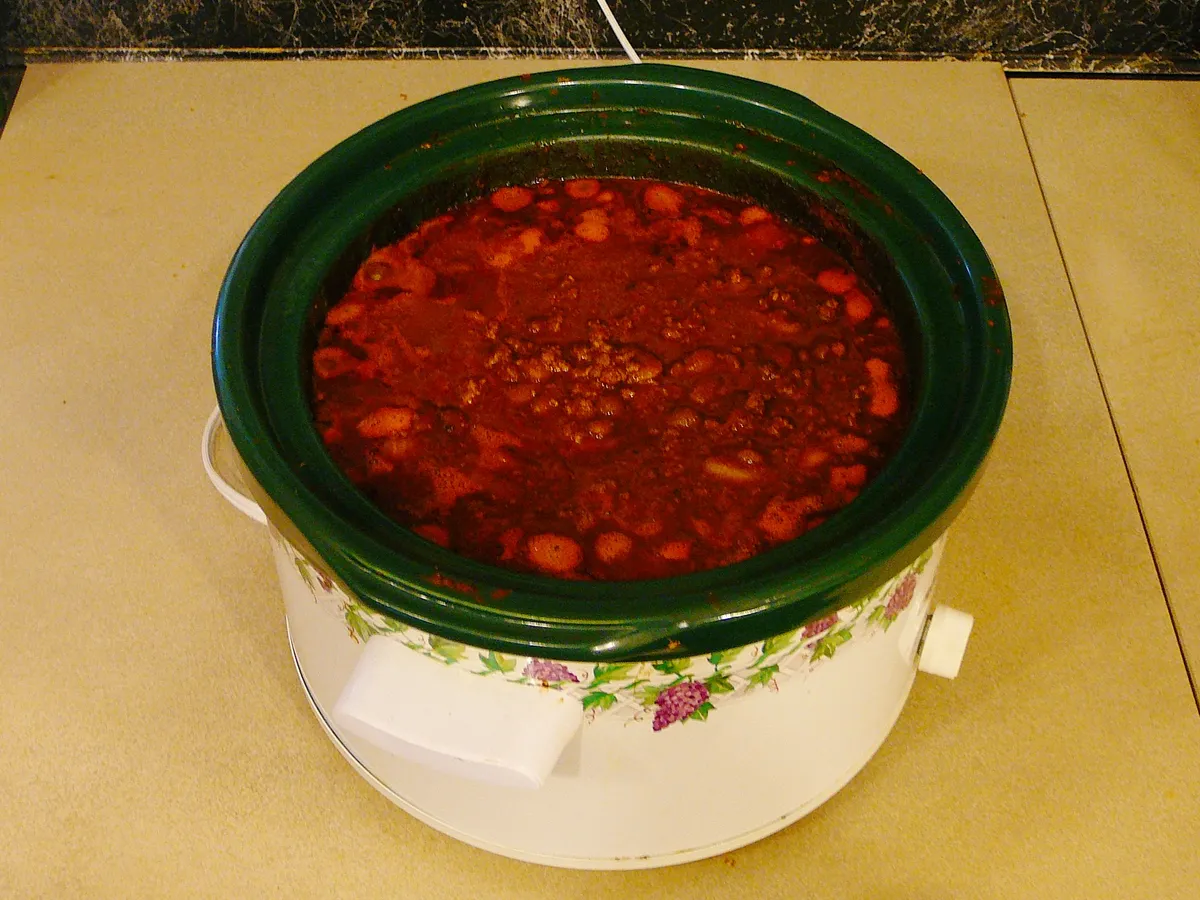
A slow cooker holds food at roughly 80-95°C for six to ten hours in a sealed ceramic pot. Almost no liquid evaporates, so recipes use far less liquid than stovetop equivalents. The long, gentle heat achieves the same collagen breakdown as pressure, by a different route: time instead of temperature.
Where each one is genuinely bad
Air fryers cannot cook much at once. A 4-litre basket holds enough chips for two people, or four chicken thighs in a single layer. Crowding the basket is the single most common mistake: overlapping food steams rather than browns, and the result is disappointing in a way people blame on the machine. Cooking in batches works but erases the speed advantage. They are also loud, most run around 60-65 decibels, and they cannot do anything wet — no stews, no braises, no soups.
Pressure cookers cannot brown properly. The sauté function on a multicooker uses a flat heating element under a tall narrow pot, which produces a modest sear over a small area and takes a long time to get there. Searing meat in a frying pan first and transferring is the standard workaround, and it means two pans to wash. They are also slow to come to pressure — add 10-15 minutes to every stated cook time — and food cannot be tasted or adjusted mid-cook.
Slow cookers turn out uniformly soft food. Everything cooked for eight hours has a similar texture, and vegetables added at the start disintegrate. There is no browning at all, so recipes that skip the initial sear produce grey, flat-tasting meat. And most slow cookers are needlessly large for small households.
Sizing, which decides more than brand
Air fryers are measured by basket volume. Around 3.5-4 litres suits one or two people. 5-6 litres suits three or four, and will fit a small whole chicken. Above 7 litres you are usually looking at a dual-basket or oven-style unit, which trades counter space for the ability to cook two things at different temperatures — genuinely useful for a full meal, and a large object to store.
Multicookers are usually 3, 6, or 8 litres. The 6-litre size is the sensible default: it handles a family batch, and pressure cookers cannot be filled beyond two-thirds anyway (half for foods that foam, like beans and grains), so a 6-litre pot is really a 4-litre working volume. A 3-litre model is right for one or two people and often overlooked.
Slow cookers should be filled between half and three-quarters full to cook correctly. An 8-litre cooker with a two-person portion in it will scorch the edges and overcook. Match the size to your typical batch, not your maximum ambition.
Features worth the money
On multicookers: a stainless steel inner pot rather than non-stick coating, because the sauté function will destroy a coating within a couple of years and stainless is dishwasher-safe indefinitely. A genuinely sealing lid with an easily removable and washable sealing ring — rings absorb odours and need replacing every year or two, so check they are cheap and available. Independent temperature control for sauté, so you can hold a simmer rather than only full power.
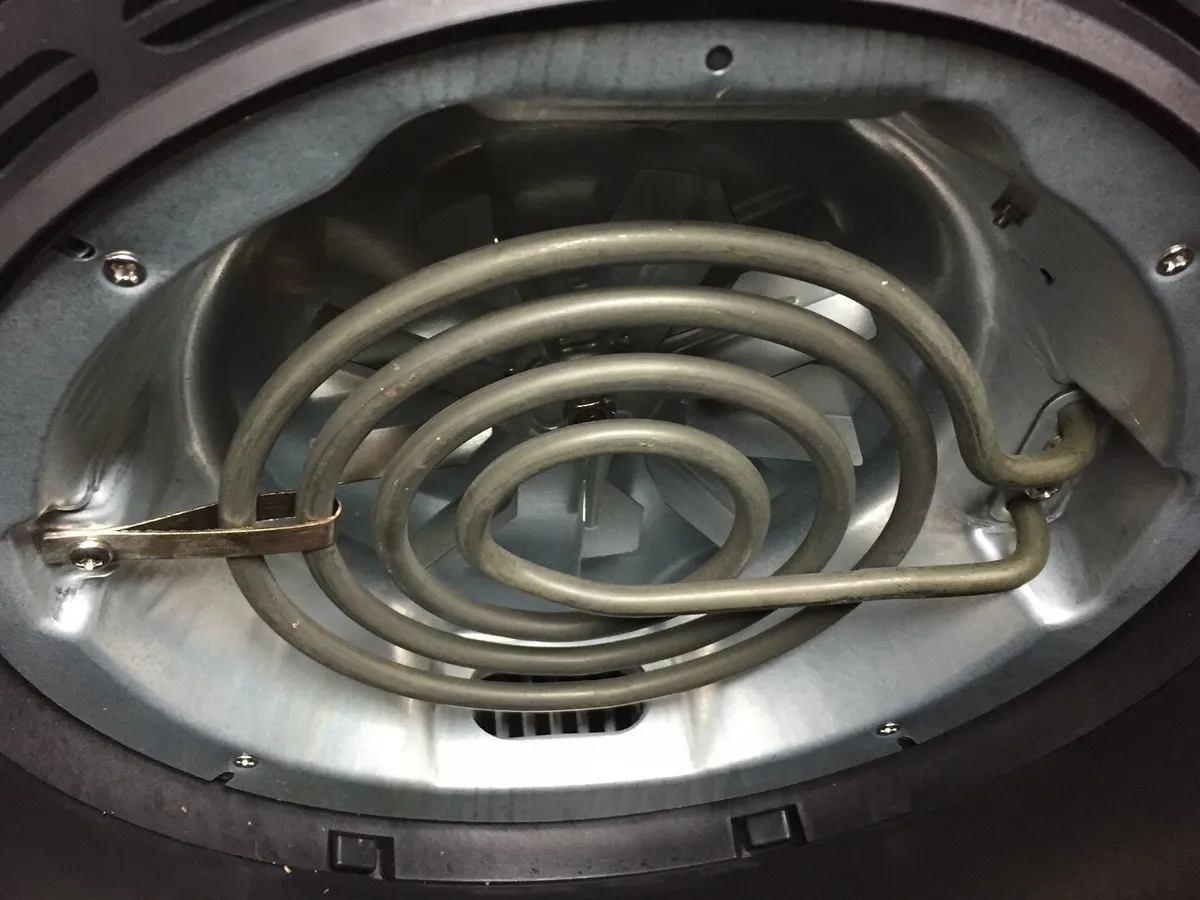
On air fryers: a basket and crisper plate that are both dishwasher-safe, since hand-washing a mesh plate with baked-on grease is the reason air fryers stop getting used. A real temperature dial or display rather than preset buttons only. A window, if you can find one, because opening the basket to check drops the temperature.
On slow cookers: a removable ceramic insert that goes in the dishwasher and can also go in the fridge overnight. A genuine "keep warm" mode that engages automatically after the timer, so a delayed evening does not mean overcooked food.
What is not worth paying for across all three: app connectivity, which nobody uses twice; forty preset programmes, which are timer-and-temperature combinations you can set manually; and "smart" probes on machines where you cannot open the lid anyway.
The combination appliances question
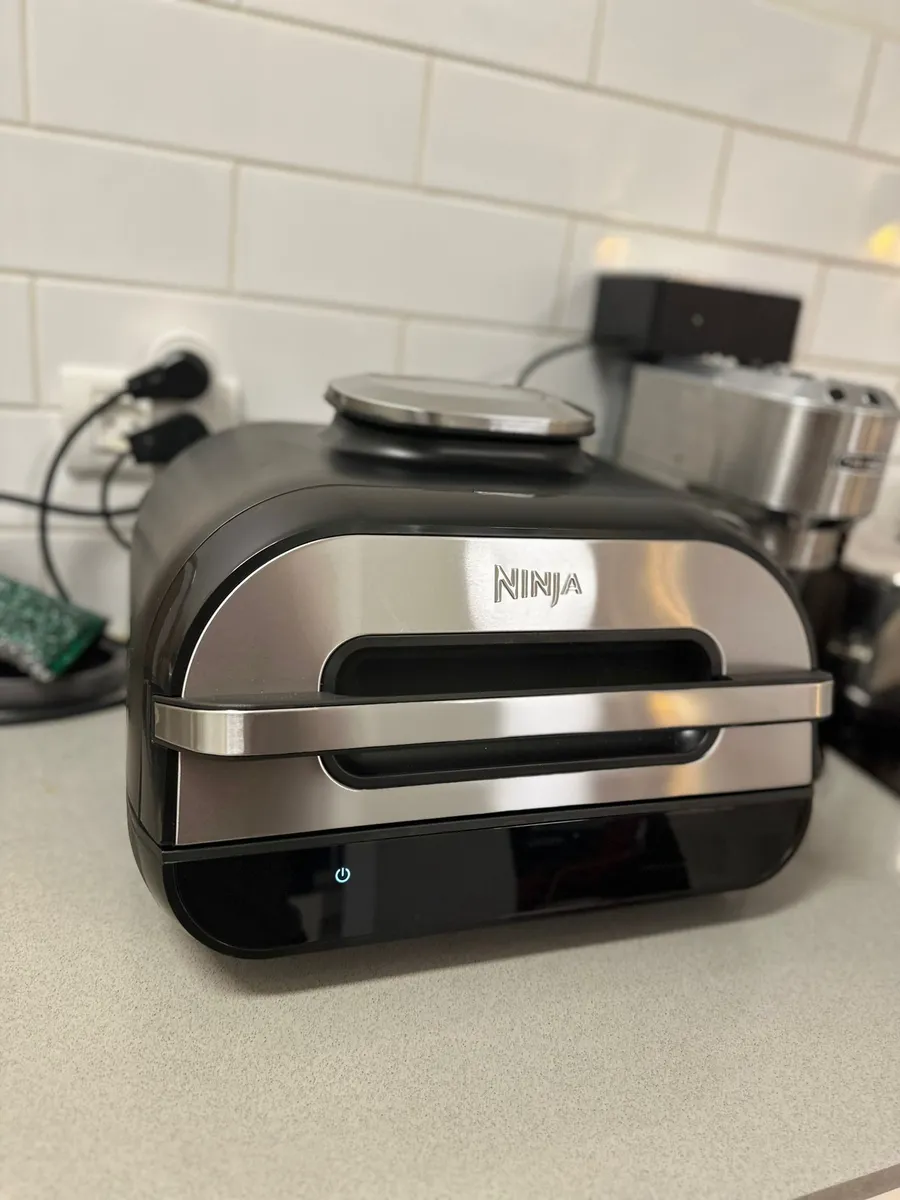
Machines combining pressure cooking and air frying — usually with two interchangeable lids — look like the obvious answer and are a reasonable compromise with real caveats. They are large, tall enough that many will not fit under a wall cabinet, and heavy at 8-11kg. The air frying performance is generally decent but not equal to a dedicated basket unit, because the chamber is a tall pot rather than a shallow tray, which limits how much surface gets full airflow.
The genuine advantage is one appliance instead of two, and the ability to pressure cook then crisp in the same pot — pulled pork finished with a crust, or chicken thighs braised then browned. If counter space is the binding constraint, this is a sound choice. If you have room for two machines, two dedicated machines each do their job better.
Energy, time, and the claims worth checking
Air fryers genuinely use less energy than a full-size oven for small quantities, because they heat a much smaller volume and need little or no preheat. Cooking four chicken thighs uses perhaps 0.3kWh versus 1.2kWh in an oven preheated for fifteen minutes. Cooking for six, the advantage disappears, because you are running multiple batches while the oven would have done it in one.
Pressure cookers save time on long-cooking foods and save nothing on quick ones. Dried chickpeas: transformative. A chicken breast: slower than a frying pan once you count the pressurisation. The heuristic is that pressure helps anything that would otherwise take over 45 minutes on the stove.
Slow cookers use very little power — typically 150-250W, less than a lightbulb array — but run for eight hours, so total consumption lands around 1.2-2kWh. Cheaper than an oven for the same braise, more than a pressure cooker, and the trade is that it needs no attention at all.
Which one for which household
One or two people, cooking simple food quickly, limited patience for washing up: air fryer, 4 litres, around $80-$130.
A family cooking real meals, wanting to make batches of stew, beans, rice, and stock: multicooker, 6 litres, stainless inner pot, $90-$160.
Anyone out of the house all day who wants dinner ready on arrival, and who is happy with braises and casseroles: slow cooker, sized to your batch, $40-$80. This is the cheapest genuine convenience in the category and the most underrated.
The honest test before you buy
Write down the five meals you actually cooked in the past fortnight. Not the meals you intend to cook — the ones you made. Then check which machine would have helped with each. If four of them were pasta, sandwiches, and reheated leftovers, an air fryer earns its counter space and a multicooker will not. If three were curries or stews made on the hob, the multicooker is the one that changes your evenings.
Then check the counter. These appliances only get used if they live out where you can see them; anything stored in a cupboard above head height gets used roughly a quarter as often. Measure the space including the clearance above, since air fryers and pressure cookers both vent hot air upward and cannot sit directly under a cabinet while running.
For a look at how one of these machines behaves across months of ordinary use — including which of its many advertised functions actually get touched — our Instant Pot Duo Plus review goes through the nine-function list honestly. And for the opposite lesson, that a single-purpose machine can still earn its space if the purpose is one you genuinely repeat, our Ninja Creami Deluxe review is the counterexample worth reading before buying anything that promises to do everything.
More coupon shopping advice

Home Security Camera Buying Guide: Local vs. Cloud Storage
A practical, balanced buying guide to home security cameras that weighs local storage against cloud subscriptions, wired versus battery power, camera placement, night vision, smart detection accuracy, and smart home integration.

Beginner Mirrorless Camera Buying Guide
A practical, honest walkthrough of what actually matters when buying your first mirrorless camera, from sensor size and lens mounts to autofocus, video specs, and the real total cost of a beginner-friendly system.

Air Purifier Buying Guide: CADR, ACH, and Filter Costs Explained
A practical walkthrough of the numbers that actually matter when buying an air purifier — CADR and ACH for sizing, true HEPA versus marketing terms, real three-year filter costs, realistic noise levels, and when a purifier won't help at all.