
Instant Pot Duo Plus Review: Which of the 9 Functions Are Actually Worth It
The pressure cooking and sauté combination alone justifies the counter space — the yogurt maker, cake function, and sterilizer are genuine but rarely-used bonuses rather than reasons to buy.
- Pressure cooking dramatically cuts real cook time on tough cuts and legumes
- Built-in sauté function eliminates a separate pan for one-pot meals
- Hard mechanical lid lock is a genuine safety feature, not just software
- Slow cooker function is faster and hotter than most dedicated slow cookers
- Well-suited to Sunday batch cooking and freezer meal prep
- Some functions (sterilizer, cake maker) are rarely used marketing padding
- Converting stovetop recipes requires a real adjustment period
- Quick-release valve is genuinely loud, a factor in thin-walled apartments
- Sealing ring absorbs odors and needs a second ring for savory vs sweet use
- Bulky footprint doesn't tuck away easily between uses
The Instant Pot Duo Plus occupies a strange cultural spot: equal parts genuine kitchen workhorse and internet punchline about people who buy one and never use half its functions. We used the 6-quart Duo Plus as our primary weeknight cooking appliance for six weeks — pressure cooking, slow cooking, rice, yogurt, and the sauté function — to figure out which of its nine claimed functions are actually worth using and which are marketing padding.
What "9-in-1" actually means in daily use
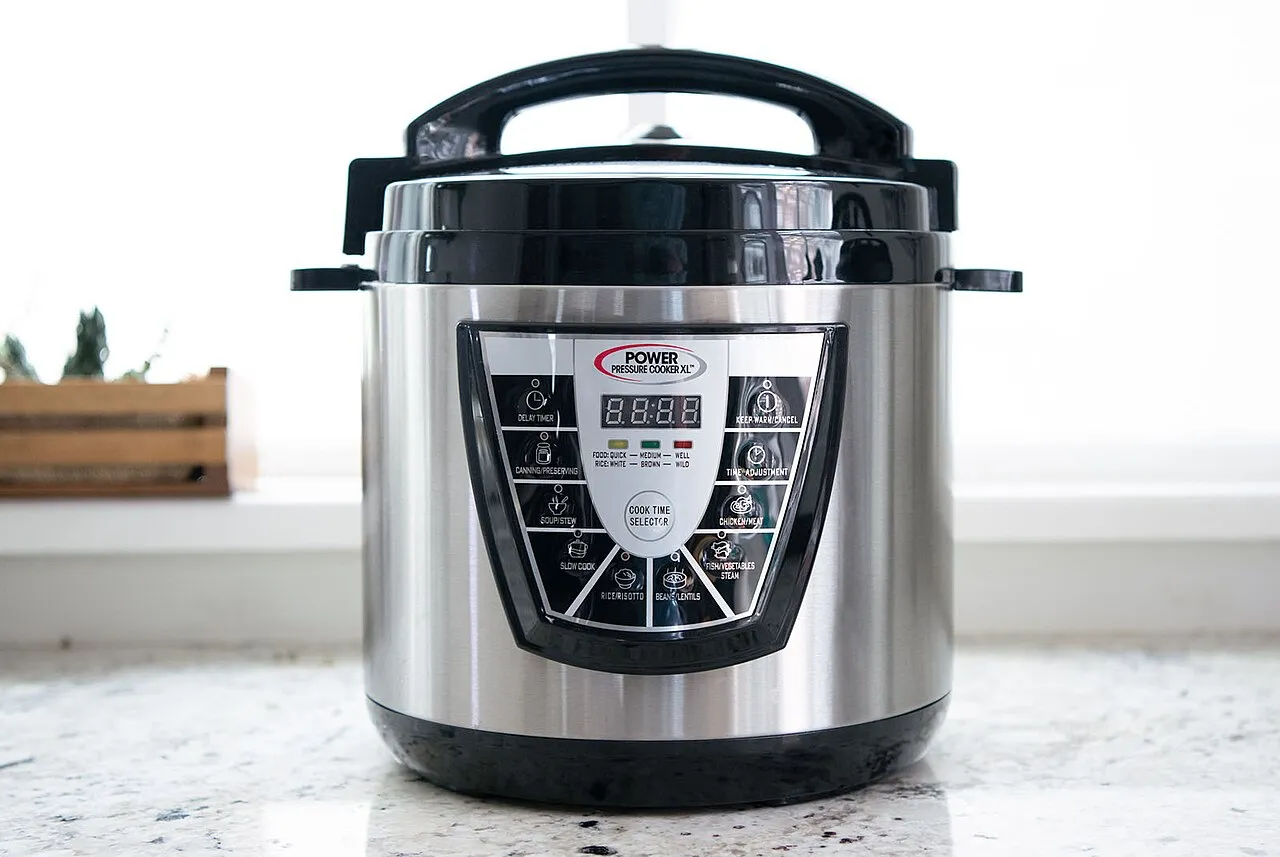
The headline nine functions are pressure cooker, slow cooker, rice cooker, yogurt maker, steamer, sauté pan, food warmer, sterilizer, and cake maker. In six weeks of regular use, we reached for pressure cooking and sauté constantly, steaming and rice cooking occasionally, and yogurt maker exactly twice. The sterilizer and cake maker functions, while technically present, felt like checkbox features added to inflate the "9-in-1" count rather than functions most households will use regularly — the appliance is genuinely a pressure cooker and slow cooker first, with the rest as reasonable bonuses rather than core selling points.
Pressure cooking: the feature that justifies the purchase
This is where the Duo Plus earns its keep. A pork shoulder that takes 6-8 hours in a slow cooker or oven came out fall-apart tender in under 90 minutes total (including pressurizing time), and dried beans that would normally require an overnight soak went from dry to fully cooked in under an hour with no pre-soak at all. The sealed cooking environment also concentrates flavor more than open-pot simmering — braised dishes tasted noticeably richer than the same recipe made in a Dutch oven over a similar total cook time, likely because less liquid evaporates during the process.
The sauté function replaces a separate pan for one-pot meals
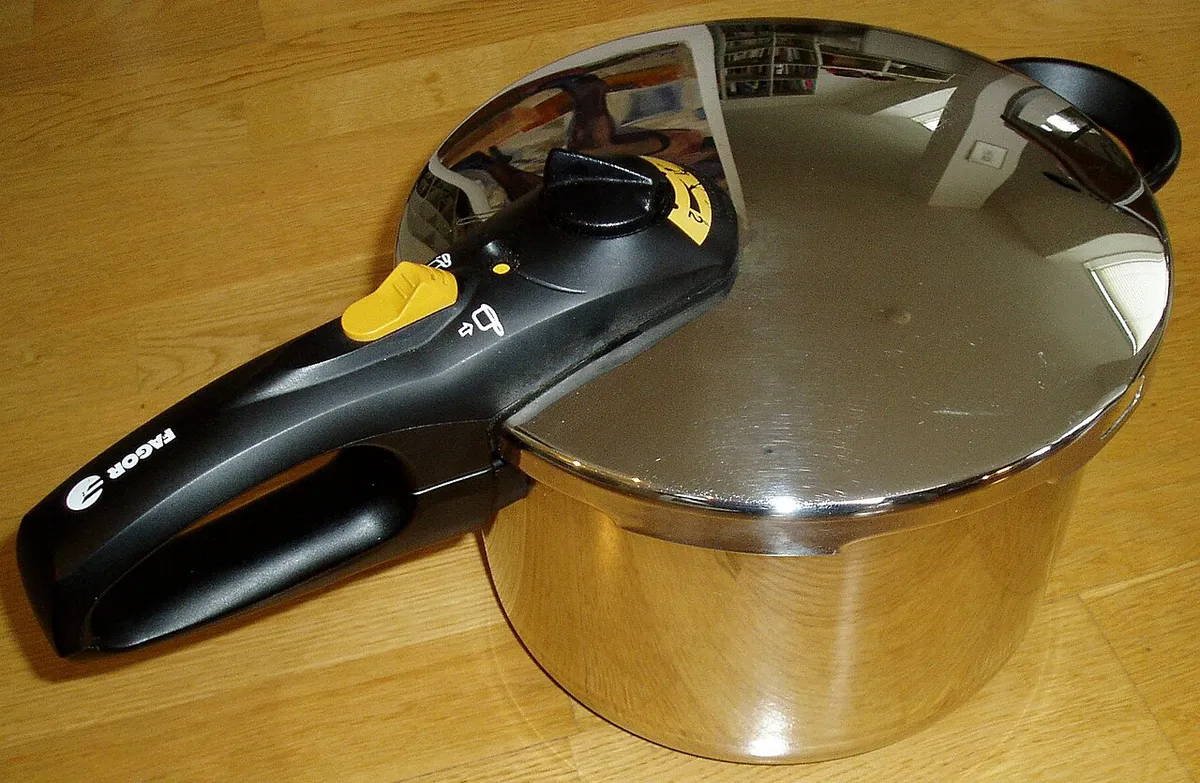
Being able to sear meat directly in the same pot before pressure cooking, rather than dirtying a separate skillet first, was the single biggest quality-of-life improvement over our old stovetop pressure cooker. The sauté function runs meaningfully hotter than we expected from an appliance marketed primarily as a pressure cooker, achieving a genuine sear on chicken thighs and ground beef rather than just a gentle warm-through, which matters for building fond at the bottom of the pot for sauces and gravies afterward.
Learning curve and the recipes that need adjustment
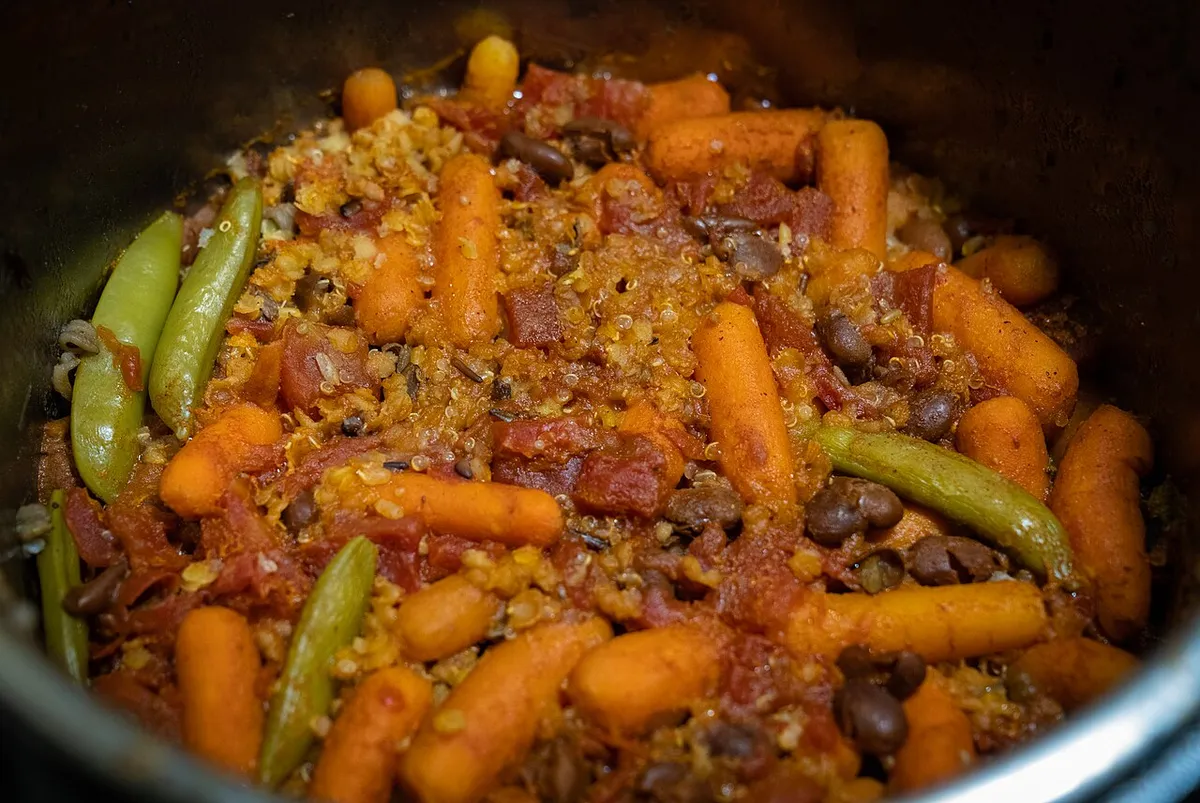
Converting a normal stovetop or oven recipe to pressure cooker timing isn''t always intuitive — liquid ratios need adjusting since almost nothing evaporates under pressure, and cook times don''t scale linearly the way they do with conventional methods. We ruined one rice dish early on by using a stovetop liquid ratio, which came out soggy under pressure. After the first two weeks of minor trial and error (and leaning on community-tested pressure cooker recipes rather than converting our own stovetop favorites blind), results became consistently reliable.
Noise, steam release, and kitchen practicality
The quick-release valve vents a genuinely loud burst of steam — louder than we expected, comparable to a whistling kettle — which is worth knowing before doing it for the first time in a small apartment kitchen with thin walls. Natural release, where pressure drops on its own over 10-20 minutes without venting, is quieter but adds meaningfully to total cook time for dishes where the recipe recommends it (usually anything with a lot of liquid volume, to avoid violent spitting through the valve).
Safety mechanisms in daily use
The lid physically won''t unlock while the pot is still pressurized, a hard mechanical safeguard rather than just a software warning, and we tested this deliberately (safely, following the manual) to confirm it actually holds under real pressure rather than being a token gesture. Over six weeks of near-daily use, we never got even a whiff of the runaway-pressure incidents that circulate as horror stories online, which given how frequently we used the high-pressure setting says more about baseline safety design than luck.
Cleaning the sealing ring and the smell it holds onto
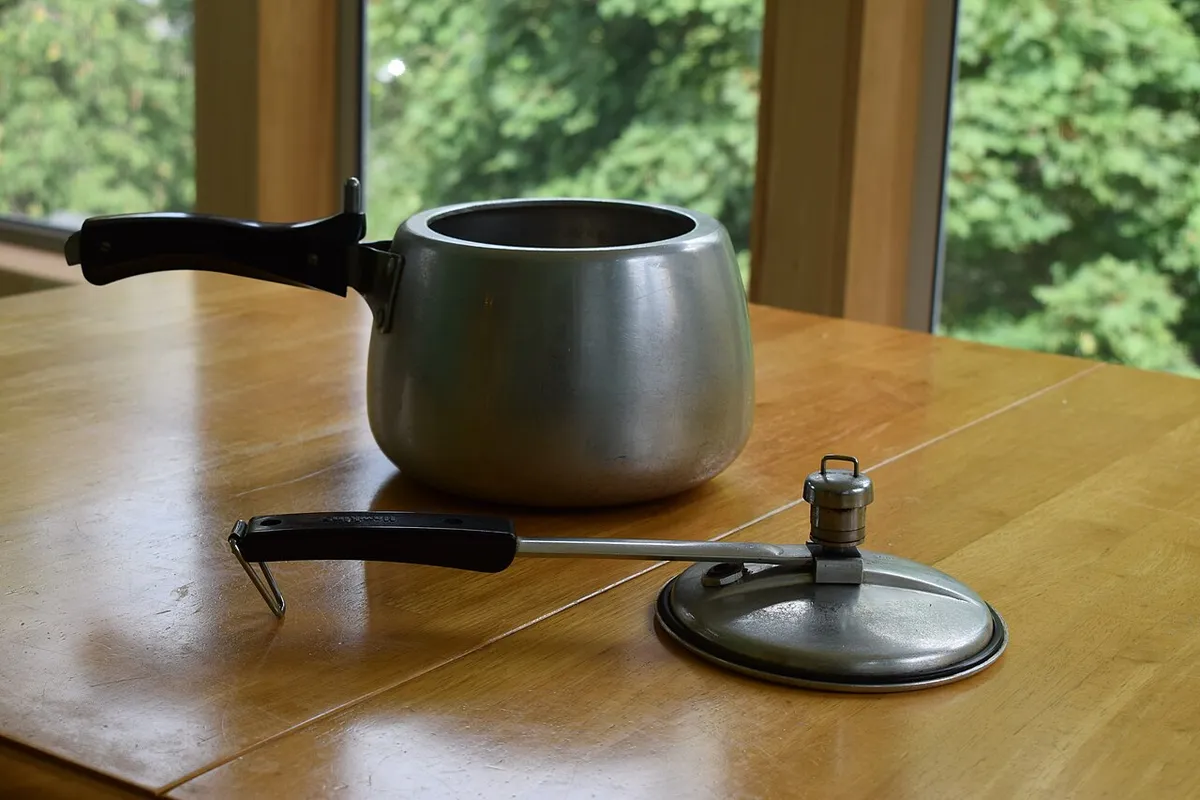
The silicone sealing ring around the lid absorbs odors from strongly flavored dishes — after cooking a curry, the ring carried a faint curry smell into a subsequent batch of yogurt days later, despite being washed in between. Instant Pot sells replacement rings cheaply, and buying a second ring dedicated to savory versus sweet/neutral cooking (a common workaround recommended by longtime users) solved the cross-contamination smell issue entirely once we adopted it.
Size: is 6-quart the right pick?
The 6-quart model comfortably handled meals for two to four people with leftovers, and a whole chicken fit with a little room to spare. For a household regularly cooking for five or more, or batch-cooking for freezer meals, the 8-quart version is worth the extra counter space — we borrowed one briefly for a larger gathering and the 6-quart would have required cooking in two batches for the quantities involved. For a single person or couple without much freezer-meal ambition, the smaller 3-quart Mini is a genuinely better fit and avoids the 6-quart''s bulkier counter footprint.
Comparing to a dedicated slow cooker and a stovetop pressure cooker
Against a dedicated slow cooker, the Duo Plus''s slow-cook function ran slightly hotter and finished dishes faster than our old standalone slow cooker at the equivalent setting, meaning some slow-cooker recipes need light timing adjustments rather than a straight swap. Against a traditional stovetop pressure cooker, the electric Duo Plus trades a bit of maximum pressure and speed for dramatically better convenience — no stovetop monitoring, programmable timers, and a keep-warm function that a stovetop pot simply can''t offer.
The yogurt function, tested properly
We gave the yogurt maker a genuine try twice rather than dismissing it outright: the function holds a low, consistent temperature for the 8-hour fermentation window needed for milk to culture into yogurt, and both batches set properly with a texture comparable to store-bought. The catch is time investment rather than difficulty — between heating, cooling, culturing, and chilling, a batch takes the better part of a full day start to finish, which is likely why it''s a function most owners try once or twice and then abandon rather than a core weekly use.
Warranty and long-term reliability signals
Instant Pot backs the Duo Plus with a one-year warranty, standard for the category, and the sealing mechanisms and locking lid are the components most likely to show wear first based on common longer-term owner reports we''ve seen elsewhere — worth budgeting for a replacement sealing ring within the first year or two of regular use rather than treating the one that ships in the box as permanent.
Comparing to newer Instant Pot models
Instant Pot''s own newer lineup (including models with WiFi app control) adds smartphone scheduling and remote monitoring the Duo Plus lacks entirely — a real gap for anyone who wants to start a cook cycle away from home. For anyone comfortable starting a pot in person rather than remotely, the Duo Plus''s lower price for essentially the same core pressure-cooking and sauté performance makes it the better value pick within Instant Pot''s own family.
Storage footprint and the lid-off question
At roughly 13 inches tall with the lid on, the 6-quart Duo Plus took up more permanent counter space than we initially budgeted for, and unlike a slow cooker it doesn''t tuck away easily into a lower cabinet without real effort given the weight and bulk of the base unit. Anyone with limited counter space should measure clearance carefully before buying, since the appliance genuinely works best living out on the counter rather than being stored and hauled out each use.
Meal prep and freezer-batch cooking
Beyond single-dinner use, the Duo Plus turned out to be genuinely well-suited to Sunday batch cooking — a double batch of pulled pork or shredded chicken portioned into the freezer took barely more active time than a single batch, since the pressure-cook time itself doesn''t scale much with quantity the way stovetop cooking does. This became our most-repeated weekly use by the end of the six weeks, more than any single standout recipe.
Accessories worth adding
A glass lid (sold separately) let us use the pot as a simple simmering vessel without the pressure-sealing lid attached, which turned out more useful for everyday reheating and light simmering than we expected going in, extending the appliance''s daily usefulness well beyond its pressure-cooking headline feature.
Bottom line
The Instant Pot Duo Plus doesn''t need all nine of its advertised functions to be worth owning — the pressure cooking and sauté combination alone justified the counter space within the first two weeks, cutting real cooking time on tough cuts of meat and dried legumes dramatically. The yogurt maker, cake function, and sterilizer are genuine but rarely-used bonuses rather than reasons to buy. After six weeks it replaced both our slow cooker and our stovetop pressure cooker in daily rotation, which is the practical test that matters more than the spec sheet.
Other products we tested

Ecobee Smart Thermostat Premium Review: Two Months of Real HVAC Testing
We installed the Ecobee Smart Thermostat Premium without a C-wire, tracked its temperature accuracy against a separate thermometer, and measured real energy savings over two months of daily HVAC use.

Bose SoundLink Flex Review: Six Weeks of Hiking, Kayaking, and Beach Days
Six weeks of camping, kayaking, and beach trips show the Bose SoundLink Flex's IP67 rating and PositionIQ orientation sensing are genuinely useful, with honest limits on bass and max volume.

Coros Pace 3 Review: Six Weeks Testing the GPS Watch That Barely Needs Charging
A dual-frequency GPS running watch that trades AMOLED shine for weeks of battery life at a fraction of the price of flagship rivals.