
Dehumidifier Buying Guide: Diagnose the Damp First
Dehumidifiers fix condensation, not leaks. Compressor or desiccant depends on room temperature, and quoted capacity is measured in a greenhouse.
Dehumidifiers are bought in a panic — black mould appears in a bedroom corner, or washing takes three days to dry — and in that panic people buy on extraction rating, which is the one number on the box measured under conditions your house will never see. The result is a machine that pulls a fraction of its advertised litres per day and gets blamed for it.
The two things that actually matter are which of the two technologies suits the temperature of the room, and whether the machine is sized for the volume of air and the amount of moisture you are actually generating.
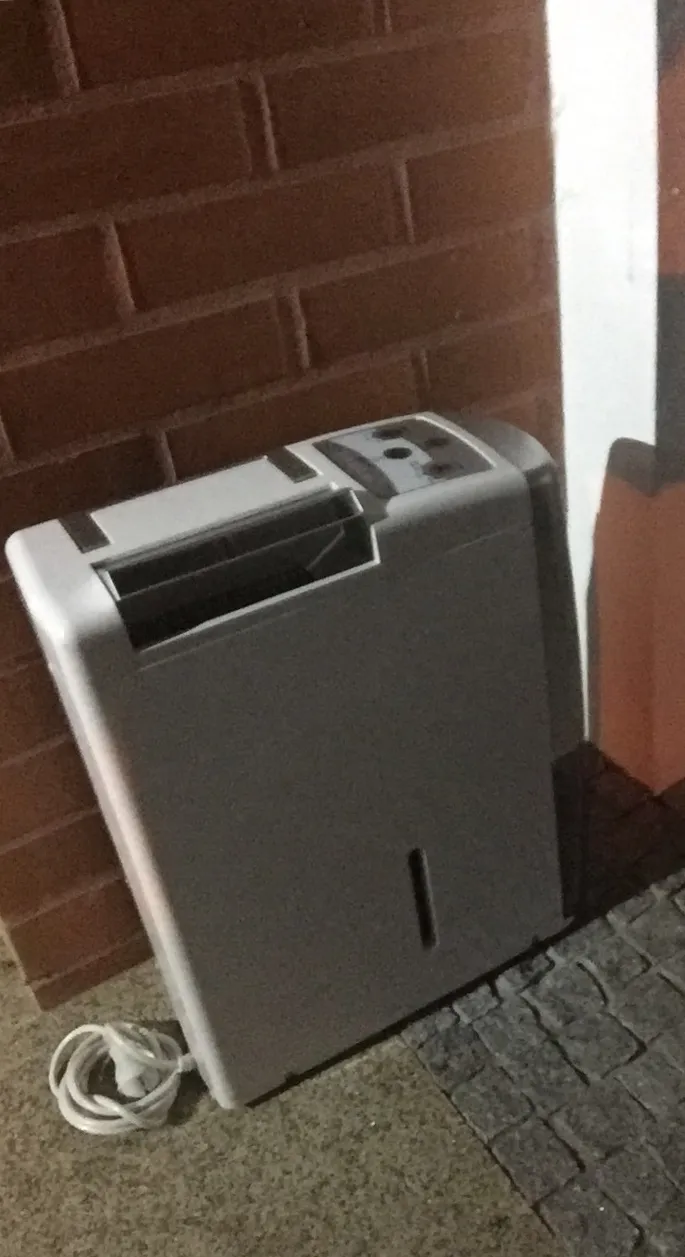
First: is a dehumidifier the right fix?
Damp has three causes and only one of them is solved by a dehumidifier.
Condensation happens when humid indoor air meets a cold surface — a single-glazed window, an uninsulated external wall, a cold corner behind furniture. The moisture comes from inside the house: cooking, showering, drying laundry, and breathing. A dehumidifier is the correct tool for this, and it is by far the most common form of household damp.
Penetrating damp comes from outside through a defect: a cracked gutter, a failed seal, missing pointing, a leaking pipe. A dehumidifier will run continuously and never win, because you are drying the outdoors. Fix the defect.
Rising damp draws moisture up through masonry from the ground, usually leaving a tide mark up to about a metre. Again a building problem, not an appliance problem.
The test is simple: if damp appears seasonally, worst in winter, on cold surfaces and in unventilated corners, and improves when you open windows, it is condensation and a dehumidifier will help. If it appears after rain, is localised to one patch, or shows a tide mark, get the building looked at first. Buy a cheap hygrometer either way — anything above about 60 per cent relative humidity indoors supports mould and dust mites, and the target range is roughly 40 to 55 per cent.
Compressor or desiccant: the decision that matters
Compressor (refrigerant) dehumidifiers work like a fridge: air passes over a cold coil, water condenses out, and the dried air is reheated slightly by the condenser. They are efficient and cheap to run in warm conditions, and their performance collapses as temperature falls, because there is less moisture in cold air and the coil starts to frost. Most have an automatic defrost cycle that pauses extraction to melt ice, so in a cold room they spend a significant share of their time not dehumidifying.
Practical rule: compressor machines suit rooms held above about 15 °C. In a heated house, that is most rooms.
Desiccant dehumidifiers pass air over a moisture-absorbing rotor which is then heated to drive the water off. They work down to a few degrees above freezing with no defrost pause, are lighter and quieter with no compressor, and consume more electricity per litre extracted in warm conditions. They also emit noticeably warm air, which is a bonus in a cold garage and a nuisance in a summer bedroom.
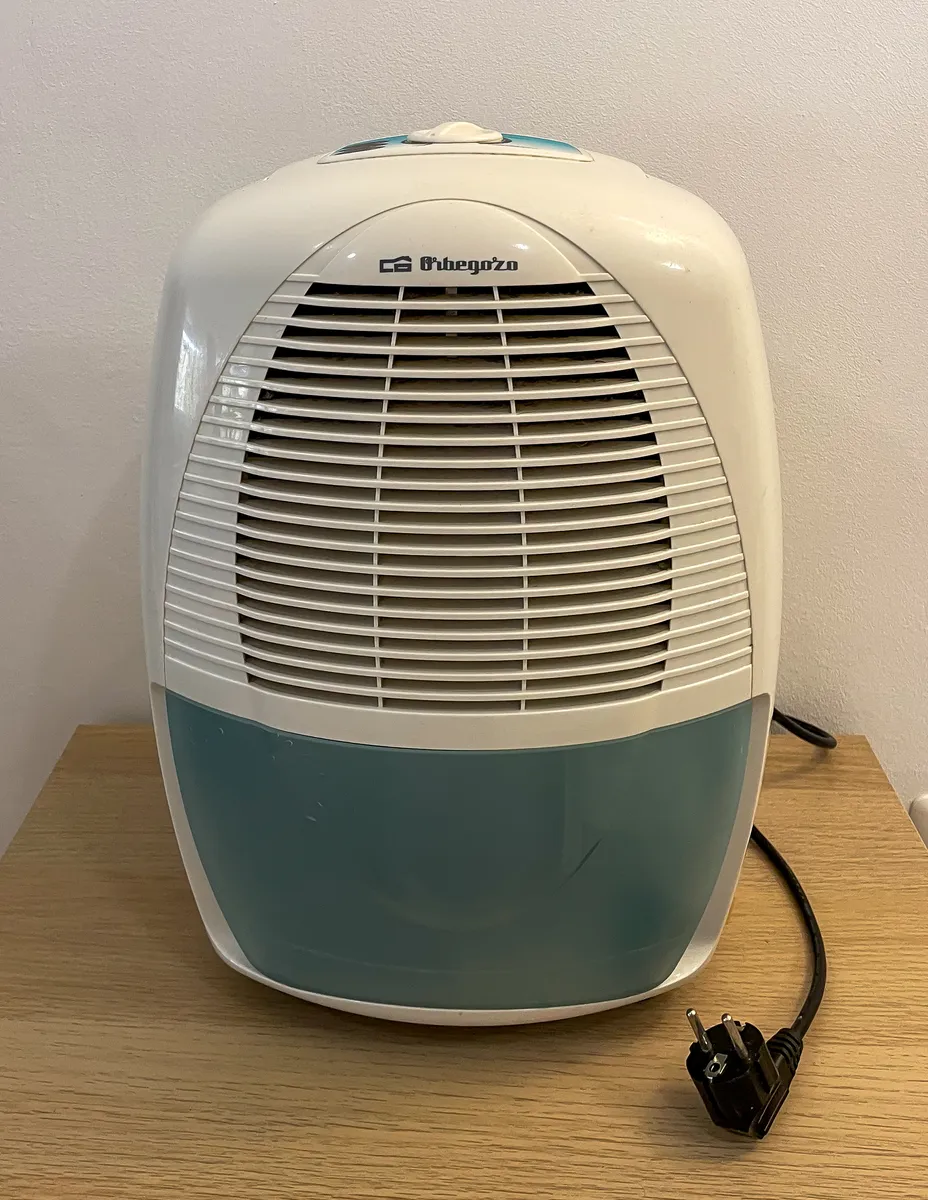
Practical rule: desiccant machines suit unheated spaces — garages, conservatories, caravans, holiday homes, cold utility rooms — and houses kept cool.
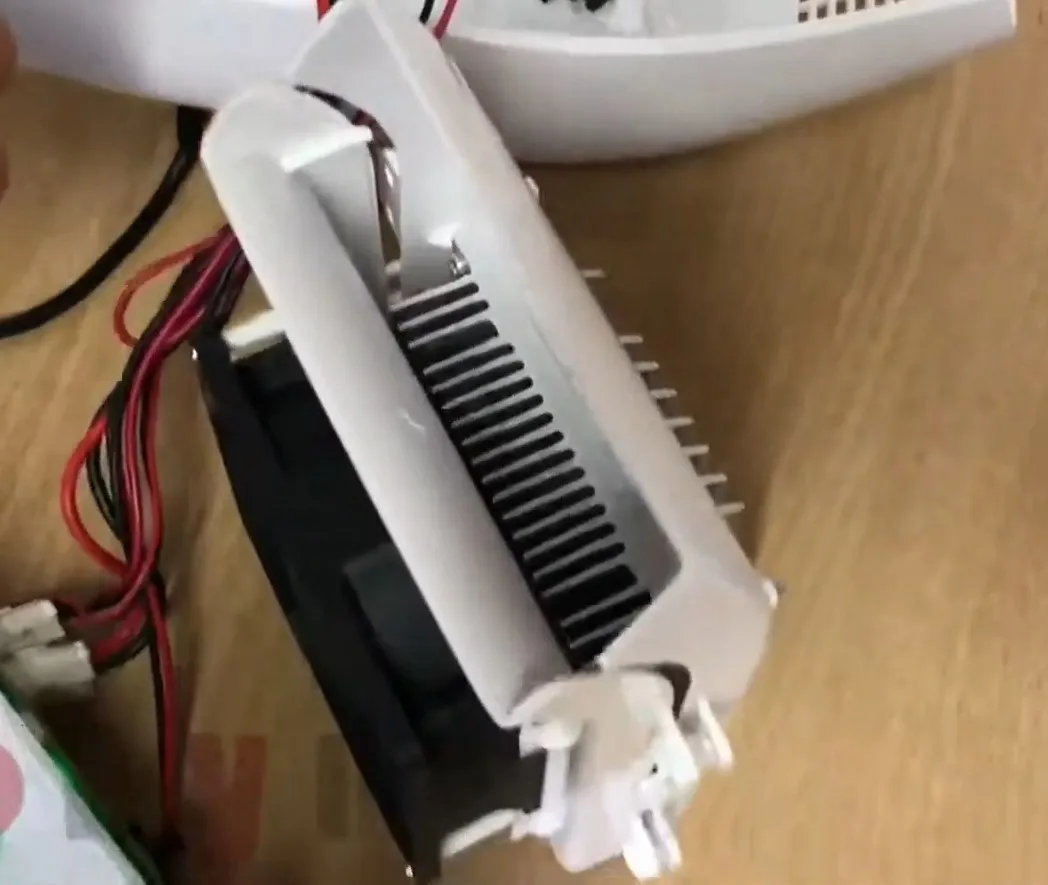
There is a third type worth naming so you can avoid it. Peltier or thermoelectric dehumidifiers use a solid-state cooling element, extract a few hundred millilitres a day at best, and are marketed with the same language as real machines. They are adequate for a wardrobe or a small caravan locker and useless for a room.
Extraction ratings, and how to read them honestly
Capacity is quoted in litres per 24 hours, and the test conditions are the problem. Many manufacturers quote at 30 °C and 80 per cent relative humidity, which is a tropical greenhouse. A machine rated 20 litres at those conditions might manage 8 to 10 litres in a 20 °C room at 60 per cent humidity, and less again in a cold one.
Look for a figure quoted at 27 °C / 60 per cent, which is a more realistic domestic benchmark, or better still the SGDR or AHAM-style rating some markets now require. If only the tropical figure is given, mentally halve it.
Sizing by room is more useful than sizing by litres. For a single damp bedroom or bathroom, a 10 to 12 litre machine is usually enough. For a whole small flat or a house where you dry laundry indoors, 15 to 20 litres. For a large house, a basement, or serious laundry drying, 20 litres or more. Bear in mind a dehumidifier only treats the air it can reach, so one machine will not dry a house with all the internal doors closed — either move it between rooms or leave doors open.
How much moisture are you actually producing? Drying one load of washing indoors releases roughly two litres of water into the air. A shower adds several hundred millilitres. Cooking without an extractor adds more. That is why laundry drying is the single most common reason a house tips into condensation, and it is worth pairing a dehumidifier with a washing machine that spins hard — see our washing machine buying guide, since a higher spin speed removes water mechanically before it ever reaches your air.
Features that earn their place
A humidistat is essential rather than optional. It measures humidity and cycles the machine to hold a target, instead of running flat out until the tank fills. Without one you over-dry the room, waste electricity, and empty the tank more often. Look for a settable target rather than a vague "auto" mode.
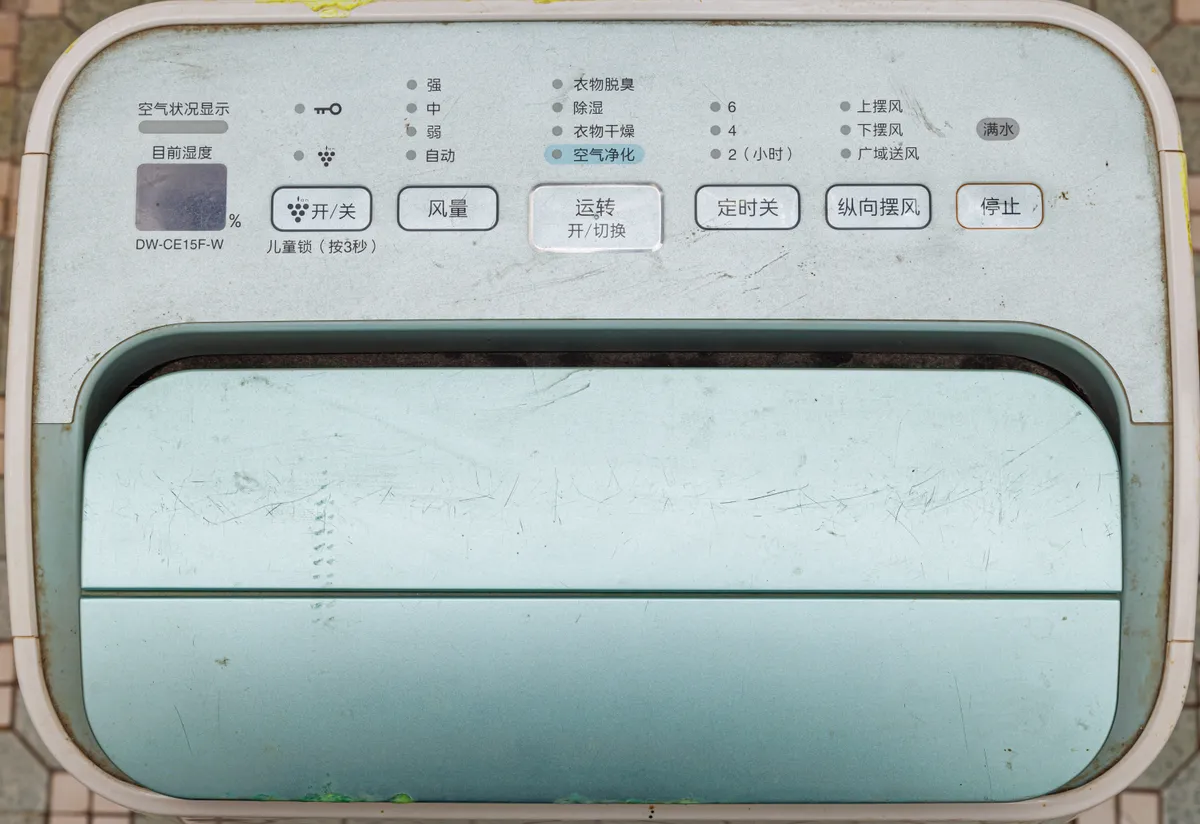
Continuous drainage — a hose outlet that lets water run to a drain or out of a window instead of collecting in the tank — is the feature that turns a dehumidifier from a chore into an appliance. Note that most machines drain by gravity only, so the outlet must be above the drain point; a few include a pump. If you intend to run one permanently in a utility room or basement, insist on this.
A laundry mode runs the fan and compressor at maximum without cycling on humidity, which dries clothes faster in a closed room. It works well: a dehumidifier in a small room with a clothes airer dries a load overnight and, unlike a tumble dryer, costs relatively little and is gentle on fabrics.
Tank size and design matter daily. A 2 litre tank on a machine extracting 8 litres a day needs emptying four times a day. Check the tank capacity against realistic extraction, and check that it lifts out and pours without spilling — a tank with a handle and a spout is worth more than one extra litre of capacity.
Filters on most dehumidifiers are simple washable mesh screens that protect the coil, not air purification. Machines advertising HEPA filtration do filter particles, but a dedicated purifier does that job better. Do not buy a dehumidifier for its filter.
Other useful details: a timer, a defrost indicator, castors and a handle if you will move it between rooms, and an auto-restart so it resumes after a power cut. Smart control is a genuine convenience here, because you can check humidity remotely in a holiday home or basement — our smart home starter guide covers doing that with standalone humidity sensors, which is cheaper and more flexible than relying on the appliance's own app.
Noise and placement
Compressor machines are the noisier type, typically 40 to 50 dB, because of the compressor and the fan. Desiccant machines have no compressor and are usually a few decibels quieter with a less intrusive tone. Either way, a dehumidifier in a bedroom overnight is audible; if you need one there, run it during the day with the door closed and turn it off at night, which works because the room stays dry for hours.
Placement rules that make a real difference: leave the clearance the manual specifies around the intake and outlet, usually 20 to 40 cm, because a machine against a wall recirculates its own dried air. Put it centrally rather than in the damp corner — you are treating the room's air, not the wall. Keep doors and windows closed while it runs, since an open window means dehumidifying the street. And pull furniture a few centimetres off cold external walls so air can move behind it, which is where mould usually starts.
Do not run a compressor machine immediately after moving it; let it stand upright for a few hours so the refrigerant oil settles, exactly as with a fridge.
Running cost, and how to keep it down
Check the power draw in watts on the plate, not the extraction figure. A domestic compressor dehumidifier typically draws 150 to 300 watts while running; a desiccant machine of similar capacity draws 300 to 650 watts because it uses a heater. With a humidistat the machine cycles, so actual consumption is far below continuous draw.
The most effective cost reduction is reducing the moisture at source: use extractor fans in the kitchen and bathroom and run them for fifteen minutes after, cover pans while cooking, dry laundry in one closed room with the dehumidifier rather than spread around the house, and spin washing at a high speed first. Ventilation and dehumidification are complements, not alternatives — brief purge ventilation twice a day removes a lot of moisture cheaply, and the dehumidifier handles what remains.
Note the temperature interaction: a compressor dehumidifier returns most of its energy to the room as heat, so it warms the space slightly. That is welcome in winter and unwelcome in a heatwave.
Maintenance, hygiene, and mould
Empty the tank whenever it fills and rinse it weekly. Standing water in a warm tank grows bacteria and will make the machine smell, and that smell then goes into your room. Wash the mesh filter monthly under a tap and dry it before refitting; a clogged filter cuts airflow and extraction sharply.
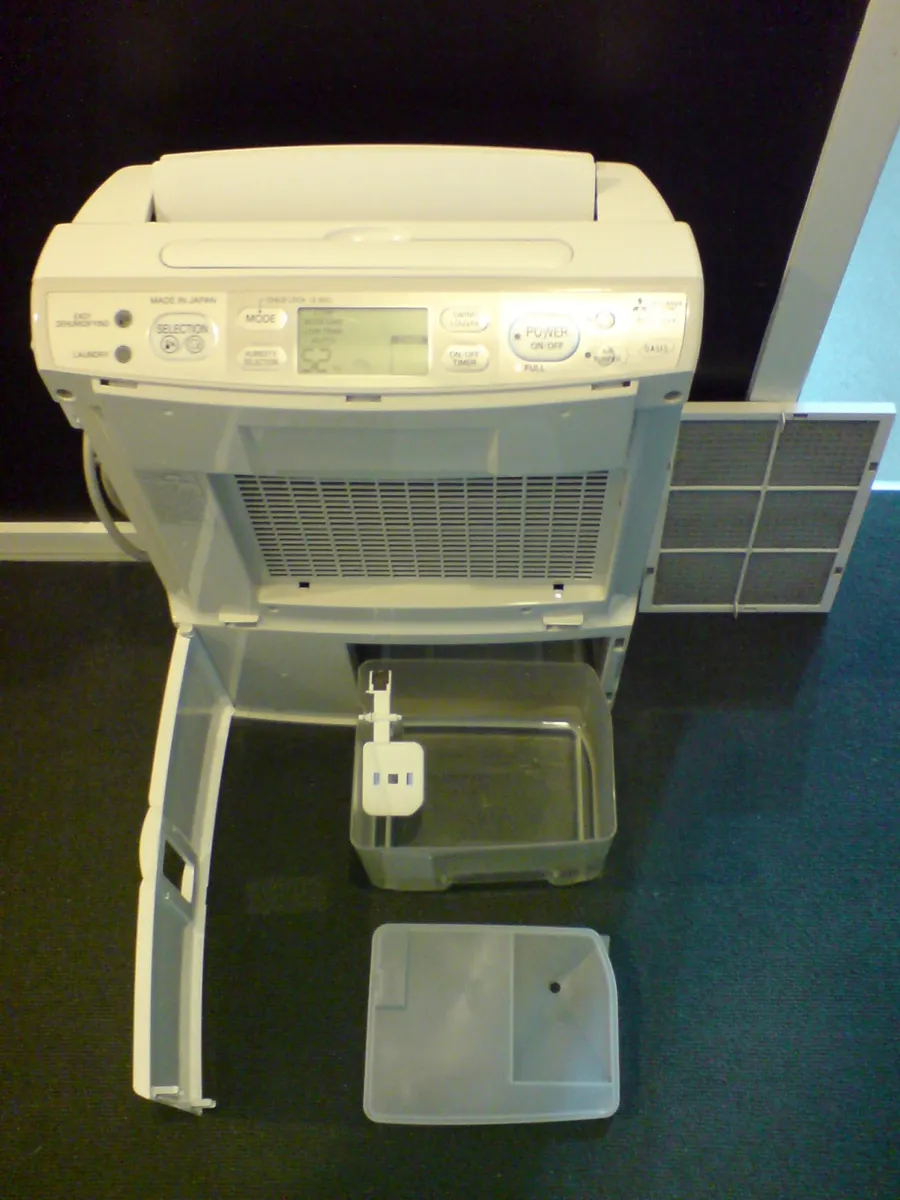
Once a year, unplug the machine and vacuum dust from the coil fins and the fan grille — dust on the coil is the main cause of gradually declining performance. Do not bend the fins. On desiccant machines the rotor is generally sealed and maintenance-free.
The water in the tank is condensate, not distilled water: it has been through a dusty coil and may carry bacteria. Do not drink it or use it in an iron. Tip it down the drain.
Existing mould needs removing separately — a dehumidifier stops it growing but does not clean it. Use a proprietary mould remover or a dilute bleach solution on hard surfaces, ventilate while doing it, and wear gloves. Textiles with mould usually need washing at 60 °C or discarding. For carpets and soft furnishings after a damp spell, a vacuum with proper sealed filtration matters — see the vacuum cleaner buying guide. And since dust mites need humidity above roughly 50 per cent to thrive, holding a room at 45 to 50 per cent is one of the more effective allergy measures available, which pairs with the washing routine in our pillow and bedding guide.
After a leak or flood
Drying out a genuinely wet building is a different job from managing condensation. Domestic machines can help but are slow; hire a building dryer if a room has been flooded, and combine it with airflow from fans, because moving air across wet surfaces does more than extraction capacity alone.
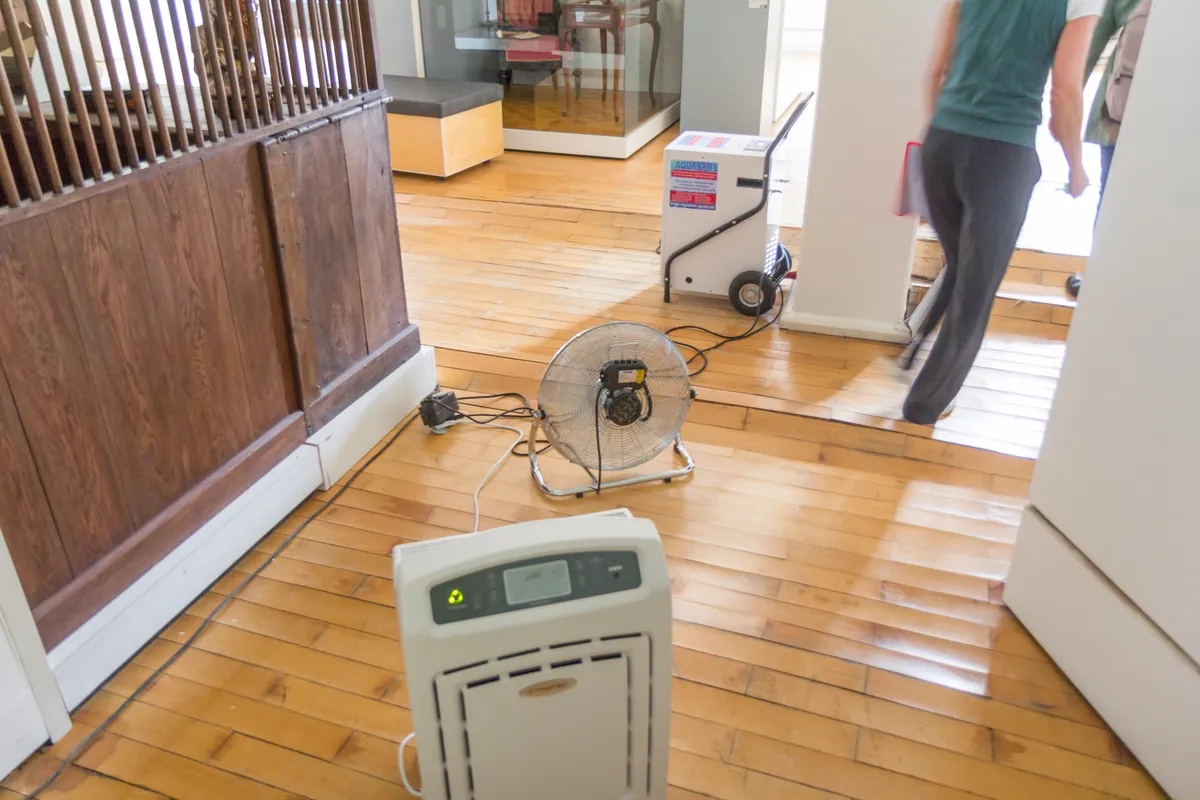
Expect it to take weeks rather than days, and expect plaster and screed to hold water long after surfaces feel dry. Use continuous drainage rather than tanks, and monitor with a hygrometer rather than guessing. If the water was from a sewer or flood rather than a clean pipe, treat it as a contamination problem for professionals, not a drying problem.
Matching the machine to the problem
One damp bedroom or bathroom in a heated house: a 10 to 12 litre compressor machine with a humidistat and a tank you can pour easily. Run it with the door shut during the day.
Drying laundry indoors in winter: 15 to 20 litre compressor machine with a laundry mode, used in one small closed room with an airer. Cheaper to run than a tumble dryer and kinder to clothes.
Unheated garage, conservatory, caravan, or holiday home: a desiccant machine, because a compressor will frost up and stall. Add continuous drainage and remote humidity monitoring if the space is unattended.
Whole house with persistent condensation: a 20 litre or larger machine with continuous drainage, plus fixing the ventilation, because at that scale the underlying problem is usually too little air change rather than too little extraction.
A wardrobe, a safe, or a locker: a Peltier unit or simply refillable silica gel. This is the only place the cheap technology belongs.
The short version
Diagnose first: dehumidifiers fix condensation, not leaks or rising damp. Choose compressor for heated rooms above about 15 °C and desiccant for cold spaces, and avoid Peltier units for anything room-sized. Halve any capacity figure quoted at 30 °C and 80 per cent humidity. Insist on a settable humidistat and, for permanent use, continuous drainage. Target 40 to 55 per cent relative humidity on a cheap hygrometer, keep the room closed while it runs, spin laundry hard before drying it indoors, and rinse the tank weekly.
More coupon shopping advice

Home Security Camera Buying Guide: Local vs. Cloud Storage
A practical, balanced buying guide to home security cameras that weighs local storage against cloud subscriptions, wired versus battery power, camera placement, night vision, smart detection accuracy, and smart home integration.

Beginner Mirrorless Camera Buying Guide
A practical, honest walkthrough of what actually matters when buying your first mirrorless camera, from sensor size and lens mounts to autofocus, video specs, and the real total cost of a beginner-friendly system.

Air Purifier Buying Guide: CADR, ACH, and Filter Costs Explained
A practical walkthrough of the numbers that actually matter when buying an air purifier — CADR and ACH for sizing, true HEPA versus marketing terms, real three-year filter costs, realistic noise levels, and when a purifier won't help at all.