
Vacuum Buying Guide: Airflow and Brushes, Not Suction Claims
Suction numbers are not comparable across brands. Brush design, sealed filtration, and how easily the machine gets used decide clean floors.
Vacuum marketing is built on suction claims, and suction is the specification least likely to predict how clean your floors are. Airflow, brush design, filtration, and — more than anything — how easily the machine gets used decide that. A powerful vacuum in a cupboard cleans nothing; a mediocre one by the door cleans weekly.
This guide covers what the numbers mean, how the four form factors genuinely differ, and where each fails. It complements our robot vacuum buying guide, which covers the automated side of the same problem in more detail.
The quick answer
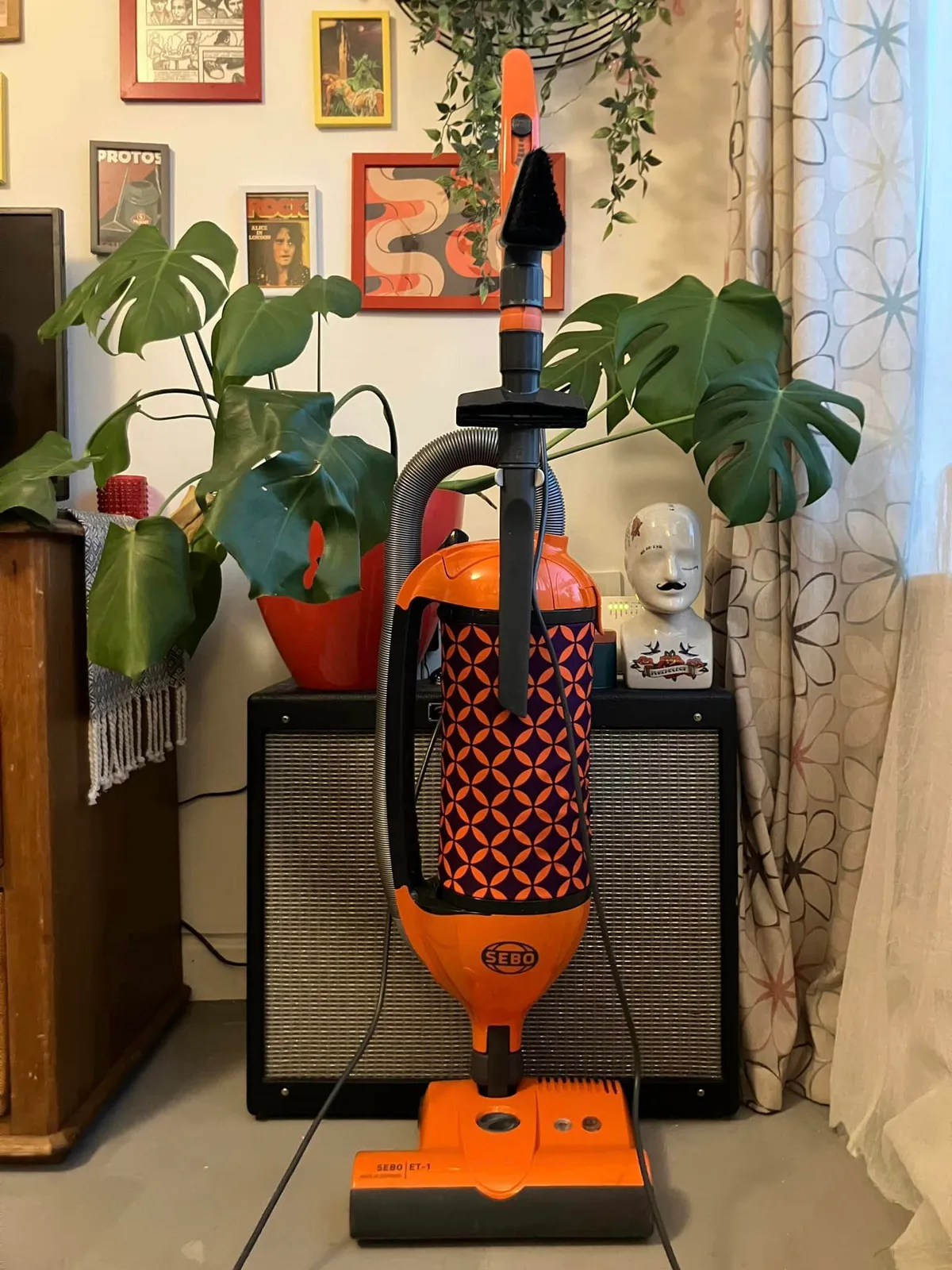
For a flat or a small house with hard floors and rugs: a cordless stick vacuum. It gets used because it takes six seconds to grab, and frequency beats power. Budget $250-$500.
For a house with wall-to-wall carpet: a corded upright or canister. Constant power, a motorised brush that agitates carpet pile properly, and no run-time limit. Budget $200-$400, and it will outlast two cordless machines.
For allergies: sealed HEPA filtration matters far more than suction, and the seal matters more than the filter. An unsealed vacuum with a HEPA filter leaks fine dust around the filter and back into the room.
For hard floors with pets and daily crumbs: a robot for maintenance plus a stick for spills is the combination that actually keeps a home tidy, and it costs less than one premium vacuum.
Suction, airflow, and which number to read
Suction is quoted in air watts, pascals, or kPa depending on the brand, which alone makes cross-brand comparison unreliable. It measures the pressure difference the motor generates with the airway restricted.
Airflow, in litres per second or cubic feet per minute, measures the volume of air actually moving. That is what transports dust up the tube. High suction with low airflow — a common outcome of very fine filters and narrow tubes — produces a machine that grips the floor and picks up little.
The reason neither number tells the whole story is the brush. On carpet, most debris is held by pile friction, and it has to be mechanically agitated loose before airflow can carry it. A motorised brush roll doubles or triples pickup on carpet compared with pure suction, which is why a 100-air-watt upright with a good brush beats a 200-air-watt canister with a plain floor tool.
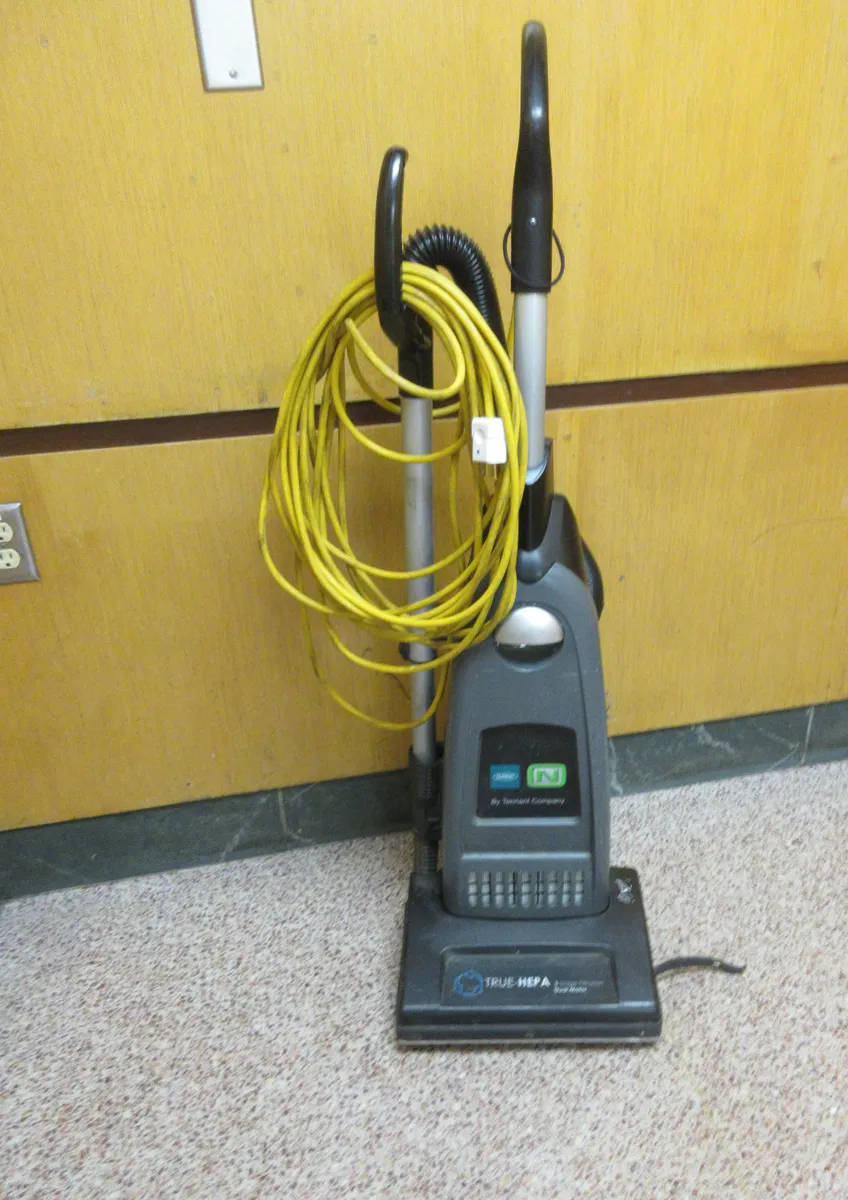
Brush type matters by floor. Stiff bristle rolls agitate carpet well and scatter debris on hard floors. Soft roller heads glide on hard floors and pick up fine dust and large debris that a bristle brush flicks away. Combination heads exist and compromise. If you have both floor types, a machine with two heads is genuinely more useful than a more powerful machine with one.
The four form factors, and where each fails
Cordless stick vacuums win on convenience, which in practice makes them the most-used machines in the category. The trade-offs are consistent: run time of 8-15 minutes on the high-power setting that carpet needs, small dust bins requiring emptying every clean, and a battery that degrades to noticeably shorter run time by year three. Check whether the battery is user-replaceable, because on many models it is not, and a $400 vacuum with a dead sealed battery is scrap.
Corded uprights deliver constant full power and hold much more dust. They are heavy to carry upstairs, awkward under furniture, and the cord is the reason people vacuum less often. For a carpeted house they remain the most effective tool per pound spent.
Canister vacuums separate the motor and bin from a lightweight wand, which makes them the best option for stairs, curtains, upholstery, and anything above floor level. They are the quietest type and the most awkward to store.
Robot vacuums maintain rather than clean. They handle daily dust well on hard floors, struggle with thick pile and edges, and need a home tidy enough that they are not eating socks. As maintenance between real cleans they are genuinely useful, and as a replacement for a vacuum they disappoint.
Our Dyson V15 Detect review tests the premium cordless end against its own marketing claims, and our iRobot Roomba j7+ review covers where self-emptying automation genuinely helps and where it does not.
Filtration, and why the seal matters more than the filter
A HEPA filter captures 99.97% of particles at 0.3 microns, which covers dust mite debris, pollen, and pet dander — the particles that actually trigger allergic responses.
The catch is that a filter only filters air that goes through it. Vacuums have many joints, and air under pressure takes the easiest path. An unsealed machine pushes a meaningful fraction of its airflow out through gaps around the filter housing and body seams, carrying exactly the fine particles the filter was meant to catch. This is why some HEPA-labelled vacuums measurably worsen airborne particulate counts during use.
The specification to look for is "sealed system" or a whole-machine filtration claim, not the filter grade alone. If you have asthma or allergies, this is the single most important thing on the spec sheet.
Bagged versus bagless is also a filtration question. Bags contain dust during disposal, which is when a bagless bin releases a cloud directly into the room. Bagless saves the ongoing bag cost — roughly $15-$30 a year — and costs you that dust exposure at every emptying. For allergy households, bagged is the better choice, and emptying a bagless bin outdoors is the workaround.
The specifications people wish they had checked
Weight, and specifically where it sits. A 3kg stick vacuum with the motor and battery in the handle is tiring to use on stairs and above head height, because the mass is at the far end of your arm. The same weight low on the body is much easier. Reviews mention this; spec sheets do not.
Noise in decibels. Vacuums range from about 62dB to 80dB, and the difference between those is substantial — 80dB is loud enough that you cannot hear a phone ring, and it discourages use. Canisters are typically quietest.
Bin capacity against your home. A 0.5-litre stick bin is emptied every single clean in a house with pets; a 2-litre canister runs for weeks. Frequent emptying is the most-cited annoyance with cordless machines.
Filter cost and washability. A washable lifetime filter costs nothing to maintain; a $25 replacement cartridge every six months is $50 a year that nobody budgets for.
And attachments you will actually use: a crevice tool, a soft dusting brush, and a small motorised head for upholstery and stairs. The other five in the box are packaging.
Maintenance that restores lost performance
Most vacuums that "lose suction" are blocked or dirty rather than broken. Four checks recover almost all of it.
Wash or tap out the filter on schedule — typically monthly for washable filters, and they must be bone dry before refitting, because a damp filter grows mould and restricts airflow. This is the most common cause of gradual performance loss.
Cut hair off the brush roll. Wrapped hair stops the brush turning freely, which kills carpet pickup entirely while the motor still sounds fine. Most rolls remove with a coin or a screwdriver, and this is a five-minute job that transforms an old vacuum.
Empty a bagless bin at half full rather than at the line. Cyclonic separation loses efficiency as the bin fills, so a full bin genuinely reduces pickup.
Check the hose and airway for blockages by disconnecting sections and looking through them. A sock in a wand is a surprisingly frequent diagnosis for a vacuum declared dead.
Hard floors, pets, and the mop question
Wet-and-dry machines that vacuum and mop simultaneously have become common, and they solve a real problem on hard floors — dust and sticky residue in one pass. The caveats are consistent. They cannot be used on carpet or rugs, so a household with both floor types still needs a vacuum. And the dirty-water tank and roller must be cleaned after every use, because a damp roller left in the machine smells within a day. Self-cleaning docks address this and add cost and footprint.
For pet households the specification that matters is not suction but hair management. Hair wraps around a standard bristle brush and stops it turning; anti-tangle brush designs with angled bristles or comb bars genuinely reduce this, and it is the difference between cutting hair off a roller weekly and never doing it. A motorised upholstery tool is the other pet-specific item worth having, since hair embedded in a sofa needs agitation rather than suction.
Where the money should go
Under $150, cordless machines have small batteries, no motorised brush, and poor filtration. A corded upright at that price is much better value and will clean properly.
$250-$500 for cordless is where you get two floor heads, a sealed filter, 40-60 minutes of low-power run time, and often a swappable battery. This is the band worth buying in.
Above $700, you are paying for refinement — dust detection, laser illumination, particle counting displays, and marginal suction gains. These are pleasant and they do not clean a carpet better than a $350 machine with a good brush.
The honest closing point is about behaviour rather than hardware. A vacuum stored assembled and within reach gets used two or three times as often as one that lives in a cupboard needing assembly, and frequency dominates every specification on the box. Wall-mount the charging dock somewhere visible, keep one floor head fitted, and the cheaper machine will produce a cleaner house than the expensive one you have to fetch.
More coupon shopping advice

Home Security Camera Buying Guide: Local vs. Cloud Storage
A practical, balanced buying guide to home security cameras that weighs local storage against cloud subscriptions, wired versus battery power, camera placement, night vision, smart detection accuracy, and smart home integration.

Beginner Mirrorless Camera Buying Guide
A practical, honest walkthrough of what actually matters when buying your first mirrorless camera, from sensor size and lens mounts to autofocus, video specs, and the real total cost of a beginner-friendly system.

Air Purifier Buying Guide: CADR, ACH, and Filter Costs Explained
A practical walkthrough of the numbers that actually matter when buying an air purifier — CADR and ACH for sizing, true HEPA versus marketing terms, real three-year filter costs, realistic noise levels, and when a purifier won't help at all.