
Pillow and Bedding Buying Guide: Loft, Fibre, Weave
Your pillow does more for neck pain than your mattress, and thread count is mostly marketing. Fibre and weave decide whether you sleep hot.
People spend a great deal of money on a mattress and then sleep badly on a pillow that costs a fraction as much and does more to determine neck pain than the mattress does. Bedding is the same story: sheets are sold on thread count, which is close to meaningless, while the properties that decide whether you sleep hot or cold — fibre and weave — barely get mentioned.
This guide covers pillows, sheets, and duvets on the basis of what actually changes how you sleep.
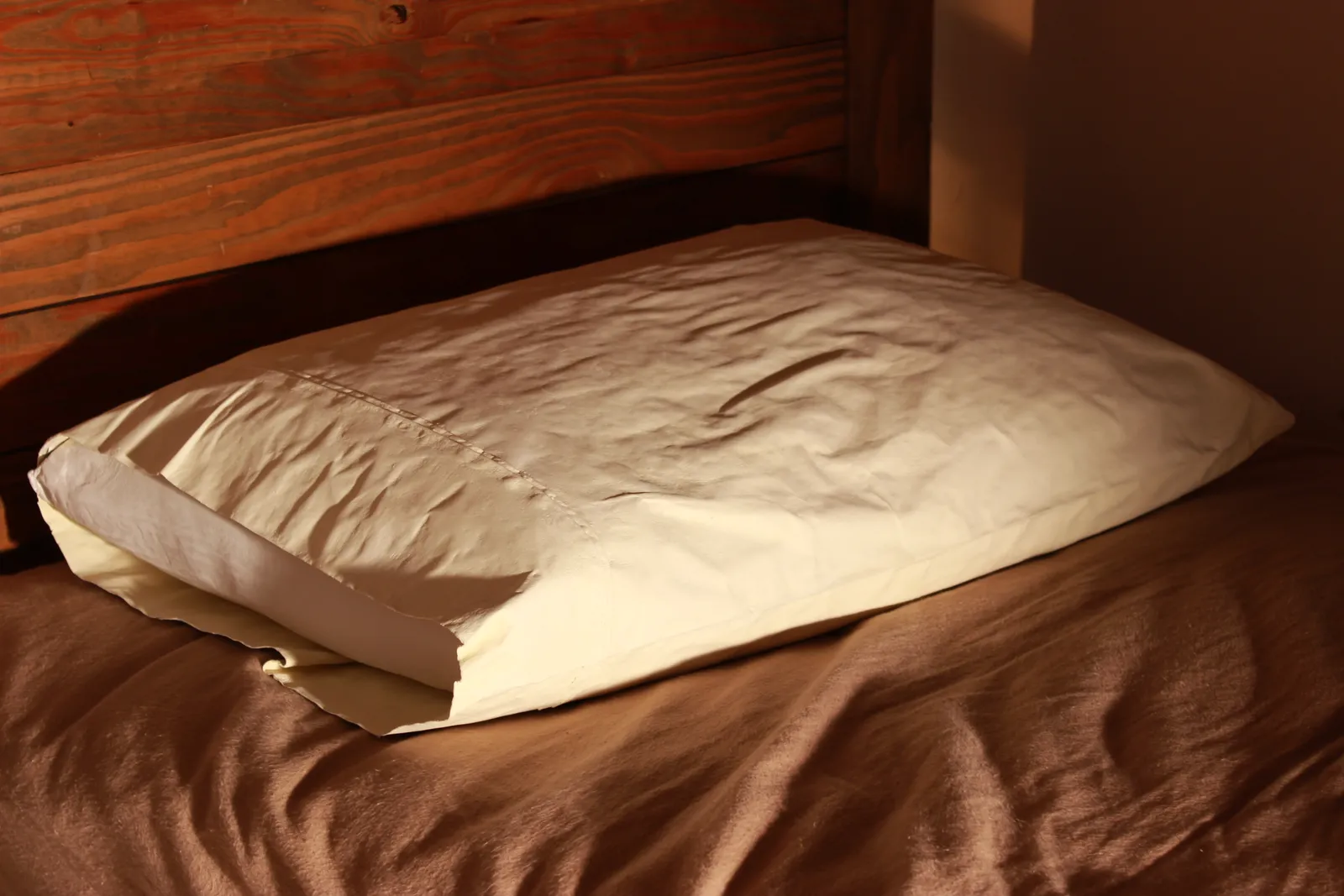
Pillow loft is set by how you sleep
The job of a pillow is to fill the gap between your head and the mattress so your neck stays in line with your spine. The size of that gap depends entirely on sleeping position, which is why there is no universally correct pillow.
Side sleepers have the largest gap, because the shoulder holds the head furthest from the mattress. They need a high-loft, firm pillow — typically 12 to 15 cm of loft under load. A pillow that is too thin lets the head drop toward the shoulder and the neck bends sideways all night, which is the most common cause of waking with a stiff neck.
Back sleepers need medium loft, enough to support the cervical curve without pushing the chin toward the chest. Around 8 to 12 cm. A contoured or slightly firmer edge under the neck with a lower centre works well here.
Front sleepers need very low loft or none at all, because any lift extends the neck backwards while the head is already turned. A thin soft pillow, or a folded sheet, is often better than a proper pillow.
Broad shoulders mean more loft for the same position. Body size matters. If you switch positions during the night, which most people do, choose for the position you spend the most time in and accept a compromise, or use a pillow whose fill can be adjusted.
Pillow fill materials
Down and feather is soft, light, breathable, and mouldable, and it compresses under load, which means a down pillow that feels perfect when fluffed may not hold loft through the night. Fill power indicates the quality of the down — higher fill power gives more loft for less weight and lasts longer. Feather is cheaper, heavier, and can poke through the casing. Both are unsuitable if you have a down allergy, and both need regular fluffing.
Solid memory foam holds a consistent shape and supports the neck well, particularly in contoured shapes. It sleeps warm because it is dense and airflow is limited, it has a chemical smell for the first days, and it cannot be adjusted. Gel-infused and open-cell versions mitigate the heat somewhat.
Shredded memory foam is the most practical option for most people, because you can add or remove fill to tune the loft precisely to your shoulder width and position. It breathes better than solid foam and can be reshaped. It also clumps over time and needs occasional redistribution.

Latex is springy rather than slow-sinking, supportive, naturally more breathable than memory foam, resistant to dust mites, durable over many years, and heavy and expensive. Natural latex is a genuinely long-lived option; synthetic blends less so.
Polyester fill is cheap, washable, and flattens within months. It is the right choice for a spare room and the wrong choice for the bed you sleep in every night.
Buckwheat hull pillows are firm, highly adjustable, very breathable, and they rustle. Popular with people who find every foam pillow too hot.
Testing a pillow, and when to replace it
Test lying down in your actual sleeping position, not by pressing it with your hand. Have someone look at your neck from the front or take a photo: your nose should be in line with the centre of your chest and your neck should look neutral, neither bent up nor drooping down. That single check tells you more than any product description.
Pillows have a shorter life than people assume. Polyester lasts six to twelve months before it flattens. Down and feather last two to three years with regular fluffing. Foam and latex last three to five. The test is simple: fold the pillow in half — if it stays folded rather than springing back, it is done. For a down pillow, drape it over your forearm; if it flops rather than holding some shape, replace it.
Always use a pillow protector under the pillowcase. It doubles the pillow's life by keeping sweat and skin oils out of the fill, and it is the cheapest sleep upgrade available. Wash pillowcases weekly and protectors monthly.
Sheets: thread count is mostly marketing
Thread count is the number of threads per square inch. It matters up to a point — around 200 to 400 for percale, 300 to 600 for sateen — and above that the numbers are usually inflated by counting individual plies in a twisted yarn, so a "1000 thread count" sheet frequently uses thin multi-ply yarn that feels worse and wears out faster than a well-made 300 count.
The two things that actually matter are the fibre and the weave.
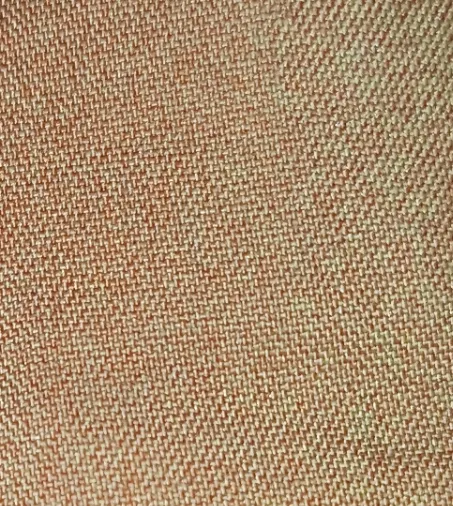
On fibre: long-staple cotton — sold as Egyptian, pima, or Supima — produces smoother, stronger yarn that pills less than short-staple cotton, and the label should say long-staple or extra-long-staple rather than merely naming a country. Linen is highly breathable, gets softer with every wash, wrinkles permanently, and is the best hot-weather sheet there is. Bamboo viscose and lyocell are smooth, cool, and drape well. Microfibre polyester is cheap, wrinkle-resistant, and sleeps hot because it does not breathe.
On weave: percale is a simple one-over-one-under weave that feels crisp and matte, like a good hotel sheet, and breathes well. Sateen uses a three-or-four-over-one weave that puts more thread surface on top, so it feels smooth and slightly lustrous and sleeps a little warmer. Jersey is knitted, stretchy, soft, and warm. Flannel is brushed for winter.
The short recommendation: if you sleep hot, percale cotton or linen. If you want smooth and silky, sateen. If you want cheap, buy percale rather than high-thread-count sateen at the same price.
Fitted sheets, sizes, and the depth problem
The most common bedding annoyance is a fitted sheet that pops off a corner, and it is almost always a depth mismatch. Mattresses have grown deeper, and with a topper on top a 30 cm sheet does not reach. Measure your mattress depth including any topper and buy a sheet with a pocket depth at least a couple of centimetres greater.
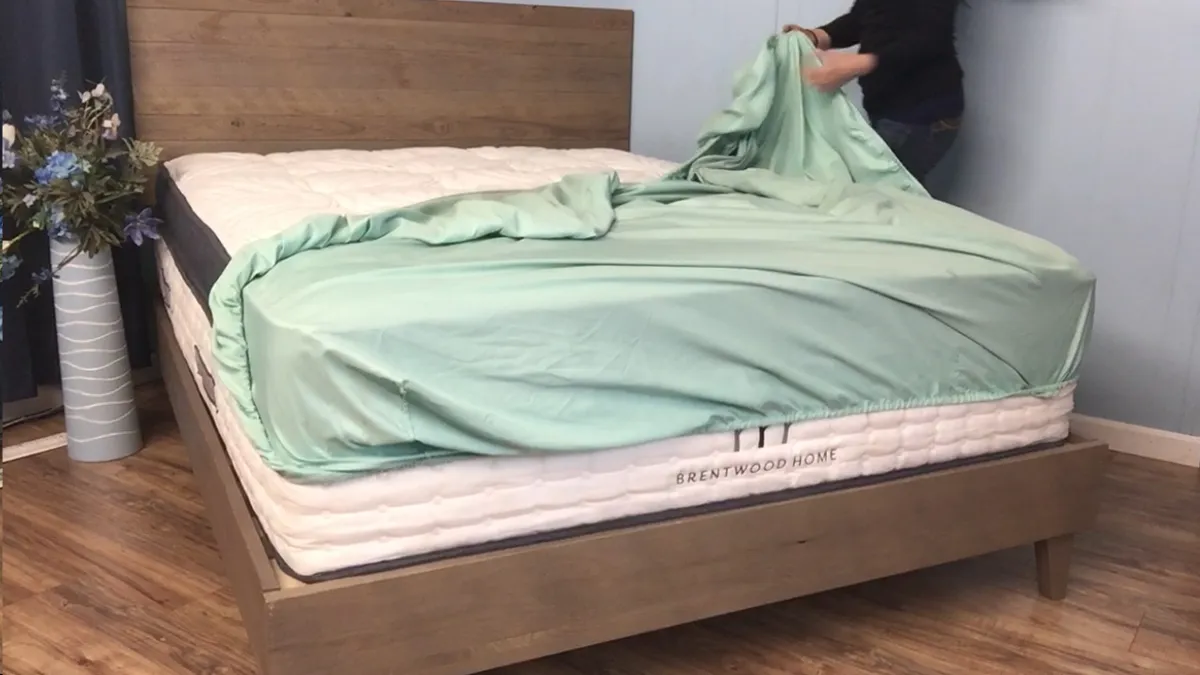
Look for elastic all the way round rather than only at the corners, which holds far better on a deep mattress. Some sheets add corner straps, which help on a topper.
Bed sizes are not standardised internationally. A UK king is a different size from a US king, and European sizes differ again. If you buy bedding online from another market, check the centimetres rather than trusting the name. This catches a lot of people buying duvet covers.
Expect cotton sheets to shrink a few per cent on the first wash; reputable makers cut for this, cheap ones do not. Wash new sheets before measuring your complaints.
Duvets: warmth ratings and fill
Duvet warmth is quoted in tog in the UK and Europe, or in fill power and fill weight elsewhere. As a rough guide, 4 to 7 tog is a summer duvet, 9 to 10.5 tog is all-year, and 13.5 tog is winter. All-seasons sets are two duvets — typically 4.5 and 9 tog — that clip together to make a winter weight, which is the most flexible arrangement and stores easily.
Down duvets give the most warmth for the least weight and breathe well; higher fill power means more loft per gram and a lighter duvet at the same warmth. Feather-and-down blends are heavier and cheaper. Synthetic hollowfibre or microfibre is washable, hypoallergenic, cheaper, and heavier for the same warmth, and it flattens over a few years.
Construction matters for down: baffle-box duvets have internal walls that hold loft evenly, while cheaper sewn-through designs create cold lines along the stitching. Check for that if you are paying for down.
Household warmth preferences differ, and the practical fix for a couple who disagree is two single duvets on one bed rather than a compromise nobody likes.
Sleeping hot, and what actually helps
Core temperature needs to drop slightly for sleep to begin, so an overly warm bed genuinely delays sleep onset. The layers that trap heat are, in order of impact: the mattress or topper, the duvet, and only then the sheet.

So if you overheat, address the duvet tog and the topper before buying expensive cooling sheets. Then choose percale cotton or linen over sateen and microfibre, skip solid memory foam in the pillow, and open a window. Marketing claims about phase-change and cooling fibres are real but small compared with removing a tog or a foam topper. Our mattress buying guide covers the layer that matters most here.
Allergies and washing
Dust mites live on skin cells in bedding and their waste is a common allergen. What reduces them is straightforward: wash bedding weekly at 60 °C, which kills mites, and use zipped protectors on pillows and mattress. Feather and down are not inherently more allergenic than synthetic fill — the mites are the issue, and a tightly woven casing restricts them regardless of fill.
Most pillows can be washed. Polyester and shredded foam usually can; solid memory foam and latex generally cannot and should be spot-cleaned and aired. Check the label, wash two pillows at once to balance the drum, and dry thoroughly, because a pillow that stays damp inside grows mould. Down pillows benefit from tumble drying with dryer balls to restore loft.
Air the bed rather than making it immediately: pulling the duvet back for half an hour lets overnight moisture evaporate instead of being trapped, which is genuinely better for both bedding and mites.
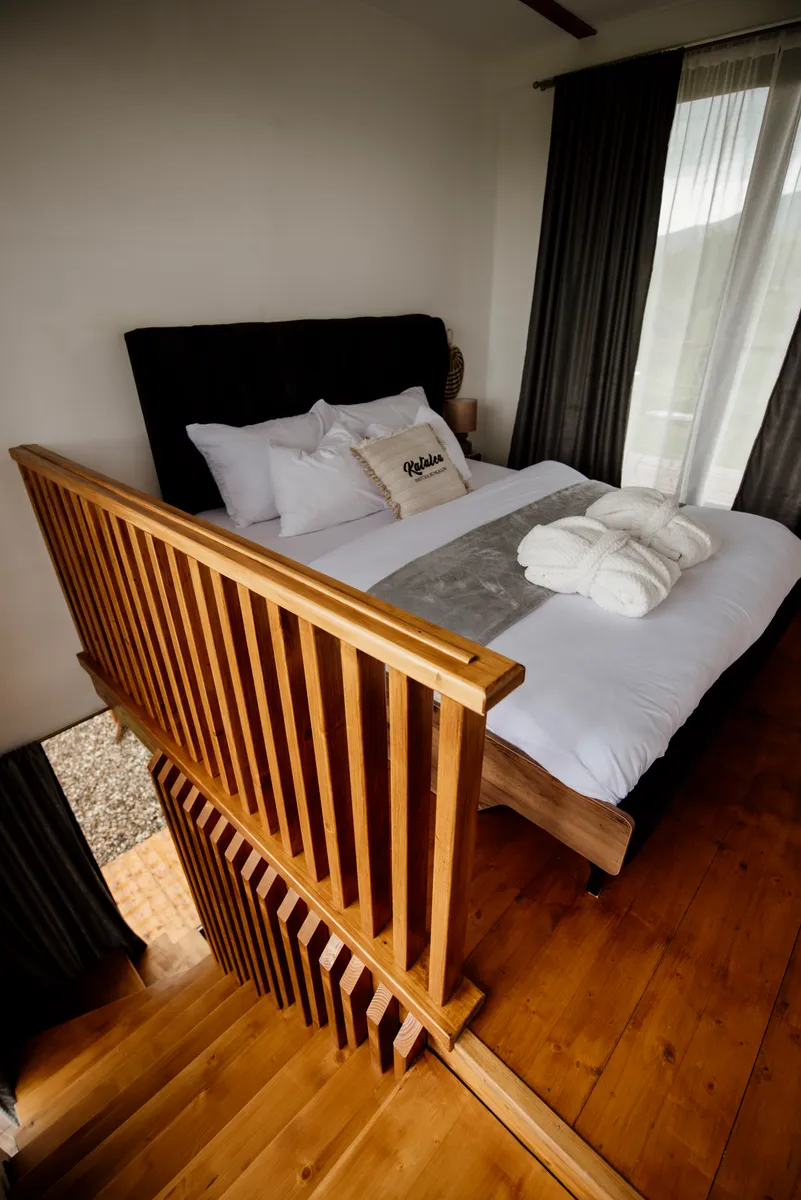
Two other environment factors do more than any fabric: light and noise. Blackout curtains and a dark room support melatonin release, and if noise is your problem, our wireless earbuds guide covers what noise cancelling can and cannot block. If you want to know whether any of these changes are helping, the Oura Ring Gen 3 review covers tracking sleep without a screen in the bedroom.
Where to spend, in order
First, the pillow, matched to your sleeping position. It is the cheapest item with the largest effect on waking without neck pain, and most people are using the wrong loft entirely.
Second, the duvet tog, matched to how warm you sleep and to your bedroom rather than to the season on the packaging.
Third, sheets: one good percale or linen set beats three cheap microfibre sets, washes better, and lasts years longer.
Fourth, protectors on the pillow and mattress, which cost little and extend the life of the expensive things.
Last, thread count, colour, and cooling-technology claims. And for the largest single factor, the mattress itself, our mattress guide covers foam, hybrid, and innerspring construction; the textile durability guide explains how to judge fabric quality generally.
The short version
Choose pillow loft by sleeping position: high and firm for side, medium for back, very low for front. Check alignment lying down, not by squeezing the pillow. Use shredded foam if you want to tune loft, latex or down if you want longevity and breathability, and skip polyester on your own bed. Ignore thread counts above about 400 and choose by fibre and weave instead — percale or linen if you sleep hot, sateen if you want smooth. Measure mattress depth including the topper before buying fitted sheets. Then wash weekly at 60 °C, use protectors, and replace pillows when they stay folded.
More coupon shopping advice

Home Security Camera Buying Guide: Local vs. Cloud Storage
A practical, balanced buying guide to home security cameras that weighs local storage against cloud subscriptions, wired versus battery power, camera placement, night vision, smart detection accuracy, and smart home integration.

Beginner Mirrorless Camera Buying Guide
A practical, honest walkthrough of what actually matters when buying your first mirrorless camera, from sensor size and lens mounts to autofocus, video specs, and the real total cost of a beginner-friendly system.

Air Purifier Buying Guide: CADR, ACH, and Filter Costs Explained
A practical walkthrough of the numbers that actually matter when buying an air purifier — CADR and ACH for sizing, true HEPA versus marketing terms, real three-year filter costs, realistic noise levels, and when a purifier won't help at all.