
Oura Ring Gen 3 Review
Six weeks of wear, including testing it as an actual gift, show why the Oura Ring Gen 3's comfort and sleep tracking are excellent, but its mandatory subscription is the real catch.
- Disappears on the body in a way no smartwatch does
- Best-in-class sleep stage and readiness tracking
- 5-7 day battery life versus nightly charging on most smartwatches
- 100m water resistance for showering and swimming
- Free sizing kit makes gifting and fit much easier to get right
- Titanium build feels like jewelry, not a gadget
- Most core insights require an ongoing paid membership
- No display, no GPS, and weak live workout metrics
- Sizing kit adds an extra step before the real ring ships
- Automatic activity detection is less precise than a dedicated fitness watch
- Subscription cost is an easy-to-miss surprise for gift recipients
Wrist-based fitness trackers have gotten genuinely good at sleep tracking, but wearing a watch to bed is a dealbreaker for plenty of people, and it's the single most common complaint we hear from friends who tried a Fitbit or Garmin specifically for sleep data and gave up within a month. The Oura Ring Gen 3 takes a different approach entirely: all the sensors live in a titanium ring worn on the finger, with no screen, no watch face, and a battery that lasts days rather than needing a nightly charge. We wore one continuously for six weeks, including gifting a second unit to a family member to see how the sizing kit and setup experience holds up for someone receiving it as an actual present, to find out whether the ring form factor is a genuine improvement over a wrist tracker or just a novelty.
Before it can even ship, Oura sends a free sizing kit, plastic rings in every available size, since the actual ring needs to fit precisely for its sensors to read accurately against the skin. This is a smart and slightly unusual piece of the buying process worth understanding upfront: you order the sizing kit first, wear your chosen size for a full day to confirm comfort and fit before the real ring is ever charged, and only then order the actual ring in that confirmed size. For a gift, this matters enormously, since giving someone the wrong ring size renders the entire gift briefly useless until an exchange goes through, and it's part of why we specifically tested the give-it-as-a-present angle: order the sizing kit early enough that the recipient can confirm fit before the actual gifting occasion, or accept that sizing might need to happen after the fact.
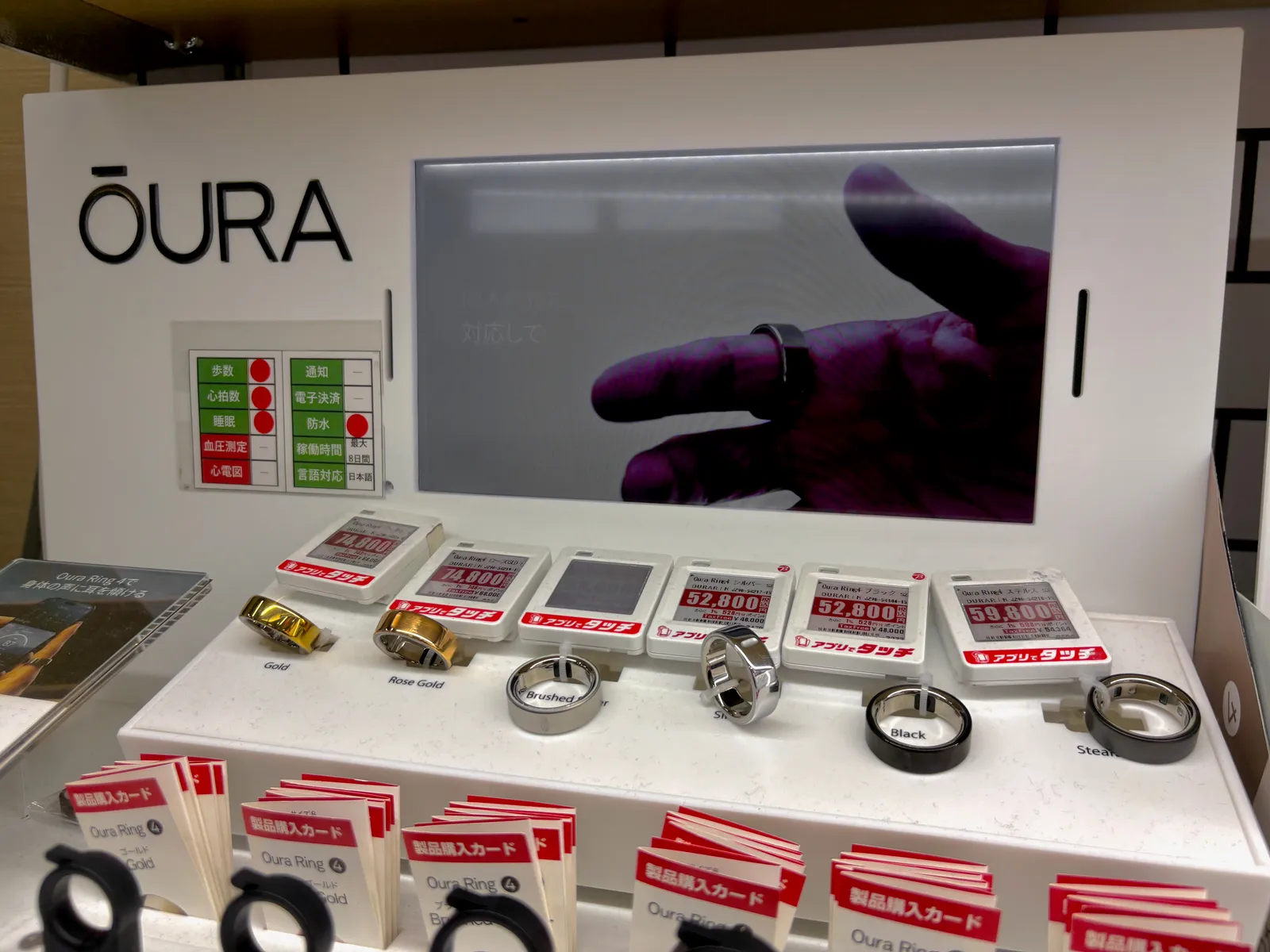
First impressions: it disappears in a way a smartwatch never does
Physically, the Gen 3 is a rounded titanium band, available in silver, black, gold, and stealth finishes, noticeably thicker than a typical wedding band but genuinely unobtrusive compared to any wrist-worn tracker. Within about three days it stopped registering as something being worn at all, the single biggest practical advantage over every wrist tracker we've tested for this site, since a ring simply doesn't catch on shirt cuffs, bump into a mouse all day, or announce itself with a screen lighting up during a meeting. It's rated water resistant to 100 meters, so showering, swimming, and dishwashing all happened with the ring on throughout the test with zero issues, something we specifically would not do with most smartwatches without a specific rugged rating.
Battery life is one of the ring's clearest advantages over a smartwatch: Oura rates it at up to seven days per charge, and our real-world use, with sleep tracking, continuous heart rate, and the readiness and activity features all active, landed reliably at five to six days before needing the small charging dock, itself a compact puck-style base rather than a cable that clips awkwardly onto a ring. Compared to a smartwatch that typically needs a nightly charge, this is a genuinely different daily relationship with the device: charge it for an hour every few days at your convenience rather than every single night at a moment when you specifically want the device on your body for sleep tracking.
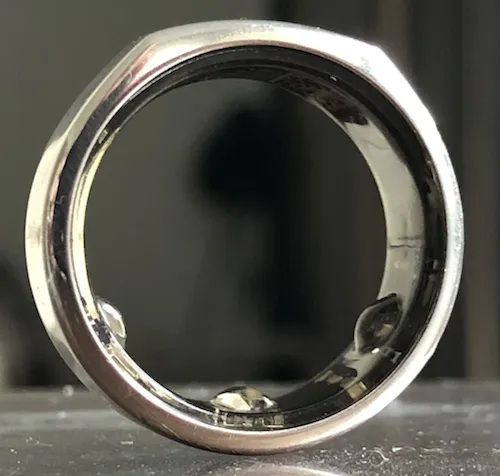
Sleep tracking: the ring's strongest feature by a wide margin
Sleep is genuinely where the Gen 3 separates itself from wrist-based competitors, and after six weeks of comparing its data against how we actually felt each morning, it was consistently the most accurate sleep stage breakdown we've tested against a wrist tracker worn in parallel for two of those weeks. The ring's sensors sit against the base of the finger, an area with better blood flow signal than the wrist for tracking subtle heart rate variability and body temperature shifts overnight, and Oura's app translates that into a nightly Sleep Score along with a detailed breakdown of REM, deep, and light sleep stages, time to fall asleep, and overnight disturbances. A specific standout: the ring caught a genuinely disrupted night from a late-night flight home more accurately, in both the sleep-stage graph and the resulting lower readiness score the next morning, than a wrist tracker worn the same night, which under-reported how badly that night's sleep actually went.
The Readiness Score, Oura's flagship daily metric, combines sleep quality, resting heart rate, heart rate variability, body temperature deviation, and recent activity load into a single number each morning meant to indicate how recovered your body actually is. In practice, across six weeks, it correlated well with how genuinely run-down or refreshed we felt, and it became the single number we checked most consistently each morning, more than step count or calories burned, which says something about where Oura has chosen to put its design and algorithm effort relative to a fitness-first tracker.
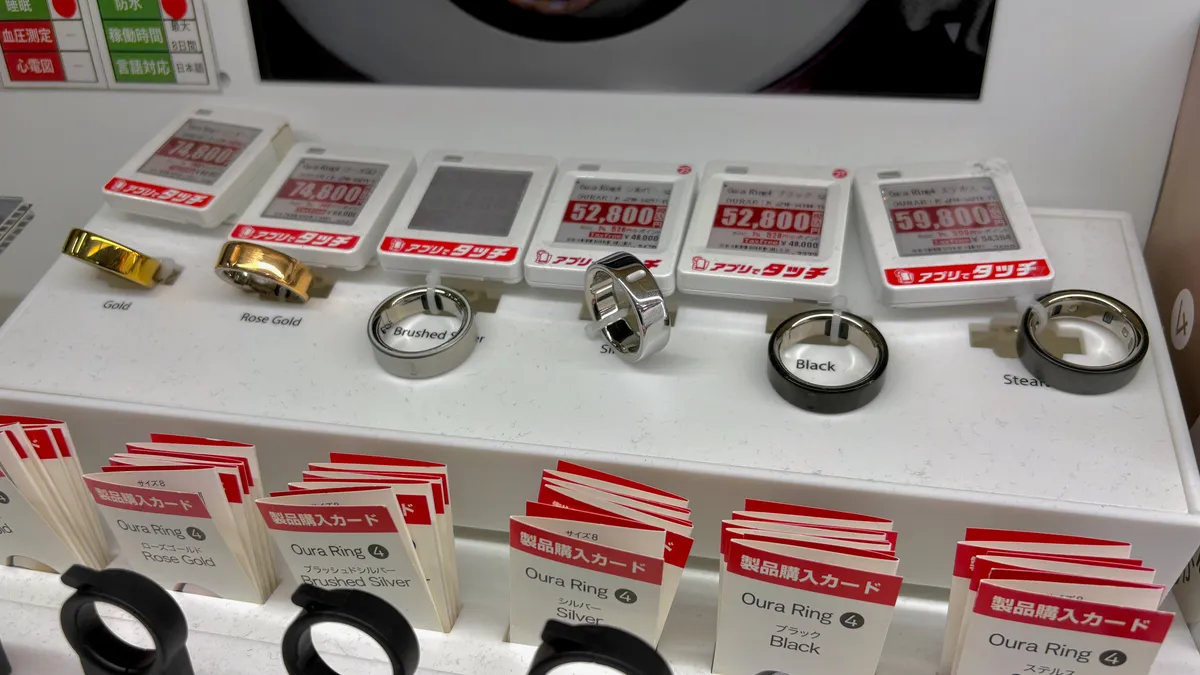
Activity and workout tracking: capable, but clearly secondary
Where the ring is honestly weaker than a dedicated fitness watch is real-time workout tracking. There's no screen to glance at mid-run for pace or heart rate, no GPS built in, and no way to see live stats without pulling out a phone, which makes it a poor primary device for anyone training seriously for a race or doing structured interval workouts that benefit from real-time feedback. Automatic activity detection worked reasonably well for walks, runs, and cycling, retroactively logging them with reasonable accuracy after the fact, but anyone whose main use case is workout tracking rather than sleep and recovery should look at a Garmin or a Fitbit instead, both of which we've reviewed separately and which remain clearly better at live workout metrics than any ring on the market. The Oura Ring's activity tracking is genuinely best understood as recovery-oriented context for how hard you've been pushing your body, not as a training tool in its own right.
The subscription: the real catch buyers need to understand
The most important thing to understand before buying, and the detail most likely to surprise a gift recipient who didn't research it themselves, is that nearly all of the ring's actual insights, Sleep Score, Readiness Score, detailed sleep stages, and most other analysis, sit behind an Oura membership subscription that costs several dollars a month on top of the ring's purchase price. Without an active subscription, the ring still tracks raw data, but the app becomes dramatically less useful, showing far less of the analysis that makes the product worth wearing in the first place. This is a materially different model from a Fitbit or Garmin, where a one-time purchase gets you the great majority of the tracking features without an ongoing fee, and it's the single most common point of buyer's remorse we've seen mentioned by other Oura owners, someone loves the ring itself but resents discovering the subscription requirement after the fact. For a gift specifically, this matters even more: budget for at least the first year of membership as part of the actual gift, or make sure the recipient understands the ongoing cost before they unwrap it, since an unsubscribed Oura Ring is a meaningfully worse product than the one being marketed.
As a gift: genuinely one of the better tech gifts, with caveats
Having specifically tested the gifting angle by sizing and setting one up for a family member, the Oura Ring earns its reputation as a strong gift for anyone interested in health and wellness, more than most wearables, because it doesn't look or feel like a gadget on the body the way a smartwatch does, making it appropriate across a much wider range of ages, styles, and occasions than a Fitbit or Apple Watch would be. The sizing kit process is the one piece of friction to plan around: order it well ahead of the actual gifting date so the recipient (or you, sizing on their behalf with a hand-traced guess) can confirm fit, and be upfront about the subscription cost so it doesn't sour an otherwise well-received present. We'd specifically recommend gifting alongside at least a year of membership, either as a prepaid plan or as a clearly communicated expectation, rather than leaving the recipient to discover the paywall on their own after the excitement of unwrapping a nice piece of titanium jewelry that happens to track their sleep.
Comparison to a wrist tracker
Set against the Fitbit Charge 6 and Garmin Forerunner 265 we've each tested separately for this site, the Oura Ring's core tradeoff is straightforward: dramatically better comfort and discretion for continuous all-day and all-night wear, meaningfully stronger sleep-stage accuracy, and much longer battery life, in exchange for weaker live workout tracking, no built-in GPS, no on-device display, and a mandatory subscription that neither of those wrist devices requires for their core features. Someone training for a specific event or wanting to glance at live pace and heart rate mid-workout is better served by a proper sports watch; someone whose primary interest is sleep quality, recovery, and long-term trend tracking without ever feeling like they're wearing a gadget is better served by the ring.
Who should actually buy this
The Gen 3 makes the most sense for people who prioritize sleep and recovery tracking over live workout metrics, anyone who has tried and abandoned a wrist tracker specifically because of comfort or because they didn't want a screen on their wrist, and anyone shopping for a wellness-minded gift for someone who wouldn't wear a smartwatch. It's a poor fit for serious athletes who want GPS-tracked runs with live pace data, and a hard sell for anyone unwilling to pay an ongoing membership fee on top of the hardware cost. Go in with clear eyes about the subscription, and it's one of the more genuinely well-designed wearables we've tested, in exactly the specific area, sleep and recovery, that it sets out to be excellent at.
The verdict
Six weeks of continuous wear, including deliberately testing the gifting and sizing process end to end, left us convinced the Oura Ring Gen 3 delivers something a wrist tracker structurally can't: a wearable that genuinely disappears on the body while still producing some of the most useful sleep and recovery data we've tested. The subscription model is a real and recurring cost that buyers, and especially gift-givers, need to plan for rather than discover afterward, but for the specific job of tracking sleep and recovery without wearing a gadget, this remains one of the better options available today.
Other products we tested

Ecobee Smart Thermostat Premium Review: Two Months of Real HVAC Testing
We installed the Ecobee Smart Thermostat Premium without a C-wire, tracked its temperature accuracy against a separate thermometer, and measured real energy savings over two months of daily HVAC use.
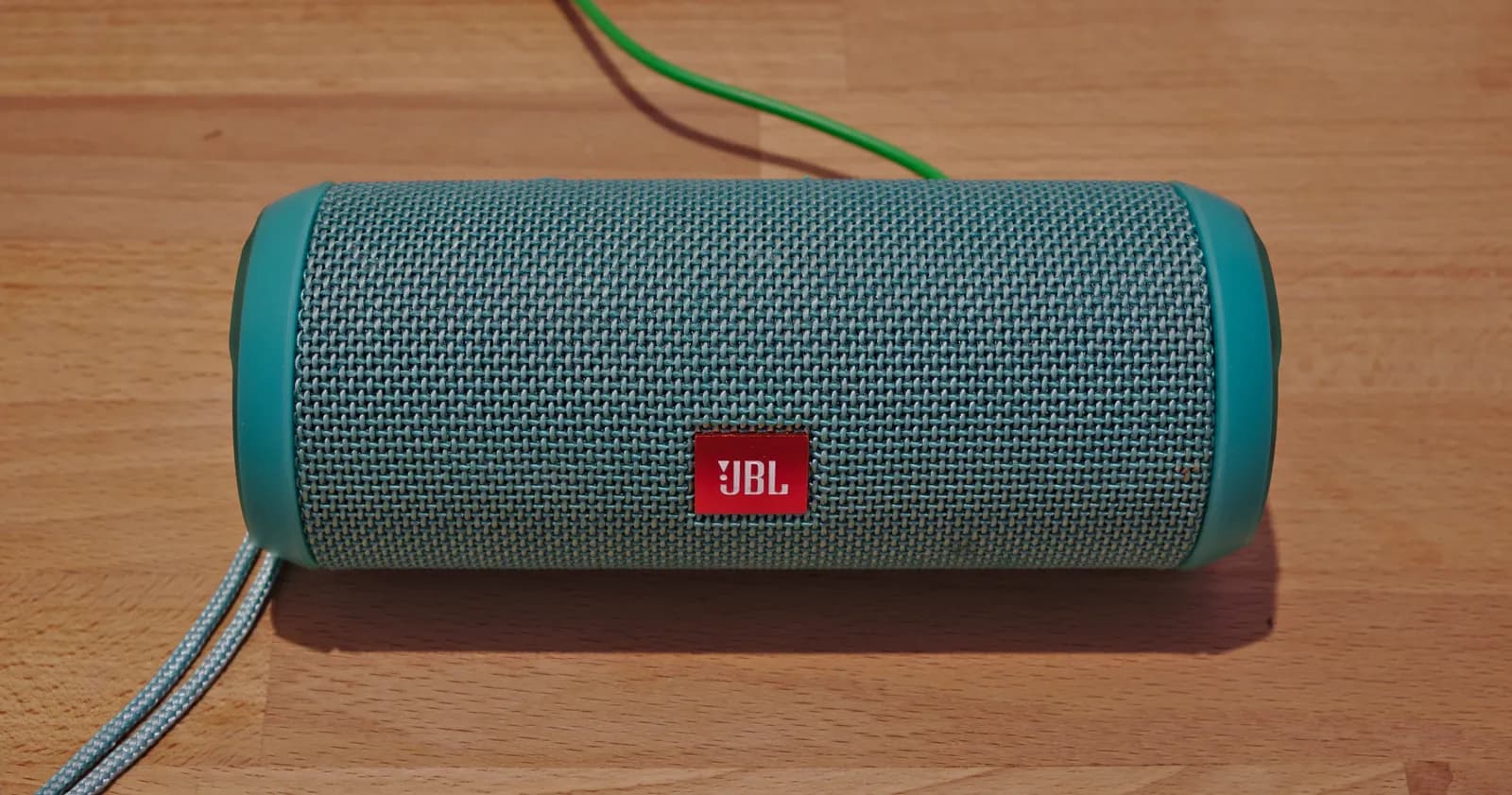
Bose SoundLink Flex Review: Six Weeks of Hiking, Kayaking, and Beach Days
Six weeks of camping, kayaking, and beach trips show the Bose SoundLink Flex's IP67 rating and PositionIQ orientation sensing are genuinely useful, with honest limits on bass and max volume.
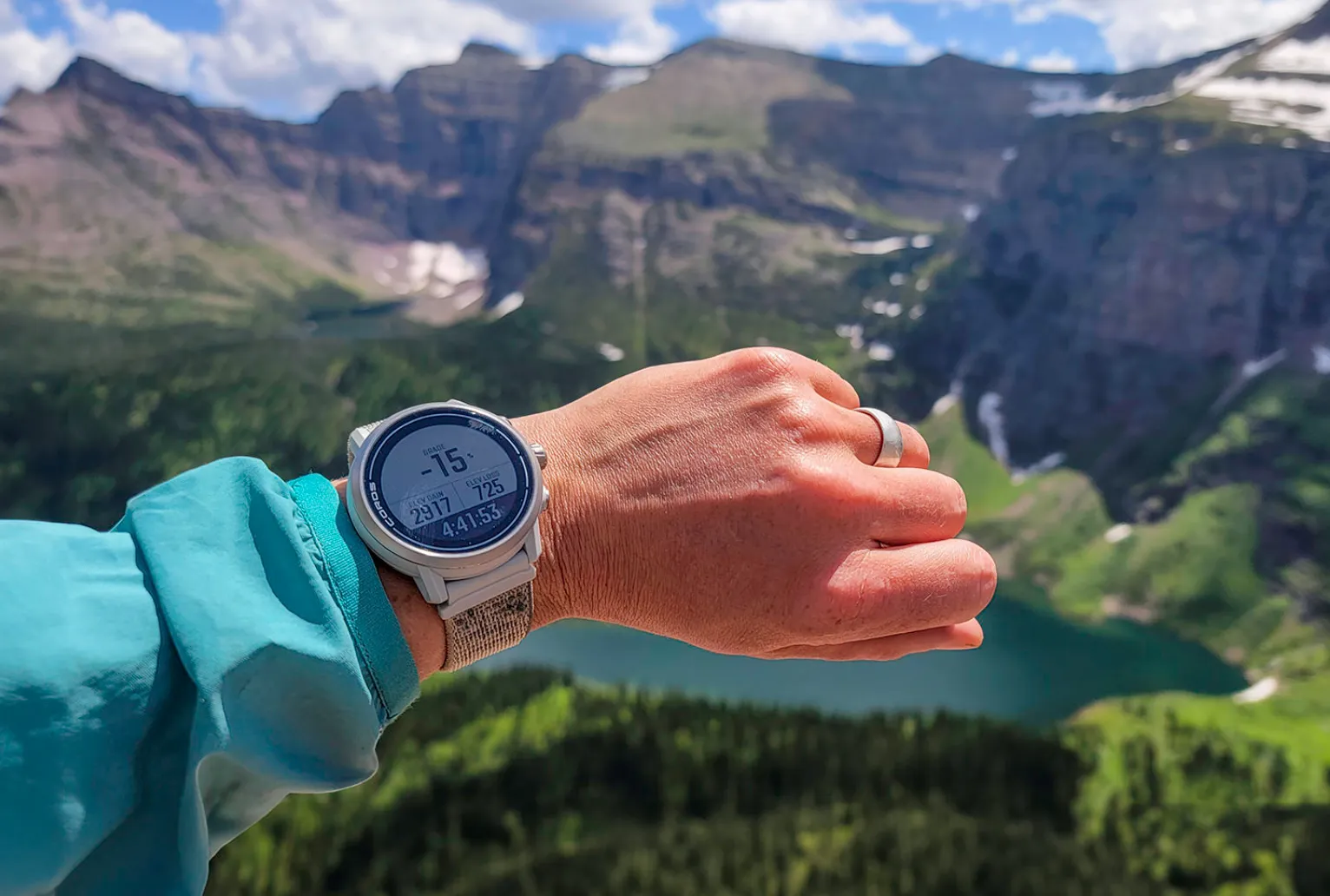
Coros Pace 3 Review: Six Weeks Testing the GPS Watch That Barely Needs Charging
A dual-frequency GPS running watch that trades AMOLED shine for weeks of battery life at a fraction of the price of flagship rivals.