
Ladder Buying Guide: Standards, Reach, and the Feet
Ladder specs are actually standardised and worth reading. Size by working height, not length, and check the feet before every single climb.
A ladder is the piece of household equipment most likely to injure you, and the one people most often buy on price. Falls from height are a leading cause of serious domestic injury, and the overwhelming majority happen at modest heights during ordinary jobs — changing a bulb, clearing a gutter, painting a ceiling.
The reassuring part is that the decisions are simple and the specifications are meaningful. Unlike most categories in this site, the numbers on a ladder label are standardised, tested, and worth reading carefully.
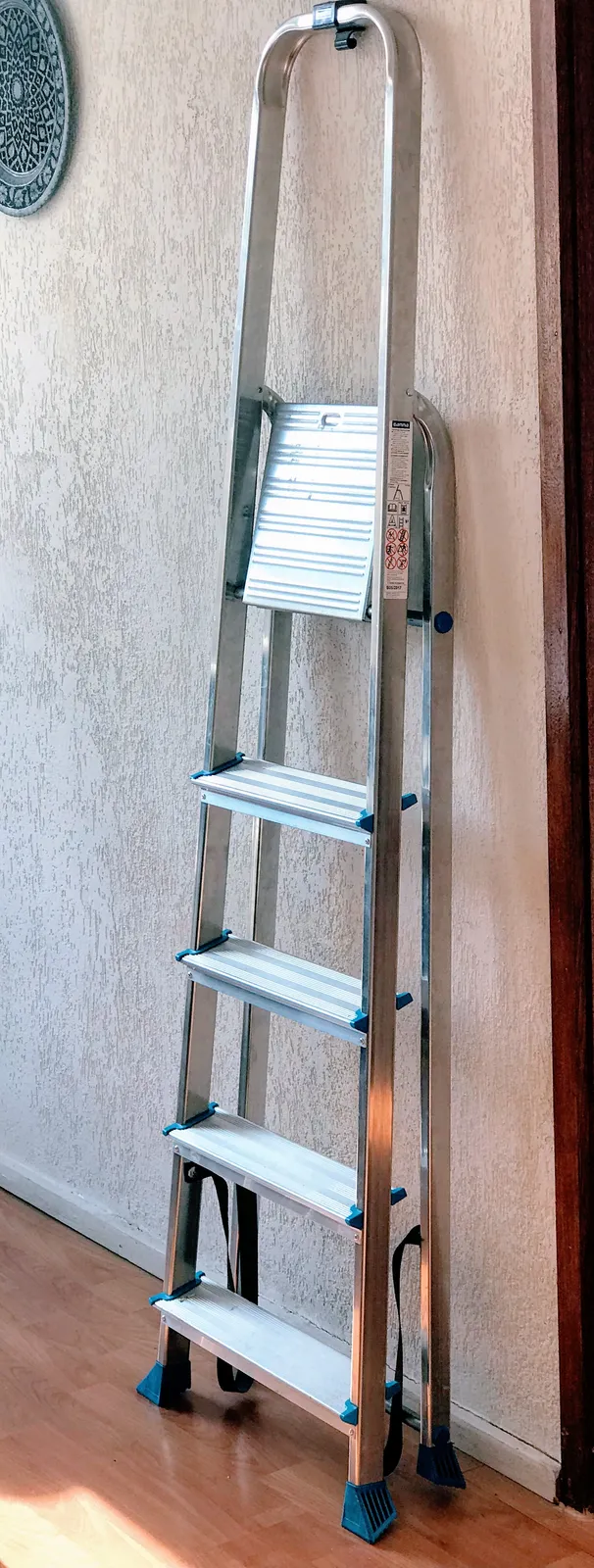
Certification and duty rating: read the label
In Europe and the UK, domestic and trade ladders are tested to EN 131. The older BS 2037 Class 3 "domestic" rating has been withdrawn, and current EN 131 ladders are classified as EN 131 Professional or EN 131 Non-Professional, both rated to a 150 kg total load. Anything sold without a standard marking should be treated as untested.
In the United States, ANSI and OSHA duty ratings apply: Type III is 200 lb, Type II 225 lb, Type I 250 lb, Type IA 300 lb, and Type IAA 375 lb. Australia and New Zealand use AS/NZS 1892 with domestic and industrial grades.
Crucially, the load rating covers you plus your clothing, tools, and whatever you are carrying. A 150 kg rating with a 95 kg person, boots, a tool belt, and a half-full tin of paint is closer to the limit than it sounds. Buy the higher rating; the cost difference is small and the margin is where safety lives.
Since 2018, EN 131 has also required that any leaning ladder over 3 metres has a stabiliser bar at the base to widen the footprint. If you are looking at a longer ladder without one, it predates the requirement.
Types, and which one your jobs need
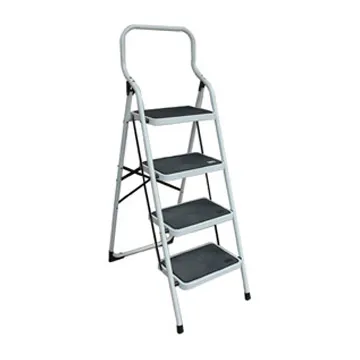
Step stools — two or three treads with a handrail — cover the majority of indoor jobs safely and are the most under-bought item here. If you mostly reach high shelves and light fittings, a good step stool is safer and more convenient than a ladder you have to fetch from the garage.
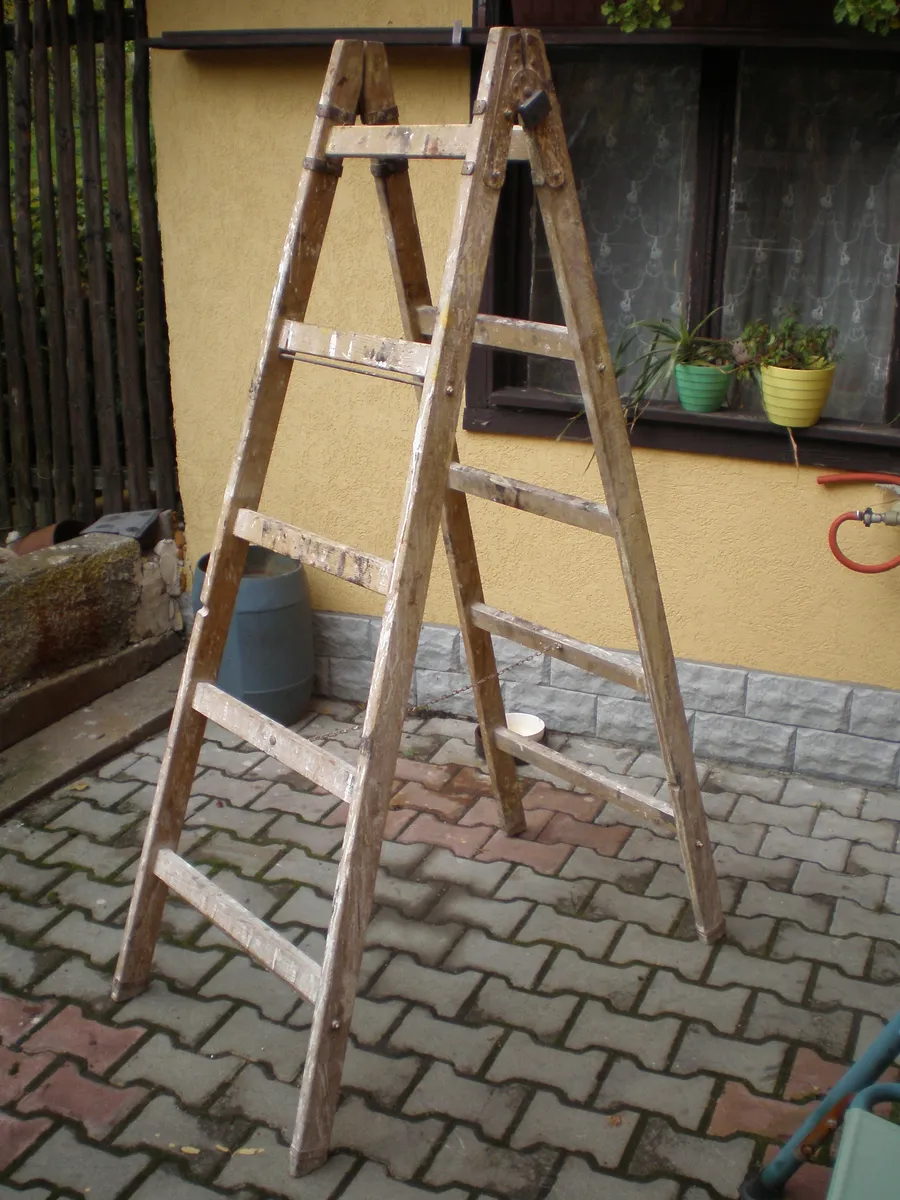
Stepladders are self-supporting A-frames. They need no wall, which makes them right for the middle of a room: ceilings, light fittings, painting. They are stable front-to-back and much less so side-to-side, which is why over-reaching sideways is the classic stepladder accident. Look for wide treads rather than rungs, since standing on a 60 mm tread for twenty minutes is far more comfortable than on a round rung.
Leaning or extension ladders reach genuine height and require a solid wall and correct angle. Double and triple extension ladders trade compact storage for reach. They are what you need for gutters, roof access, and upper windows, and they are the type where technique matters most.
Combination and multi-purpose ladders convert between stepladder, extension, and sometimes a low work platform, usually via hinges. They are genuinely versatile and heavier, with more moving parts that must lock positively. Telescopic ladders collapse to a very small package for flat storage; check the locking mechanism carefully and expect more flex than a fixed ladder.
Platform ladders add a proper standing platform and often a guard rail. If you do long jobs at height — decorating, hedge work, repeated gutter clearing — a platform is dramatically less tiring and more secure than balancing on a rung.
Most households are best served by a three-tread step stool for indoors plus one taller ladder chosen for the highest job you actually do.
Sizing: the numbers that matter are not the length
Manufacturers quote several heights and it is easy to buy the wrong one. What you want is maximum safe working height, which accounts for how high you can safely stand and reach, not the total ladder length.
For a stepladder, you can normally work comfortably to about 2 metres above the highest safe tread, because you reach upward. The top two treads of most stepladders are not intended to be stood on unless there is a handhold above; check the labelling rather than assuming.
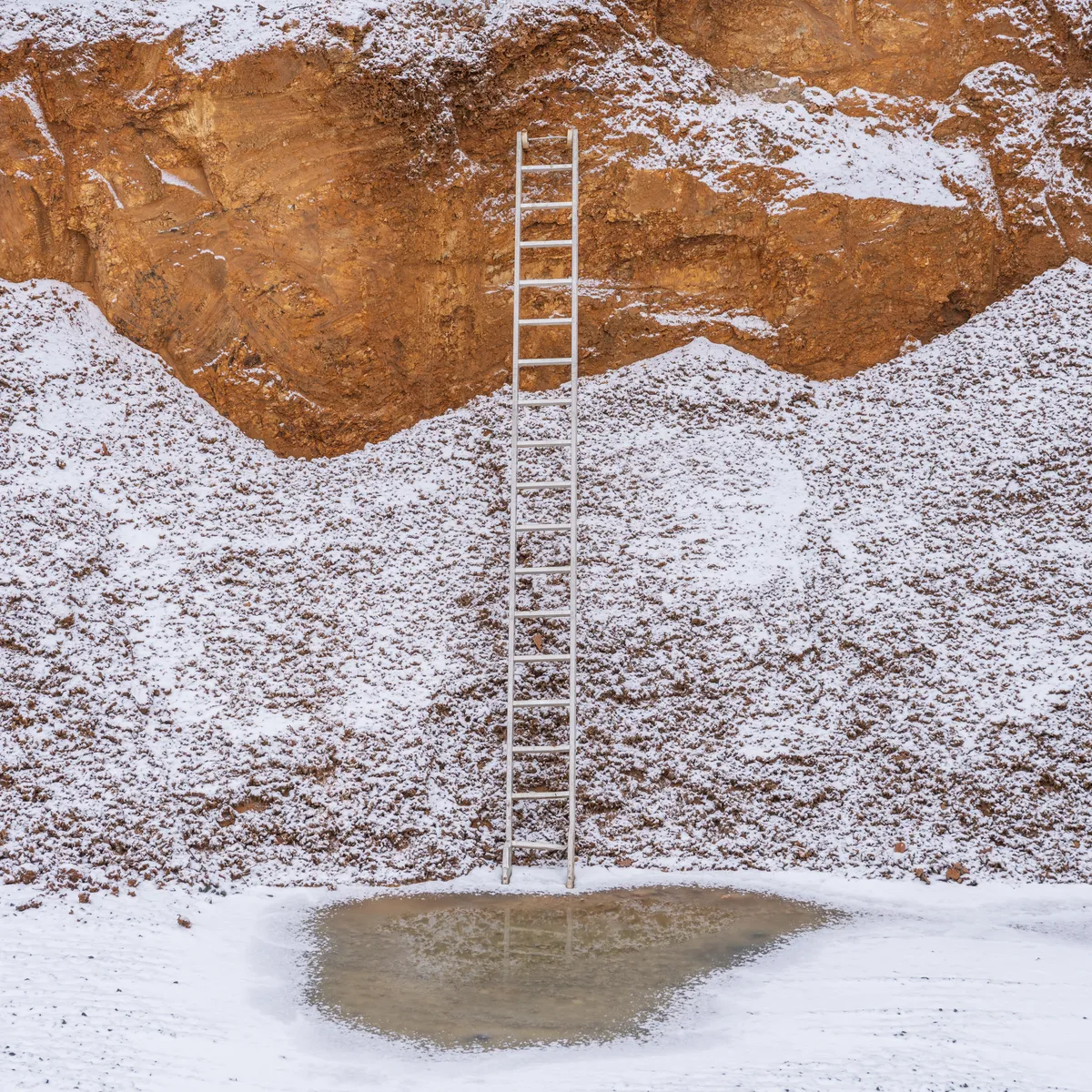
For a leaning ladder, the ladder must extend roughly 1 metre — about three rungs — above the point where you step off or work, and you should not stand on the top three rungs. So reaching a 6 metre gutter needs about a 7 metre ladder, not a 6 metre one.
Then account for the angle. A leaning ladder should be set at about 75 degrees, which is the well-known one-out-for-every-four-up rule: for every 4 metres of height, the base sits 1 metre out from the wall. That angle consumes vertical reach, which is the other reason ladders always need to be longer than the height you are targeting.
Material: aluminium or fibreglass
Aluminium is light, strong, corrosion-resistant, and cheaper. It is the sensible default for general household use. It conducts electricity, which disqualifies it for any work near live wiring or overhead cables.
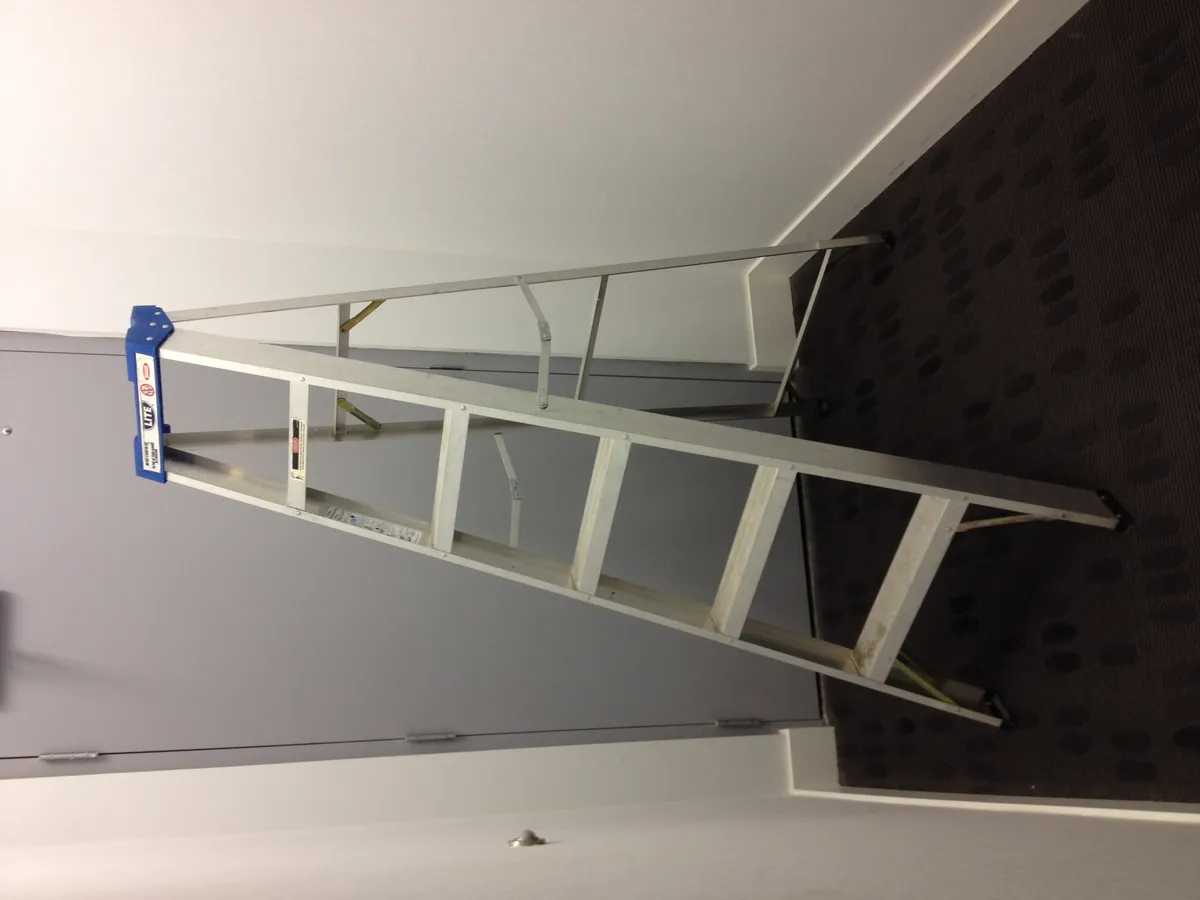
Fibreglass is non-conductive, stiffer, and more resistant to flex at height, and it is heavier and more expensive. If any of your work involves electrical fittings, consumer units, or proximity to overhead lines, buy fibreglass. This is a genuine safety difference rather than a preference, and it is why electricians use it exclusively.
Timber ladders are non-conductive and heavy, and they hide defects: rot and internal splits are not always visible, and a painted wooden ladder cannot be inspected because the paint conceals cracks. Never paint a wooden ladder, and be sceptical of an old one inherited with a house.
Whatever the material, look at how the rungs join the stiles. Rungs should be swaged, riveted, or welded firmly with no play. Grip your hand around each rung and twist; any movement means the ladder is finished.
Feet, stabilisers, and the accessories that prevent falls
The single most common cause of a leaning ladder accident is the base slipping. The feet are therefore the most important component on the ladder, and they are usually the cheapest part.
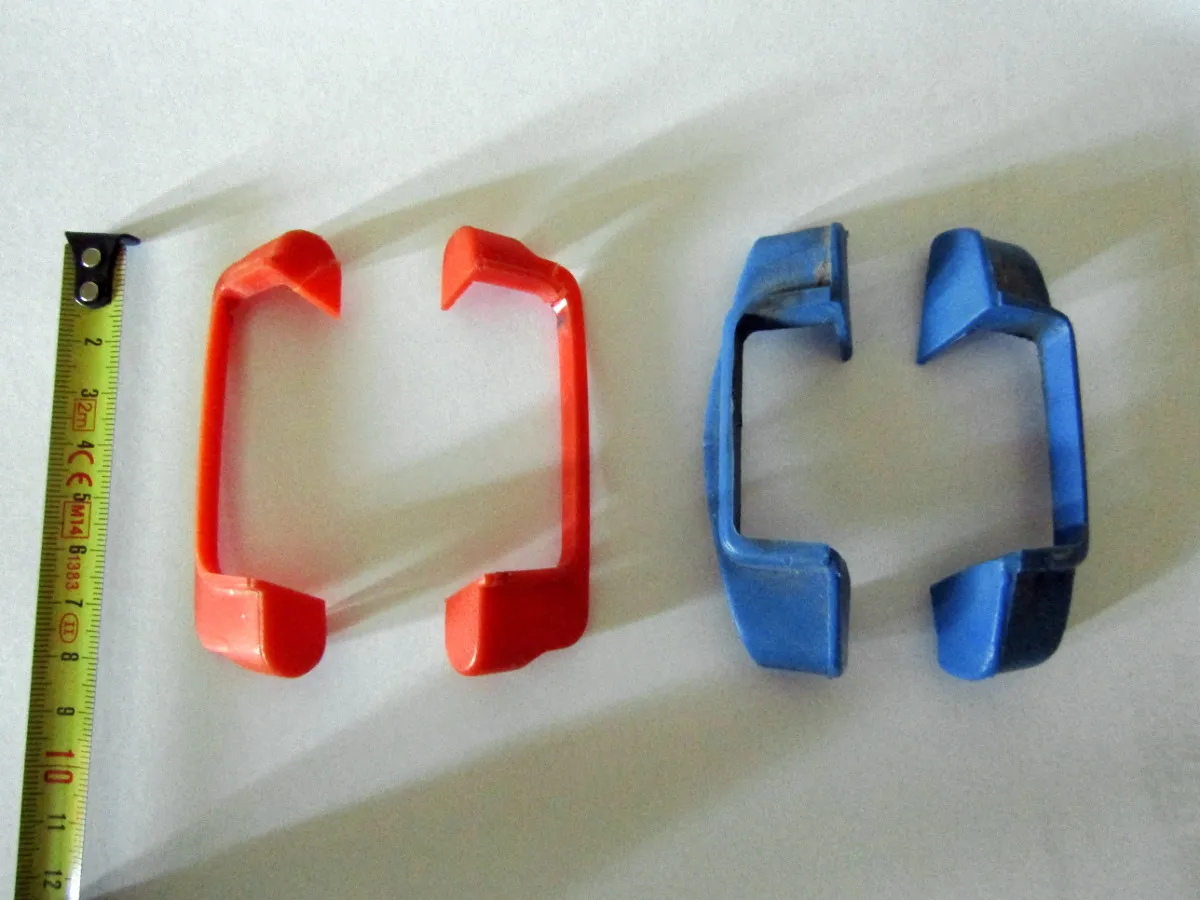
Check that the rubber feet are thick, intact, and gripping full-face on the ground rather than worn to the metal. Replacement feet cost very little and are sold for most models; fit them the moment they wear. On soft ground, spiked or claw feet bite in where rubber slides.
Useful additions, in rough order of value: a stabiliser bar that widens the base; a levelling foot or leg leveller for sloping ground and driveways, which is safer than the traditional bodge of a brick under one stile; a standoff or gutter bracket that holds the top away from the wall so you can work at the gutter without leaning the ladder on plastic guttering; and a ladder mat or grip pad for smooth indoor floors.
A tool tray or bucket hook is not a luxury — carrying tools in your hands while climbing means you have one hand on the ladder instead of two, which is the situation most falls start from.
Setting up and using it properly
Ground first. The base must be firm, level, and clear. Never stand a ladder on loose gravel, wet decking, a step, or anything stacked. Never on a chair or table. If the ground slopes, use a leveller.
Angle next: one out for four up, and check the top has 1 metre of ladder above your working point. Most modern leaning ladders have an angle indicator on the stile — use it. Where possible, tie the ladder off at the top or have someone foot it, and remember that footing a ladder is a poor substitute for tying it.
Three points of contact at all times: two feet and one hand, or two hands and one foot. That is the rule that dictates everything else — you cannot carry a bucket of water and maintain it, so use a hook or a rope. Keep your hips within the stiles, which is the practical test for over-reaching: if your belt buckle passes outside the ladder's side rails, move the ladder.
Face the ladder when climbing and descending, take one rung at a time, and wear shoes with a defined heel and clean soles. Wet leaves or paint on a sole will slip.
Two situational rules worth stating plainly. Do not use a metal ladder anywhere near overhead power lines or live electrical work — use fibreglass and keep well clear. And on stepladders, always open the frame fully until the spreader braces or restraint straps are locked straight; a partially opened stepladder will fold.
Do not use a ladder in strong wind, and do not use one for a job that genuinely needs a tower or scaffold. Ladders are for short-duration, light work. If the task takes more than about half an hour at height, or needs both hands and force — sanding a wall, fitting heavy boards — hire a tower.
Inspection, storage, and when to retire it
Inspect before every use. It takes thirty seconds: check the stiles for bends, dents, and cracks; the rungs for looseness and damage; the feet for wear; the hinges, locks, and rivets for play; and the labels for legibility. Any bend in an aluminium stile is a reason to stop using the ladder, because a bend indicates the metal has yielded.
Retire a ladder that has been dropped from height, driven over, or exposed to a chemical spill. Aluminium is attacked by strong alkalis, including some cement products and cleaning chemicals, and the damage can be invisible.
Store ladders flat on brackets or hanging vertically, not leaning against a wall where they can slide or be knocked over onto someone. Keep them out of prolonged sunlight if they are fibreglass, since UV degrades the resin and produces the fibre bloom you can feel as roughness — a fibreglass ladder that gives you splinters has been outdoors too long. Clean paint and mud off the rungs, because a slippery rung is a hazard and dried paint hides cracks.
Lastly, secure them. Ladders are stolen frequently, and a ladder left accessible in a garden is also an invitation to burglars. Lock it away or chain it — our home security and document storage guide covers the wider point about what an accessible outbuilding offers.
Matching the ladder to your jobs
Indoor jobs only — bulbs, shelves, curtain rails: a three-tread step stool with a handrail and wide treads. Add a small stepladder if you have high ceilings.
Decorating and ceilings: a stepladder with wide treads and a tool tray, or a platform ladder if you paint frequently. For the tools, see our cordless power tool buying guide.
Gutters and upper windows on a two-storey house: a triple extension or combination ladder with a stabiliser bar, a standoff bracket, and levelling feet. Buy roughly a metre more than the height you need.
Any electrical work: fibreglass, no exceptions.
Very limited storage, occasional use: a telescopic or compact combination ladder, accepting more flex and checking every lock before each climb.
The short version
Buy to a current standard — EN 131 Professional, or ANSI Type I or better — and choose a load rating that covers you plus tools with margin. Pick the type by where the job is: step stool indoors, stepladder for the middle of a room, extension ladder for height, platform for long jobs. Size by working height, not ladder length, and add a metre for a leaning ladder. Choose fibreglass for anything electrical. Set the base at one out for four up on firm level ground, keep three points of contact and your hips between the stiles, and check the feet, stiles, and locks before every single use.
More coupon shopping advice

Home Security Camera Buying Guide: Local vs. Cloud Storage
A practical, balanced buying guide to home security cameras that weighs local storage against cloud subscriptions, wired versus battery power, camera placement, night vision, smart detection accuracy, and smart home integration.

Beginner Mirrorless Camera Buying Guide
A practical, honest walkthrough of what actually matters when buying your first mirrorless camera, from sensor size and lens mounts to autofocus, video specs, and the real total cost of a beginner-friendly system.

Air Purifier Buying Guide: CADR, ACH, and Filter Costs Explained
A practical walkthrough of the numbers that actually matter when buying an air purifier — CADR and ACH for sizing, true HEPA versus marketing terms, real three-year filter costs, realistic noise levels, and when a purifier won't help at all.