
Home Safe Buying Guide: Fire Ratings, Theft Ratings, and What to Store Where
Nothing is fireproof. What matters is the rated duration, the internal temperature limit, and whether the safe is bolted down.
Home safes are sold on the word "fireproof," which does not exist as a category. Nothing is fireproof. What safes have is a fire rating: a stated period during which the interior stays below a stated temperature in a standardised furnace test. A box rated 30 minutes at 350°F protects paper for half an hour under specific conditions, and protects a hard drive for approximately none of it, because magnetic media fails at a far lower temperature.
That distinction — what is being protected, from what, for how long — is the whole buying decision. This guide covers ratings that mean something, the difference between fire and theft protection, why anchoring matters more than steel thickness for most break-ins, and what genuinely belongs in a home safe versus a bank.
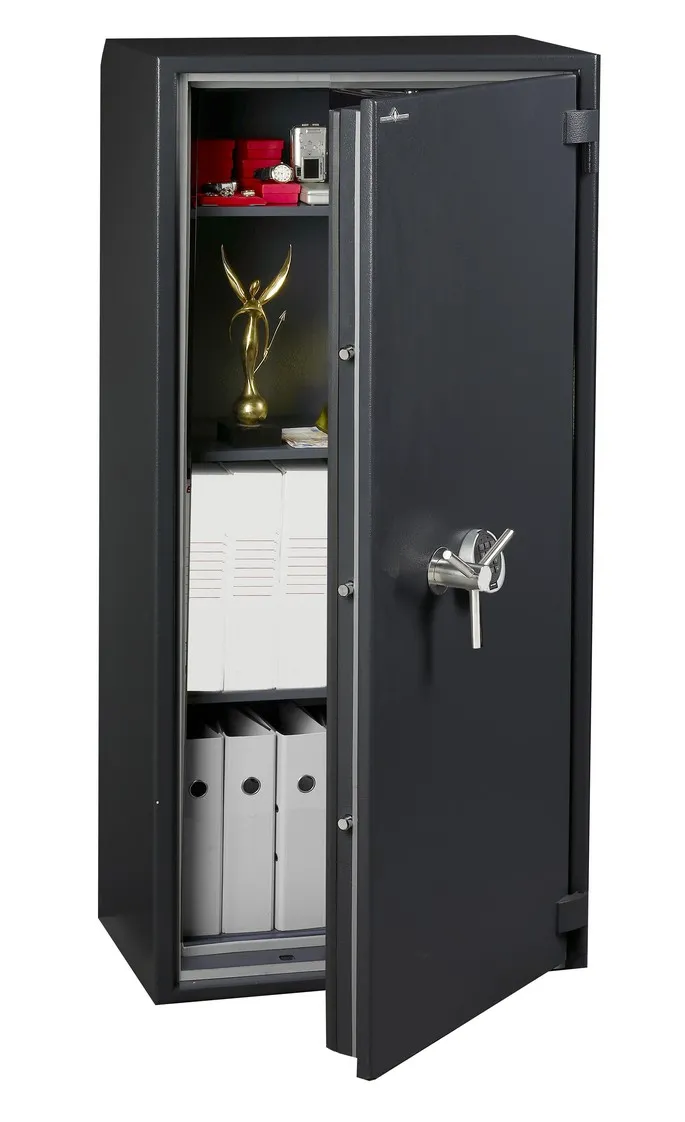
The quick answer
For documents — passports, deeds, certificates, wills, insurance policies — a document box or small safe with a 30-minute fire rating and a water rating covers the realistic risk. Budget $50-$150.
For documents plus modest valuables at home, a bolted-down safe with a 1-hour fire rating and a security rating that is more than marketing. Budget $250-$600.
For digital media — drives, memory cards, USB sticks — you need a media-rated safe, which is a different and more expensive product. Or better, do not rely on a safe at all: use encrypted cloud backup plus an off-site copy, which costs less and works better.
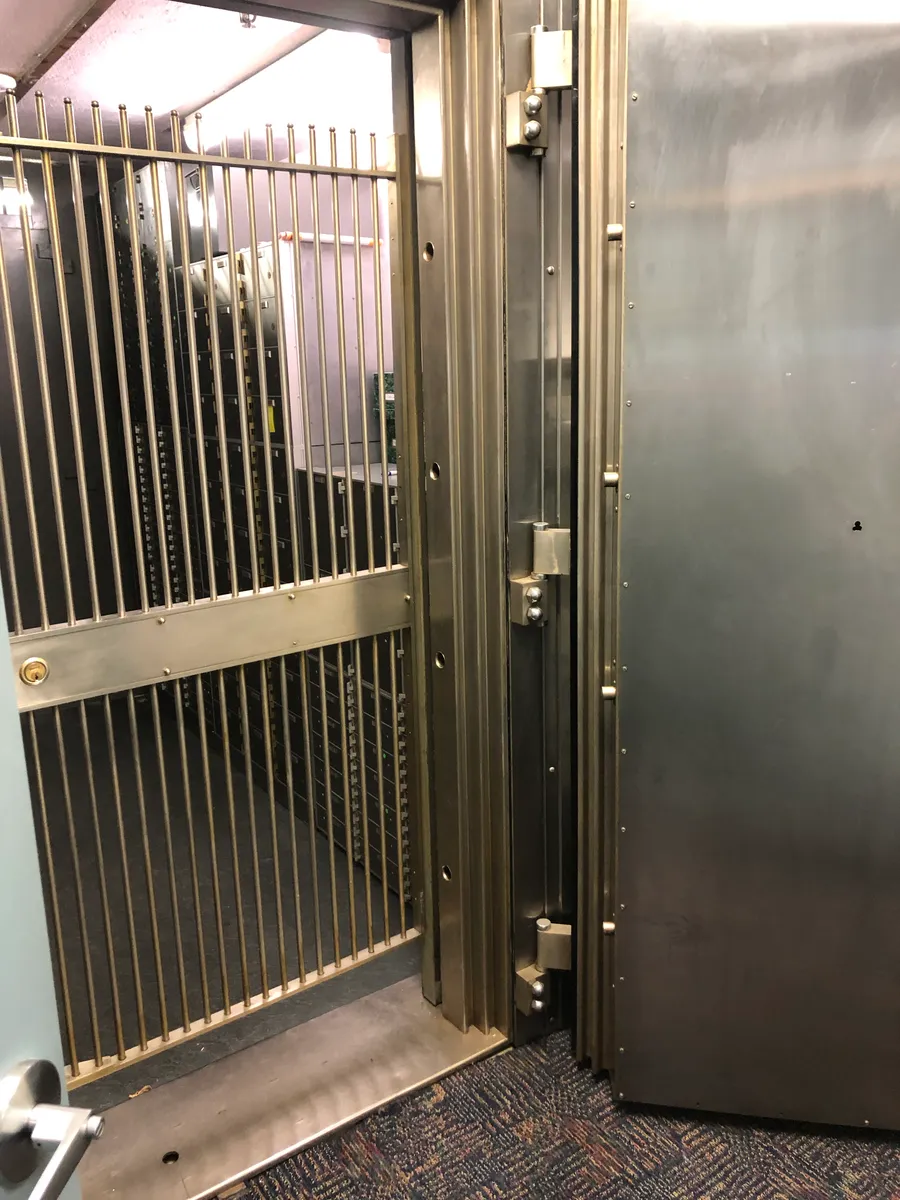
For genuinely high-value items — significant jewellery, bearer instruments, irreplaceable documents — a bank safe deposit box or a professionally-installed safe is the honest answer, and a $300 retail box is not.
Fire ratings, decoded
A fire rating has three parts, and consumer marketing usually quotes only the first. The duration is how long the test ran. The external temperature is how hot the furnace got. And the internal temperature limit is what the contents were kept below.
For paper, the relevant threshold is around 177°C (350°F), where paper begins to char and become illegible. A "30 minute, 350°F" rating means paper survives half an hour in a furnace reaching roughly 843°C (1550°F).
For digital media the threshold is drastically lower. Magnetic tape and hard drives begin failing around 52°C (125°F) and are also destroyed by humidity, which is significant because safe fire protection often works by releasing steam from insulation. A paper-rated safe can keep contents below 350°F while cooking a hard drive and flooding it with water vapour. Media-rated safes have separate insulated inner compartments and cost two to four times as much.
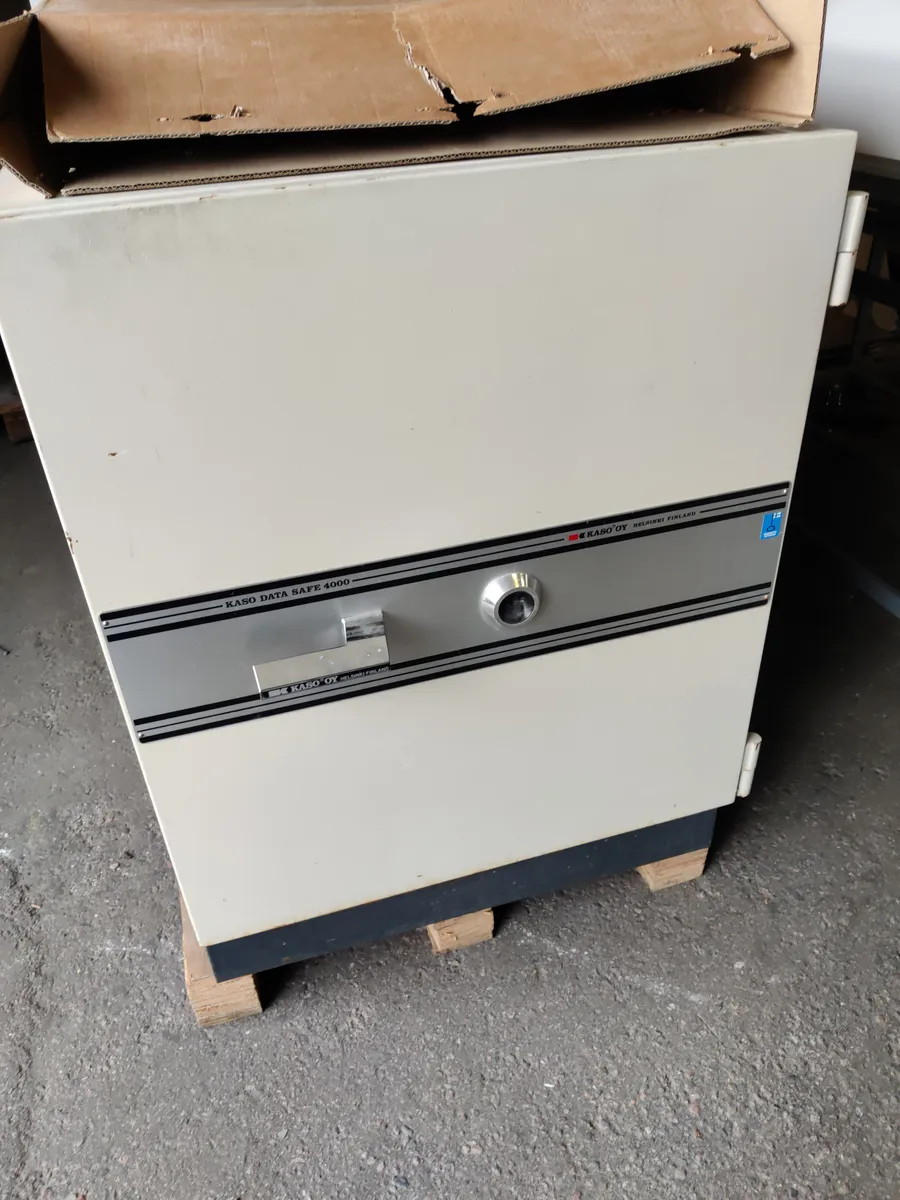
Two other details worth checking. Whether the rating is from an independent laboratory or the manufacturer's own testing — independently verified ratings carry a certification mark, and self-declared ratings are common at the low end. And whether the test included a drop, since a safe on an upper floor in a house fire may fall through a burning floor, and a seam that splits on impact ends the protection immediately.
Water ratings are worth having and are often overlooked. Fires are extinguished with water, and a sealed safe that survives the fire and then sits in fifteen centimetres of water for hours has not protected anything. A rating for submersion for 24 hours at a stated depth is the useful one.
Theft protection is a separate specification
Fire ratings say nothing about burglary resistance, and the two are engineered differently. Fire protection uses thick insulating material — often gypsum-based composite — which is bulky and not especially hard. Theft protection needs hardened steel plate, solid boltwork, and relocking devices. Cheap safes have one and imply the other.
The specification that means something for theft is a burglary rating from a testing body, expressed as the time a trained attacker with specified tools needed to open it. Residential security container ratings represent a modest five minutes of resistance against basic tools; higher tool-resistant ratings represent substantially more. Anything without a rating should be assumed to resist a determined attacker for well under a minute.
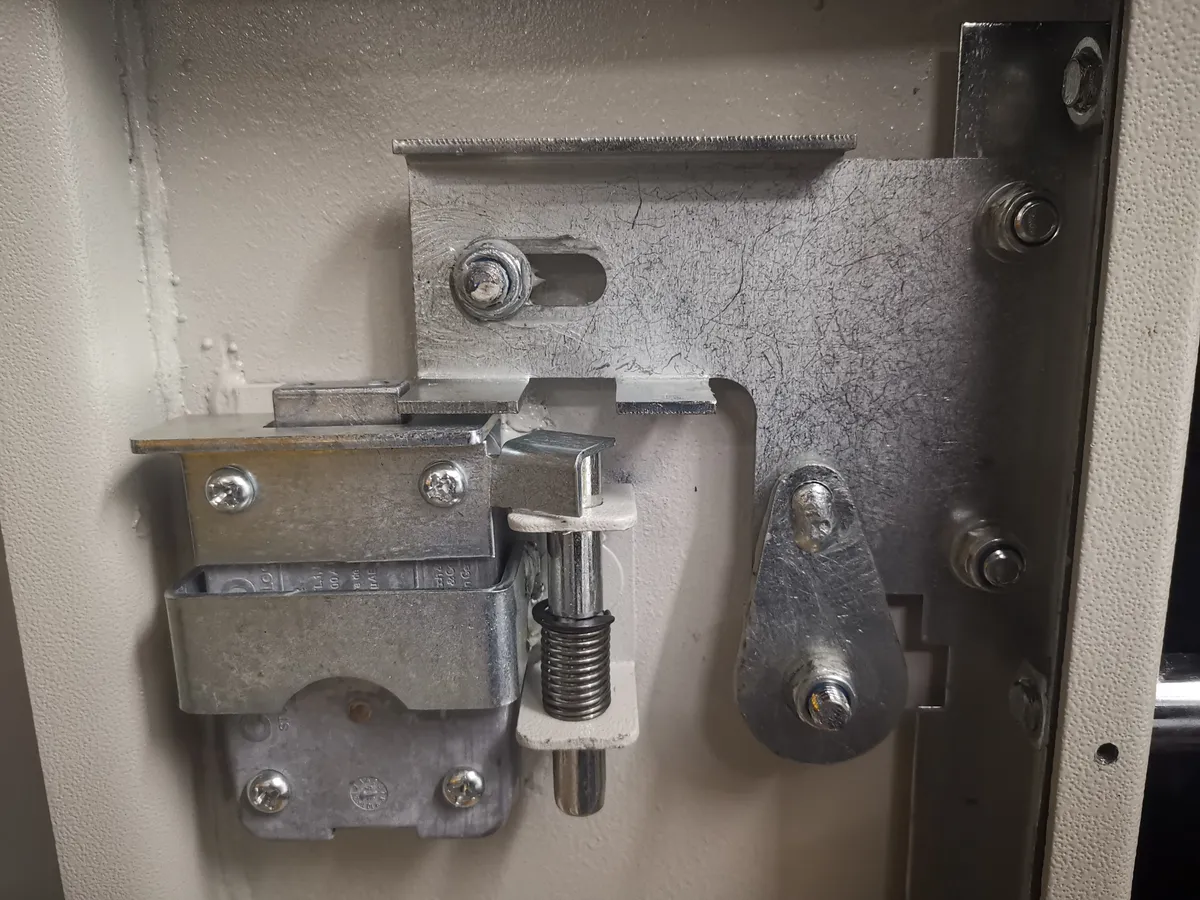
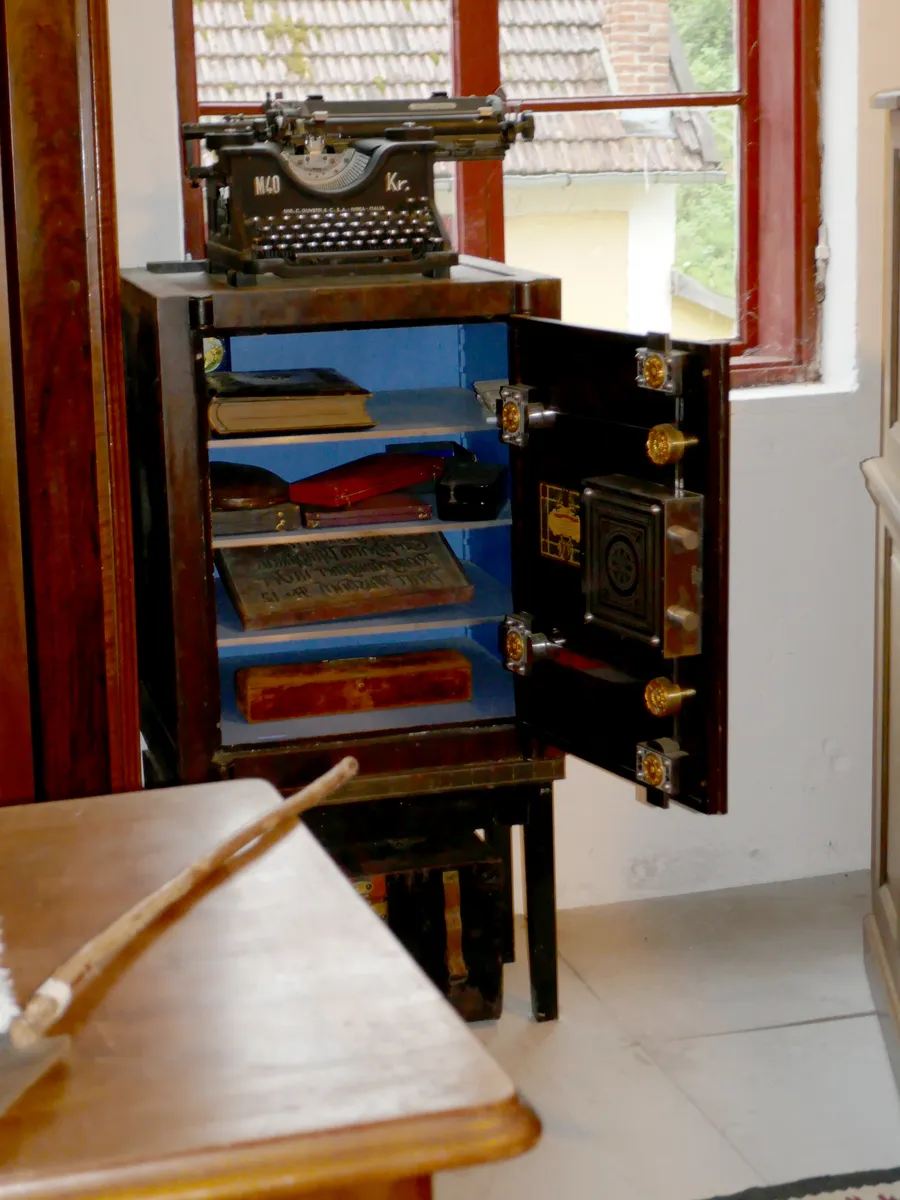
Here is the part that matters most and costs least: in residential burglaries, small safes are usually not attacked in place. They are carried out and opened elsewhere at leisure. A 25kg safe defeats nothing if it can be picked up. Bolting a safe to the floor through its pre-drilled anchor holes, into concrete or into a joist, changes the attack from "carry it away" to "defeat it here in a hurry," which is precisely what its rating is about.
If bolting down is impossible — a rental, an upstairs room — placement becomes the substitute. A safe hidden in an awkward, non-obvious location is meaningfully better than an unsecured one in a bedroom wardrobe, which is the first place searched. Do not put it in the master bedroom, and do not put it where a photograph of your living room might reveal it.
Locks: mechanical, electronic, biometric
Mechanical dial locks are slow to open, need no power, and last decades. They cannot be defeated by a dead battery and they cannot be reset if you forget the combination without a locksmith.
Electronic keypads are fast, allow code changes, and depend on batteries. Good ones retain the code in non-volatile memory and expose an external battery contact so a flat battery is an inconvenience rather than a lockout. Cheap ones put the battery compartment inside the safe, which is a design that guarantees exactly one bad day.
Biometric locks are convenient and the weakest link at consumer price points. Fingerprint readers on inexpensive safes have meaningful false-rejection rates, degrade with wet or cold fingers, and depend on both a battery and a sensor. If you buy biometric, insist on a keypad or key override, and be aware that some cheap implementations have been shown to be bypassable.
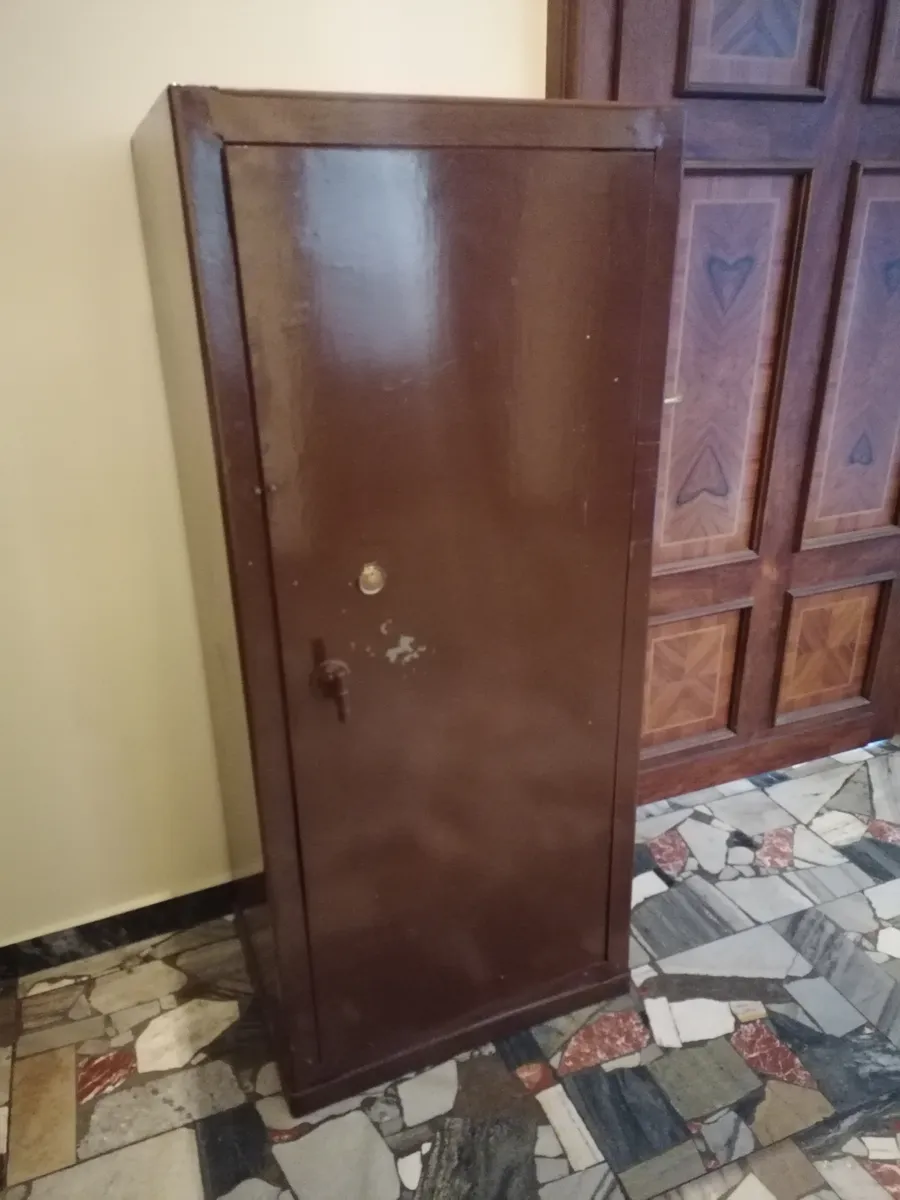
Whatever the lock, check the override method. Most safes ship with a backup key, and the single most common self-inflicted failure in this category is storing that key inside the safe or losing it entirely. Store it somewhere else — with a family member, or in a locked drawer at another address.
What belongs in a home safe, and what does not
Good candidates: passports and birth certificates, property deeds, vehicle titles, insurance policies, a copy of your will, an inventory of household valuables with photographs, spare house and car keys, a small amount of cash for a situation where cards do not work, and hardware wallet recovery information if you hold cryptocurrency.
Poor candidates: the original of a will, which many jurisdictions prefer held by a solicitor or lodged with a probate registry, partly because a safe nobody can open after a death is a genuine legal problem. Your only copy of any digital data. And anything valuable enough that its loss would be financially serious, which belongs in a bank.
One thing that belongs in a home safe and is usually forgotten: a written list of accounts, insurers, and contacts, plus instructions for how to access what. In an emergency the missing item is usually information rather than a document.
Our SentrySafe fireproof document box review covers four months of using the small end of this category, which is the right product for a household whose real need is document organisation with fire protection as a bonus.
The digital half of the problem
For anything that exists as a file, a safe is the wrong tool, and this is worth stating plainly because a lot of people buy a media safe when they should buy a backup plan.
The standard approach is three copies of important data, on two different types of media, with one copy off-site. In practice: the working copy on your computer, an encrypted external drive at home, and an encrypted cloud backup. That costs roughly $60-$100 for the drive and $30-$80 a year for cloud storage, and it survives fire, flood, theft, and drive failure — which no safe does.
Scan your documents while you are organising them. A passport, deed, or insurance policy stored as an encrypted file in that backup is recoverable from anywhere, which is more useful in an actual emergency than a paper original in a box you cannot reach. Keep the paper too, since some originals have legal weight, but stop treating the paper as the only copy.
The recovery credentials for that backup should be protected properly, which is where hardware security keys come in — our security key and 2FA buying guide covers that side, including the two-key rule that prevents locking yourself out of the backups you just made.
Bank deposit boxes: the comparison worth doing
A bank box costs roughly $30-$100 a year depending on size and region. It provides vault-grade fire and theft protection that no residential safe approaches. The trade-offs are access hours, the fact that contents are generally not insured by the bank, and the practical problem that a passport in a bank vault is unavailable on a Sunday when you need it for a flight.
The sensible split for most households: frequently-needed documents and small emergency cash at home in a bolted-down, fire-rated safe; genuinely high-value or irreplaceable items in a bank box; and everything digital in an encrypted three-copy backup.
A buying checklist
Independently certified fire rating, with the internal temperature limit stated, not just the duration. A water rating if flooding or firefighting water is plausible. Pre-drilled anchor holes and the bolts to use them, and a plan for where it will be anchored. A lock with an override you can access from outside the safe. Interior dimensions large enough for A4 documents lying flat, since folded documents in a small box is a daily irritation. And a separate media compartment only if you have genuinely decided a safe is where digital media will live, which it usually should not be.
Then do the unglamorous part: put the contents in, write down what is in it, tell one other person the location and how to get in, and store the override key elsewhere. A safe nobody but you can open is a single point of failure dressed up as security.
More coupon shopping advice

Home Security Camera Buying Guide: Local vs. Cloud Storage
A practical, balanced buying guide to home security cameras that weighs local storage against cloud subscriptions, wired versus battery power, camera placement, night vision, smart detection accuracy, and smart home integration.

Beginner Mirrorless Camera Buying Guide
A practical, honest walkthrough of what actually matters when buying your first mirrorless camera, from sensor size and lens mounts to autofocus, video specs, and the real total cost of a beginner-friendly system.

Air Purifier Buying Guide: CADR, ACH, and Filter Costs Explained
A practical walkthrough of the numbers that actually matter when buying an air purifier — CADR and ACH for sizing, true HEPA versus marketing terms, real three-year filter costs, realistic noise levels, and when a purifier won't help at all.