
Cordless Power Tool Buying Guide: You Are Choosing a Battery Platform
The drill matters less than the battery system behind it. Voltage, amp-hours, and brushless motors explained without the marketing.
The most consequential decision in cordless power tools is not which drill you buy. It is which battery you buy, because the battery decides every tool you buy for the next decade. Manufacturers know this, which is why entry-level drill kits are priced aggressively and bare tools — the same tool without a battery — cost a fraction of the kit price. The kit is the hook; the platform is the product.
This guide is about choosing that platform deliberately, understanding what voltage and amp-hour figures actually mean, and knowing which tools genuinely need to be cordless in the first place.
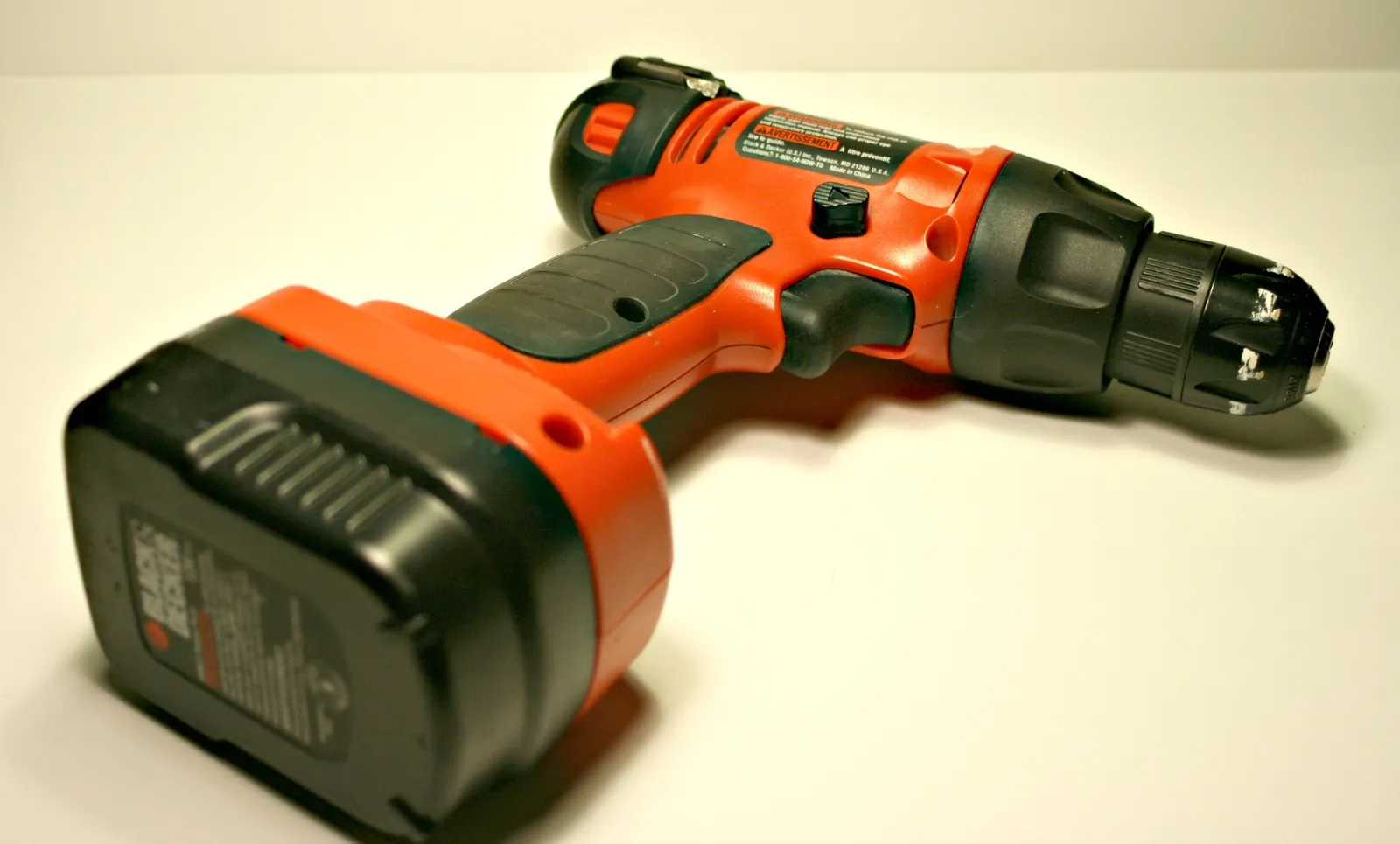
The quick answer
For hanging shelves, flat-pack furniture, and occasional household jobs: a 12V brushless drill/driver kit with two batteries. Budget $100-$180. It is lighter, fits in tight cabinets, and does 90% of household work.
For renovation, decking, framing, or anything into masonry: an 18V/20V platform with a hammer drill and an impact driver. Budget $200-$350 for the two-tool kit.
For a single job with no plans to do another: rent, or buy the cheapest corded drill. A corded drill at $45 out-torques most cordless units and never has a flat battery.
Whatever you choose, choose the platform first and check that the brand sells the other tools you might plausibly want — a sander, a circular saw, a strimmer — on that same battery.
Voltage and amp-hours, decoded
Voltage roughly corresponds to power. 12V tools are compact and adequate for screws, small holes, and assembly. 18V or 20V — which are the same thing, marketed differently, since a "20V max" pack is an 18V nominal pack measured at no load — handles larger holes, masonry, and sustained work. Anything above that in the consumer market is generally for saws and outdoor equipment.
Amp-hours describe capacity, not power. A 5.0Ah battery runs roughly two and a half times longer than a 2.0Ah battery on the same tool, and weighs about twice as much. That trade matters more than people expect: a 5.0Ah pack on a drill held overhead all afternoon is genuinely tiring, and two 2.0Ah packs swapped over is often the better arrangement.
The specification that predicts real capability is torque, quoted in newton-metres. A 12V drill delivering 40Nm handles screws and small holes. An 18V unit at 70-90Nm drives large fixings and bores through joists. Impact drivers are quoted separately and much higher — 150-200Nm — because they deliver rotational hammer blows rather than steady torque.
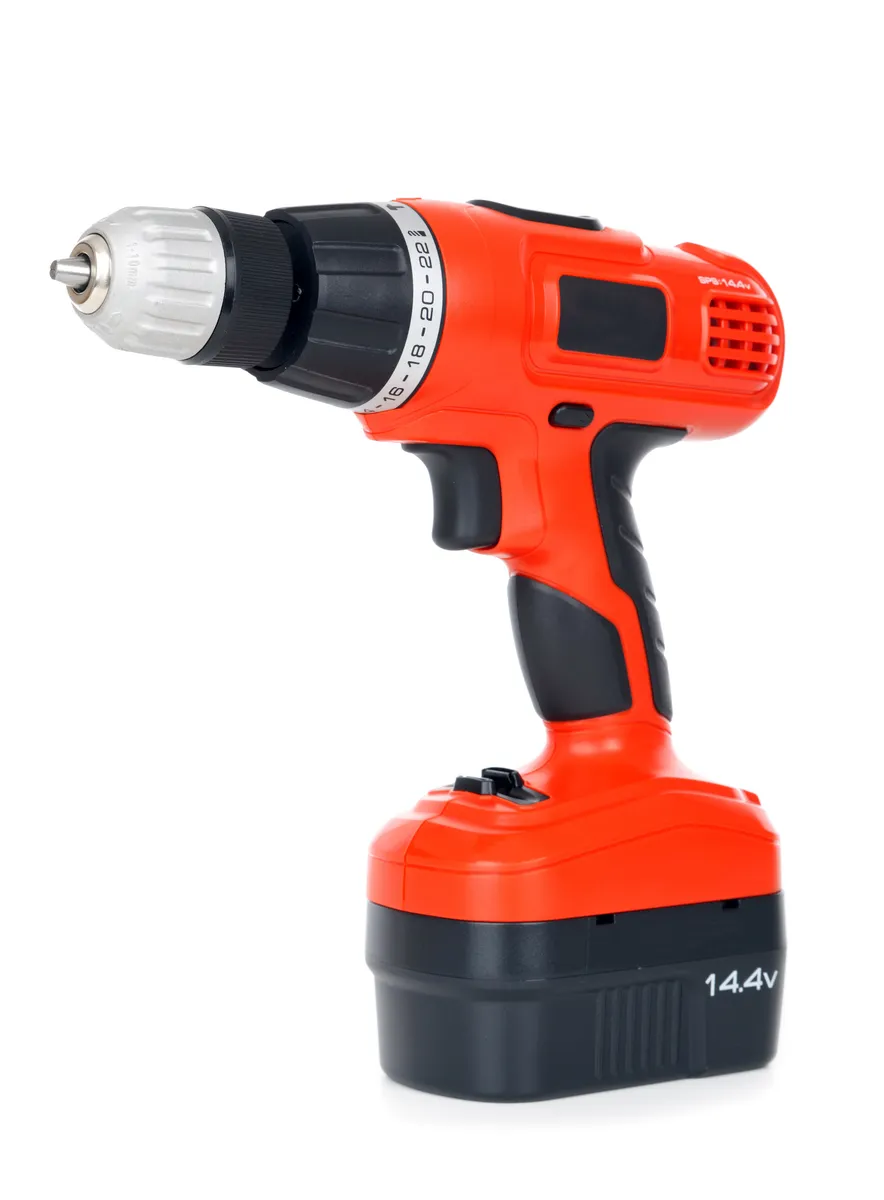
Brushless motors: worth the premium now
Brushed motors use carbon brushes pressing against a spinning commutator to switch current. They are cheap, they waste energy as friction and heat, and the brushes wear out. Brushless motors switch electronically, which means no wear surface, less heat, and roughly 30-50% more runtime from the same battery.
Brushless also allows the tool to sense load and adjust, so it delivers more torque when the bit bites and backs off when it does not. In practice this shows up as a tool that does not stall as readily and does not get hot during a long run of screws.
The premium used to be substantial and has narrowed to roughly $30-$50 on a drill. At that price it is worth paying for a tool you intend to keep, and it is the single upgrade most likely to make the tool feel better rather than merely spec better.
Drill, driver, hammer drill, impact driver
These names are used loosely in marketing and describe genuinely different machines.
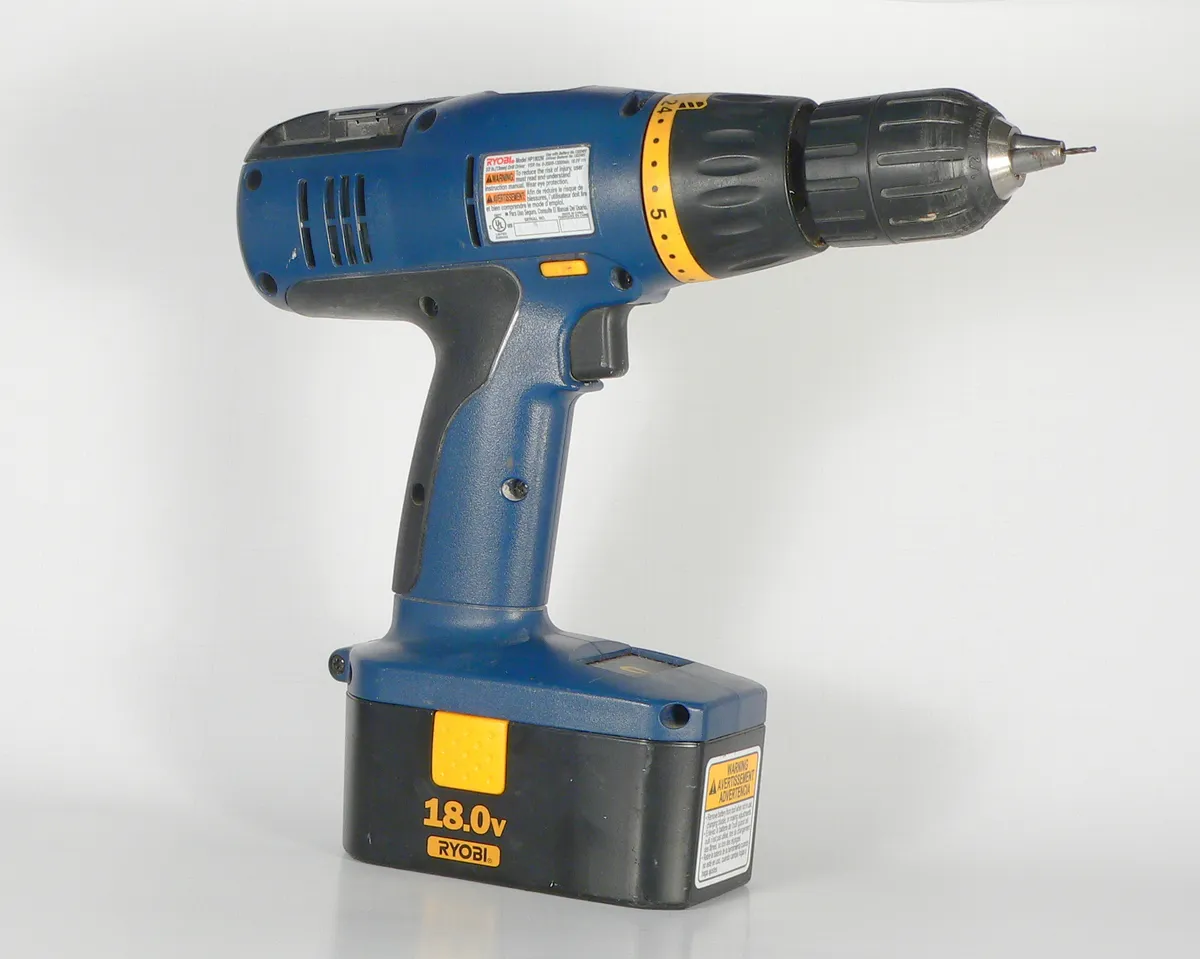
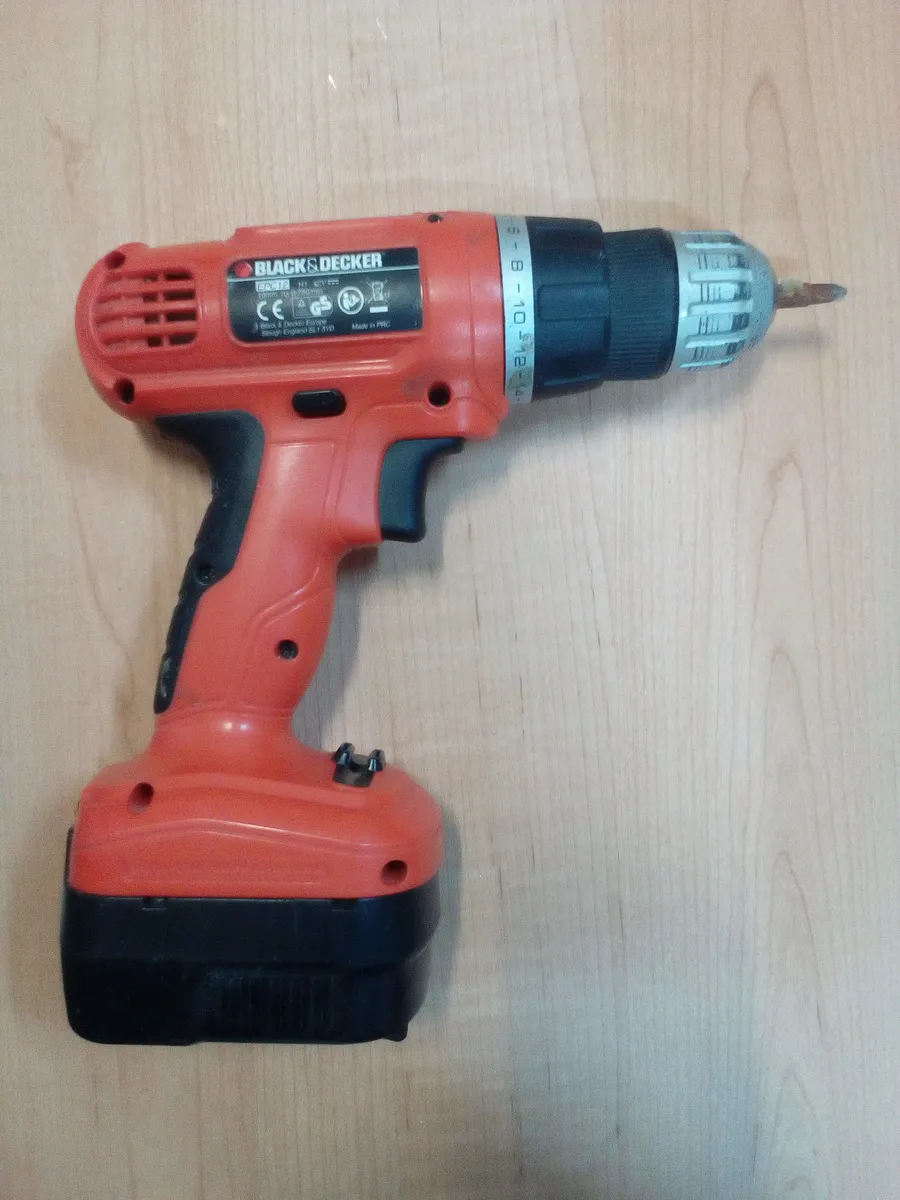
A drill/driver has a keyless chuck accepting round and hex bits, an adjustable clutch that slips at a set torque to avoid overdriving screws, and two speed ranges. This is the general-purpose tool and the correct first purchase.
A hammer drill adds a percussive forward action while rotating, which is what lets it cut into brick, block, and concrete. Without it, a masonry bit in an ordinary drill polishes the hole and goes nowhere. If you will ever fix anything to a masonry wall, you need this function.
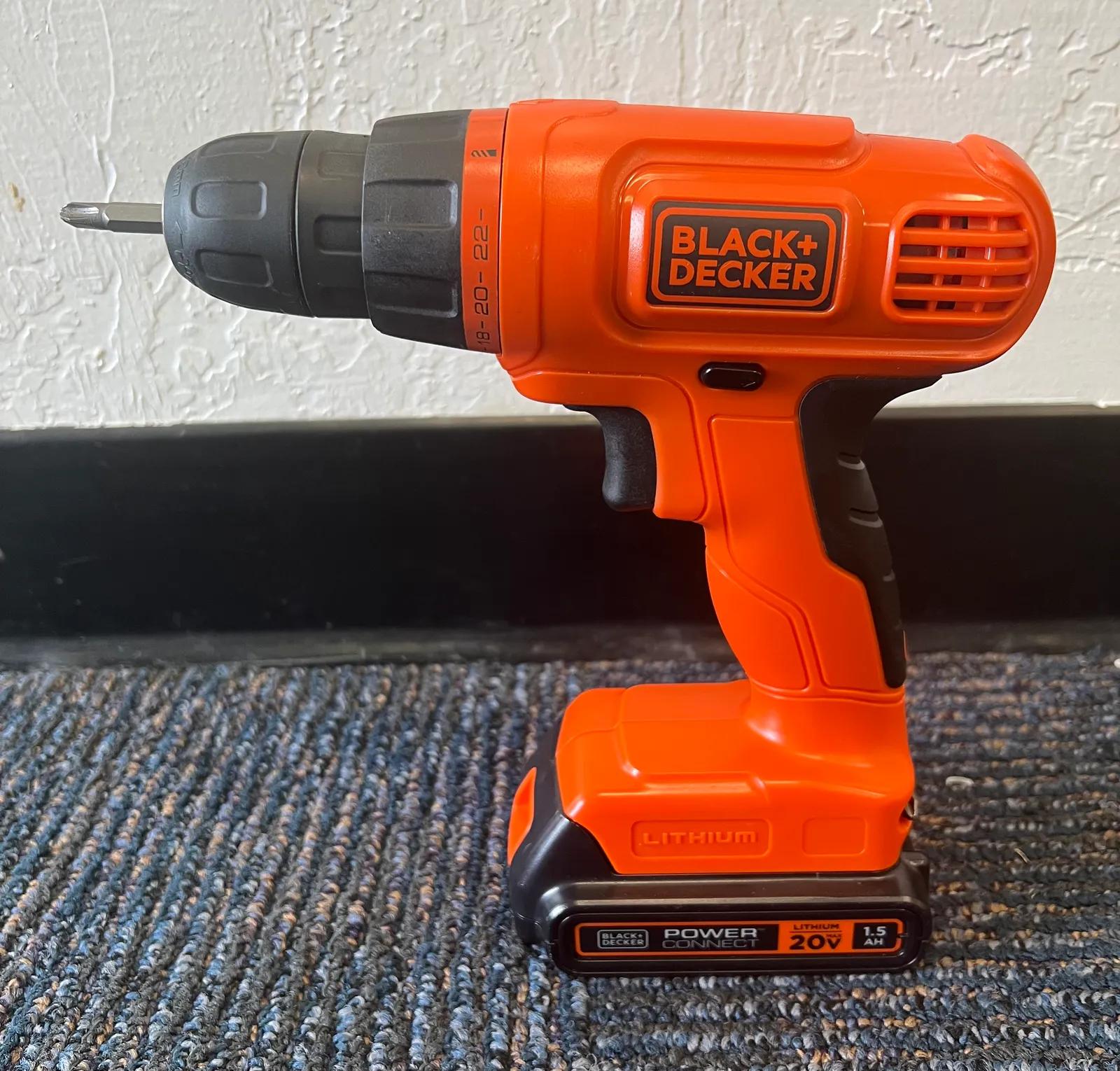
An impact driver takes hex bits only, has no clutch, and delivers rapid rotational hammer blows. For driving long screws and lag bolts it is dramatically better than a drill — less wrist strain, no cam-out, and far more speed. It is also loud and unsubtle, and it will snap small screws and strip soft materials. It complements a drill rather than replacing one.
The two-tool kit combining a drill/driver and an impact driver is the standard recommendation for anyone doing more than picture hooks, because the combination removes the constant bit-swapping that makes a single-tool workflow tedious.
Batteries: what actually kills them
Lithium-ion packs degrade through heat and through being held at extremes of charge. Three habits extend life considerably.
Do not leave a hot pack on the charger immediately after heavy use. Charging a warm cell accelerates degradation, and most chargers will simply wait, but many people plug in and walk away without noticing the fault light.
Do not store packs fully charged or fully flat for months. Around half charge is the storage state that ages slowest. A pack left empty over a winter can drop below the voltage at which the protection circuit will allow charging at all, at which point it is scrap.
Do not store them in a cold shed or a hot car. Cold packs deliver much less current temporarily; hot packs degrade permanently.
Expect five to eight years of light use from a good pack, or two to four years of heavy professional use. Batteries are the consumable in this category and they are expensive — often $60-$120 each — which is exactly why platform choice matters. Also check whether the brand still supports its older battery form factor, because a discontinued fitting means replacement packs come only from third parties of uncertain quality.
Platform lock-in, honestly
Committing to a platform is a real and reasonable strategy: once you own three batteries and a charger, buying bare tools at 40-60% of kit price makes expanding cheap. A sander, a light, a strimmer, and a leaf blower on batteries you already own is genuinely good value.
The risks are worth naming. Brands discontinue battery formats, which strands a collection. Retailer-exclusive house brands can vanish entirely, leaving no spare parts. And the cheapest platforms often have the thinnest tool range, so the sander you want in two years may not exist on it.
Before committing, check three things: how many tools the brand sells on that battery, whether bare tools are readily available separately, and whether the battery format has been stable for several years. A platform with fifty tools and a decade-old battery fitting is a safer ten-year bet than a slightly better drill on a two-year-old system.
Multi-brand ownership is worth avoiding but not worth agonising over. Many households end up with one 18V platform for building work and a separate 12V for furniture assembly, which is a sensible split rather than a mistake.
Where corded and manual still win
Corded tools deliver constant power indefinitely and cost less for the same capability. For anything stationary and long-running — a bench sander, a table saw, a mitre saw — corded is the better choice, and the extension lead is not a real inconvenience next to a workbench.
Manual tools deserve more credit than they get in a battery-obsessed market. A hand screwdriver gives better feel and control on small brass screws that a driver will strip. A hand plane, a good chisel, and a proper handsaw need no charging and last generations. And a multitool covers the small jobs that would otherwise mean fetching a drill — our Leatherman Wave Plus review covers four months of exactly that role, where the pliers get used far more than anything else on it.
Safety, briefly and seriously
Impact drivers and hammer drills generate noise above the level at which prolonged exposure causes hearing damage; ear protection costs $12. Drilling masonry produces fine silica dust, which is a genuine long-term respiratory hazard rather than a nuisance, so use a proper particulate mask, not a dust mask from a cheap pack.
Use the side handle if the drill has one. A large bit binding in a joist can twist a drill out of your hands hard enough to injure a wrist, and the handle exists precisely for that torque reaction.
And check for cables and pipes before drilling into a wall. A $25 detector is cheaper than any of the outcomes it prevents.
What to actually buy, in order
First, a brushless drill/driver on a platform with a wide tool range, with two batteries and a charger. Second, a decent set of bits — a $30 set of quality drill bits and driver bits improves results more than a better drill would, since a blunt bit makes any drill feel weak. Third, a masonry-capable hammer function if your walls are brick or block.
Then stop and use it for six months. The tool you find yourself wanting after that is the one worth buying, and it is frequently not the one you would have guessed — for most households it turns out to be an impact driver or a small sander rather than the circular saw the marketing suggests.
One last cost note: a drill kit at $99 with a brushed motor and one 1.5Ah battery is not cheaper than a $170 brushless kit with two 2.0Ah packs. It is a smaller purchase that you replace, and the batteries alone will cost most of the difference when they fail in year three.
More coupon shopping advice

Home Security Camera Buying Guide: Local vs. Cloud Storage
A practical, balanced buying guide to home security cameras that weighs local storage against cloud subscriptions, wired versus battery power, camera placement, night vision, smart detection accuracy, and smart home integration.

Beginner Mirrorless Camera Buying Guide
A practical, honest walkthrough of what actually matters when buying your first mirrorless camera, from sensor size and lens mounts to autofocus, video specs, and the real total cost of a beginner-friendly system.

Air Purifier Buying Guide: CADR, ACH, and Filter Costs Explained
A practical walkthrough of the numbers that actually matter when buying an air purifier — CADR and ACH for sizing, true HEPA versus marketing terms, real three-year filter costs, realistic noise levels, and when a purifier won't help at all.