
Travel Packing Guide: Weight Runs Out Before Space Does
Packing cubes organise rather than compress, vacuum bags do nothing for weight, and a $12 scale is the best purchase in the category.
Packing advice tends to be a list of products. The actual problem is arithmetic: a fixed volume, a fixed weight allowance, and a variable number of days. Once you treat it that way, most of the packing-product market resolves into two useful categories and a lot of expensive fabric boxes.
This guide covers the volume and weight numbers that constrain everything, which organisers genuinely earn their space, how compression actually works, and the tracking and documentation habits that matter when a bag goes missing. It assumes you have already chosen a bag — our carry-on suitcase buying guide covers that decision — and now need to fill it well.
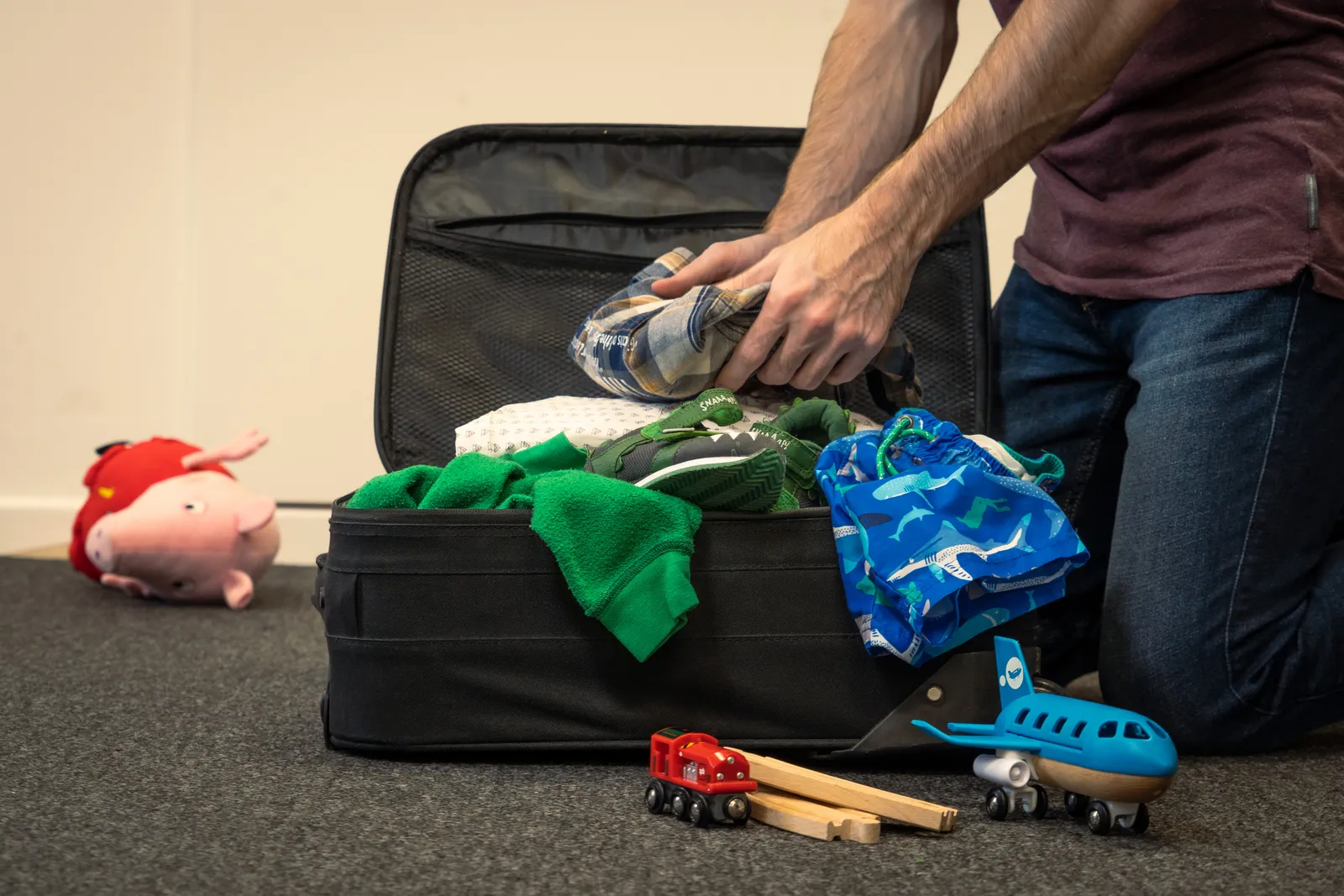
The quick answer
Buy packing cubes — three or four, not a ten-piece set. They do not save space; they make a bag searchable, which is the actual benefit and is worth $25-$40.
Buy a luggage scale, roughly $12. Excess baggage fees run $50-$100 per bag at the gate, so it pays for itself the first time it stops you repacking on an airport floor.
Buy a tracker tag for any bag you check. It will not get the bag back on its own, and knowing your bag is still in the departure city is genuinely useful information when filing a claim.
Skip vacuum bags for air travel, skip the ten-piece organiser sets, and skip anything that adds weight to solve a volume problem — in air travel, weight is usually the binding constraint, not space.
The numbers that constrain everything
A typical carry-on holds 35-45 litres. A checked bag holds 60-100 litres. Airline weight limits are commonly 7-10kg for carry-on and 20-23kg checked, and low-cost carriers enforce carry-on weight far more often than legacy airlines.
Here is the useful realisation: a 40-litre carry-on filled with clothing weighs roughly 8-11kg, which means a full carry-on is often already over a 7kg limit. Volume and weight run out at about the same time with clothes, and weight runs out first the moment you add shoes, books, or electronics.
Practical consequences. Shoes are the worst weight-to-utility item in any bag at 400-900g per pair; two pairs is the honest maximum and one pair worn plus one packed is better. A laptop plus charger is 1.5-2.5kg, which is a fifth of a carry-on allowance. And liquids are heavy — a full 100ml bottle set weighs 500-700g, which is why solid alternatives matter more than they seem to.
Packing cubes: what they do and do not do
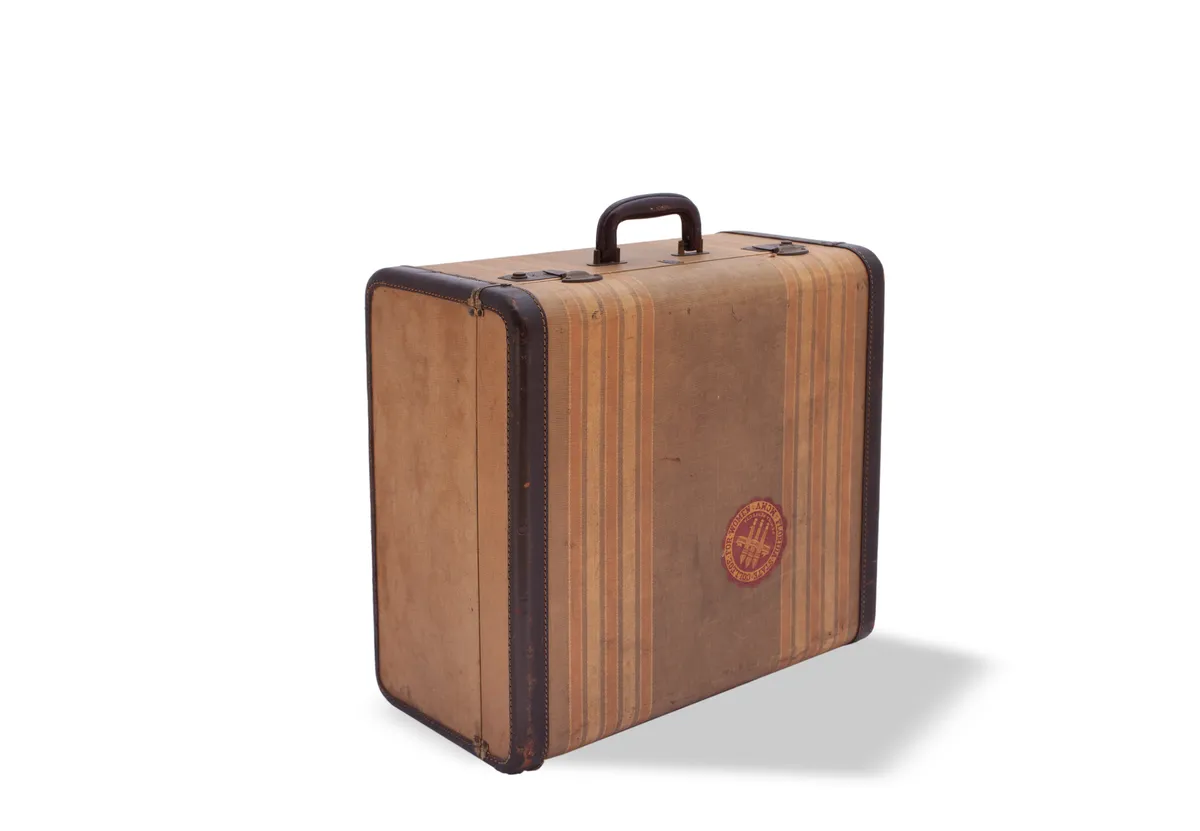
The common claim is that cubes save space. They do not, and it is worth being clear about why: putting clothes inside a fabric box adds the volume of the fabric and prevents items filling the awkward gaps around the bag's edges. Loose packing is marginally more space-efficient.
What cubes actually provide is organisation and stability. A bag with four labelled cubes can be searched without unpacking, which over a two-week trip with several hotels is the difference between a tidy bag and an explosion. They also stop everything shifting into one end when the bag is upended, which is why the contents look packed on day one and chaotic by day three without them.
Choose three or four in sizes matched to categories you actually think in — tops, bottoms, underwear and socks, and one for laundry. Ten-piece sets contain sizes with no purpose. Look for a wide mesh panel so you can see contents, and a double zip so a full cube opens without fighting.
Compression cubes, with a second zip that squeezes air out, do reduce volume for bulky soft items — fleece, knitwear, puffy jackets. They do nothing for jeans and t-shirts, which have little trapped air, and they add weight. Buy one for the bulky things rather than a full set.
Rolling, folding, and what actually reduces wrinkles
Rolling suits knits, t-shirts, jeans, and anything you would not iron. It also fills gaps well, since rolls flex into odd spaces.
Folding suits structured items — shirts, tailored trousers, blazers — because a fold along an existing seam creates one deliberate crease instead of many random ones.
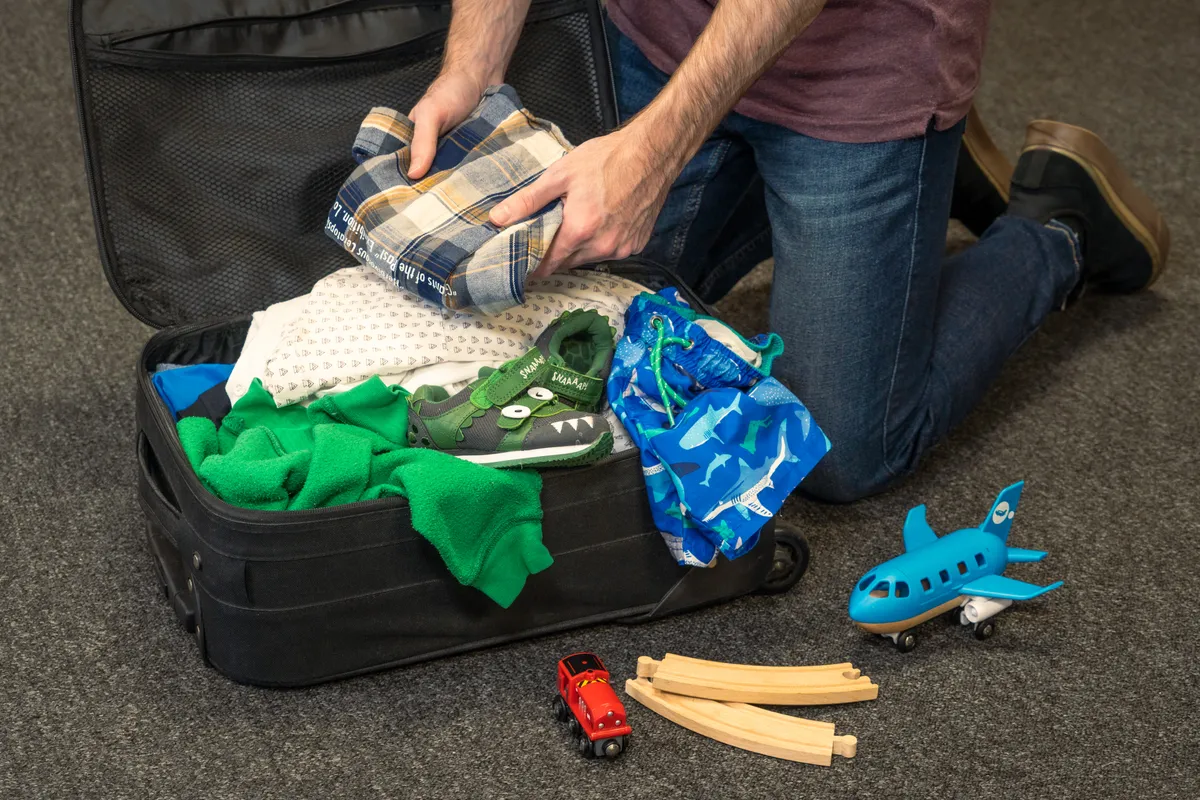
The bundle method — wrapping garments around a central core in layers — genuinely produces the fewest creases and is the most tedious to unpack, since removing one item disturbs the bundle. It suits a single-destination trip and not a multi-stop one.
Two habits that do more than any technique. Pack the heaviest items nearest the wheels in a roller, which keeps the bag stable rather than tipping. And put anything that could leak inside a sealed bag, because a burst shampoo bottle in a packed case is the single most expensive packing failure available.
For wrinkles specifically: a garment steamer at your destination is not needed. Hanging clothes in a bathroom during a hot shower handles most creasing, and choosing fabrics that resist it — wool, synthetic blends, heavier cotton — handles the rest. Our wardrobe basics guide covers which fibre compositions travel well, since the fabric choice matters more than the folding.
Vacuum bags: the trap
Vacuum compression bags reduce volume dramatically and are genuinely useful for storage at home and for driving holidays. For flying they are usually a mistake, for three reasons.
Weight is unchanged. Compressing clothes into half the volume does not remove a gram, and if weight is your limit you have gained nothing while adding the bag's own mass.
You cannot re-compress at your destination without a vacuum cleaner, so the return journey is packed loose in a bag sized for compressed contents. Roll-up bags that need no vacuum partially solve this and compress less.
And compressed clothing emerges heavily creased, because it has spent a day under pressure in a shape it did not choose.
The daypack question
Most travel works better with two bags: a main bag that stays where you sleep, and a small daypack you carry. Airlines generally allow a personal item alongside carry-on, and a packable daypack weighing 200-400g fits that role without eating the allowance.
Three things to check on a daypack. Whether it packs into itself or flattens, since a rigid daypack occupies volume in the main bag on travel days. Whether it has a padded laptop sleeve if you carry one, because an unpadded bag with a laptop is a bag you cannot put down. And whether the straps are wide enough to carry comfortably for a full day of walking, which is where cheap packable bags fail.
Our Osprey Daylite review covers fourteen months as both a commuter and travel bag, which is the dual role most people actually need one for. And our Away The Carry-On review covers eighteen months and forty flights of the main-bag side, including how the hard shell and wheels hold up.
Tracking, documentation, and what to do when a bag vanishes
Airline mishandling rates run around a handful of bags per thousand passengers, which is low per trip and adds up over a lifetime of travel. Two cheap habits change the outcome substantially.
Put a tracker tag inside every checked bag, and understand its limits: it reports position when it passes near a compatible phone, which is reliable in airports and cities and non-existent in a cargo warehouse with nobody around. What it reliably tells you is whether the bag left your departure airport, which is exactly the fact airline staff are often unable to confirm. Our Apple AirTag review covers two months of tracking checked luggage through real flights.
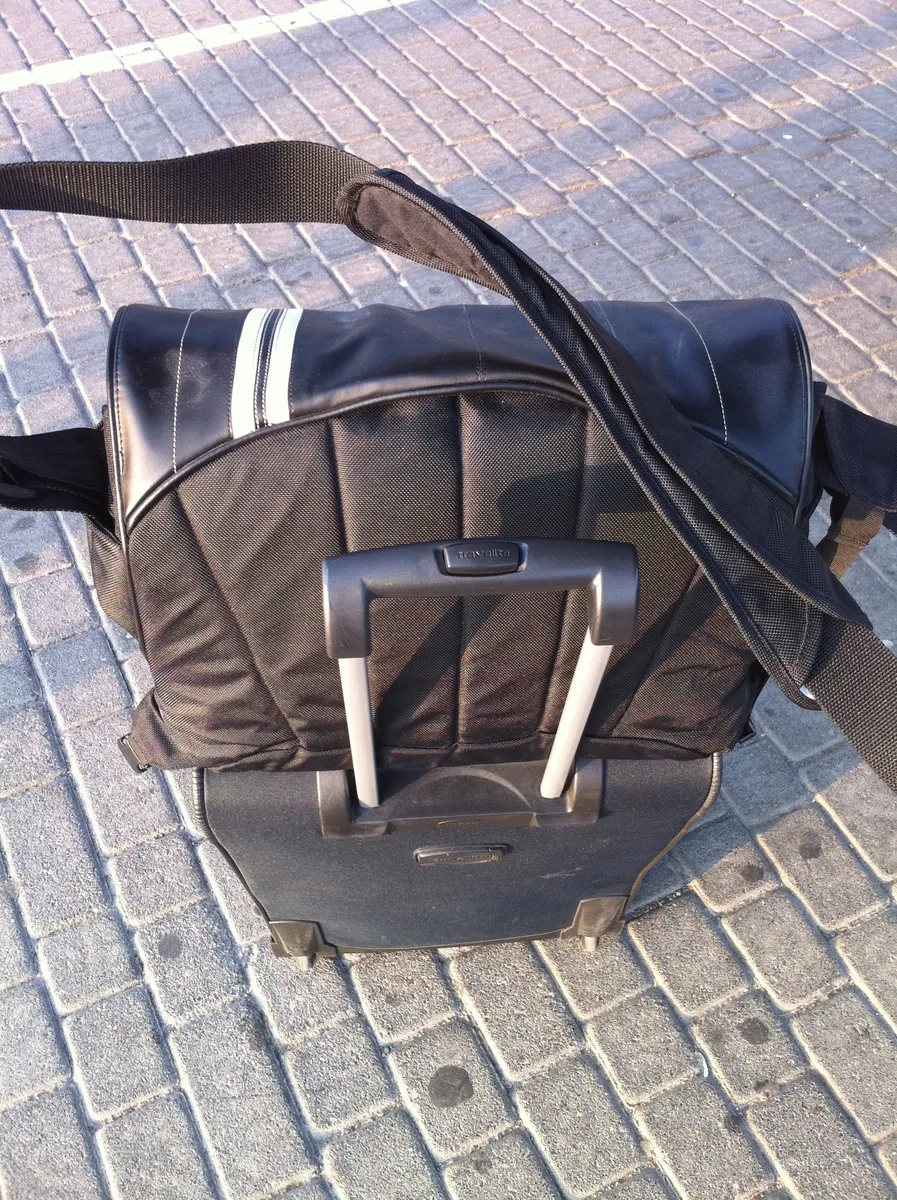
Photograph the packed contents and the outside of the bag before you check it. Claims for delayed or lost luggage require an itemised list, and reconstructing one from memory under time pressure reliably understates the value. Two photographs take thirty seconds.
Then pack for the failure case: medication, a change of clothes, chargers, and anything irreplaceable go in the bag that stays with you. Airlines pay compensation for delay, and no compensation replaces prescription medication in a country where you cannot buy it.
Toiletries, liquids, and the weight nobody counts
Liquids are the densest thing most people pack and the easiest to reduce. The standard cabin allowance is containers of 100ml or less in a one-litre transparent bag, and the enforcement detail that catches people is that the container size matters, not the amount inside — a half-empty 200ml bottle gets confiscated.
Solid alternatives cut both weight and risk. Shampoo bars, solid conditioner, toothpaste tablets, and stick sunscreen all remove liquid volume entirely and cannot leak. A full liquid toiletry set weighs 500-700g; the solid equivalent is closer to 150g and passes security without a bag.
Refillable silicone travel bottles are worth $10 and are better than hotel miniatures for anything you actually care about. Fill them to about 80%, because air pressure changes at altitude push contents out of a completely full bottle — the most common cause of a shampoo leak in a cabin bag.

One more note on electronics, since they are the other dense category. Lithium battery rules require power banks and spare batteries in cabin baggage rather than checked bags, with capacity limits — commonly 100Wh without approval. A universal adapter with USB-C ports replaces three chargers and saves 200-300g, which is a real fraction of a carry-on allowance.
A packing method that works
Lay everything out before it goes near the bag, then remove a third. This sounds glib and it is the most reliable single intervention, because almost everyone over-packs clothing and under-packs nothing.
Plan around a wearable core: bottoms that go with every top, one colour palette, and one pair of shoes worn plus one packed. Five days of clothing covers a two-week trip if you do laundry once, which costs a few coins and an hour.
Weigh the bag at home with the scale, with everything in it including the toiletries. Then check the airline's specific carry-on dimensions for the flight you booked, not the airline's general policy, since low-cost carriers sell different allowances on the same route.
Finally, keep a reusable packing list in a note on your phone and edit it after each trip — adding what you missed and deleting what you never touched. After three or four trips it converges on something short and correct, which is worth more than any product on this page.
More coupon shopping advice

Home Security Camera Buying Guide: Local vs. Cloud Storage
A practical, balanced buying guide to home security cameras that weighs local storage against cloud subscriptions, wired versus battery power, camera placement, night vision, smart detection accuracy, and smart home integration.

Beginner Mirrorless Camera Buying Guide
A practical, honest walkthrough of what actually matters when buying your first mirrorless camera, from sensor size and lens mounts to autofocus, video specs, and the real total cost of a beginner-friendly system.

Air Purifier Buying Guide: CADR, ACH, and Filter Costs Explained
A practical walkthrough of the numbers that actually matter when buying an air purifier — CADR and ACH for sizing, true HEPA versus marketing terms, real three-year filter costs, realistic noise levels, and when a purifier won't help at all.