
Carry-On Suitcase Buying Guide: Hardshell vs. Softshell, and What Actually Matters
A practical, no-hype guide to choosing a carry-on suitcase, covering hardshell vs. softshell tradeoffs, spinner vs. inline wheels, real airline size-limit variance, empty-shell weight, compression systems, and when a cheap suitcase is genuinely the right call.
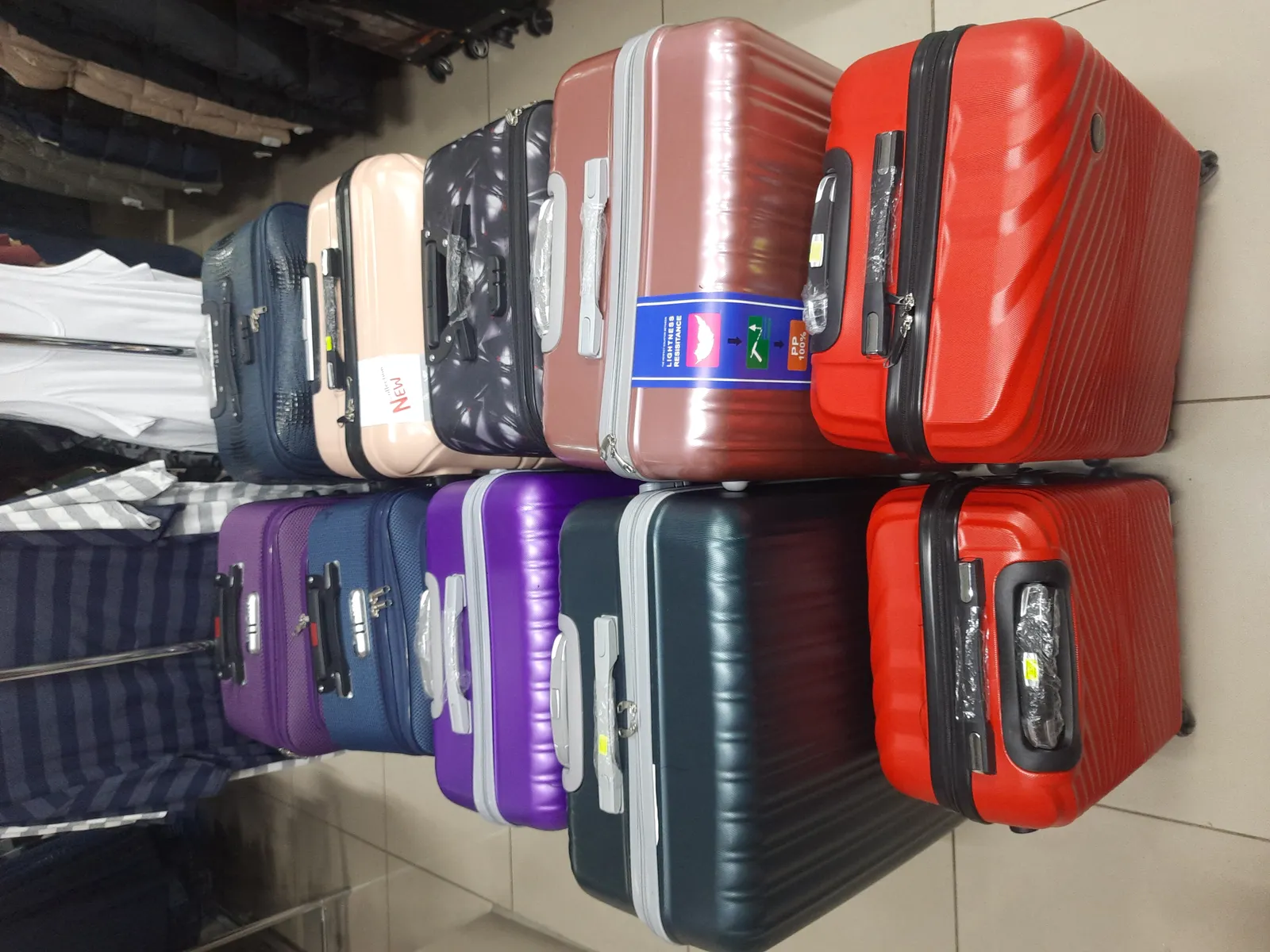
Buying a carry-on is one of those purchases that looks simple until you actually stand in front of a wall of suitcases at the store, or a grid of near-identical listings online, and realize every single one claims to be "the best." Hardshell or softshell. Spinner wheels or two-wheel inline. A $60 option next to a $400 one that looks almost the same. If you travel more than a couple of times a year, the suitcase you pick affects your trip in small but constant ways: whether it survives baggage handlers, whether it fits in the overhead bin on a regional jet, whether you can actually zip it shut on the way home.
This guide is for anyone buying a carry-on who wants to understand what the differences actually mean in practice, not just marketing copy. It is not a single-product review — for that, we have a hands-on look at the Away Carry-On if you want to see how one specific popular option holds up. Here, the goal is to help you decide what kind of suitcase fits how you actually travel, so whatever you buy, you buy the right shape of thing.
Quick answer
If you only read one section, here it is. Fly a handful of times a year, mostly on full-size domestic jets, and mostly care about price and low-maintenance durability: a softshell spinner in the $80-150 range is genuinely fine, and buying a $350 hardshell won't make your trips noticeably better. Fly often, on a mix of regional jets and international carriers, or care about protecting fragile items and looking sharp for work travel: a polycarbonate hardshell in the $150-300 range earns its keep. Fly constantly for work, gate-check often, or check the bag as often as you carry it on: spend more on a suitcase with a genuine lifetime structural warranty and replaceable wheels, because you'll be the one testing that warranty. Everyone, regardless of budget, should measure their airline's actual carry-on dimensions before buying — not "carry-on size" as a marketing label, which varies by several inches between airlines.
Hardshell vs. softshell: what the material actually changes
Hardshell suitcases are molded from polycarbonate, ABS, or a polycarbonate/ABS blend, sometimes with an aluminum frame at the high end. Softshell bags are built from nylon or polyester over an internal frame, usually with exterior pockets. The material choice affects five things that actually matter on a trip, not just the look.
Protection for contents. A hardshell protects better against crushing — if your bag gets stacked under heavier luggage in an overhead bin or a cargo hold, the rigid shell distributes that force instead of transmitting it straight to whatever's inside. This matters if you pack anything fragile: a bottle of wine, ceramics, camera gear you didn't want to carry separately. A softshell relies on how you pack around the fragile item, which is less predictable.
Flex and overpacking. This cuts the other way for softshell. Most soft bags have some give and often an expansion zipper that adds an extra inch or two of depth when you need it after a shopping trip. A hardshell is a fixed volume — what you see is what you get, full stop. If you're the kind of traveler who buys souvenirs and needs to squeeze one more sweater in on the way home, that flex is a real practical advantage, not a minor one.
Exterior storage. Softshell bags typically have front pockets for a laptop, a water bottle, boarding passes — things you want without opening the main compartment. Hardshells are usually just the shell, so anything you want quick access to has to live in a separate personal item.
Weight of the empty shell. This is the one buyers most often miss, and it's worth its own section below because it directly eats into your airline weight allowance.
Scuffing and visible wear. Hardshells show scratches and scuffs cosmetically — polycarbonate in particular scuffs at the corners from being tossed onto gate-check carts, and while it rarely affects function, an off-white or light-colored hardshell can look beaten up within a year of regular flying. Softshell fabric hides scuffs better but is more vulnerable to actual tears, especially from sharp conveyor-belt edges or being caught on a cart. Neither material is "more durable" in an absolute sense — they fail differently.
Wheels: spinner vs. inline, and why it's not just a convenience feature
Almost every carry-on sold today has one of two wheel setups, and the difference is bigger than most buying guides admit.
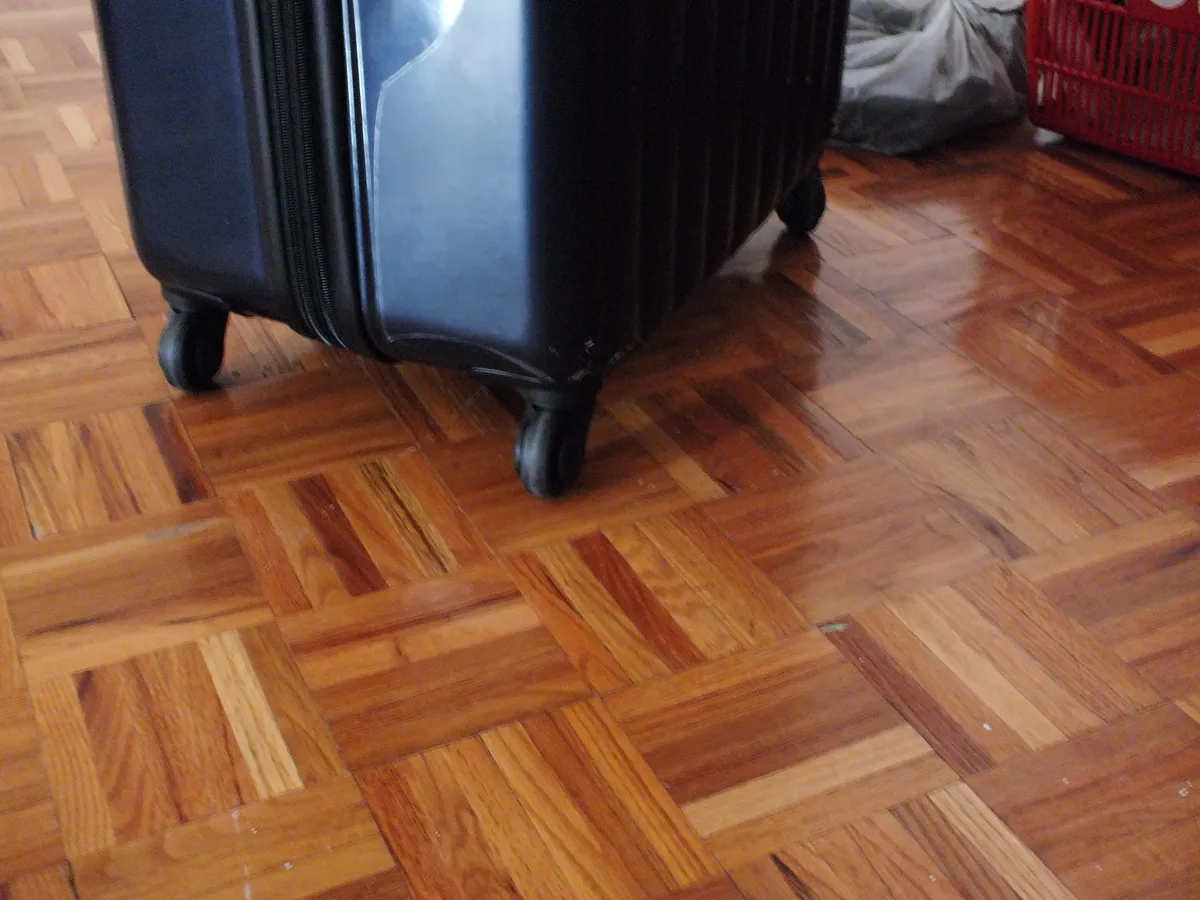
Spinner (four-wheel, 360-degree) wheels let the bag roll upright next to you, in any direction, with a light push. This is genuinely more comfortable for walking through an airport at a normal pace on flat, smooth floors — you're not tilting the bag or pulling weight through your wrist. The tradeoff is stability: spinner bags can roll away on a slope (a jet bridge, an airport ramp) if you're not holding them, and the wheel housings stick out from the corners, which is exactly where they get clipped by carts and curbs. Each wheel is also a simpler, more failure-prone unit — four small wheel assemblies instead of two larger ones, and losing one makes the bag noticeably harder to roll.
Inline (two-wheel) skate wheels require you to tilt the bag back and pull it, like older rolling luggage. It's more physical effort and a bit harder on uneven ground (cobblestones, gravel lots, curbs without ramps), but the wheels are bigger, recessed or better protected, and there are only two of them to fail. Inline bags also tend to sit more securely when parked — they won't roll off on their own on a slight grade.
Neither is objectively better; they suit different trips. If you're mostly navigating smooth airport floors and city sidewalks, spinner wheels are the more comfortable daily experience. If you frequently deal with rough terrain, need the bag to stay put without being held, or travel somewhere wheel repairs aren't easy to source, inline wheels are the more forgiving choice. Whichever you choose, check whether the wheels are user-replaceable — on suitcases in the $150+ range this is increasingly standard and turns a wheel failure from "buy a new suitcase" into a $15 part and ten minutes.
Airline size limits vary more than people expect
"Carry-on size" is not a standard. It is whatever each airline's own policy says, and the gap between airlines is bigger than most travelers assume — often several inches in combined linear dimensions. A bag that fits comfortably in the overhead bin on one U.S. major carrier can be borderline oversized on a regional or international budget carrier, particularly ones flying smaller regional jets on connector routes.
The practical range you'll see across major carriers is roughly 21-22 inches in height and 14-16 inches in width for the primary carry-on, but low-cost European and regional carriers frequently cap size a few inches smaller, and some enforce it with a physical sizer at the gate rather than trusting the label. Manufacturers know this and often build to the smallest common denominator, or list a bag as "carry-on size" while it actually only clears the more generous U.S. major-carrier limits.
Two numbers matter more than the marketing label: the suitcase's actual measured dimensions including wheels and handles (some brands quote the shell size only, excluding the wheel housings that add real depth), and the specific carry-on limit of the airline you fly most. If you fly a mix of airlines regularly, size to the strictest one you fly with any frequency, not the most generous. This single check prevents the most common bad outcome with carry-on buying: a suitcase that's fine for its primary flight and gets gate-checked, unexpectedly, on the connecting regional leg.
The empty-shell weight problem
This is the detail that catches the most buyers off guard, especially anyone switching from a beat-up old bag to a newer, more feature-rich one. Every gram the suitcase itself weighs is a gram you can't pack. An empty hardshell carry-on with a built-in USB charging pack, a laptop sleeve, an aluminum frame, and heavy-duty zippers can weigh 8-9 pounds before you put anything in it. A minimalist softshell or ultralight hardshell can weigh 5-6 pounds empty. That 2-3 pound difference sounds small until you're at a gate with a strict carry-on weight limit (common on European and Asian carriers, less enforced on U.S. domestic routes) and you're deciding what to leave behind.
Weight is a real tradeoff against features and durability, not a flaw to avoid entirely — a heavier bag with a metal frame and reinforced corners will usually survive rough handling better than an ultralight one. The point isn't "always buy the lightest bag." It's that empty weight should be a line item you actually check before buying, the same way you'd check screen resolution on a laptop, instead of discovering it the first time you're repacking at a check-in counter.
Compression systems
Many mid-range and premium carry-ons now include a built-in compression panel or strap system — usually a zippered panel on one side that cinches down and flattens your packed clothes, sometimes paired with a separate compartment. This does two useful things: it lets you fit meaningfully more into the same exterior dimensions, and it keeps clothes from shifting and wrinkling in transit. The tradeoff is that compression systems add both weight and mechanical complexity (more zippers, more straps, more things that can eventually fail) compared to a simple single-compartment bag. If you're a minimalist packer who rarely fills the bag anyway, compression is a feature you're carrying the weight of without using. If you consistently pack to the edge of capacity, it's one of the higher-value upgrades available.
Common buying mistakes
- Buying to the "22-inch" label without measuring wheels and handles. Listed dimensions sometimes describe the shell only. Add the wheel housings and telescoping handle bulk before assuming it clears your airline's sizer.
- Ignoring empty weight entirely. Covered above — check it before buying, not after your first weight-limited flight.
- Choosing color for looks over practicality. Light colors (white, pale pastels) show scuffs and grime dramatically faster on a hardshell than mid-tone colors. This is purely cosmetic, not structural, but it affects how "new" the bag looks after a year of real use.
- Assuming expensive means more durable. Price often buys design, brand, warranty terms, and extra features (built-in charging, compression, laptop compartments) more than it buys raw structural durability. A $90 suitcase from a wheel-and-zipper-focused brand can outlast a $300 design-forward one if the cheaper bag simply has fewer failure points.
- Not checking the warranty terms. "Lifetime warranty" language varies enormously — some cover manufacturing defects only, others cover airline damage with proof of a damage report, others cover almost nothing structural. Read what's actually promised, not just the headline word "lifetime."
- Buying a hardshell for maximum packing flexibility. If you're a variable, sometimes-overpack traveler, the fixed volume of a hardshell will frustrate you regardless of how nice it looks. Buy for your actual packing habits, not your ideal ones.
When a cheap suitcase is genuinely fine
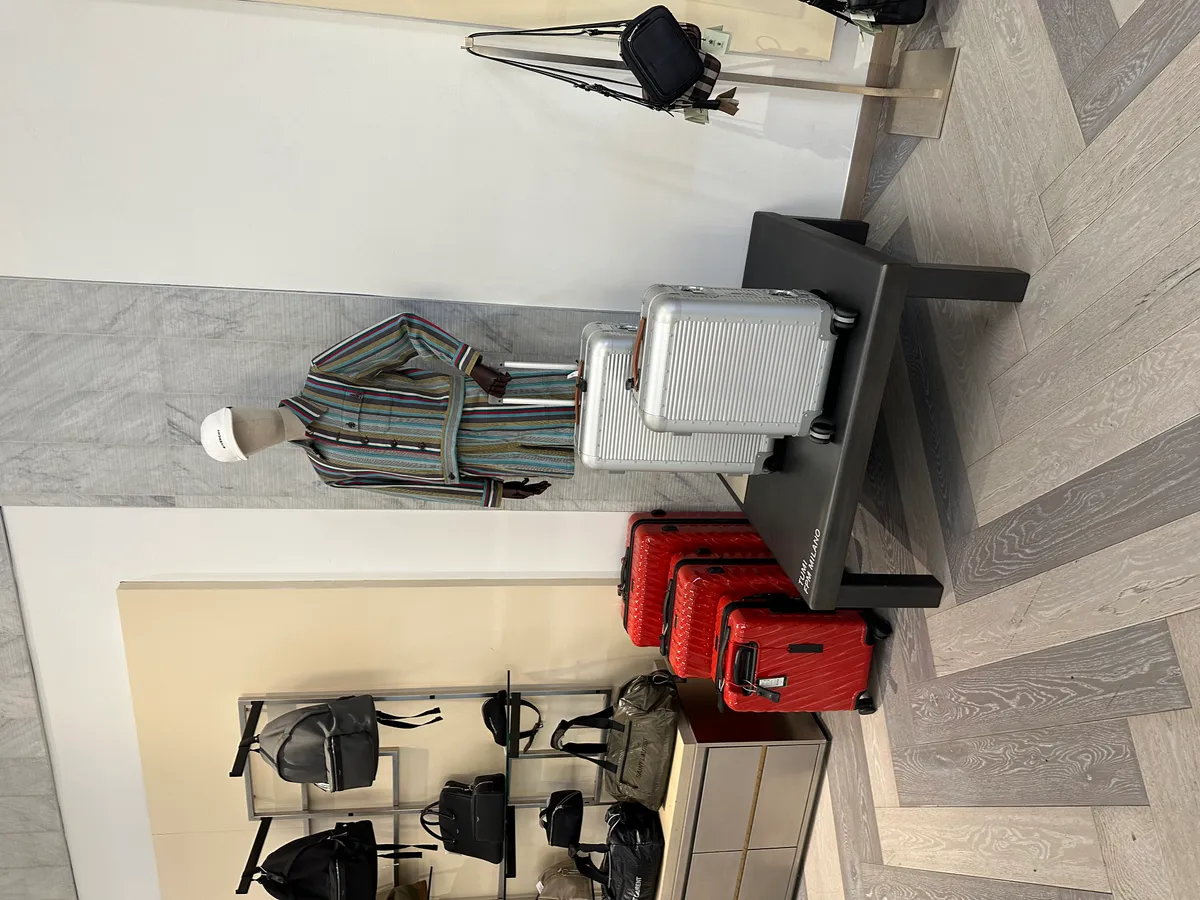
It's worth saying plainly: if you fly a few times a year, mostly for leisure, on airlines with generous carry-on limits, a $70-100 softshell spinner from a mainstream brand will do the job. Modern budget luggage has gotten meaningfully better over the last decade — decent zippers, adequate wheel quality, real (if limited) warranties. The main things you give up at the low end are refinements: slightly worse zipper pulls, less protection against crushing, a shorter or more restrictive warranty, and a shell that will show its age faster under frequent use. None of that matters much if the bag spends most of the year in a closet.
Where spending more earns its keep is frequency and stakes: frequent flyers who put the bag through real wear multiple times a month, people who gate-check regularly and need genuine structural durability, and anyone who has been burned before by a wheel or zipper failure mid-trip. For that group, a more expensive bag with replaceable parts and a real warranty isn't an upsell — it's the cheaper option once you count the cost of the trip where the bag fails you.
A simple decision framework
Answer four questions before you buy: How often do you fly (a few times a year, monthly, weekly)? What airlines and route types dominate your travel (major domestic full-size jets, or a mix including regional and international carriers with tighter limits)? Do you pack to the edge of capacity or usually have room to spare? And do you check the bag as often as you carry it on, or almost never?
Infrequent leisure flyer, mostly domestic, rarely overpacks: budget softshell spinner, done. Frequent flyer with mixed route types, sometimes overpacks: mid-range hardshell or hybrid with a compression panel, sized to the strictest airline you use regularly. Constant flyer or frequent bag-checker who needs the bag to survive real abuse: spend up for a bag with a metal frame, replaceable wheels, and a warranty that actually covers airline damage. In every case, measure your real airline limits and your bag's real empty weight before you buy — those two numbers do more to prevent buyer's remorse than any brand name does.
The takeaway
There's no single "best" carry-on, only a best fit for how you actually travel. Hardshell buys you crush protection and a cleaner look at the cost of fixed volume and visible scuffing; softshell buys you flex and exterior pockets at the cost of weaker impact protection. Spinner wheels buy you effortless rolling on smooth floors at the cost of stability and more failure points; inline wheels buy you stability and simplicity at the cost of physical effort. None of these tradeoffs are mistakes to avoid — they're decisions to make deliberately, based on your own routes, packing habits, and how hard you're actually going to use the bag. Measure your airline's real limits, check the empty weight before you buy, and pick the bag that matches your travel pattern rather than the one with the flashiest feature list, and you'll end up with a carry-on that just works, trip after trip, instead of one you're constantly working around. If you want to see how these tradeoffs play out on one specific, widely used carry-on, our hands-on Away Carry-On review covers exactly that.
More coupon shopping advice

Home Security Camera Buying Guide: Local vs. Cloud Storage
A practical, balanced buying guide to home security cameras that weighs local storage against cloud subscriptions, wired versus battery power, camera placement, night vision, smart detection accuracy, and smart home integration.

Beginner Mirrorless Camera Buying Guide
A practical, honest walkthrough of what actually matters when buying your first mirrorless camera, from sensor size and lens mounts to autofocus, video specs, and the real total cost of a beginner-friendly system.

Air Purifier Buying Guide: CADR, ACH, and Filter Costs Explained
A practical walkthrough of the numbers that actually matter when buying an air purifier — CADR and ACH for sizing, true HEPA versus marketing terms, real three-year filter costs, realistic noise levels, and when a purifier won't help at all.