
Osprey Daylite Backpack Review: Fourteen Months as a Daily Commuter and Travel Companion
Fourteen months of daily commuting, six flights, and a dozen local hikes with the Osprey Daylite, Osprey's cheapest daypack, tested against both a $20 generic backpack and a $180 tech-focused pack.
- Frame sheet keeps shape even half-empty, unlike most budget daypacks
- Compresses flat to almost nothing when empty, ideal as a packable travel spare
- Held up far longer than a $20-25 generic backpack with no zipper or stitching failures after 14 months
- One-handed access to the side water bottle pocket thanks to its forward angle
- Comfortable for laptop-plus-lunch loads across a full workday commute
- Under $70 at typical retail pricing
- Laptop sleeve only comfortably fits up to 13-inch laptops; 14-inch machines are a tight squeeze
- No hip belt or sternum strap, so loads above ~15 pounds become uncomfortable within 20-30 minutes
- Minimal organization: just one small front pocket, no dedicated cable or pen slots
- No hydration reservoir sleeve for hiking use
- Shoulder strap padding is adequate but thinner than dedicated hiking or tech packs
- Single water bottle pocket only on one side, not both
I bought the Osprey Daylite as a "just in case" backpack almost a year and a half ago — a cheap-feeling impulse add to an order for a bigger travel pack — and it has quietly become the bag I reach for more than anything else I own, including bags that cost three times as much. It's not flashy. It doesn't have a laptop compartment lined in ballistic nylon or a dozen organizer pockets for cables. What it has is a shape and a strap system that disappear on your back, a price under $70, and just enough structure to survive daily commuting, weekend errands, and the occasional short hike without falling apart. This review covers roughly fourteen months of near-daily use: as a work commuter bag five days a week, as a carry-on personal item on six flights, and as a day pack on local trail hikes ranging from two to eight miles.

First impressions and what's in the box
The Daylite ships with nothing but the pack itself — no rain cover, no packing cubes, no branded dust bag. That's appropriate for a bag in this price range, and it matches expectations set by the product page. Out of the box it feels lighter than you expect a "real" backpack to feel, at just under a pound. The main fabric is a 210-denier nylon with a honeycomb-textured weave that Osprey uses across several of its budget-tier packs. It doesn't have the stiff, almost cardboard-like hand-feel of ultra-cheap big-box store backpacks; it has some give to it, and the main compartment holds its shape reasonably well even half-empty, which matters more than it sounds like it would when the bag is riding on your back for an 8-hour day.
The zippers are self-repairing coil-type zippers with small rubberized pulls — not the beefier chunky pulls you'd find on a $150 pack, but functional and, so far, durable. The main compartment zipper has two sliders so you can open it from the top or partway down, which is a small detail that turns out to matter a lot once you're trying to grab a water bottle without unpacking the whole bag.
Daily use over fourteen months of commuting
Most of this pack's life has been spent as a commuter bag: laptop, a paperback or two, a lunch container, a rain jacket folded at the bottom, and whatever mail or small errands accumulate during the week. Five days a week for over a year adds up to something like 280 individual carry days, plus weekend use. The main compartment is deceptively roomy for something rated at 13 liters — it swallows a 13-inch laptop sleeve, a chunky lunch container, a paperback, a phone charger brick and cable, and a rolled-up light jacket without needing to be stuffed. Once you start adding a second layer (a heavier hoodie on top of the jacket) or a lunch container bigger than about 800ml, though, the bag starts to bulge and the zippers get harder to close smoothly — this is a genuinely small daypack, not a disguised 20-liter bag.
Where the Daylite earns its keep on a daily basis is in how it carries when it's not stuffed. A lot of daypacks in this size and price bracket sag and flop when they're under half full, making them awkward against your back. The Daylite's internal frame sheet — a thin plastic insert against the back panel — keeps enough rigidity that even at 40% capacity it doesn't collapse into a floppy sack. That single detail is the difference between a bag that feels like a $30 backpack and one that feels closer to a $90 one.

Laptop sleeve: sizing and real protection
The padded sleeve is the single most important compartment for anyone considering this bag for work or school, so it's worth being precise about it. Osprey lists the sleeve as fitting up to a 13-inch laptop, and in practice that's accurate but not generous — my 13-inch MacBook Air fits with a little room to spare, but a colleague's 14-inch MacBook Pro was noticeably tight, zipping closed only with some coaxing, and I wouldn't want to rely on that fit for daily in-and-out use. If you carry a 15- or 16-inch laptop, this is not your bag; look at Osprey's own Daylite Plus or a dedicated tech pack instead.
On protection: the sleeve itself has a thin foam layer, maybe 4-5mm, sitting between two layers of fabric — enough to prevent scuffs and to cushion against soft knocks (bumping into a chair, a laptop sliding against a water bottle) but not enough padding that I'd trust it in a drop from height or a hard impact against a curb. I treat it the way I'd treat any non-hardshell sleeve: fine for a laptop riding safely inside a fully zipped bag, not a substitute for care when the bag itself takes a hit. In fourteen months there hasn't been a single scratch on the laptop's lid, but I also haven't dropped the bag from any real height, so that's a fair-weather endorsement rather than a stress test.
Comfort under load: straps, back panel, and the all-day test
The shoulder straps are moderately padded with a mesh-covered foam that breathes reasonably well — noticeably better than truly cheap backpacks that use flat, unventilated foam, but a step down from the thicker, more contoured straps you get on packs specifically built for heavy loads. For the bag's intended use case — a laptop, some books, lunch, a jacket, maybe 8-10 pounds total — the straps are genuinely comfortable across a full workday and a train commute. Push past that, though, say by adding a change of clothes and a pair of shoes for an overnight trip, and the lack of a hip belt or sternum strap becomes noticeable within 20-30 minutes of walking. This bag has no waist strap at all, and there's no way to load-transfer weight off the shoulders, so anything approaching 15+ pounds starts to dig in uncomfortably. That's an expected trade-off for a lightweight daypack at this price, not a defect, but it's worth being upfront about since Osprey's marketing photos sometimes show the Daylite family being used for light overnight travel.
The back panel uses a mesh-covered foam pad with vertical channels intended to promote some airflow. It helps at the margins — I noticed less back-sweat on warm days compared to a flat, unventilated panel on an older bag I retired — but this is a budget-tier ventilation system, not the suspended mesh "trampoline" back panels found on Osprey's pricier hiking-focused lines. On a genuinely hot, humid commute you will still get a sweaty back; it's just somewhat less bad than the cheapest alternatives.
Weekend hikes: a smaller role, but a capable one
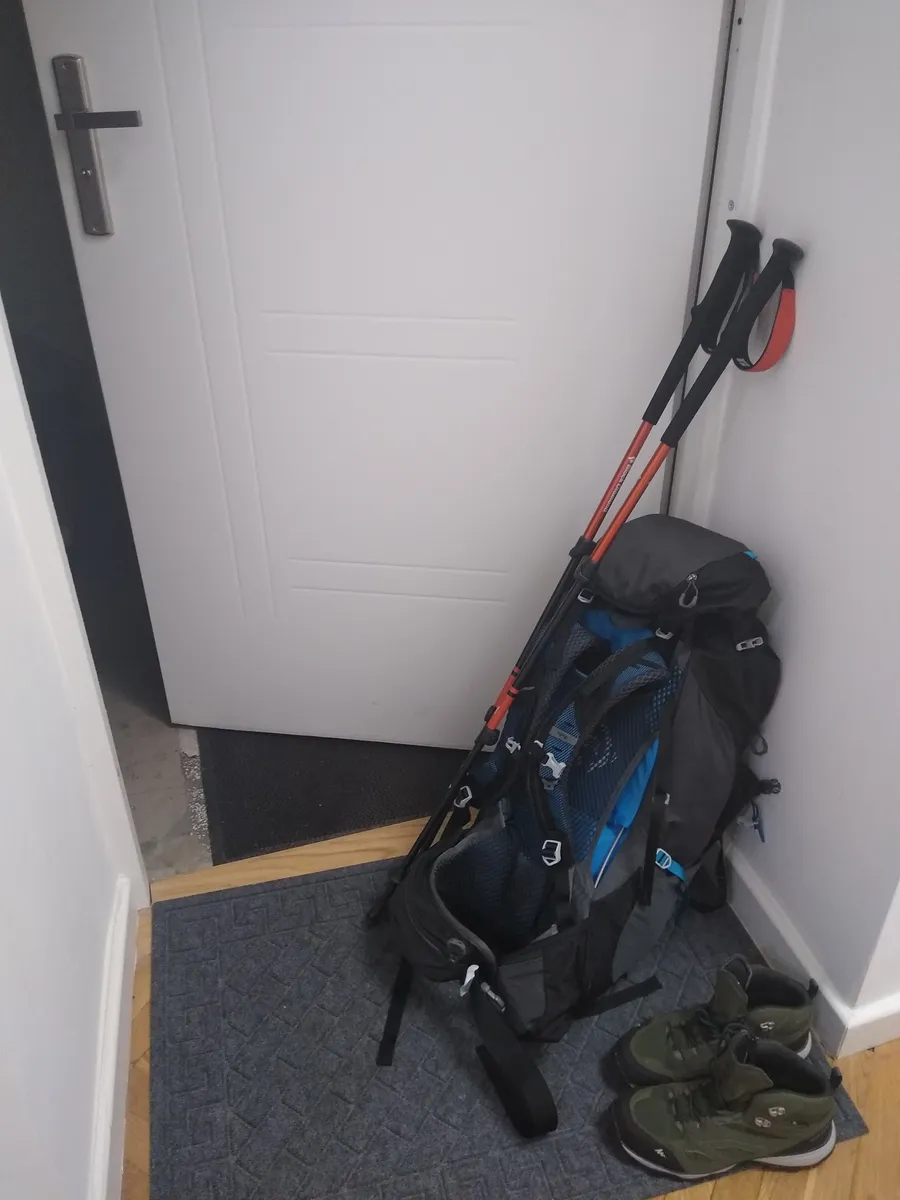
I've taken the Daylite on maybe a dozen short local hikes, ranging from an easy two-mile loop to an eight-mile out-and-back with about 1,200 feet of elevation gain. For trips like that — a rain shell, a first aid kit, snacks, a phone, and a soft flask of water — it works well, and the external bungee/shock-cord lacing on the front panel is genuinely useful for strapping down a jacket you've stripped off mid-hike. What it can't do is replace a real hiking daypack for anything longer or hotter: there's no dedicated hydration reservoir sleeve, so if you want to carry a bladder you're improvising by hanging it inside the main compartment with the hose routed out through the main zipper gap, which works but isn't elegant. For day hikes under 10 miles in mild weather, it's a perfectly reasonable second bag to already owning one for commuting; I wouldn't buy it as a dedicated hiking pack if that's your primary use case.
The water bottle pocket, in detail
The single side mesh pocket is one of the more debated details among owners, and I understand why. It fits a standard 32-ounce Nalgene-style bottle or a 24-ounce insulated bottle without much fuss, and — unlike a lot of budget daypacks — you genuinely can reach back and pull the bottle out one-handed while the pack is still on your back, because the pocket is angled slightly forward rather than sitting flat against the side. The catch is that there's only one such pocket, on the right-hand side; the left side has no equivalent, so you can't carry a bottle plus, say, an umbrella or a small tripod in the same easy-access way. Wider bottles (some 40oz insulated tumblers) are a snug fit and can stretch the mesh over time — mine has some visible give in the elastic edge after over a year, though it hasn't torn.
Durability: zippers, stitching, and the honest wear-and-tear report
Fourteen months in, the main compartment zipper still runs smoothly with no snags, and I haven't experienced a single zipper failure or split. The stitching at stress points — where the straps attach to the main body, and around the base of the bag — shows no fraying or loose threads despite regular daily loading and unloading. The bottom corners, which take the brunt of being set down on pavement, floors, and train platforms, have some visible surface abrasion and a slight color fade, but no holes and no structural weakening. The front bungee cord has lost a small amount of elasticity but still holds a rolled jacket in place. Compared to a $20-25 generic backpack from a big-box store — I ran one of those in parallel for about two months early on before switching over full-time — the difference in longevity is already obvious: that bag's zipper pull snapped off within six weeks, and the shoulder strap stitching started separating from the body by month three. The Daylite, at roughly double or triple that price, has simply held up dramatically better per dollar spent, which is the core of its value proposition.
Packability for travel
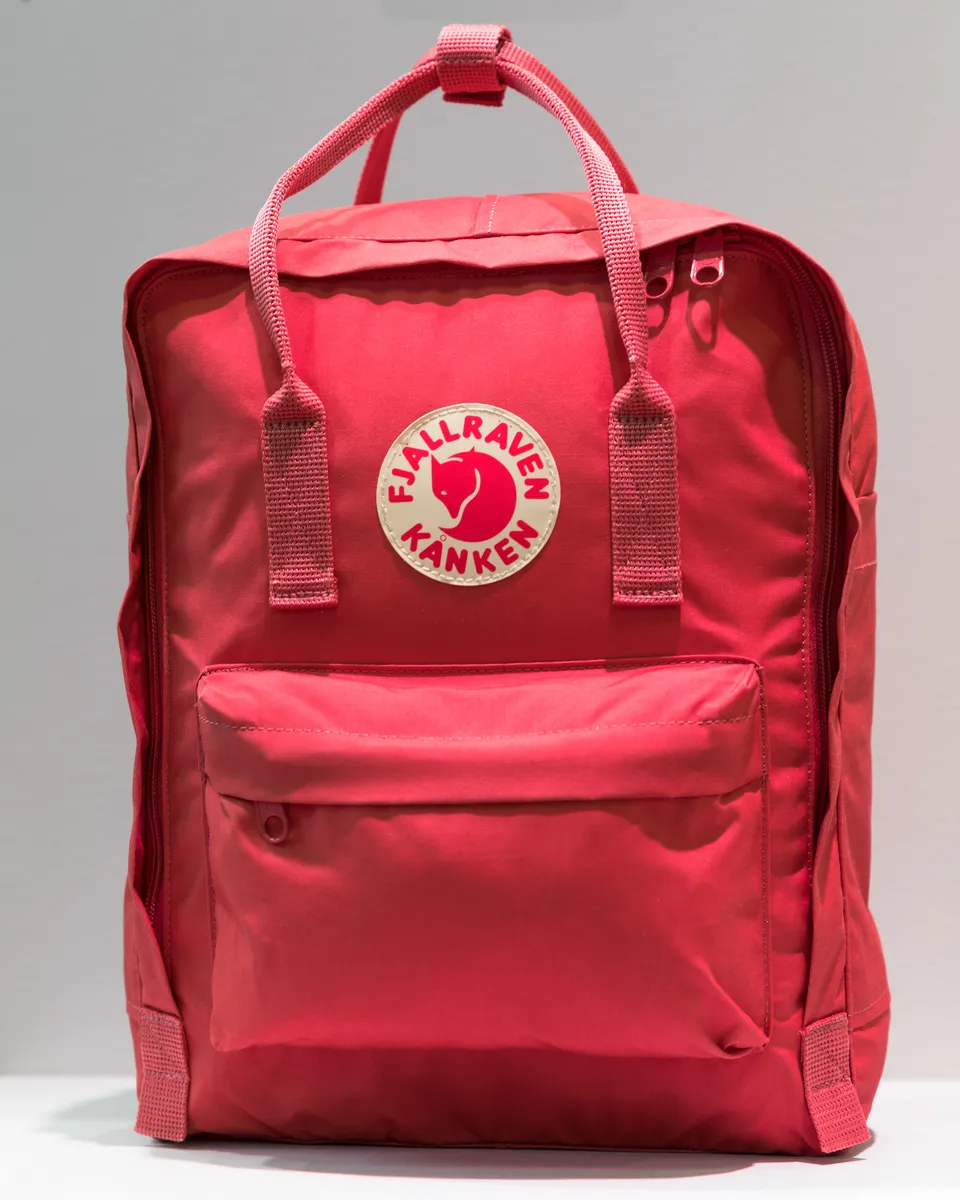
This is where the Daylite genuinely shines and where I think it earns its keep even for people who already own a "real" travel backpack. Empty, it compresses down to roughly the size of a rolled towel and weighs next to nothing, so it packs flat inside a suitcase or the bottom of a larger carry-on with almost no volume penalty. On six flights over the past year I've used it as a fold-flat spare bag: packed empty inside my main luggage on the way out, then used as a day bag for sightseeing, a laundry-day duffel substitute, or an extra carry-on for souvenirs and snacks on the way home. It doesn't have its own stuff sack, so I keep it in a spare packing cube, but the ability to essentially carry a "free" extra bag that takes up almost no space has been more useful in practice than any single feature on the bag.
Comparison to a cheaper generic backpack
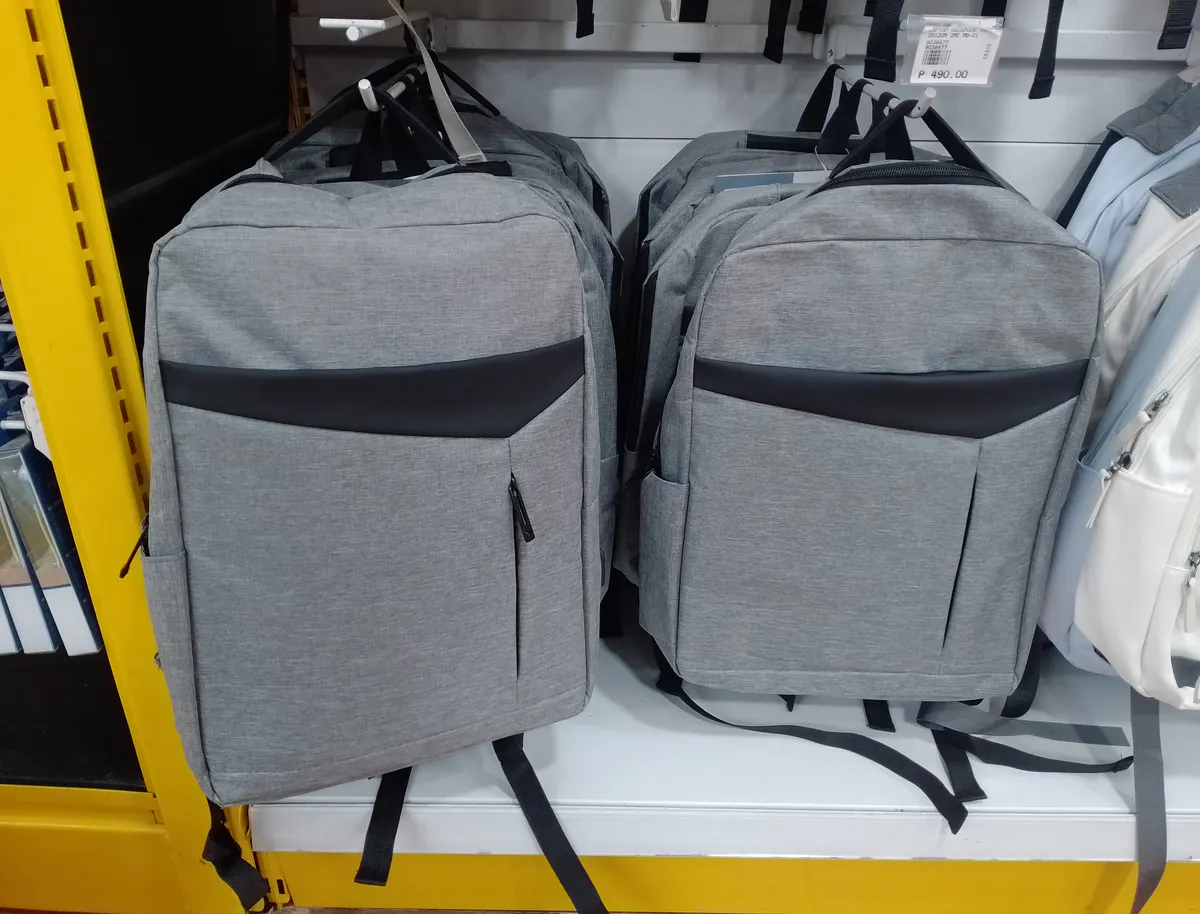
I mentioned the $20-25 generic backpack I ran alongside it early on. Beyond the durability gap already covered, the biggest differences were in comfort and shape retention. The generic bag's straps were thinner, flatter foam that dug into the shoulders within an hour of a loaded commute, and the bag itself sagged and folded over when carrying less than a full load, making it awkward to access anything without setting it down. The Daylite's frame sheet and better strap padding solve both problems. The generic bag was, to be fair, roughly $45 cheaper and did the basic job of holding a laptop and some books for a while — if budget is the only constraint and you don't need the bag to last more than a school year or two, it's not an unreasonable choice. But for anyone using a bag daily for more than about six months, the price gap closes quickly once you account for how much sooner the cheap bag needs replacing.
Comparison to a pricier tech-focused backpack
I also spent about three weeks borrowing a friend's $180 tech-focused backpack — the kind with a padded, fleece-lined laptop compartment, a dozen small organizer pockets for cables and dongles, a quick-access top pocket, and a dedicated hip strap. That bag is unambiguously better at organization: I could find a specific cable or adapter in seconds instead of digging through the Daylite's single main compartment and one small front zip pocket. It's also noticeably more comfortable under a heavier load thanks to its hip belt and thicker back panel. What it isn't is packable — that bag has real structure and bulk even empty, so it can't fold flat inside another suitcase, and its weight (nearly triple the Daylite's) is noticeable on a long day of walking even before you add contents. For someone whose bag is their only bag and who carries a lot of tech accessories, the pricier pack is worth the money. For someone who wants a light, honest, inexpensive daily driver — or a packable travel companion to a larger main bag — the Daylite's simplicity is a feature, not a shortcoming.
Organization and small details
Beyond the main compartment and laptop sleeve, there's a single small front zip pocket suitable for keys, a wallet, a phone, or a small first-aid kit, and that's essentially it for organization. There's no separate pocket for pens, no elastic loops for cables, no key clip inside the front pocket. People coming from a more organized bag will feel this immediately. I've adapted by using a small zippered pouch inside the main compartment for cables and chargers, which works fine but is an extra step the pricier tech packs skip by building the organization in. The one add-on Osprey does include is a small loop at the top for grab-and-go carrying or hanging the bag on a hook, which gets more daily use than I expected.
Who should buy this
The Daylite makes the most sense for commuters and students who need to carry a slim laptop, some books or documents, and daily essentials without wanting to spend serious money or carry serious bulk; for travelers who want a compressible, nearly-free-to-pack spare day bag alongside a larger suitcase or backpack; and for casual day hikers who need something light for short trails and don't want a dedicated technical hiking pack. It's a weaker fit for anyone carrying a 15-inch-plus laptop, anyone who needs heavy-load comfort with a hip belt, and anyone who wants built-in cable organization for a lot of tech accessories — all three of those buyers should look elsewhere in Osprey's own lineup or at a dedicated tech backpack.
Verdict
Fourteen months of near-daily use haven't found a single dealbreaker in the Osprey Daylite, only a clear, honest set of limits that come with its size, weight, and price. It's not a hiking pack, not a heavy-load hauler, and not an organizational powerhouse — but as a light, durable, genuinely comfortable everyday-carry bag that also happens to compress down to almost nothing for travel, it's quietly one of the best value purchases in my closet. At around $65, it undercuts most "real" daypacks while outlasting anything cheaper I've tried. If your daily load fits its limits — a slim laptop, lunch, a layer, a water bottle — this is very hard to beat for the money.
Other products we tested

Ecobee Smart Thermostat Premium Review: Two Months of Real HVAC Testing
We installed the Ecobee Smart Thermostat Premium without a C-wire, tracked its temperature accuracy against a separate thermometer, and measured real energy savings over two months of daily HVAC use.
Bose SoundLink Flex Review: Six Weeks of Hiking, Kayaking, and Beach Days
Six weeks of camping, kayaking, and beach trips show the Bose SoundLink Flex's IP67 rating and PositionIQ orientation sensing are genuinely useful, with honest limits on bass and max volume.
Coros Pace 3 Review: Six Weeks Testing the GPS Watch That Barely Needs Charging
A dual-frequency GPS running watch that trades AMOLED shine for weeks of battery life at a fraction of the price of flagship rivals.