
Running Shoes Buying Guide: Comfort Beats Pronation Matching
Matching shoes to arch type has failed every trial that tested it. Comfort predicts injury better, so fit and feel are the whole decision.
Running shoes are marketed on cushioning technology names, carbon plates, and the phrase "stability", and the research does not support most of what those words imply. There is no good evidence that matching a shoe to your arch type prevents injury. There is no good evidence that motion-control shoes reduce injury rates in runners who overpronate. What the evidence does support is far more mundane: comfort predicts injury better than any biomechanical category, and the shoe you find most comfortable is generally the one that works.
That is genuinely liberating, because it means you can stop trying to diagnose your feet and start paying attention to what feels right.
The pronation myth, and what replaced it
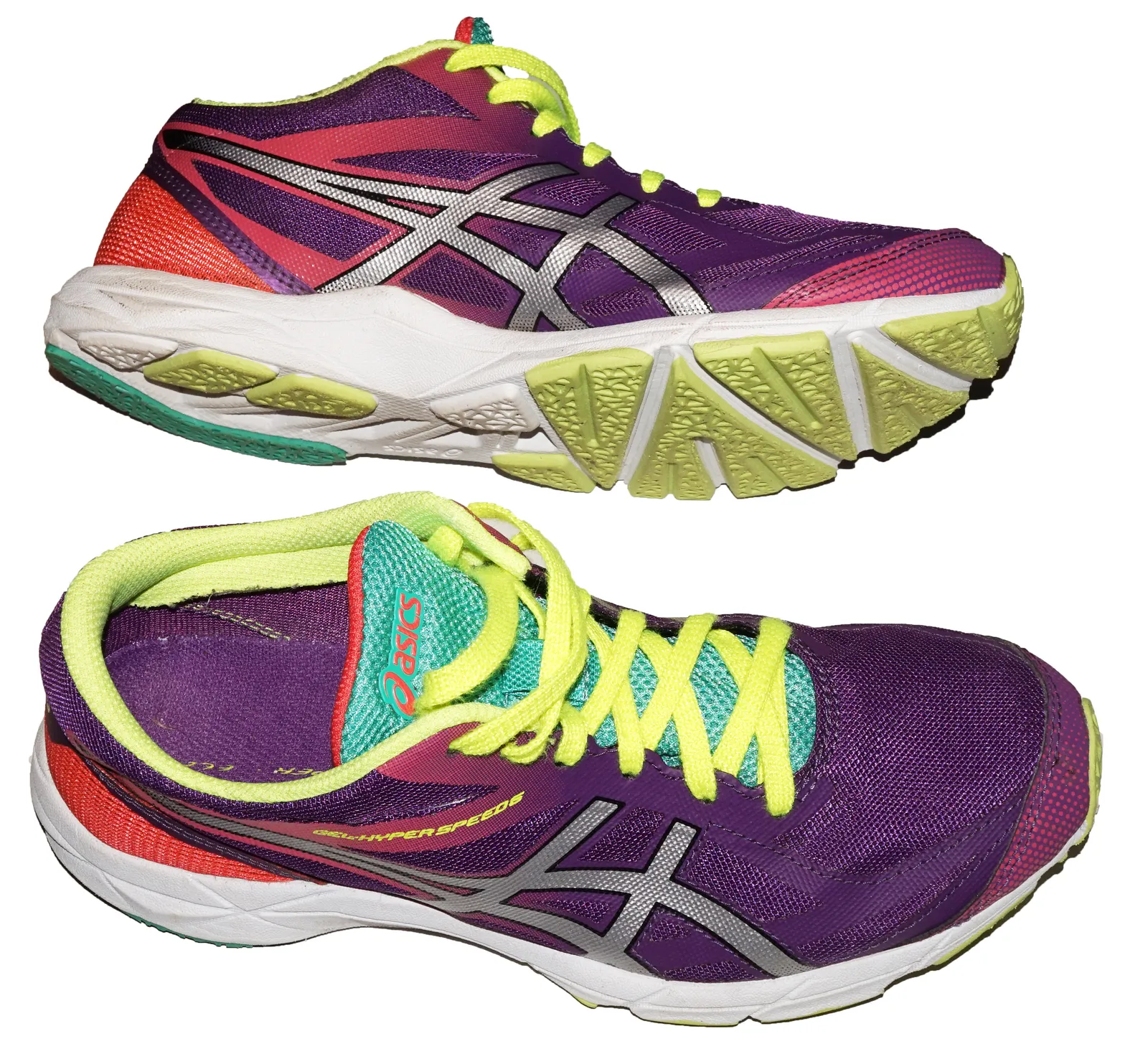
For two decades shoes were sold by pronation category: neutral shoes for neutral feet, stability shoes for mild overpronation, motion-control shoes for severe overpronation, usually assessed by watching someone jog on a treadmill for thirty seconds. Multiple controlled trials have since tested this system and repeatedly failed to find that assigning shoes by foot type reduces injuries. Some found the prescribed group did slightly worse.
Pronation itself is not a defect. The foot is supposed to roll inward as it loads — that is how it absorbs shock. Excessive pronation exists and matters for some runners, particularly those with a history of specific injuries, but it is not something a shop assistant can reliably diagnose from a treadmill, and it is not something a shoe reliably corrects.
What has held up better is comfort. Studies where runners selected footwear by their own comfort preference showed lower injury and lower discomfort rates than those assigned shoes by category. The practical implication: try several pairs, run in them, and choose the one that feels best, not the one whose box matches a label someone applied to your gait.
None of this means categories are useless as descriptions. Stability shoes typically have firmer foam on the medial side or a wider base, and some runners genuinely prefer that feeling. Treat the category as a description of how the shoe feels, not a prescription for your body.
Fit, which is where most problems start
Feet swell during a run — noticeably, and more in heat and over longer distances. That means the fit you want standing still in a shop is deliberately roomier than a casual shoe. Leave about a thumb's width, roughly 1 cm, between your longest toe and the front. Many runners take a half or full size larger in running shoes than in everyday shoes, and that is correct rather than a mistake.
Width matters as much as length, and it is where people compromise wrongly. If the shoe pinches across the forefoot, the answer is a wider fitting or a different brand's last, not a longer shoe. Toes need lateral room to splay under load. Meanwhile the heel should be locked in place: a heel that slips a few millimetres each step will blister.
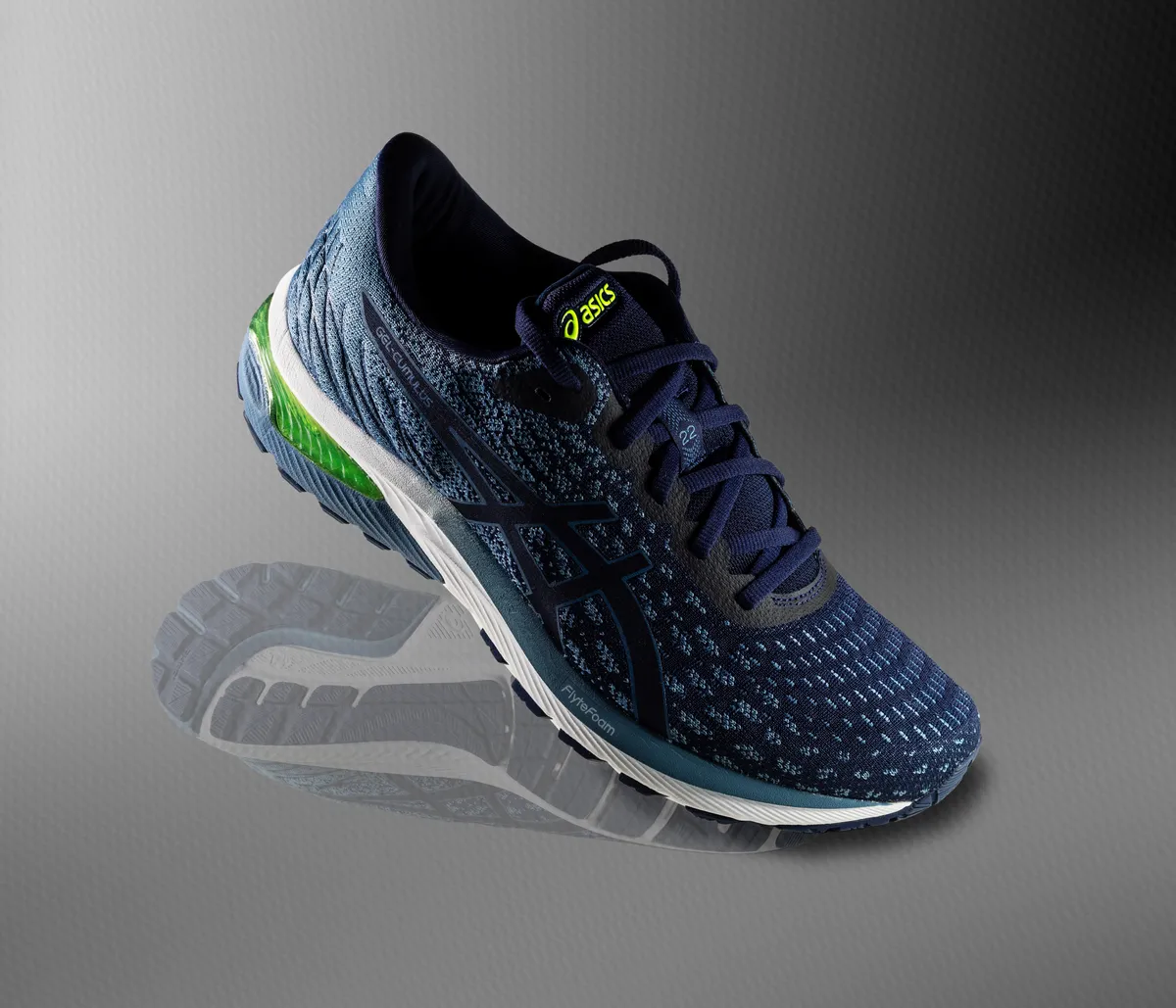
Practical fitting rules: try shoes in the afternoon or after a run when your feet are swollen, wear your running socks, and actually run in them — on a treadmill or up and down the shop — rather than walking. Lacing fixes more than people realise: a runner's loop through the top eyelets locks the heel, and skipping an eyelet relieves pressure over a high instep or a sore spot on the top of the foot.
Brands build on different lasts, so a size 9 in one brand is a different shape from a size 9 in another. If a brand has never fitted you well, stop buying it. This is not a flaw in your feet.
Stack height, drop, and what they actually change
Stack height is how much material sits between your foot and the ground. High-stack shoes — over about 35 mm at the heel — feel soft and protective and are popular for easy runs and long distances. Low-stack shoes give better ground feel and stability on uneven surfaces. Neither is inherently safer.
Drop is the height difference between heel and forefoot, typically 0 to 12 mm. Higher drop shifts load toward the knee; lower drop shifts it toward the ankle, calf, and Achilles. That is the whole story, and it means drop is worth changing slowly and deliberately, not abruptly. Moving from a 10 mm to a 4 mm drop overnight is a well-known way to acquire Achilles tendinopathy.
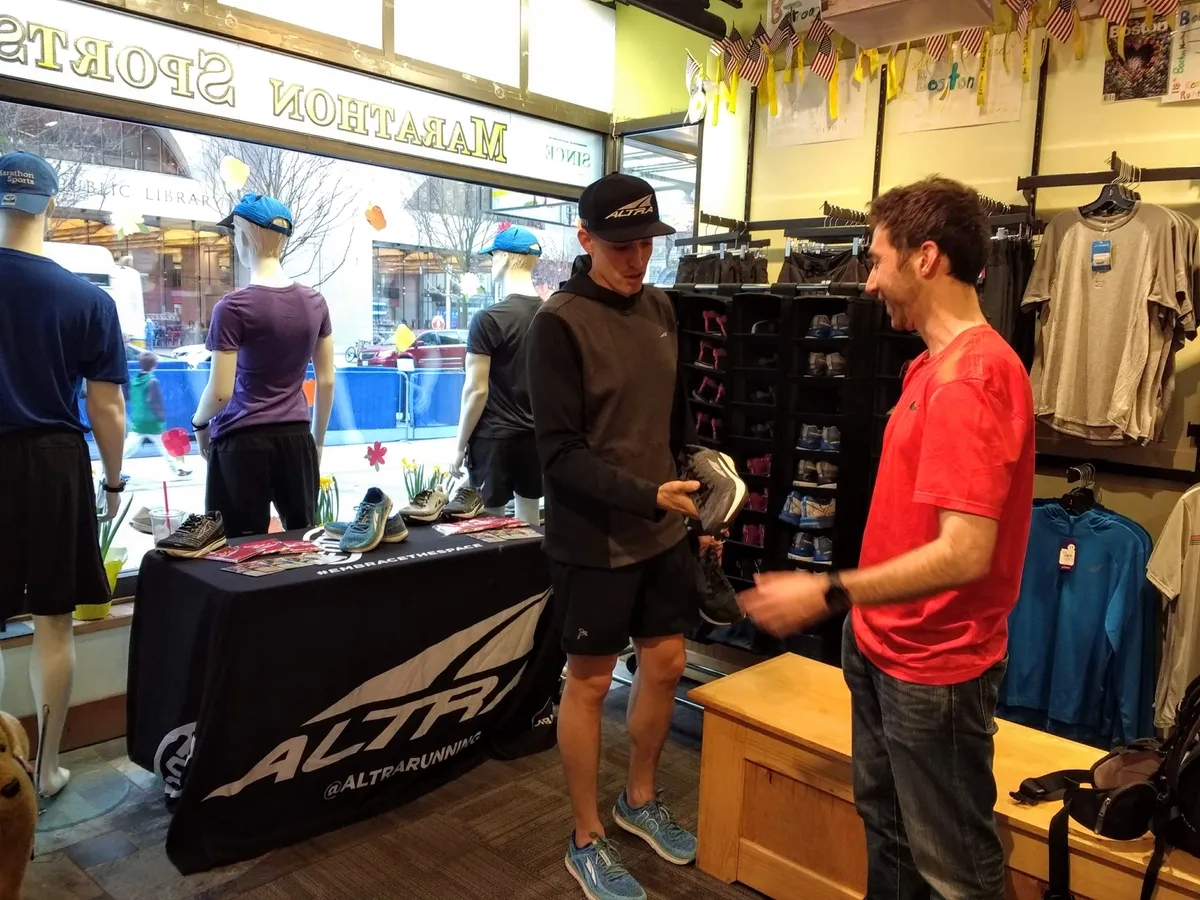
If you are currently uninjured in a given drop, there is no reason to change it. If you want to try something different, transition over weeks with short easy runs, and keep the old shoes for the rest of your mileage.
Foam matters more than any of these numbers. Modern supercritical foams are lighter and bouncier than the EVA of a decade ago, and they genuinely reduce the energy cost of running slightly. They also compress permanently faster than old dense foam, which is why some very soft shoes have shorter usable lives.
Carbon plates: for whom, and when
Plated racing shoes combine a thick slab of highly resilient foam with a stiff carbon or composite plate. The combination measurably improves running economy for many runners, which is why records fell after they appeared. The benefit is real and it is not universal — it varies substantially between individuals, and it is largest at faster paces.
They also have costs. They are expensive, their foam degrades faster than conventional midsoles, they are less stable on uneven ground and corners, and the stiff plate loads the calf and foot differently, which has been associated with a rise in certain bone injuries when runners use them for all their training.
The sensible pattern is to keep plated shoes for races and a small number of fast sessions, and do everything else in ordinary trainers. If you are not racing, or you run mostly at conversational pace, plated shoes are money spent on a benefit you will barely access.
Road, trail, or track
Road shoes have a smooth-to-lightly-patterned outsole, cushioning tuned for repetitive impact on hard flat surfaces, and a flexible upper. They are the default.
Trail shoes add deep lugs for grip in mud and on loose ground, a rock plate to stop stone bruising, and a more protective upper. On tarmac their lugs wear quickly and grip worse than road tread, so they are not a do-everything shoe.
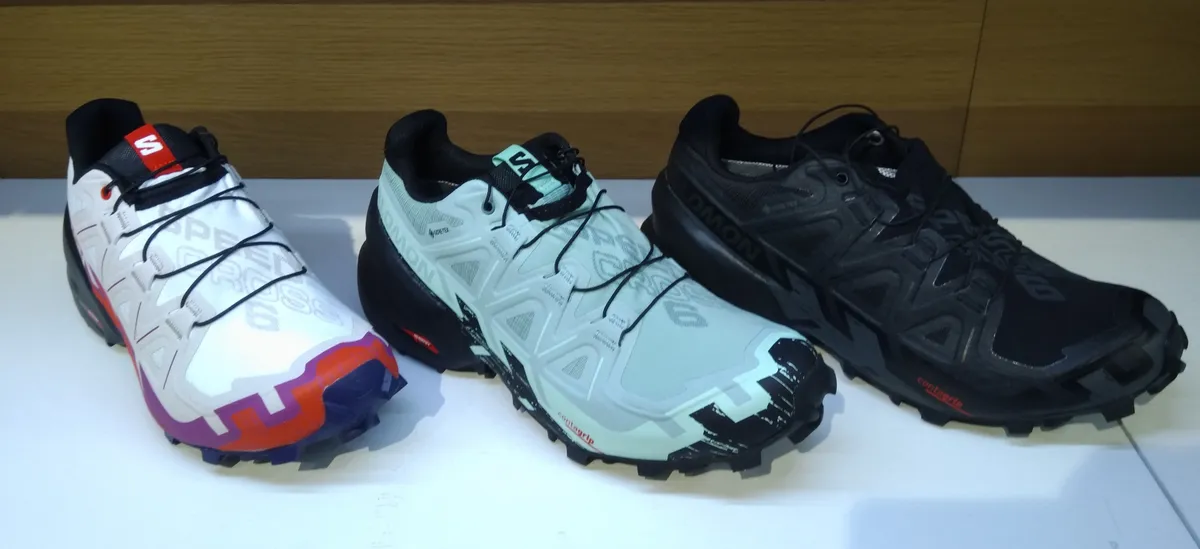
If your running is a mix of pavement and gravel paths, a road shoe with a slightly grippier outsole — sometimes sold as "road to trail" — covers both better than a dedicated trail shoe. Save real trail shoes for genuine mud, roots, and rock. For anything involving significant hiking, a boot is a different tool entirely; our hiking boots buying guide covers where that line falls.
Waterproof membranes in running shoes are usually a mistake. They stop the shoe draining, so a puddle deeper than the collar leaves you running in a bath. Non-membrane shoes soak and then drain and dry as you move. In cold wet weather a membrane has its place; in general use, skip it.
Rotation, mileage, and when they are finished
Running in two pairs alternately is one of the few equipment habits with reasonable supporting evidence for reduced injury risk, probably because slightly different shoes vary the loading pattern. It also lets foam decompress fully between runs and extends the life of both pairs.
A practical rotation for most people is an everyday cushioned trainer for the bulk of mileage and a lighter, firmer shoe for faster sessions. Add trail shoes only if you run trails, and a racing shoe only if you race.
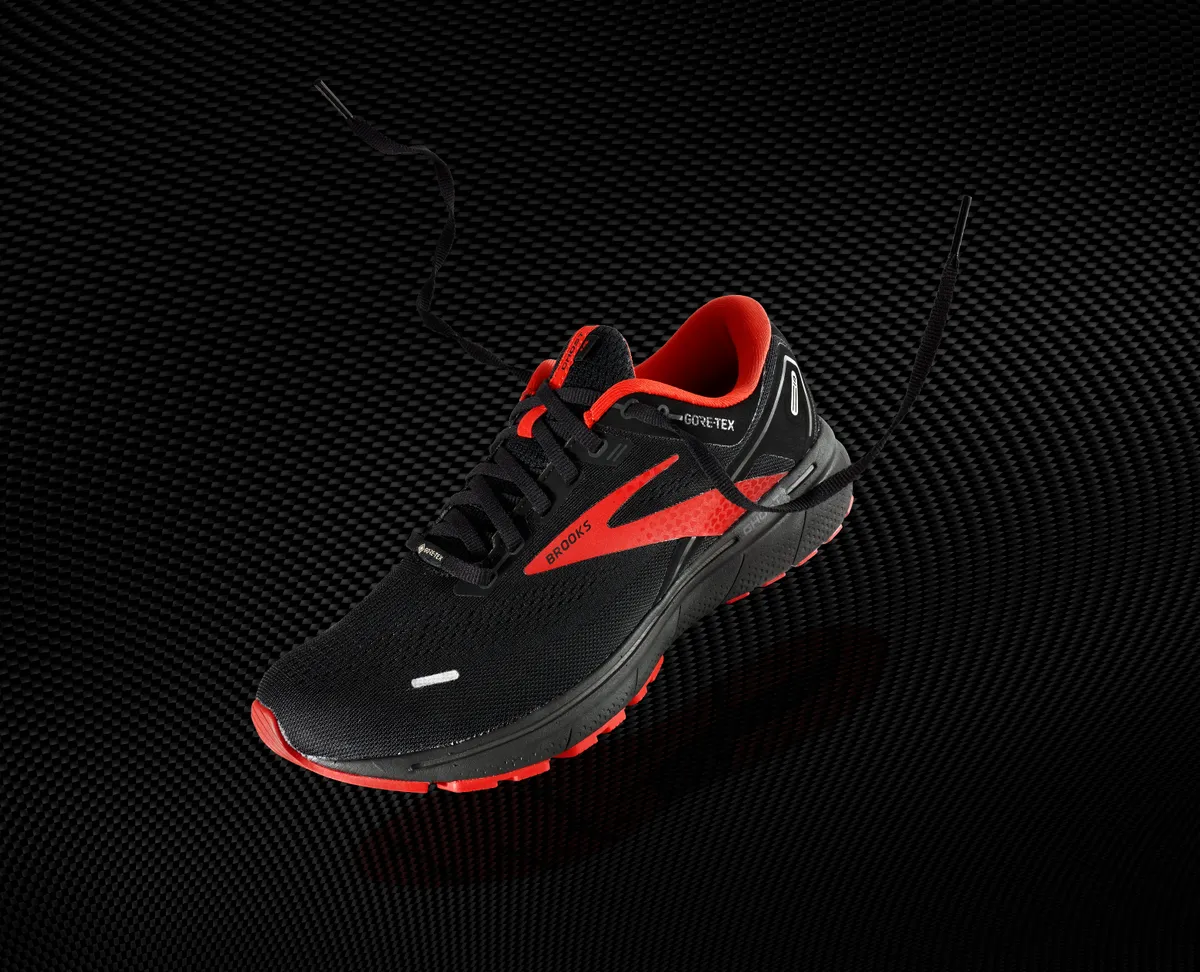
The commonly quoted lifespan is 500 to 800 km, and it varies enormously with your weight, gait, surface, and the foam used. Outsole wear is the least reliable indicator; midsole compression is what actually matters. Press your thumb into the midsole: if it feels dead and does not spring back, the cushioning is gone even if the shoe looks fine. Other signals are new aches in knees or shins that appear without a training change, and visible creasing or wrinkling in the foam sidewall.
Simple care extends life. Do not machine wash or tumble dry running shoes — heat and agitation break down adhesives and foam. Brush off mud, rinse in cold water, remove the insoles, and dry at room temperature stuffed with newspaper. Loosen the laces and take them off properly rather than levering them off with the other foot, which destroys the heel counter.
Socks, insoles, and the accessories that matter
Socks are part of the fit. Synthetic or merino blends wick and cushion; cotton holds water against the skin and causes blisters. Get the thickness right for the shoe, because a thick sock in a snug shoe creates pressure points and a thin sock in a roomy shoe lets the foot move.
Stock insoles are thin placeholders, and swapping in a supportive aftermarket insole can improve comfort and take up volume in a slightly roomy shoe. Custom orthotics are a medical intervention for specific diagnosed problems, prescribed by a clinician — not a general upgrade, and not something to buy speculatively.
Where equipment genuinely helps is measuring and managing load rather than cushioning it. Increasing weekly mileage too fast causes far more injuries than any shoe choice, and a watch that tracks volume honestly is more protective than a shoe upgrade — see the fitness tracker versus smartwatch guide and the Garmin Forerunner 265 review. For managing soreness between runs, our recovery tools guide is honest about which of those actually do something.
Buying tactics
Shoe models are updated annually, and the changes are frequently cosmetic. When a new version launches, the previous one is discounted heavily, often by a third or more. If a shoe fits you, buying the outgoing version in bulk is the single most effective way to spend less on running.
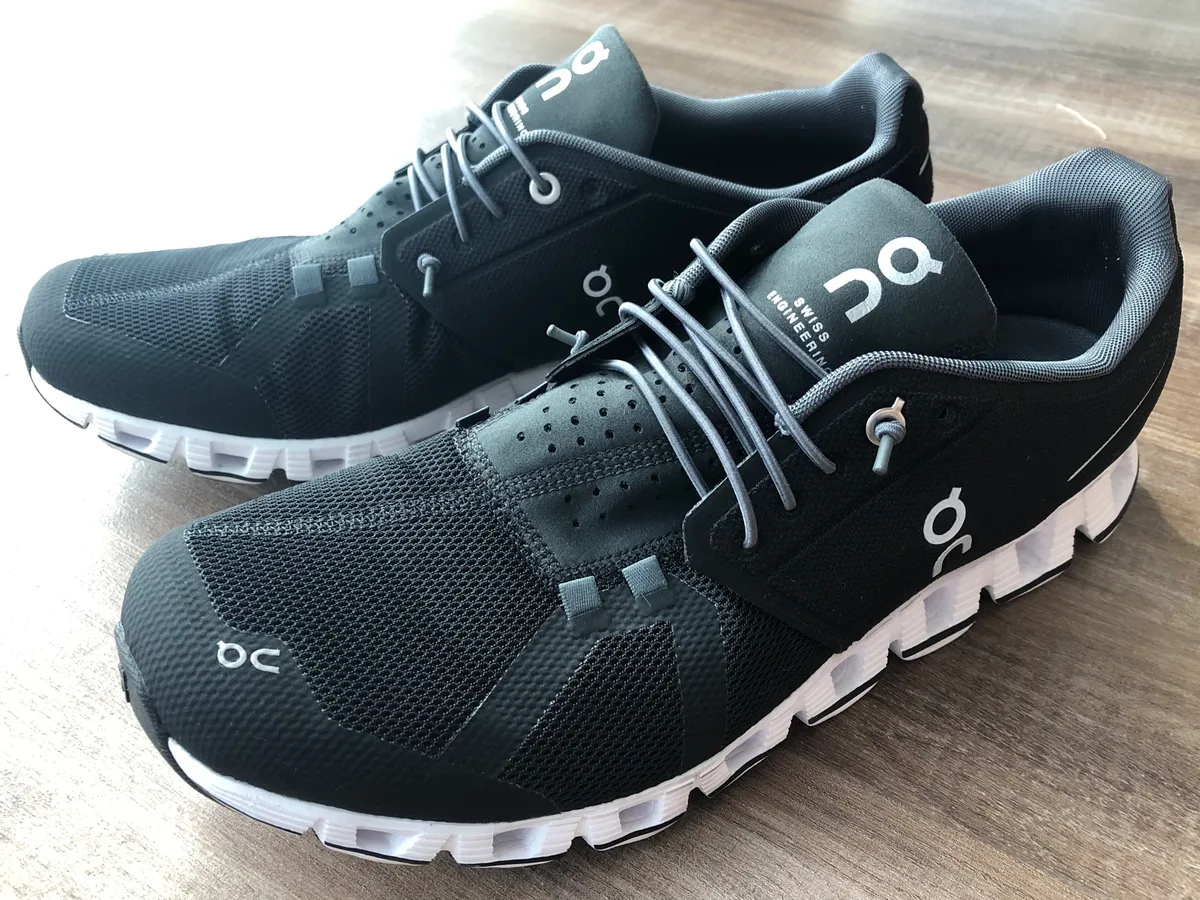
Be careful with version numbers, though: occasionally a brand changes the last, the foam, or the drop between versions while keeping the name, and the shoe you loved becomes one you do not. Check what actually changed before committing to several pairs.
Buy from a retailer with a real returns policy that allows running in the shoes, because thirty seconds on a shop treadmill does not tell you what a 10 km run will. Many specialist shops now offer exactly this, and it is worth more than a small discount elsewhere.
The short version
Ignore arch-type matching — the evidence does not support it. Choose the shoe that feels most comfortable when you actually run in it. Fit with a thumb's width at the toe, adequate forefoot width, and a locked heel, sized with swollen feet and your running socks. Treat drop as something to change slowly and stack height as a preference. Save carbon-plated shoes for racing. Rotate two pairs, replace when the midsole feels dead rather than when the outsole looks worn, and buy last year's model.
More coupon shopping advice

Home Security Camera Buying Guide: Local vs. Cloud Storage
A practical, balanced buying guide to home security cameras that weighs local storage against cloud subscriptions, wired versus battery power, camera placement, night vision, smart detection accuracy, and smart home integration.

Beginner Mirrorless Camera Buying Guide
A practical, honest walkthrough of what actually matters when buying your first mirrorless camera, from sensor size and lens mounts to autofocus, video specs, and the real total cost of a beginner-friendly system.

Air Purifier Buying Guide: CADR, ACH, and Filter Costs Explained
A practical walkthrough of the numbers that actually matter when buying an air purifier — CADR and ACH for sizing, true HEPA versus marketing terms, real three-year filter costs, realistic noise levels, and when a purifier won't help at all.