
Recovery Tools Buying Guide: Foam Rollers, Massage Balls, and Massage Guns
What the evidence actually supports, which tool suits which problem, and the three massage gun specs that matter.
Recovery equipment occupies an awkward space in fitness. The marketing is aggressive, the mechanisms are frequently overstated, and yet the tools often do make people feel better — which is a real outcome even when the explanation on the box is wrong. Foam rollers do not break up scar tissue. Massage guns do not flush lactic acid, which clears on its own within an hour of exercise anyway. What both plausibly do is modulate how much discomfort you perceive and temporarily increase how far a joint will move, and for someone who is stiff and sore, that is worth something.
This guide is written on that honest footing. It covers what the evidence actually supports, which tool suits which problem, the specifications that matter when buying, and the point at which equipment is the wrong answer entirely.
The quick answer
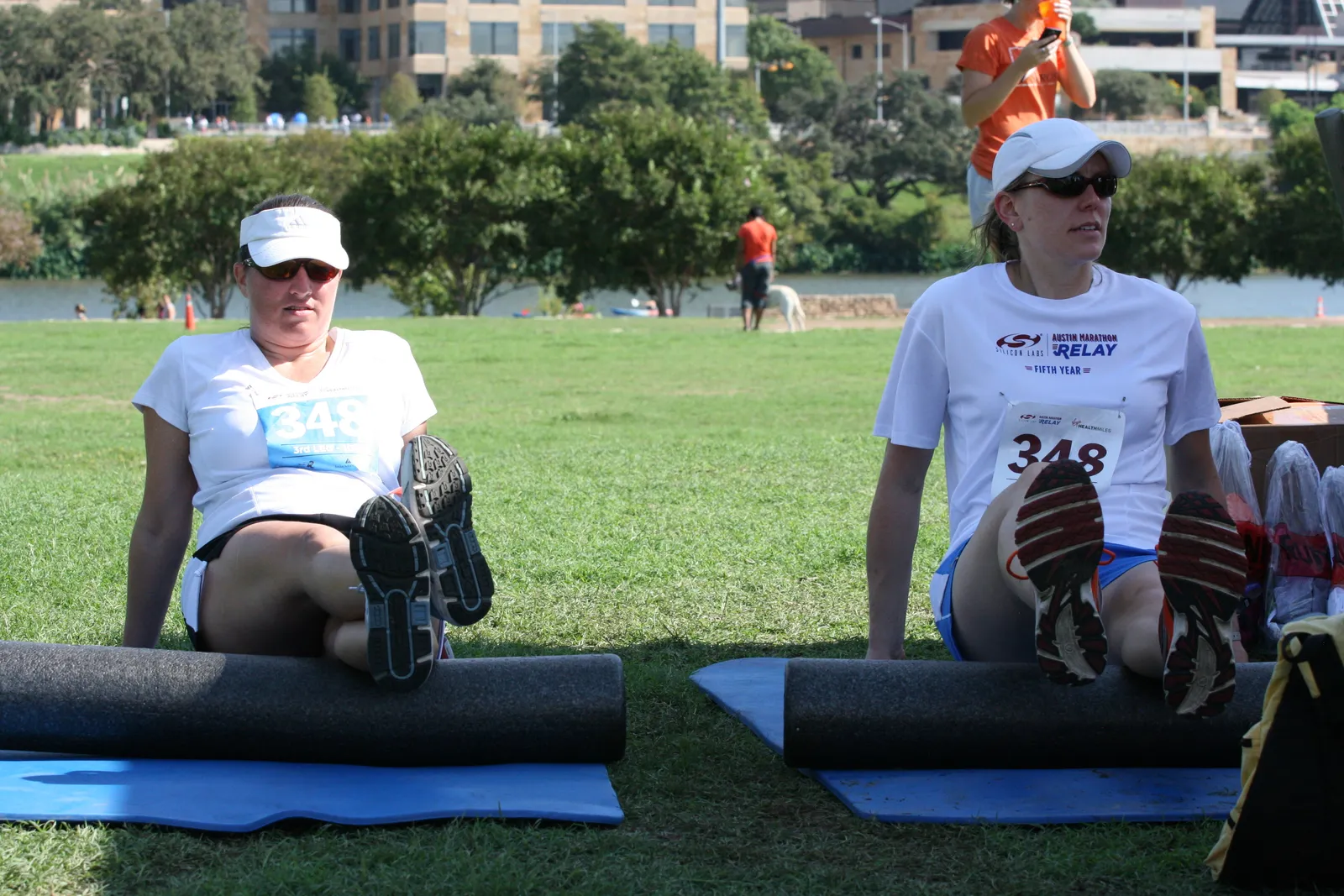
Start with a $25-$40 foam roller. It covers large muscle groups, needs no charging, and delivers most of what this category offers. If you buy one thing, buy this.
Add a $15 massage ball for specific spots a roller cannot reach — glutes, the sole of the foot, the space between shoulder blades. Highest value per dollar in the whole category.
Consider a massage gun at $150-$300 if you have a persistent stiff area you cannot reach with body weight, if you find floor-based rolling awkward, or if you want something usable in thirty seconds without getting on the ground. It is a convenience upgrade rather than a capability upgrade.
Skip compression boots, percussion attachments beyond the two useful ones, and anything sold with a claim about lactic acid or toxins.
What the evidence supports, stated plainly
Foam rolling and percussive massage both reliably produce short-term increases in range of motion — typically for a window of minutes to around half an hour — without the temporary strength reduction that static stretching can cause before a workout. That makes both genuinely useful in a warm-up.
Both also show modest reductions in perceived muscle soreness in the days after hard exercise. The effect is real in the literature and moderate in size, and the most likely mechanism is neurological — altered pain signalling and reduced muscle tone — rather than any physical restructuring of tissue.
What is not supported: breaking down adhesions or scar tissue, since the forces a hand-held device can apply are orders of magnitude below what fascia requires to deform permanently. Clearing lactic acid, which is not the cause of delayed soreness. Meaningfully accelerating recovery of actual performance, where results are inconsistent. And spot fat reduction, which is not a thing.
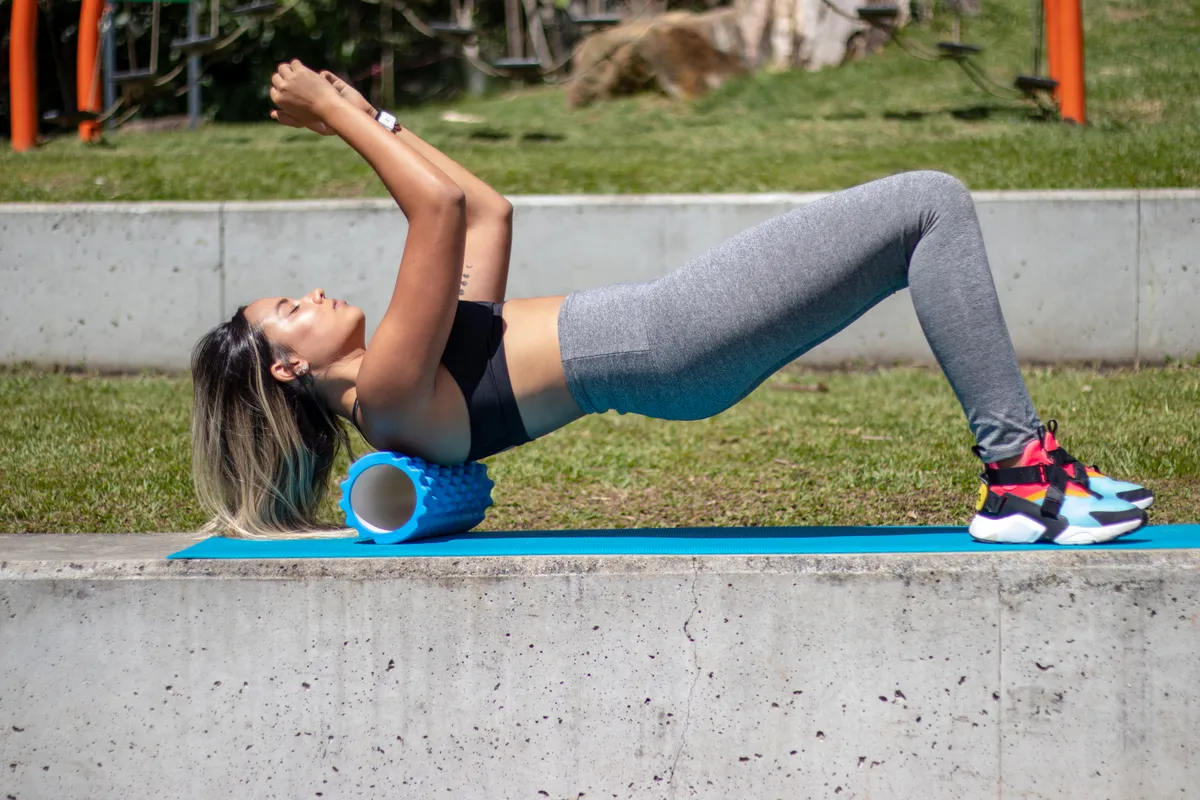
The useful framing: these are tools for feeling looser and more comfortable, and for adding range before training. They are not treatment, and buying them expecting treatment is how people end up disappointed and $300 poorer.
Foam rollers: density, texture, and size
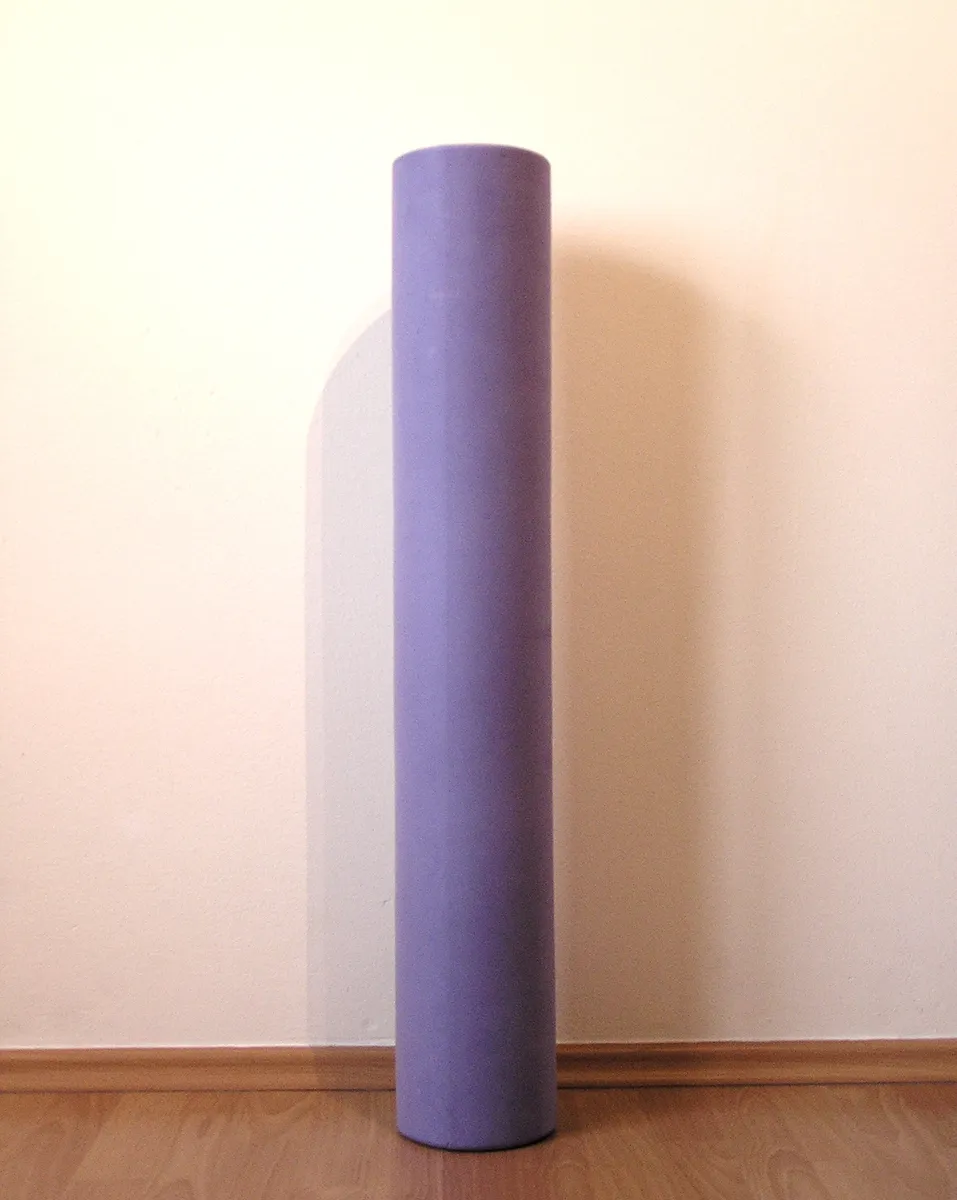
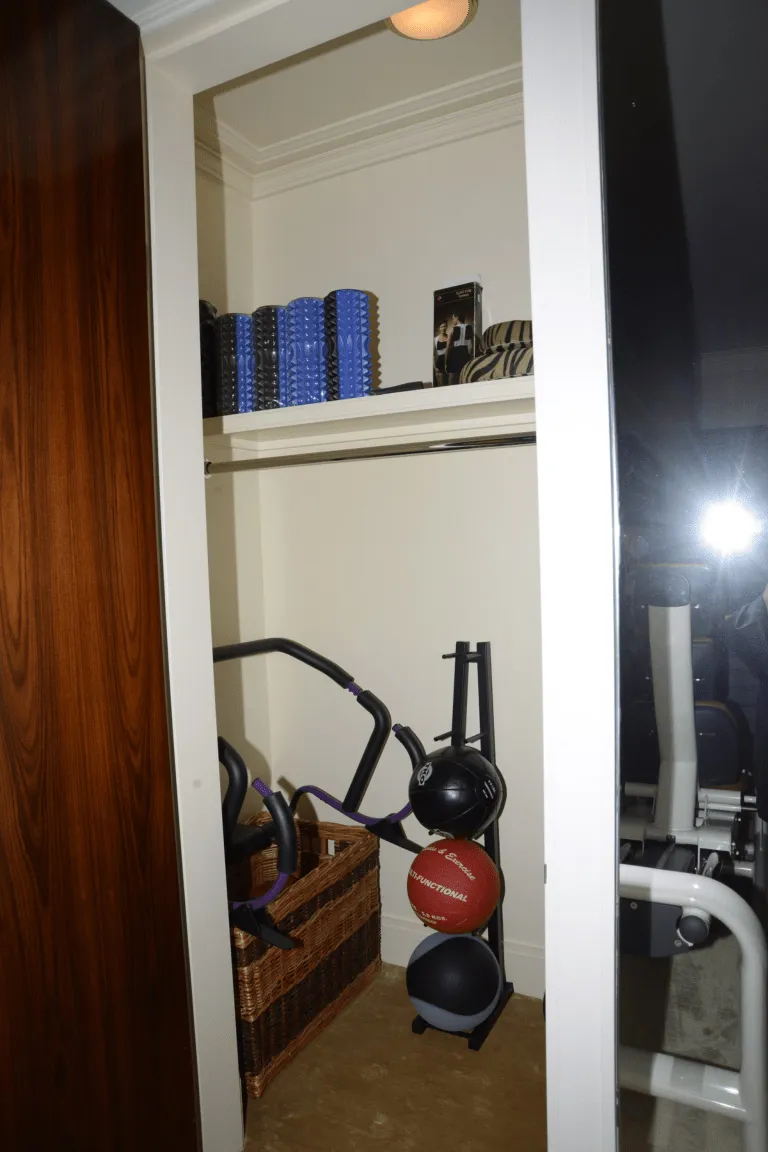
Density determines how much pressure you get and how much you can tolerate. Soft EVA foam rollers, usually white or light-coloured, give gentle pressure and compress permanently within months. Medium-density moulded rollers are the sensible default. High-density and hollow-core rollers with a rigid tube inside deliver firm pressure and last indefinitely.
Beginners consistently buy too firm. Excessive pressure makes you tense against the roller, which defeats the purpose — the muscle needs to relax for range of motion to change. Start medium and progress.
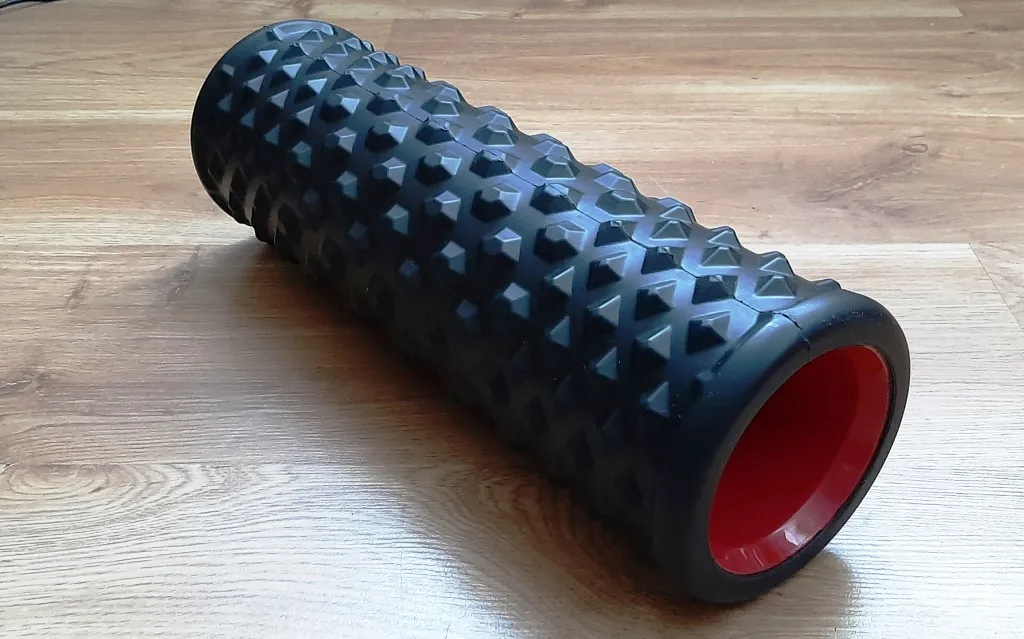
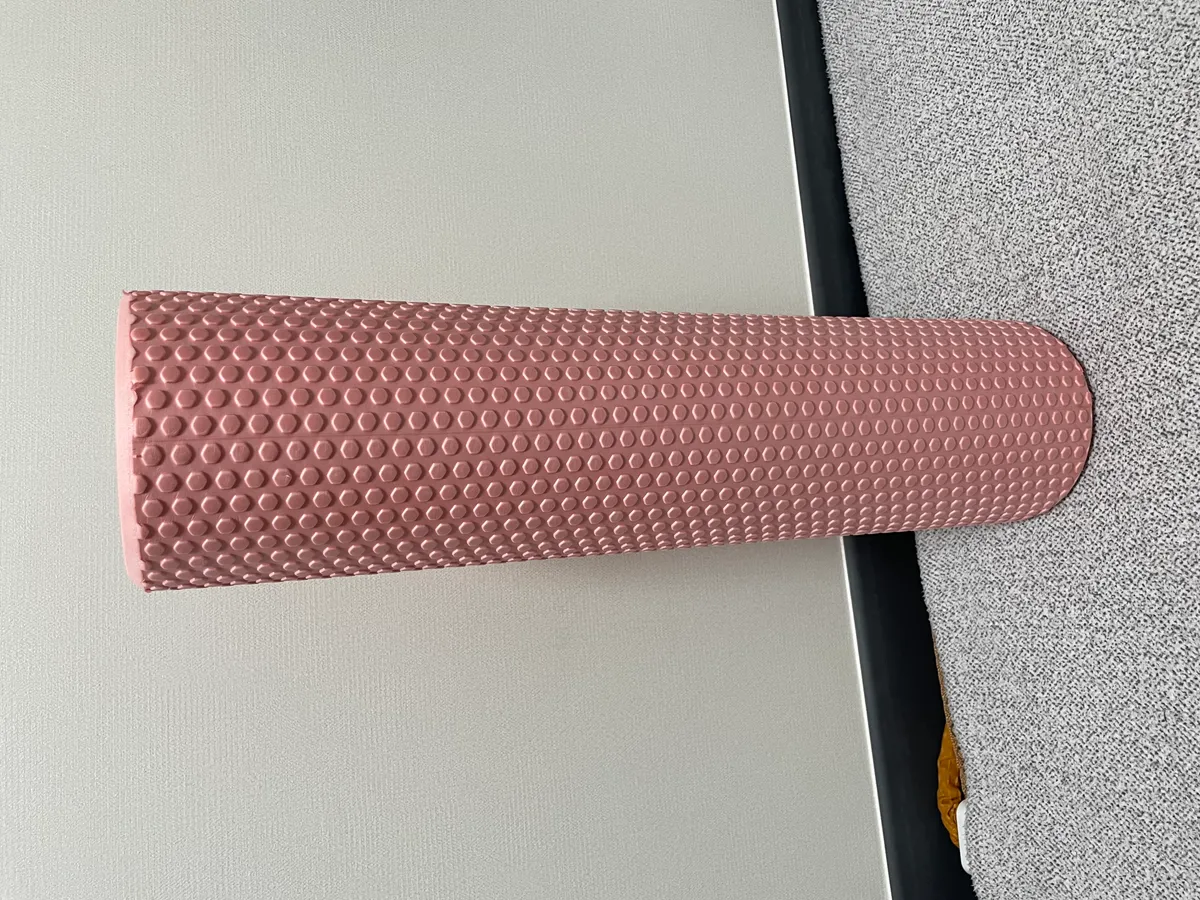
Textured rollers with ridges and knobs concentrate pressure into smaller areas, which some people prefer and which is markedly more uncomfortable. There is no good evidence that texture outperforms a smooth roller; it is a preference, and a smooth roller is the safer first purchase.
Size is a practical decision. A 90cm roller is stable, supports rolling along the spine with the roller crosswise, and is awkward to store or travel with. A 33-45cm roller fits in a bag and is less stable under a leg. A 15cm diameter is standard; smaller diameters put you closer to the floor and increase pressure.
Massage guns: the three specifications that matter
Amplitude, sometimes called stroke length, is how far the head travels — typically 10mm on cheap units and 12-16mm on better ones. This matters more than any other figure because it determines whether the device works into muscle or vibrates on the surface. A 10mm amplitude device on a large muscle feels like a buzz; 12mm and above feels like pressure.
Stall force is how much pressure you can apply before the motor bogs down. Budget units stall around 10-15kg, which for a big quadriceps or glute means the motor stops exactly when you lean in hard enough to matter. Better units handle 20-30kg. This is the specification that separates a device that feels substantial from one that feels like a toy, and it is frequently omitted.
Noise is the third, and it decides whether the thing gets used in a shared room. Brushless motors in well-damped housings run around 40-55dB — conversational level. Cheap brushed motors reach 70dB-plus, which is loud enough to be unusable while watching television, and that is how devices end up in drawers.
Two secondary considerations. Battery life quoted in hours is usually at low speed; expect roughly half at high. And weight, since a 1.2kg device held overhead to reach your own shoulder becomes tiring within a minute, which is an argument for the smaller mini form factor if shoulders and necks are your target.
Our Therabody Theragun Prime review covers what the higher-amplitude end of the market actually delivers over extended use, including the noise and grip trade-offs that come with a long stroke.
Attachments, and which two you will actually use
Massage guns ship with four to eight heads and most people settle on two. The large ball or foam head for general large-muscle work, and the flat head for areas near bone where a ball digs in uncomfortably. Those two cover the overwhelming majority of use.
The bullet or cone head concentrates force into a small point and is easy to overuse. It is intended for brief work on a specific trigger point and is not for grinding into a sore spot for two minutes.
The fork head, marketed for use either side of the spine or along the Achilles, is the one to treat carefully. Percussion directly on the spine, on the front of the neck, on the kidneys, or over any bony prominence is not appropriate, and a fork head does not make it so.
How to actually use these tools
For foam rolling, slow is the point. Move along the muscle at a few centimetres per second and pause on a tender spot for 20-30 seconds while breathing normally, rather than rolling back and forth rapidly. Total time of 30-90 seconds per muscle group is enough; longer produces no additional benefit and does produce bruising.
For a massage gun, 30-60 seconds per muscle group at moderate pressure, gliding rather than pressing hard into one point. Two minutes on one calf is not twice as good as one minute; it is how people wake up bruised.
Timing matters more than most people realise. Before training, both tools add range of motion without the strength cost of static stretching, which makes them a good warm-up addition. After training, both may reduce next-day soreness modestly. Neither should be used on an acute injury, a fresh strain, or any area that is swollen, hot, or bruised — that is the situation where these tools make things worse rather than better.
When to skip the equipment
Pain that persists beyond a few days, radiates, involves numbness or tingling, or follows a specific incident is a reason to see a physiotherapist or doctor rather than to buy a device. Percussion on a stress fracture, a disc problem, or a nerve entrapment ranges from useless to harmful, and the money spent on a massage gun would cover an assessment appointment that actually identifies the problem.
Also skip if the honest diagnosis is that you sit still for nine hours. No amount of rolling offsets prolonged static loading, and the interventions that help are getting up regularly and fixing desk geometry. Our office chair buying guide covers that side, and it is the more effective purchase for desk-related stiffness than any recovery tool.
And skip the tools entirely if the underlying issue is sleep and training load. Sleep duration and consistency have a far larger effect on recovery than any device, and a training plan with no easy days will produce soreness that no amount of percussion resolves. If you are tracking that side, our fitness tracker vs smartwatch guide covers what those devices measure reliably — total sleep time, yes; stage-by-stage breakdowns, much less so.
Budget tiers and what each buys
Under $50: a medium-density foam roller and a massage ball. This covers the large majority of the practical benefit available in this category and is what most people should buy first.
$50-$150: add a smaller travel roller, a peanut-shaped double ball for either side of the spine, and resistance bands, which do more for mobility than any passive tool because they let you actively load a joint through range.
$150-$350: a massage gun with 12mm-plus amplitude, 20kg-plus stall force, and a brushless motor. Buy for those three numbers and ignore the app, the presets, and the guided routines, which almost nobody uses after week two.
Above $350: you are into compression boots and premium percussion. Compression devices have some evidence for reducing perceived soreness and very little for improving performance recovery, and they cost $500-$1,200. For most people that money is better spent on a few sessions with a physiotherapist who can tell you what is actually wrong.
The summary is unglamorous and worth repeating: a $30 roller, used for two minutes before training, delivers most of what this category can honestly promise. Everything above that is convenience, comfort, and reaching places body weight cannot — real benefits, priced well above their effect size.
More coupon shopping advice

Home Security Camera Buying Guide: Local vs. Cloud Storage
A practical, balanced buying guide to home security cameras that weighs local storage against cloud subscriptions, wired versus battery power, camera placement, night vision, smart detection accuracy, and smart home integration.

Beginner Mirrorless Camera Buying Guide
A practical, honest walkthrough of what actually matters when buying your first mirrorless camera, from sensor size and lens mounts to autofocus, video specs, and the real total cost of a beginner-friendly system.

Air Purifier Buying Guide: CADR, ACH, and Filter Costs Explained
A practical walkthrough of the numbers that actually matter when buying an air purifier — CADR and ACH for sizing, true HEPA versus marketing terms, real three-year filter costs, realistic noise levels, and when a purifier won't help at all.