
Refrigerator Buying Guide: Layout and Stability Over Litres
Quoted litres are measured with the shelves out. Door clearance, temperature stability, and an inverter compressor decide the next twelve years.
A refrigerator is the only appliance in your home that never turns off. It runs every hour for a decade or more, and it is the one purchase where a bad decision keeps costing you — in electricity, in wasted food, and in the daily irritation of a layout that does not fit how you shop.
The spec sheet leads with total litres and a stack of features. Neither tells you what you need to know. Usable space, temperature stability, and whether the doors can actually open in your kitchen are what decide it.
Measure three things, not one
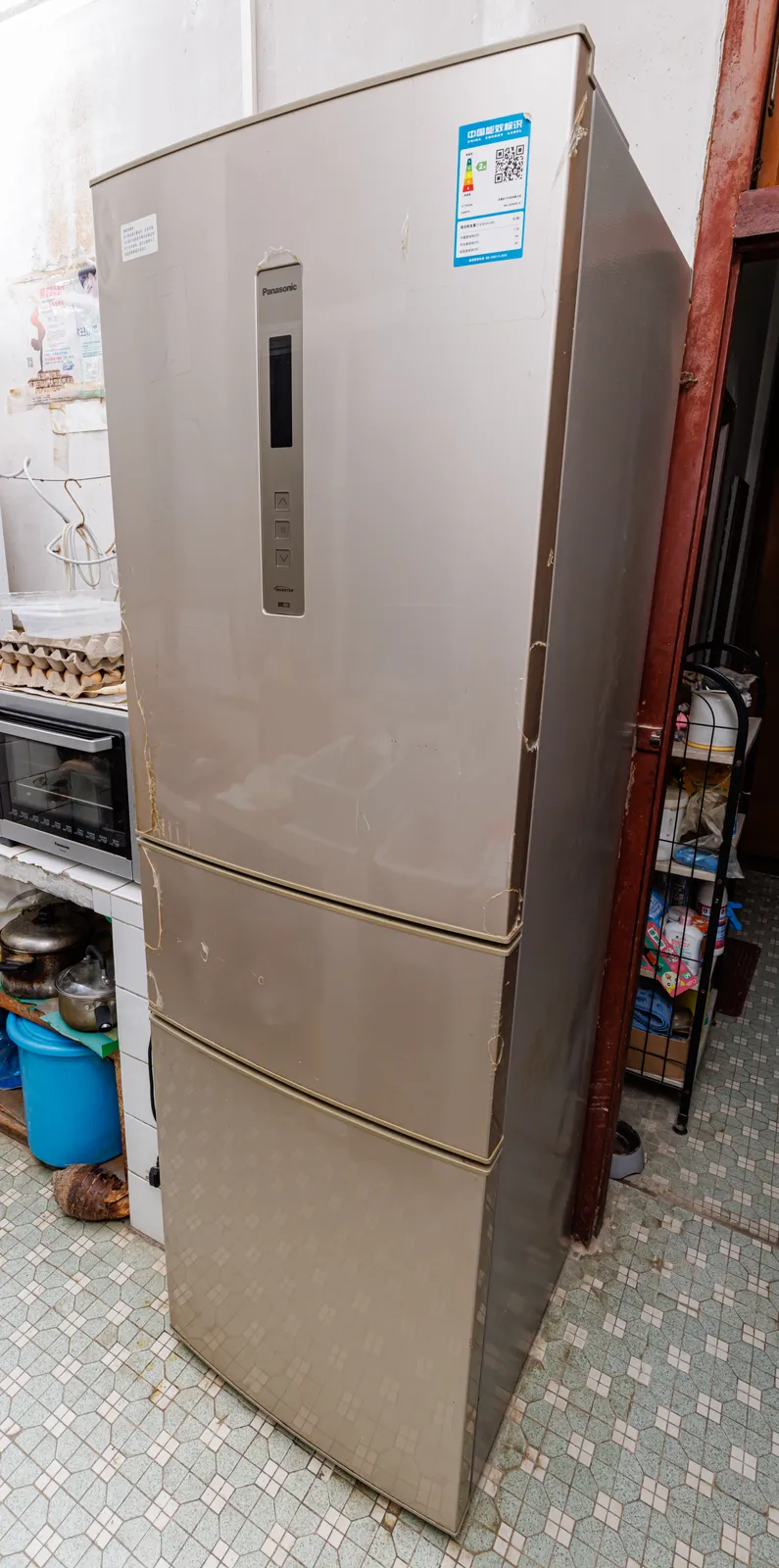
Width and height are obvious. The two that catch people out are depth including the door and handle, and door swing clearance.
A fridge quoted at 65 cm deep is usually closer to 72 cm with the door and handle included, which means it protrudes past a standard 60 cm worktop. That is normal and often fine, but check it against a walkway. Then check door swing: a fridge door needs to open at least 90 degrees to pull the crisper drawers out, and many need closer to 120 degrees. If the fridge sits beside a wall or in a corner, verify the hinge side and whether the door is reversible.
Ventilation clearance is a real specification, not a suggestion. Most machines need several centimetres at the back and above for the condenser to shed heat. A fridge boxed into a tight cavity runs its compressor longer, uses more electricity, and fails sooner. Check the manual's clearance figures before you commit to a cabinet run.
Finally, measure your route. Doorways, stair turns, and hallway corners defeat more large fridges than kitchens do. Measure the narrowest point on the path from the front door to the kitchen, and compare it against the machine's depth, because that is the dimension it travels on.
Configuration decides how it feels to use
Fridge on top, freezer below puts the food you reach for twenty times a day at eye and chest level and the freezer — which you open once or twice a day — in a drawer at the bottom. Drawers are also better at holding cold, because cold air does not spill out when opened. This is the best layout for most households.
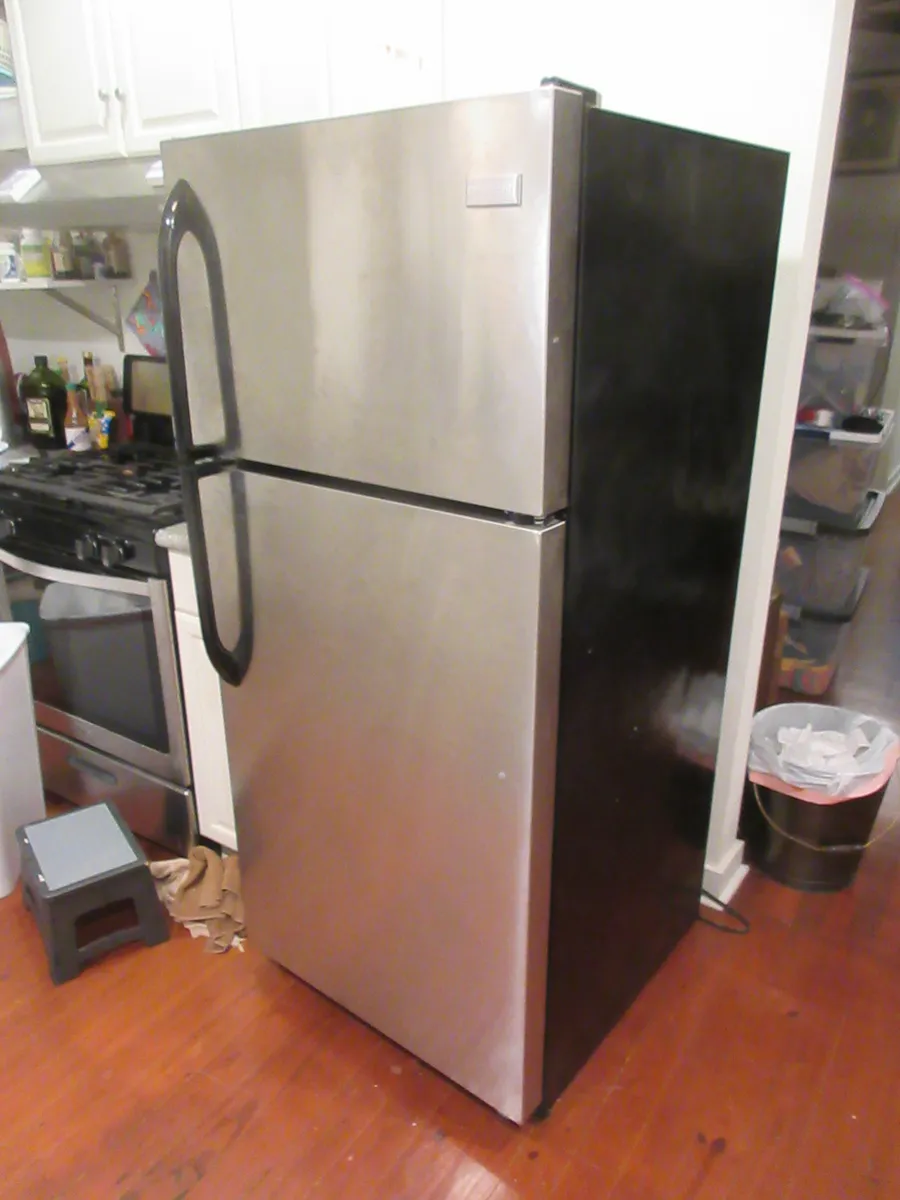
Freezer on top is the cheapest configuration, mechanically simple, and gets the priority backwards, since you bend for the food you use most. It remains the value option for a second fridge or a small kitchen.
Side by side gives you a tall narrow fridge and a tall narrow freezer, which suits a household that freezes a lot. The narrow compartments will not take a large tray or a wide platter, which is worth knowing before you host at Christmas.
French door — two fridge doors above, freezer drawer below — combines a full-width fridge shelf with narrow door swings, which is why it works in kitchens where a single wide door has nowhere to go. It costs more and adds a second door seal to fail.
Integrated and built-under models fit a cabinet run and look seamless. They cost more per litre, hold less, and are harder to service. Choose them for the aesthetics of a fitted kitchen, not for capacity.
Litres are a gross figure
Quoted capacity is measured with shelves removed. What you get in practice depends on shelf spacing, how much space the ice maker and water dispenser consume, and whether the door bins are deep enough to hold a two-litre bottle upright.
A useful rough guide is around 150 litres of fridge space for the first two people and about 30 litres per additional person, plus more if you shop weekly rather than every few days. Freezer needs vary far more: a household that batch cooks needs two or three times what a household that buys fresh daily does.
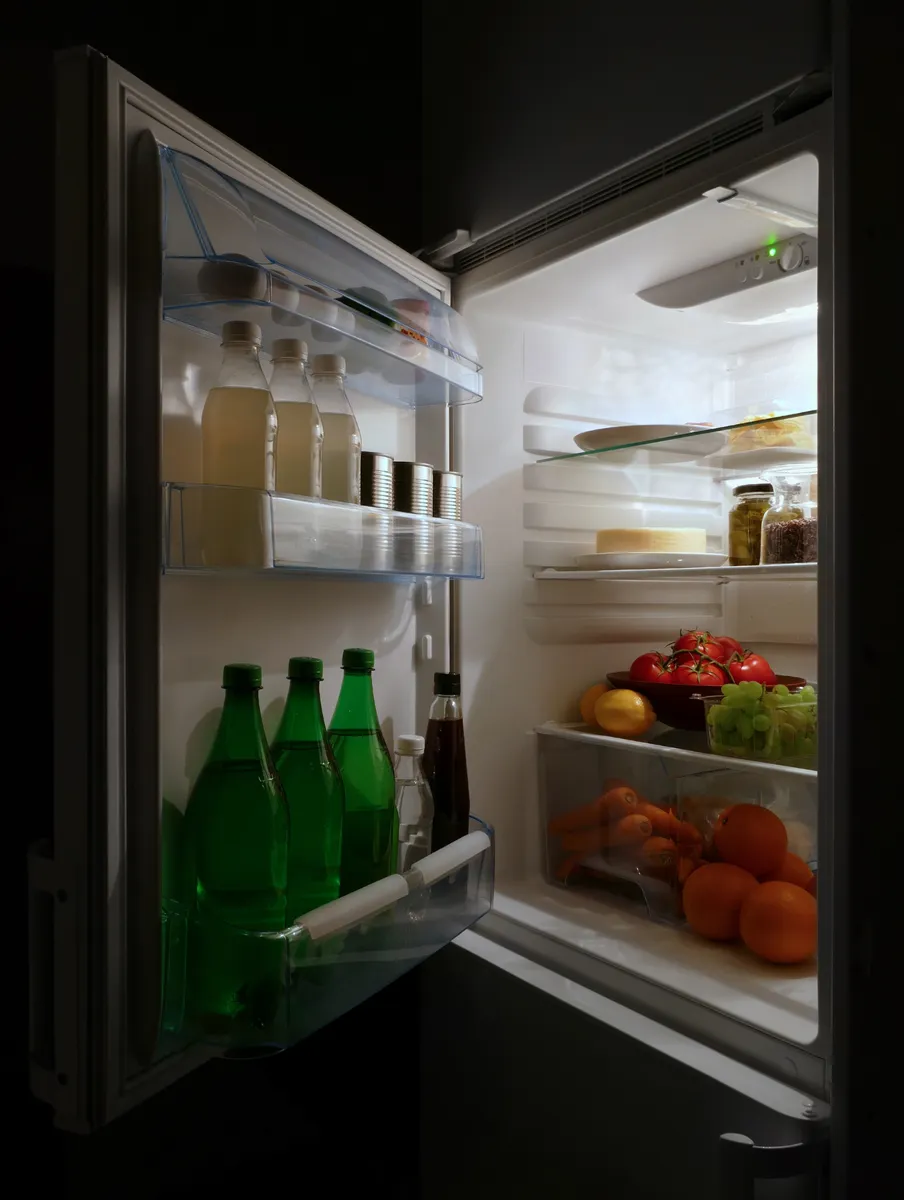
Assess layout rather than volume. Look for at least one shelf that is height-adjustable without unloading it, a split or folding shelf so you can stand a tall bottle, a deep drawer for meat and fish at the coldest point, and door bins tall enough for the bottles you actually buy. A bottle that will not stand up is a permanent daily annoyance in a machine you keep for twelve years.
Frost-free, and what it costs you
Freezers come in two types. A static or direct-cool freezer chills by contact and gradually accumulates frost, which you defrost manually once or twice a year. A frost-free freezer circulates air past an evaporator and periodically runs a heater to melt any accumulation, so it never needs defrosting.
Frost-free is far more convenient and has one real drawback: moving air dries food out faster, so poorly wrapped items get freezer burn quicker. Wrap properly or use sealed containers and this stops being an issue. Static freezers hold food quality slightly better and cost you an afternoon with a bowl of hot water each year.
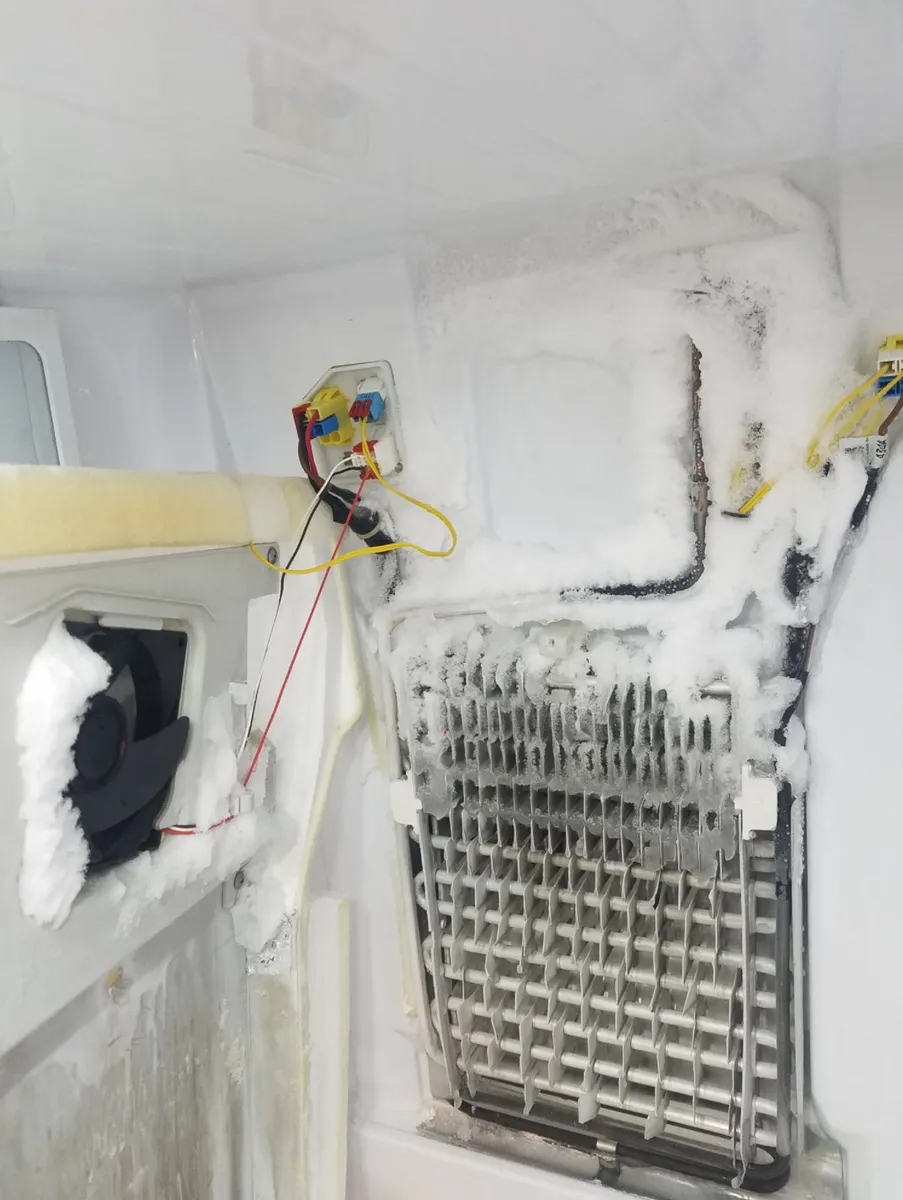
Note that ice forming in a frost-free machine is a fault, not normal behaviour. It usually means a blocked drain channel, a failed defrost heater or thermostat, or a door seal letting warm humid air in. All three are repairable, and all three get worse if ignored, so deal with it when it starts rather than chipping ice off for a year.
Temperature stability matters more than the coldest setting
Food safety depends on the fridge staying below 5 °C, and food quality depends on it not swinging. A machine whose temperature oscillates by several degrees each compressor cycle ages produce noticeably faster than one that holds steady, even if both average the same number.
Two features genuinely help. An inverter or variable-speed compressor runs slowly and continuously instead of switching hard on and off, which holds temperature tighter, uses less electricity, and is much quieter. Dual cooling — separate evaporators for fridge and freezer — stops freezer air drying the fridge out and prevents smells transferring between compartments.
Buy a cheap fridge thermometer whatever you get. Built-in displays report the target, not the actual temperature at the shelf, and the difference between the top shelf and the bottom drawer in a real fridge is often two or three degrees. Set the machine so the warmest part of the fridge is below 5 °C and the freezer sits at −18 °C.
Energy: read the kilowatt-hours, not the letter
Energy labels have been rescaled, so an older A+++ machine and a current C-rated machine can be similarly efficient. Ignore the letter and read the annual consumption figure in kilowatt-hours, then multiply by your electricity price. Over a twelve-year life the gap between an efficient and an inefficient machine of the same size is real money — often more than the price difference at purchase.
Two caveats. Bigger machines use more energy in absolute terms even when they are more efficient per litre, so do not buy capacity you will not fill; a half-empty fridge is not cheaper to run than a full one, and an over-large freezer is pure waste. And ice makers and through-door water dispensers add consumption, plumbing, and another component that can leak or fail.
Placement affects running cost more than most features. A fridge next to an oven, against a sunlit wall, or in an unventilated alcove works harder permanently. Keeping it out of direct heat and vacuuming the condenser coils once a year are the two cheapest efficiency measures available.
Noise, and where it comes from
Fridge noise ratings, like dishwashers, use a common standard and are broadly comparable. Around 42 dB is typical, high thirties is quiet, and anything at 35 dB or below is barely audible. In an open-plan kitchen or a flat where the kitchen adjoins a bedroom, this is worth paying for.
Inverter compressors are quieter by design because they avoid the hard start-up thump. Frost-free machines add fan noise, and ice makers add periodic clatter as ice drops into the bin. If the machine will be near a living space, look for an inverter model and consider skipping the ice maker.
Organising it so food actually lasts
Cold air sinks, so the bottom of the fridge is coldest and the door is warmest. That means raw meat and fish belong in the bottom drawer, both because it is coldest and because drips cannot reach anything below. Dairy and cooked leftovers go on middle shelves. The door is for condiments and drinks, not milk or eggs, because the door swings through the largest temperature range.
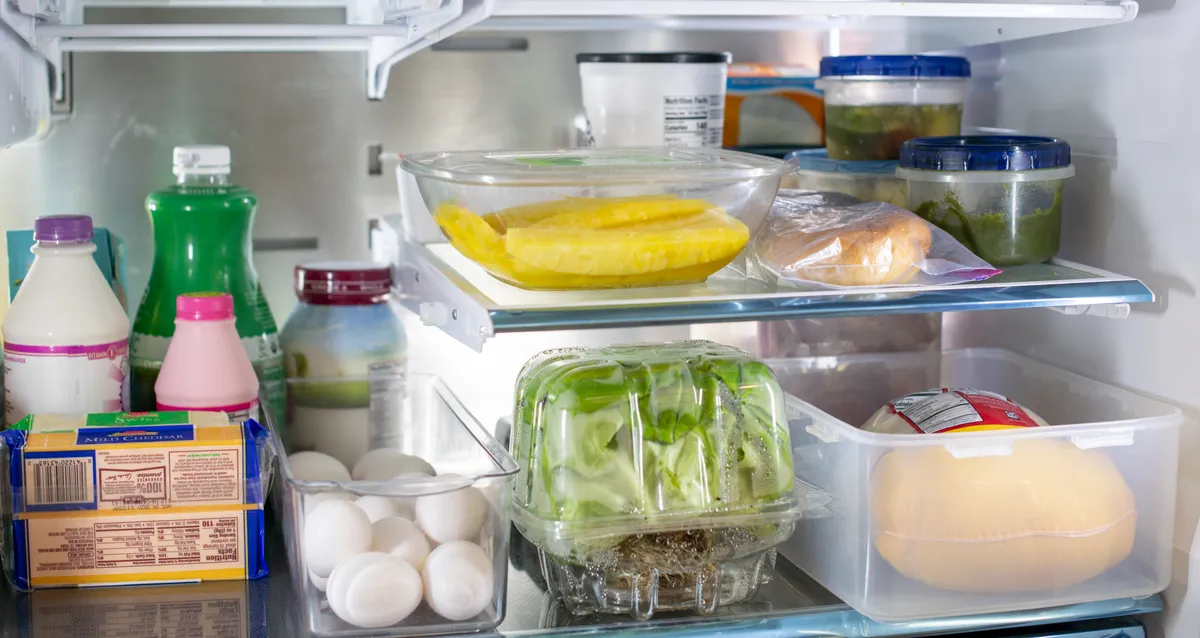
Crisper drawers with a humidity slider are not decoration. High humidity suits leafy greens and herbs, which wilt when they lose moisture. Low humidity suits fruit that gives off ethylene, such as apples and pears, which rot faster in a sealed damp environment. Splitting produce between the two settings measurably extends how long it lasts.
Do not overpack. Air needs to circulate, and a fridge stuffed to the walls develops warm pockets. Leave the vents at the back clear, and if you find yourself blocking them, the answer is a shopping habit change rather than a bigger fridge. Storing food in clear containers with dates on them cuts waste more than any smart feature — related habits are covered in our reusable kitchen swaps guide.
Smart features, and which are worth anything
Internal cameras and touchscreens are the headline features and the first thing to break. They add cost, add a screen you will not use after the first month, and tie a twelve-year appliance to a software platform with a much shorter support life.
Two connected features are genuinely useful. A door-open alarm catches the single most common cause of a spoiled fridge, which is a door left ajar overnight or a bottle blocking it from sealing. A temperature or power-failure alert tells you a compartment has warmed up while you were away, which is the difference between checking the freezer and throwing it out. Both are cheap, both are practical, and neither needs a screen.
Reliability and repair
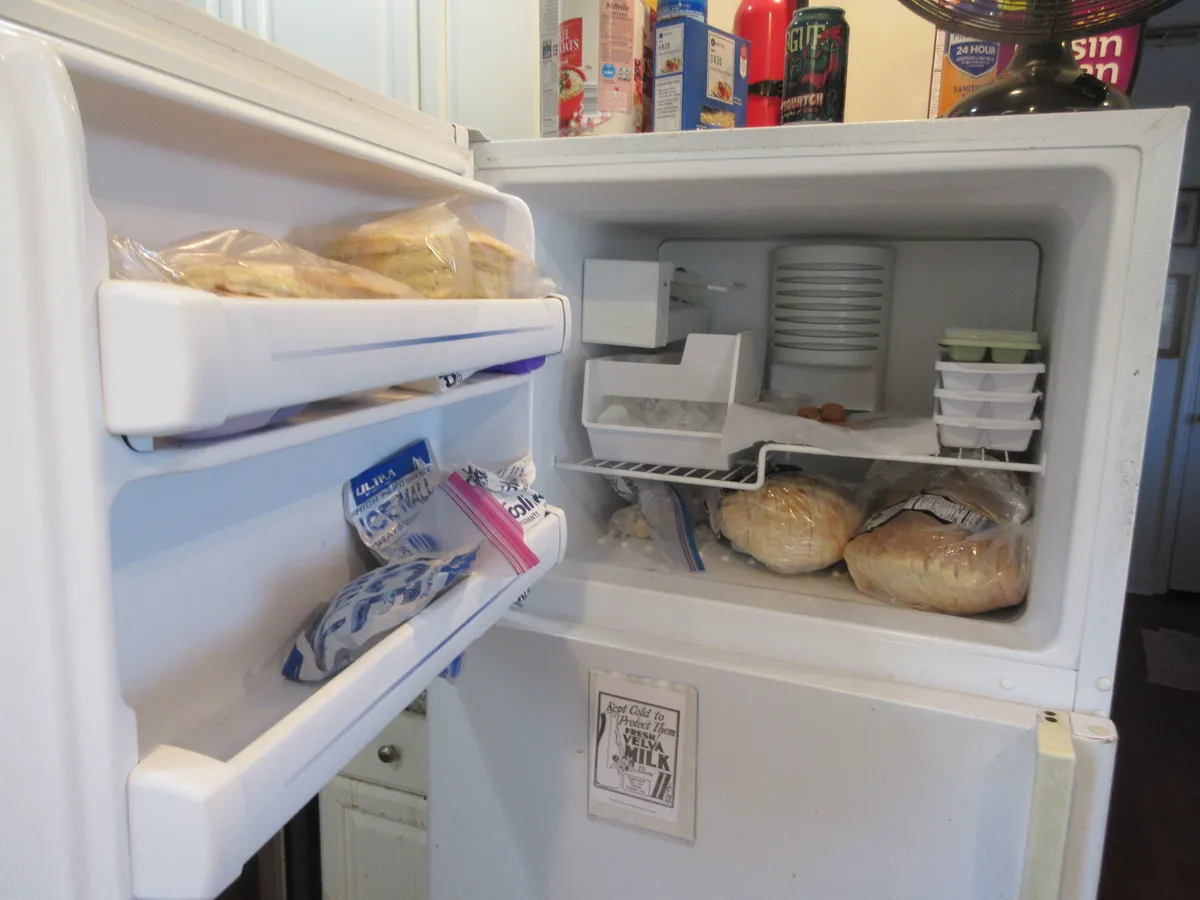
Fridges fail at the door seal, the defrost heater or thermostat, the evaporator fan, the drain channel, and eventually the compressor. Everything except the compressor is a cheap part and a manageable job. Compressors are usually the point where replacement makes more sense than repair, which is why compressor warranties of ten years are common and worth checking.
Before buying, check that door seals and shelves are available as spares for the model, because a torn seal on an otherwise perfect fridge is an efficiency and frost problem you cannot ignore. Read the warranty for what is covered on parts and labour rather than the headline number on the compressor.
Simple maintenance: clean the door seal with warm soapy water so it stays flexible and seals, vacuum the condenser coils at the back or underneath annually, keep the internal drain hole clear, and let the machine stand upright for a few hours before switching it on after delivery so the compressor oil settles.
Matching it to your household
Two people, shopping every few days, small kitchen: a fridge-on-top, freezer-below machine around 250 to 300 litres total, with an inverter compressor for quiet running.
Family of four or five, weekly shop, batch cooking: 350 litres or more with a large frost-free freezer drawer, dual cooling, and flexible shelving.
Cooks who entertain: prioritise a full-width shelf that takes a large tray, which points at French door or a wide single-door fridge rather than side by side.
Small flats and second fridges: a freezer-on-top model is cheap, reliable, and perfectly good. Bear in mind that two small fridges use considerably more electricity than one larger one.
For the rest of the kitchen, the dishwasher buying guide covers the other always-on appliance, and the cookware guide and Instant Pot Duo Plus review cover batch cooking, which is what fills a freezer in the first place.
The short version
Measure depth with the door on, door swing clearance, ventilation gaps, and the delivery route. Choose fridge-above and freezer-drawer-below unless a specific constraint says otherwise. Judge capacity by shelf layout and whether a two-litre bottle stands in the door, not by quoted litres. Take frost-free and wrap food properly. Pay for an inverter compressor: quieter, cheaper to run, steadier temperature. Read annual kilowatt-hours rather than the energy letter. Skip the touchscreen, keep the door-open alarm, and put a thermometer on the top shelf.
More coupon shopping advice

Home Security Camera Buying Guide: Local vs. Cloud Storage
A practical, balanced buying guide to home security cameras that weighs local storage against cloud subscriptions, wired versus battery power, camera placement, night vision, smart detection accuracy, and smart home integration.

Beginner Mirrorless Camera Buying Guide
A practical, honest walkthrough of what actually matters when buying your first mirrorless camera, from sensor size and lens mounts to autofocus, video specs, and the real total cost of a beginner-friendly system.

Air Purifier Buying Guide: CADR, ACH, and Filter Costs Explained
A practical walkthrough of the numbers that actually matter when buying an air purifier — CADR and ACH for sizing, true HEPA versus marketing terms, real three-year filter costs, realistic noise levels, and when a purifier won't help at all.