
Newborn Gear Buying Guide: Twelve Things, Not Ninety
What actually gets used in the first six months, what to buy second-hand, and the two categories where you should always buy new.
Baby gear lists are written to be comprehensive, which makes them useless as buying advice. A registry with ninety items is not a plan; it is a catalogue. And the cost of getting it wrong is unusual here, because babies grow out of things in weeks and because a product that does not suit your particular baby cannot be reasoned with.
This guide covers what genuinely gets used in the first six months, where to spend and where the cheap version is identical, and which categories are worth buying second-hand versus which are not. It assumes you would rather buy twelve things properly than ninety things speculatively.
The quick answer
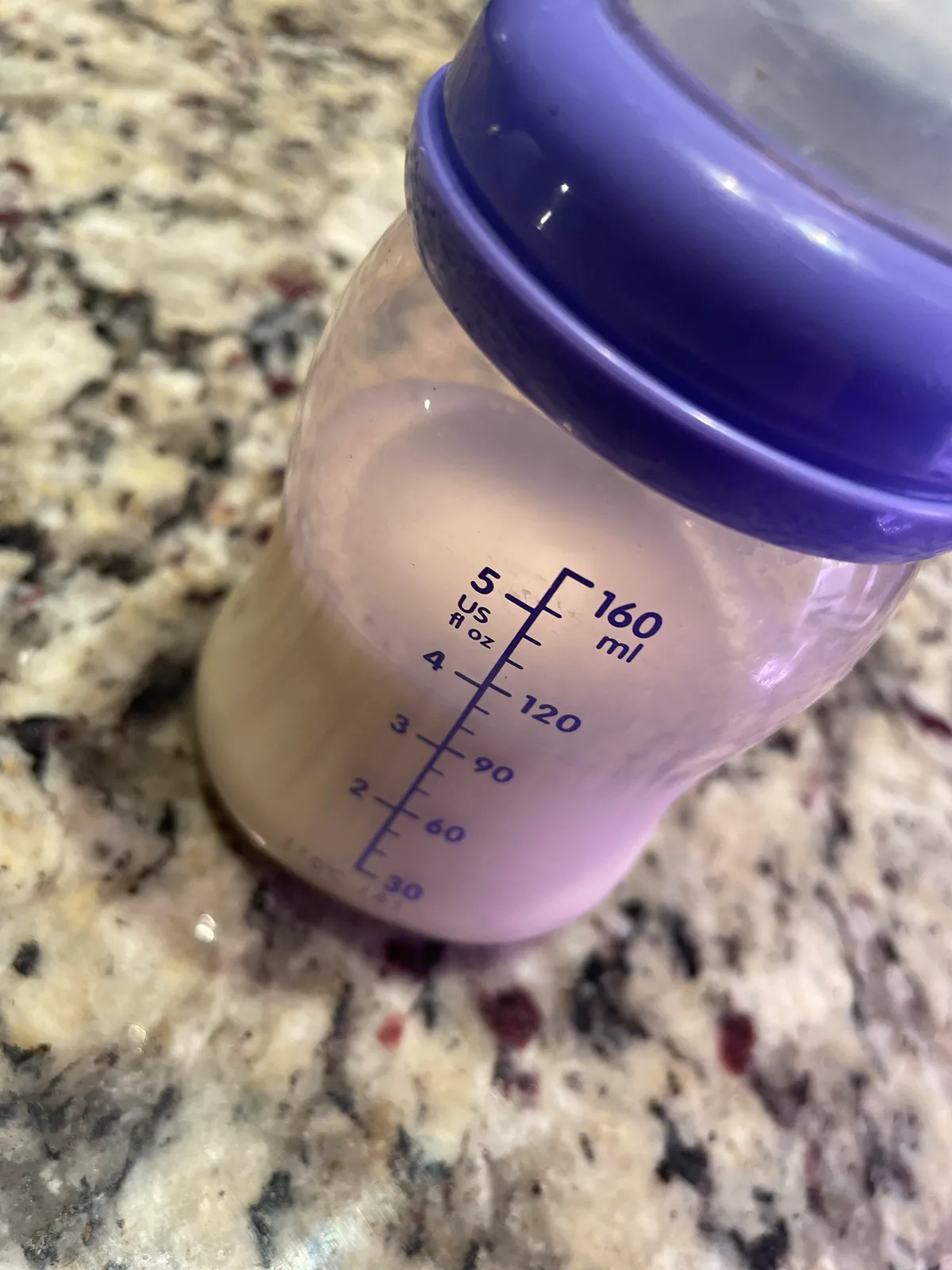
Buy before birth: a car seat, a safe sleep surface, a handful of bottles if you plan to bottle-feed at all, nappies in two sizes, and a few sets of clothes in 0-3 months. That is genuinely most of it.
Buy after birth, once you know your baby: a specific bottle in bulk, a carrier fitted to your body, and a pram matched to how you actually get around. Buying these in advance is how people end up with four unused bottle types.
Do not buy new: clothes, most toys, changing tables, bottle sterilisers, and prams — all hold up fine second-hand and depreciate enormously.
Do buy new: car seats, and mattresses. Both for reasons covered below.
Feeding: buy one, then buy twelve
Bottles are the clearest case of buy-late-not-early. Babies develop preferences for teat shape and flow rate that nobody can predict, and a baby who refuses a particular bottle will refuse it consistently. Buying a starter pack of two or three different bottles and then bulk-buying the winner costs less than committing to a twelve-pack in advance.
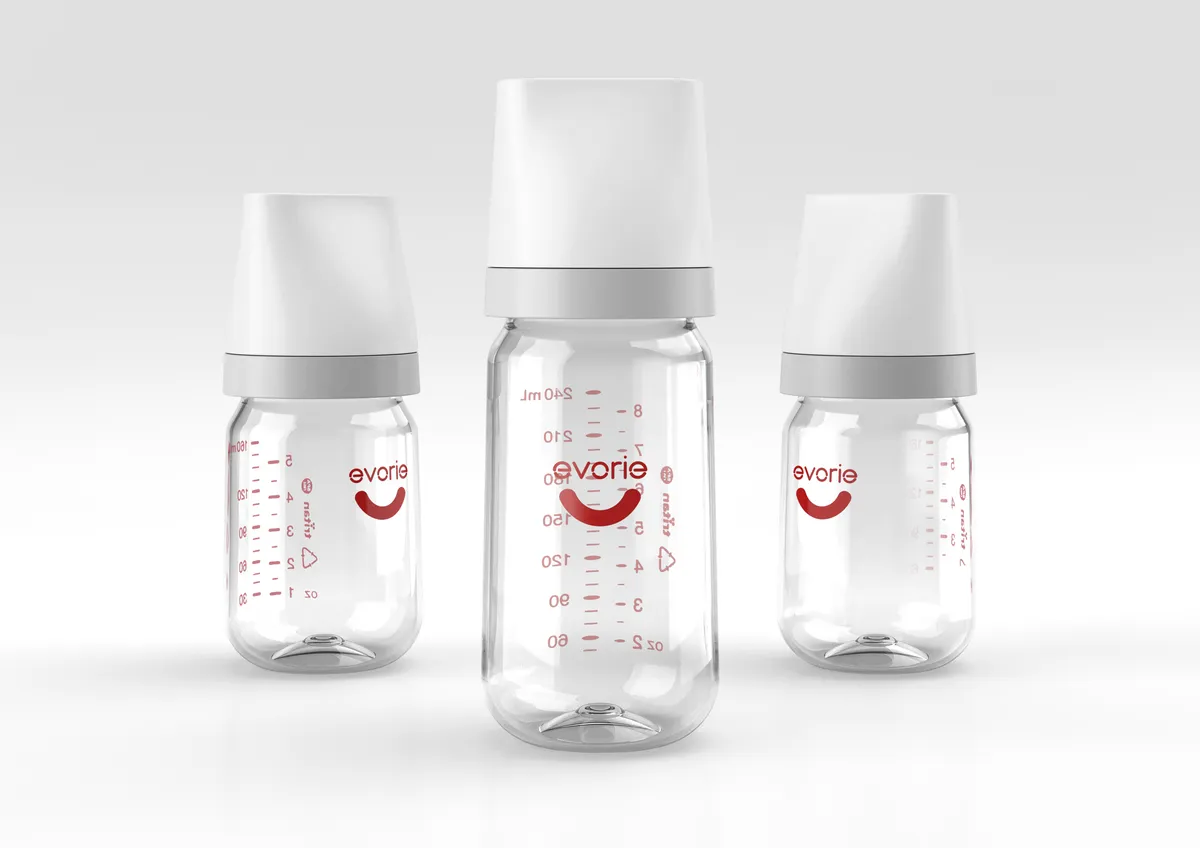
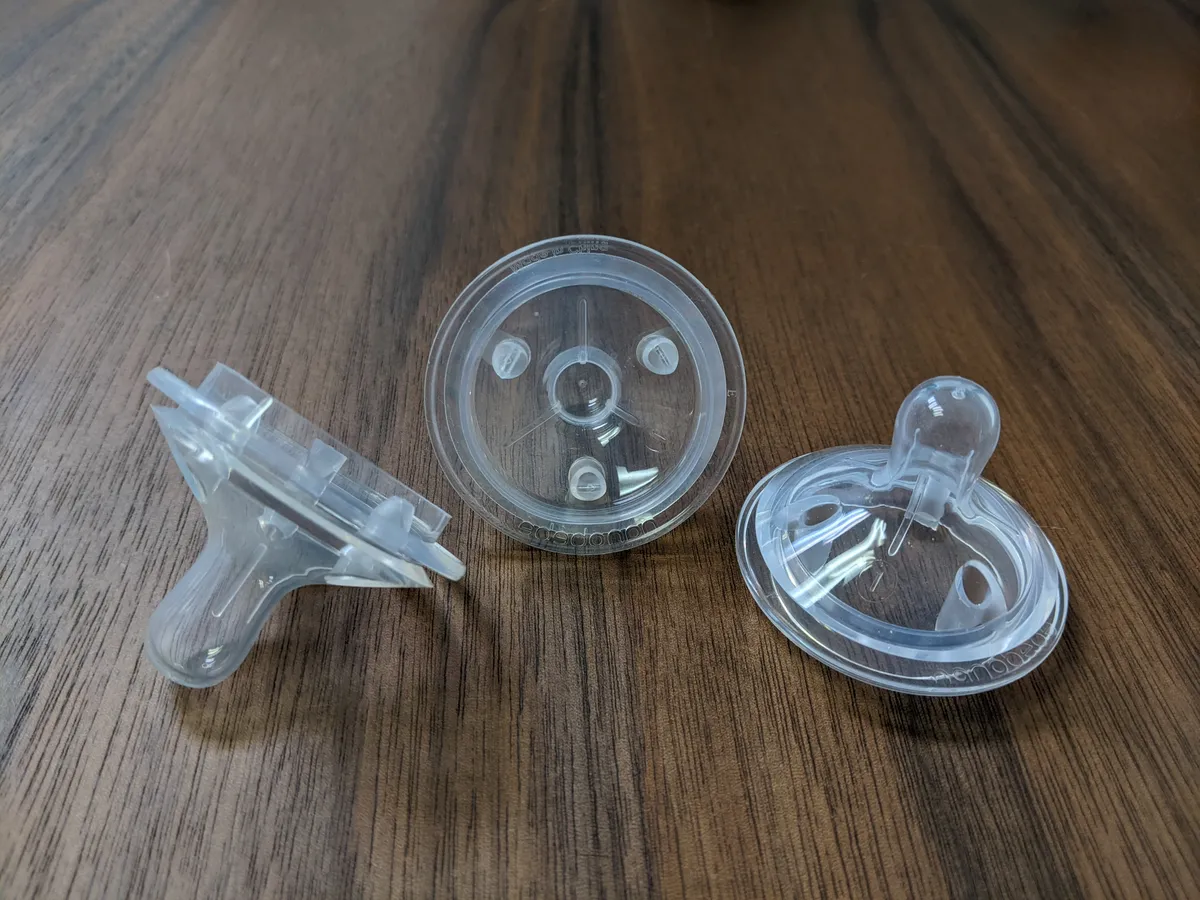
What actually matters in a bottle: teat flow rate appropriate to age, since too fast causes choking and gulping and too slow causes frustration; a vent system to reduce swallowed air, which is worth having and does not need to be elaborate; and a narrow parts count, because every extra component is another thing to wash and lose at 3am.
Material choice is straightforward. Polypropylene is light, cheap, and BPA-free by regulation in most markets. Glass is heavier, inert, and does not stain or retain smells, and it breaks. Silicone splits the difference at higher cost. All three are fine; convenience is the deciding factor.
Sterilisers are largely optional in developed water systems: dishwasher on a hot cycle, or five minutes in boiling water, achieves the same result. An electric steriliser is a convenience purchase, and a good one at that if you are washing bottles eight times a day, but it is not a safety requirement — check your local health guidance, since recommendations differ.
Formula preparation machines dispense water at temperature and mix a measured scoop, which saves a genuine amount of night-time effort for formula-fed babies. They also need regular descaling and calibration checks, since a machine dispensing the wrong ratio is a real problem rather than an inconvenience. Our Baby Brezza Formula Pro review covers ten weeks and about 500 bottles, which is the timescale at which the maintenance requirements show up.
Carriers: fit is everything
A carrier is one of the few baby purchases that must fit two bodies. The baby needs hip and spine support in the recommended position — knees higher than the bottom, in an M-shape, with the fabric supporting thigh to thigh rather than dangling from the crotch. Narrow-base carriers that leave legs hanging straight down are the design that hip health guidance advises against.
The adult needs the weight on the hips and shoulders rather than the lower back, which means a structured waistband and adjustable straps. This is where trying before buying matters, because torso length varies and a carrier that fits one partner may not fit the other. Many areas have sling libraries that lend carriers for a week for a small fee, which is the single best way to buy this category.

Format matters less than fit. Stretchy wraps are cheap and excellent for newborns and become unsupportive around 6-8kg. Ring slings are quick to put on and load one shoulder. Structured buckle carriers handle the widest weight range and are the most likely single purchase to last from newborn to toddler, especially those with an adjustable panel rather than a separate newborn insert.
The safety points are simple and non-negotiable: the baby's face visible and clear of fabric, chin off the chest so the airway stays open, and close enough to kiss the top of the head. Our Ergobaby Omni 360 review covers the adjustable-panel category from newborn through toddler, which is the configuration that avoids buying twice.
Sleep: the one place to be conservative
Safe sleep guidance is consistent across health authorities and worth following exactly: a firm, flat surface, the baby on their back, in a cot or crib with no pillows, no loose bedding, no bumpers, and no soft toys. Room-sharing without bed-sharing for the first six months is the standard recommendation.
That guidance rules out a lot of products sold for sleep. Inclined sleepers and soft loungers marketed for unsupervised sleep have been the subject of regulatory action in several markets. If a product places a baby at an angle or on a soft surface for sleep, treat that as a reason to avoid it rather than a feature.
Buy the mattress new. A used mattress of unknown history is the one sleep item where reuse is discouraged, both for hygiene and because foam compresses unevenly. A new cot mattress is $60-$150 and it should be firm enough that pressing it leaves no lasting impression.
Monitors: what they do and do not tell you
Audio and video monitors do a simple, useful job: they let you hear or see the baby from another room. For that, the specifications that matter are battery life on the parent unit, whether video streams over your home network or a dedicated radio link, and — if it uses your network — whether the manufacturer has a credible security record, since baby monitors have a poor history of exposed camera feeds.
Wearable monitors measuring heart rate and blood oxygen are a different product with a different claim. They are consumer devices, not medical monitors, and the health authorities that have examined them have not endorsed them as preventing sudden infant death. What they reliably produce is data and, frequently, false alarms — which for an anxious parent can worsen sleep rather than improve it.
They have a legitimate audience: parents who find the data reassuring enough to sleep better, and specific medical situations where a clinician has recommended monitoring. They are not a substitute for safe sleep practices, and buying one instead of following those practices is the wrong trade. Our Owlet Dream Sock review covers ten weeks of overnight use, including how often it woke the household unnecessarily.
Bags, prams, and the things people over-buy
A dedicated changing bag is genuinely useful for the organisation rather than the branding — an insulated bottle pocket, a wipe-clean changing mat, and separate compartments so you are not excavating for a nappy one-handed. Backpack formats keep both hands free, which matters more than it sounds when carrying a baby. Our Skip Hop Duo review covers whether the organisation survives real use, which is the only question in this category.

Prams should be chosen by your actual transport. Public transport and stairs favour a light, one-handed fold. A car boot favours a compact folded footprint — measure it. Rough pavements and countryside favour larger air-filled wheels. City flats favour whatever fits through your front door and up your hallway, which is a measurement worth taking literally before ordering.
The categories most often bought and least often used: bottle warmers, wipe warmers, nappy disposal systems, baby shoes for a non-walking baby, cot bumpers, and anything sold as a "system" of five coordinated items. Also full-size changing tables, which get replaced by a mat on the floor or a bed within weeks.
Car seats: the exception to everything
This is the one category where buying new matters and where the used market is genuinely risky, because crash history and age damage are invisible and a seat that has been in a collision must be replaced. Seats also carry expiry dates as the plastic embrittles.

It is also the category where installation matters more than product choice, since every legal seat passes the same crash test and a large share of installed seats have at least one significant error. Our child car seat buying guide covers the stages, the vehicle-fit checks, and the specific installation errors worth knowing before the seat arrives.
A minimal list that actually works
Car seat, cot or crib with a new firm mattress, four fitted sheets, six sleepsuits and six bodysuits in 0-3 months, a pack of muslins, nappies in newborn and size one, a changing mat, a thermometer, a stretchy wrap or borrowed carrier, three assorted bottles if bottle-feeding, and a pram or a carrier depending on how you travel.
That is roughly $600-$1,000 new, considerably less with second-hand clothing and a borrowed pram, and it covers the first three months completely. Everything else can wait until you know which problems you actually have — and the list of problems you actually have will look nothing like the registry.
More coupon shopping advice

Home Security Camera Buying Guide: Local vs. Cloud Storage
A practical, balanced buying guide to home security cameras that weighs local storage against cloud subscriptions, wired versus battery power, camera placement, night vision, smart detection accuracy, and smart home integration.

Beginner Mirrorless Camera Buying Guide
A practical, honest walkthrough of what actually matters when buying your first mirrorless camera, from sensor size and lens mounts to autofocus, video specs, and the real total cost of a beginner-friendly system.

Air Purifier Buying Guide: CADR, ACH, and Filter Costs Explained
A practical walkthrough of the numbers that actually matter when buying an air purifier — CADR and ACH for sizing, true HEPA versus marketing terms, real three-year filter costs, realistic noise levels, and when a purifier won't help at all.