
Ergobaby Omni 360 Review: Newborn to Toddler | Keen Review
Eight months of hands-on testing, from a three-week-old infant insert to a full toddler back carry, on the carrier that promises to do it all.
- One carrier genuinely covers newborn (with infant insert) through toddler back-carry stage
- True back-carry position, unlike many structured competitors that stop at front and hip carries
- Independent lumbar support strap noticeably reduces lower-back strain on long carries
- Wide waist belt and quick-pull strap range make handoffs between differently sized parents fast
- IHDI hip-healthy design with seat width that adjusts as baby grows
- Machine washable (gentle cycle) for the inevitable spit-up and blowout days
- Standard fabric runs noticeably hot in warm weather; the breathable mesh version costs extra
- Real learning curve on first setup and strap routing, not intuitive out of the box
- Bulkier and heavier to pack for travel than a wrap-style carrier or the Baby Bjorn
- Infant insert is fiddly to attach with a squirming newborn for the first couple of weeks
- Noticeably pricier than budget wrap-style carriers
- Air-dry-only care instructions stretch out wash day if it is your only carrier
When our daughter was born, we made a bet that a single "does everything" baby carrier would save us from owning three specialized ones. The Ergobaby Omni 360 was the bet. We bought it at three weeks postpartum, used it through the newborn haze, the sit-up-and-grab-everything months, and now the full-on toddler-who-wants-down-then-up-then-down-again stage. This review covers roughly eight months of near-daily use, including the infant insert period, all four carrying positions, sharing it between two parents with a 9-inch difference in torso height, and wearing it through a genuinely hot summer.
The short version: it earns its price by being the carrier we actually reached for, week after week, instead of the one we felt guilty about owning. It is not the lightest, cheapest, or most packable carrier on the market, and it has a real learning curve in the first week. But for a household that wants one carrier to cover newborn through toddler, it holds up.
First impressions and what's in the box
The Omni 360 ships as a single carrier body plus a padded infant insert, which is included in the box rather than sold separately (worth checking, since some Ergobaby lines split this out). Out of the box it feels substantial — dense, structured shoulder straps, a wide waist belt with a good chunk of padding, and a lumbar support panel that cinches independently of the main waist buckle. The buckles themselves are the double-layer "easy snap" style Ergobaby uses across its structured carriers, with a locking tab that has to be pressed before the buckle releases.

Setting it up cold, with no video, took about fifteen minutes and two false starts on strap routing. Ergobaby's own quick-start card is thin on detail, so we ended up watching a manufacturer video for the infant-insert configuration specifically. Once you've done it once, refitting for a growth spurt or handing the carrier to a different-sized parent takes under a minute, but that first setup is not intuitive if you've never used a soft-structured carrier before.
Newborn stage: the infant insert
We started using the Omni 360 at three weeks, right at the low end of its stated 7-pound minimum. The infant insert is a separate padded pillow that snaps into the main carrier body, narrowing the seat and adding head support so a newborn isn't swimming in adult-sized fabric. It worked, but it was fiddly for the first two weeks — getting the insert's internal snaps aligned with a squirming newborn already in the carrier required a second adult more than once. By six weeks we had the routine down: insert the baby into the carrier on a flat surface first, then stand up, rather than trying to lower a baby into a worn carrier.
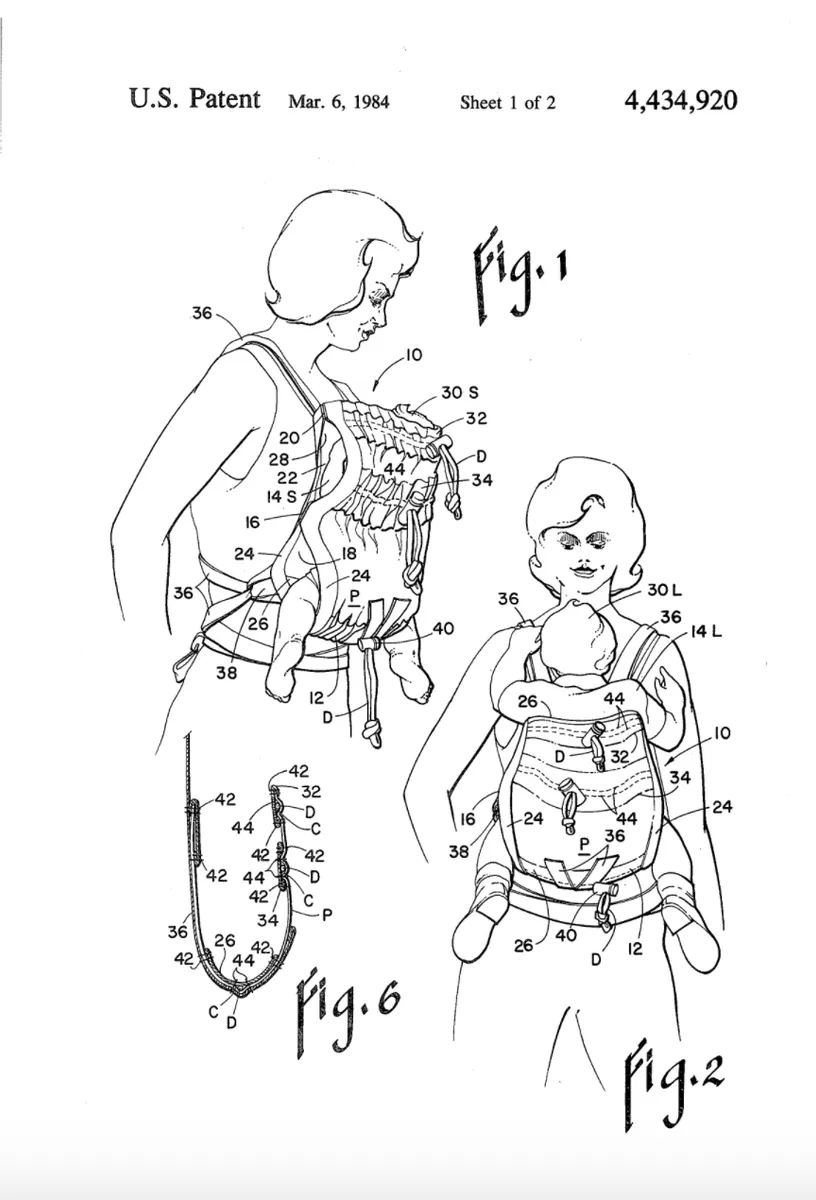
Hip position with the insert in place looked correct by the "M-shape" standard pediatricians reference — knees higher than the bottom, thighs supported to the knee crease rather than dangling. Ergobaby markets the Omni 360 as accepted by the International Hip Dysplasia Institute (IHDI) as hip-healthy, and visually the seated position matched what our pediatrician described as the target posture during a well-baby visit. We are not going to overstate what a hip-health certification means clinically, but it is a real, independently reviewed program and not just marketing copy on the box.

One real frustration during the newborn stretch: the infant insert traps heat. Our baby was born in late spring, and even indoors with AC running, we'd see sweat at the back of her neck after 20-30 minutes in the insert. We ended up limiting insert-based babywearing to shorter stretches — grocery runs, walks around the block — rather than the marathon two-hour naps some parents report with lighter wrap-style carriers.
The four carrying positions, in practice
The "360" in the name refers to four positions: front-facing-in (parent-facing front carry), front-facing-out (outward-facing front carry), hip carry, and back carry. We used all four over the course of testing, and they are not equally useful at every stage.
Front-facing-in was our default from week three through about month five. It's the position the infant insert is designed around, keeps the baby's head supported against your chest, and is the easiest to nurse in with the hood partially unsnapped for privacy and airflow.
Front-facing-out became relevant around month five once she had solid neck and core control and got bored facing our chest. Ergobaby specifically says not to use this position with the infant insert in place and not before a baby can hold their head up unassisted and has some hip/leg strength — we waited until closer to month six to be conservative. Once we switched, it was a hit for walks where she wanted to see the world, though we noticed shorter tolerance windows (20-30 minutes before she wanted to be picked up and held normally) compared to the inward-facing position.
Hip carry is the position we used least, mostly because it requires the most one-handed strap adjustment to get baby positioned correctly on one side, and it puts more of the load on one shoulder even with the waist belt doing most of the work. It's genuinely useful for a squirmy toddler who wants to see you and the room at the same time, more than for long carries.
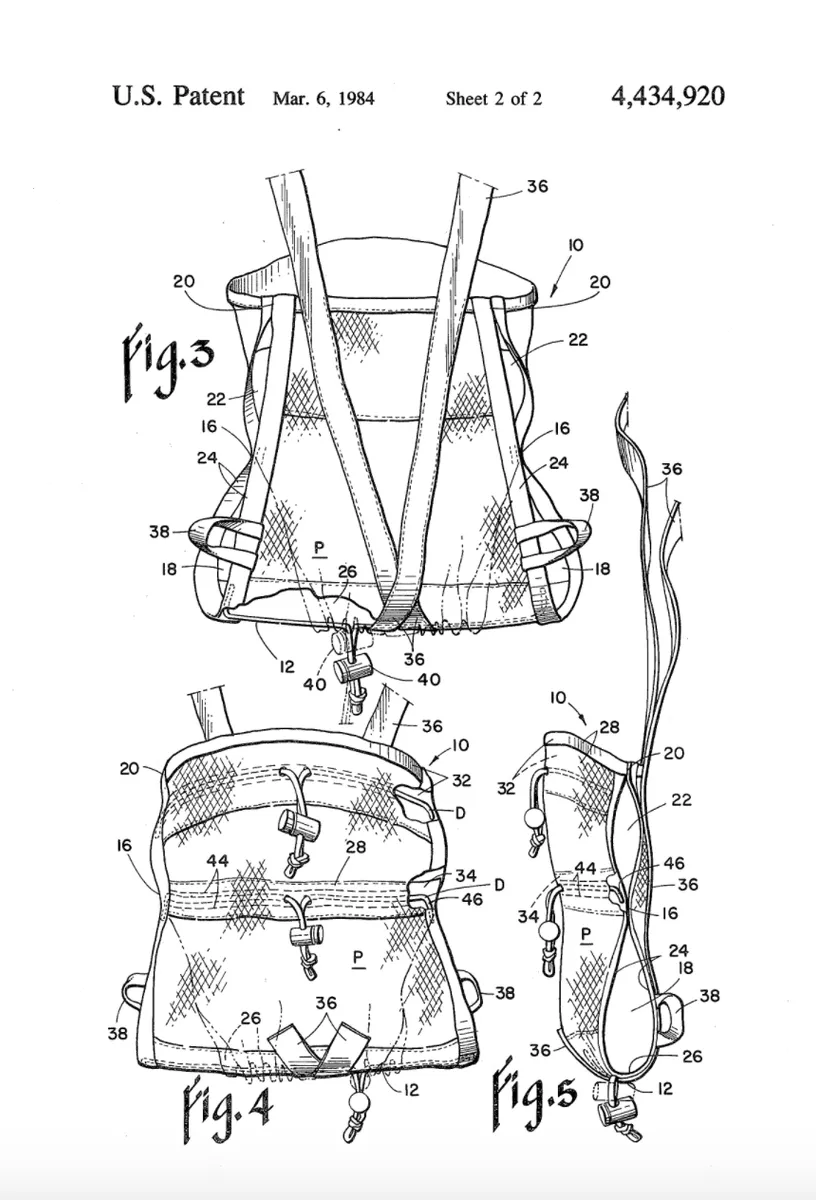
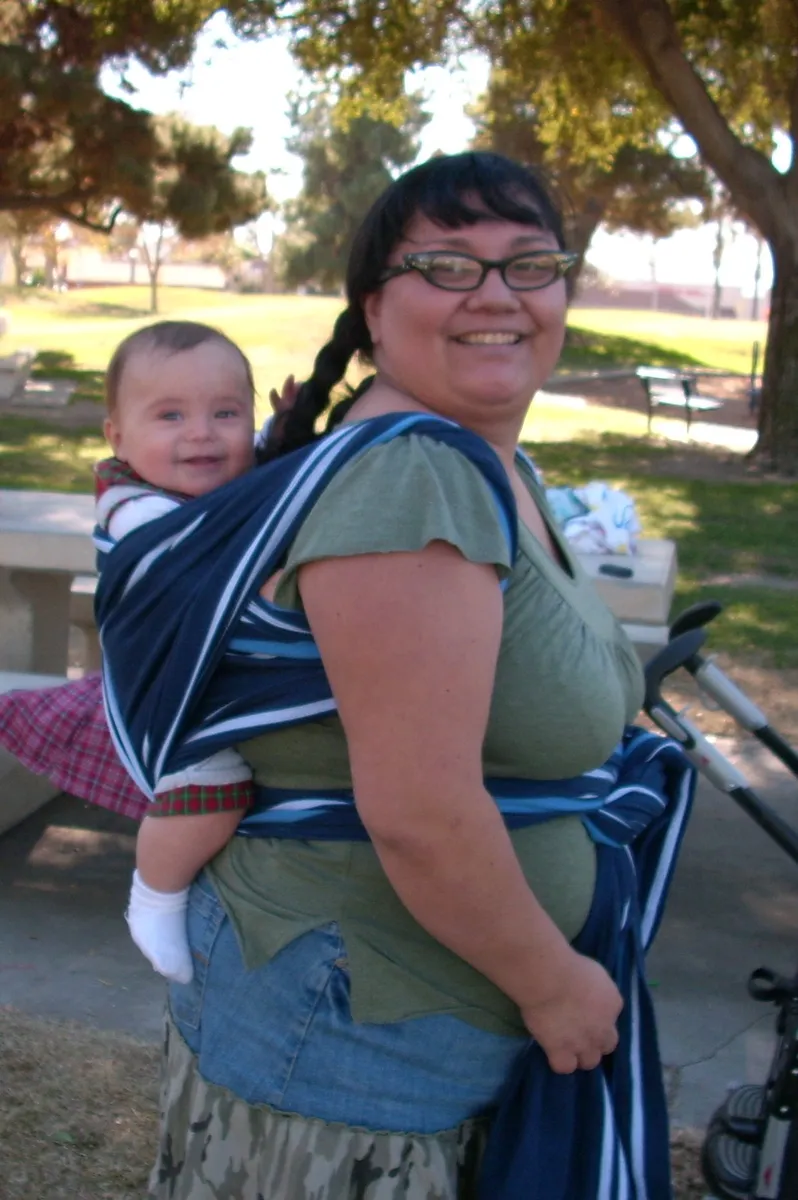
Back carry became our workhorse starting around month seven, once she had strong sitting balance and enough torso strength that Ergobaby's own guidance considers it appropriate (their instructions call for the baby to be able to sit unassisted before back carrying). This is where the Omni 360 genuinely shines relative to a wrap: getting a toddler onto your back solo, without a second person spotting, is achievable within a few tries using the "hip scoot" method Ergobaby demonstrates, though it is not graceful the first several attempts. Weight distribution on the back felt noticeably better than a front carry for a 20+ pound toddler — less forward lean, less lower back strain after 45 minutes of grocery shopping.
Sharing between two different-sized parents
One of the two of us is 5'2", the other is 6'0", and one of our biggest reasons for choosing a structured carrier over a wrap was wanting something both of us could use without a full re-tie every time. The Omni 360's shoulder straps and waist belt both adjust with quick-pull webbing, similar to a hiking backpack, and the waist belt has a long enough range to go from the smaller parent's frame to the larger one's without removing the belt entirely. In practice, handing the carrier off between us took about 20-30 seconds of strap adjustment rather than a full refit, which was a real quality-of-life difference over the weeks we alternated wearing duty. The shorter-torso parent did need the shoulder straps cinched noticeably tighter to keep the baby high enough on the chest, and the cross-strap versus backpack-strap conversion (Ergobaby offers both configurations on the back) mattered more for the taller parent's shoulder comfort on long carries.
Lumbar support and hip health over months of use
The lumbar support panel — a separate strap that cinches around the lower back independent of the main waist belt — is one of the more genuinely useful design details on this carrier. On long back-carry sessions (45-60 minutes at a farmers market or on a hike), tightening the lumbar support noticeably reduced the ache that builds in the lower back when a toddler's weight pulls the waist belt forward. It's a small strap that's easy to forget exists, and we didn't use it consistently for the first month, but once we started cinching it every time, back-carry stamina went up.
On the hip health side, beyond the IHDI-related design, the seat width is adjustable independent of the insert, which mattered as our daughter grew from newborn to a chunkier six-month-old to a lankier ten-month-old — the same carrier accommodated all three body types with seat-width adjustments rather than needing a different product.
Breathability in warm weather
This is the carrier's weakest point for us. The body panel is a cotton-poly blend that is comfortable in mild weather but retains heat in direct sun or humid conditions. We tested it through a stretch of 85-90°F days, and both wearer and baby ran warm after 20 minutes outdoors, with visible sweat at contact points (chest, lower back under the waist belt). Ergobaby sells a separate mesh "Cool Air" version of this carrier line at a premium, which we did not test, but its existence is a tacit admission that the standard fabric runs hot. If you live somewhere with a genuinely hot summer and plan to babywear outdoors frequently, factor that into the decision or budget for the mesh variant.
Comparison to a budget wrap-style carrier
Before the Omni 360, we tried a basic stretchy wrap-style carrier that cost about a third of the price. The wrap was more breathable, packed down to almost nothing in a diaper bag, and felt gentler against a very young newborn's skin. But it had real downsides once our daughter passed about 12 pounds: the stretchy fabric sagged under weight, requiring frequent re-tightening, and there was no back-carry option at all — the wrap manufacturer explicitly advises against it. The wrap also took genuine practice to tie correctly; more than once we ended up with an asymmetric, insecure carry that needed a redo. The Omni 360's buckles are slower to learn on day one but far more consistent and secure once you know them, and the structured design simply doesn't sag the way stretchy wrap fabric does as a baby gets heavier.
Comparison to a structured competitor: Baby Bjorn
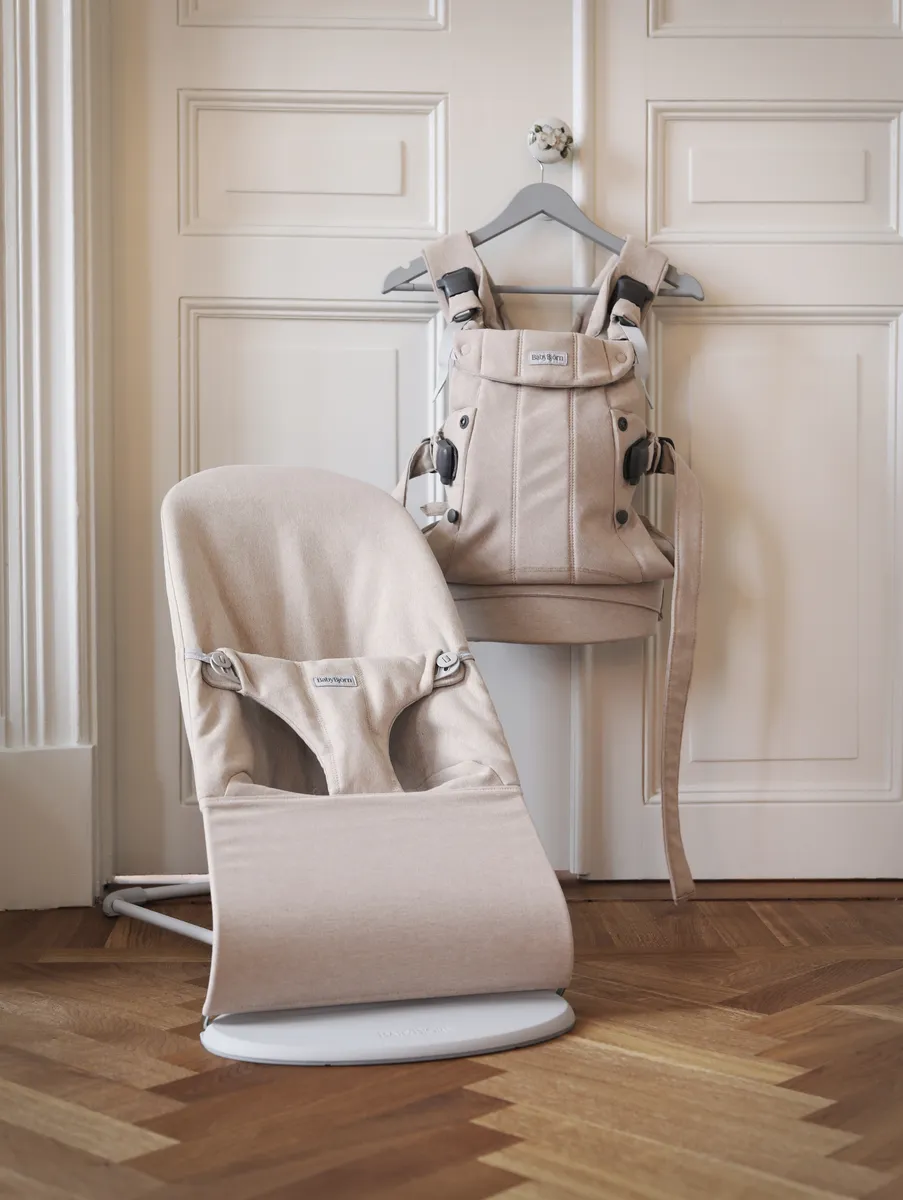
We also borrowed a friend's Baby Bjorn carrier for about two weeks to compare directly against the Omni 360. The Bjorn is lighter, has a simpler two-buckle design that's faster to put on solo, and is easier to fold into a bag when not in use. But it lacks a back-carry position entirely in the standard model, has a narrower, less padded waist belt that concentrated more weight on the shoulders during longer carries, and the seat is less adjustable for hip positioning across a wide age range — it felt better suited to a narrower window (roughly newborn to 12 months) than the Omni 360's stated newborn-to-toddler range. For a parent who mainly wants quick trips to the car or short errands, the Bjorn's speed and simplicity is a legitimate advantage. For anyone planning to babywear well into the toddler years, or who wants a back-carry option, the Omni 360's extra structure and adjustability paid off in our test.
Durability and washing
After eight months of near-daily use, including spit-up, one memorable blowout diaper incident during a back carry, and regular outdoor use, the carrier shows normal wear — some fading on the waist belt fabric and slight fraying at one strap edge — but no structural failures, buckle issues, or stitching problems. It's machine washable on a gentle cycle in a mesh bag, though Ergobaby recommends air drying rather than the dryer, which stretches wash day out if you only own one carrier and need it dry before tomorrow's errands. We'd recommend budgeting for a second infant insert or a light cover-up if you plan to use it as your only carrier day after day.
Who should buy this
The Omni 360 makes the most sense for parents who want one carrier to last from newborn through the toddler years, who value back-carry capability, and who are willing to invest fifteen minutes into learning the strap system properly rather than winging it. It's a strong pick for two parents of different sizes sharing carrying duty, since the adjustment range and quick strap-pull system make handoffs painless. It's a weaker fit for anyone who wants the lightest, most packable option for occasional short outings, or who lives somewhere with a long, humid summer and won't spring for the mesh version — in both of those cases, a simpler wrap or the Baby Bjorn's minimalism may serve better.
Verdict
Eight months in, across newborn insert use, all four carrying positions, two very differently sized parents, and a real heat wave, the Ergobaby Omni 360 held up as the carrier we reached for by default. It isn't the cheapest, the coolest in summer, or the fastest to put on, but the combination of hip-healthy positioning, genuine back-carry capability, and a wide adjustment range that covers newborn through toddler makes it the rare "does everything" product that mostly delivers on that promise. If your budget allows for one carrier rather than three, and you're willing to learn the buckle system in week one, it's worth the price.
Other products we tested

Ecobee Smart Thermostat Premium Review: Two Months of Real HVAC Testing
We installed the Ecobee Smart Thermostat Premium without a C-wire, tracked its temperature accuracy against a separate thermometer, and measured real energy savings over two months of daily HVAC use.
Bose SoundLink Flex Review: Six Weeks of Hiking, Kayaking, and Beach Days
Six weeks of camping, kayaking, and beach trips show the Bose SoundLink Flex's IP67 rating and PositionIQ orientation sensing are genuinely useful, with honest limits on bass and max volume.

Coros Pace 3 Review: Six Weeks Testing the GPS Watch That Barely Needs Charging
A dual-frequency GPS running watch that trades AMOLED shine for weeks of battery life at a fraction of the price of flagship rivals.