
Home Gym Buying Guide: Start With Dumbbells, Not a Machine
Equipment that survives the motivation dip, the specs that matter when you do buy, and where a gym membership wins.
Home gym equipment has the worst usage-to-purchase ratio of anything in this category. The reason is well documented and has nothing to do with the equipment: people buy for the training programme they intend to follow rather than the one they will actually follow, and the gap between those shows up as a clothes rack with handlebars.
This guide is built backwards from that. It starts with the equipment that survives the motivation dip, covers what specifications actually matter when you do buy, and is explicit about where an expensive machine is the wrong answer.
The quick answer
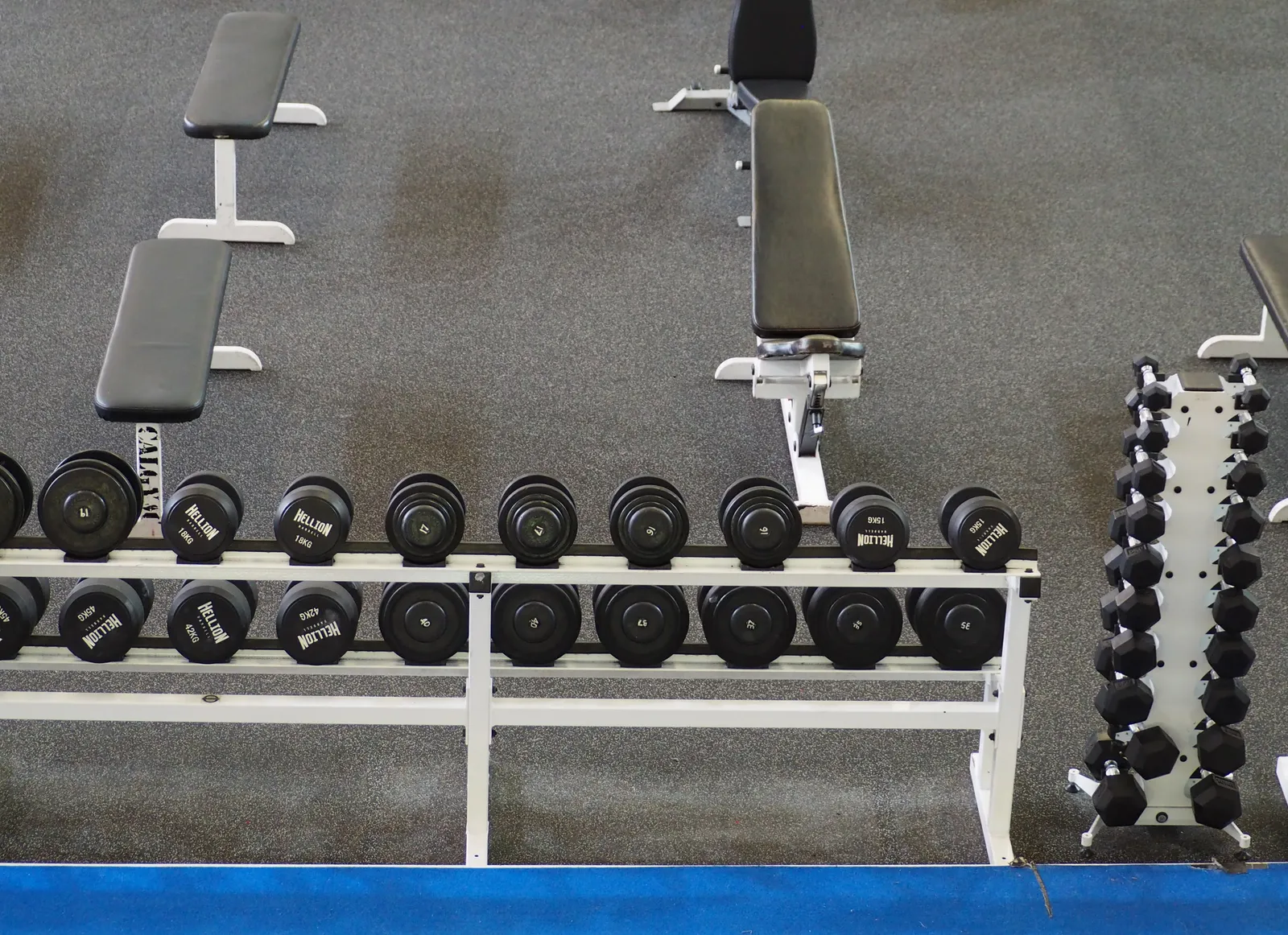
Start with a pair of adjustable dumbbells and a set of resistance bands. Total $150-$350, occupies half a square metre, and covers strength training for most people for years. This is the purchase with the highest probability of still being used in a year.
Add a bench at $100-$200 if you actually use the dumbbells for three months. A bench doubles the exercise range and is worthless without the dumbbells.
For cardio, buy the machine matching the activity you already enjoy, not the one with the best calorie numbers. Someone who hates running will not use a treadmill regardless of the specification.
Skip subscription-locked machines unless you have specifically decided you want guided classes and will pay $30-$45 monthly indefinitely — that subscription typically exceeds the hardware cost within three years.
Adjustable dumbbells: the specification that matters
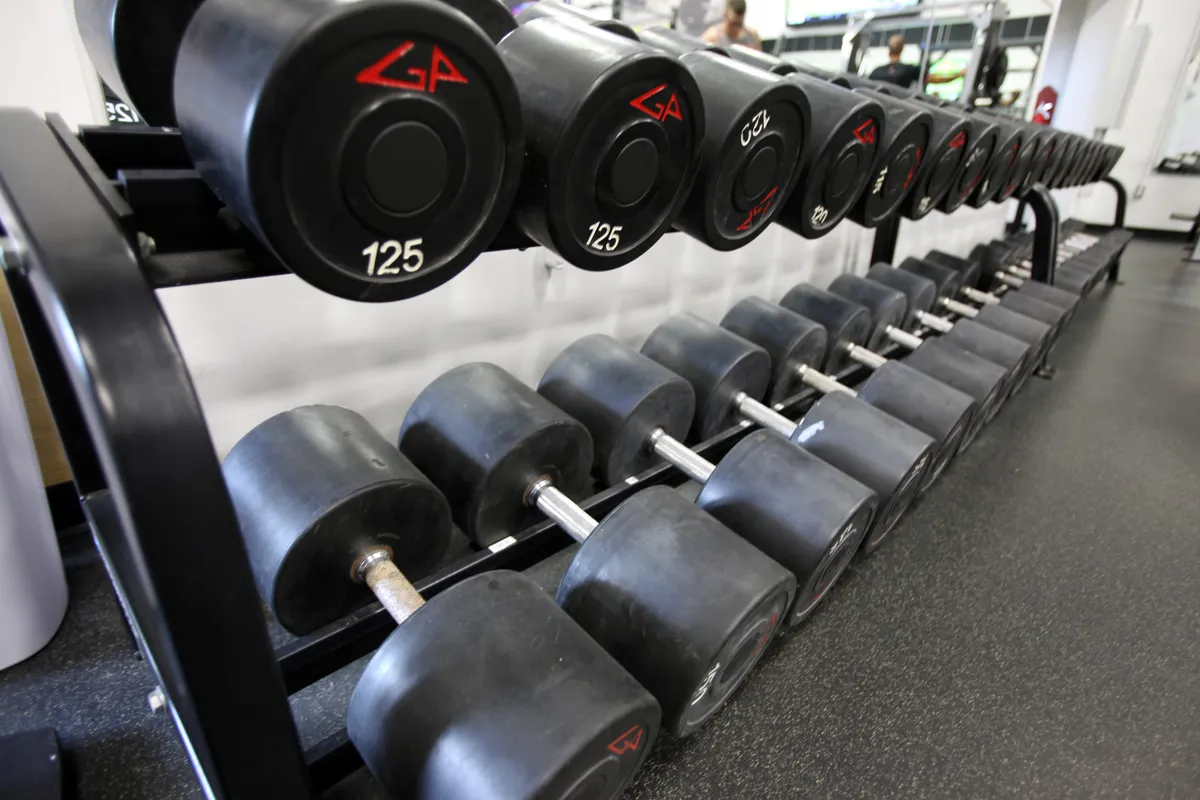
A pair of adjustable dumbbells replaces a rack of fifteen fixed pairs in the footprint of a shoebox, which is the whole argument. What varies is the adjustment mechanism, and it determines both how fast you can change weight and how long the things last.
Selector-dial systems use a pin or dial to pick up plates from a cradle. Adjustment takes about three seconds, which matters more than it sounds during a superset. The trade is a bulky shape, a plastic housing that can crack if dropped, and a price of $300-$700 for a pair going to 24kg each.
Spin-lock and threaded-collar dumbbells are all-steel, nearly indestructible, and cost a third as much. Changing weight takes 30-60 seconds of unscrewing and restacking, which in practice means people pick one weight and stay there — a real limitation on progressive training.
The specification to check either way is maximum weight per hand, and to check it against where you will be in a year rather than today. A pair topping out at 10kg each is outgrown within months for lower-body work. 20-24kg per hand covers most home training indefinitely.
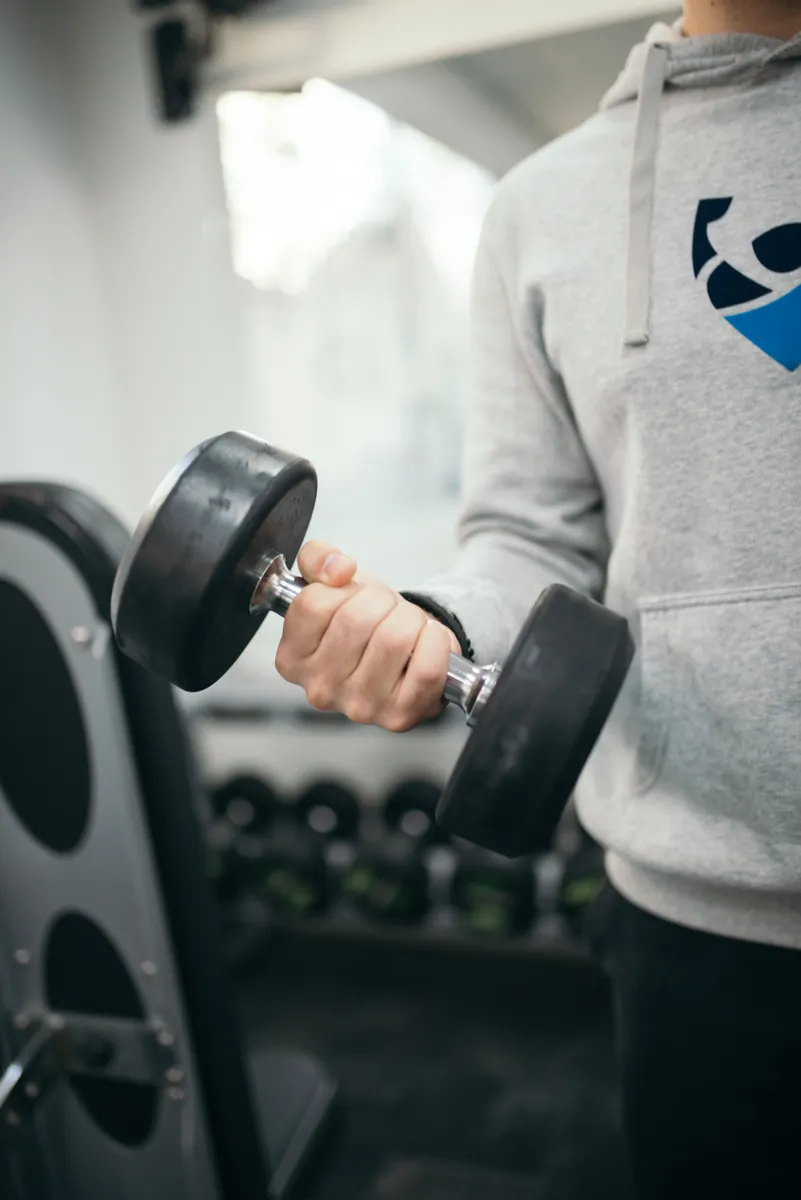
One practical warning: most selector-dial dumbbells must not be dropped. The mechanism is not designed for it and a cracked cradle is usually unrepairable. If you train to failure on heavy sets and might need to drop the weight, buy steel.
Resistance bands, underrated
Bands are the cheapest genuinely useful equipment in existence. A set of loop bands and a set of long tube bands with handles costs $30-$50, weighs nothing, and provides variable resistance that increases through the range of motion — which suits joint-friendly work and rehabilitation particularly well.
Two categories worth owning. Flat loop bands for hip and shoulder work, warm-ups, and assistance with bodyweight movements. Tube bands with handles and a door anchor for rows and presses, which covers the pulling movements that dumbbells alone handle awkwardly at home.
Check for latex-free options if anyone in the household has a latex allergy, and replace bands showing any nicks or cloudy stress marks — a band failing under load snaps back hard and towards your face.
The bench, and the pull-up bar question
An adjustable bench roughly doubles what a pair of dumbbells can do, adding incline pressing, supported rows, and step-ups. Three specifications separate a usable bench from a wobbly one. Weight capacity should be quoted as combined user plus load, and anything rated under about 250kg total will flex noticeably under a heavy press. The gap between the seat pad and the back pad matters, because a wide gap digs into the lower back on incline work. And the number of back positions is less important than whether the adjustment mechanism is a ladder-style pin that locks solidly rather than a pop-pin that shifts.
Flat benches are cheaper, more stable, and cover most pressing. Adjustable benches justify the extra $60-$100 if you will actually use incline positions. Folding benches store upright in a wardrobe, which for a flat is often the deciding feature.
Pull-up bars split into three types with different risks. Doorway-mounted leverage bars use the frame for support and require a door frame in good condition — they have a real history of pulling trim off older frames. Wall-mounted bars are far more secure and require drilling into masonry or into studs you have actually located. Freestanding towers are stable, cost more, and occupy a permanent square metre of floor. For most renters, a doorway bar on a sound frame is the pragmatic choice, checked before every use.
Cardio machines, compared honestly
Treadmills are the most-bought and most-abandoned. They are large, heavy, loud enough to annoy neighbours below, and the specification that matters is motor power in continuous horsepower rather than peak: 2.5-3.0 CHP for running, 2.0 for walking. Below that the motor overheats and fails. Belt size matters too — a 50cm-wide, 140cm-long belt is the minimum for comfortable running.
Rowing machines work more muscle mass than any other single cardio machine and are the quietest option other than a bike. Resistance type is the decision: air resistance is loud and scales naturally with effort; magnetic is near-silent with fixed resistance levels; water resistance is moderate and feels most like rowing. The other thing to check is whether it stores upright, because a rower is two metres long.
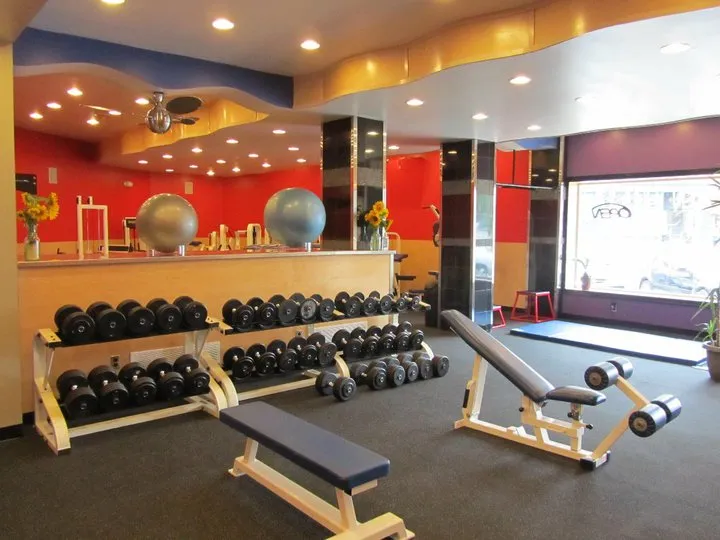
Exercise bikes are the smallest, quietest, and cheapest, and the easiest to use while reading or watching something — which is why they get used. Check flywheel weight, where 8kg and up gives a smoother pedal stroke, and check that the saddle and handlebars adjust in both height and reach, since a bike that does not fit is a bike you stop using in week three.
Our Peloton Row review covers six weeks with the connected-rowing end of this market, including how much of the value is in the subscription rather than the hardware.
The subscription question
Connected machines bundle hardware with a class platform, usually $30-$45 a month. The classes are genuinely effective for people who need external structure and motivation, and the honest arithmetic is that over three years the subscription runs $1,080-$1,620 on top of a $1,500-$2,500 machine.
Two things to check before committing. What the machine does without a subscription — some retain manual resistance control and basic metrics, others become substantially less useful, and a few reduce to almost nothing. And whether the subscription is per-household or per-user, which matters for couples.
The alternative is a non-connected machine plus a $12-$15 monthly app that provides workouts, which achieves most of the same structure at a third of the cost. It lacks the resistance automation and the community, both of which some people genuinely need.
Space, floors, and neighbours
Measure before buying, including ceiling height for anything overhead — a rower and a tall user need less headroom than a treadmill user standing on a 20cm-high deck, which catches people out in basements and lofts.
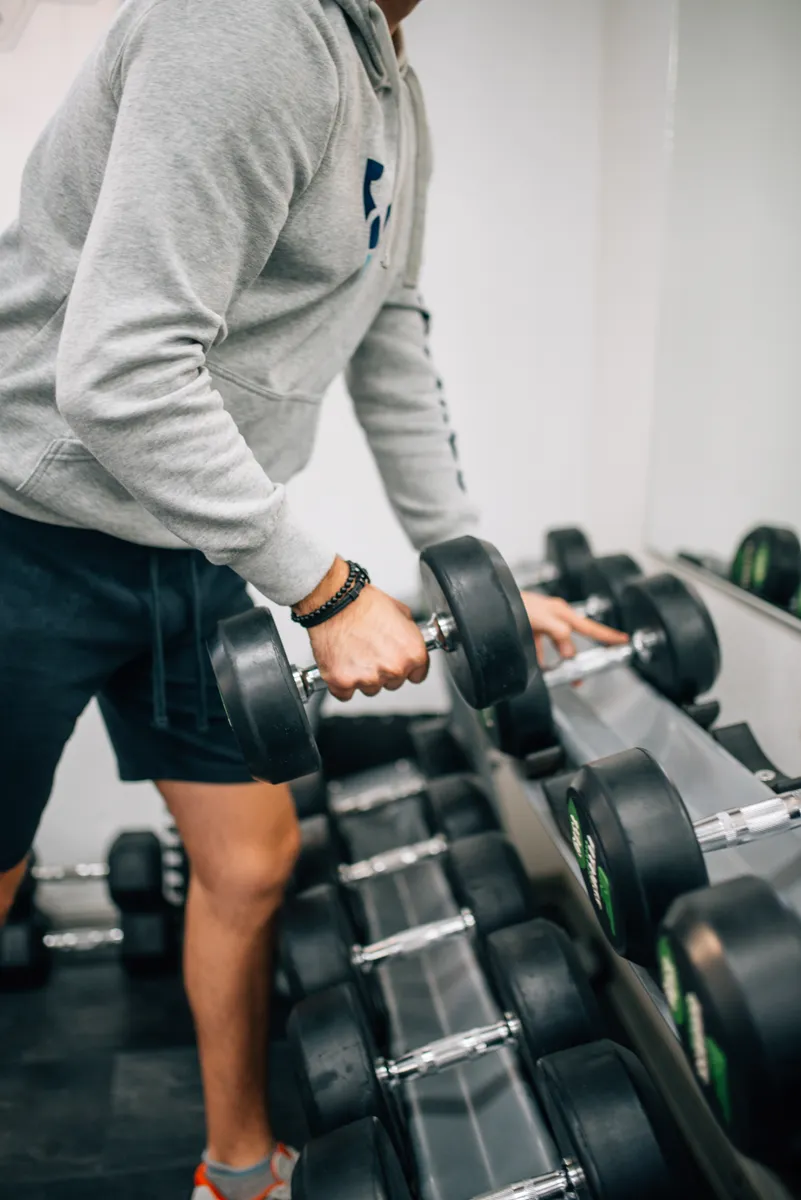
Rubber flooring at $30-$80 for a few tiles does three jobs: it protects the floor from dropped weights, it reduces noise transmission to rooms below, and it stops machines walking across a smooth surface. It is a small cost that prevents the two most common home gym complaints.
Noise is worth thinking about seriously if you share a building. Dropped dumbbells and a running treadmill both transmit through structure, and neither is solved by a thin mat. A rower or a bike on rubber tiles is the neighbourly choice; heavy deadlifting in an upstairs flat is not.
Where a home gym is the wrong purchase
If you would train more consistently with other people around, a gym membership at $30-$60 monthly buys equipment worth tens of thousands and a social commitment that home equipment cannot replicate. The break-even maths favours home equipment after a couple of years, and only if you use it.
If your goal is general health and you currently do nothing, walking is free, has excellent evidence behind it, and requires no purchase. Buying equipment as a commitment device works for some people and is an expensive way to find out you are not one of them.
If you have limited space and want one purchase, adjustable dumbbells beat any machine on versatility per square metre. A machine trains one movement pattern; dumbbells train most of them.
Tracking, and what to bother measuring
The measurements that actually guide training are simple: weight lifted, repetitions completed, and whether both are going up over months. A notebook does this. Apps do it with graphs.
Smart scales add weight trend and a body-composition estimate. The weight trend is genuinely useful because it smooths daily fluctuation; the body-fat percentage from bioelectrical impedance is heavily influenced by hydration and should be read as a rough trend rather than a measurement. Our Withings Body+ review covers four months of daily weigh-ins and how much of the extra data is actionable.
Heart rate matters for cardio training zones, and a chest strap is more accurate than a wrist sensor during intervals — the same conclusion our fitness tracker vs smartwatch guide reaches from the wearables side.
Building it in stages
Month one: resistance bands and a mat, roughly $50. Train three times a week with bodyweight and bands. This costs almost nothing and answers the only question that matters, which is whether you will actually do it.
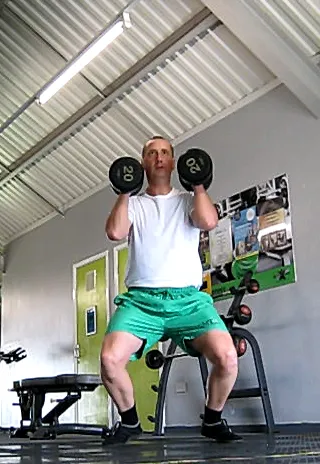
Month three, if you are still training: adjustable dumbbells to 20kg per hand, plus rubber tiles. Around $350.
Month six: a bench, and a pull-up bar if a doorway suits one. Around $180.
Month twelve: a cardio machine, chosen by which activity you have actually been doing outdoors or at a gym. By this point you know, and the $1,500 decision is based on evidence rather than intention — which is the entire difference between a home gym and a very large clothes rack.
More coupon shopping advice

Home Security Camera Buying Guide: Local vs. Cloud Storage
A practical, balanced buying guide to home security cameras that weighs local storage against cloud subscriptions, wired versus battery power, camera placement, night vision, smart detection accuracy, and smart home integration.

Beginner Mirrorless Camera Buying Guide
A practical, honest walkthrough of what actually matters when buying your first mirrorless camera, from sensor size and lens mounts to autofocus, video specs, and the real total cost of a beginner-friendly system.

Air Purifier Buying Guide: CADR, ACH, and Filter Costs Explained
A practical walkthrough of the numbers that actually matter when buying an air purifier — CADR and ACH for sizing, true HEPA versus marketing terms, real three-year filter costs, realistic noise levels, and when a purifier won't help at all.