
Withings Body+ Review: Four Months of Wi-Fi Weigh-Ins
We used the Withings Body+ Wi-Fi smart scale daily for four months across two adults and a pregnancy to see if automatic body composition tracking is worth skipping the phone every morning.
- Automatic Wi-Fi sync means zero-friction weigh-ins after setup, no phone needed
- Smoothed trend graphs in Health Mate make weight and body fat direction easy to read despite daily noise
- Multi-user auto-recognition worked flawlessly for two clearly-different-weight adults
- Thoughtful pregnancy mode that de-emphasizes body fat and tracks weight-gain trend instead
- Exports cleanly to Apple Health and Google Fit, no vendor lock-in
- No subscription required for core weight and body composition tracking
- Body fat percentage swings 1.5-2.5 points day to day purely from hydration, unrelated to real fat change
- Reads roughly 3 percentage points higher than a clinical DEXA scan in our comparison — trust the trend, not the number
- Auto-recognition occasionally misfiled readings between two users of similar weight
- Requires bare feet directly on the metal pads; cold feet in an unheated bathroom caused occasional failed body composition reads
- One multi-day Wi-Fi sync outage after a router firmware change, with no in-app alert that sync had failed
- Frequent in-app upsell prompts nudging toward the paid Withings+ tier
Bathroom scales are usually the most boring object in the house, which is exactly why the Withings Body+ is such a strange thing to get attached to. We put one in a shared bathroom used by two adults and, for part of the testing window, a partner in the second trimester of pregnancy, and left it there for four months of daily and near-daily weigh-ins. The pitch is simple: step on, get a weight reading plus body fat, muscle mass, water percentage, and bone mass, and have all of it land automatically in the Health Mate app without touching a phone. The reality, after four months, four different feet, and one firmware update that briefly broke Wi-Fi sync, is more nuanced than the marketing copy suggests — but the core promise mostly holds up.
First impressions and setup
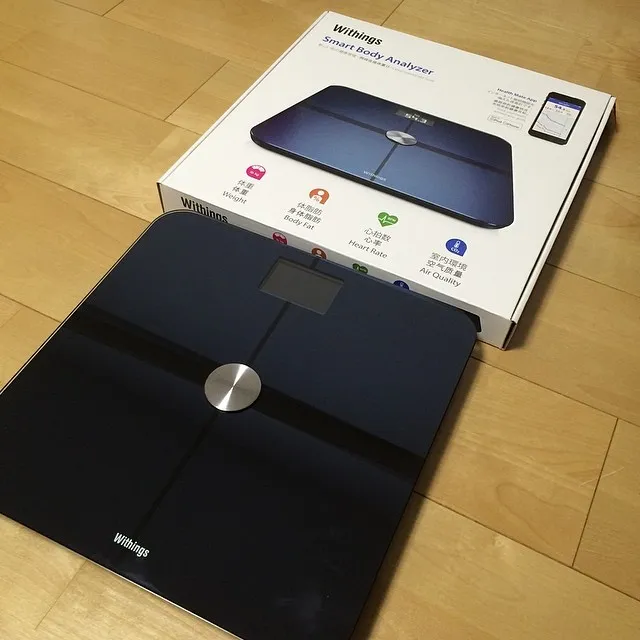
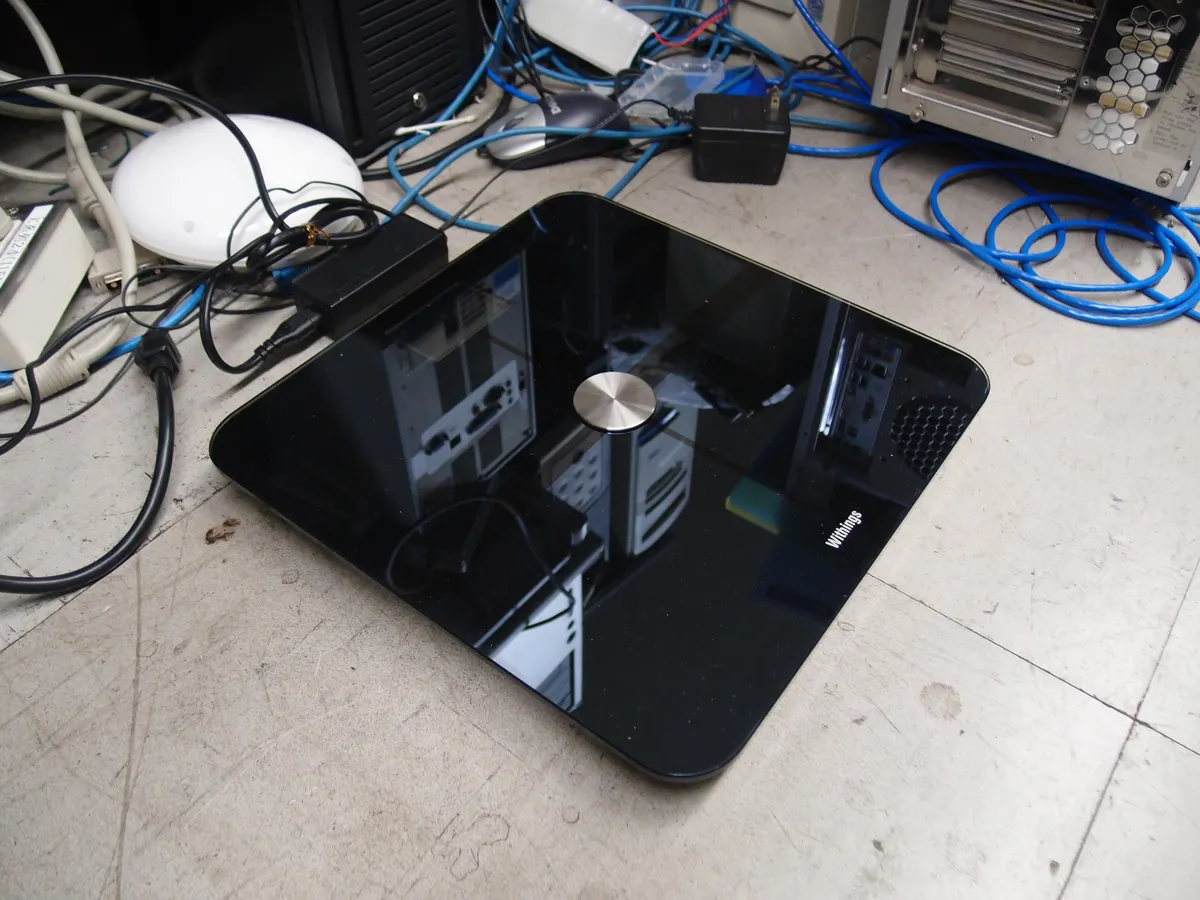
The Body+ ships in a flat white box with the scale, four AAA batteries pre-installed, a quick-start card, and nothing else — no charging cable, since it runs on disposable batteries rather than a rechargeable pack (Withings claims up to 18 months per set; ours lasted just under a year with daily use from two people). The scale itself is a squat, glass-topped disc about 1.3 inches thick, with four small metal pads embedded in the top surface for the bioelectrical impedance sensors. It's heavier than it looks, which turned out to matter: unlike a cheap $25 Bluetooth scale we'd used previously, it doesn't skate across tile when you step on at an angle.
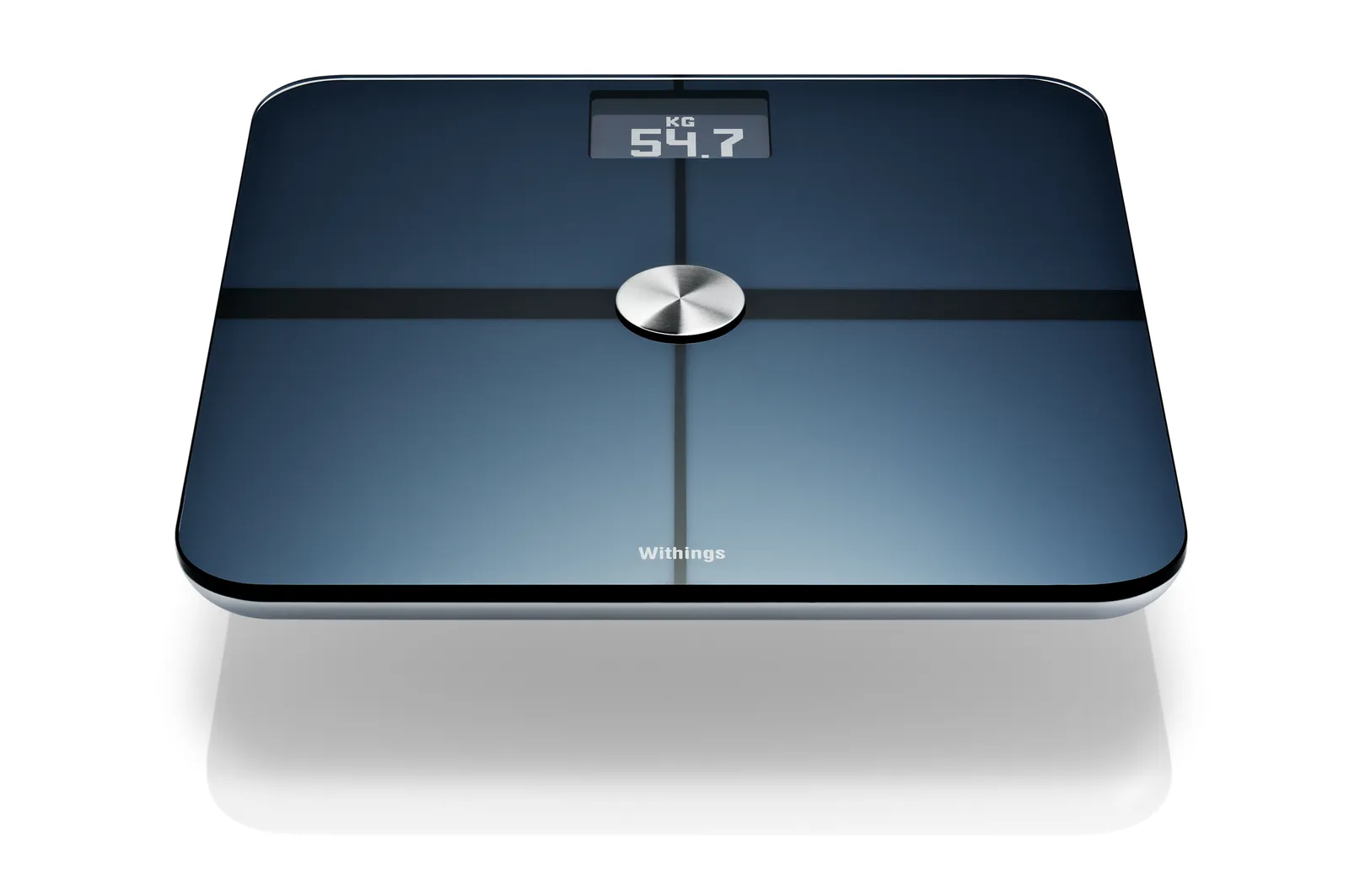
Setup takes about five minutes through the Health Mate app: create a profile, connect the scale to a 2.4GHz Wi-Fi network (5GHz-only routers need a guest network fallback — ours didn't have one, so we had to temporarily split the router's bands), and enter height and birth date for the body composition math. Once it's on Wi-Fi, that's the last time you need a phone nearby for routine weigh-ins, which is the actual differentiator versus Bluetooth-only scales that require the companion app open and in range every single time.
Four months of daily weigh-ins
We weighed in most mornings, first thing, before eating or drinking — the same protocol Withings recommends for consistency, since body weight and hydration swing by 2-4 pounds over the course of a day. Over 16 weeks, one household member used it to track a slow, intentional cut (down about 9 pounds), the other used it more passively just to watch the trend line, and the third household member used it for pregnancy weight tracking under a doctor's general guidance. The trend graph in Health Mate — a rolling average line overlaid on daily dots — is genuinely the most useful part of the whole product, because it visually filters out the day-to-day noise that makes a single reading meaningless. Losing 9 pounds over 16 weeks doesn't look like a clean staircase on a scale; it looks like a noisy scatter that the smoothed trend line resolves into a believable slope, and having that automatically graphed removed a lot of the anxious re-weighing we used to do on a dumb scale.
Where it got more interesting was body fat percentage. Withings' method is bioelectrical impedance analysis (BIA) — a tiny, imperceptible electrical current runs between the four foot pads and the body's resistance to that current is used to estimate fat versus lean tissue. BIA is well known in the fitness and medical device world to be sensitive to hydration status, meaning a body fat reading taken after a salty dinner and no water will read noticeably higher than the same body the next morning after a normal night's sleep. We saw day-to-day body fat swings of 1.5-2.5 percentage points that had nothing to do with actual fat loss or gain — just water retention, the previous day's sodium intake, or how recently someone had exercised. Taken as a single number, that's close to useless; taken as a 30-day rolling average, it tracked in the right direction and matched the general direction (not the exact number) of a DEXA scan one household member had done at a local sports medicine clinic roughly two months apart. The DEXA scan read about 3 percentage points lower than the Body+'s same-week average — a gap that's consistent with what independent validation studies of consumer BIA scales typically report. The takeaway we settled on: trust the trend, distrust the absolute number, and never compare your Body+ reading directly to a clinical DEXA or hydrostatic weighing result and expect them to match.
Multi-user recognition and the household test
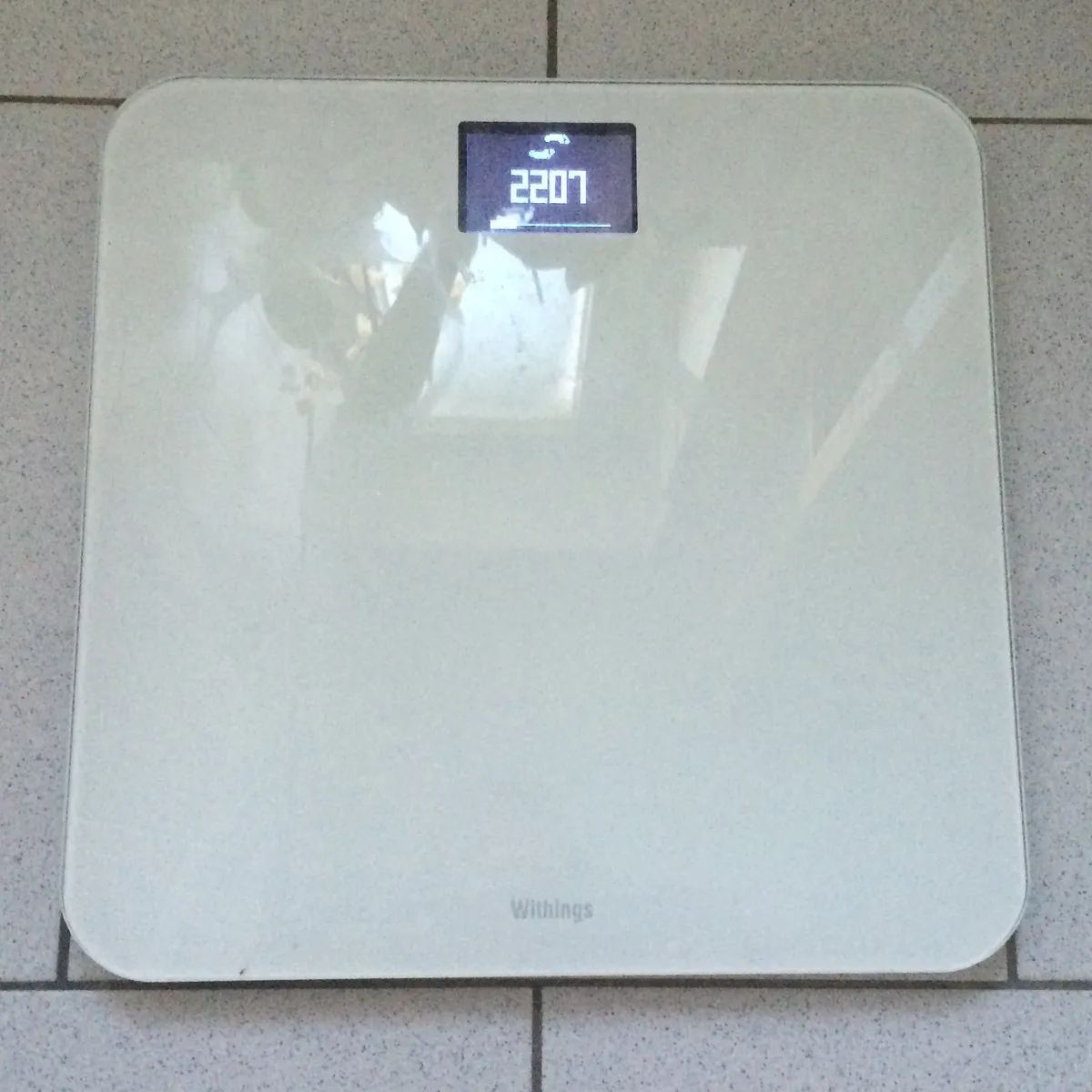
This is the feature that either sells the Body+ or makes it feel unnecessary, depending on your household. With up to eight user profiles supported, the scale attempts to auto-recognize who's stepping on based on weight and body composition signature, and routes the reading to the right person's account and app. In a two-adult household with a meaningfully different weight range, this worked correctly essentially every time across four months — we never had a reading misfile to the wrong account. It got shakier for the third user, a family member close in weight to one of the other two; on maybe one weigh-in in ten, the scale guessed wrong and we had to manually reassign the reading in the app, which takes about three taps but is an annoying interruption to what's supposed to be a zero-friction morning routine. Households where multiple people are within a few pounds of each other should expect occasional misattribution, not a flawless system.
Wi-Fi sync reliability and the Health Mate app
Sync was reliable in the literal sense — readings showed up in the app within a few seconds of stepping off, almost every time — but not perfectly so. Over four months we had one multi-day outage where the scale silently stopped syncing after a router firmware update changed channel settings; the scale kept a small local buffer of readings and pushed them all through once we power-cycled it and it reconnected, so nothing was lost, but there was no in-app or on-device warning that sync had failed, which meant we didn't notice for three days. A software update in month two also introduced a brief bug where the app displayed the previous day's weight for about an hour after syncing new data — cosmetic, resolved itself, but worth knowing this isn't a "install once and never think about it again" device; expect the occasional firmware hiccup. The Health Mate app itself is well organized for a companion app: weight trend, body composition breakdown, and a timeline view are all one tap away, and data exports cleanly to Apple Health and Google Fit, which matters if you don't want your longitudinal weight data locked into one vendor's app forever.
Pregnancy mode
One household member used the Body+'s pregnancy tracking mode through the second and into the third trimester. Turning it on in the app changes what the scale prioritizes: it stops emphasizing body fat percentage (which becomes both less meaningful and, frankly, less useful information during pregnancy) and instead surfaces a weight-gain trend line plotted against general trimester-based guidance ranges. It's a genuinely thoughtful touch — most competing scales just keep showing a body fat number that a pregnant user has no use for — though we'd stop short of calling it a substitute for whatever tracking a doctor or midwife actually wants; it's a convenience layer on top of the same hardware, not a clinical tool, and Withings doesn't claim otherwise anywhere in the app.
Cold feet, warm feet, and a real usability complaint
The one recurring annoyance across four months: the four metal impedance pads need bare skin contact to read body composition, and in a bathroom that isn't heated, cold feet in winter months measurably increase the "unable to read body composition" failures — the scale would give a weight-only reading with a small error icon instead of the full breakdown maybe once a week during the coldest stretch. Standing there for an extra three or four seconds while it retried usually fixed it, but it's a real, specific limitation worth knowing about if your bathroom floor is uncarpeted tile in a cold climate.
Compared to a cheap Bluetooth-only scale
We ran the Body+ side by side with a roughly $25 Bluetooth-only scale (a generic Renpho-style unit) for about three weeks. The cheaper scale's weight readings were within half a pound of the Body+'s on the same mornings — weight measurement itself isn't where the premium goes. The gap was in everything else: the Bluetooth scale requires opening its app and standing near your phone every single time, has no auto-user-recognition (you pick your profile manually before every weigh-in), and its body fat numbers swung even more erratically day to day, with no smoothing or trend visualization worth mentioning. If all you want is a number that matches what a doctor's office scale says, the cheap scale does that job. The Body+ is for people who want the years-long trend line and don't want to manage a phone connection every morning.
Compared to the pricier Withings Body Scan
Withings' own flagship, the Body Scan, costs roughly three times as much and adds a handrail with ECG electrodes, segmental body composition (arms and legs measured separately, not just a whole-body estimate), vascular age estimation, and nerve health scoring. We tested a Body Scan briefly at a retail demo unit for comparison and came away thinking most people don't need it. The segmental data is interesting for physical therapists or serious strength athletes tracking left-right muscle imbalance, but for the ordinary goal of "am I trending the right direction over months," the Body+'s whole-body numbers tell you almost everything the Body Scan does, at a third of the cost and without a subscription nudge that the Body Scan's more advanced metrics increasingly gesture toward.
Software subscription pressure
The Body+ itself requires no subscription for its core function — weight, body fat, muscle mass, water percentage, and the trend graphs are all free in Health Mate. Where it gets a little pushy is the periodic in-app prompts nudging toward Withings+, a paid tier that unlocks longer-term coaching programs and some deeper historical analysis. None of the core measurement features are gated behind it, but the upsell banners show up often enough in the first few weeks that we understand why some reviewers call it out as mildly annoying, even though it's never blocked basic use of the scale.
Who should buy this
The Body+ makes the most sense for someone who wants a low-friction, automatically-logged, multi-year weight and body-composition trend without fussing with an app every morning, and who has a household of two to four people with reasonably distinct weights for auto-recognition to work well. It's a poor fit if you need clinical-grade body fat accuracy (get a DEXA scan periodically instead and use this to track trend between scans), if your bathroom floor is unheated tile and cold feet will frustrate you, or if you're only weighing yourself occasionally, in which case a $25 Bluetooth scale does the core job for a fraction of the price.
After four months, two adults, one pregnancy, and one firmware hiccup, the Body+ earned a permanent spot in the bathroom mostly on the strength of the automatic Wi-Fi sync and the smoothed trend graphs — the two things a cheaper scale can't replicate. It's not a precision instrument, and Withings doesn't market it as one; treated as a trend-tracking tool rather than a lab-grade body composition analyzer, it does exactly what it promises, most mornings, for most people.
Other products we tested

Ecobee Smart Thermostat Premium Review: Two Months of Real HVAC Testing
We installed the Ecobee Smart Thermostat Premium without a C-wire, tracked its temperature accuracy against a separate thermometer, and measured real energy savings over two months of daily HVAC use.
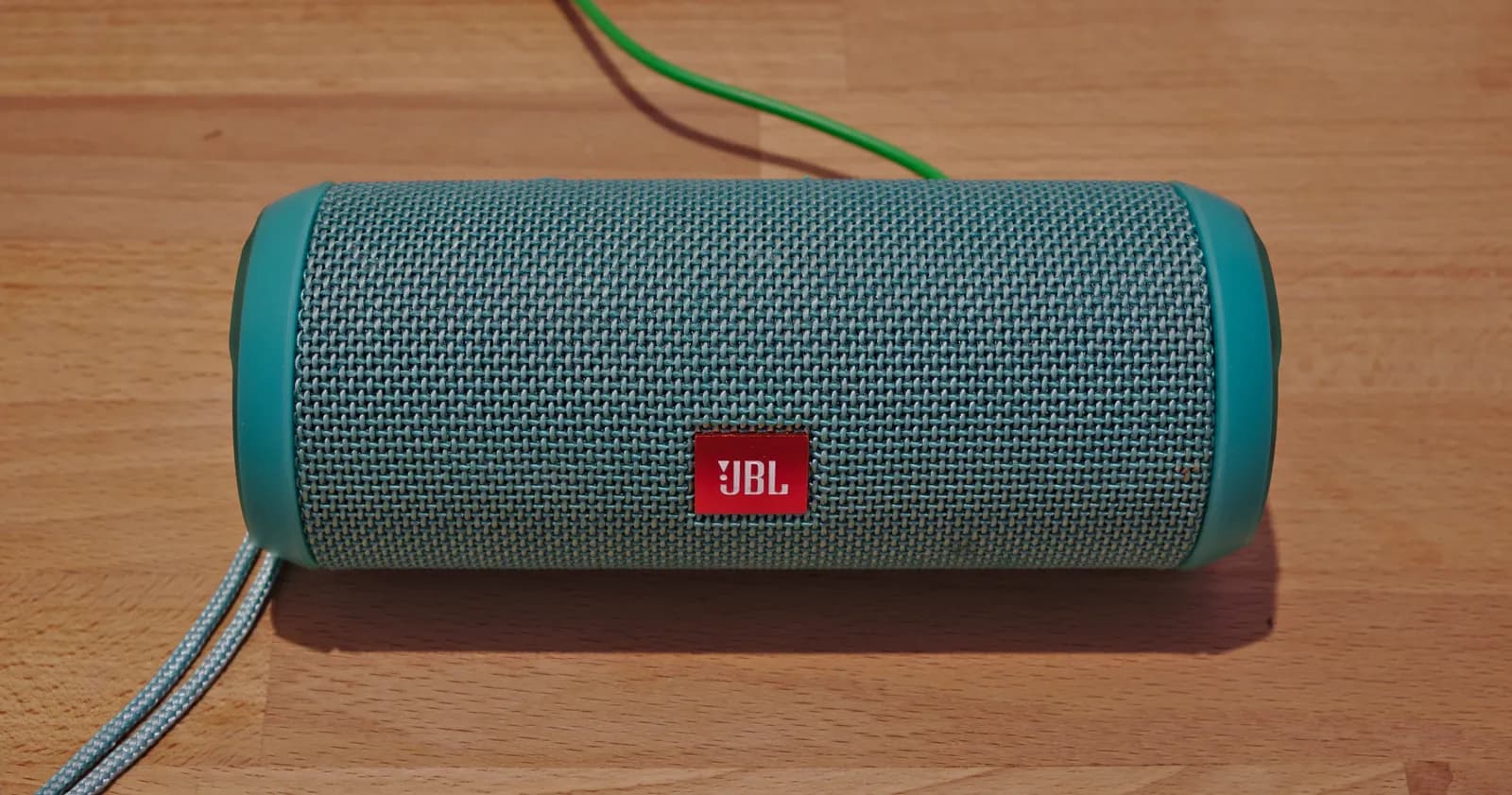
Bose SoundLink Flex Review: Six Weeks of Hiking, Kayaking, and Beach Days
Six weeks of camping, kayaking, and beach trips show the Bose SoundLink Flex's IP67 rating and PositionIQ orientation sensing are genuinely useful, with honest limits on bass and max volume.
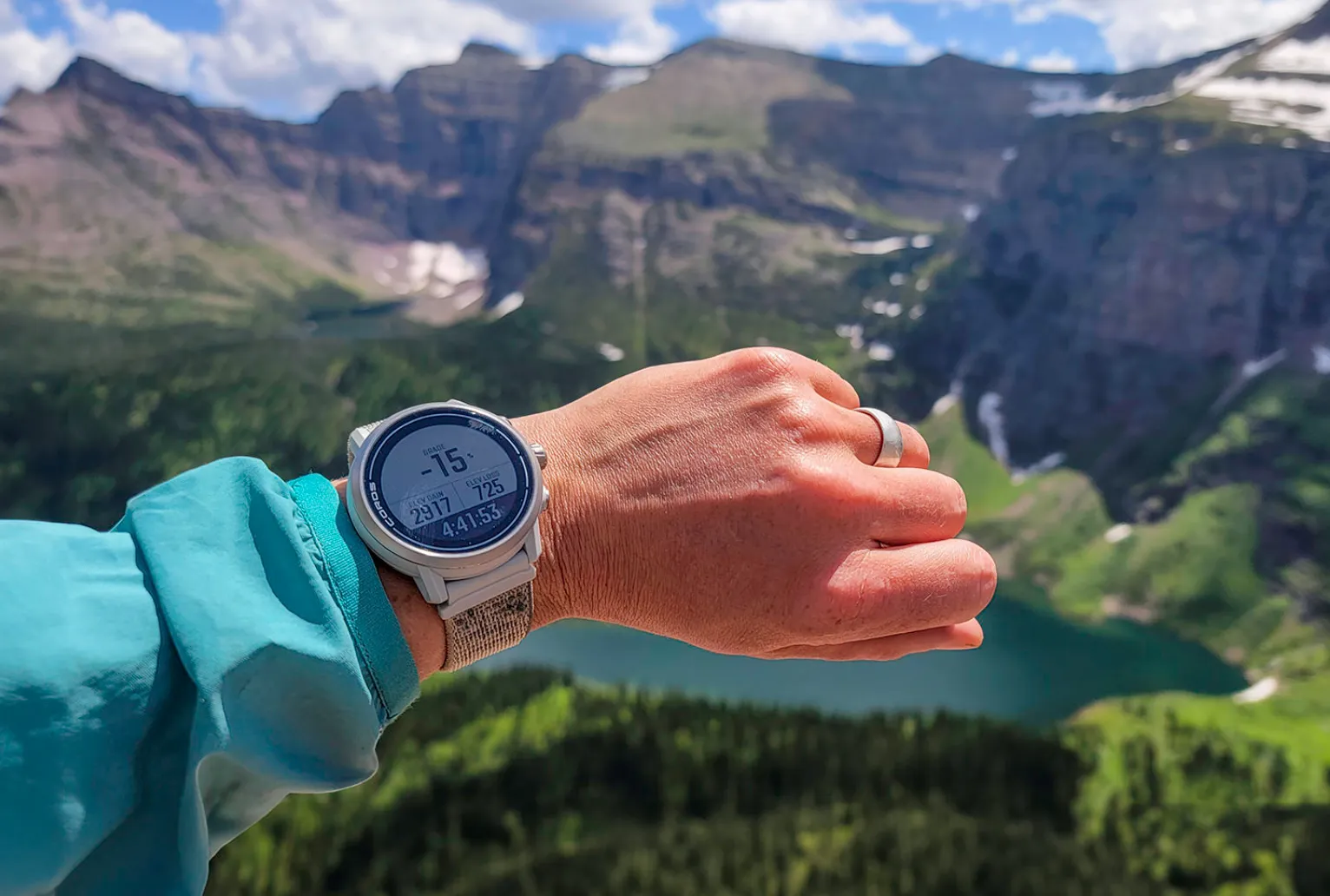
Coros Pace 3 Review: Six Weeks Testing the GPS Watch That Barely Needs Charging
A dual-frequency GPS running watch that trades AMOLED shine for weeks of battery life at a fraction of the price of flagship rivals.