
Peloton Row Review: Six Weeks With Connected Rowing's Priciest Habit
Six weeks of daily rowing on Peloton's connected machine reveals a quiet, beautifully built rower whose real cost only shows up after you add the monthly membership.
- Whisper-quiet electromagnetic resistance you can use at 6 a.m. without waking anyone
- Vertical "Reflect" storage genuinely shrinks the footprint to fit beside a couch
- Swiveling 23.8-inch touchscreen is legitimately useful for floor-based strength blocks
- Instructor cueing on form (catch, drive, finish) is specific and actually helpful for beginners
- Rock-solid build quality — rail, seat bearings, and footplates held up through six weeks of daily use
- Bluetooth heart rate strap and Apple Watch sync worked reliably across dozens of sessions
- Requires a ~$44/month All-Access Membership to unlock the class library that justifies buying it at all
- Total first-year cost (machine + membership) is well over $500 more than a Concept2 RowErg
- Resistance feel is more linear/synthetic than a real flywheel or water tank — purists will notice
- Auto-adjusting resistance during classes removes some pacing control from experienced rowers
- A mid-review firmware update froze the touchscreen for close to ten minutes
- Stock seat cushion gets uncomfortable past 45 minutes without an aftermarket pad
Six weeks ago a 146-pound rowing machine showed up in a box roughly the size of a queen mattress, and getting it into my living room without scuffing the hallway walls was the first real test of whether the Peloton Row was actually built for a home instead of a boutique studio. It is, mostly. This review covers what happened after that box was opened: the assembly, the storage routine, the drivetrain feel compared with a Concept2 I've used for years, the class library, and the monthly membership math that Peloton would rather you not think about too hard before you buy.
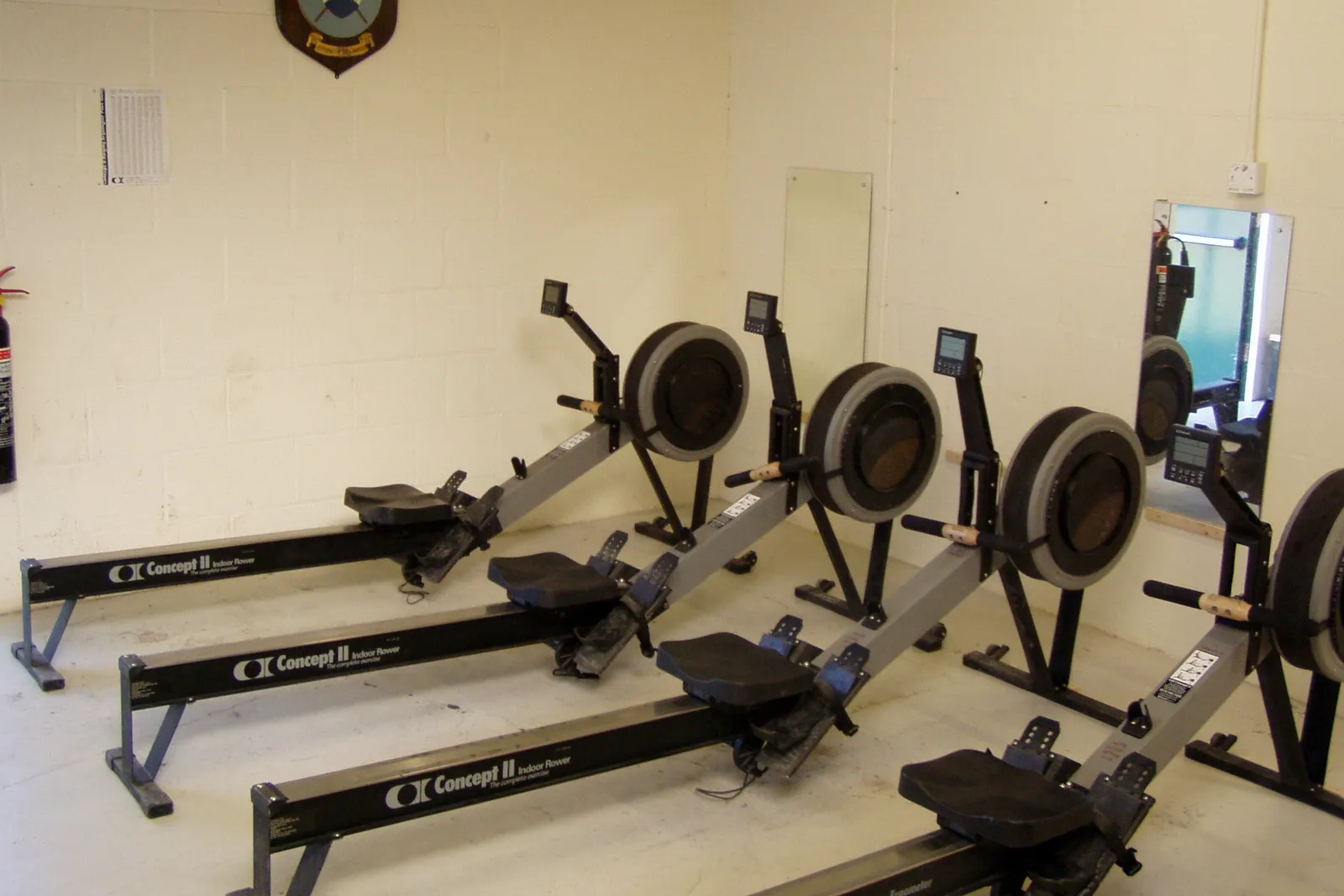
First impressions and setup
Assembly took a little under 40 minutes with the included tools, most of that spent double-checking the seat rail alignment because a crooked rail is the single most common home-assembly complaint on the Peloton community boards. The build quality once assembled is genuinely impressive: the aluminum rail feels rigid under load, the seat glides on a sealed bearing system that stayed smooth through six weeks of near-daily use, and the footplates have enough adjustment range to fit a 5'2" and a 6'3" household member without re-measuring anything. The 23.8-inch HD touchscreen swivels roughly 45 degrees off the rail, which sounds like a gimmick until you actually use it for the floor-based strength and stretching blocks bolted onto the end of most rowing classes — at that point it's the single most useful hardware decision Peloton made on this machine.
Where the Row distinguishes itself immediately from a standard air or water rower is the resistance mechanism: it's a fully digital electromagnetic system, not a flywheel you're spinning against wind or paddles you're pulling through water. There's no fan roar, no sloshing tank, just a low electric hum that lets you take a 6 a.m. row without waking anyone else in the apartment. On a Concept2, resistance is a function of how hard you pull and the damper setting you chose at the start; on the Row, the software adjusts resistance mid-stroke and mid-class in response to the workout's programmed intervals, which is either a feature or an annoyance depending on whether you want a coach making that call for you.
Storage and footprint — the feature that actually sold me
I don't have a dedicated gym room, so storage was the make-or-break variable before this machine ever arrived. In use, the Row occupies about 85 inches of floor length and 21 inches of width — bigger than a folding air rower, comparable to a Concept2 RowErg laid flat. What's different is Peloton's "Reflect" mode: the whole unit tilts up and locks vertically against a wall, and the touchscreen rotates to face outward, turning the stored machine into an ambient display you can glance at from across the room or use as a mirror-style screen for the floor workouts I mentioned earlier. Stored, the footprint shrinks to roughly 24 by 21 inches, which is genuinely small enough to tuck beside a couch. Getting it upright solo takes a bit of a knack the first few times — it's not light — but after a week it became a 15-second habit rather than a chore, which is more than I can say for the folding mechanism on a cheaper rower I owned previously that I eventually stopped folding altogether because it was annoying.
The tradeoff is that vertical storage only works if you have wall space with nothing fragile nearby, and the locking mechanism, while solid, does creak slightly under the machine's own weight when engaged — not a safety concern in six weeks of use, but a sound worth knowing about before you assume it'll be silent.

Weeks of daily use: classes, coaching, and drivetrain feel
Peloton's rowing class library is the actual product here, more than the hardware. Over six weeks I worked through interval rows, "Row + Strength" combo classes, technique-focused fundamentals sessions, and a handful of scenic just-row rides for recovery days. The instructor cueing is specific enough to be useful — calling out catch position, drive timing, and finish posture in a way that a solo Concept2 session with no coach never gives you. The auto-adjusting resistance during structured classes is the feature I went back and forth on the most: during a pyramid interval it smoothly ramps difficulty without you touching a button, which is convenient, but it also means the Row is making pacing decisions a Concept2 purist would rather make themselves stroke by stroke based on feel.
On pure drivetrain feel, the Row is quieter and smoother than any air rower I've used, but it doesn't fully replicate the specific "catch" feedback of a flywheel or the resistance curve of water — experienced rowers coming from a boathouse background described the pull as slightly more linear and less organic than what they're used to. For anyone whose reference point is a budget hydraulic piston rower rather than a Concept2, the Row will feel like a dramatic upgrade in smoothness and quiet operation. For anyone coming from years on a Concept2 RowErg, it's a lateral move in feel with a large upgrade in software, coaching, and screen experience.
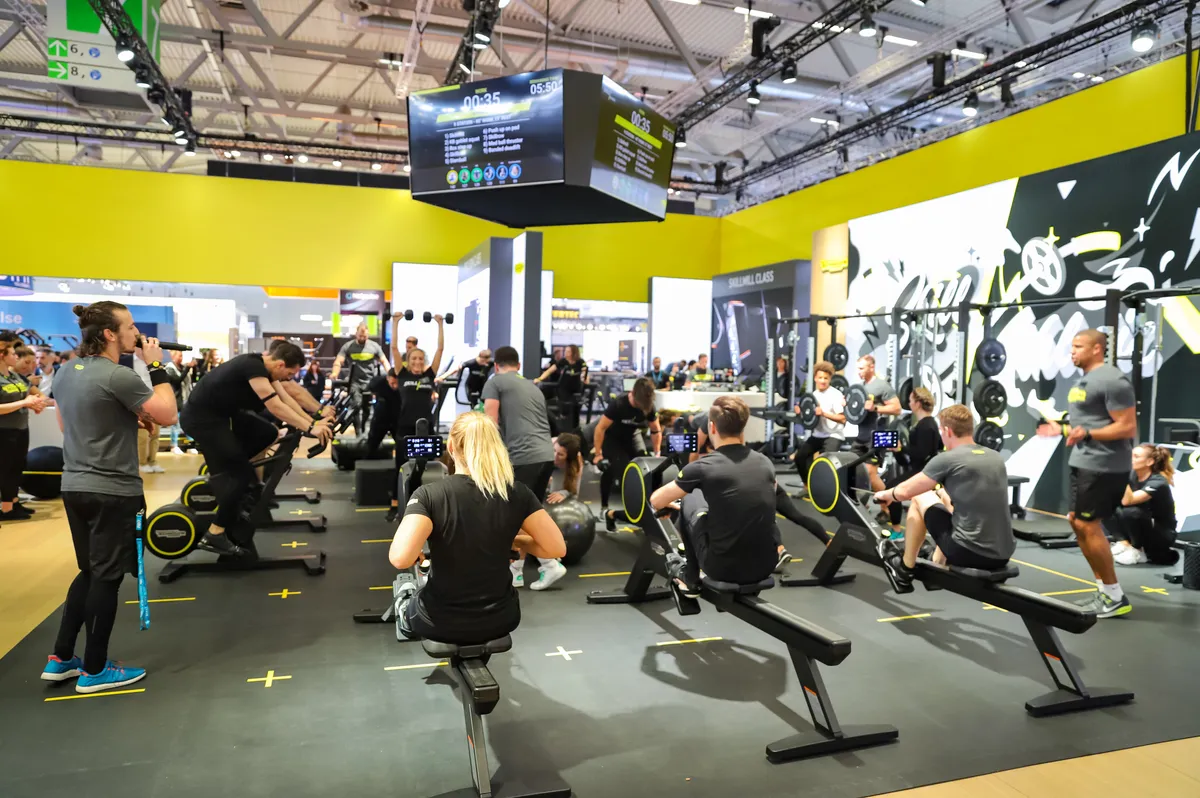
The membership cost, honestly
This is the part every Peloton Row review has to be upfront about: the hardware price is not the real price. Buying the machine gets you a rowing computer that will track strokes-per-minute and split times in a bare-bones "Just Row" mode without a subscription, but the actual product — guided classes, structured programs, leaderboards, the swiveling screen's real use case — requires the All-Access Membership at roughly $44 a month. That's a household plan that also covers other Peloton equipment if you own it, but if the Row is your only Peloton machine, you're paying full studio-subscription money for one type of workout. Over a year that's north of $500 on top of the machine, which meaningfully changes the value math compared with a Concept2 RowErg that costs less up front and has zero required subscription, or a free app layered on top of a budget rower.
I'd budget for the membership honestly rather than assume you'll skip it — the Just Row experience without coaching gets stale within a couple of weeks, and the entire reason to choose the Row over a cheaper rower is the class library the subscription unlocks.
Comparing it to alternatives
Against a water rower, the Row wins on noise (no sloshing, no draining a tank for storage) and on class structure, but loses a bit on the "organic" resistance feel that water-resistance fans specifically seek out — there's something about the visual and auditory feedback of a water flywheel that the Row's silent electromagnetic system simply doesn't replicate. Against a Concept2, which remains the standard reference point for rowing technique and CrossFit-style workouts, the Row's screen, storage system, and coached classes are a clear win for anyone who wants structure and motivation rather than raw stroke data; the Concept2 wins on being subscription-free, more widely serviceable, and slightly more "honest" in its resistance feel for rowers training to a specific stroke rate off a monitor rather than a screen.
Compared with other connected fitness equipment in the Peloton lineup, the Row is the most technically demanding to actually use well — form matters far more on a rower than on a bike, and the class cueing does a reasonable job coaching that, but it's still easier to build bad habits (rounding the back at the catch, yanking with the arms too early) on a home rower with no one physically present to correct you. I'd recommend anyone new to rowing spend real time in the fundamentals classes before jumping into high-intensity interval programming.
Small annoyances worth knowing about
A few things came up repeatedly over six weeks that didn't show up in the marketing copy. The screen occasionally lagged for a second or two when switching between the swiveled floor-workout view and the rowing view, enough to be noticeable but never enough to lose the workout. The seat, while smooth, has a firmer cushion than I expected, and longer sessions past 45 minutes benefited from a gel seat pad I ended up buying separately. Wi-Fi connectivity was solid throughout testing with one exception — a firmware update mid-review caused the touchscreen to hang on a loading spinner for close to ten minutes before a restart cleared it, which is the kind of software hiccup that's easy to forgive once but worth budgeting patience for if you're relying on the machine for a specific morning routine. Heart rate strap pairing via Bluetooth worked reliably with a standard chest strap, and Apple Watch heart rate syncing during classes worked without any dropouts across a dozen sessions.
Who should buy this
The Peloton Row makes the most sense for people who know they respond to coached, structured workouts and either already pay for Peloton's membership on a bike or tread, or are fully willing to add the monthly cost to their budget from day one. It also suits anyone short on space who genuinely will use the vertical storage feature rather than leaving the machine flat and taking up a permanent footprint. It makes far less sense for someone who wants a rower purely for stroke-rate training without coaching, or anyone unwilling to commit to an ongoing subscription on top of an already expensive piece of hardware — that person is better served by a Concept2 or a mid-range air rower and a free workout app.
After six weeks, the honest summary is that the Row is the best-built, quietest, and most beginner-friendly connected rower on the market, hampered mainly by a subscription model that asks a lot on top of an already premium price tag. It earns its spot as a genuine upgrade over a standard home rower for anyone who values the coaching and the screen experience enough to pay for both, hardware and membership, indefinitely.
Other products we tested

Ecobee Smart Thermostat Premium Review: Two Months of Real HVAC Testing
We installed the Ecobee Smart Thermostat Premium without a C-wire, tracked its temperature accuracy against a separate thermometer, and measured real energy savings over two months of daily HVAC use.

Bose SoundLink Flex Review: Six Weeks of Hiking, Kayaking, and Beach Days
Six weeks of camping, kayaking, and beach trips show the Bose SoundLink Flex's IP67 rating and PositionIQ orientation sensing are genuinely useful, with honest limits on bass and max volume.

Coros Pace 3 Review: Six Weeks Testing the GPS Watch That Barely Needs Charging
A dual-frequency GPS running watch that trades AMOLED shine for weeks of battery life at a fraction of the price of flagship rivals.