
Car Emergency Kit Buying Guide: Four Items, Not Fifty
Flat batteries, flat tyres, and being invisible at the roadside are what actually strand drivers. Build the kit around those.
Car emergency kits are sold as boxes of fifty items, and the item count is the point of sale. It is also the problem. Most pre-assembled kits are optimised to look comprehensive on a product page rather than to address the things that actually strand drivers, which are a flat battery, a flat tyre, and poor visibility to other traffic — in roughly that order of frequency.
This guide is built around those failure modes. It covers what genuinely belongs in a car, the specifications that separate a jump starter that works from one that does not, and the maintenance without which every item in the boot is decorative.
The quick answer
Four items cover most real roadside events: a lithium jump starter, a 12V tyre inflator with a gauge, a high-visibility vest with a warning triangle, and a torch. Total around $150-$220, and everything else is refinement.
Add a tyre plug kit if you drive rural routes, a physical map or offline maps if you drive anywhere with poor signal, and a blanket plus water if winter where you live means being stationary in the cold is genuinely dangerous.
Skip the 50-piece kits with a plastic case, twelve identical plasters, a whistle, and a poncho. The case takes up the space you need and the contents are chosen for count.
And check that your car actually has a spare wheel. Many newer cars ship with a sealant canister and a compressor instead, which is fine for a small puncture and useless for a sidewall tear.
Jump starters: the specification that matters
Lithium jump starters have largely replaced jumper cables for one obvious reason: they do not require a second car and a stranger willing to help. What varies is whether the unit can actually turn your engine.
Peak amps is the number on the box and the least useful. It describes a momentary spike. The figure that predicts whether the car starts is cranking amps or, where published, the sustained current the unit delivers for a few seconds. A petrol engine up to about 3 litres needs roughly 400-600 cranking amps; a diesel needs substantially more, often 700-1,000, because compression ignition demands more torque to turn over.
Buy for your engine, with margin, and be sceptical of a pocket-sized unit claiming 2,000 peak amps for $50. If you drive a diesel, buy a unit explicitly rated for diesel of your displacement.
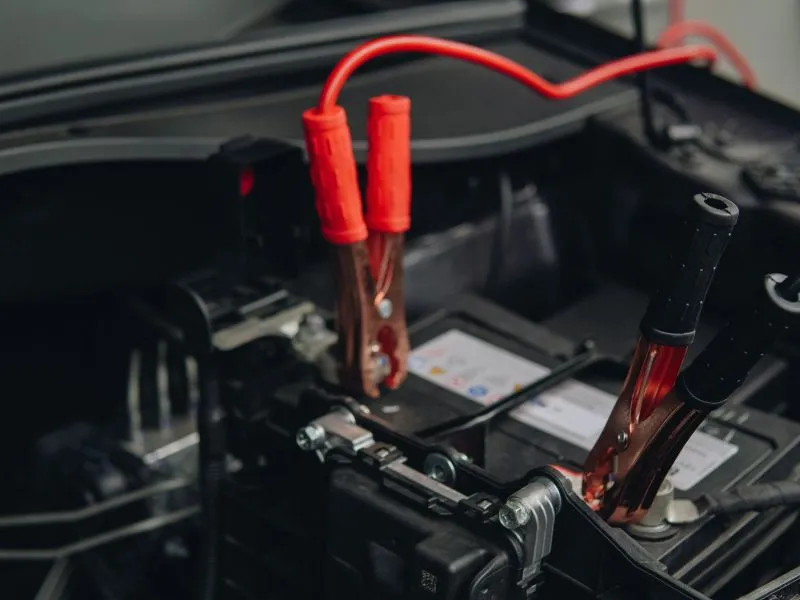
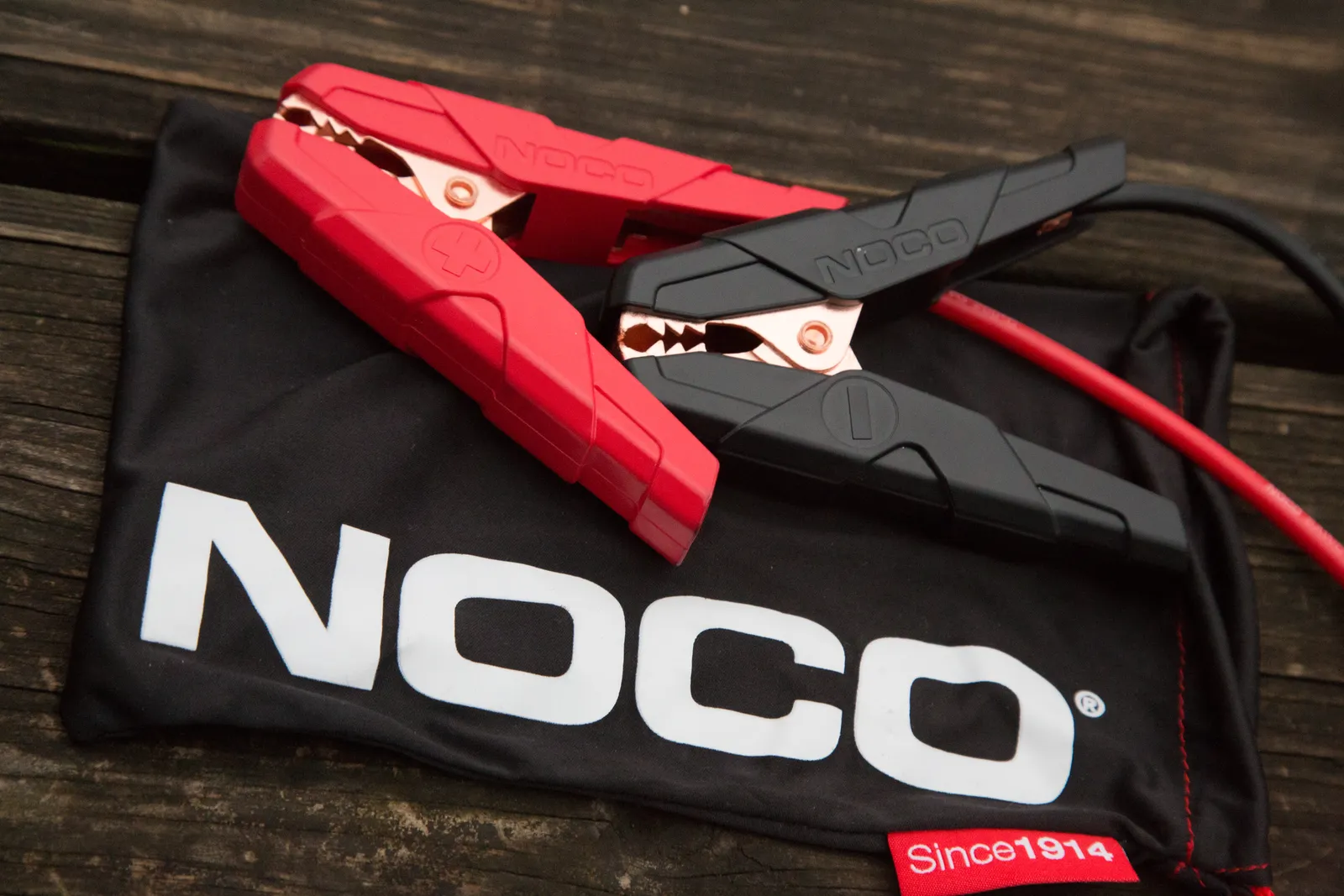
Two safety features are worth insisting on. Reverse-polarity protection, which prevents the unit delivering current if the clamps are on the wrong terminals — a mistake that is easy to make in the dark and expensive to make at all. And spark-proof clamps that stay inert until correctly connected, since a spark near a battery venting hydrogen is the one genuinely dangerous part of jump starting.
The maintenance requirement is the part people skip: a lithium jump starter self-discharges and must be topped up every three to six months. A unit that has sat in a boot for two years is not a jump starter, it is a paperweight. Set a calendar reminder, and check it before any long trip.
Traditional jumper cables still have a place as a backup, and if you buy them, buy heavy gauge — 4 or 6 AWG with thick insulation. Thin cables in a cheap set drop too much voltage to crank anything larger than a small petrol engine.
Tyres: pressure, tread, and the plug kit question
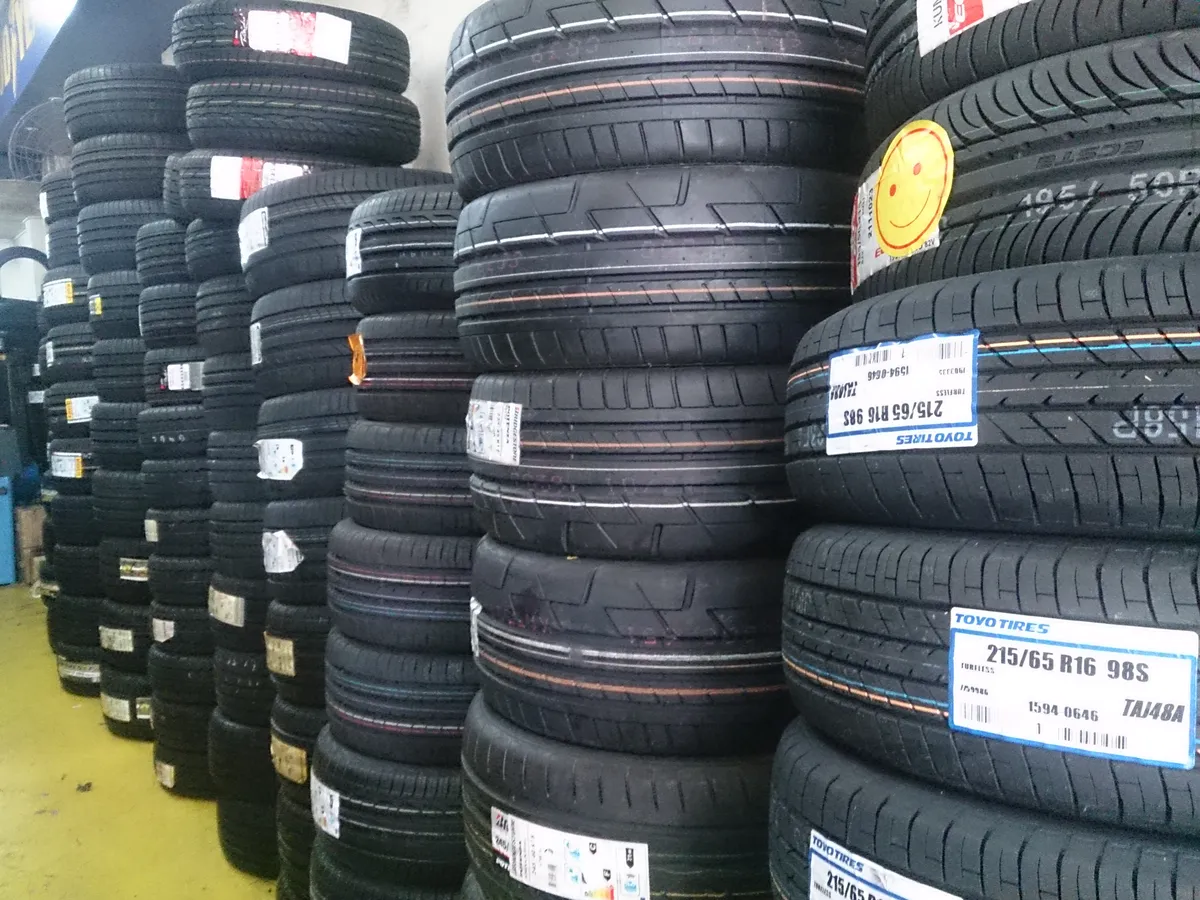
Underinflation is the most common tyre problem and the most consequential, affecting braking distance, fuel consumption, wear rate, and the risk of a blowout from heat build-up in a flexing sidewall. Tyres lose pressure slowly and continuously, and cold weather drops it further — roughly 1 psi for every 5°C fall.
A 12V inflator that runs from the cigarette socket costs $30-$60 and removes the excuse. Look for a real digital gauge with auto-stop at a set pressure, a duty cycle long enough to inflate a tyre from flat without overheating, and a hose long enough to reach a rear tyre. Cheap units with an analogue gauge often read 3-5 psi off, which defeats the purpose.
Check pressure monthly against the figure on the door pillar sticker, not the number on the tyre sidewall, which is a maximum rather than a recommendation. Check when the tyres are cold, since driving warms them and raises the reading.
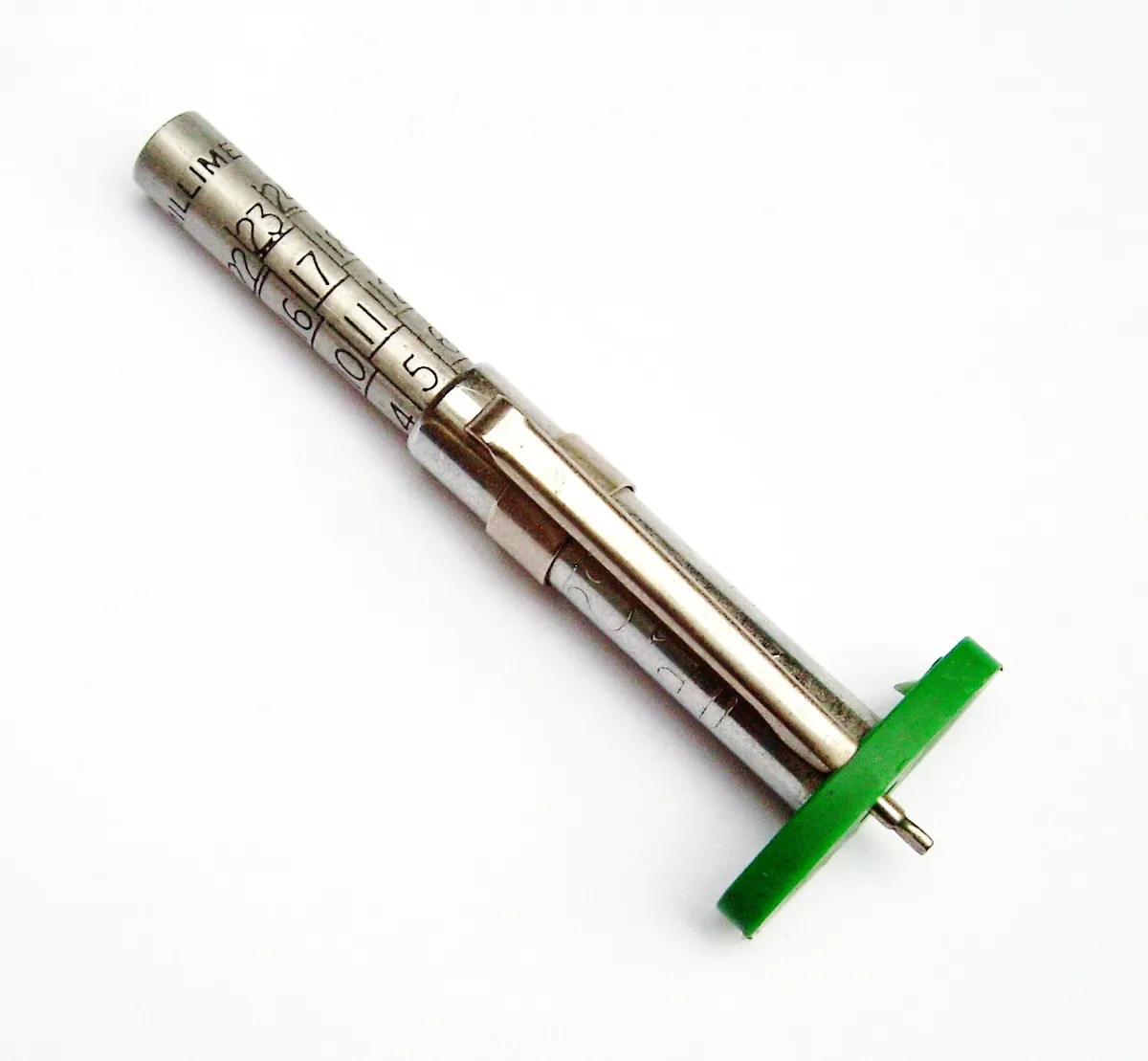
Tread depth is the other monthly check and takes ten seconds with a $5 gauge. Legal minimums are typically 1.6mm, and wet braking performance degrades well before that — most testing shows meaningful loss below about 3mm. Replacing at 3mm rather than 1.6mm is a real safety decision rather than a sales tactic.
A tyre plug kit repairs a tread puncture at the roadside for about $20 and works genuinely well as a get-home measure. It cannot repair a sidewall, and a plugged tyre should be inspected professionally afterwards. Sealant canisters are easier and messier, and some tyre shops charge extra to clean sealant out before a proper repair.
Visibility, which is the actual safety item
Standing beside a stationary car on a road is the most dangerous part of a breakdown, and the equipment that addresses it is the cheapest in the kit. A high-visibility vest costs $8. A reflective warning triangle costs $12. In many countries both are legally required to be carried, and the requirement varies by country in ways that matter if you drive abroad.
Store the vest in the door pocket or glovebox, not the boot. The point is to put it on before getting out of the car, and a vest in the boot requires you to walk to the back of the vehicle first, which is precisely the exposure you were trying to avoid.
A torch belongs in the glovebox for the same reason. A small LED torch with a common battery type and a magnetic base is more useful than a large rechargeable one that has gone flat. If you buy rechargeable, buy one that also takes a disposable cell as backup.
The things worth having beyond the basics
A proper first aid kit rather than a novelty one: adhesive dressings in several sizes, sterile gauze pads, a triangular bandage, medical tape, gloves, tweezers, and scissors. Check expiry dates annually, since sterile items and antiseptic wipes do expire.
A phone power bank kept in the car, because a dead phone converts an inconvenience into a genuine problem. Note that heat degrades lithium cells, so a power bank stored in a hot car will lose capacity faster and should be checked periodically.
A cheap pair of work gloves and a length of rag, because changing a wheel or checking a belt without them is worse than you remember.
Winter additions where relevant: an ice scraper, a small folding shovel, a foil emergency blanket, and something to eat. If snow is a genuine possibility, a bag of grit or cat litter for traction is worth the space.
A dash camera is worth including in this category even though it prevents nothing, because its value shows up in the aftermath of an incident rather than during one. The specifications that matter are a capacitor rather than a lithium battery for heat tolerance, reliable loop recording, and a resolution high enough to read a number plate at distance. Our Garmin Dash Cam Mini 2 review covers six weeks of screenless, app-only operation, which is the format that stays out of your sightline.
Maintenance is the part that makes any of it work
A kit assembled once and never checked degrades quietly. A twice-yearly ten-minute routine keeps it real: charge the jump starter and the power bank, check tyre pressures including the spare, confirm the inflator still runs, test the torch, and check first aid expiry dates.
Check the spare specifically, because it is the item most likely to be flat when needed — it sits unused for years and loses pressure the whole time. Also confirm the wheel brace and jack are present and that you know where they are, and that the locking wheel nut key, if your car has one, has not been left in a garage.
Fluid levels belong in the same routine: engine oil, coolant, and screenwash. A bottle of screenwash concentrate in the boot costs $6 and prevents the specific hazard of driving into low winter sun with a salt-filmed windscreen and an empty reservoir.
Where to spend and what to skip
Spend on the jump starter, since it is the item most likely to be needed and the one where cheap units fail at the moment of use. Spend on an accurate inflator with a real gauge. Spend the trivial amounts on the vest, triangle, and torch, which have the best safety return per dollar in the entire category.
Skip the all-in-one kits, the emergency window hammers sold as essential, and the tow strap unless you have a vehicle with proper recovery points and know how to use one — an improvised tow with a strap on a suspension component is a real way to injure someone.
And keep the boot usable. A kit so bulky that it gets removed for the weekly shop and left in the garage protects nobody. Two soft bags — one in the boot for the inflator and tools, one in the glovebox for the vest, torch, and power bank — is the arrangement that survives ordinary life, which is the only test that matters. If your driving includes weather that ruins carpets, our WeatherTech FloorLiner review covers the interior-protection side of the same practical problem, and our AstroAI tire inflator review covers four months of one of these units actually living in a trunk.
More coupon shopping advice

Home Security Camera Buying Guide: Local vs. Cloud Storage
A practical, balanced buying guide to home security cameras that weighs local storage against cloud subscriptions, wired versus battery power, camera placement, night vision, smart detection accuracy, and smart home integration.

Beginner Mirrorless Camera Buying Guide
A practical, honest walkthrough of what actually matters when buying your first mirrorless camera, from sensor size and lens mounts to autofocus, video specs, and the real total cost of a beginner-friendly system.

Air Purifier Buying Guide: CADR, ACH, and Filter Costs Explained
A practical walkthrough of the numbers that actually matter when buying an air purifier — CADR and ACH for sizing, true HEPA versus marketing terms, real three-year filter costs, realistic noise levels, and when a purifier won't help at all.