
WeatherTech FloorLiner Review: Eight Months of Salt, Slush, and Mud
An eight-month test of WeatherTech's custom-fit FloorLiners through a full winter of road salt and a muddy spring, checking whether the exact-fit claim and raised-lip design actually beat cheap universal mats and OEM carpet.
- Raised-lip tray fully contains slush, water, and mud instead of letting it soak into carpet
- Custom-fit molding hugs pedal and console contours far better than any universal mat
- Anchor-post system keeps the liner from sliding under hard braking or acceleration
- Rinses clean with a garden hose in under a minute versus a soaked carpet mat
- Backed by a limited lifetime warranty against cracking and material defects
- Textured surface grips boot soles even when wet
- Costs four to five times as much as a generic universal rubber mat
- Molded to one exact year/make/model/trim, so it has no resale or transfer value to a different vehicle
- Rigid tray feels noticeably harder and less comfortable underfoot than factory carpet
- Textured grip surface can trap fine grit that scratches its own finish if not rinsed periodically
- Occasional faint rattle from the rear liner if not reseated tightly under the seat tracks
- Ordering requires precise trim/engine selection -- an incorrect pick means a return and reorder
I ordered a set of WeatherTech FloorLiners the week before Thanksgiving, right as the first slush of the season started showing up in the driveway, and I've now run them through a full winter of road salt, a spring of muddy trailhead parking, and the start of a humid summer with sandy beach towels tossed in the back seat. That's the stretch of weather a floor protection product actually has to survive, and it's the stretch most quick-look reviews never cover. This is what the FloorLiners are like after roughly eight months of daily driving, not eight days.
WeatherTech's pitch is simple: instead of a universal rubber mat that vaguely covers the middle of your footwell, you enter your exact year, make, model, and trim on their site, and they ship you a liner molded specifically to the contours of that vehicle's floor pan, transmission tunnel, and pedal area. That precision is the entire premise of the product, and it's also the first thing worth testing, because "custom-fit" is a claim, not a guarantee.
First impressions and the ordering process
Ordering was more involved than tossing a generic mat into an Amazon cart. WeatherTech's fitment tool asks for year, make, model, and often a sub-selection for trim or engine, because floor pan shape can change between a base trim and one with a raised console or a different drivetrain (all-wheel drive tunnels are taller than front-wheel drive ones, for instance). I double-checked my selection against the VIN decoder page they link, since ordering the wrong year's liner means a return-and-reorder cycle. Shipping took six days in a flat cardboard box, which is itself worth noting since curled or bent liners is a common complaint in enthusiast forums; mine arrived flat and only needed about twenty minutes at room temperature to fully relax before installing.
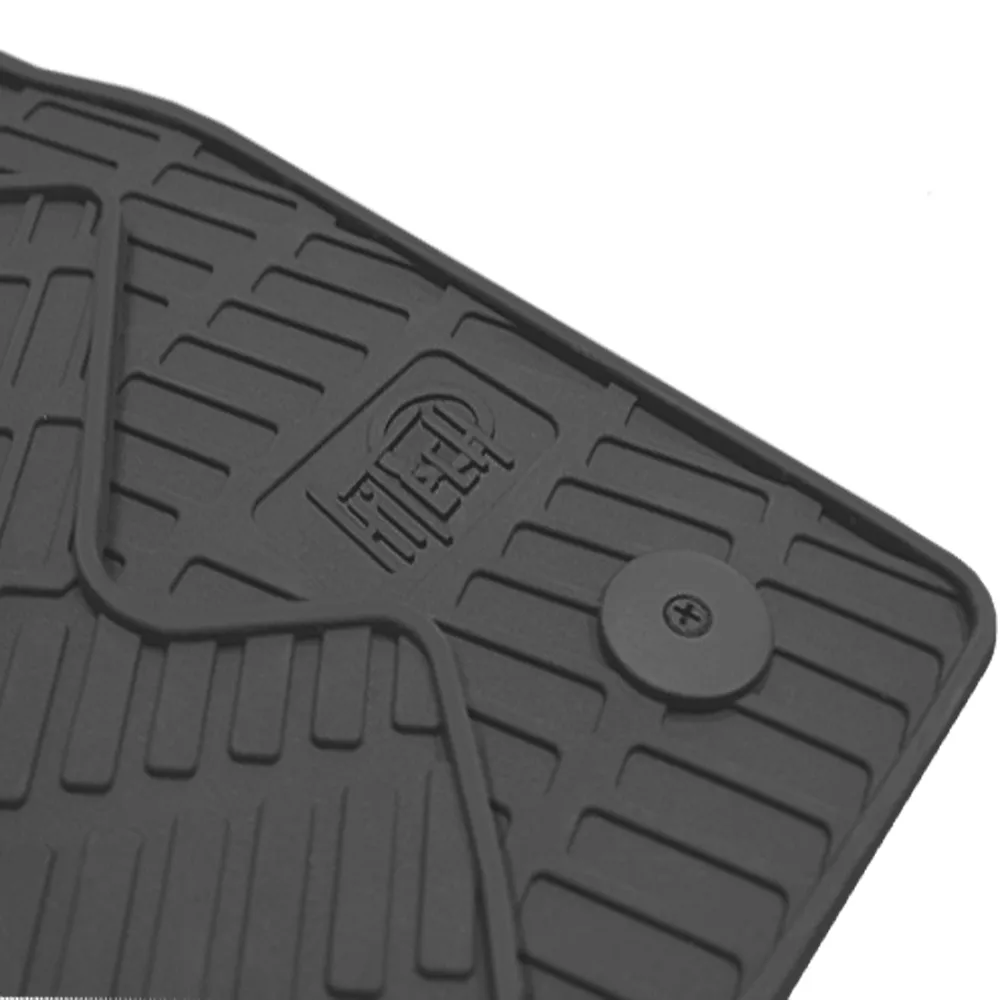
Out of the box, the liners are heavier and stiffer than any carpet mat I've owned, and noticeably stiffer than a cheap universal rubber mat too. They have a rigid, almost hard-shell feel through the footwell "tub" area, with a raised lip running around the entire perimeter, roughly an inch and a half tall at the front edges and tapering slightly along the sides. That lip is the single biggest functional difference from a flat mat: it's designed to contain runoff, not just absorb it.
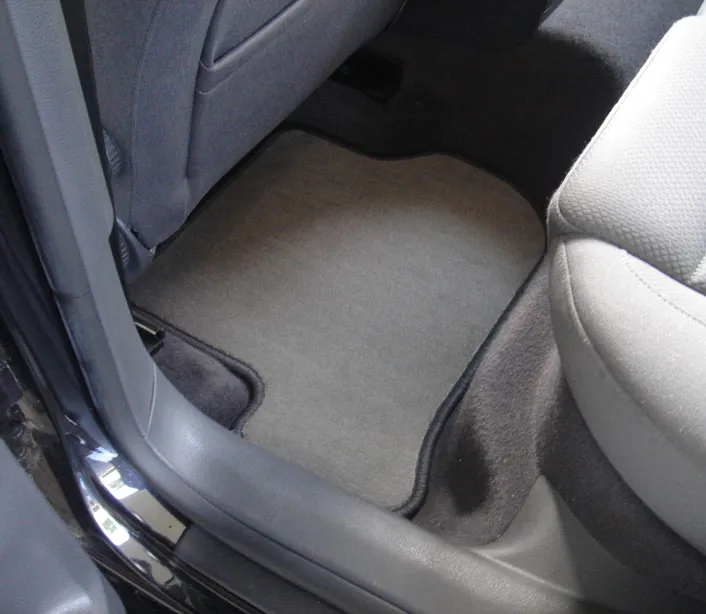
Installation for the front pair took about five minutes each: pull out the factory carpet mats, drop the FloorLiner in, and press down around the edges until it seats against the factory retention hooks (WeatherTech includes small anchor posts that snap through a hole in the liner and into the factory carpet clip). The fit was genuinely tight against the footwell contours -- around the accelerator pedal, the liner rises and dips to match the pedal's mounting bracket instead of just lying flat and letting the pedal poke through a slit like a universal mat does. The rear liner, which comes as a single wide piece to cover both footwells and the center hump, needed a bit more finagling to seat correctly, but once in, it didn't shift.
A full winter of salt, slush, and mud
This is where the product either earns its price or doesn't, and for me it earned it. Minneapolis winters mean road salt brine gets tracked in on boots every single day from December through March, and my previous OEM carpet mats would be visibly white-crusted and damp by February no matter how often I vacuumed them. With the FloorLiners, the meltwater and grit pool in the tray instead of soaking into the vehicle's factory carpet underneath. On the worst days -- a slushy commute followed by parking on an unplowed street -- I'd have visible standing liquid in the driver's footwell liner by the time I got home. That's exactly the scenario the raised lip is built for: without it, that same volume of slush runoff would have gone straight into the carpet and the padding underneath, which is how cars end up with that persistent damp-carpet smell.
Cleanup was the same every time: pull the liner out, dump the material into a snowbank or bucket, hose it off in the driveway (or in warmer months, in the shower), let it air dry for a couple of hours, and reinstall. Compare that to a soaked carpet mat, which either needs a wet/dry vac or days on a drying rack, and the difference in weekly maintenance time is real. I'd estimate the FloorLiners saved me a genuine 10-15 minutes a week of cleanup effort over the wet season compared to what I dealt with previously.
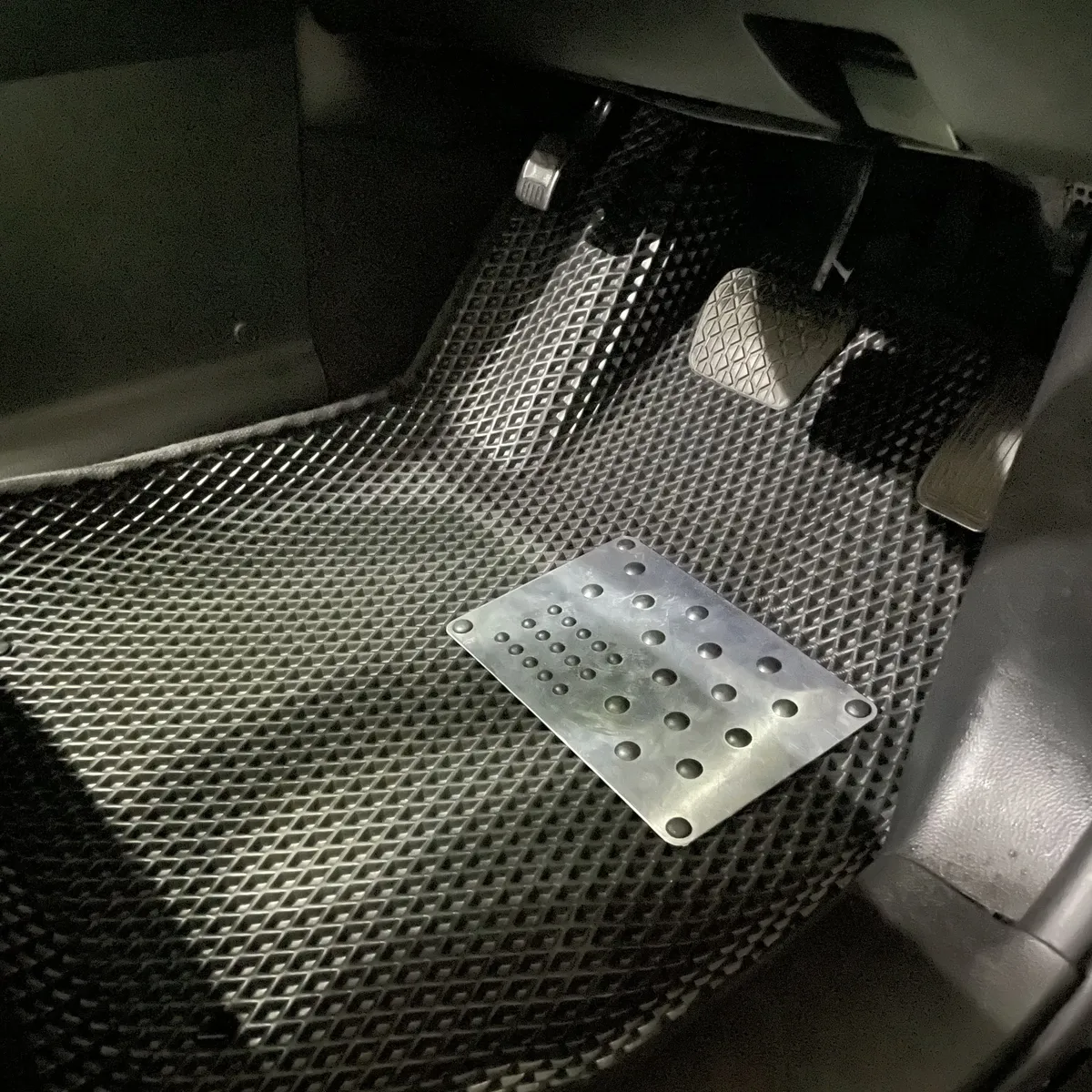
Spring brought a different challenge: mud season, plus a couple of trailhead parking lots that turned my boots into small dumps of wet clay. Same result -- the liner's raised lip kept the mud contained to the tray instead of letting it smear into the seat tracks or door sills, and a garden hose knocked most of it loose within a minute or two. The one maintenance note worth flagging honestly: the textured surface of the liner, which is there specifically to grip boot soles and resist sliding, also does a good job of holding onto fine grit if you don't clean it out periodically. Twice over the winter I noticed small scratches starting to appear on the liner's surface texture from sand and salt crystals grinding in under shoe pressure. It doesn't affect function, but if you're the type who likes gear looking new, you'll want to rinse these more often than "when they look dirty."
Grip, noise, and daily driving feel
Unlike a lot of thin rubber mats that slide around under braking or slip under your heel when working the pedals, the FloorLiner's underside has raised ribbing that keys into the factory carpet and, combined with the anchor-post system, it does not shift during hard acceleration or braking. I specifically tested this by doing a few sharp stops in an empty parking lot -- the mat stayed put. That matters more than it sounds; a floor mat that bunches up near the accelerator pedal is a real safety hazard, and it's part of why several vehicle recalls over the years have specifically addressed floor mat interference with pedals. The rigid tray design also means there's no soft give underfoot the way there is with carpet -- your foot rests on a firm, slightly textured surface rather than sinking into pile carpet, which some passengers found less comfortable on long drives, and is worth test-sitting before you commit if plush carpet feel matters to you.
Noise-wise, the liners are hard plastic-like material, and occasionally a shifted floor mat under the rear seats produces a faint rattle over rough pavement until it's reseated properly. It's a minor annoyance, not a dealbreaker, and it went away entirely once I made sure the rear liner's edges were tucked correctly under the seat tracks.
Comparison to cheap universal mats and OEM carpet
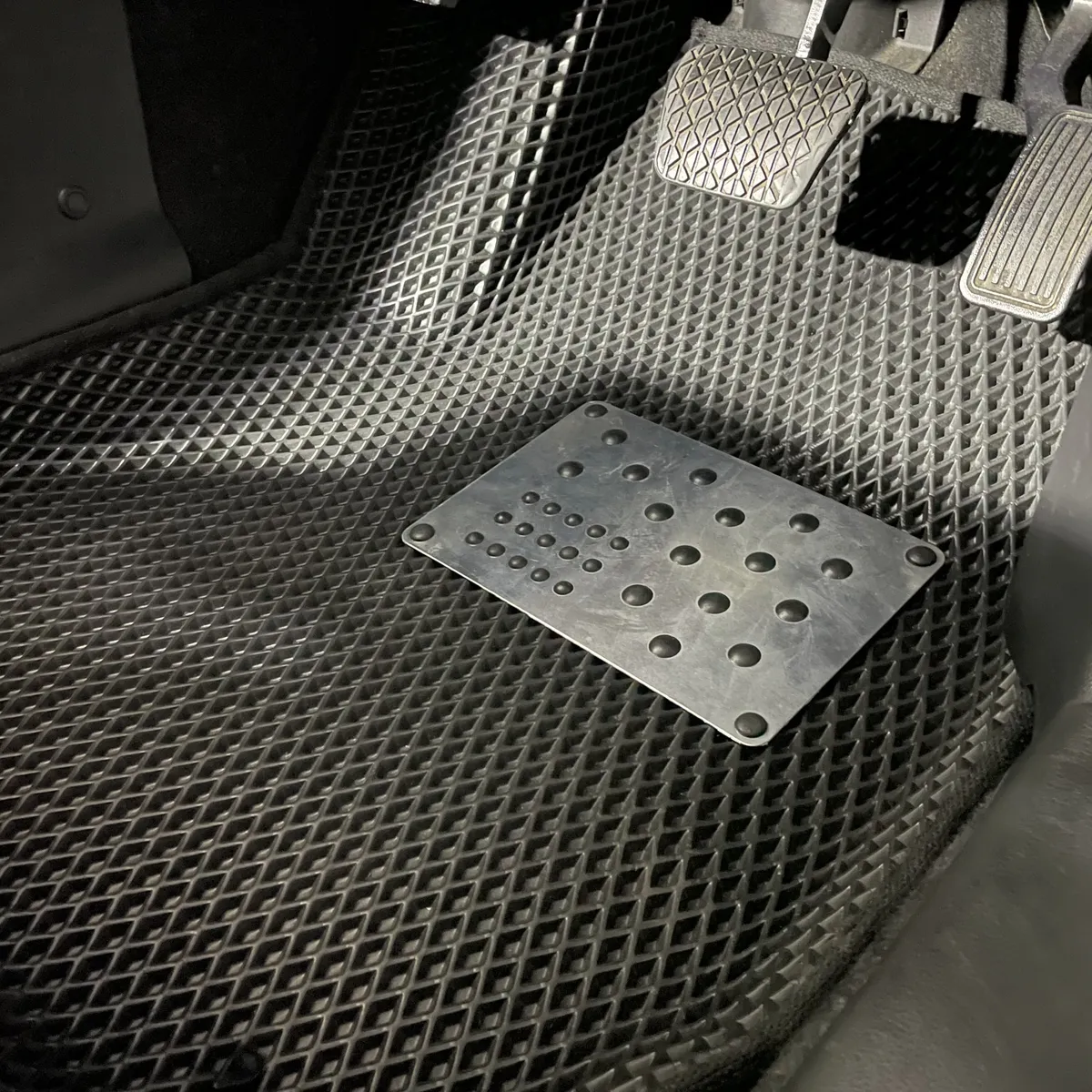
I ran a universal rubber mat (the kind sold in a generic "trim to fit" three-piece set for about $30) in a second vehicle for the same season as a rough comparison. The universal mat's biggest weakness is exactly what you'd expect: it doesn't match the footwell shape, so it leaves exposed carpet strips along the edges and around the pedals where slush and mud still get through. It also has a much shorter, often incomplete lip, so heavy runoff simply overflows the edge onto the carpet underneath anyway once the footwell fills past an inch or so. It's better than nothing, and at a third of the price it's a reasonable budget option for someone who just wants basic protection, but it's not solving the same problem the FloorLiner solves.
Against factory OEM carpet mats -- the ones that usually come standard or as a manufacturer accessory -- the FloorLiner is a clear upgrade for foul-weather protection but a downgrade in cabin feel. Carpet mats look and feel nicer, match the interior aesthetic, and are quieter and softer underfoot. But carpet absorbs liquid rather than containing it, needs far more frequent washing to avoid staining and odor, and does essentially nothing to stop mud or salt brine from reaching the factory carpet below. If you live somewhere with real winters, rain, or you regularly haul muddy gear, kids, or pets, the FloorLiner's practical advantage is large. If you live somewhere dry and mostly care about presentation, OEM carpet mats remain the better-looking choice.
The custom-fit trade-off
The thing nobody mentions enough: because these are molded to one specific year/make/model/trim combination, they have zero resale value to anyone who doesn't own that exact vehicle configuration, and they don't transfer if you trade in your car for a different model. I asked WeatherTech's support about reusing a set on a newer version of the same vehicle after a hypothetical upgrade, and was told fitment is tied to the specific generation and sometimes the specific trim -- a liner molded for one generation's floor pan will not properly fit even the next model year if the interior was redesigned. That's a real sunk-cost risk if you trade vehicles frequently; it's much less of a concern if you plan to keep a vehicle for the long haul, which is the more common use case this product is actually built for.
Who should buy this
This is squarely aimed at owners who plan to keep their vehicle for years, live somewhere with real weather (snow, rain, or regular off-pavement mud), and want to protect the factory carpet and resale value of the interior rather than just cosmetically cover it. Parents hauling kids with spilled drinks and mud-caked shoes, tradespeople who get in and out of a truck cab all day, and anyone who does a lot of winter driving will get the most value here. If you drive a leased vehicle you plan to return in two years, live somewhere dry and mild, or swap vehicles often, the cost and lack of transferability make a cheaper universal mat or even the factory carpet mats a more sensible choice.
Long-term durability notes
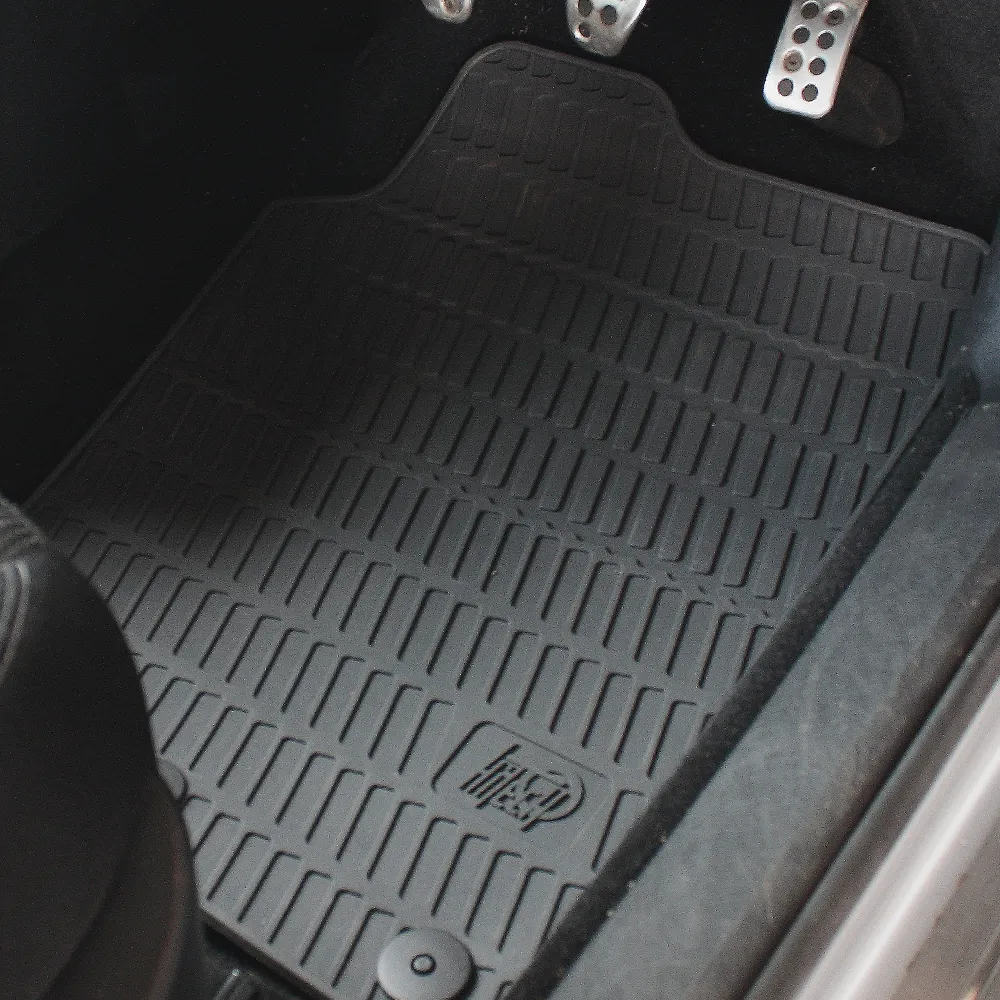
Eight months in, the liners show no cracking, no fading, and the raised lip hasn't lost any of its rigidity or started to sag, even after repeated flexing to pull them out for cleaning. The anchor-post holes have held up fine despite dozens of removal-and-reinstall cycles. The one area I'll keep watching is that grit-scratching issue on the textured surface -- it's cosmetic for now, but if I skipped cleaning for months at a stretch instead of every couple of weeks, I'd expect it to get more visible over a few years of use. WeatherTech backs the FloorLiner with a limited lifetime warranty against defects in material and workmanship, which doesn't cover this kind of use-related surface wear, but does cover manufacturing issues like cracking or warping, and it's a meaningfully longer warranty than the one-year (or no) coverage you get on most universal rubber mats.
Verdict
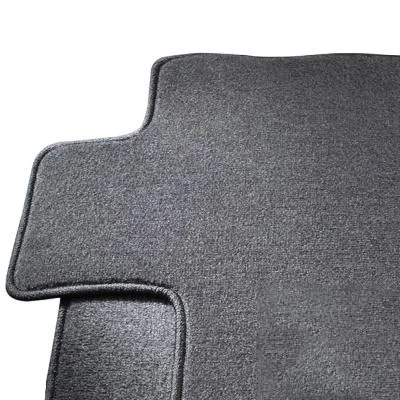
The WeatherTech FloorLiner does exactly what it claims: it contains water, slush, salt brine, and mud in a way no carpet mat or universal rubber mat comes close to matching, thanks to genuinely precise custom fitment and a well-designed raised-lip tray. The trade-offs are real and worth weighing honestly -- a noticeably firmer ride underfoot than carpet, a price that's four to five times a universal mat, a textured surface that needs periodic cleaning to avoid grit-scratching, and zero transferability if you change vehicles. For anyone keeping a vehicle through multiple winters or muddy seasons who wants to actually protect the factory interior rather than just decorate it, this is one of the few accessories that fully lives up to its marketing after real long-term use.
Other products we tested

Ecobee Smart Thermostat Premium Review: Two Months of Real HVAC Testing
We installed the Ecobee Smart Thermostat Premium without a C-wire, tracked its temperature accuracy against a separate thermometer, and measured real energy savings over two months of daily HVAC use.

Bose SoundLink Flex Review: Six Weeks of Hiking, Kayaking, and Beach Days
Six weeks of camping, kayaking, and beach trips show the Bose SoundLink Flex's IP67 rating and PositionIQ orientation sensing are genuinely useful, with honest limits on bass and max volume.

Coros Pace 3 Review: Six Weeks Testing the GPS Watch That Barely Needs Charging
A dual-frequency GPS running watch that trades AMOLED shine for weeks of battery life at a fraction of the price of flagship rivals.