
Art Supplies Buying Guide: Why Fewer, Better Colours Beat a Big Cheap Set
What actually separates artist-grade from student-grade in pencils, markers, watercolour, and brushes — and where paper matters most.
Art supply shopping punishes beginners in a specific way: the cheap version of almost everything behaves differently enough from the good version that it teaches you the wrong lessons. A student who cannot blend with hard, waxy pencils concludes they cannot blend. Someone whose watercolour dries into a chalky, immovable stain concludes watercolour is difficult. In both cases the material was the problem.
That does not mean beginners need professional gear. It means the money should go into a small number of media rather than a large number of cheap ones. This guide covers what separates artist-grade from student-grade in each category, how much to buy, and where the expensive version genuinely does not matter.
The quick answer
Buy fewer colours of better quality. A 24-colour artist-grade set outperforms a 72-colour student set for learning, because layering and mixing good pigment produces more range than a wide selection of weak ones.
Spend on the surface. Cheap paper ruins good materials — it pills under pencil, buckles under water, and bleeds through under marker. Paper is the least glamorous and most consequential line item.
Buy the medium that matches how you actually work. If you have twenty-minute gaps, dry media wins because there is no setup and no drying wait. If you have two-hour blocks, wet media becomes viable.
For children, buy washable, non-toxic, and replaceable. Artist-grade materials for a six-year-old is money spent on the parent's aspiration.
Coloured pencils: the core and wax bloom
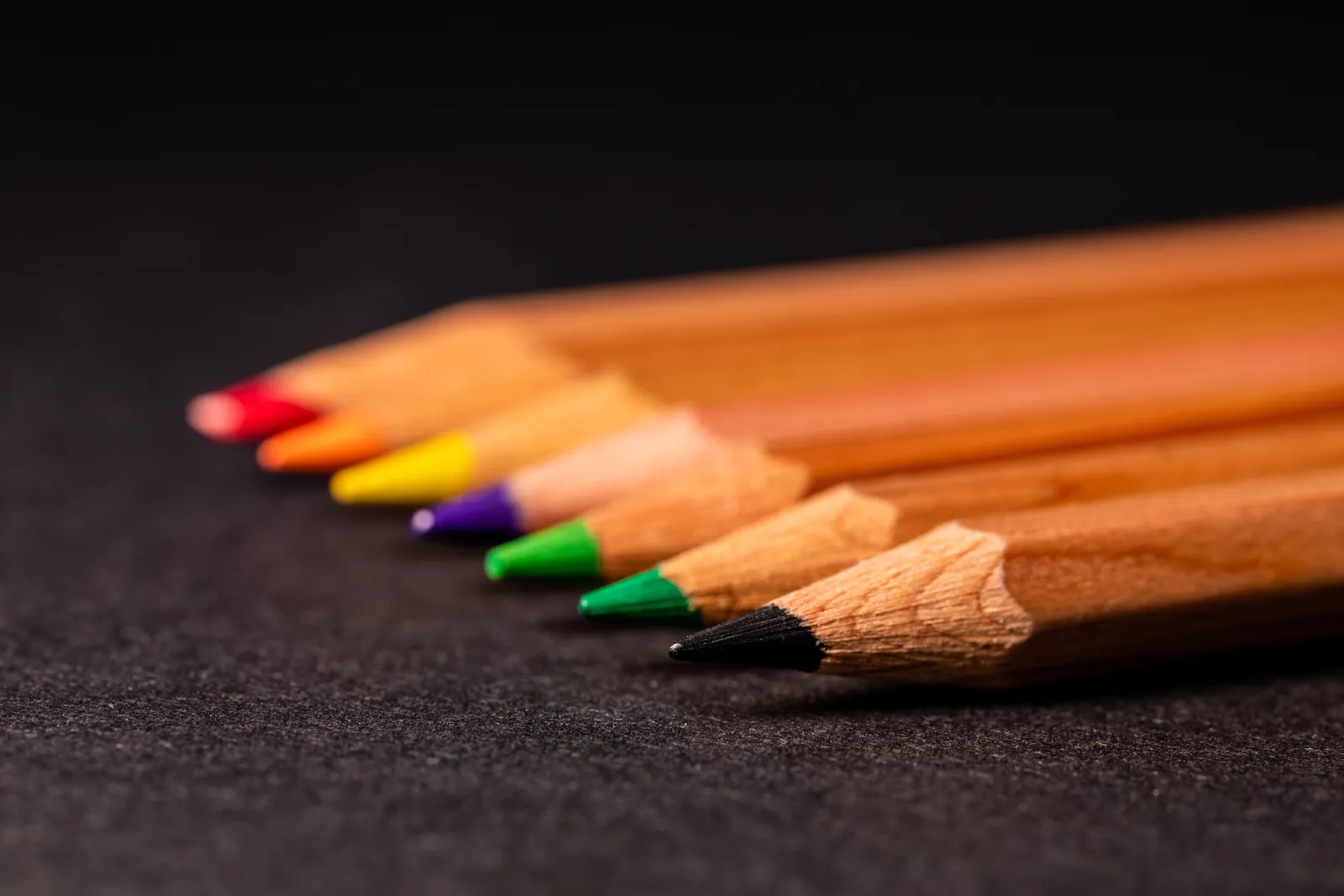
The specification that determines almost everything is core softness, which follows from the binder-to-pigment ratio. Wax-based cores with high pigment load lay down colour thickly, blend and burnish well, and wear down quickly. Harder cores hold a point for detail and resist blending. Oil-based cores sit between the two, holding a point better than soft wax while still layering.
Student-grade pencils are hard because binder is cheaper than pigment. The practical consequence is that pressing harder does not deposit more colour, it just polishes the paper and destroys the tooth, after which nothing further will adhere. That dead end is what makes beginners conclude they cannot layer.
Two things to check when comparing sets. Lightfastness ratings, if published, tell you whether work will fade — relevant if you plan to sell or frame anything, irrelevant for sketchbook practice. And whether pencils are sold open stock individually, because you will exhaust the four colours you actually use long before the other twenty, and replacing a whole set to get more of one grey is a real cost.
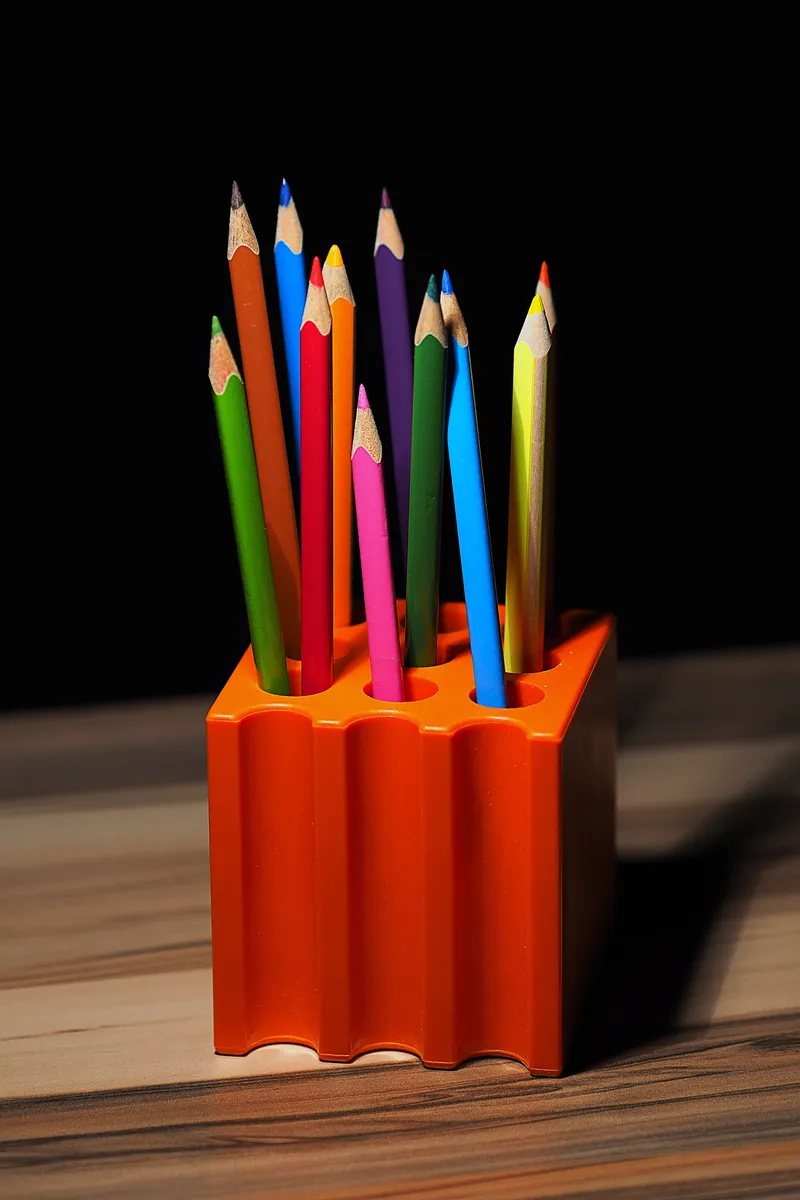
Soft wax pencils have one known quirk worth expecting: wax bloom, a hazy white film that develops over heavily-layered areas as wax migrates to the surface over days. It wipes off with a soft cloth and is prevented by a light spray fixative. It is not a defect, though it looks like one the first time.
Our Prismacolor Premier 72-count review goes into what a soft wax core actually feels like in extended use, including the breakage that softness brings with it.
Alcohol markers: the format decision matters more than the brand
Alcohol-based markers blend because the solvent re-wets ink already on the page, letting two colours merge at the boundary. Water-based markers do not do this — they sit as flat, streaky patches and buckle thin paper. If seamless blending is the goal, alcohol is the requirement, and this is the single distinction that matters.
The economics are unusual: good markers cost $5-$8 each, so a 72-colour set is a significant purchase. Two features change the long-term maths substantially. Refillability means you buy ink rather than markers, cutting per-use cost by roughly two-thirds over years. Replaceable nibs mean a marker with a frayed brush tip is repaired rather than discarded.
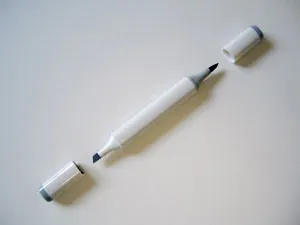
Colour system design is the underrated feature. Well-designed marker ranges use codes indicating hue family, saturation, and value, which lets you deliberately pick three markers that form a smooth shadow-to-light progression. Sets with arbitrary names give you sixty colours with awkward gaps between them, and blending across a gap does not work.
Buy a small set of families rather than a large rainbow. Three values each of four hues plus a colourless blender teaches more than seventy-two singles. Our Copic Sketch 72-piece review covers whether the premium version earns its price against cheaper alcohol markers, which is a genuinely close call.
Marker paper is not optional. Alcohol ink soaks straight through sketchbook paper onto whatever is underneath, and absorbent paper drinks the solvent so fast that blending becomes impossible. Bleedproof marker paper is a coated, low-absorbency surface that keeps ink workable for the seconds you need.
Watercolour: pans, tubes, and what the pigment code tells you
Watercolour separates into student and artist grades by pigment concentration and by what the pigment actually is. Student paints use cheaper substitute pigments and more filler, which is why they dry lighter than they look wet and go muddy when mixed.
The most useful skill in this category is reading the pigment code printed on the tube — PB29, PY35, PR108 and so on. A paint listing a single pigment mixes predictably. A "hue" version of a colour is a mixture imitating a more expensive pigment, and mixing two multi-pigment paints together produces mud quickly because you are combining four or five pigments at once.
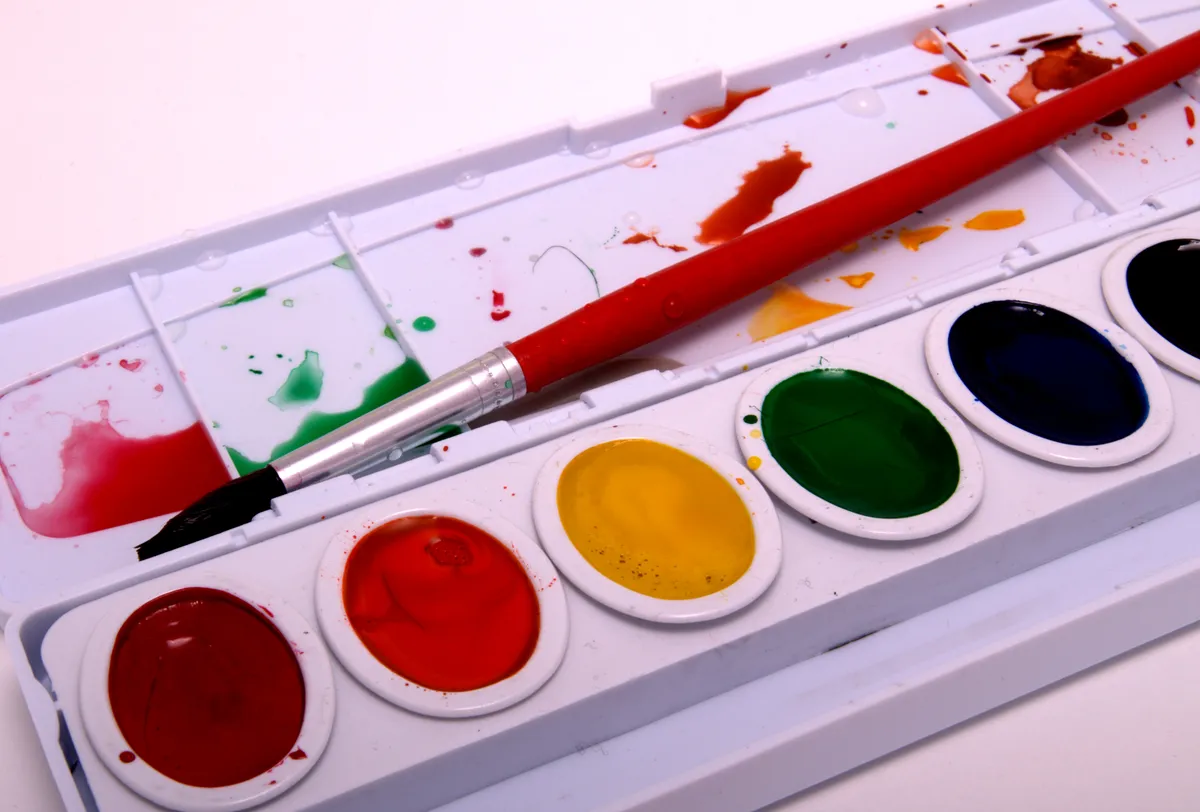
A six-colour palette of single-pigment paints — a warm and cool version of each primary — mixes a genuinely enormous range and costs less than a 24-pan student set. This is the strongest example in the whole category of fewer-and-better beating more-and-cheaper.
Pans versus tubes is a workflow choice rather than a quality one. Pans are portable, waste nothing, and need rewetting. Tubes give stronger mixes quickly and are better for large washes, and they dry out if the caps are left off.
Paper matters more here than anywhere else. Watercolour paper below about 300gsm buckles when wet, and cellulose paper lifts and pills under scrubbing where cotton paper tolerates it. Cold-pressed 300gsm cotton is the standard general-purpose choice, and switching to it improves results more than any paint upgrade.
Brushes: where to spend and where not to
A brush is judged by three things: whether it holds a point, how much water or paint it carries, and whether it springs back to shape. Natural sable excels at all three and costs accordingly. Modern synthetics have closed most of the gap, particularly in springiness, and are the sensible default for anyone not painting professionally.
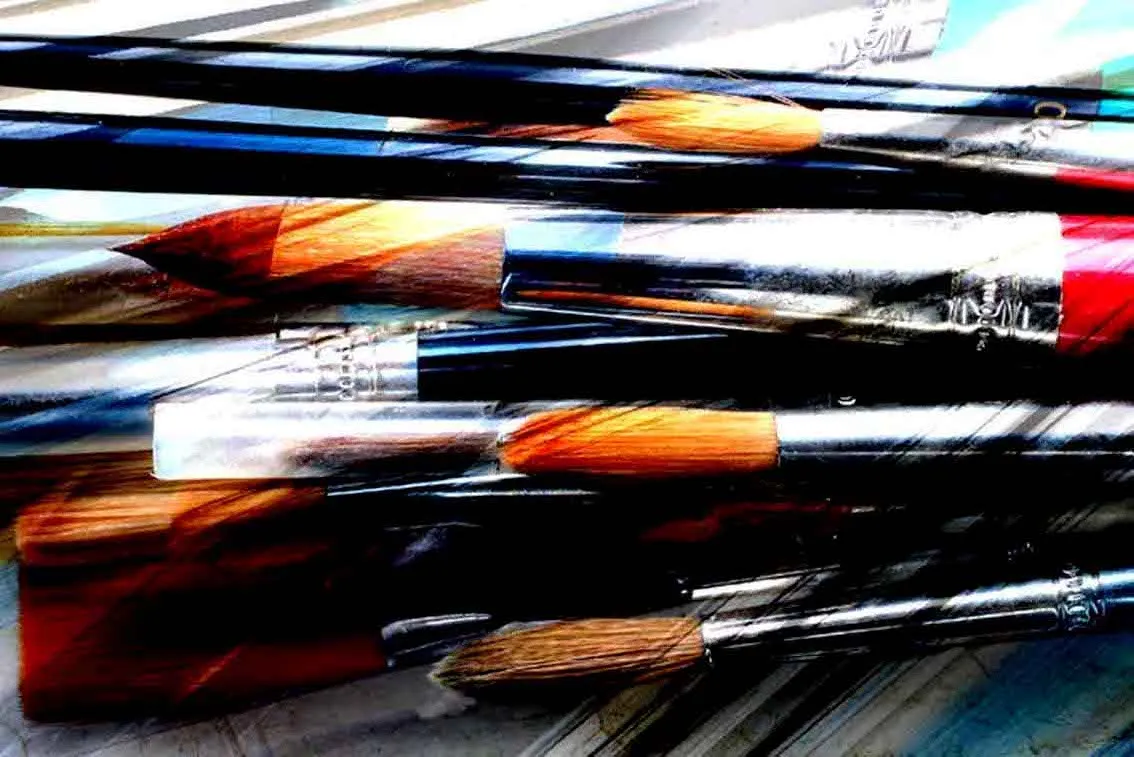
Buy three brushes, not fifteen: a medium round for most work, a small round for detail, and a flat or mop for washes. Sets of fifteen brushes contain eleven you will never reach for and are usually made to a price that shows in the ferrule, which loosens and sheds hairs.
Brush care extends life far more than brush price. Never leave brushes standing in water, which bends the hairs permanently at the waterline and swells the wooden handle until the lacquer cracks. Wash, reshape the point with your fingers, and dry flat or hanging down.
Children's supplies: different rules entirely
For young children the priorities invert. Washability matters more than pigment quality, because the medium will end up on a wall. Non-toxic certification matters because things go in mouths. And durability matters because a snapped crayon is a crisis and a broken $6 pencil is a waste.
Chunky triangular or hexagonal barrels help developing grip and roll off tables less. Washable markers with a genuine washable formulation come out of most fabrics; permanent-ink markers in a household with a toddler are a decision you will regret exactly once.
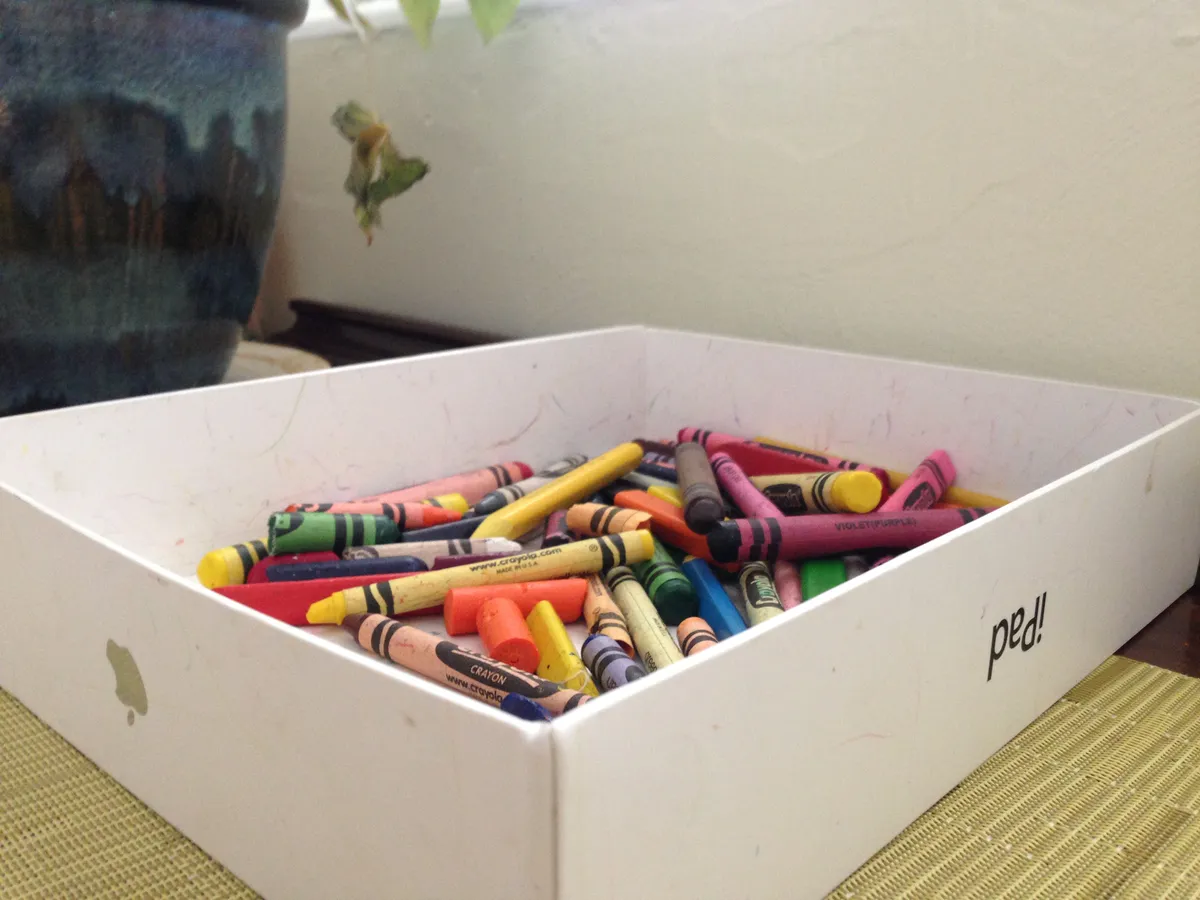
Quantity beats quality here in a way it does not for adults. A large pad of cheap paper and a big box of crayons produces more drawing than a small pad of good paper and a careful set, because children draw volumes and the constraint should never be "do not waste the good paper."
Cutting machines and craft equipment
Electronic cutting machines occupy a different part of this market: they are tools for producing finished objects — cards, vinyl decals, iron-on transfers, paper models — rather than for drawing. The buying considerations are correspondingly different.
Check three things before buying one. Material compatibility and maximum cutting thickness, because the gap between a machine that cuts vinyl and card and one that also handles leather and thin wood is substantial. Whether the software requires a subscription for full functionality, which is increasingly common and adds meaningfully to lifetime cost. And whether design files must come from a proprietary library or can be imported as standard SVG.
Consumable cost is the ongoing item people underestimate: blades, mats, and material-specific supplies add up quickly, and cutting mats lose their tack after 20-40 uses. Our Cricut Explore 3 review works through six weeks of real projects including where those consumable costs actually land.
A sensible starting kit and what it costs
For drawing: a 24-colour artist-grade coloured pencil set, a good sketchbook with paper around 160gsm, a kneaded eraser, and a decent sharpener. Roughly $70-$110, and the sharpener genuinely matters, since a cheap one snaps soft cores repeatedly.
For watercolour: six single-pigment tubes or pans, three brushes, a block of 300gsm cold-pressed paper, and a ceramic or plastic palette. Roughly $80-$130.
For marker work: twelve to twenty-four markers chosen as value families, a blender, and a pad of bleedproof marker paper. Roughly $90-$180 depending on brand.
The pattern across all three is the same. Half the budget goes to the marking tool, a quarter to the surface, and a quarter to the small accessories that make the tool work properly. Sets that look generous on colour count almost always cut the surface and the accessories, which is where the frustration comes from.
More coupon shopping advice

Home Security Camera Buying Guide: Local vs. Cloud Storage
A practical, balanced buying guide to home security cameras that weighs local storage against cloud subscriptions, wired versus battery power, camera placement, night vision, smart detection accuracy, and smart home integration.

Beginner Mirrorless Camera Buying Guide
A practical, honest walkthrough of what actually matters when buying your first mirrorless camera, from sensor size and lens mounts to autofocus, video specs, and the real total cost of a beginner-friendly system.

Air Purifier Buying Guide: CADR, ACH, and Filter Costs Explained
A practical walkthrough of the numbers that actually matter when buying an air purifier — CADR and ACH for sizing, true HEPA versus marketing terms, real three-year filter costs, realistic noise levels, and when a purifier won't help at all.