
Copic Sketch Markers 72-Piece Set Review: Worth the Splurge?
Eighteen months of daily comic and illustration work with the Copic Sketch 72-piece set show it blends better than any budget alcohol marker, but the price, paper, and refill upkeep are real costs.
- Exceptional blending smoothness for wet-into-wet gradients compared to budget alcohol markers
- Refillable ink and replaceable nibs lower long-term cost per marker versus disposable sets
- Dual nib design (broad chisel + fine brush) covers both large fills and fine detail work
- Wide, well-curated 72-color range spans skin tones, grays, and saturated accent colors
- Alcohol ink layers cleanly under linework and colored pencil without lifting or smearing
- High upfront cost per marker versus sets like Ohuhu, roughly 5-6x cheaper for a comparable count
- Requires dedicated alcohol-marker paper to avoid bleed-through and dull color on regular paper
- Color numbering system (e.g. BV23, YR07) has a real learning curve before it becomes intuitive
- Nibs dry out and become hard to control within 15-20 minutes if left uncapped
- Ongoing refill ink and replacement nib costs add up and require ordering marker-specific SKUs
- Slight batch-to-batch color consistency drift noticeable when swatching old vs new purchases
I bought my first Copic Sketch 72-piece set two winters ago, right after a comic-anthology deadline made it obvious that my old drugstore markers were holding my linework back. Eighteen months, four sketchbooks, one graphic novel chapter, and roughly a dozen convention badge commissions later, this is the review I wish someone had handed me before I spent close to three hundred dollars on a marker set. Short version: the ink, the nibs, and the blending are genuinely a different tier from anything under fifty dollars, but the price, the paper requirements, and the color-numbering learning curve are real costs you should walk in expecting.
This isn't a spec-sheet rewrite. Everything below comes from actually inking, coloring, and blending with this specific 72-color set — the one Copic sells as a curated "most useful colors" assortment rather than the full 358-color range — across long-term studio use, not a fifteen-minute unboxing.
First impressions and what's in the box
The 72-piece set ships in a printed cardboard tray-and-lid box, not the zippered case some retailers imply in their product photos — if you want a case, budget another $25-40 for one separately, which caught me off guard the first time. Inside, the markers stand nib-up in molded cardboard slots, grouped roughly by color family (cool grays, warm grays, blues, greens, yellows, reds/pinks, violets, and a handful of skin-tone and earth tones). Each marker is a double-ended, refillable barrel with a broad chisel nib on one end and a fine "brush"-style nib on the other in most of the set (a few are super brush/brush combos depending on which curated assortment you bought).
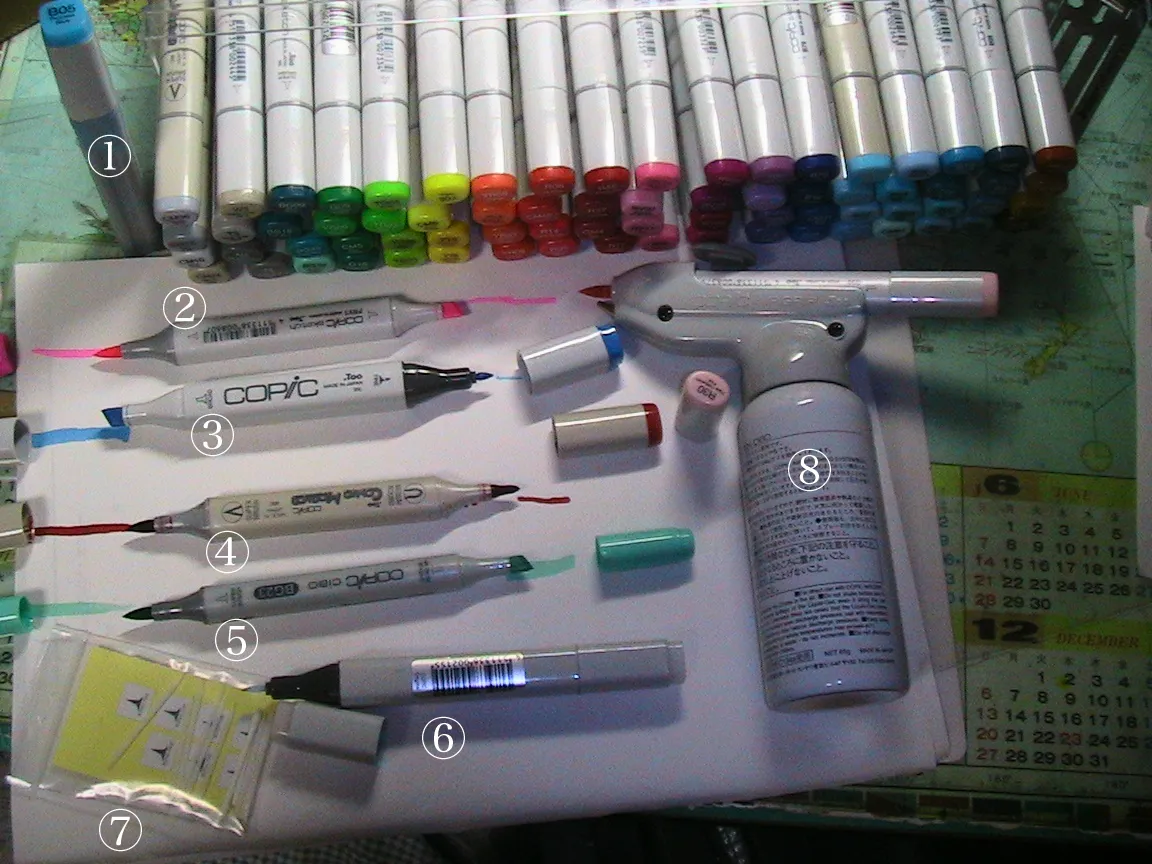
Pulling the caps for the first time, the smell is unmistakably alcohol-based — much sharper than water-based dual brush pens, and it fades within a minute or two of the room airing out. The barrels themselves are lightweight, hexagonal in cross-section so they don't roll off a slanted drawing table, and the printed color codes (like BV23 or YR07) are legible even after months of handling, though the ink does wear the printing down slightly on markers I use daily, like my two grays and my skin-tone blender.
Setup: learning the numbering system
Copic's color codes are the single biggest adjustment coming from consumer markers. Instead of names like "Sky Blue" or "Coral," you get codes such as B000, BV31, or E51 — the letter prefix indicates the color family (B = blue, BV = blue-violet, E = earth/brown, YG = yellow-green, and so on), and the number indicates saturation and value within that family, with lower numbers generally being lighter/more muted and higher numbers more saturated. It took me a solid two weeks of active use before I stopped needing to check the included color chart insert for every marker I picked up. If you're coming from Prismacolor or Copic's own named lines, budget real time for this — it is not intuitive on day one, and I've watched two illustration students at a local workshop abandon a set for a month because the numbering felt like a foreign language.
The upside once it clicks: the numbering makes it trivial to find a marker one or two steps lighter or darker in the same family for shading, which is the entire point of how Copic intends you to blend. A named-color system doesn't give you that at a glance.
Daily use: three months of comic pages
I used this set almost daily for a black-and-white-to-color comic chapter (22 pages) and a rotating cast of convention badge commissions. A few things became obvious fast. First, the alcohol ink genuinely does blend wet-into-wet in a way cheaper alcohol markers only approximate — laying a lighter color while the base color is still slightly damp produces a smooth gradient with almost no visible banding, especially with the chisel nib on flat fills. Second, the fine brush nib is excellent for detail work (fabric folds, hatching, fur/hair texture) but it does fray with heavy pressure faster than I expected; my most-used skin tone marker's brush nib started splaying at around the four-month mark of near-daily use.
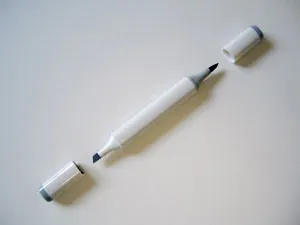
This is where refillability actually pays for itself. A replacement nib runs about $3-4, and a 25ml ink refill bottle (which refills a single marker roughly 15-20 times, depending on how heavily you lay down ink) runs about $7-8. Compare that to buying a whole new $8-9 marker every time a nib frays or the ink runs dry, and the math flips in Copic's favor within a year or two of regular use — but only if you actually keep up with it, which requires ordering the specific refill/nib SKU for each marker (not a universal part), and that's an extra step plenty of hobbyists never bother with, effectively throwing away the refillability value.
Cap-off dry time matters more than I expected going in. Left uncapped, a Copic Sketch nib is noticeably drier and harder to control within about 15-20 minutes, and if you leave one uncapped overnight it's essentially dead until you refill it. I ruined one E-series marker by setting it down mid-session, getting pulled into a client call, and coming back two hours later to a nib that had gone chalky and stopped laying down even color. This is a real workflow habit you have to build — cap immediately after every stroke — that most people underestimate coming from ballpoint pens or even Prismacolors, which are far more forgiving.
Blending technique specifics
The technique that actually got my blends looking professional took explicit practice, not intuition: lay the lighter/base color first as a flat, even fill, then while it's still glossy-wet (usually within 10-30 seconds depending on paper and room humidity), go over the shadow areas with the darker marker in the same family and immediately follow with the lighter marker again over the transition zone to pull the two together. Waiting even 60-90 seconds too long produces a visible hard edge instead of a gradient, because the alcohol has already flashed off. The colorless blender marker (not included in this 72-set — it's sold separately for about $8) is worth adding if you're serious, since it lets you soften edges and lift small amounts of ink after the fact; without it, mistakes on Copic paper are largely permanent.
Circular "scrubbing" motions muddy colors fast with this ink — it's far more forgiving with confident, single-direction strokes, chisel-nib-first for large areas, then brush-nib for edges and details. I also found layering the same color 2-3 times in slightly different directions builds richer saturation than pressing harder on one pass, which is counter to how most people instinctively use a marker.
Paper: the bleed-through problem nobody mentions on the box
This is the requirement that most reviews undersell. Alcohol ink bleeds through standard 20lb copy paper, most sketchbook paper under about 90gsm, and even a lot of "marker-friendly" pads that aren't specifically alcohol-marker rated. I ruined an entire 40-sheet mixed-media sketchbook in my first week because the ink soaked straight through to the next page and left ghost images on both. You need dedicated marker paper (Copic's own "Marker Paper" pads, or comparable stock like X-Press It Blending Card or Bienfang Graphics 360) — this is an ongoing cost most first-time buyers don't budget for, typically $12-20 for a 50-sheet pad, and it burns through faster than you'd think once you're doing full-page color work.
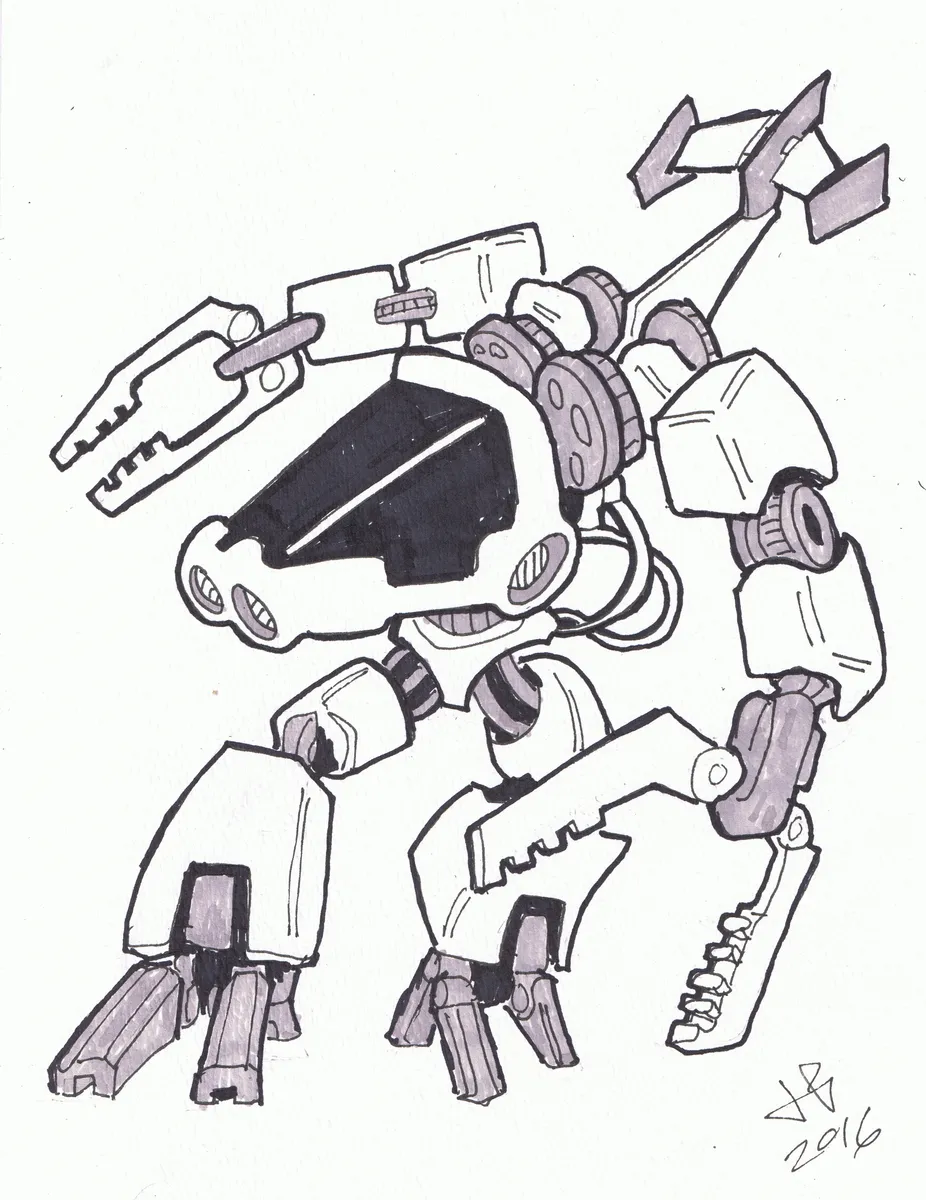
On the right paper, the difference is stark: even, glossy, saturated fills with almost no visible fiber texture showing through. On the wrong paper, you get patchy absorption, dull color, and the bleed-through problem described above. If you're budgeting for this set, budget for the paper in the same breath — it's not optional, it's part of the real cost of ownership.
Color consistency across batches
Over eighteen months I've bought individual replacement markers (R08, a couple of cool grays, and a second E11) outside the original 72-set to replenish ones that ran dry, and I did notice a very slight value shift in one cool gray purchased about a year after the original set — subtle enough that it only showed up when I swatched them side by side on the same sheet, not something you'd catch in isolation. This tracks with widely reported user experience in illustration and airbrush-art communities: Copic's batch consistency is good by industry standards but not perfect, and if you're doing color-matched production work (a long-running comic, matched props, etc.) it's worth swatching new purchases against your existing set before committing them to a finished page.
Comparison to a budget alternative: Ohuhu
I also own and have used a 72-color Ohuhu alcohol marker set (roughly a third of the price, around $40-50) side by side with the Copic set for about two months, specifically to see whether the price gap was justified for a working illustrator rather than a hobbyist. The honest answer: it depends on what you're optimizing for. Ohuhu's chisel nibs lay down comparably even flat color for basic work, and for someone coloring line art casually or doing occasional adult-coloring-book style pages, the difference is not dramatic enough to justify 5-6x the price.
Where Copic pulled ahead consistently: blending smoothness on gradients (Ohuhu tends toward visible banding on anything requiring more than a two-step blend), brush nib control and longevity (the Ohuhu brush tips splayed noticeably faster under the same workload), and refillability — Ohuhu markers are not designed to be refilled or re-nibbed in the same modular way, so when a marker dies, it's fully replaced, not economically topped up. For daily professional or semi-professional illustration work where blending quality and marker longevity compound over hundreds of hours of use, Copic's premium earns itself back. For occasional hobby use, Ohuhu is a genuinely reasonable way to try the medium before committing to Copic-level spend.
Compatibility with other media
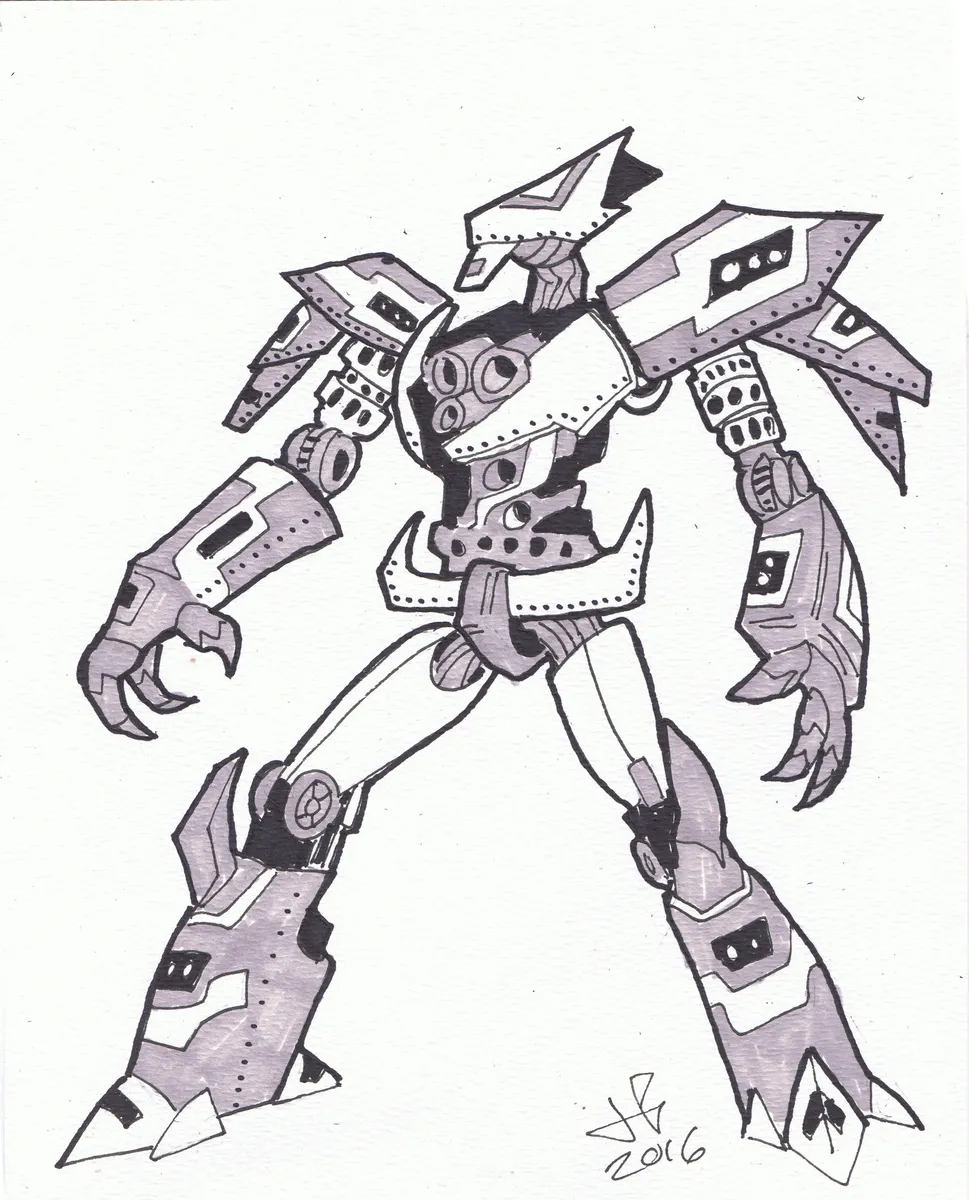
Copic ink layers cleanly under and over most fineliner and India ink linework (I use both Copic Multiliners and a standard technical pen without lifting), and it takes colored pencil on top well for texture and highlights. It does not play well with anything containing its own alcohol or solvent-based components layered on top while wet — I've had a spirit-based highlight pen smear an otherwise-finished piece. Water-based media (watercolor, gouache) laid first and allowed to fully dry underneath works fine as an underpainting, but Copic over wet watercolor will bead and resist rather than absorb.
Who should buy this set
This 72-piece set makes sense if you're doing regular illustration, comic coloring, character design, product/industrial design rendering, or architectural marker rendering where blending quality and long-term cost-per-use actually matter — professionals and serious students who'll put in enough hours that the refill economics and nib durability pay off. It's a harder sell for someone who wants to color a few pages a month as a stress-relief hobby; you'll pay a real premium for blending quality you may not fully exploit, and the paper and refill costs add up regardless of how often you use the set. If you're in that second camp, trying a small 12-24 marker starter set (Copic's own Sketch sets come in smaller counts) or a budget set like Ohuhu first is the more sensible on-ramp.

The verdict after eighteen months
The Copic Sketch 72-piece set delivers on the thing that actually matters for professional and serious-hobbyist illustration work: consistent, smooth, refillable alcohol ink that blends better than anything in a lower price bracket, backed by a nib-and-ink replacement system that pays for itself over enough hours of use. It is not, and doesn't pretend to be, a beginner-friendly impulse buy — the price, the mandatory marker-paper spend, the color-numbering learning curve, and the ongoing refill/nib maintenance are all real friction points that a casual user will feel more than a working illustrator will. If you're going to use this set often enough to wear through nibs and drain ink, the economics and the results both justify the cost. If you're testing the waters with alcohol markers for the first time, start smaller or start cheaper, and upgrade once you know you'll put in the hours.
Other products we tested

Ecobee Smart Thermostat Premium Review: Two Months of Real HVAC Testing
We installed the Ecobee Smart Thermostat Premium without a C-wire, tracked its temperature accuracy against a separate thermometer, and measured real energy savings over two months of daily HVAC use.
Bose SoundLink Flex Review: Six Weeks of Hiking, Kayaking, and Beach Days
Six weeks of camping, kayaking, and beach trips show the Bose SoundLink Flex's IP67 rating and PositionIQ orientation sensing are genuinely useful, with honest limits on bass and max volume.
Coros Pace 3 Review: Six Weeks Testing the GPS Watch That Barely Needs Charging
A dual-frequency GPS running watch that trades AMOLED shine for weeks of battery life at a fraction of the price of flagship rivals.