
Meal Kits vs Groceries: The Cost Comparison Nobody Prints
Kits cost about double groceries and half of delivery. What you are actually buying is decision elimination — priced accordingly.
Meal kits are marketed against restaurant delivery, where they look inexpensive, and used instead of grocery shopping, where they do not. That mismatch is why so many subscriptions get cancelled in month three: the value proposition people bought is not the one they experience.
This guide works out the real per-serving cost of each approach, identifies who each one genuinely suits, and covers the subscription mechanics — skip windows, price escalation after the introductory offer, and food waste — that determine whether a kit saves money or quietly costs a lot of it.
The quick answer
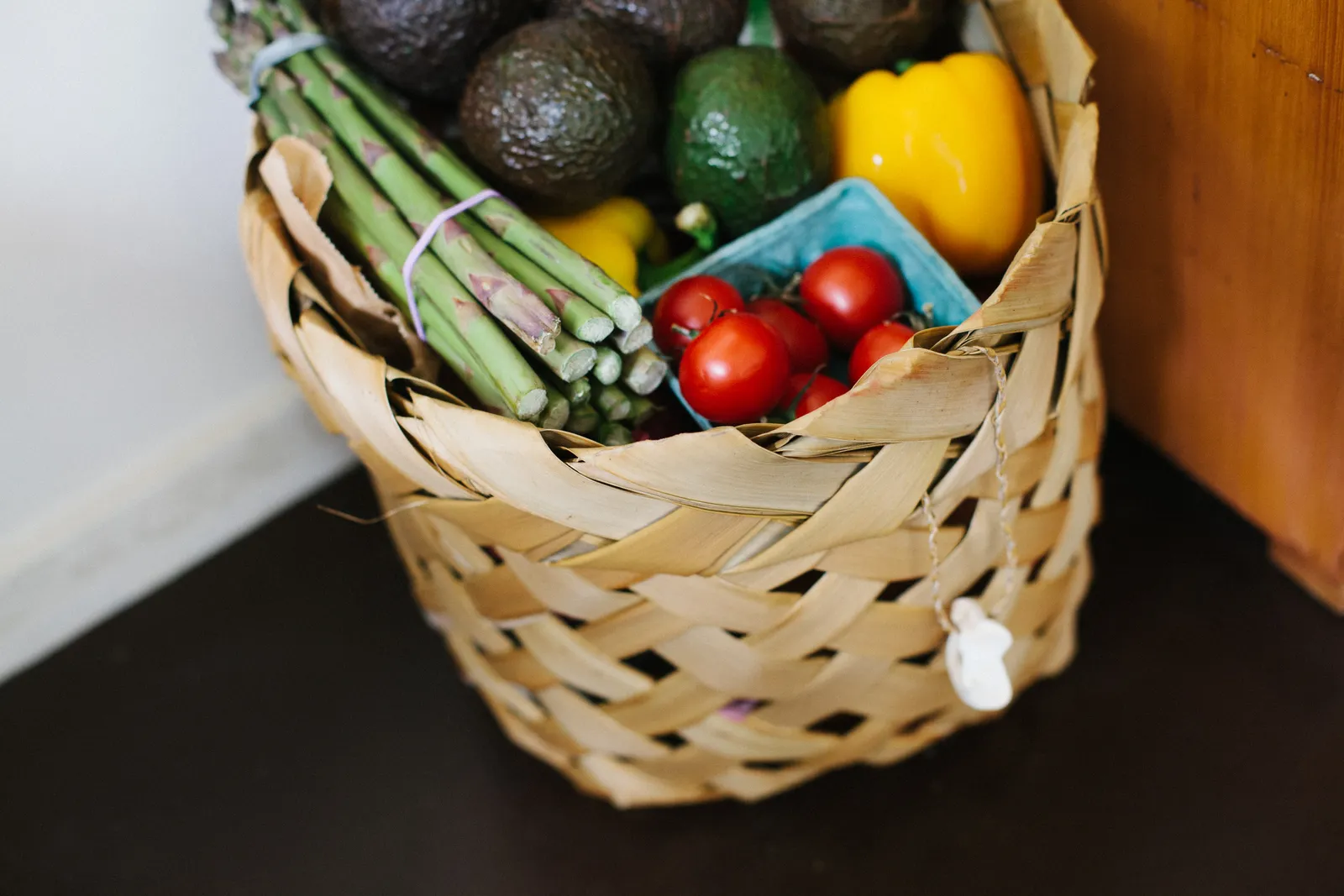
Meal kits cost roughly $9-$12 per serving after the introductory discount expires. Cooking the same meals from supermarket ingredients costs roughly $3.50-$6 per serving. Restaurant delivery costs $18-$28.
So a kit is expensive against groceries and cheap against delivery. If your realistic alternative is ordering food four nights a week, a kit saves substantial money. If your realistic alternative is cooking from a shop, it costs roughly double.
What the extra money buys is decision elimination and portioned ingredients, which for a household that wastes food or spends twenty minutes each evening deciding what to eat has real value. Whether that value is $200 a month is a personal judgement, and the point is to make it deliberately.
Working out the real numbers
Kit pricing is quoted per serving and scales down with volume, so a three-meal, two-person box lands higher per serving than a five-meal, four-person box. Add delivery, which is typically $8-$11 per box and often excluded from the headline figure.
The introductory offer is where most of the confusion comes from. Discounts of 50-70% on the first box, tapering over several weeks, mean the first month costs perhaps $60 and the fourth costs $180 for the same food. A large share of cancellations happen at exactly the point full pricing arrives, which suggests people are budgeting from the discounted figure.
On the grocery side, the honest comparison must include waste. Buying a bunch of coriander for one tablespoon and throwing away the rest is a real cost, and household food waste in developed countries commonly runs 20-30% of what is bought. That closes part of the gap — but only part. Even at 30% waste, groceries remain substantially cheaper.

One number people forget entirely: time. A kit meal takes 25-40 minutes of active cooking, which is not meaningfully faster than a simple grocery meal. What the kit removes is the planning and the shopping, roughly 60-90 minutes a week. That is the actual time saving, and it is worth costing at whatever your time is worth.
Our HelloFresh review works through six weeks and twenty-four meals with a full cost breakdown, which is the timescale at which the discount taper and the real per-serving figure become visible.
What kits are genuinely good at
Portion control. Ingredients arrive measured, which reduces both over-eating and waste. For households that consistently cook too much and bin the rest, this is a real saving that offsets some of the premium.
Variety without risk. Trying a cuisine you do not cook usually means buying five unfamiliar ingredients you will use once. A kit provides exactly enough of each, which makes experimentation cheap in a way shopping is not.
Removing the daily decision. The cognitive load of deciding what to eat is the thing most people are actually paying to eliminate, and kits do eliminate it. This is the strongest argument for them and it is rarely the one in the advertising.
Skill building. Following a card with pictures and named techniques teaches cooking effectively. Several people use kits for six months, learn twenty reliable meals, and then cancel — which is arguably the best possible use of the product.
Where kits fall down
Packaging is the most common complaint. Each meal arrives with several small bags, sachets, and an insulated liner with ice packs. Some liners are recyclable and some are not, and the volume is genuinely noticeable week to week. Providers have improved this and it remains substantially more packaging than buying the same food loose.

Inflexibility. A box arrives on a set day with three specific meals, and if plans change you have perishable ingredients on a deadline. Kits punish spontaneity, and households with irregular schedules find this the deciding annoyance.
The skip window. Most services require you to skip or pause several days before the delivery date, and a missed window means a box you did not want and were charged for. Diarise the cutoff the moment you subscribe — this is the single most common source of unwanted charges in the category.
Ingredient quality is variable rather than bad. Protein portions are typically modest by home-cooking standards, and produce arrives with limited remaining shelf life because it has already spent time in transit. Neither is a defect; both surprise people expecting a farmers-market experience.
The grocery approach done properly
The reason grocery cooking loses to kits is not cost, it is planning. Three habits close most of the convenience gap.
Plan around overlapping ingredients. Choosing four meals that share a base — the same herbs, the same aromatics, the same protein bought in one larger pack — eliminates the single-use ingredient problem that drives waste and cost.

Keep a fixed rotation. Ten meals you can cook without a recipe, rotated, removes the decision fatigue that kits solve with money. Add one new recipe a month rather than starting from a blank page weekly.
Use a delivery slot or click-and-collect. This removes the trip, which is the part of grocery shopping people actually resent, at a cost of $3-$7 rather than $9-$12 per serving. For many households this single change captures most of the kit's convenience benefit at a fraction of the price.
Batch cooking is the other lever: making four portions of something that freezes well converts one cooking session into three additional meals, which is a larger effective time saving than any kit provides.
The other options between the two extremes
The kit-versus-groceries framing leaves out three approaches that suit a lot of households better than either.
Recipe boxes without a subscription — one-off purchases from supermarkets and independent providers — remove the skip-window problem entirely. You buy a box when you want one, at a price typically closer to $7-$9 per serving because there is no acquisition discount to recoup. For irregular schedules this is strictly better than a subscription.
Prepared-meal services deliver food already cooked, requiring only reheating. Cost runs $10-$14 per serving, so slightly above kits, and the time saving is genuine — five minutes rather than thirty. These suit people who do not want to cook at all, which kits do not, since a kit is a cooking service that supplies ingredients.
Partial kits are the cheapest hybrid and get overlooked. Supermarket meal-deal bundles, pre-chopped vegetable mixes, and jarred sauce bases cost a small premium over raw ingredients and remove the specific step people find tedious. A bag of pre-prepared stir-fry vegetables at a $1.50 premium is doing the same work as a kit at a tenth of the markup, and the same logic applies to pre-portioned protein and ready-made spice pastes. Households that describe themselves as too busy to cook are frequently too busy to chop, which is a much cheaper problem to solve.
Reading the fine print before subscribing
Check five things. The price after the introductory period, per serving, including delivery. The skip and pause cutoff, in days before delivery. Whether cancellation is available in-app or requires contacting support, since the second is a friction tactic. Whether the recipe range genuinely covers your dietary needs each week or whether the suitable options run out. And whether unused boxes can be rescheduled rather than only skipped.
Also check the food safety side, which matters more with a box left on a doorstep than with a shop. Insulated liners with ice packs keep contents cold for a limited window, typically stated as several hours in moderate weather. In hot weather, or if you are out all day, delivery timing is a genuine consideration rather than a formality — and any box arriving with warm protein should be reported rather than cooked.
Matching the approach to the household
Two people with demanding jobs and no cooking routine, currently ordering delivery several times a week: a kit is likely to save money and improve what you eat. Start with three meals a week rather than five, since five is where the unused boxes accumulate.
A family of four on a budget: groceries with a delivery slot and a ten-meal rotation. Kits at four servings are $150-$200 a week, which for most households is not a sustainable food budget.
Someone learning to cook: a kit for three to six months is a genuinely efficient way to build a repertoire, then cancel. Treat it as tuition rather than a permanent service.
Anyone with an unpredictable schedule: skip kits. The perishable deadline and the skip window fight against irregular weeks, and the failure mode is paying for food you throw away, which is the worst outcome available in this category.
The equipment side, briefly
Neither approach needs much. A decent knife, a board, a heavy pan, and a pot cover almost all home cooking, and a pressure cooker or air fryer changes what is realistic on a weeknight more than any subscription does — our multicooker vs air fryer vs slow cooker guide covers which of those matches which cooking habit.
The genuinely useful $15 purchase is a digital kitchen scale, because measured cooking wastes less and reproduces better. That is the whole equipment list, and it is a reminder that the meal-kit versus groceries question is about planning and money rather than hardware.
More coupon shopping advice

Home Security Camera Buying Guide: Local vs. Cloud Storage
A practical, balanced buying guide to home security cameras that weighs local storage against cloud subscriptions, wired versus battery power, camera placement, night vision, smart detection accuracy, and smart home integration.

Beginner Mirrorless Camera Buying Guide
A practical, honest walkthrough of what actually matters when buying your first mirrorless camera, from sensor size and lens mounts to autofocus, video specs, and the real total cost of a beginner-friendly system.

Air Purifier Buying Guide: CADR, ACH, and Filter Costs Explained
A practical walkthrough of the numbers that actually matter when buying an air purifier — CADR and ACH for sizing, true HEPA versus marketing terms, real three-year filter costs, realistic noise levels, and when a purifier won't help at all.