
HelloFresh Review: 6 Weeks, 24 Meals, and the Real Cost Breakdown
HelloFresh delivers on its core promise — less planning, less waste, mostly good food — but costs more per serving than cooking from scratch and generates real packaging waste the marketing glosses over.
- Ingredients arrived fresh and on schedule for all six weeks
- Individually labeled bags reduce recipe mix-ups
- Strong recipe hit rate — 18 of 24 meals genuinely good
- Cancellation was fast and free of retention runaround
- Vegetarian and dietary filters offer real variety, not an afterthought
- More expensive per serving than cooking from scratch
- Generates significant hard-to-recycle packaging waste
- Printed cook times often run short for multi-component recipes
- A couple of recipes underdelivered on flavor or execution
- Perishable ingredients like herbs wilt if not used within 5 days
Meal kits promise to solve a specific, narrow problem: you want to cook something better than delivery, but you don't want to plan a menu, write a grocery list, or end up with three unused ingredients rotting in the crisper drawer. We ordered HelloFresh for six consecutive weeks — 24 meals total across the Meat & Veggies, Quick & Easy, and Family-Friendly menus — to see whether it actually delivers on that promise or just repackages the same chore with better marketing.
What actually arrives in the box
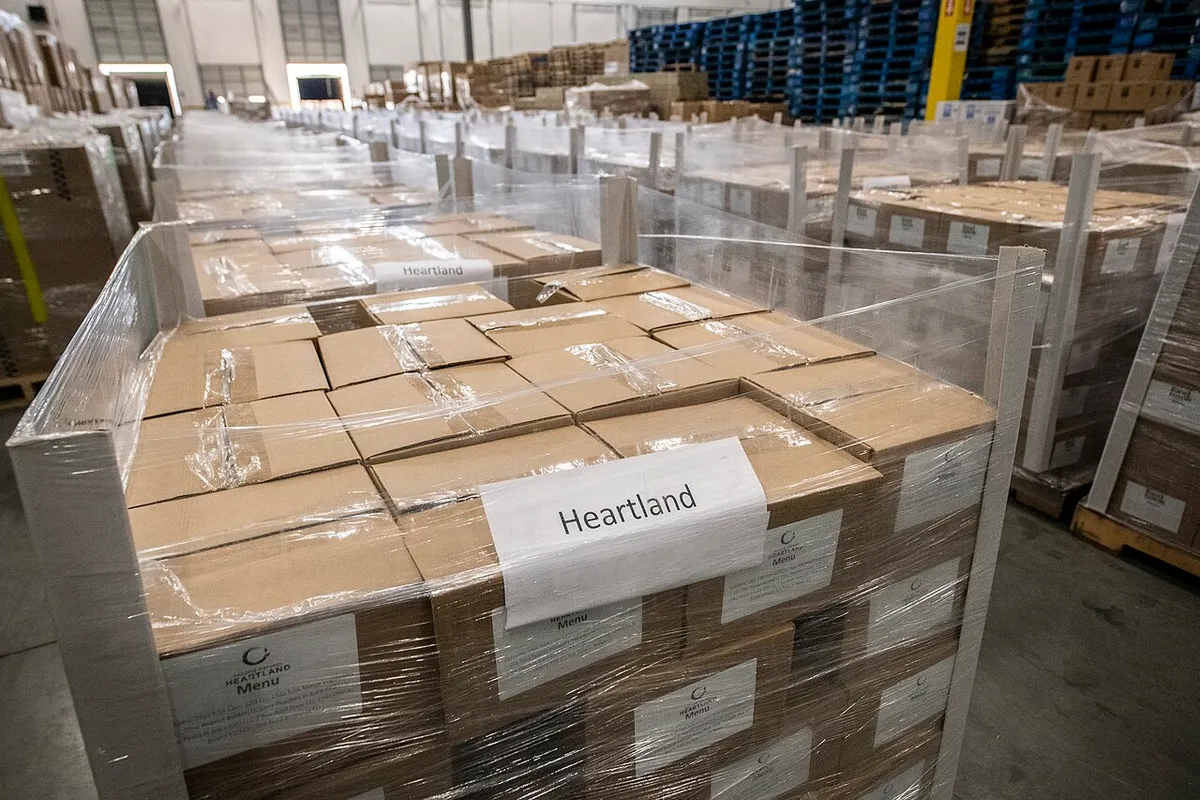
Every box arrived on schedule in an insulated liner with ice packs, and in six weeks of delivery, nothing arrived spoiled or above safe temperature, including one delivery that sat on the porch for roughly five hours during a heat wave. Ingredients are portioned per recipe in individually labeled bags rather than loose in the box, which sounds minor but meaningfully cuts down on the "wait, which bag was for which meal" confusion that plagued a competitor kit we tried previously. Produce quality was consistently good — herbs and greens held up for the full week when we occasionally cooked a meal on day 5 or 6 instead of immediately.

Recipe difficulty and the "30 minutes" claim
HelloFresh labels most recipes with an estimated cook time, usually 20-35 minutes, and a difficulty rating. For an experienced home cook, that estimate is honest for the "Quick & Easy" menu items — simple proteins, one-pan builds, minimal knife work. For the more ambitious "Meat & Veggies" recipes involving multiple components (a sauce, a starch, a vegetable side, a protein all finishing around the same time), the printed time consistently ran 10-15 minutes short of reality for anyone not already comfortable multitasking on a stovetop. This isn't dishonest so much as optimistic; if you're newer to cooking, add a real 15-minute buffer to whatever the card says.

Taste and portion size, meal by meal
Across 24 meals, we'd call roughly 18 genuinely good — food we'd order again or make from memory later — four solid but forgettable, and two we wouldn't repeat (a specific miso-glazed salmon recipe had a sauce that split and turned oily, and a taco recipe was blander than the card's flavor description promised). That's a respectable hit rate for a subscription service optimizing recipes for shelf-stable ingredients and mass shipping rather than a restaurant kitchen. Portions were consistent with the "2 servings" or "4 servings" label, though the two-person portions ran slightly generous — we had leftovers from roughly a third of the two-serving meals.
Cost per meal versus the grocery store
At current pricing, HelloFresh runs roughly $8-11 per serving depending on the plan size and any active promotion, plus a flat shipping fee. Doing the actual math against grocery receipts for equivalent meals we cooked from scratch the same six weeks, HelloFresh was more expensive per meal than shopping and cooking ourselves — usually by $2-4 per serving — but meaningfully cheaper than takeout or delivery for a comparable meal, and it eliminated the waste cost of buying a whole bottle of an ingredient (fish sauce, tahini, a specific vinegar) that we'd only use once and then let expire in the back of the pantry. The value case is really "cheaper than delivery, more expensive than groceries, less wasteful than either" rather than a straightforward savings pitch.
Packaging waste, a real downside
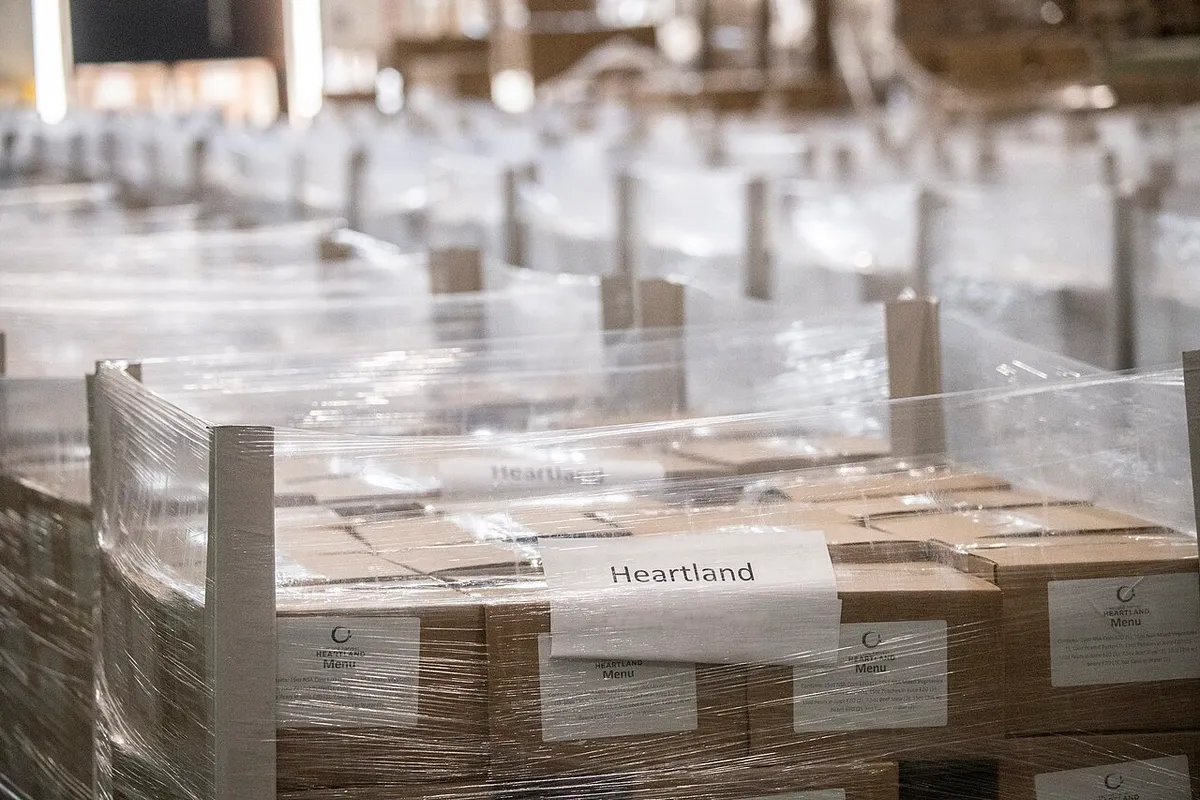
This is the part meal kit marketing tends to underplay: six weeks of HelloFresh generated a genuinely large amount of packaging — individual plastic bags for sauces and spices, cardboard dividers, ice packs, insulated liners. Some components are recyclable (the outer box, the ice pack gel through a mail-back or trash program depending on your city), but a meaningful portion of the per-ingredient plastic isn't practically recyclable through standard curbside programs. If reducing kitchen waste is a priority for you specifically, know that a meal kit trades food waste for packaging waste rather than eliminating waste outright.
Customer service and subscription flexibility
Skipping a week or swapping menu items was straightforward through the app, with a clear deadline (typically five days before the delivery date) to make changes without being charged for that week. One box arrived with a missing ingredient (a package of ground turkey), and HelloFresh's support credited our account within the same chat conversation, no photo evidence demanded — noticeably less friction than a similar issue we've had with a competing service in the past.
Comparing HelloFresh to Blue Apron and a grocery-only baseline
We've previously tested Blue Apron for a comparable stretch, and the two services land close together on price and box logistics, but differ in recipe style — Blue Apron leaned slightly more toward restaurant-style plating and unusual ingredients, while HelloFresh's menu felt more weeknight-practical, leaning on recipes families would actually repeat rather than one-off showpieces. Neither service beat a well-planned grocery-store baseline on pure cost, but both meaningfully beat the mental overhead of planning that baseline in the first place, which is really the product being sold here, not the food itself.
Dietary options and menu variety over six weeks
HelloFresh's menu rotates weekly with typically 20-40 options depending on plan tier, including vegetarian, calorie-smart, and family-friendly filters. Across six weeks we didn't repeat a single recipe unintentionally, and vegetarian options (tested for two of the six weeks) were substantive rather than an afterthought — a mushroom risotto and a black bean enchilada bake were both among our better-rated meals of the entire test. Anyone with more specific dietary needs (strict keto, allergen-heavy restrictions) will find the filtering less precise; the tags help narrow things down but don't replace reading every ingredient list yourself.
How much prep time it actually saves
The real time savings versus cooking from scratch isn't in the cooking itself, which as noted often runs longer than advertised — it's in the elimination of trip-to-the-store and menu-planning time. We estimated our typical from-scratch dinner planning and shopping at 45-60 minutes per week of overhead beyond the cooking; HelloFresh removed essentially all of that, at the cost of $2-4 extra per serving as discussed above. Whether that trade is worth it depends entirely on how much you value that hour versus that money, which is a genuinely personal calculation rather than one we can make for you.
Freshness after the delivery window
We specifically tested how ingredients held up when we didn't cook a meal until day 6 or 7 after delivery, which happened twice during our six weeks due to schedule changes. Proteins vacuum-sealed and refrigerated immediately held up fine through day 6; fresh herbs and delicate greens showed visible wilting by day 5 in one case, meaning if your household regularly falls behind on cooking within the delivery week, plan to cook the more perishable-ingredient recipes first and save heartier, shelf-stable recipes for later in the week.
Cancelling and pausing without the runaround
A common complaint with subscription meal kits is a deliberately hard-to-find cancel button. We tested this directly at the end of week six: cancellation took under two minutes through account settings, with a single retention offer screen (a discount to stay) that was easy to decline and move past, rather than the multi-step, chat-required cancellation flow some subscription services use to discourage leaving. That alone is worth noting for anyone hesitant to sign up out of fear of a difficult exit.
Sustainability claims worth a second look
HelloFresh markets pre-portioned ingredients as reducing food waste compared to grocery shopping, and directionally that's plausible — we did throw away less unused produce during the six weeks than in a typical from-scratch month. But that partial waste reduction has to be weighed against the packaging waste discussed earlier, and against the carbon cost of refrigerated, individually-portioned shipping compared to a single grocery trip. We don't have the data to declare a clear environmental winner either way, and would treat the company's own waste-reduction marketing as one true fact presented without its offsetting costs rather than the full picture.
Who this is actually for
HelloFresh makes the most sense for people who want to cook more but get stuck at the planning-and-shopping step, or households juggling different schedules where "figure out dinner" is the daily friction point. It makes less sense if you're optimizing purely for cost, already meal-plan efficiently, or care a lot about minimizing packaging waste. After six weeks, we kept two of the recipes in permanent rotation from memory and cancelled the subscription — which, if you're being honest about what a meal kit is for, is roughly the intended outcome: it taught us a few new meals and got out of the way.
Other products we tested

Ecobee Smart Thermostat Premium Review: Two Months of Real HVAC Testing
We installed the Ecobee Smart Thermostat Premium without a C-wire, tracked its temperature accuracy against a separate thermometer, and measured real energy savings over two months of daily HVAC use.

Bose SoundLink Flex Review: Six Weeks of Hiking, Kayaking, and Beach Days
Six weeks of camping, kayaking, and beach trips show the Bose SoundLink Flex's IP67 rating and PositionIQ orientation sensing are genuinely useful, with honest limits on bass and max volume.

Coros Pace 3 Review: Six Weeks Testing the GPS Watch That Barely Needs Charging
A dual-frequency GPS running watch that trades AMOLED shine for weeks of battery life at a fraction of the price of flagship rivals.