
Hair Styling Tools Buying Guide: Airflow Dries, Heat Damages
Temperature control matters more than wattage, ionic claims, or plate coating. Here is what each specification actually does.
Hair tool marketing runs on two claims that are worth separating. The first is that a particular technology — ionic, ceramic, tourmaline, infrared — produces healthier hair. The second is that more power and higher temperature produce faster results. The first is mostly overstated. The second is true and is precisely how people damage their hair.
What actually determines whether a styling tool helps or harms is temperature control, drying time, and how much heat your specific hair type tolerates. This guide covers those, plus which specifications are real and which are decoration.
The quick answer
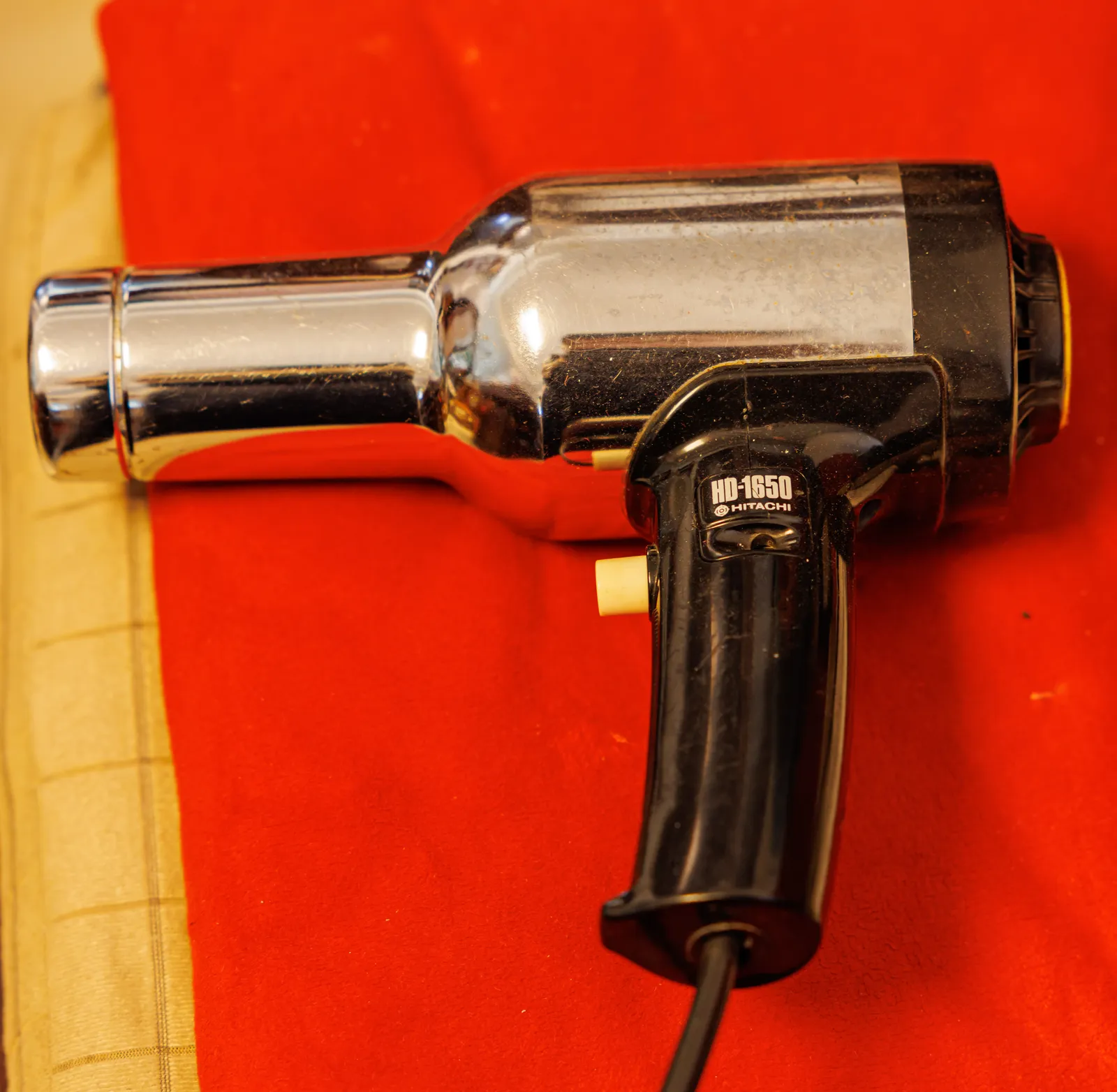
Buy a dryer with strong airflow and at least three heat settings plus a cool shot, in the $40-$90 range. Airflow dries hair; heat damages it. A high-airflow, moderate-heat dryer is both faster and gentler than a hot, weak one.
If you use a flat iron or curling tool, the single specification that matters is adjustable temperature with a real digital readout. Tools with "low/high" only run hotter than fine hair should ever see.
Multi-styler systems at $400-$600 are convenience purchases. They genuinely work, and a $60 dryer plus a $40 adjustable iron produces comparable results for a fifth of the price and more setup time.
The highest-value item in the whole category is a $20 microfibre towel and the habit of rough-drying to 70% before any tool touches your hair. It cuts styling time by a third and removes a third of the heat exposure.
Heat is the whole safety story
Hair is keratin. Above roughly 150°C the protein structure begins to change irreversibly; above about 200°C the damage accelerates sharply, and water trapped inside the hair shaft can flash to steam, causing bubble hair — literal voids in the strand that snap.
The practical temperature guidance follows from hair type rather than from ambition. Fine, colour-treated, or damaged hair should stay at 120-150°C. Normal, medium hair tolerates 150-180°C. Coarse, thick, or very curly hair may need 180-200°C to hold a style, and should stay below 210°C. Tools that reach 230°C exist because higher numbers sell, not because anyone needs them.
Two rules matter more than the number. One pass, not five: repeated passes at a lower temperature cause more cumulative damage than a single pass at a slightly higher one. And never on wet hair with a flat iron, which is where the steam-damage mechanism does its worst work.
Dryers: airflow, not wattage
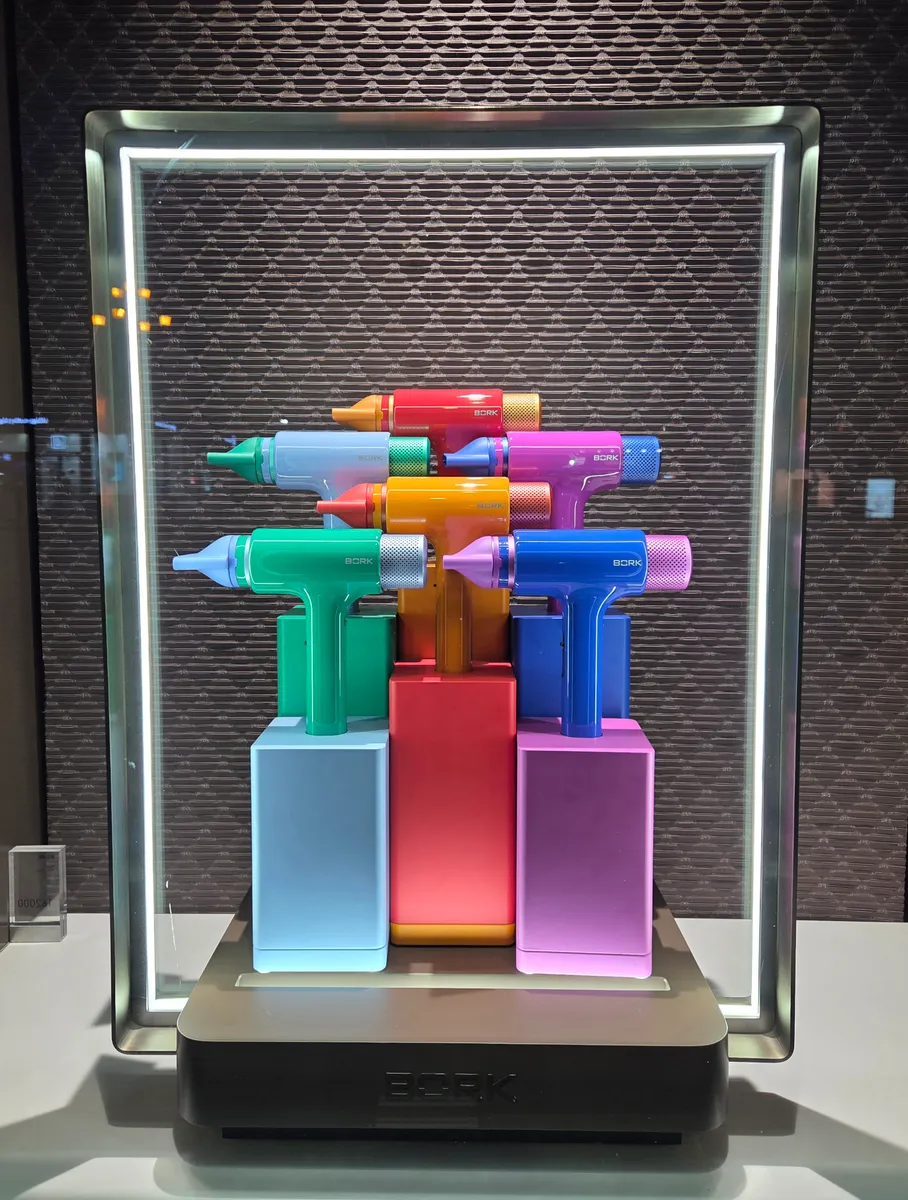
Wattage describes electrical consumption, and it is the number printed largest. What dries hair is the volume and speed of air moving water off the strands. Airflow is measured in cubic metres per minute or litres per second, and air speed in metres per second — figures that better dryers publish and cheap ones do not.
Motor type is the proxy you can rely on. Brushless digital motors spin far faster than the AC motors in conventional dryers, moving more air from a smaller, lighter body. That is the actual engineering behind premium dryers, and it is why they dry faster at lower heat. Conventional AC motors are heavier and last well; DC motors in cheap dryers are the shortest-lived.
Separate heat and speed controls are the feature to insist on. A dryer where speed and temperature are locked together forces you to choose between slow-and-cool and fast-and-hot, when the useful setting is fast-and-warm.
A cool shot button matters more than it sounds. Hair sets its shape as it cools, so a blast of cool air at the end of each section locks the style and reduces the need to go back over it with heat. This is the closest thing to a free improvement in blow-drying.
Attachments that do something
A concentrator nozzle narrows the airflow so you can direct it along the hair rather than at it, which reduces frizz because you are smoothing the cuticle rather than blasting it in all directions. Using a dryer without the nozzle is the most common reason a blow-dry looks fluffy rather than smooth.
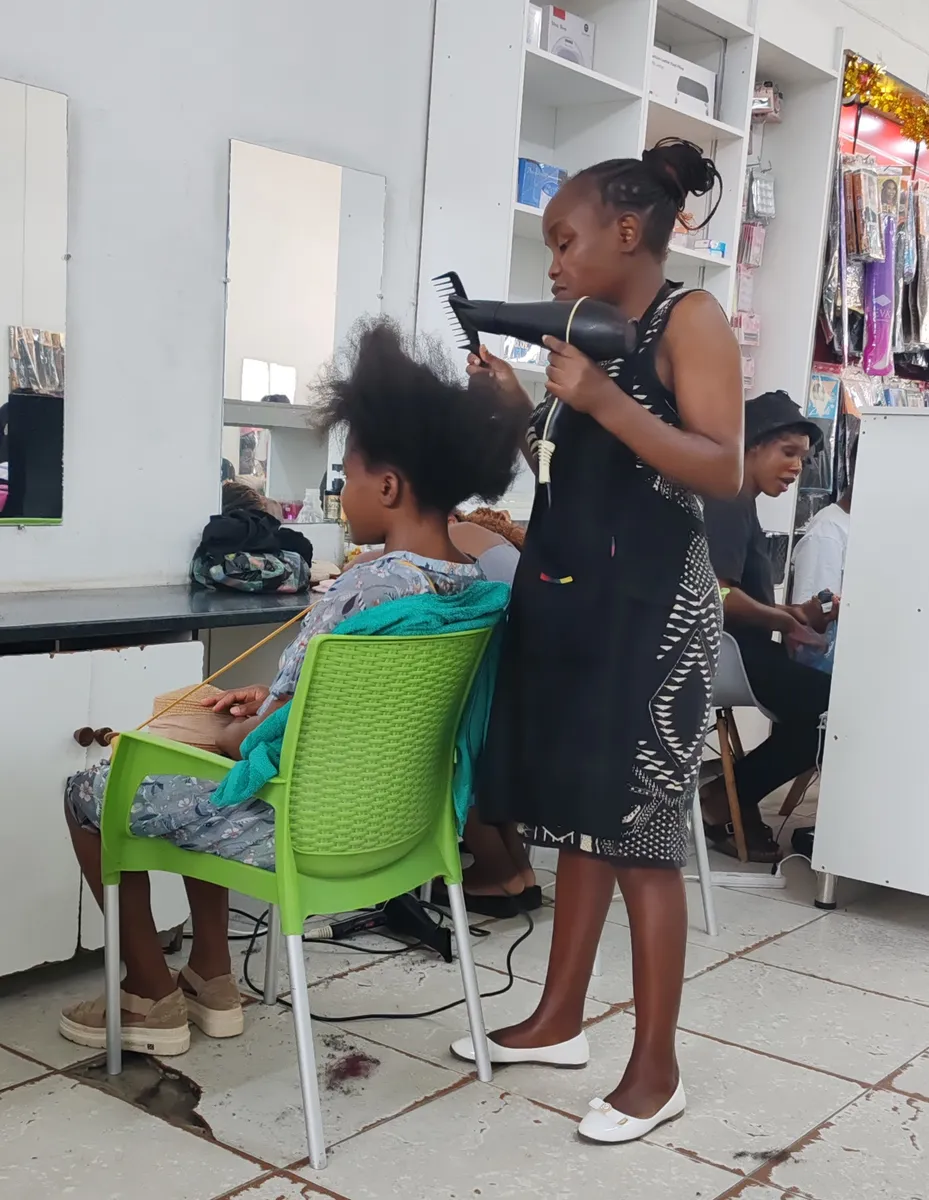
A diffuser does the opposite: it spreads and slows airflow so curls dry without being disturbed. For wavy and curly hair this is not an optional extra, it is the reason to own the dryer. Prongs should be long enough to reach the scalp.
Hot air brushes — the one-step dryer-brush category — combine moderate airflow with a bristled barrel, drying and shaping in one pass. They are genuinely good at producing a soft blow-out with less skill required than a dryer-and-round-brush technique, and they are worse than a dedicated dryer at simply drying hair fast. Our Revlon One-Step review tests one across three hair types over five weeks, which is the useful comparison since results vary substantially by texture.
Barrel and plate materials, sorted
Ceramic plates and barrels heat evenly and hold temperature steadily, which is exactly what you want, because hot spots cause localised damage. Ceramic is the sensible default.
Titanium heats faster and hotter and transfers heat aggressively. It suits coarse, thick hair and professional use where speed matters, and it is the wrong choice for fine hair because it overshoots.
Tourmaline and ionic coatings emit negative ions when heated, which does reduce static and can make hair look smoother. The effect is real and modest, and it is not the difference between a good tool and a bad one. Treat it as a bonus rather than a reason to pay double.
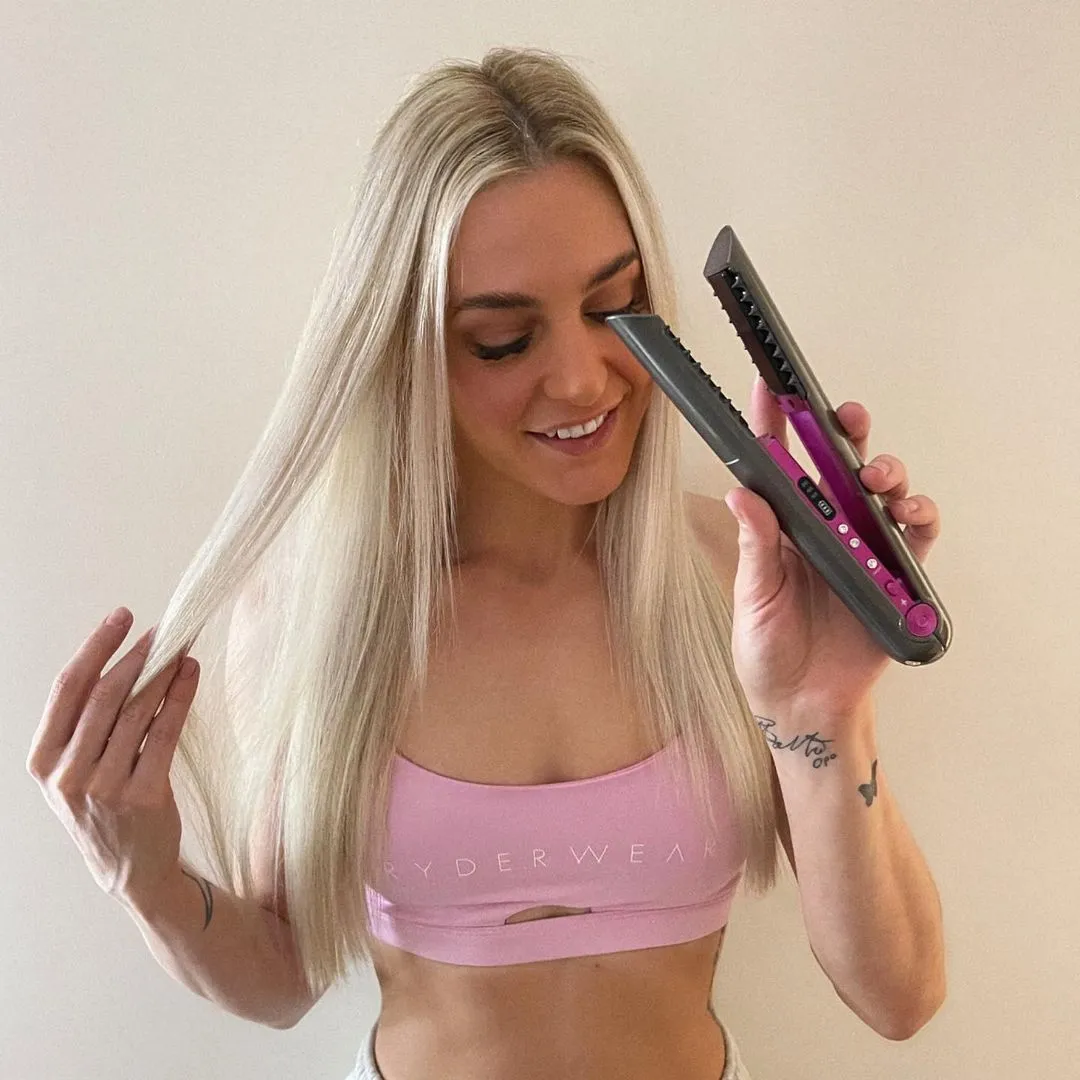
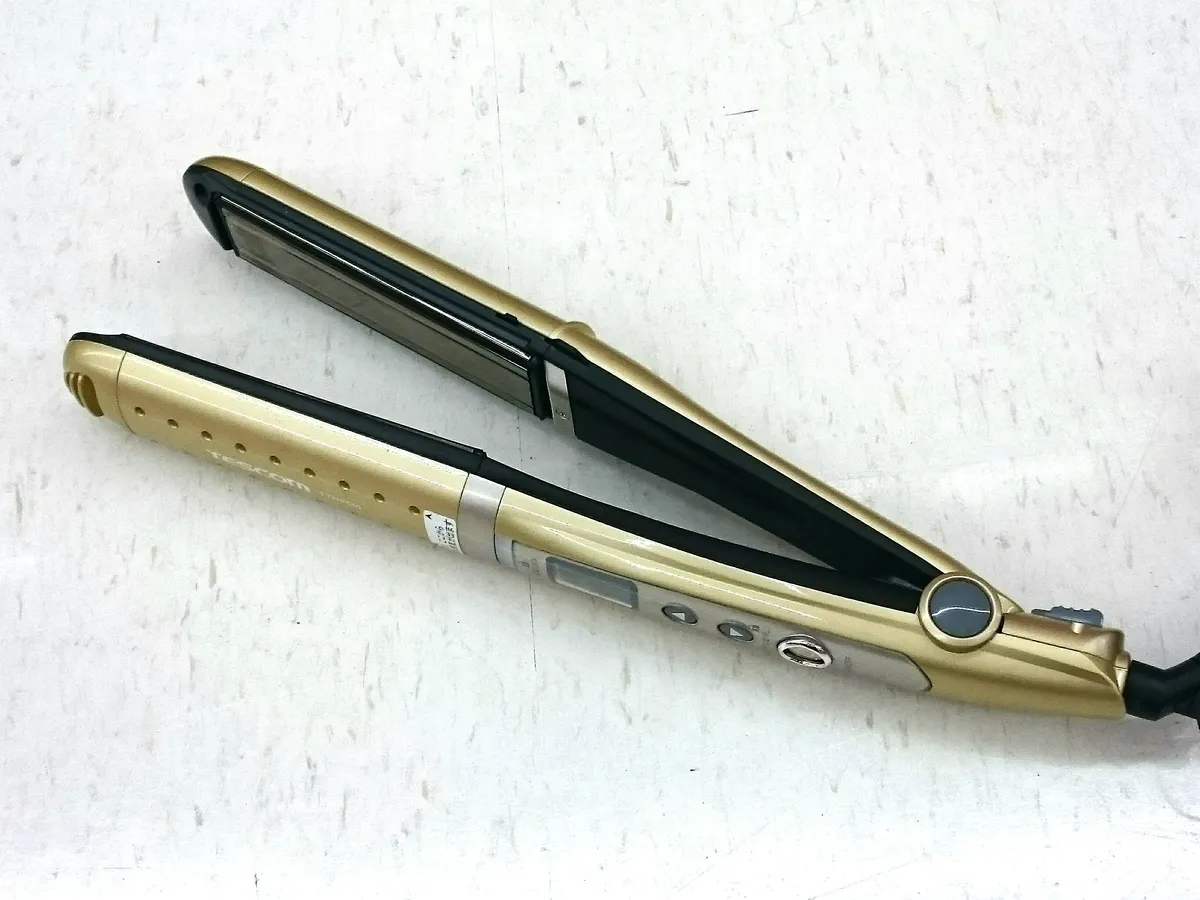
For flat irons, plate width and edge shape matter more than coating. Narrow 25mm plates suit short hair and precision work; 38mm plates cover long hair in fewer passes. Rounded plate edges let you curl with the same tool; sharp edges crease.
Floating plates — ones that move slightly under pressure — are worth having, because they maintain even contact without you gripping hard, and gripping hard is what causes the flat, crimped look at the roots.
Multi-stylers and dryer-brush systems
Premium multi-styler systems use high-velocity airflow at moderate temperature, with attachments that curl, smooth, and dry. The engineering claim — that they style at lower temperatures using airflow rather than direct heat — is broadly accurate, and for someone who heat-styles several times a week the reduced thermal exposure is a genuine benefit.
Two honest caveats. There is a learning curve of a couple of weeks, and results before that are worse than with the tools you already know. And they work best on hair dried to roughly 80%, so they are a styling system rather than a drying system, and you may still want a dryer.
Our Dyson Airwrap i.d. review covers six weeks with the most-discussed example, including where the $600 price does and does not translate into results across curl types.
Damage repair, in proportion
Heat protectant sprays are worth using and worth understanding. They work by forming a thin film that slows heat transfer and by containing silicones that reduce moisture loss. They reduce damage; they do not prevent it, and they do not license higher temperatures.
Bond-building treatments work on a different mechanism, targeting the disulphide bonds broken by bleaching and, to a lesser extent, by heat. The evidence for improvement in strength and appearance on chemically-treated hair is reasonable; the marketing frequently overstates it into the language of repair, which is not quite what is happening. If your hair is bleached or heavily coloured, these are worth trying. If your hair is virgin and you use a flat iron twice a month, the money is better spent on a better iron. Our Olaplex No.3 review covers four months of at-home use, which is long enough for the effect to be judged fairly.
Nothing reverses split ends. A split has to be cut off, and products that claim to seal them are temporarily gluing them with silicone, which washes out.
What to skip
Dual-voltage claims you will not use, unless you genuinely travel with the tool — and if you do, check it is true dual-voltage with a switch, not just a plug adapter, because running a 120V tool on 240V destroys it immediately and can be dangerous.
Tools advertising 230°C maximum temperature as a feature. Salon-level heat in untrained hands on fine hair is a damage machine.
Cheap flat irons with no temperature display. These commonly overshoot their nominal setting by 20-30°C, and you have no way to know.
A routine that reduces heat exposure
Squeeze, then blot with a microfibre towel or a cotton t-shirt rather than rubbing with a terry towel, which roughens the cuticle. Let hair air-dry to about 70% if you have fifteen minutes; this is the single biggest reduction in total heat exposure available.
Apply heat protectant to damp hair and comb it through so it is distributed, not concentrated at the ends. Then dry on medium heat with high airflow, using the nozzle, working from roots down, finishing each section with the cool shot.
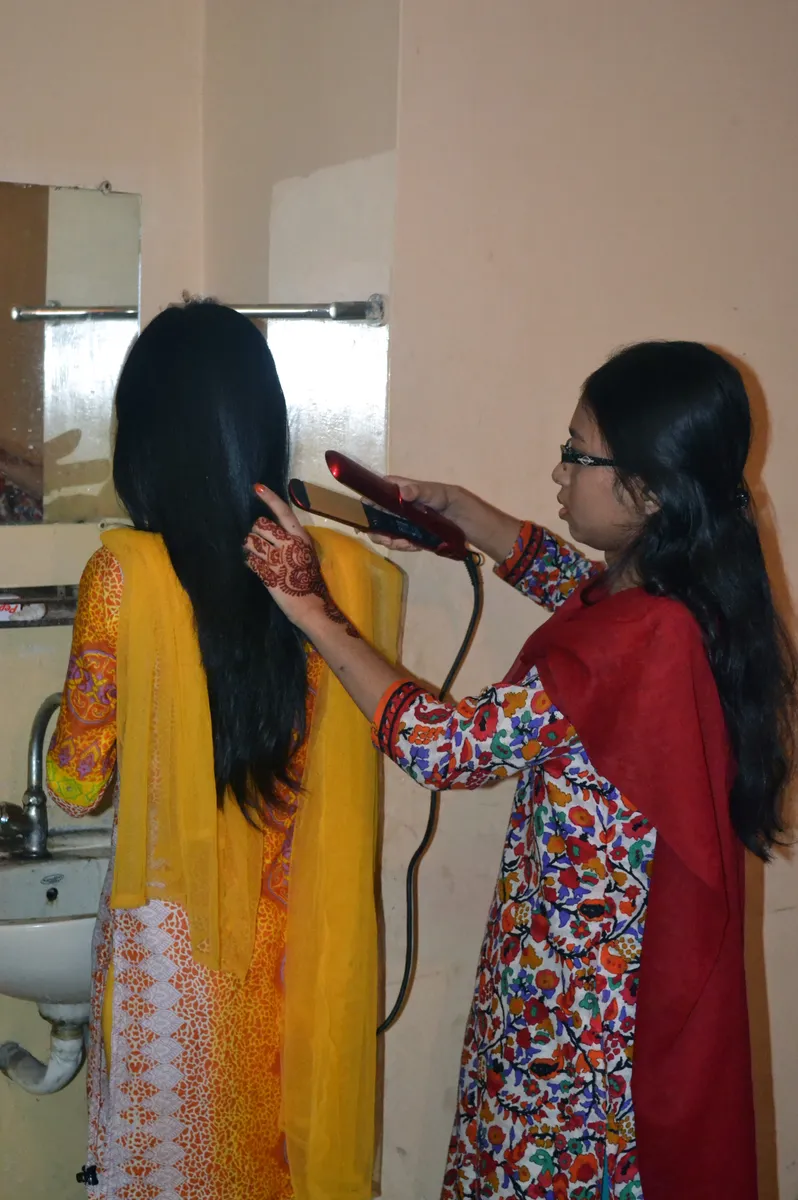
Style at the lowest temperature that holds, and find that temperature by starting low and working up rather than starting at maximum. Most people discover they need 20-30°C less than they had been using, which is years of accumulated damage avoided for no cost at all.
More coupon shopping advice

Home Security Camera Buying Guide: Local vs. Cloud Storage
A practical, balanced buying guide to home security cameras that weighs local storage against cloud subscriptions, wired versus battery power, camera placement, night vision, smart detection accuracy, and smart home integration.

Beginner Mirrorless Camera Buying Guide
A practical, honest walkthrough of what actually matters when buying your first mirrorless camera, from sensor size and lens mounts to autofocus, video specs, and the real total cost of a beginner-friendly system.

Air Purifier Buying Guide: CADR, ACH, and Filter Costs Explained
A practical walkthrough of the numbers that actually matter when buying an air purifier — CADR and ACH for sizing, true HEPA versus marketing terms, real three-year filter costs, realistic noise levels, and when a purifier won't help at all.