
Olaplex No.3 Hair Perfector Review: 4 Months of At-Home Bond Repair
We tested Olaplex No.3 Hair Perfector for four months on damaged, color-treated hair to see whether at-home bond repair holds up against a cheaper drugstore alternative.
- Visibly reduced breakage on bleached, color-treated hair after about two months of consistent weekly use
- Thin, fast-rinsing formula that is easy to layer into an existing wash routine
- Works well as a pre-shampoo step alongside a normal conditioner rather than replacing one
- Widely available with clear, simple application instructions
- One bottle lasts roughly 12 weeks at once-weekly use on shoulder-length hair
- Backed by more independent stylist and dermatological reference than most bond-repair competitors
- Results faded within about two weeks of skipping regular use, it is maintenance rather than a one-time fix
- Does not repair split ends or replace the need for a trim
- Per-use cost adds up fast at twice-weekly use, roughly $2.50 to $5 per week depending on frequency
- Thin, drippy consistency makes application messier than a standard conditioner
- A cheaper drugstore bond-repair alternative performed similarly over a shorter side-by-side test
- Does not offset damage from daily high-heat styling on its own
Bond-repair treatments have been the biggest marketing story in hair care for the better part of a decade, and Olaplex No.3 Hair Perfector is the product that kicked the category off. Unlike a silicone-heavy mask that coats the hair shaft and washes away, No.3 is built around a patented ingredient (bis-aminopropyl diglycol dimaleate) that's supposed to actually reconnect broken disulfide bonds inside the hair — the same bonds that get shredded by bleach, heat styling, and chemical color services. I put a single bottle through four months of real use on color-treated, heat-styled hair that was already showing breakage along the mid-lengths before I started, tracking it against a much cheaper drugstore "bond repair" alternative along the way. This is not a 48-hour first-impressions post; it's what happened after using it consistently, skipping weeks, and using it too much, all on the same head of hair.
My hair going in was bleached blonde over a natural medium-brown base, colored every 8-10 weeks, and blow-dried with a hot tool most days. That combination is exactly the profile Olaplex markets No.3 toward, and it's also exactly the profile most likely to show a visible difference if the product does anything at all. I had noticeable breakage at the crown, dry and slightly straw-like texture through the last few inches, and split ends that had gotten bad enough that I was tying my hair up more than wearing it down.
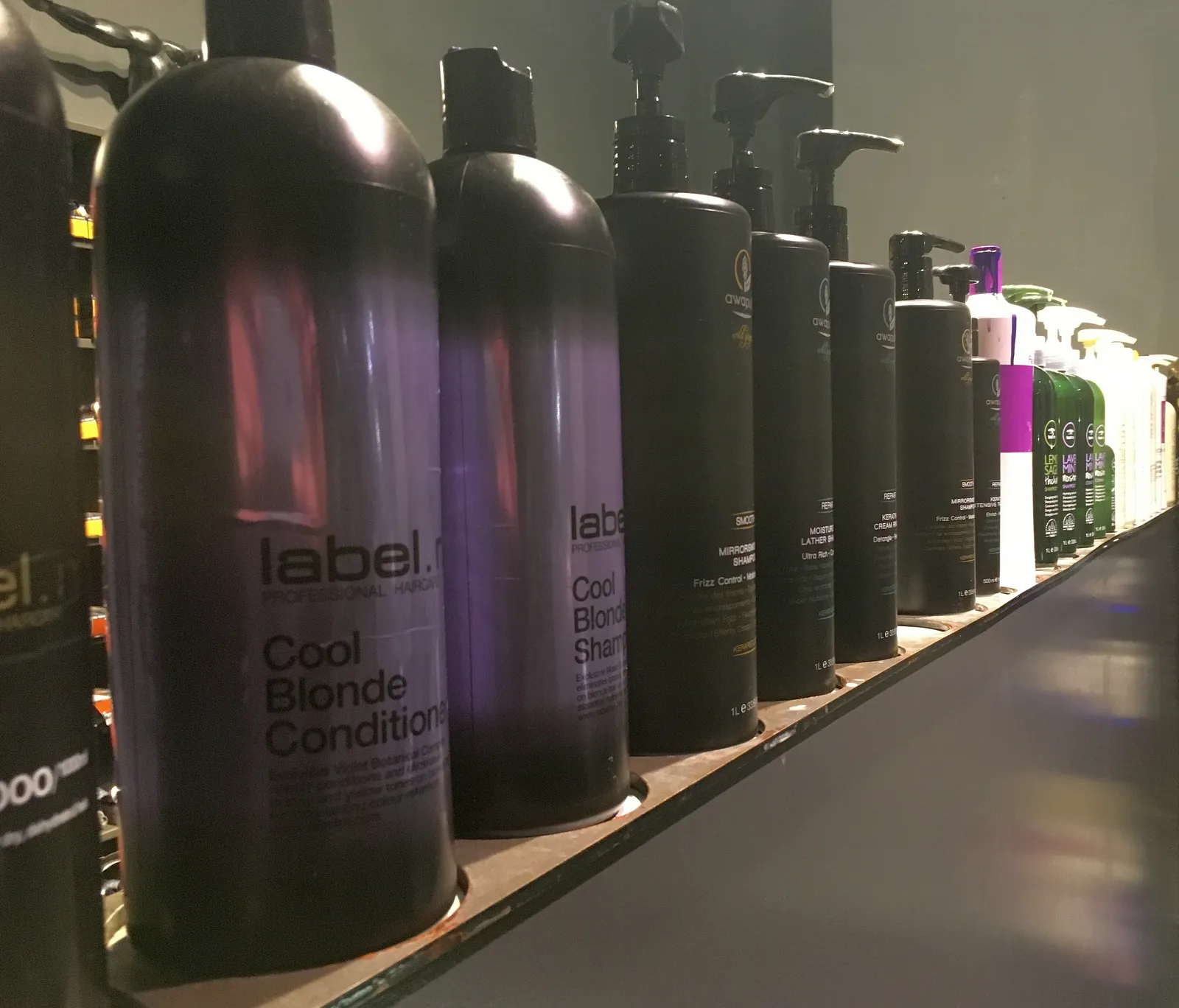
First impressions and what's in the box
No.3 ships as a single 3.3 oz (100 mL) bottle with a flip-top cap, no pump, no applicator brush, no box insert beyond the basic ingredient and usage panel. There's nothing to "unbox" here — it's one bottle, and the entire experience lives or dies on the formula rather than any packaging flourish. The texture is a thin, almost watery lotion, closer to a leave-in treatment than a thick hair mask, which surprised me the first time I used it; I was expecting something with more body given the price. It has a faint, inoffensive scent that mostly fades once it's rinsed out, which matters if you're sensitive to strongly perfumed hair products.
The instructions are simple: apply to damp, towel-dried hair before shampooing, focusing on mid-lengths and ends, leave on for a minimum of 10 minutes (Olaplex recommends up to 90 minutes or even overnight under a shower cap for more intensive repair), then shampoo and condition as normal. I tested three different wait times across the four months — the minimum 10 minutes, a middle-ground 30 minutes, and a handful of overnight treatments — to see whether longer really did make a visible difference.
Weeks 1-4: establishing a baseline
For the first month I used No.3 once a week, on wash day, with the standard 10-minute wait. Application takes longer than a typical conditioner because the lotion is thin and tends to run rather than cling to the hair, so I had to section my hair and apply more deliberately than I expected. After the first two applications, I didn't notice anything dramatic — hair felt slightly smoother when wet, but once dry, the difference from my normal routine was subtle at best. By week three, the texture change became more apparent: less friction when combing through wet hair, and noticeably fewer strands left in the brush after blow-drying, which is usually my best real-world proxy for breakage.
By the end of week four I switched two of the four applications to a 30-minute wait instead of 10, mostly out of curiosity. The extra time did seem to make the smoothing effect last a day or two longer into the week, though this is subjective and I want to be honest that it's not a night-and-day difference — more like the gap between using a decent conditioner and a very good one.
Months two and three: where the real results showed up
The most convincing evidence came around week seven and eight, after roughly two months of fairly consistent weekly use. I photograph the same section of hair by a window every few weeks for a different long-term project, and comparing those photos side by side was more persuasive than how my hair felt day-to-day. The visible breakage at the crown — the short, frizzy, upright strands that stick up no matter how I style around them — had genuinely thinned out. Not disappeared, but noticeably reduced, and new growth in that section looked less prone to snapping when I ran a wide-tooth comb through it.
Split ends did not improve, and I want to be direct about that because Olaplex's own marketing language sometimes implies more than the ingredient list can deliver: No.3 cannot re-fuse a split end. What it appears to do is slow down how quickly existing minor damage progresses into full splits, by making the hair shaft itself less brittle along its length. I still needed a trim around week ten — my ends had gotten a little scraggly regardless of the treatment — but the amount I needed to cut was noticeably less than what I'd typically lose at that same point in a color cycle.
I deliberately skipped two consecutive weeks around week nine to see how quickly any benefit faded. The answer: fairly quickly. By the second skipped week, the reduced-breakage effect I'd been tracking had mostly reverted, and hair felt back to its pre-treatment texture within about ten days of stopping. That's the single most important practical finding from this whole test — No.3 is a maintenance product, not a one-time fix. Whatever bond-repair effect it provides needs to be renewed regularly or it recedes.
Is it just a fancy deep conditioner?
This is the question I went in most skeptical about, since a thin, rinse-out lotion applied for 10-30 minutes isn't functionally that different from how you'd use a deep conditioning mask. To test it directly, I alternated for three weeks between No.3 and a heavy, silicone-rich deep conditioning mask I already owned, using each once, back to back, with photos and the same brush-shed test after each wash.
The deep conditioner won on immediate softness and shine — it's a heavier formula and it shows in the first hour after drying. But that softness faded within a day or two, and the brush-shed test showed no meaningful reduction in breakage after the deep conditioner, whereas it had after No.3 in the earlier weeks. My read, having now used both extensively, is that they're solving different problems: a deep conditioner smooths the cuticle and adds slip and shine in the short term, while No.3 appears to do something structural to reduce ongoing breakage that shows up over weeks rather than hours. They're not redundant — if anything, using No.3 followed by a normal conditioner (as directed) gives you both effects, which is exactly the two-step routine Olaplex sells alongside No.3 in its retail lineup (No.4 and No.5), though I only tested No.3 itself for this review.
How often do you actually need to use it to keep the results?
Based on the skip-week test, once weekly is close to the minimum effective frequency for someone with heavily processed hair like mine. Twice weekly, which I tried for three weeks in month three, produced a marginally better brush-shed result but not dramatically so, and it burned through the bottle roughly twice as fast — a real consideration given the price. For hair that's healthier or less chemically processed than mine, Olaplex's own guidance of once every 1-2 weeks is probably sufficient, and I'd believe it based on how quickly my more-damaged hair reverted when I skipped it.
One 3.3 oz bottle lasted me almost exactly 12 weeks at once-weekly use with the standard amount for shoulder-length hair; if you have hair past mid-back or you're using it twice weekly, budget for a bottle roughly every 6-8 weeks. At around $30 per bottle, that puts ongoing cost somewhere between $2.50 and $5 per week depending on frequency and hair length — worth being honest about upfront, because the per-use math adds up over a year in a way the shelf price doesn't make obvious.
Olaplex No.3 vs. a cheaper drugstore bond-repair alternative
Given the cost, I ran a side-by-side against a drugstore bond-building treatment (a similarly-positioned bond-repair rinse-out product, roughly a third of the price) for four weeks in month four, alternating weeks between the two on the same wash schedule. The drugstore version uses a different chemistry (maleic acid-based bond building rather than Olaplex's patented ingredient) but markets nearly identical claims about reducing breakage from bleach and heat damage.
The honest result: I could not reliably tell the difference in the brush-shed test between the two over just four weeks. Both reduced visible breakage versus not using either. Where I did notice a gap was in longer-term consistency — during my two months of steady Olaplex use, the trend line in my breakage photos was smoother and more consistent, whereas the drugstore alternative's effect felt slightly more variable week to week, though four weeks isn't long enough to call that conclusive. If your budget is the primary constraint, the drugstore option is a genuinely reasonable substitute and I wouldn't tell someone they're wasting their money on it. If you want the product with the most independent, dermatologist- and stylist-referenced backing, and you're not deciding purely on price, No.3 remains the more established, better-documented choice.
Application quirks worth knowing before you buy
A few practical notes that didn't fit neatly above: the thin consistency means it drips if you're not careful, so apply over a sink or in the shower rather than standing over your bathroom counter. It does not lather and is not meant to be worked in like a shampoo — resist the urge to scrub it in, section and smooth instead. If you have very fine or fragile hair, the minimum 10-minute application is genuinely enough; I did not see meaningfully better results scaling up to overnight treatments during my testing, and overnight applications under a shower cap were the least pleasant part of the routine (uncomfortable to sleep in, and I twice woke up with product transferred onto my pillowcase).
Color-treated hair is where I noticed the most benefit, which tracks with how Olaplex positions the product, but I'd caution against treating it as a substitute for reducing heat styling frequency. During a two-week stretch where I kept using No.3 weekly but increased blow-drying and flat-ironing to daily, the breakage improvement mostly stalled — the product can slow ongoing damage, but it's not fighting a losing battle against daily high heat on its own.
Who should buy this
No.3 makes the most sense if you color or bleach your hair regularly, use heat tools several times a week, and you're already seeing breakage or brittleness rather than trying to prevent it before it starts. If your hair is in decent shape and mostly unprocessed, you likely won't see enough of a difference to justify the ongoing cost — a good conditioner and less heat styling will get you most of the way there for less money. If you're budget-constrained, trying a drugstore bond-repair alternative first is a reasonable way to test whether the category works for your hair type before committing to the pricier option.
Verdict
After four months, my honest conclusion is that Olaplex No.3 does something real — reduced breakage that I could track photographically and through a simple brush-shed test, concentrated in hair that was already chemically damaged — but it is not a miracle fix, it does not repair split ends, and the benefit fades within about two weeks of stopping regular use. It's a genuine maintenance treatment for damaged hair, priced at a genuine ongoing cost, competing against at least one drugstore alternative that performed similarly over a shorter side-by-side test. For color-treated or heat-styled hair showing real breakage, it earns its place in a routine; for healthy, low-maintenance hair, it's an expensive way to solve a problem you may not have.
Other products we tested

Ecobee Smart Thermostat Premium Review: Two Months of Real HVAC Testing
We installed the Ecobee Smart Thermostat Premium without a C-wire, tracked its temperature accuracy against a separate thermometer, and measured real energy savings over two months of daily HVAC use.
Bose SoundLink Flex Review: Six Weeks of Hiking, Kayaking, and Beach Days
Six weeks of camping, kayaking, and beach trips show the Bose SoundLink Flex's IP67 rating and PositionIQ orientation sensing are genuinely useful, with honest limits on bass and max volume.

Coros Pace 3 Review: Six Weeks Testing the GPS Watch That Barely Needs Charging
A dual-frequency GPS running watch that trades AMOLED shine for weeks of battery life at a fraction of the price of flagship rivals.