
Dyson Airwrap i.d. Review: Six Weeks Taming Curls, Waves, and a $600 Price Tag
After six weeks across three different hair types, the Dyson Airwrap i.d. delivers real salon-style curls without direct heat damage, but the price and learning curve mean it isn't for everyone.
- Auto-wrap Coanda barrels create real curls without direct extreme heat contact
- One tool replaces a curling iron, straightener, and blowout brush for most hair types
- Full-head styling drops to about 18 minutes once the technique clicks
- Strong build quality with a satisfying magnetic attachment system
- Long 9-foot cord and app-based sizing guidance for beginners
- Curls held through a full workday in testing, even in humidity
- $599.99 price puts it out of reach for casual, occasional stylers
- Real learning curve -- first few sessions are frustrating and inconsistent
- Barrel auto-wrap failed to catch cleanly about once every six sessions
- Noticeable arm and shoulder fatigue during long full-head sessions
- Barrels struggle on hair shorter than chin length -- needs the separate Short set
- Soft smoothing brush bristles showed visible wear after six weeks of near-daily use
I bought my Dyson Airwrap i.d. Complete Long during a rare in-stock window in early June, paid full price because the "limited edition" colorways with actual discounts were sold out everywhere, and have used it four to five mornings a week since then on hair that is long, fine, and color-treated enough to fry if I look at it wrong with a flat iron. Six weeks and roughly twenty-five full styling sessions later, plus another dozen sessions where I handed the thing to my sister (thick, wavy, shoulder-length) and a coworker (short bob, straight, high-porosity) to see how it behaved on hair that isn't mine, this is the review I wish had existed before I spent $599.99 on a hair dryer with attachments.
The short version: the Airwrap i.d. is a genuinely different styling experience from anything blow-dryer-and-brush based, it does deliver salon-adjacent curls and blowouts without direct extreme heat touching your hair, and it is also expensive, heavy enough to notice by the third section of hair, and has a real learning curve that Dyson's marketing conveniently glosses over. None of that makes it a bad product. It makes it a specific product for a specific kind of user, and this review is about figuring out whether that user is you.
What's in the box
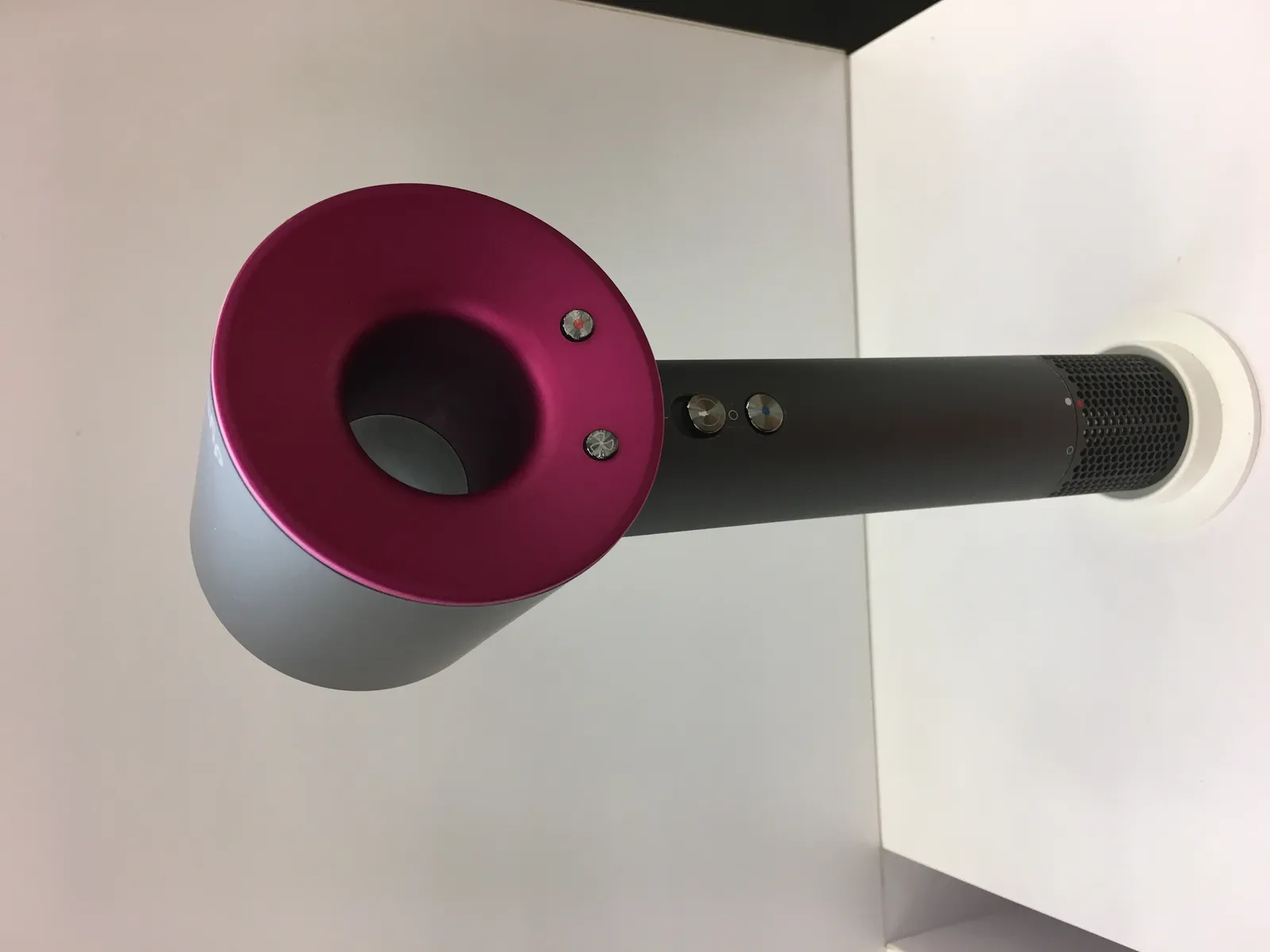
The Complete Long set (the version aimed at hair past shoulder length) ships with the handset/motor unit, two curl barrels in 1.2-inch diameter (a "long" barrel and a "short" barrel, since curl direction and tightness change with barrel length as well as diameter), a round volumizing brush, a firm smoothing brush, a soft smoothing brush, a wide-tooth comb-style pre-styling dryer attachment, a filter cleaning brush, and a hard case shaped like a violin that takes up more shelf space than I expected. The "i.d." in the name refers to Dyson's app-based personalization: you scan a QR code on the box, answer questions about hair length, texture, and goals, and the app recommends a barrel size and technique sequence. I found the app genuinely useful for the first two weeks and never opened it again after that, which is probably typical.
Build quality is what you'd expect from Dyson: the plastic is dense, the magnetic attachment mechanism clicks in with a satisfying and reassuring snap, and the whole thing feels like a $600 object even before you turn it on. The cord is a substantial 9 feet, which matters more than it sounds — I have an outlet situated awkwardly relative to my bathroom mirror, and shorter cords on cheaper dryers have made me stretch across the room before.
First impressions and setup
Turning it on for the first time is where the Airwrap distinguishes itself immediately: there's no scorching blast of air. The motor spins up to a claimed 110,000 rpm and pulls air through with a distinctive high-pitched whir, noticeably different in tone from a standard hair dryer, and the airflow itself is more focused and directional. Attaching the barrel is simple — line up the arrow, push until it clicks — but actually wrapping hair around it correctly took me four attempts on day one and I nearly gave up before the fifth.
Learning the Coanda effect (the actual gimmick, and why it works)
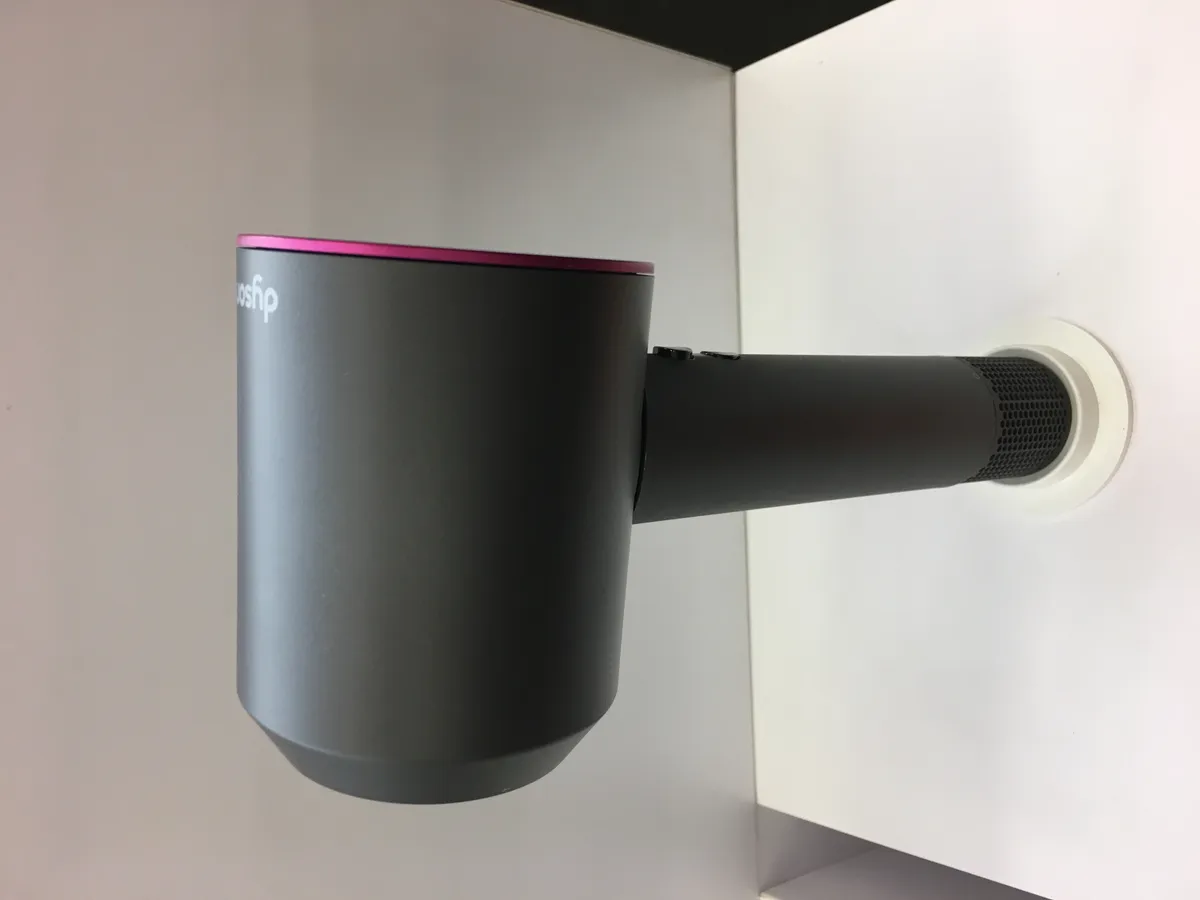
The Airwrap's whole premise rests on the Coanda effect — fast-moving air follows the curved surface of the barrel rather than shooting straight past it, which pulls a section of hair around the barrel automatically when you hold it close to the roots. In practice this means you don't manually roll hair around the attachment the way you would with a curling iron; you hold a section taut, bring the barrel near the roots at roughly a 90-degree angle, and the airflow does the wrapping. When it works, it's a genuinely cool sensation — hair visibly gets sucked around the barrel in about a second. When it doesn't work (a section is too thick, too damp, or you approach at the wrong angle), the hair either doesn't catch at all or wraps unevenly and you get a kink instead of a curl.
By session three I had the angle figured out for my hair type. By session eight I could do my whole head in about eighteen minutes, barrel work included, which is competitive with a round brush blowout and meaningfully faster than a curling iron section-by-section routine. The learning curve is real, but it is a curve, not a wall — Dyson's YouTube tutorials and the in-app guidance actually helped, which isn't something I say often about a bundled app.
Attachment-by-attachment breakdown
The 1.2-inch barrels are the headline attachment and the ones I use in almost every session. The long barrel gives a looser, more open curl that reads as beachy waves once it drops and cools; the short barrel gives a tighter ringlet that's closer to a classic curling-iron curl. Curl direction depends on which side of the barrel you wrap toward, and after a few sessions I settled on wrapping away from my face on both sides for a more natural-looking result, which is a detail no manual tells you and you have to discover yourself.
The round volumizing brush is the attachment I reach for on wash days when I want lift at the roots without full curls — it's essentially a rotating round brush with the Airwrap's drying power behind it, and it's the single attachment that most closely replicates what a blowout at a salon feels like. The firm smoothing brush is built for coarser, thicker hair and did a genuinely better job taming my sister's waves into a smooth finish than the soft smoothing brush did on the same hair. The soft smoothing brush, by contrast, is gentler and better suited to fine or damaged hair — it's my daily driver attachment, and it's also the one where I've noticed the bristles flattening slightly after six weeks of near-daily use, which makes me wonder about longevity past the one-year mark. The wide-tooth comb pre-styling attachment exists mostly to rough-dry hair to about 80% before you move to a barrel or brush, and it's easy to skip if you're impatient, though skipping it does make the barrel step less reliable on very wet hair.
Six weeks across different hair types
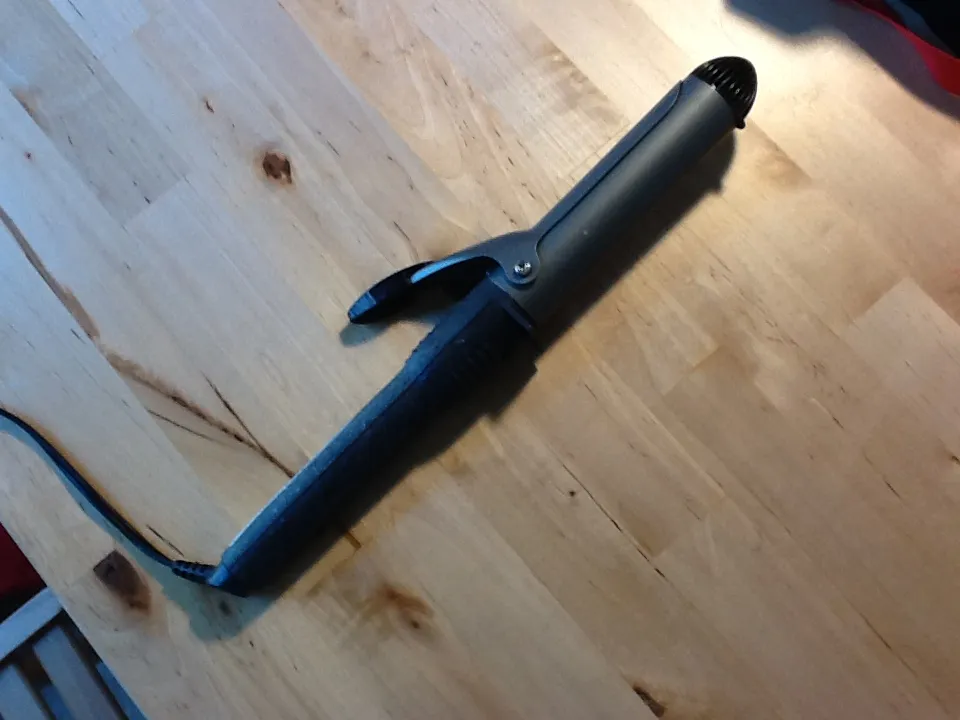
On my own hair — long, fine, box-dyed every eight weeks — the Airwrap produces curls that last through a full workday and into the evening if I don't run errands in humidity, and it does so without the crunchy, straw-like texture I've gotten from repeated flat-iron use over the years. Frizz control is good but not magic; on humid days (and I tested through a stretch of genuinely miserable East Coast humidity in late June) the curl held its shape but the flyaways still needed a finishing serum.
My sister's hair — thick, naturally wavy, shoulder length — was where the firm smoothing brush earned its keep; on her hair type the Airwrap replaced what used to be a straightener-then-curl two-step process with a single attachment pass, cutting her styling time roughly in half by her own estimate. My coworker's hair — short bob, straight, fine — was the least flattering test case: the barrels are genuinely difficult to use effectively on hair shorter than about chin length, since there isn't enough length to wrap and hold tension, and Dyson itself sells a separate "Complete Short" configuration with smaller attachments for exactly this reason. If your hair is above shoulder length, budget for the short set, not the long one, and don't assume the long set's barrels will just work smaller.
Where it actually falls short
Three issues showed up repeatedly enough over six weeks that they belong in a review rather than a footnote. First, weight and arm fatigue: the handset itself is light by hair-dryer standards, but holding any hot styling tool at shoulder height for fifteen to twenty minutes adds up, and by the back sections of a full style my forearm is noticeably tired in a way it never was with a lighter, dumber blow dryer. Second, attachment suction inconsistency: on approximately one session in six, a barrel attachment failed to fully engage the auto-wrap effect on the first pass — usually on hair that was slightly too damp or a section that was slightly too thick — and required a second attempt, which erodes the time savings the tool is supposed to offer. Third, heat management on repeated passes: the tool doesn't get dangerously hot, but on very fine or previously color-damaged sections, going back over the same section three or four times while troubleshooting a bad wrap does produce more heat exposure than a single clean pass would, which is a subtle irony for a product marketed on protecting hair from extreme heat.

There's also the matter of the price, which I'd be doing you a disservice to gloss over. At $599.99 for the Complete Long set, this costs more than most people's entire haircare tool drawer combined, and Dyson's frequent "limited edition color" releases that sell out immediately create an artificial scarcity that pushes people toward paying full price rather than waiting for one of the periodic sales Dyson does run around Black Friday and Prime Day, when it's occasionally discounted by $50 to $100.
How it compares to cheaper alternatives
I've also used a Revlon One-Step volumizer (roughly $60) and a T3 AireBrush ($200) over the years, and it's worth being honest about where the Airwrap actually wins versus where it's mostly marketing. Against the Revlon One-Step, the Airwrap's build quality, motor power, and attachment variety are meaningfully better, and the auto-wrap barrels do something the One-Step simply can't (true ringlet curls, not just volume). Against the T3 AireBrush, the gap narrows — the T3 gets you 80% of the smooth-blowout result for a third of the price, and if all you want is volume and smoothness rather than actual curls, the AireBrush is the more rational purchase. The Airwrap earns its premium specifically through the barrel attachments and the auto-wrap mechanism; if you'd never use those, you're paying for a feature set you won't touch.
Who should actually buy this
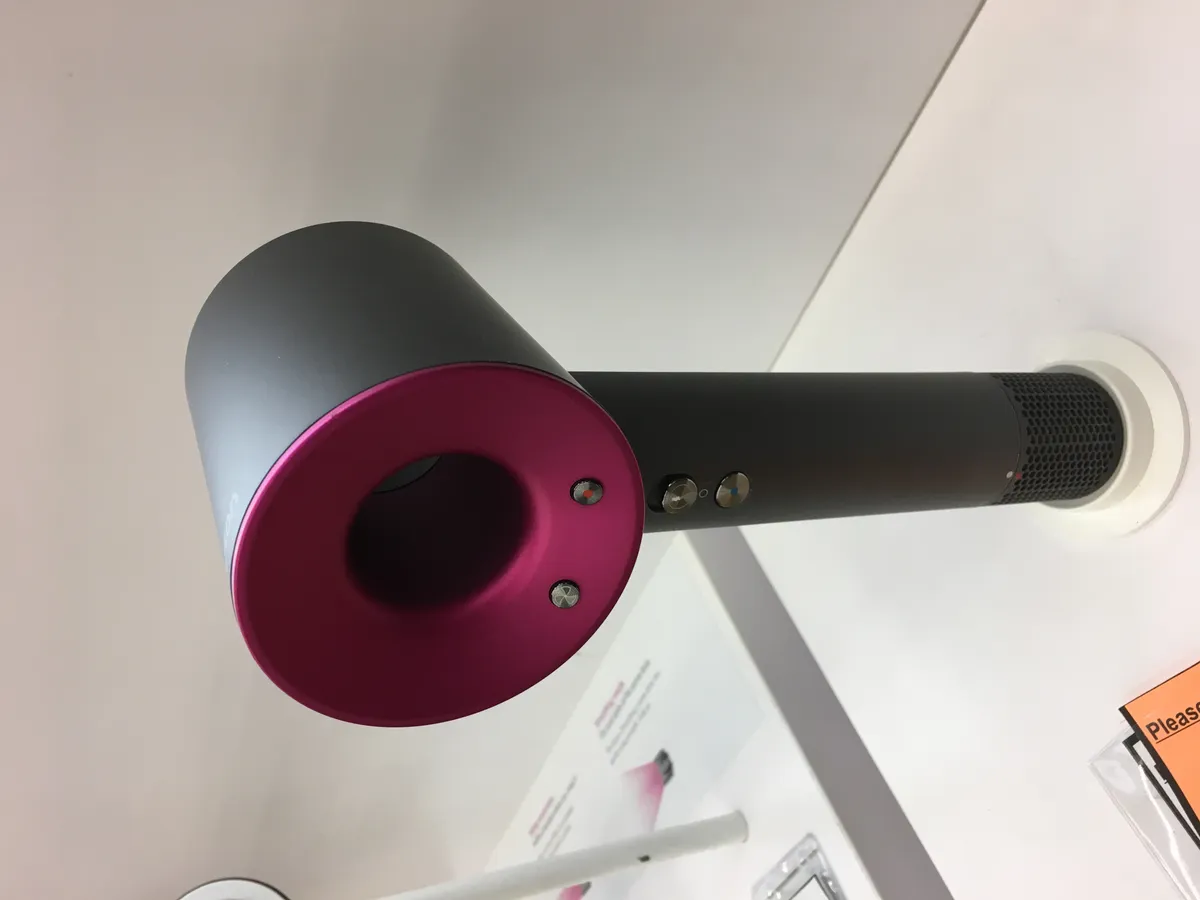
Buy it if you have mid-length to long hair, already spend real money and time on styling (blowouts, curling irons, regular salon visits), and want to reduce direct heat damage while cutting your at-home styling time. It's also a strong pick if you frequently switch between straight, wavy, and curly looks and don't want three separate tools cluttering a drawer, since one motor unit covers all of those jobs with different attachments. Skip it if your hair is above chin length (get the Complete Short configuration instead, or skip entirely), if you're only styling once or twice a week and can't justify the cost-per-use math, or if you have very limited patience for a genuine one-to-two-week learning curve — there is no version of this tool that works perfectly on the first try.
The verdict after six weeks
The Dyson Airwrap i.d. does what it claims: it curls, waves, smooths, and dries hair using directed airflow instead of direct extreme heat, and after the learning curve, it's genuinely faster and gentler than my old curling-iron-plus-flat-iron routine. It is not, however, an effortless miracle tool, and the marketing's implication that anyone can pick it up and get salon results in one session undersells the real practice it takes. Factor in the price, the attachment inconsistency I hit roughly once every six sessions, and the arm fatigue on long styling sessions, and this lands as a strong recommendation for the right hair type and the right budget rather than a universal must-buy.
As an affiliate, Keen Review earns from qualifying purchases.
Other products we tested

Ecobee Smart Thermostat Premium Review: Two Months of Real HVAC Testing
We installed the Ecobee Smart Thermostat Premium without a C-wire, tracked its temperature accuracy against a separate thermometer, and measured real energy savings over two months of daily HVAC use.
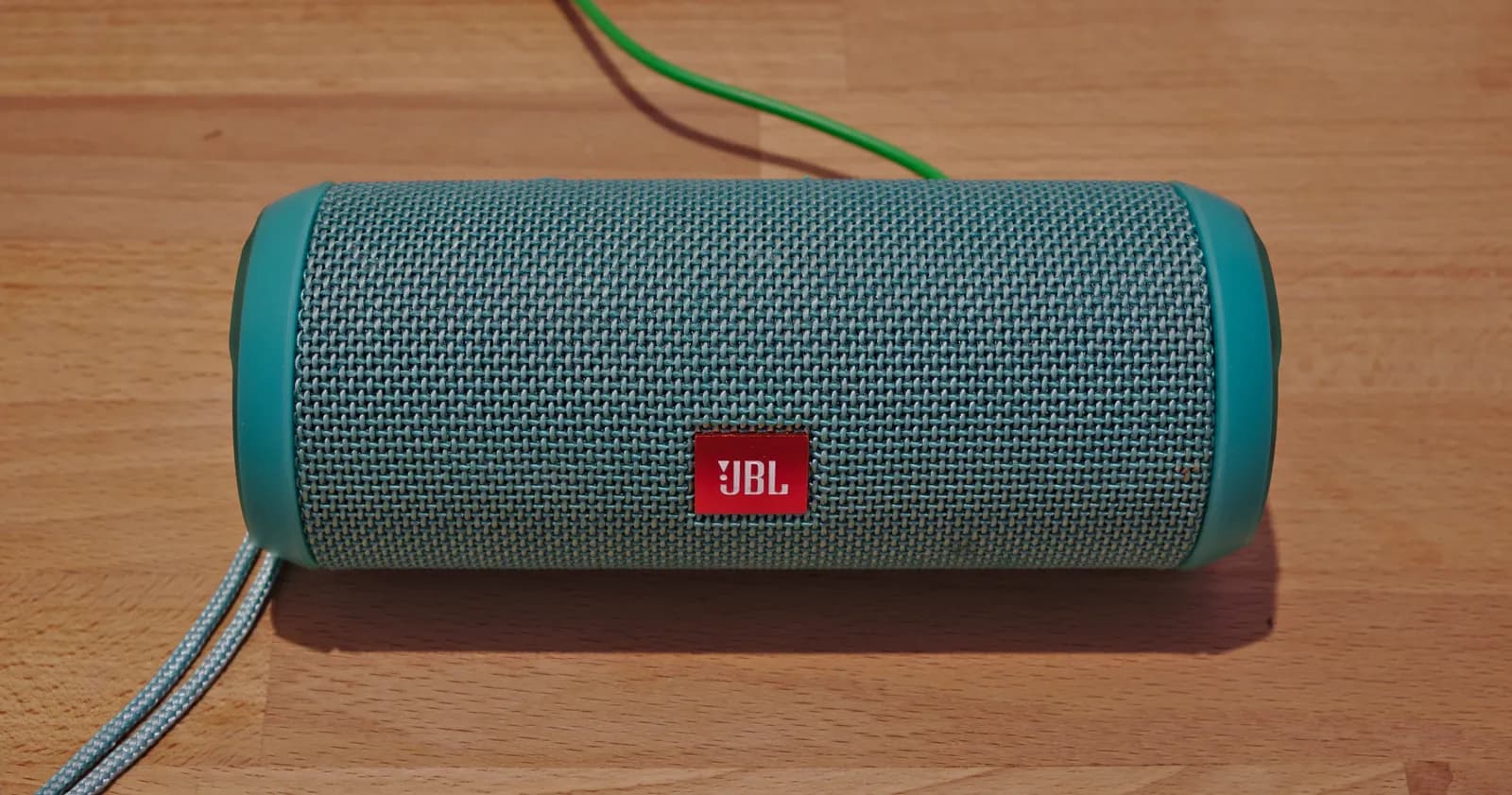
Bose SoundLink Flex Review: Six Weeks of Hiking, Kayaking, and Beach Days
Six weeks of camping, kayaking, and beach trips show the Bose SoundLink Flex's IP67 rating and PositionIQ orientation sensing are genuinely useful, with honest limits on bass and max volume.
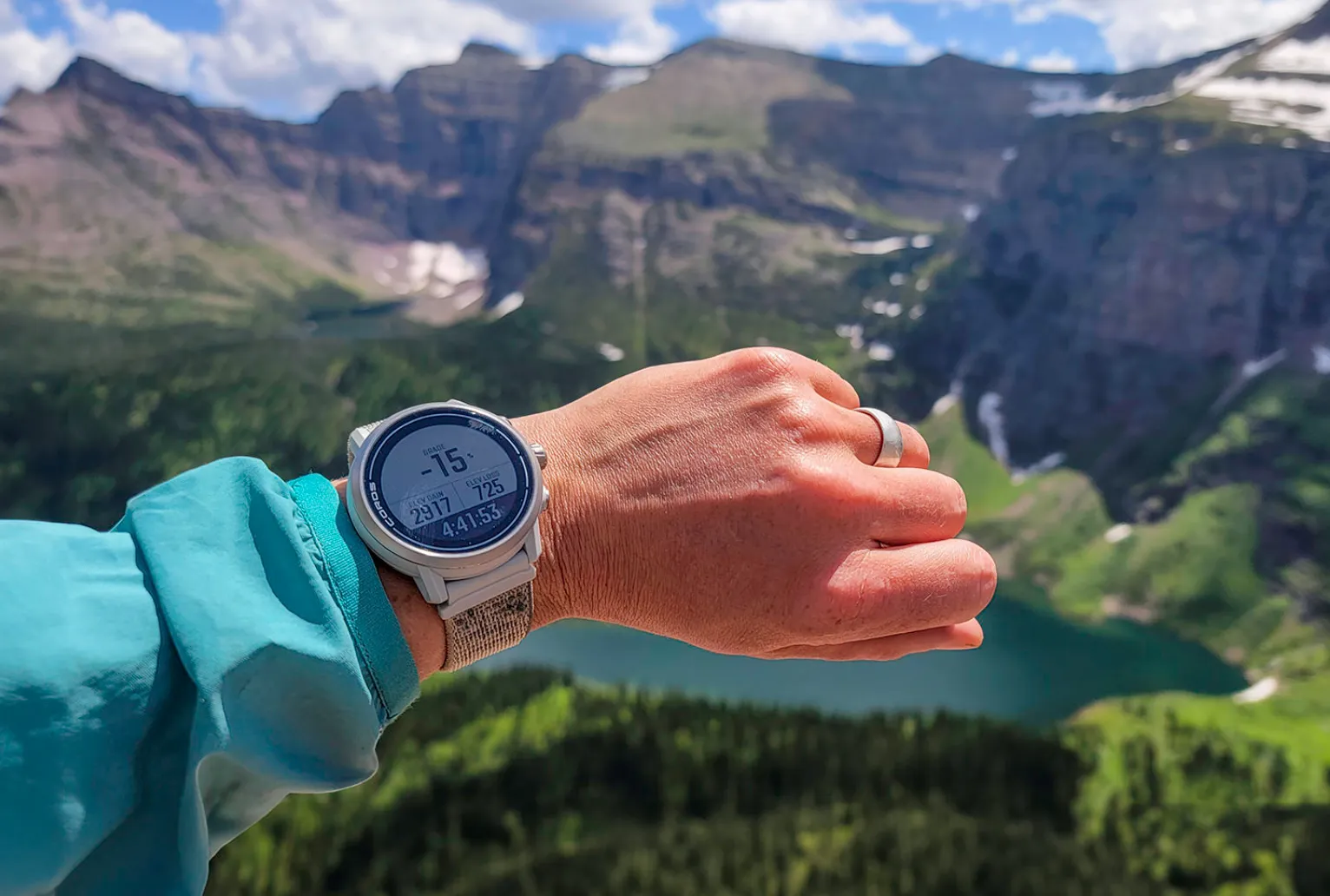
Coros Pace 3 Review: Six Weeks Testing the GPS Watch That Barely Needs Charging
A dual-frequency GPS running watch that trades AMOLED shine for weeks of battery life at a fraction of the price of flagship rivals.