
Everyday Carry Buying Guide: Four Things That Earn Pocket Space
Multitools, knives, watches, and trackers judged on whether you actually use them — plus the legal constraints nobody mentions first.
Everyday carry has an enthusiast culture around it that actively works against buying well. The hobby rewards accumulation and novelty; the actual goal is a small number of objects that solve problems you encounter often enough to justify carrying the weight. Those two things point in opposite directions, and the gap between them is a drawer full of titanium items used twice.
This guide is about the second thing. It covers the four categories that genuinely earn pocket space, the specifications that predict durability, and the legal and practical constraints that decide what you can actually carry where you live.
The quick answer
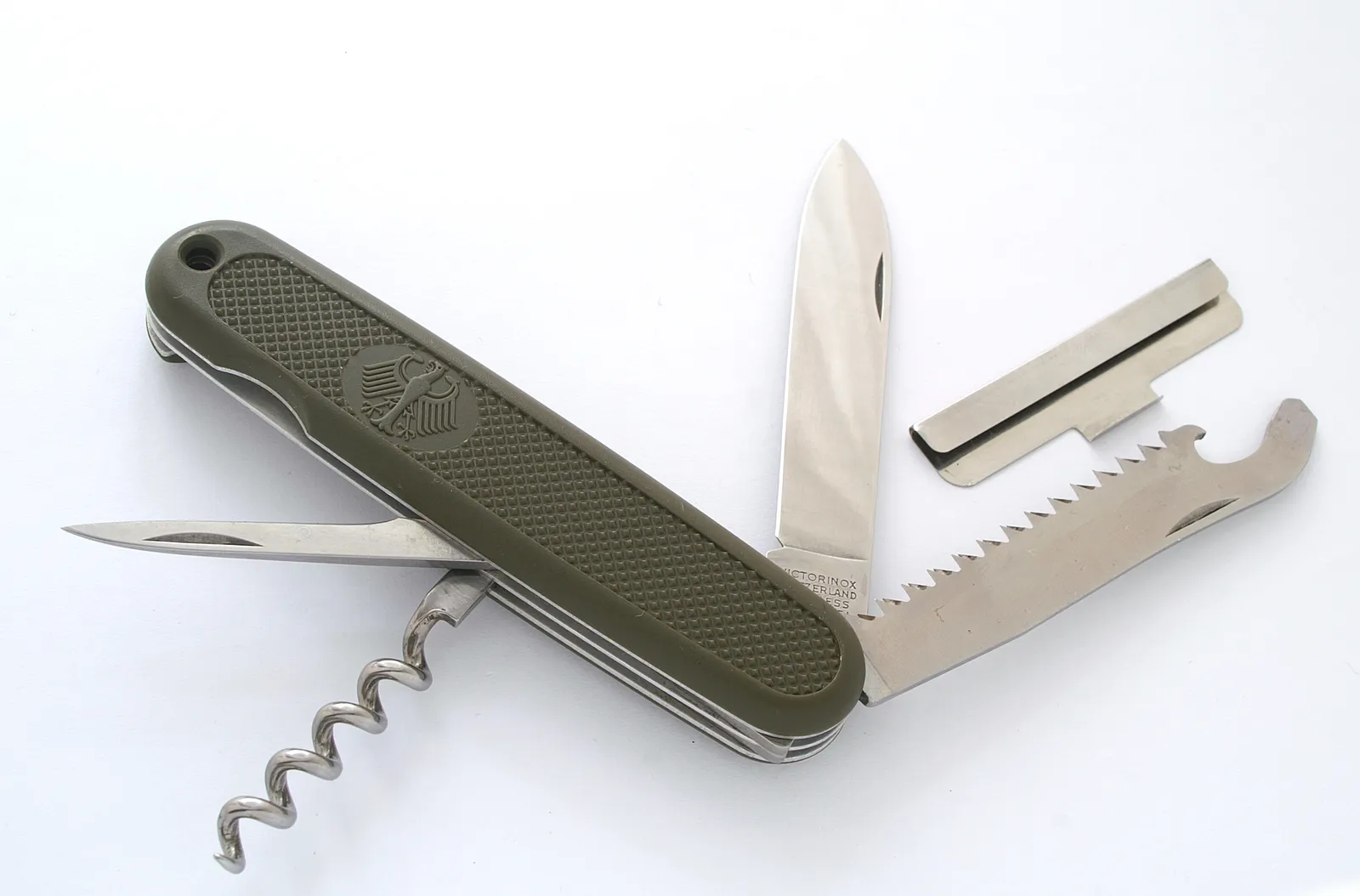
A small multitool or a Swiss-army-style knife covers scissors, screwdriver, and blade in one object for around $30-$60, and for most people it is the only cutting tool worth carrying.
A pliers-based multitool at $80-$120 is a meaningfully different product, worth it if you actually grip, twist, and cut wire rather than just opening parcels.
A watch you never charge — a quartz digital or analogue at $50-$100 — removes a small daily friction and lasts a decade on a battery. This is the highest-value item in the category by a wide margin.
A tracker tag at $25-$30 for keys or a bag pays for itself the first time. Everything else — titanium pens, prybars, custom lights — is hobby rather than utility, which is a fine reason to buy something as long as you are honest about it.
Check the law before you check the specs
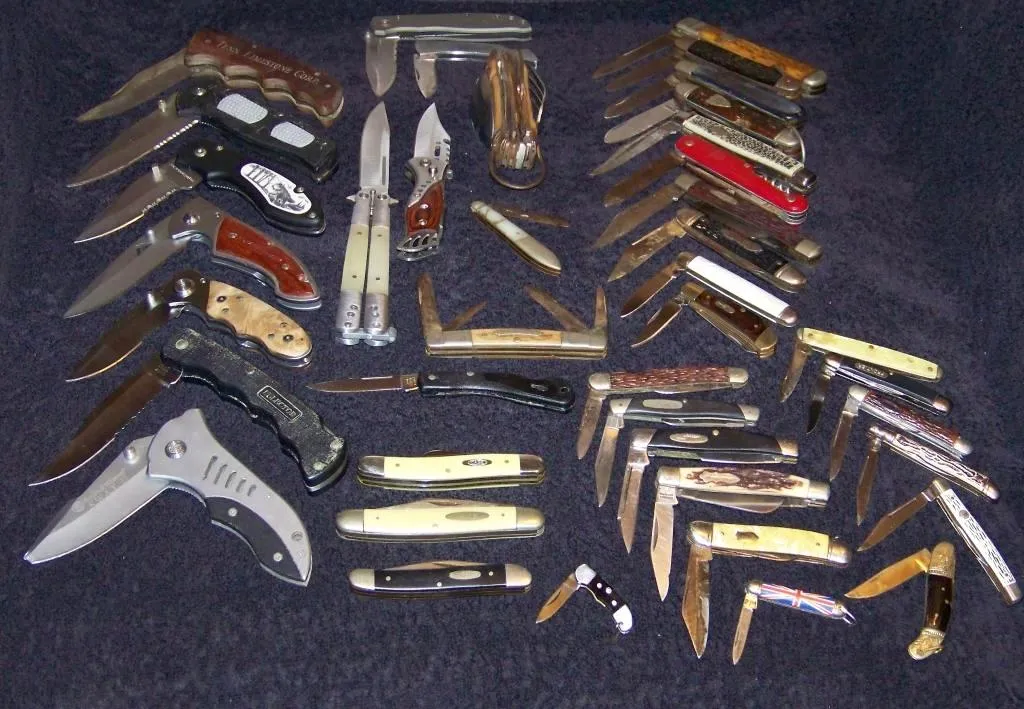
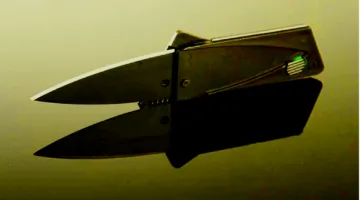
Knife legality varies enormously and is not intuitive. Many European jurisdictions restrict locking blades in public regardless of length, so a 6cm locking folder is illegal where a 7cm non-locking blade is fine. Some places set blade length limits; others restrict carry method, or one-handed opening, or require a stated reason for carrying at all.
The practical consequence: a small non-locking slipjoint knife with a blade under about 6cm is legal to carry in the widest range of places, which is a strong argument for that format as a default. Multitools are frequently treated the same way as knives when they include a blade, so a bladeless multitool is worth considering if your commute involves places with strict rules.
Check your own jurisdiction rather than relying on general advice, including local rules for workplaces, schools, airports, and public transport, which are often stricter than the underlying law.
Multitools: pliers-based or knife-based
The two formats are not interchangeable and the choice follows entirely from what you do.
Pliers-based multitools are built around a folding plier head with the other tools nested in the handles. They are heavier — typically 200-260g — and they grip, twist, cut wire, and pull things. If you work on bicycles, do electrical work, fish, or fix anything mechanical, the pliers are the reason to carry it and everything else is a bonus.
Knife-based tools, the Swiss-army format, are lighter at 60-110g and built around blades, scissors, and screwdrivers. The scissors on these are frequently the most-used tool of all, which surprises people who bought it for the blade. For office and household use this format is the more sensible carry.
Three things predict long-term satisfaction. Whether the tools can be opened from outside, meaning you can access the blade without unfolding the whole handle — a real daily difference. Whether the tools lock, since an unlocked screwdriver folding under pressure is unpleasant. And whether the manufacturer honours a long warranty, since good ones repair or replace tools decades old.
Our Leatherman Wave Plus review covers four months of a pliers-first carry across pocket, toolbox, and camp use, including how quickly the weight stops being noticeable and which tools genuinely get used.
Steel, and why the marketing numbers mislead
Knife steel is described by alloy names that mean little without translation. What matters is the balance of three properties, and no steel maximises all three.
Edge retention is how long it stays sharp. High-carbon and high-vanadium steels hold an edge for a long time and are correspondingly hard to sharpen — a premium steel with a dull edge and no diamond stones is worse than a modest steel you can bring back on a cheap ceramic rod in two minutes.
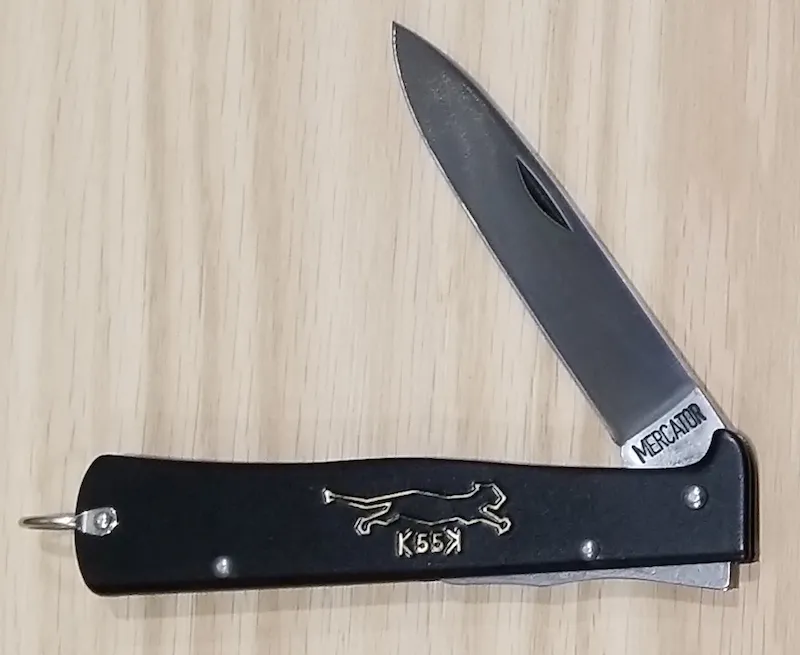
Corrosion resistance matters more than most buyers expect, because a pocket is warm and humid and a carbon steel blade will develop surface rust within weeks if neglected. Stainless steels trade a little edge retention for not needing oil.
Toughness is resistance to chipping. Very hard steels chip rather than roll when they hit something unexpected, and a chipped edge is a much bigger repair than a dull one.
For everyday use, a mid-range stainless steel around 57-59 HRC hardness is the sweet spot: sharp enough, easy to maintain, and forgiving. Paying triple for a super-steel makes sense for someone who sharpens as a hobby and very little sense otherwise. A $15 sharpening rod does more for your knife than $100 more of steel.
Watches: the case for something you never charge
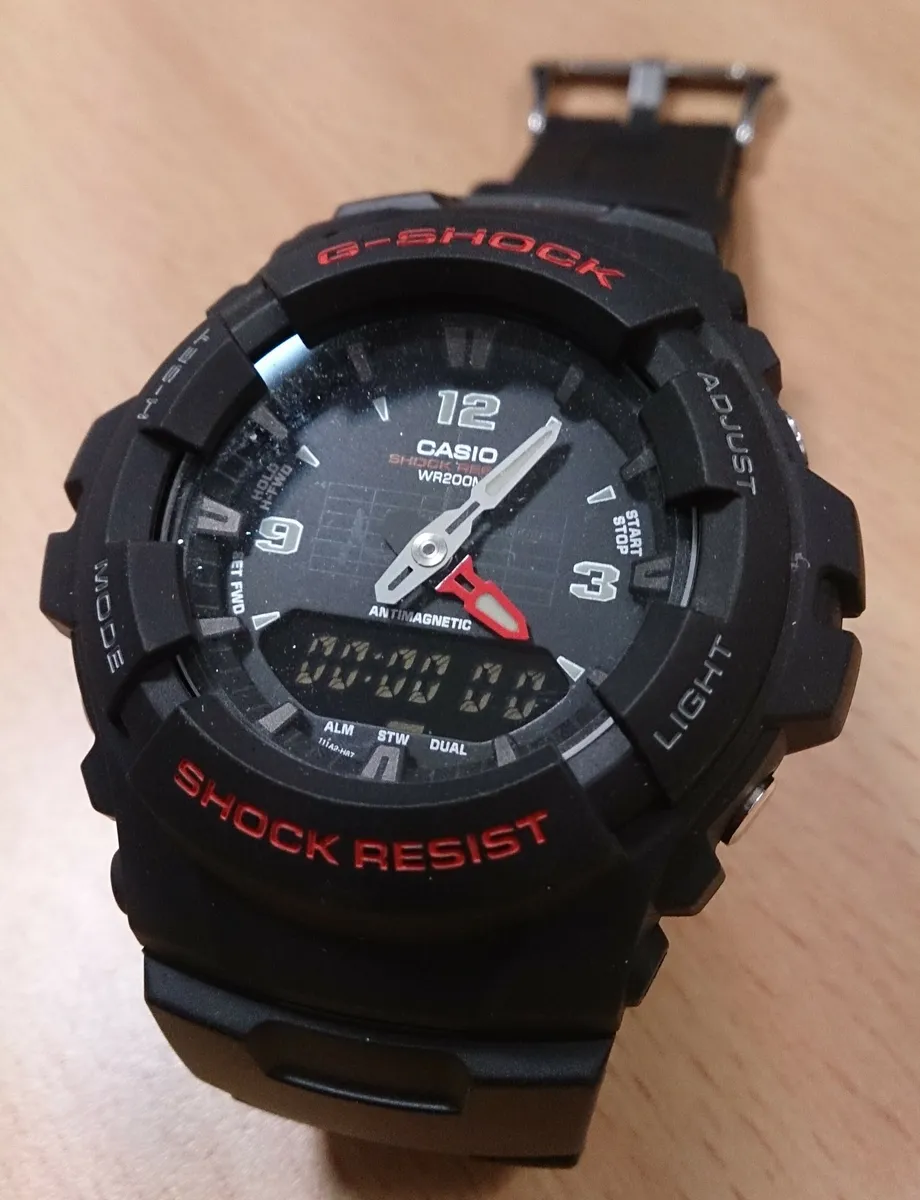
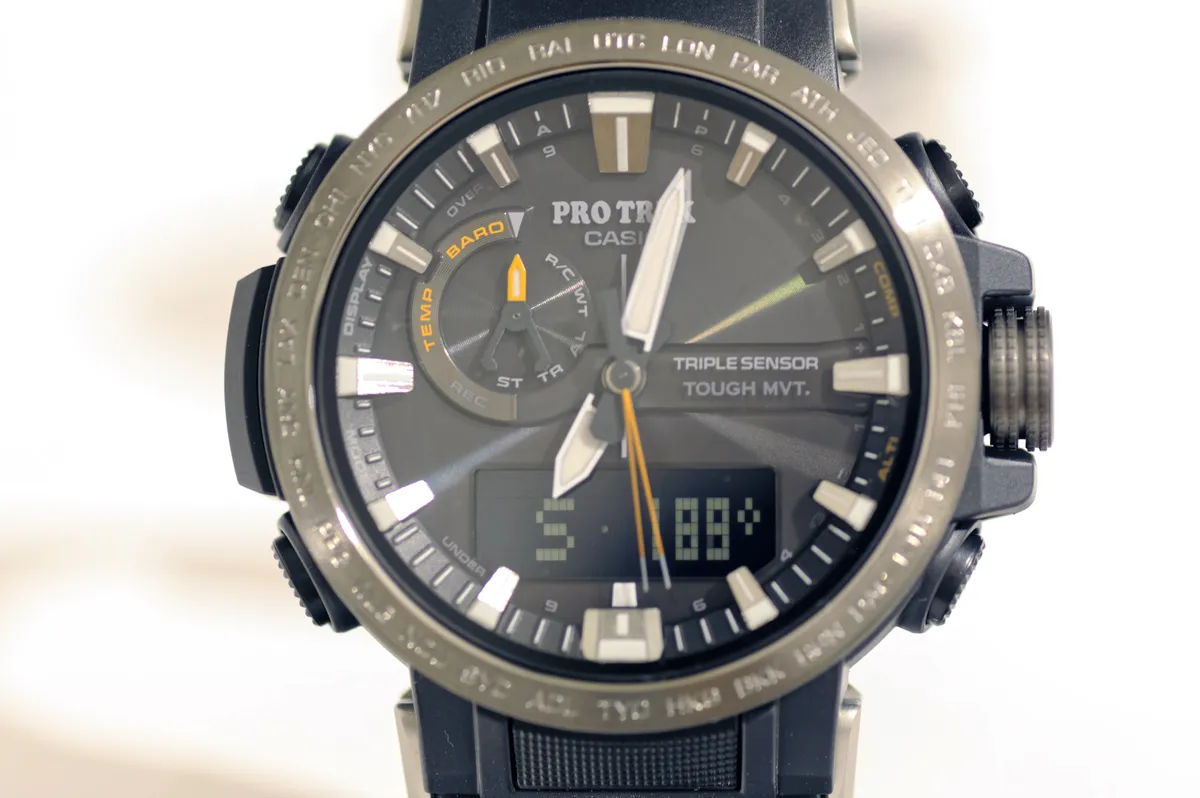
Smartwatches are covered elsewhere; this is the case for the alternative. A quartz watch runs two to ten years on a battery, survives being knocked against doorframes, and tells the time without you unlocking anything. Solar-charged quartz models remove even the battery change.
Three specifications to check. Water resistance, which is quoted misleadingly: 3ATM means splash-resistant only, 5ATM survives handwashing and rain, 10ATM handles swimming, and 20ATM is fine for anything short of diving. Buy 10ATM if you want to stop thinking about it.
Crystal material next. Mineral glass scratches. Sapphire is far harder and resists scratches almost completely, at higher cost and with more reflectivity. Acrylic scratches easily and polishes out with a cloth and mild abrasive, which is why it survives decades on vintage watches.
Strap attachment third, and it is the underrated one. A standard 20mm or 22mm spring-bar lug means straps cost $15 and take two minutes to change. Proprietary integrated straps mean the watch is finished when the strap is. Since the strap is what fails first, this determines whether the watch lasts.
Our Casio G-Shock DW5600 review covers two years with the resin-cased, never-charged end of this market — a useful reference point for what $60 buys in durability terms.
Trackers, and their honest limits
A Bluetooth tracker tag on keys or in a bag is genuinely useful, and the mechanism is worth understanding. The tag itself has a range of roughly 10-60 metres. Beyond that, it relies on other people's phones passing nearby and anonymously reporting its location — so coverage is excellent in a city and effectively zero on a quiet rural road.
Check two things. Whether the battery is user-replaceable — a coin cell you swap yearly for $2 versus a sealed unit you replace entirely after three years. And which phone ecosystem the network depends on, since the size of that network is the whole product.
The realistic use case is finding things you have misplaced nearby, and knowing which building your bag is in. It is not a security device: anyone who wants the item will find the tag. Our Apple AirTag review covers two months tracking checked luggage, where the coverage gaps show up clearly at airports versus in transit.
The items that usually disappoint
Multi-function pens, prybars, and titanium keychain tools tend to be interesting objects and marginal tools. The test is simple: can you recall the last time you needed the function it provides? If not, you are buying a hobby object, which is fine, but do not expect it to earn its pocket space.
Oversized flashlights, too. A 1,000-lumen light is impressive and mostly used at 20 lumens to find something under a sofa. A small light with a genuinely low low-mode and a common battery type is more useful than a brighter one.
And full-size multitools carried daily. The 260g pliers tool that lives in a bag or a car gets used; the same tool in a trouser pocket gets left at home within a fortnight, which is the most common EDC failure and has nothing to do with the tool's quality.
Building a carry that survives contact with real life
Work backwards from a week of your actual life. Note every time you needed a tool, a light, the time, or to find something. That list, not a forum thread, tells you what to buy. For most people it comes out as: scissors more often than a blade, a screwdriver occasionally, a light rarely but urgently, and the time constantly.
Then weigh it. Total carry under about 150g disappears into a pocket. Between 150g and 300g you notice it and tolerate it. Above 300g it moves to a bag, and anything in a bag is available only when you have the bag — which changes what "everyday carry" means.
Buy one thing at a time and carry it for a month before adding the next. This is unexciting advice and it is the only method that reliably produces a carry you keep, rather than a collection you rotate. The best-chosen three items get used daily for years; the enthusiastically-assembled eight get whittled down to three anyway, at four times the cost.
More coupon shopping advice

Home Security Camera Buying Guide: Local vs. Cloud Storage
A practical, balanced buying guide to home security cameras that weighs local storage against cloud subscriptions, wired versus battery power, camera placement, night vision, smart detection accuracy, and smart home integration.

Beginner Mirrorless Camera Buying Guide
A practical, honest walkthrough of what actually matters when buying your first mirrorless camera, from sensor size and lens mounts to autofocus, video specs, and the real total cost of a beginner-friendly system.

Air Purifier Buying Guide: CADR, ACH, and Filter Costs Explained
A practical walkthrough of the numbers that actually matter when buying an air purifier — CADR and ACH for sizing, true HEPA versus marketing terms, real three-year filter costs, realistic noise levels, and when a purifier won't help at all.