
SodaStream Terra Review: Ten Weeks, 130 Fills, and the Real Cost Per Litre
Tracking every fill for ten weeks put the real cost at about 45 cents a litre — a genuine 60% saving on plain sparkling water, provided you can live with cylinder exchange runs.
- Quick-connect cylinder swaps in about nine seconds with no cross-threading risk
- Measured cost of roughly $0.45 per litre versus $1.05-1.30 for store-brand
- Requires no electricity at all — no cord, no standby draw, works in a power cut
- 130 fills over ten weeks with no leaks, slips or mechanical faults
- Visible reduction in household packaging waste within two weeks
- Carbonation is noticeably soft by 48 hours and flat by 72 in a sealed bottle
- Real 60L cylinders delivered 41-44 litres at medium-strong carbonation, not 60
- Cylinder exchange means a retailer trip; a spare cylinder is effectively mandatory (+$30)
- 17.2 in tall with clearance needed above — will not fit under standard upper cabinets
- Bottles carry a three-year expiry date and are not dishwasher safe
- Syrups do not taste like canned flavoured sparkling water, undercutting the savings case
- Not compatible with older screw-in SodaStream cylinders
My household was buying roughly fourteen litres of sparkling water a week, which works out to a recycling bin full of cans every Sunday and about $18 a week at supermarket prices. The SodaStream Terra is sold on exactly that arithmetic. I ran one for ten weeks, tracked every fill on a notepad stuck to the fridge, and worked out the actual cost per litre rather than the one on the marketing page.
The result is genuinely positive but narrower than the pitch: the machine saves real money if you drink a lot of plain sparkling water, saves almost nothing if you were mostly buying flavoured cans, and costs you a permanent chunk of counter space either way.

The quick-connect cylinder is the actual upgrade
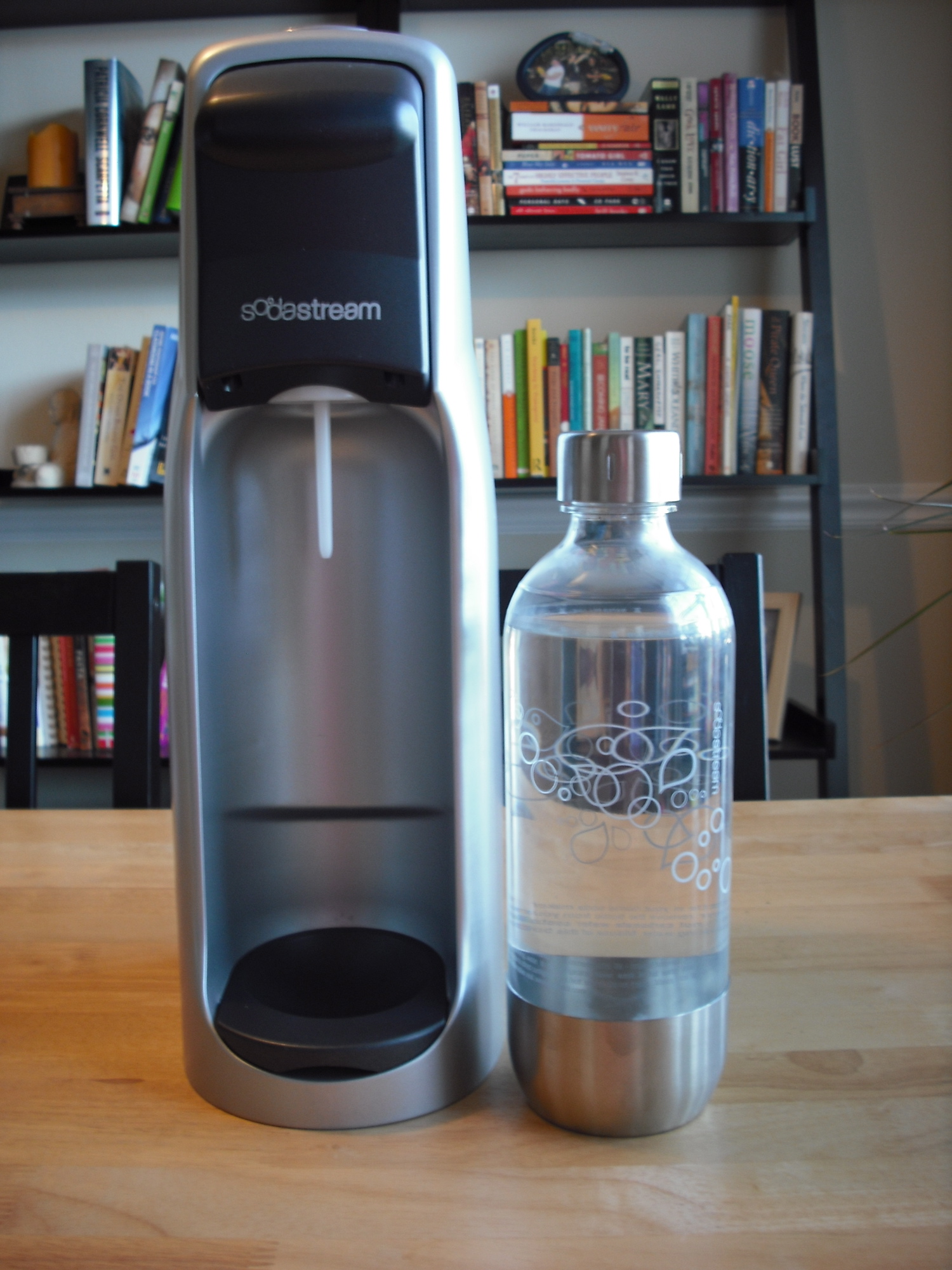
The Terra's headline change over older SodaStream machines is the CO2 cylinder mount. Previous models used a screw-in cylinder that took about fifteen seconds of awkward threading in a tight rear cavity. The Terra uses a quick-connect: open the rear hatch, push the cylinder in until it clicks, close the hatch. I timed a swap at nine seconds including opening and closing the hatch.
This matters more than it sounds, because it removes the one step most likely to cross-thread and vent an entire cylinder in one go. Over ten weeks I swapped cylinders twice with no drama. It also means the Terra takes the newer quick-connect cylinders only — your old screw-in cylinders from a previous SodaStream will not fit, which is a genuine annoyance if you're upgrading rather than starting fresh.
Carbonation, measured by consistency rather than feel
There's no gauge and no settings dial. You press the button and count. SodaStream's guidance is roughly three short presses for medium and five for strong; in practice the machine gives an audible buzz at the point of over-pressure, which acts as a ceiling.
To test consistency I filled the bottle to the line with refrigerated water at 40°F, gave it exactly four presses, and then measured how long the carbonation lasted in a sealed bottle in the fridge. Across eight runs the result was reliably similar: strongly fizzy for the first 24 hours, clearly softer at 48 hours, and flat enough to be disappointing at 72. That is worse than a sealed commercial bottle and about the same as any home carbonator I've used — the limiting factor is the bottle cap seal, not the machine.

Water temperature turned out to matter more than press count. The same four presses into room-temperature water produced noticeably weaker fizz than into fridge-cold water, because CO2 dissolves better when cold. If your water comes out of the tap warm, chill it first or you will conclude the machine is underperforming when the physics is the problem.
The cost maths, with real numbers
A 60L CO2 cylinder costs about $30 to buy outright and roughly $17-20 on an exchange, where you trade an empty for a full one. The "60 litres" rating assumes light carbonation. At my four-press level I got 41 litres from the first cylinder and 44 from the second, tracked fill by fill.
At an $18 exchange, 42 litres average, that's about $0.43 per litre in CO2. Add tap water, and the effective cost is a bit under 45 cents a litre. Store-brand sparkling water in my area runs $1.05-1.30 per litre. So the saving is real: roughly 60% per litre, and on my household's fourteen litres a week that's about $9 a week or $470 a year.
Against that, the machine cost $99.99 and the starter cylinder came with it. Break-even at my consumption rate landed at week eleven, which is close enough to the ten weeks I tested to say the payback is genuine for a heavy sparkling water household. Halve the consumption and payback stretches past five months; drink two litres a week and you will never recover the cost.
Cylinder exchange is the hidden friction
This is the part of ownership that the box ignores completely. When a cylinder empties, you need a full one, and your options are a participating retailer, a mail-back program, or buying a spare cylinder so you're never caught out. My nearest exchange retailer is a fifteen-minute drive, and the first time I went they were out of stock of full cylinders entirely.
I now keep one spare full cylinder at all times, which cost an extra $30 upfront and completely removes the problem. Factor that in: the realistic starting cost is closer to $130 than $100, and the alternative is discovering your machine is a paperweight on a Friday evening.
Mail-back exchange exists and works, but the round trip took nine days in my test, which is only viable with a spare in the house anyway.
Bottles, expiry dates, and dishwashers
The Terra ships with one 1L reusable BPA-free plastic bottle. Every SodaStream bottle carries a stamped expiry date, typically three years out, because the plastic degrades under repeated pressure cycles. That is not a marketing invention — it's a pressure-vessel safety limit — but it is a recurring cost of roughly $15 per bottle every three years that most buyers don't anticipate.
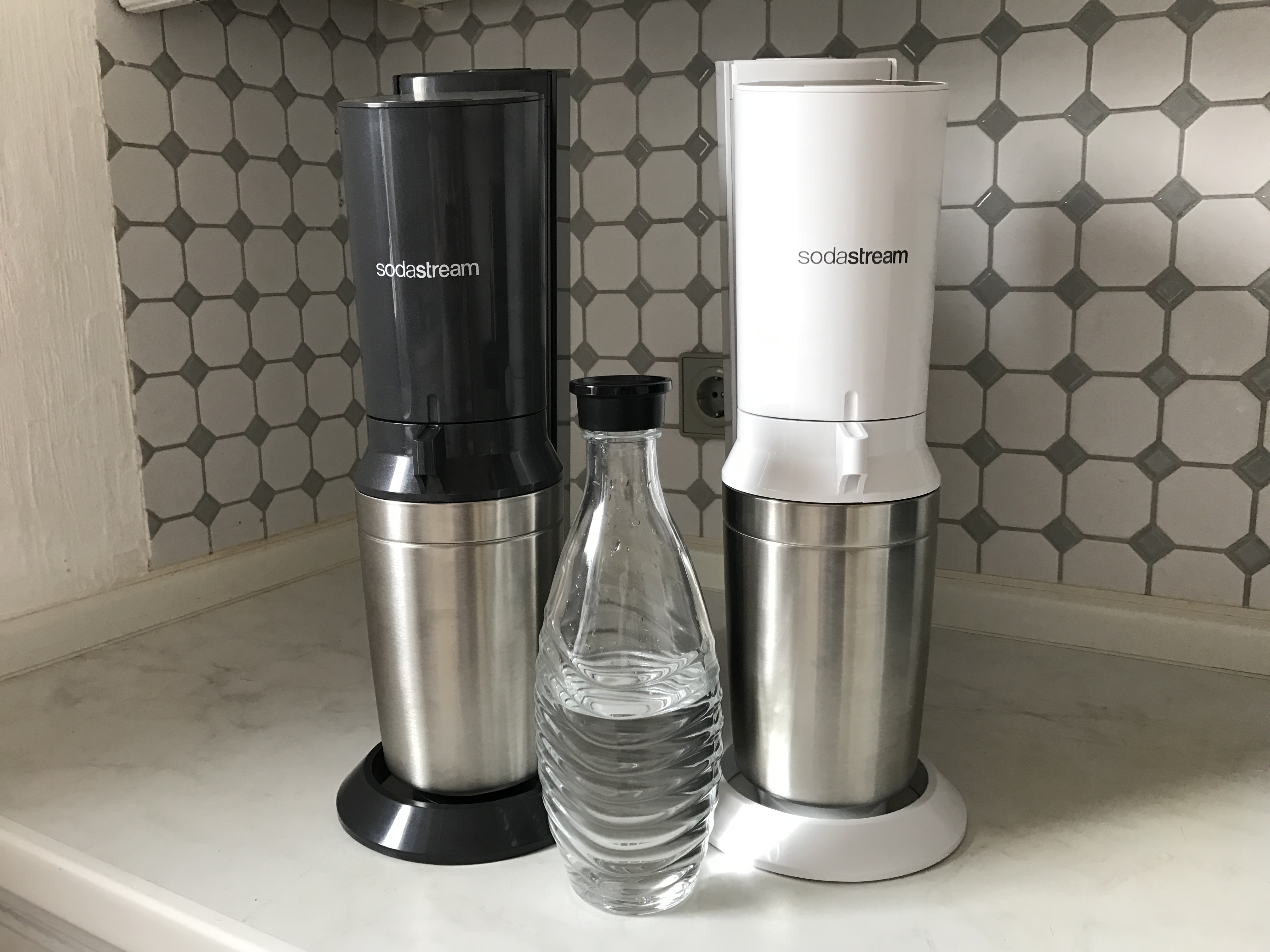
The plastic bottles are not dishwasher safe. Hand wash only, and the narrow neck means you need a bottle brush. There are dishwasher-safe glass carafes sold for the Terra, but they cannot be used to carbonate — you carbonate in the plastic bottle and pour into the glass, which adds a step and a second thing to wash.

Living with it on a counter
The Terra is 17.2 inches tall with the bottle attached and needs clearance above to insert and remove it, so it does not fit under a standard 18-inch upper cabinet gap. Mine lives at the end of a run of counter where there's no cabinet above. If every inch of your counter is under a cabinet, measure before you buy — this is the most common reason I've seen these end up in a cupboard.
It needs no electricity, which is a small delight. No cord, no outlet, no standby draw. You can put it anywhere there's space and it will work in a power cut, which is more than most kitchen appliances manage.
Noise is a short, loud hiss on each press — brief enough not to matter, loud enough to notice at 6am. The machine is stable in use and the bottle snap-lock engages positively; over ten weeks and roughly 130 fills nothing slipped or leaked.
The environmental argument, examined
SodaStream leans hard on packaging reduction, and on the narrow question of containers the claim holds up. Ten weeks at fourteen litres a week is roughly 140 litres, which for my household previously meant something like 420 cans. Replacing that with one reusable bottle and two CO2 cylinders that go back to be refilled is an obvious reduction in material moved and thrown away, and the change in the recycling bin was the most visible day-to-day effect of the whole test.
Two caveats stop it being a slam dunk. Cylinder exchange involves driving somewhere, and if that's a dedicated fifteen-minute round trip rather than a stop you were making anyway, the transport cost of a full cylinder is not trivially better than a delivery van carrying a lot of cans at once. And the plastic bottles do expire, so the system produces its own low-grade waste stream on a three-year cycle. It is a clear improvement over buying cans, not a zero-impact solution, and I'd be sceptical of anyone claiming otherwise.
The flavour syrups, briefly
I tried four of SodaStream's own syrups and two third-party ones out of due diligence. The cola tastes like a supermarket own-brand cola, which is to say fine and not what anyone is switching for. The fruit flavours are sweeter than expected and none of them tasted like the canned flavoured sparkling waters my household actually buys.
This matters for the cost argument. If you were buying flavoured sparkling water, the syrups do not replicate it and you'll keep buying cans alongside. The Terra's case rests almost entirely on plain sparkling water plus, at most, a squeeze of real citrus.

Who should buy this
Buy it if your household drinks eight or more litres of plain sparkling water a week, if you have counter space with clearance above it, and if there's a cylinder exchange point you'll realistically visit. In that case the payback is around three months and the reduction in packaging is substantial — my recycling volume dropped visibly within a fortnight.
Skip it if you mainly drink flavoured sparkling water, if you drink less than about four litres a week, if every inch of your counter sits under a cabinet, or if the idea of managing a consumable gas cylinder sounds like a chore. It is a chore. It's just a small one.
Verdict
Ten weeks and 130-odd fills in, the Terra does the one job it claims to do and does it without electricity, without much noise, and without a single failure. The quick-connect cylinder is a real improvement, the cost saving on plain sparkling water is verifiable at roughly 60% per litre, and the payback period for a heavy-drinking household is under three months. Against that: carbonation fades within 48 hours, bottles expire, the syrups don't replace flavoured cans, cylinder exchange is a genuine logistical tax, and the machine won't fit under most upper cabinets. Good product, specific buyer.
Other products we tested

Gold-Rated Mini U-Lock Review: Eight Months of City Commuting
Mechanically flawless across roughly 320 cycles through a salted winter — but 1.15 kg to carry, a frame mount that rattled loose, and a shackle that won't fit a lamppost.
Gaiam 6 mm Yoga Mat Review: 130 Sessions and One Slippery Failure Mode
Six millimetres is the right compromise for a mixed practice and the floor grip never faltered — but PVC gets genuinely slippery once your palms sweat, and no texture fixes that.
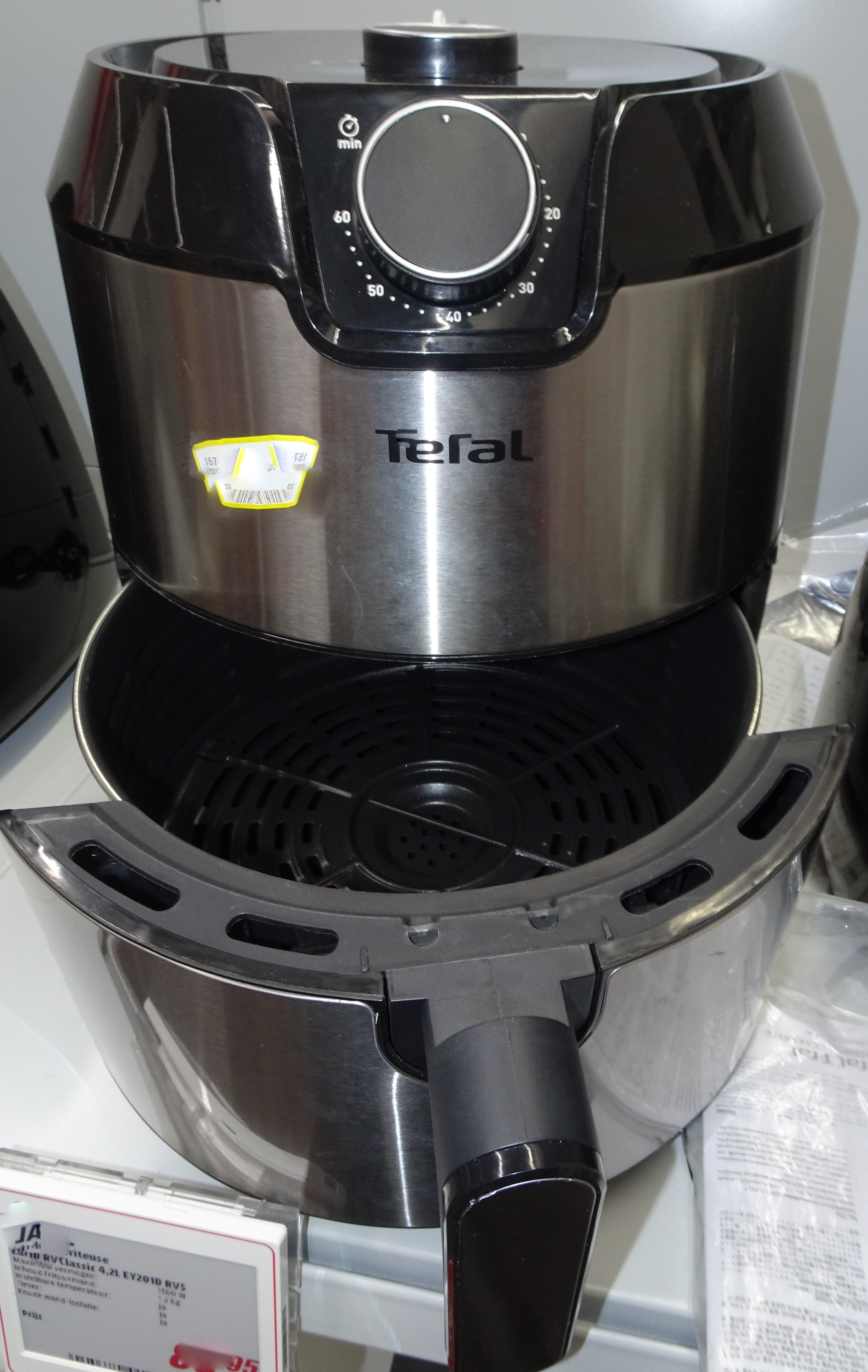
4-Quart Air Fryer Review: 120 Cooks and a Wall Meter
Metered at roughly a third of an oven's energy for the same meal and better at crisping frozen food — but it feeds two at most and neither fries nor makes food healthy.