
Portable Power Station Buying Guide: Watt-Hours, Inverters, and Real Runtime
How to size a portable power station from your actual loads, why LiFePO4 wins, and when a generator is the honest answer instead.
Portable power stations are sold on a number that tells you almost nothing useful: watt-hours. A box says 1,000Wh and you are left to guess whether that runs your fridge for an afternoon or your laptop for a week. Both answers are technically available in that number, but only if you know what you plan to plug in — and most people buy the box first and work out the loads later, which is exactly backwards.
This guide inverts the order. Start with the loads, derive the capacity, then check whether the inverter and the recharge path can keep up. Do that and the buying decision usually collapses to two or three real candidates in about fifteen minutes.
The quick answer
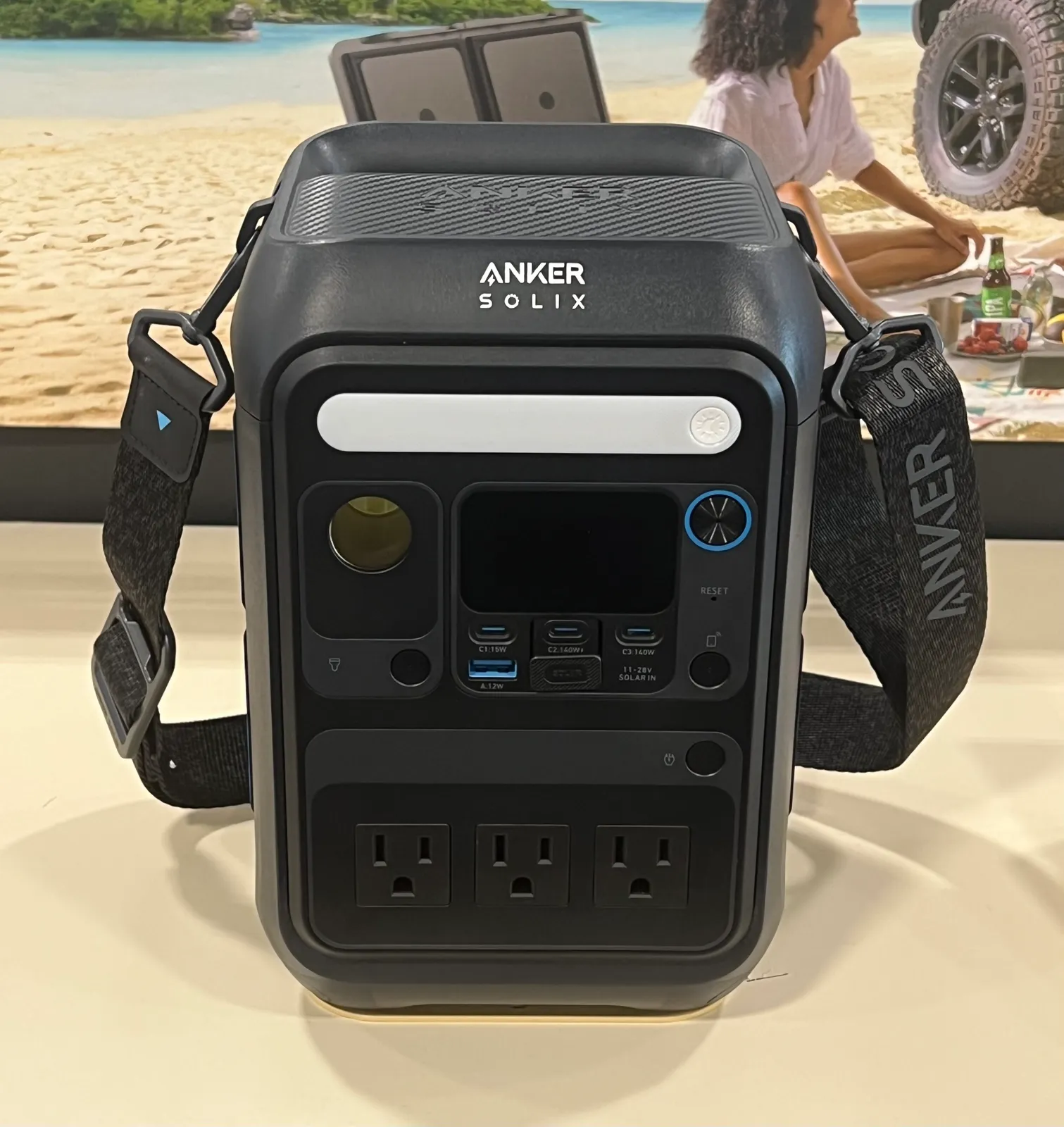
For phones, laptops, a router, and some lights through a short outage: 250-500Wh is enough, weighs under 8kg, and costs $200-$400. For a full-size fridge plus devices through an overnight outage: you need 1,000Wh minimum and an inverter rated at least 1,000W continuous. For anything with a heating element — kettle, space heater, hair dryer, coffee maker, microwave — you are looking at 1,500W+ inverters and 1,500Wh+ capacity, and the honest answer is often that a power station is the wrong tool.
Insist on LiFePO4 (lithium iron phosphate) chemistry unless weight is your single overriding constraint. Everything else on the spec sheet is negotiable; that one is not, for reasons covered below.
Step one: work out watt-hours from your actual loads
The arithmetic is simple. Watts drawn multiplied by hours of use equals watt-hours consumed. A 60W laptop charger for five hours is 300Wh. A 10W router running 24 hours is 240Wh. A phone charge is about 20Wh. Add up what you actually need to keep alive and you have a target.
Two adjustments matter. First, inverter losses: converting DC battery power to AC mains costs roughly 10-15%, so add 15% to any AC load. DC output over USB-C skips that penalty, which is why running a laptop over USB-C rather than through its wall brick meaningfully extends runtime. Second, usable capacity: most manufacturers quote nominal cell capacity, and you will realistically see 85-90% of it. A "1,000Wh" unit delivering 850Wh of real AC output is normal, not a defect.
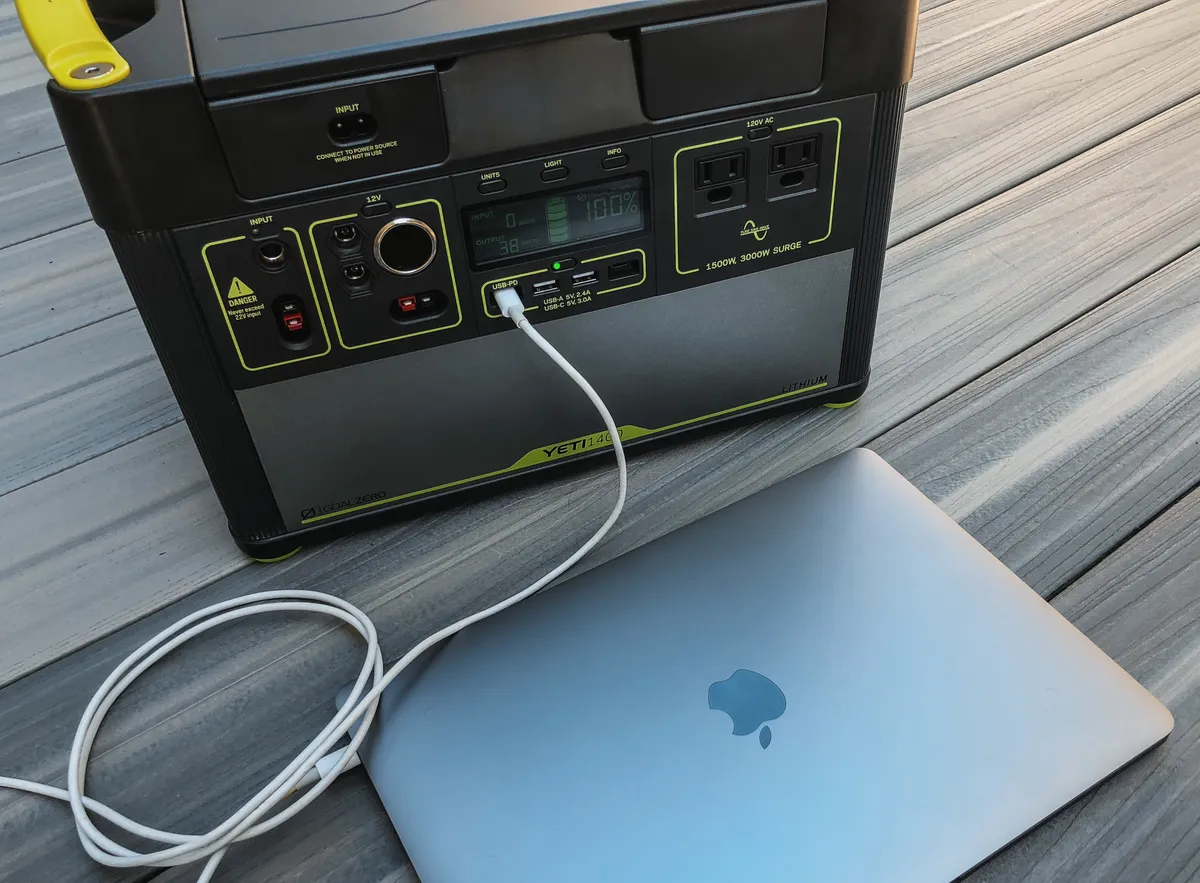
The fridge case deserves its own note because it is the most common real reason people buy these. A modern full-size fridge draws perhaps 100-150W while the compressor runs, but it only runs maybe a third of the time, so daily consumption lands around 1-1.5kWh. That means even a 1,000Wh station will not carry a fridge for a full 24 hours. It will carry it for 8-12 hours, which is enough for most outages, and you can stretch that considerably by simply not opening the door.
Step two: the inverter rating is a separate constraint
Capacity determines how long. Inverter rating determines whether the device turns on at all. These are independent, and a mismatch is the most common buying error.
A 1,000Wh station with a 300W inverter cannot run a 700W microwave for even one second, despite having plenty of stored energy. Meanwhile motors and compressors draw a surge — often two to three times their running wattage — for the first fraction of a second. A fridge that runs at 120W may surge to 600W on startup. If the inverter cannot supply that surge, it trips, and you discover this at 2am during the outage rather than in the shop.
Check two numbers on the spec sheet: continuous output in watts, and surge output. Then check that your worst-case device fits under both. Also confirm the inverter is pure sine wave rather than modified sine wave. Modified sine is cheaper and fine for resistive loads like incandescent bulbs, but it makes motors run hot, causes audible buzzing in audio equipment, and some CPAP machines and medical devices refuse it outright.
Step three: chemistry, and why LiFePO4 is worth the weight
Two chemistries dominate. NMC (nickel manganese cobalt) is what is inside most laptops and older power stations: energy-dense, light, and rated for roughly 500-800 charge cycles before dropping to 80% of original capacity. LiFePO4 is heavier and bulkier per watt-hour but rated for 3,000-6,000 cycles to the same threshold.
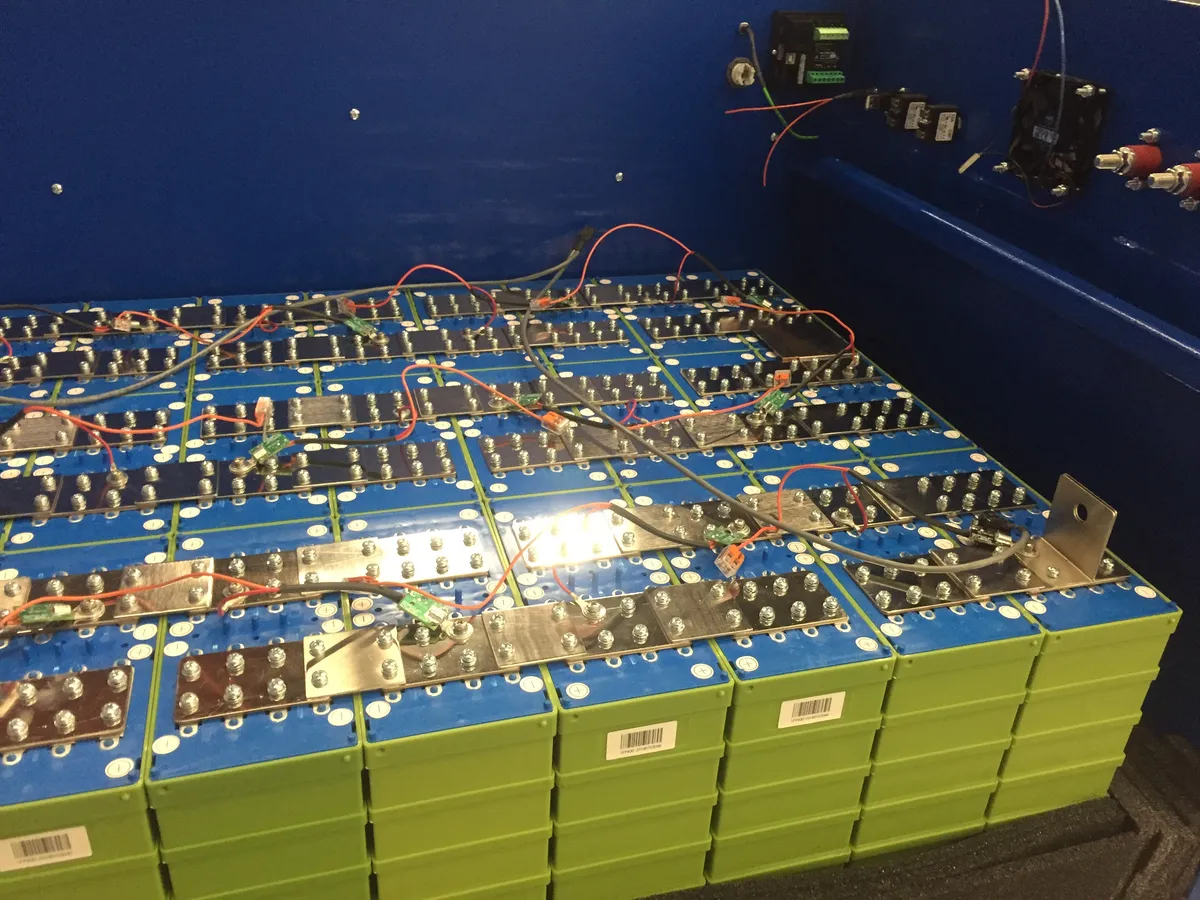
Translate that into ownership: if you cycle the unit weekly for camping, NMC gives you roughly ten years on paper but realistically degrades faster because calendar ageing compounds cycle ageing. LiFePO4 at the same usage is effectively lifetime. The chemistry is also markedly more thermally stable — its failure mode under abuse is far less energetic — which matters for a large battery you store in a cupboard or a car.
The trade is about 30-40% more weight and volume for the same capacity, and a modestly higher price. For a unit that lives in a closet and comes out for outages, that trade is obviously correct. NMC only wins when you are carrying the thing on your back.
Step four: how you refill it
Recharge speed is the specification people skim and then regret. A unit that takes eight hours from the wall is fine for camping prep and useless during a rolling outage where you have a two-hour window of grid power. Look for AC input rated in watts: 200W input on a 1,000Wh unit means five hours; 800W input means under 90 minutes. Fast charging does cost some cycle life, which is why many units let you toggle between fast and standard modes — a genuinely useful feature.
Car charging via the 12V socket is slow, typically 100-120W, meaning ten hours for a 1,000Wh unit. Treat it as a top-up, not a charging strategy. Some units accept faster charging from a vehicle's higher-power outlets or via dedicated alternator chargers, which is worth checking if the intended use is van or overlanding.
Solar: useful, but not on the timeline you are imagining
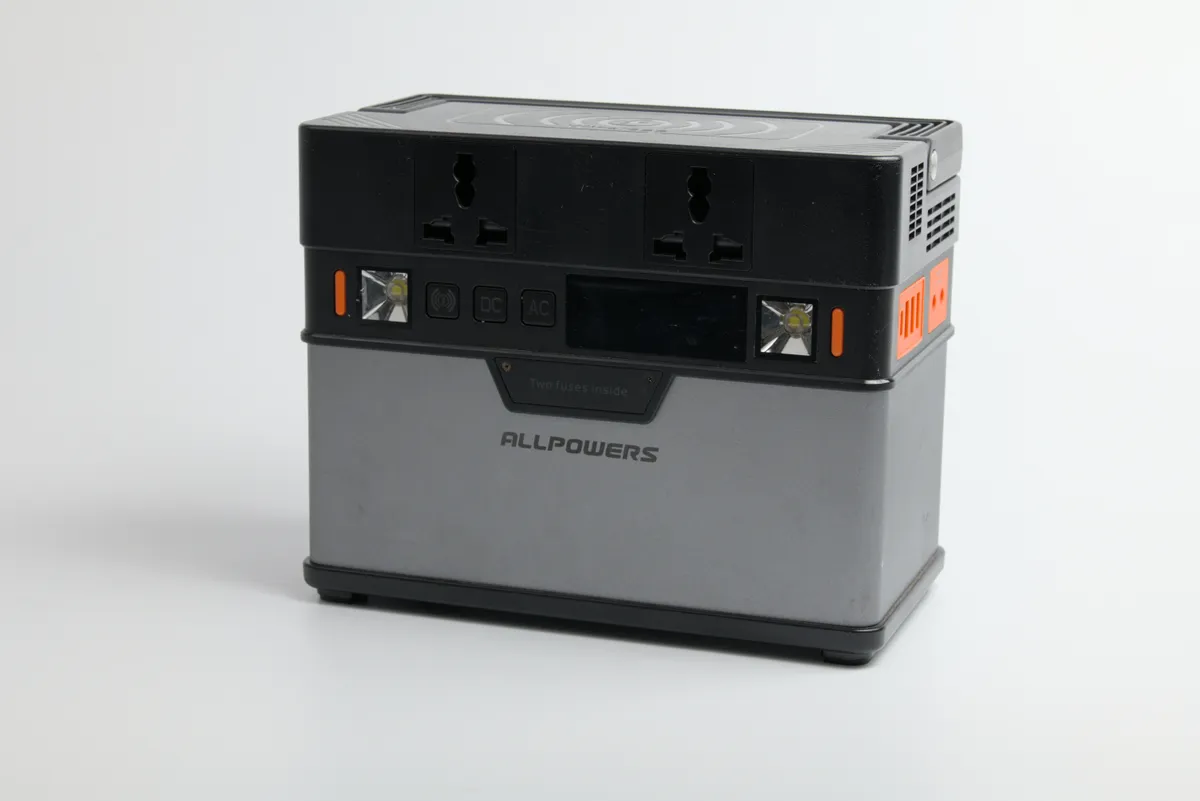
Solar input is the headline feature on most product pages and the most oversold. A 100W folding panel does not produce 100W. In good midday sun, perpendicular to the panel, clean, at moderate temperature, it produces perhaps 70-80W. Averaged over a real day with the sun moving and the panel flat on the ground, expect 300-450Wh from a 100W panel — call it four to five useful sun-hours.
So recharging a 1,000Wh station from empty on solar alone takes two to three days with one 100W panel. With three panels and a station that accepts 400W+ of solar input, you get there in a long single day. That is entirely workable for off-grid living; it is not workable as a same-day outage recovery plan.

Two practical details: check the maximum solar input voltage and current the unit accepts before buying panels, because mismatched arrays either underperform or refuse to connect. And check whether the charge controller is MPPT or the older PWM type — MPPT extracts meaningfully more energy in imperfect light, which is most light.
When a power station is the wrong purchase
If you need to run heating, cooking appliances, or well pumps through multi-day outages, a petrol or propane generator is the honest answer. Energy density wins: a 5kg propane cylinder holds roughly 30kWh of chemical energy, which no portable battery approaches. The battery's advantages are silence, zero emissions, indoor operation, and no maintenance — real advantages, but they do not substitute for raw capacity when heating is involved.
If your outages last under two hours and only affect your work, a laptop with a good battery and a phone hotspot solves the problem for free. If you only need to keep a router and a modem alive, a $60 mini-UPS designed for network gear does it in a smaller box for a fifth of the price.
Specification checklist before you pay
Capacity in watt-hours, with your own load arithmetic done first. Continuous inverter watts and surge watts, checked against your highest-draw device. LiFePO4 chemistry with a stated cycle rating. Pure sine wave output. AC recharge input in watts, with a slow-charge option for longevity. Port mix that matches your devices — at least one 100W USB-C PD port is now table stakes, and 140W is appearing on newer units. Weight, checked honestly against who will be carrying it.
Two easily-missed items. Pass-through charging: can it charge and discharge simultaneously? Some units cannot, which rules out UPS-style use. And UPS switchover time: units advertising sub-20ms switching can sit between the wall and a desktop computer and carry it through a blackout without a reboot; units without it cannot.
Storage and long-term care
A power station bought for emergencies spends 99% of its life sitting still, and that is where most capacity gets quietly lost. Store at 50-80% charge rather than full — a battery held at 100% for months ages faster. Top it up every three to six months; LiFePO4 self-discharges slowly, but the internal electronics still draw a trickle. Keep it somewhere between roughly 0°C and 30°C, which in practice means not the garage in a cold climate and not the car boot in summer.
Test it annually under real load. Plug in the fridge for an hour and watch the display. This catches degraded capacity and, more usefully, catches the discovery that your fridge trips the inverter — a thing much better learned on a Sunday afternoon than during a storm. If you want a concrete example of how one of these units behaves across real outages rather than on a spec sheet, our Anker Solix C1000 review logs six weeks of exactly that.
The summary is unromantic: buy for your measured loads, insist on LiFePO4 and pure sine wave, check the inverter surge rating against your fridge, and treat solar as a slow supplement rather than a fast refill. A correctly-sized 1,000Wh unit that you actually keep charged will outperform a 2,000Wh unit that has been flat in a cupboard since the week you bought it.
More coupon shopping advice

Home Security Camera Buying Guide: Local vs. Cloud Storage
A practical, balanced buying guide to home security cameras that weighs local storage against cloud subscriptions, wired versus battery power, camera placement, night vision, smart detection accuracy, and smart home integration.

Beginner Mirrorless Camera Buying Guide
A practical, honest walkthrough of what actually matters when buying your first mirrorless camera, from sensor size and lens mounts to autofocus, video specs, and the real total cost of a beginner-friendly system.

Air Purifier Buying Guide: CADR, ACH, and Filter Costs Explained
A practical walkthrough of the numbers that actually matter when buying an air purifier — CADR and ACH for sizing, true HEPA versus marketing terms, real three-year filter costs, realistic noise levels, and when a purifier won't help at all.