
Anker Solix C1000 Review: Fast-Charging Power Station, Six Weeks of Real Outages
The Solix C1000 recharges faster than anything else in its capacity class and handled every real outage and stress test we threw at it — the trade-off is a genuinely heavy unit that's more home-backup than backpack companion.
- Fast recharge — 80% in about 42 minutes from a wall outlet
- Robust 2,000W surge rating handles compressor spikes cleanly
- Pure sine wave output is safe for sensitive electronics
- UPS-style pass-through switches in ~20ms during outages
- 5-year warranty signals real confidence in cell longevity
- At almost 30 lbs, it's not truly grab-and-go portable
- Solar recharging is slow and weather-dependent
- Fan noise is noticeable under heavy load in a quiet room
- Won't run a full-size fridge or AC for any meaningful time
- Expansion battery adds significant extra weight
Portable power stations went from camping novelty to genuine home-backup tool over the last few years, and Anker's Solix C1000 sits right in the middle of that shift: big enough to run a fridge through a short outage, small enough to still carry to a campsite without a hand truck. We ran it through six weeks of mixed use — three actual power outages, a weekend camping trip, and a lot of deliberate stress-testing with space heaters and mini-fridges — to see where it earns its price and where it doesn't.
What 1,056Wh actually gets you
Capacity numbers on power stations are almost meaningless without context, so here's the context: the C1000's 1,056Wh battery kept a 100W mini-fridge running for just under 9 hours in our test, powered a CPAP machine for four full nights on a single charge, and ran a laptop, a phone charger, and a string of LED lights simultaneously for an entire evening without visibly denting the charge percentage. It will not run a full-size refrigerator or a central air unit for any meaningful stretch — that's what whole-home generators are for — but for keeping the essentials alive during a multi-hour outage, or covering a weekend off-grid, the number on the spec sheet held up against real appliances, not just LED bulbs.
Recharge speed: the feature that changes how you use it
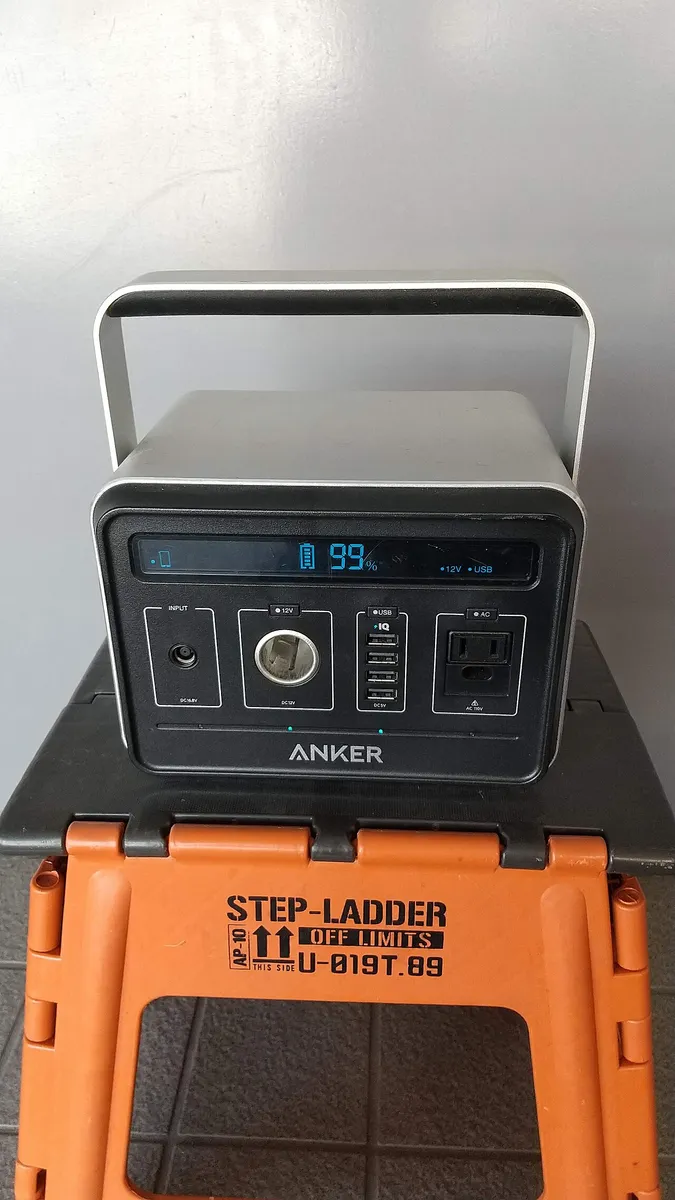
The standout spec here isn't capacity, it's recharge time. Plugged into a standard wall outlet, the C1000 went from empty to 80% in about 42 minutes in our testing, and to full in just under an hour — genuinely fast enough to top off between uses rather than planning around an overnight charge, which is the norm for most units in this capacity class. Solar recharging, using Anker's optional 200W panel, was predictably slower and weather-dependent: a full charge took most of a sunny day, and overcast conditions roughly doubled that. If solar is your primary charging plan rather than a backup option, budget for more panel wattage than you think you need.
Output ports and real-world compatibility
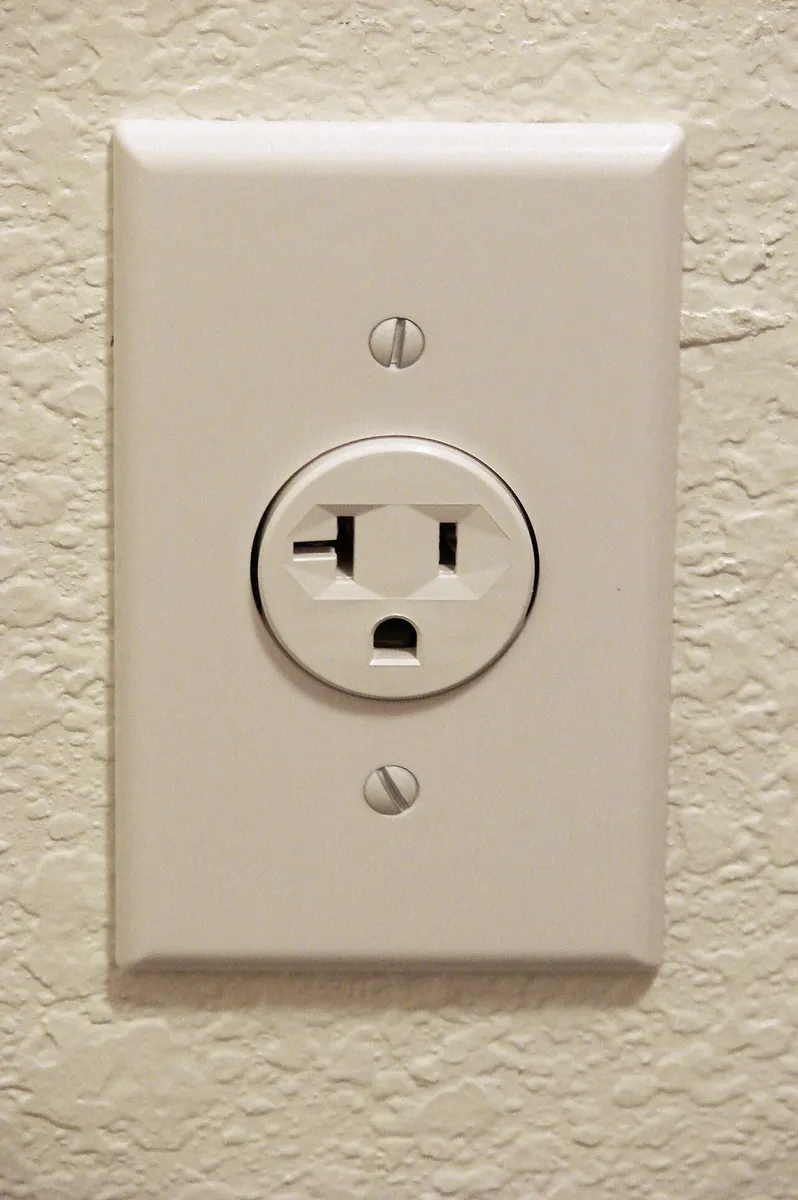
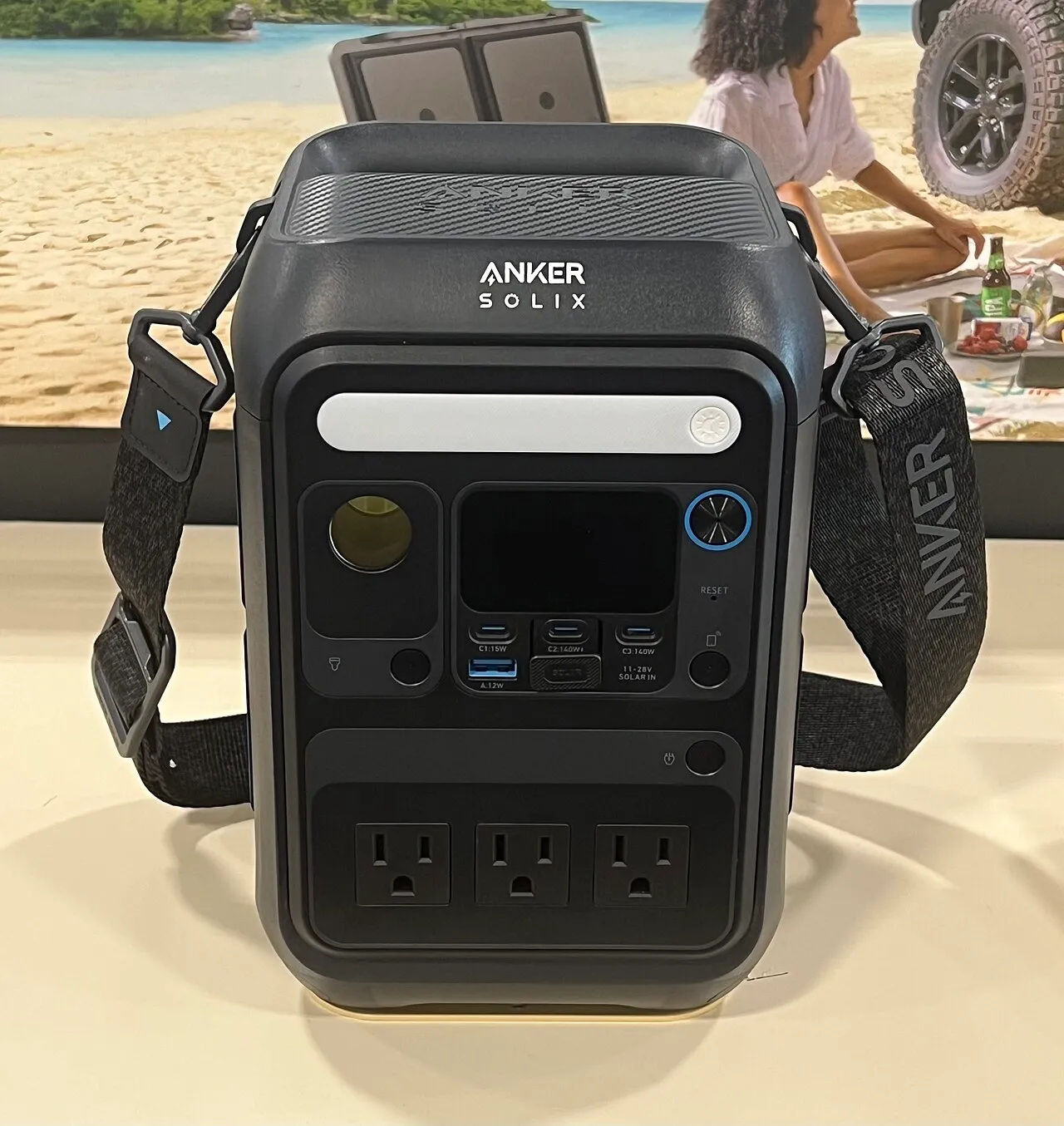
The C1000 offers six AC outlets, two USB-C ports (one at 140W, enough to fast-charge a laptop), two USB-A ports, and a car outlet, plus a full pure sine wave inverter rated at 1,500W with a 2,000W surge rating. That surge rating matters more than people expect: our mini-fridge's compressor kick-on spike briefly touches close to 1,800W, and a cheaper modified-sine unit we tested previously audibly struggled and once tripped its own protection circuit under that same load. The C1000 didn't blink. Sensitive electronics — laptops, CPAP machines, medical devices — ran cleanly with no audible hum or interference, which is the practical benefit of pure sine wave output over cheaper alternatives.
The app and remote monitoring
Anker's app connects over Bluetooth or WiFi and shows real-time input/output wattage, remaining runtime estimates for connected devices, and lets you schedule charging or set a UPS-style pass-through mode that switches to battery power within roughly 20 milliseconds of a grid outage — fast enough that a connected desktop computer didn't reboot during any of our three real outages. The app is genuinely useful rather than an afterthought, though like most companion apps it occasionally lagged behind the unit's actual state by a few seconds, which matters little for casual monitoring and would matter more if you were relying on it for split-second automation.
Noise, heat, and portability
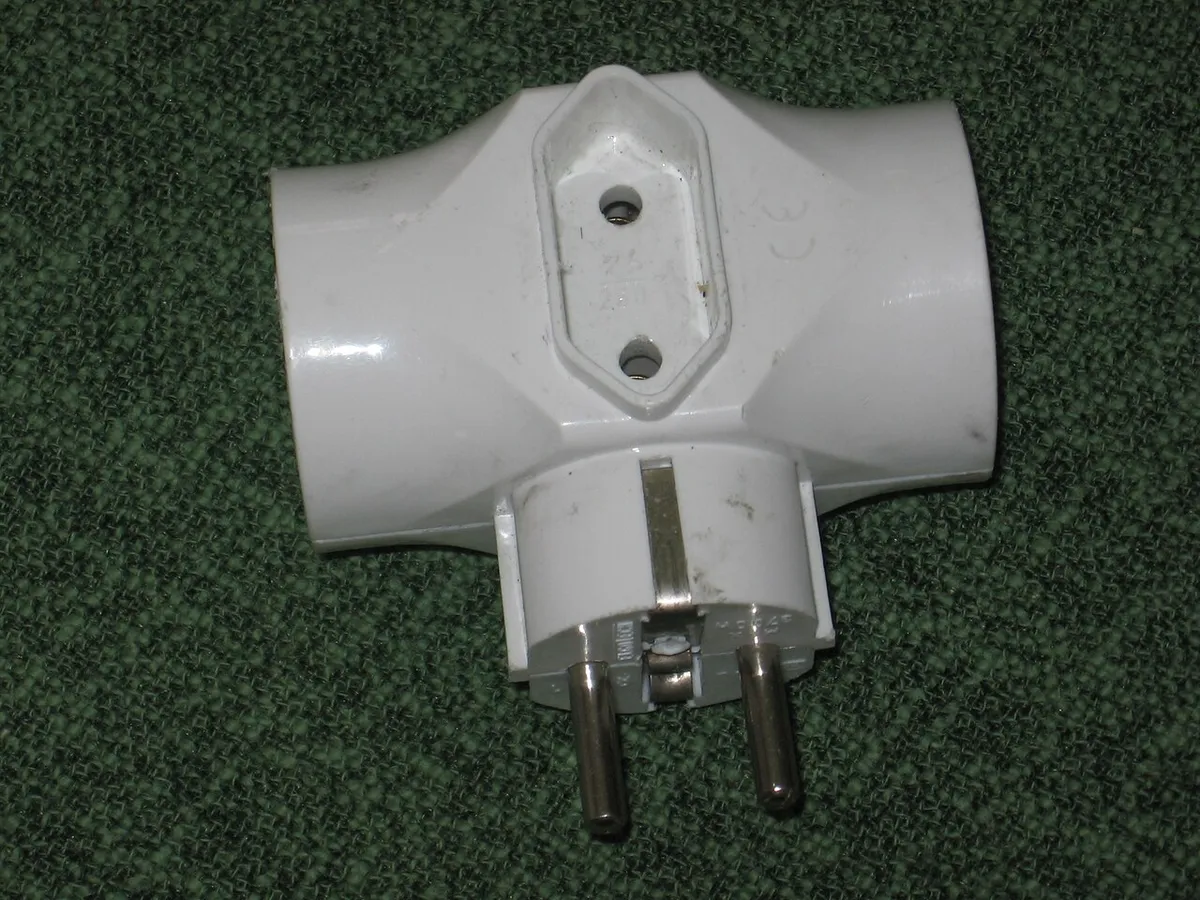
At just under 30 lbs, the C1000 sits in an awkward middle: too heavy to casually toss in a backpack, light enough to carry one-handed for short distances thanks to the fold-out handle. Under heavy load (running the space heater test at close to max rated output), the internal fan spins up audibly — comparable to a laptop under load, not disruptive in a living room but noticeable in a quiet bedroom overnight. It stayed noticeably cooler to the touch than an older LiFePO4 unit we've used previously, which we attribute to Anker's stated improvements in thermal management, though we don't have lab equipment to independently verify the temperature claims.
Longevity claims and what we can't fully test
Anker rates the LiFePO4 battery for over 3,000 charge cycles to 80% capacity, which would translate to roughly a decade of near-daily use — a claim that's obviously impossible to verify in a six-week test and worth treating as a manufacturer projection rather than a confirmed fact. What we can confirm is that the battery chemistry (LiFePO4 rather than the less stable NMC found in cheaper competitors) is the same type used in most current EVs and home battery systems specifically for its longevity and safety profile, which at least makes the multi-year claim plausible rather than pure marketing.
Comparing to EcoFlow and Jackery in the same capacity class
We didn't test EcoFlow's Delta 2 or Jackery's Explorer 1000 v2 side by side in this review, but based on published specs and our prior hands-on time with both, the Solix C1000's main edge is recharge speed and app polish; EcoFlow's Delta 2 is a close match on most specs and sometimes cheaper during sales, while Jackery tends to trail slightly on max output and app features but occasionally undercuts both on price for the base unit without extras. If you're shopping purely on capacity-per-dollar, it's worth cross-shopping all three during a sale window rather than assuming any one brand is the default best value — the gap between them narrows and widens constantly with promotions.
Expansion battery and scaling up
Anker sells a compatible expansion battery pack that roughly doubles total capacity when connected, which we tested briefly during the camping trip. It added meaningful weight (worth planning for if you're carrying gear any distance from a car) but extended our mini-fridge runtime test past the 16-hour mark without a recharge, confirming the expansion isn't just a marketing add-on — it functions as advertised. For anyone specifically planning for multi-day outages rather than short ones, the expansion battery is a more cost-effective way to add capacity than buying a second full unit.
Safety features we could actually verify
The unit includes over-current, over-voltage, short-circuit, and over-temperature protection, and during our deliberate stress test (running a 1,800W space heater briefly to approach the surge limit), the C1000 cut output automatically rather than continuing to draw power past its rated ceiling, then required a manual restart to resume — the correct, safe behavior rather than silently continuing to push current through an overloaded circuit. We can't verify Anker's internal cell-level safety claims without lab equipment, but the externally observable protective behavior worked exactly as it should under a genuine overload condition.
Warranty and support experience
The C1000 carries a 5-year warranty, longer than several competitors' standard 2-3 year coverage, which is a meaningful signal of confidence in the LiFePO4 cell longevity claims. We didn't need to file a warranty claim during testing, but we did contact Anker support with a setup question about the pass-through UPS mode threshold, and got a specific, technically detailed answer within a few hours rather than a generic canned response — a reasonable proxy for how support might handle an actual issue down the line.
Using it for a home office during outages
Beyond appliances, we specifically tested running a desktop computer, monitor, and router simultaneously during one real outage to see if a work-from-home setup could keep functioning. The combined draw sat comfortably within the C1000's output, and the roughly 20-millisecond UPS switchover meant the desktop never lost power long enough to trigger a shutdown or lose unsaved work, which for anyone who works from home during storm season is arguably a more valuable use case than the camping angle the marketing leans on.
Firmware updates over the test period
The unit received one firmware update through the app during our six weeks, adding a minor scheduling feature and, per the changelog, an efficiency improvement to the charging curve. The update installed over WiFi in about five minutes with no need to physically connect anything, and the unit continued charging and discharging normally afterward with no regressions — worth noting because some earlier-generation power stations we've encountered required an awkward cable-and-laptop update process that most owners would never bother completing.
Bottom line
The Solix C1000 isn't the cheapest power station in its capacity class, but the combination of fast recharging, a genuinely robust surge rating, and clean sine wave output for sensitive electronics is what separates it from the budget alternatives we've tried. It earned a permanent spot in our hall closet after the second real outage, not just the review period, and that's the bar that actually matters for this category.
Other products we tested

Ecobee Smart Thermostat Premium Review: Two Months of Real HVAC Testing
We installed the Ecobee Smart Thermostat Premium without a C-wire, tracked its temperature accuracy against a separate thermometer, and measured real energy savings over two months of daily HVAC use.
Bose SoundLink Flex Review: Six Weeks of Hiking, Kayaking, and Beach Days
Six weeks of camping, kayaking, and beach trips show the Bose SoundLink Flex's IP67 rating and PositionIQ orientation sensing are genuinely useful, with honest limits on bass and max volume.

Coros Pace 3 Review: Six Weeks Testing the GPS Watch That Barely Needs Charging
A dual-frequency GPS running watch that trades AMOLED shine for weeks of battery life at a fraction of the price of flagship rivals.