
Pet Tech Buying Guide: Automatic Feeders, Litter Boxes, and Fountains
Which pet automation is genuinely reliable, what it costs to run, and the cases where the manual version is simply better.
Automated pet gear sells convenience, and convenience is a legitimate thing to buy. The problem is that a feeder or litter box sits between an animal and a biological necessity, which means a failure mode is not an inconvenience — it is a pet that did not eat, or a cat that decided the box is now unsafe and chose the rug instead.
That raises the bar. This guide is about which automation is genuinely reliable, which is fragile, what the ongoing costs are once the box arrives, and the specific cases where the manual version is simply better. It assumes you like your pet and are not looking for permission to leave them alone longer.
The quick answer
Automatic feeders are worth it for dry food, for cats and dogs on portion control, and for households with irregular schedules. Insist on battery backup and a gravity-independent portioning mechanism. Budget $60-$150.
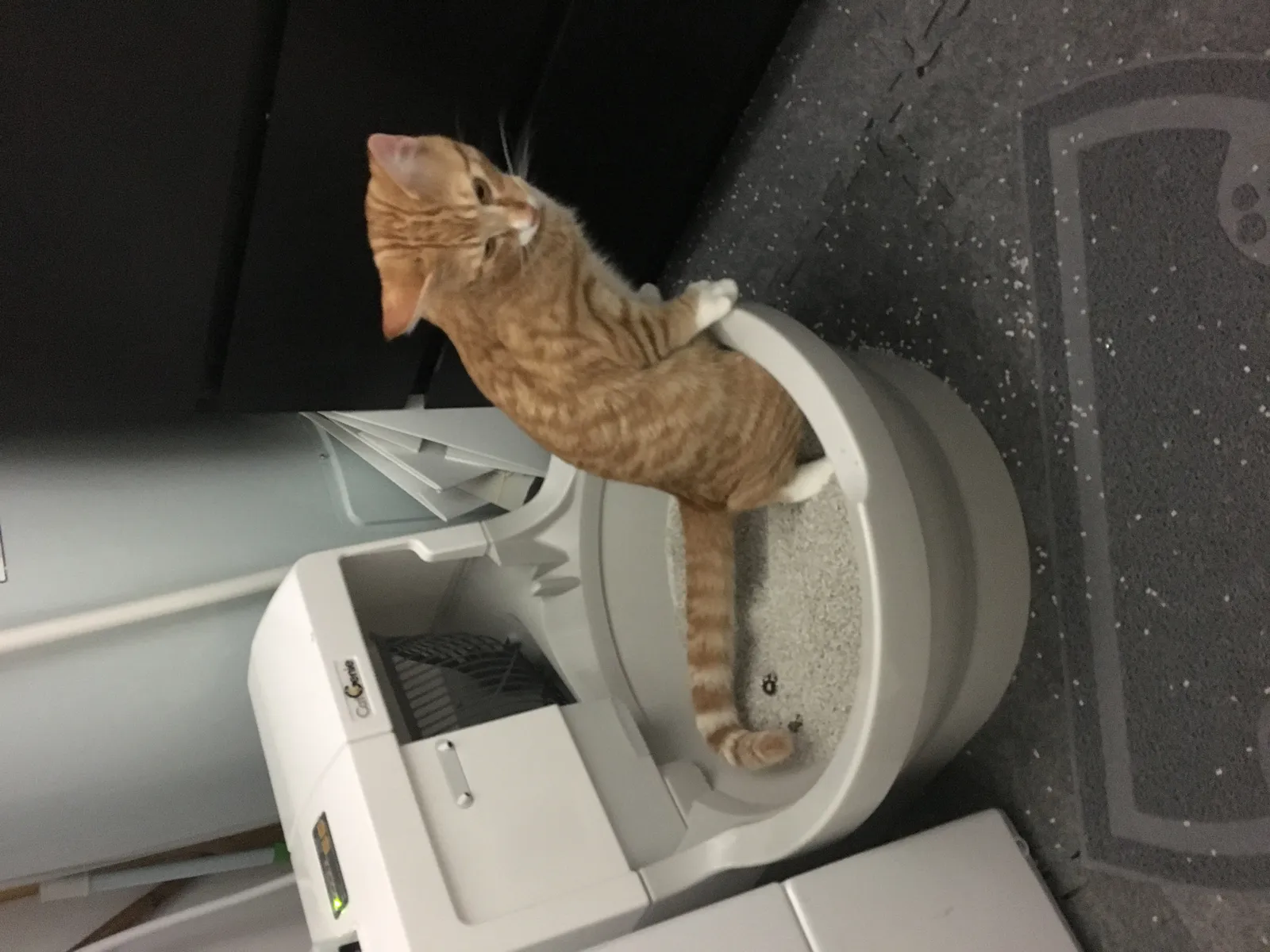
Automatic litter boxes are worth it for one or two cats in a household where scooping reliably gets skipped, and for people with mobility or allergy issues. They are expensive to buy, expensive to run, and require a cat willing to use them. Budget $400-$700 plus $15-$25 a month.
Water fountains are the cheapest and most defensible piece of pet tech, particularly for cats, who are poor drinkers and prone to urinary problems. Budget $30-$70 and expect to buy filters.
Skip cameras with treat dispensers unless you have a specific training reason. They are mostly for the human.
Automatic feeders: the mechanism decides everything
Two designs dominate, and they fail differently. Gravity-fed hoppers with a rotating auger are the common approach: food sits in a tower and a screw pushes a measured amount out. They handle large capacities and they jam. Irregularly-shaped kibble, large kibble, or slightly damp kibble bridges over the auger and the machine dispenses nothing while cheerfully reporting success.
Rotating-tray feeders hold pre-portioned compartments that rotate under an opening at set times. They cannot jam because there is nothing to jam, and they handle wet food. The trade is capacity — typically five or six meals — and the need to refill by hand each week.
For dry food and a week of autonomy, an auger feeder is right, with two conditions: the kibble must be small and uniform, and you must test it for a full week while you are home before relying on it. For wet food or for a pet whose meals must not be missed, the tray design is the safer engineering.
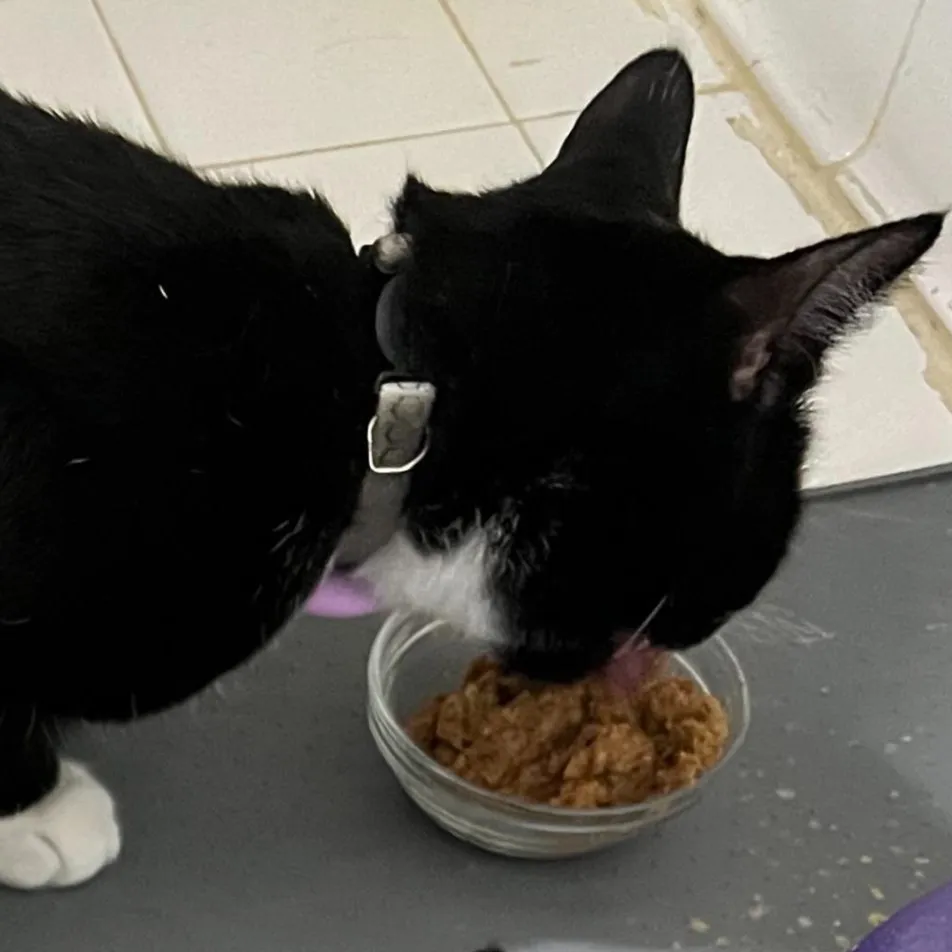
Three features are not optional. Battery backup, because a mains-only feeder in a power cut is an empty bowl for however long the outage lasts — check that batteries maintain both the schedule and the dispensing motor, not just the clock. A locking lid, because a determined cat or any dog will get into an unsecured hopper and eat a week of food in one sitting. And a portion size small enough for your animal: many feeders have a minimum dispense of around 10g, which is coarse for a small cat on a controlled diet.
App connectivity is genuinely useful for one thing — a notification when a scheduled meal did not dispense. That is the failure you need to know about remotely. Everything else the app does, a dial on the front does adequately. Check whether the feeder still runs its schedule with the internet down; some cloud-dependent models do not, which is a serious design flaw.
Our automatic pet feeder review includes an overnight-away test, which is the only test that tells you anything — a feeder that works while you are watching is not evidence of much.
Automatic litter boxes: what you are actually buying
A self-cleaning box uses a rake, a rotating globe, or a sifting drawer to separate clumps from clean litter a few minutes after the cat leaves, depositing waste in a sealed drawer. The genuine benefits are consistent odour control, since waste is removed within minutes rather than hours, and elimination of daily scooping.
The requirements are less advertised. These boxes need clumping clay litter of a specific type — most will not work with crystal, pine, paper, or non-clumping litters, because the mechanism relies on clumps holding together under the rake. That locks you into a litter your cat may not prefer.
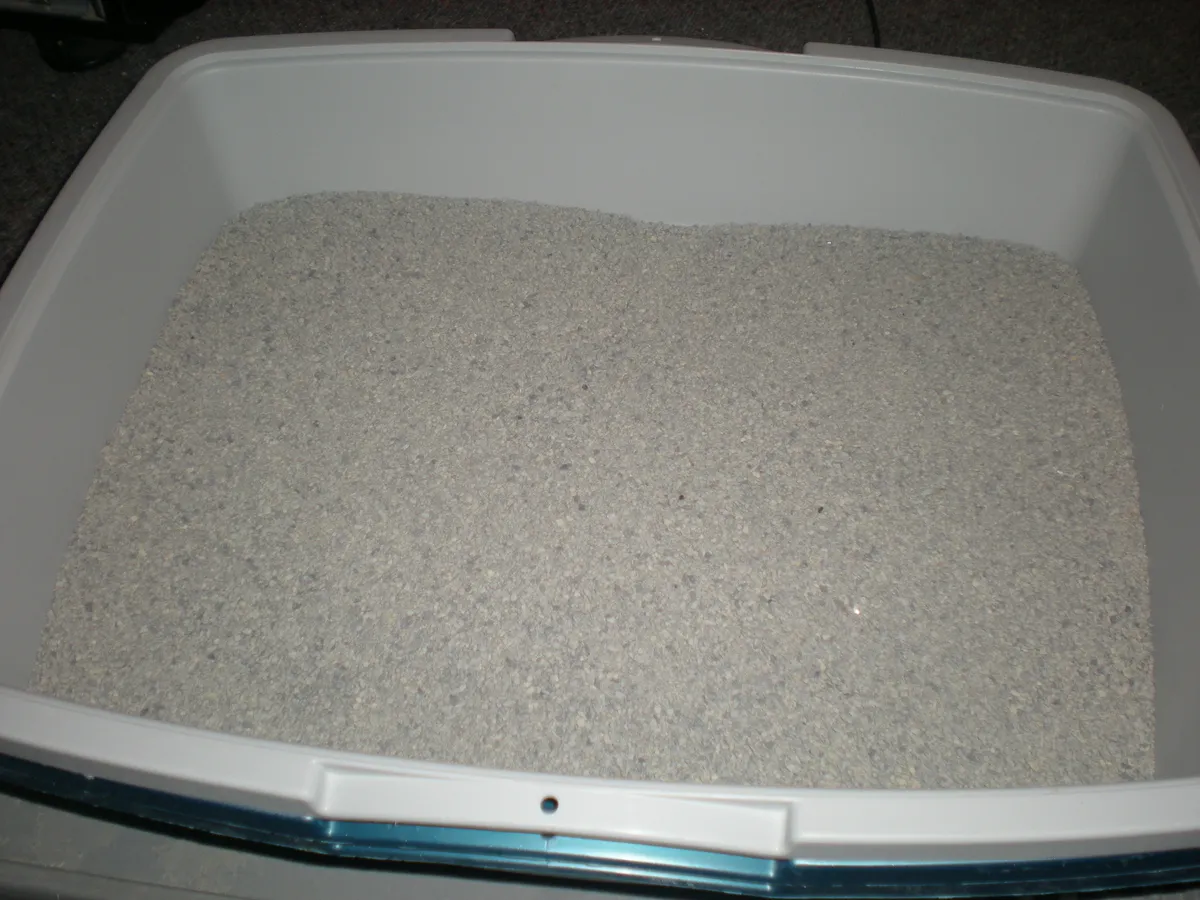
They also need space and power. A globe-style unit occupies a footprint around 60×70cm and needs clearance above, which rules out the bathroom cupboard where the old box lived. They need a mains socket nearby. And they need periodic deep cleaning — every four to six weeks the whole unit must be emptied and washed, which is a messier job than scooping and takes half an hour.
Running costs are the part people underestimate. Proprietary waste drawer liners cost $1-$2 each and last three to seven days with one cat. Add litter consumption, which is higher than a manual box because the mechanism removes some clean litter with each clump. Realistic ongoing cost is $15-$25 monthly, or $180-$300 a year — comparable to the purchase price over three years.
Will your cat actually use it
This is the risk that determines whether the purchase is money well spent or an expensive object in the garage. Cats are conservative about elimination, and a box that moves, makes noise, and smells of new plastic is a meaningful change. Most cats adapt within one to three weeks. A minority never do.
The transition that works: place the new unit next to the existing box, with the automation switched off and the old litter transferred in, for about a week. Let it be a normal box first. Then enable cycling, which most units delay by 7-15 minutes after the cat leaves. Only remove the old box once you have seen consistent use for several days.
Two red flags mean stop. A cat eliminating just outside the new box is telling you clearly that the box is unacceptable, and continuing will establish a habit that outlasts the appliance. And any cat that stops using a box entirely needs a vet visit rather than an equipment adjustment, because urinary blockage in male cats is an emergency and litter box avoidance is a common early sign.
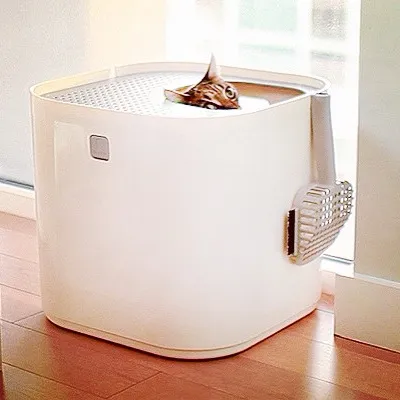
The multi-cat maths also deserves stating plainly. Standard veterinary guidance is one box per cat plus one, and an automatic unit does not repeal that. Two cats sharing one automated box is workable if the cycle time is short, but it removes redundancy: a jam or a full drawer means both cats have nowhere acceptable to go. Keep at least one manual box as backup. Our Litter-Robot 4 review covers exactly that scenario over six weeks with two cats.
Water fountains: the best value in pet tech
Cats evolved from desert animals and have a weak thirst drive, which is one reason chronic kidney and urinary disease is so common in domestic cats. Moving water encourages drinking, and a fountain reliably increases water intake for most cats.
Choose stainless steel or ceramic over plastic. Plastic surfaces develop micro-scratches that harbour bacteria, and there is a plausible association with feline chin acne. Steel and ceramic clean properly and last.
Check pump noise before buying, since a fountain that hums in a quiet flat gets unplugged. Check filter cost and availability, because that is the real ongoing expense at roughly $3-$5 monthly. And commit to cleaning it weekly — an unwashed fountain grows biofilm and becomes worse than a bowl. If weekly cleaning is unrealistic, two wide ceramic bowls refreshed daily are genuinely fine.
The low-tech options that outperform their price
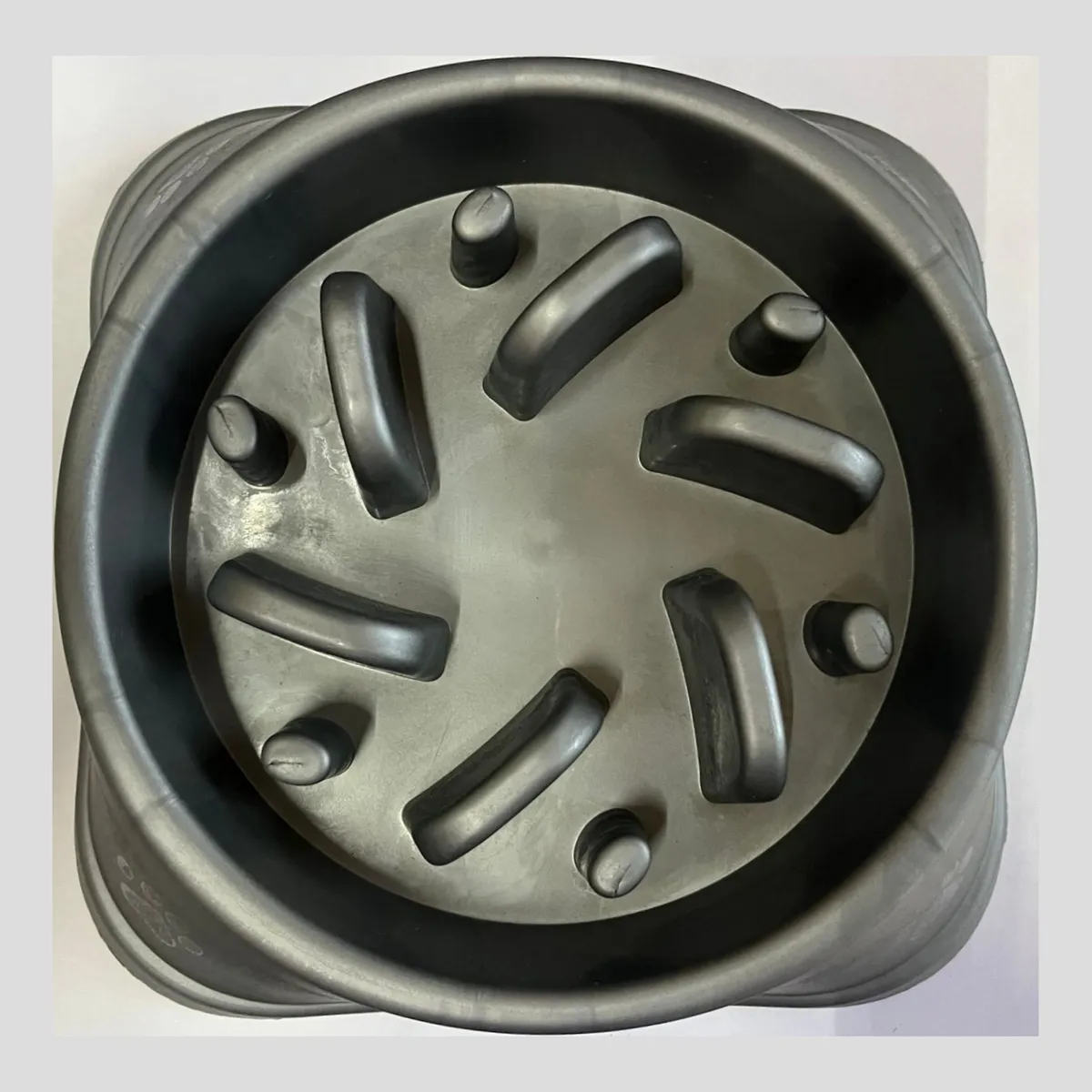
Slow feeder bowls, with moulded ridges that force an animal to work food out, cost $10-$20 and address two real problems: dogs that gulp and risk bloat, and pets that eat a portion in ninety seconds and then beg. They also provide mild enrichment, which matters more for indoor pets than most equipment does.
Food puzzles and treat balls do the same job with more engagement. For an indoor cat, feeding part of the daily ration from a puzzle rather than a bowl is a genuine welfare improvement for about $15.
A large litter box — larger than most sold as cat boxes — solves a surprising share of litter complaints. Cats prefer boxes about one and a half times their body length, and a plain storage tub with a cut entrance costs $12 and is bigger than almost any purpose-made box. Unglamorous, and it works.
When automation is the wrong answer
If your pet has a medical condition requiring monitored intake, automation removes the observation that matters. Noticing that a cat ate half its breakfast is often the first sign of illness, and a feeder that dispenses into an empty room removes that signal. Some feeders include cameras or weight sensors that partially restore it; most do not.
If you are away more than about 24 hours, no feeder is a substitute for a person. Water can spill, a pet can be shut in a room, a machine can jam, and none of these self-correct. Automation covers a late evening and a long workday; it does not cover a weekend.

And if the pet is anxious or newly adopted, hold off. A new animal is already recalibrating everything about its environment, and adding a machine that moves unpredictably makes settling harder. Establish normal routines first, automate later.
A short buying checklist
For feeders: battery backup that runs the motor, a locking lid, a minimum portion size appropriate to your animal, offline schedule operation, and dishwasher-safe parts that actually detach. Test for a week at home before depending on it.
For litter boxes: confirm the litter type required, measure the footprint including clearance, locate a socket, price the consumables for a year, and check the return window is long enough to cover a three-week acclimatisation. Keep a manual box.
For fountains: steel or ceramic, quiet pump, cheap and available filters, and an honest assessment of whether you will clean it weekly.
The general principle across all of it: automation should remove a chore, not remove your attention. The moment a device makes you notice your animal less, it has cost more than it saved.
More coupon shopping advice

Home Security Camera Buying Guide: Local vs. Cloud Storage
A practical, balanced buying guide to home security cameras that weighs local storage against cloud subscriptions, wired versus battery power, camera placement, night vision, smart detection accuracy, and smart home integration.

Beginner Mirrorless Camera Buying Guide
A practical, honest walkthrough of what actually matters when buying your first mirrorless camera, from sensor size and lens mounts to autofocus, video specs, and the real total cost of a beginner-friendly system.

Air Purifier Buying Guide: CADR, ACH, and Filter Costs Explained
A practical walkthrough of the numbers that actually matter when buying an air purifier — CADR and ACH for sizing, true HEPA versus marketing terms, real three-year filter costs, realistic noise levels, and when a purifier won't help at all.