
Automatic Pet Feeder Review: Six Weeks Including a Real Overnight-Away Test
A WiFi-connected automatic feeder solves a narrow but real problem — consistent portion control and schedule reliability — and delivered on that promise through a genuine overnight-away test.
- Portion accuracy stayed within 5-8% of target across six weeks
- Passed a real overnight-away test with independently verified feeding logs
- Battery backup keeps schedules running through power outages
- Up to six scheduled meals per day with independent portion sizes
- Onboard schedule keeps working even if the WiFi connection drops
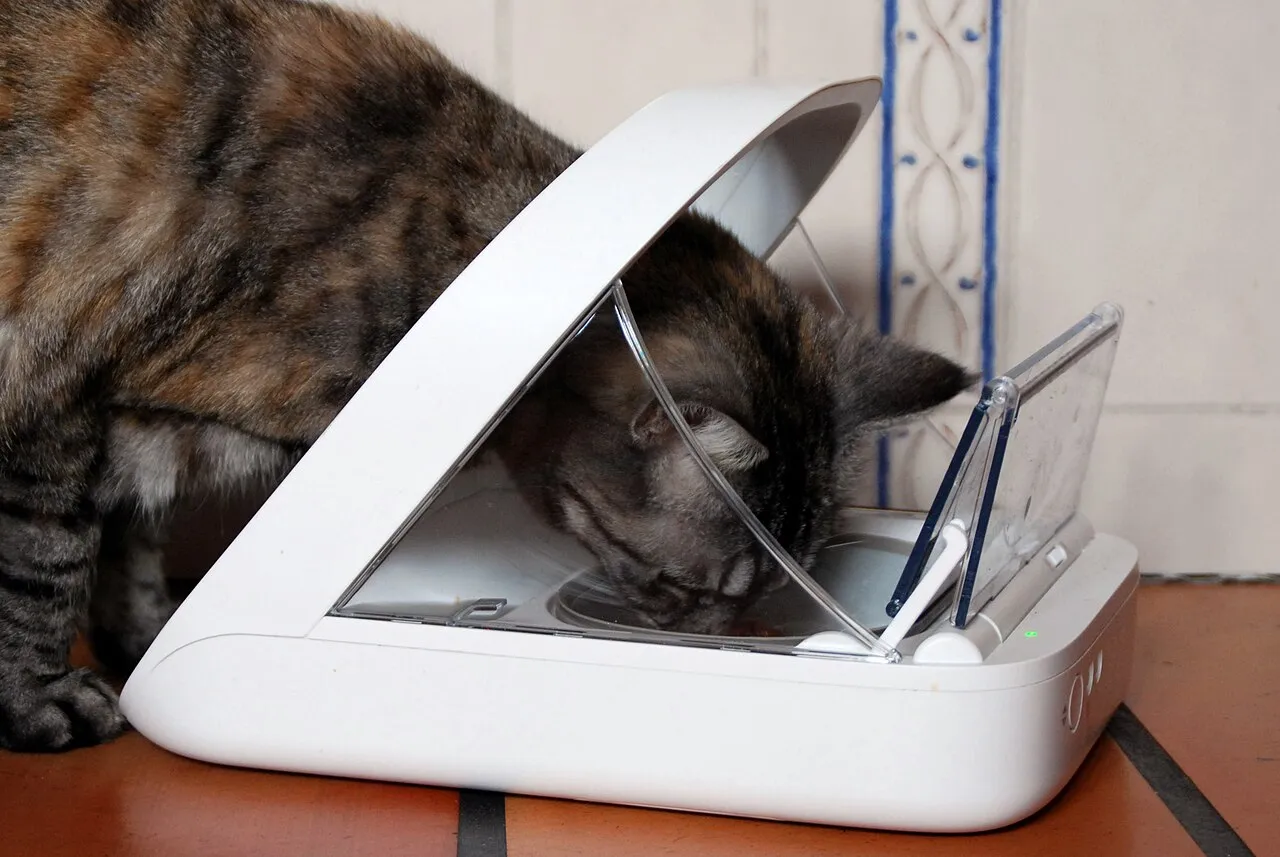
- No RFID gating, so multi-pet households can't restrict access by animal
- Dispensing motor noise startles skittish pets for the first week or so
- Built around dry kibble only, not suited to wet or semi-moist food
- Not a substitute for a pet sitter on anything longer than one night
- Hopper capacity burns through faster than marketed for larger pets
Automatic pet feeders promise to solve a specific anxiety: what happens to your pet''s feeding schedule when you''re stuck at work late, traveling, or just prone to forgetting the second meal. We installed a WiFi-connected automatic pet feeder in a two-cat household for six weeks — running it through scheduled meals, manual remote feeds, and one real overnight-away test — to see whether it actually holds up to a real feeding schedule or just adds another app to manage.
Setup and the WiFi pairing reality
Initial setup pairs the feeder to a home WiFi network through a companion app, and ours connected on the first attempt — not a guarantee, since smart-home WiFi pairing is a common failure point across categories, but worth noting when it goes smoothly. The app walked through portion size calibration relative to the specific dry food''s density, since kibble size and weight vary enough between brands that a fixed volume measurement alone would be inconsistent across different foods.
Portion accuracy over six weeks of daily use
We weighed the dispensed food against the app''s target portion size roughly twice a week throughout the test. Accuracy was consistently within about 5-8% of the target weight — close enough that neither cat''s weight shifted meaningfully over the six weeks, based on a kitchen scale check at the start and end of testing. The most common source of small inaccuracy was slightly larger or oddly-shaped kibble pieces occasionally causing a portion to round up rather than dispensing a partial piece, a minor and expected mechanical limitation rather than a real flaw.
Scheduling flexibility and multiple daily meals
The app allowed up to six scheduled feeding times per day with independent portion sizes for each, which comfortably covered our two-cat household''s actual routine of three meals plus a smaller evening portion. Changing the schedule remotely — useful on days our routine shifted unexpectedly — applied within about a minute of saving the change in the app, with no need to be on the same WiFi network to make adjustments.
The real overnight-away test
We left the feeder running unattended overnight with no one home, the actual use case that matters most for anyone considering this category of product. Both scheduled meals dispensed correctly and on time, confirmed via the app''s feeding history log and a camera we set up independently to verify, rather than trusting the feeder''s own self-reported log alone. WiFi connectivity held for the full period with no dropped connection, though we''d still recommend a trusted neighbor or pet sitter check in for anything longer than a single overnight, since a feeder failure with zero human backup is a real risk regardless of how reliable the device tested.
Notifications and remote monitoring
The app sent a push notification confirming each successful feed, along with a low-food-level warning when the hopper dropped below roughly 15% capacity — genuinely useful for planning a refill before a trip rather than discovering an empty hopper after the fact. A jam detection alert triggered once during testing when a larger kibble piece got lodged in the dispensing mechanism; the app flagged it within minutes, and clearing the jam took under a minute by hand.
Fast eaters and the slow-feeder tray option
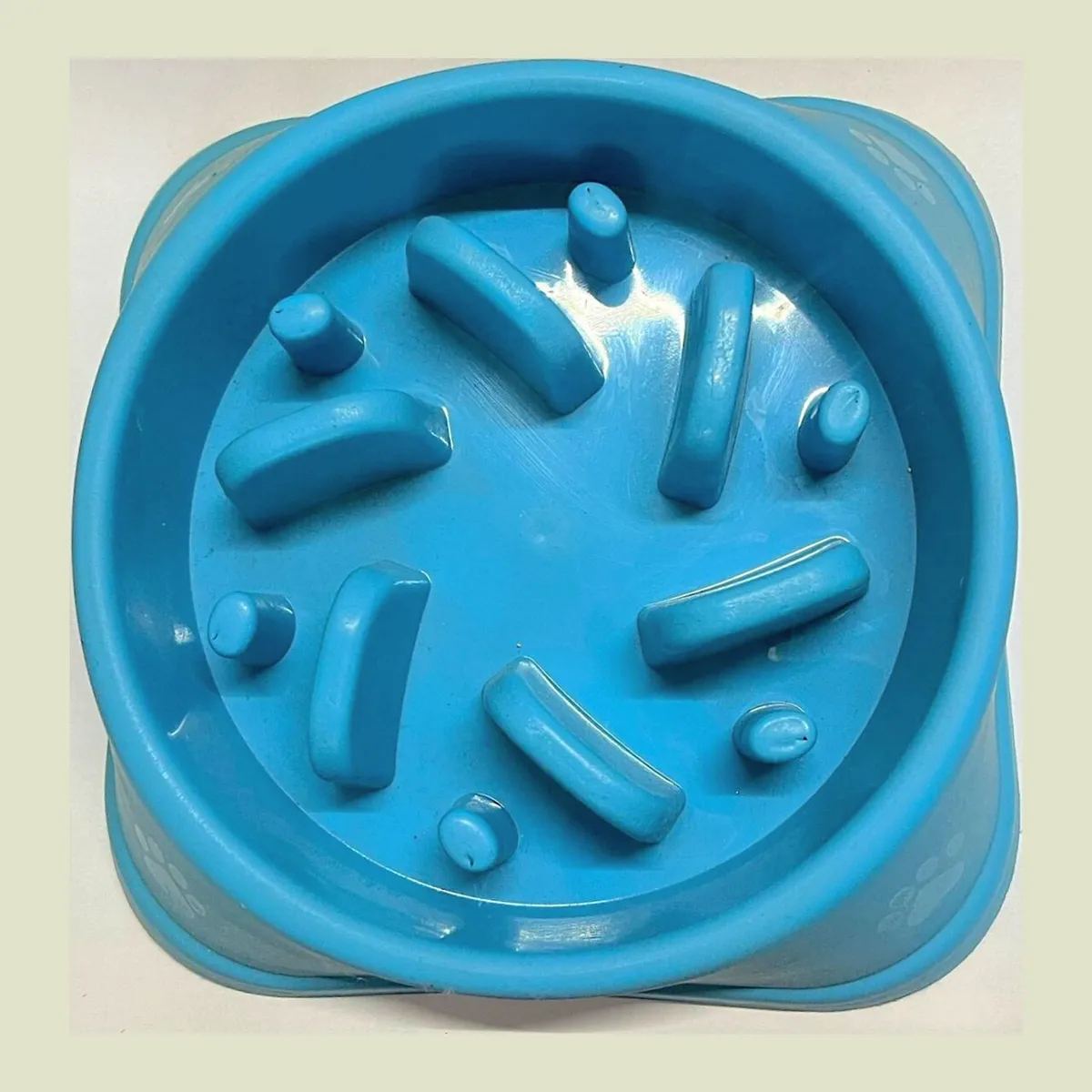
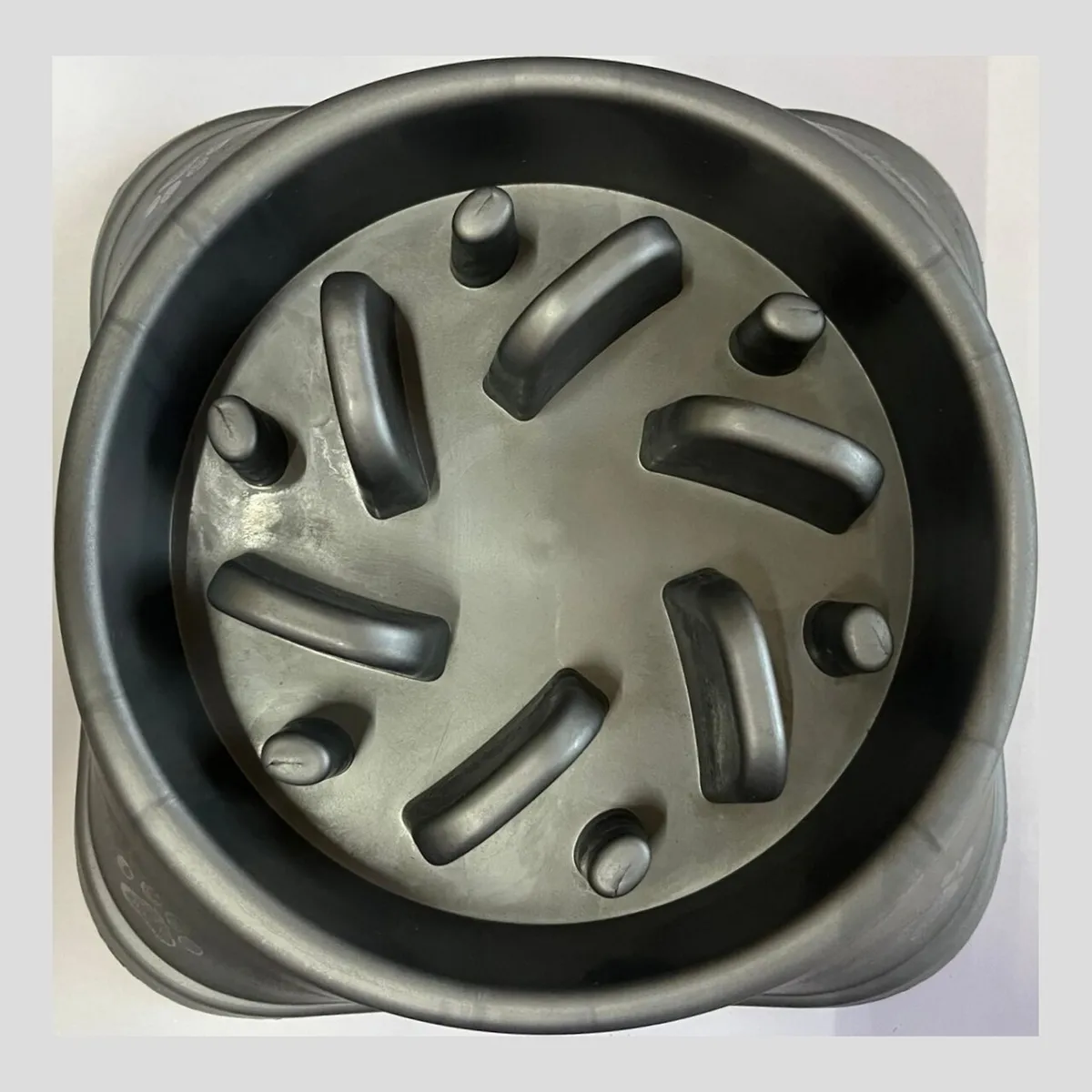
One of our two cats is a notoriously fast eater prone to eating too quickly and occasionally vomiting shortly after meals. Switching her portion onto a separate slow-feeder bowl with raised ridges — used alongside the automatic feeder''s scheduled dispensing rather than the feeder''s flat default tray — meaningfully slowed her eating pace and eliminated the post-meal vomiting issue over the following three weeks. This is worth calling out specifically because the automatic feeder''s own tray design does nothing to address fast eating on its own; pairing it with a dedicated slow-feeder bowl solved a problem the feeder alone didn''t.
Cleaning and long-term hygiene
The hopper and dispensing chute are dishwasher-safe (top rack only) once disassembled, which we did roughly every two weeks throughout testing. Dry kibble left minimal residue between cleanings, though we''d expect wet or semi-moist food to require far more frequent cleaning and likely isn''t well-suited to this style of gravity-and-auger dispensing mechanism at all — this feeder, like most in its category, is really built around dry kibble specifically.
Multi-pet households and the RFID collar tag option
Some automatic feeders in this category, including an RFID-enabled model we compared against briefly, can restrict access to a specific pet wearing a paired collar tag, opening the food tray only for that animal — a genuinely useful feature for multi-pet households where one animal steals another''s food or needs a restricted diet. Our unit lacked that RFID gating, meaning both cats had equal access to whichever bowl the feeder filled; for a single-diet household this was a non-issue, but anyone managing different diets or a food-stealing pet should specifically look for the RFID-gated version rather than a standard gravity feeder.
Battery backup for power outages
The unit accepts backup D batteries in addition to its main power cable, and we tested this by unplugging it mid-cycle: the scheduled feed still triggered correctly on battery power alone, a meaningful reliability feature for anyone in an area with occasional power outages who doesn''t want a schedule miss during exactly the kind of disruption that also might delay them getting home.
Noise level and startling skittish pets
The dispensing motor makes an audible whirring sound for a few seconds during each feed, loud enough that our more skittish cat initially bolted from the room the first two times it triggered unexpectedly. By the end of the first week, both cats had fully associated the sound with food arriving and no longer reacted at all — worth knowing that a brief adjustment period for noise-sensitive pets is normal and typically resolves quickly rather than indicating a problem with the unit.
App reliability and occasional connectivity hiccups
Over six weeks, the app lost connection to the feeder twice, both times resolved by power-cycling the unit, and both times the feeder''s own onboard schedule continued dispensing correctly on its internal clock despite the app losing contact — a reassuring fallback, since it means a temporary WiFi outage doesn''t actually stop meals from happening, only pauses your ability to remotely monitor or adjust them until connectivity returns.
Comparing to a simple gravity feeder
Against a basic non-electronic gravity feeder, the scheduled portion control is the entire value proposition — a gravity feeder keeps a bowl topped up continuously, which works fine for a naturally self-regulating eater but does nothing for a food-motivated pet prone to overeating. For our two cats, one of whom will eat continuously if food is available, the scheduled portion model was a meaningful improvement in weight management over the gravity feeder we''d used previously.
Sizing the hopper for your household
The hopper we tested held roughly two weeks of food for our two-cat household at their normal portions, which meant refilling became a predictable biweekly task rather than a frequent chore. Larger dogs eating bigger daily portions would burn through the same hopper capacity considerably faster, so household size and pet size both matter more than the marketed "capacity in cups" number suggests when estimating how often you''ll actually be refilling it.
Price versus manual scheduled feeding
Weighed against the cost of a pet sitter for regular short absences, the feeder pays for itself within a handful of trips, though it''s worth being clear-eyed that it solves a scheduling problem, not the broader care a sitter provides (fresh water checks, litter box attention, companionship). Treating it as a schedule-reliability tool rather than a full substitute for in-person pet care is the right mental model for what it''s actually good at.
Placement and finding the right spot
We relocated the feeder twice during testing before settling on a spot away from direct sunlight and household foot traffic, since an early placement near a window caused the hopper''s kibble to warm noticeably during afternoon sun — worth checking with a hand on the hopper after a few hours in a chosen spot before committing to it long-term.
Bottom line
An automatic pet feeder solves a narrow but real problem — consistent portion control and schedule reliability when you can''t be home — and after six weeks including a genuine overnight-away test, ours delivered on that core promise without a single missed or badly-timed feeding. It isn''t a substitute for a pet sitter on anything longer than an overnight, and multi-pet households with different dietary needs should specifically seek out an RFID-gated model rather than this style of shared-access feeder. For a single-diet household managing a consistent schedule, it removed a genuine daily stress point from our routine.
Other products we tested

Ecobee Smart Thermostat Premium Review: Two Months of Real HVAC Testing
We installed the Ecobee Smart Thermostat Premium without a C-wire, tracked its temperature accuracy against a separate thermometer, and measured real energy savings over two months of daily HVAC use.
Bose SoundLink Flex Review: Six Weeks of Hiking, Kayaking, and Beach Days
Six weeks of camping, kayaking, and beach trips show the Bose SoundLink Flex's IP67 rating and PositionIQ orientation sensing are genuinely useful, with honest limits on bass and max volume.

Coros Pace 3 Review: Six Weeks Testing the GPS Watch That Barely Needs Charging
A dual-frequency GPS running watch that trades AMOLED shine for weeks of battery life at a fraction of the price of flagship rivals.