
Instant Camera Buying Guide: The Film Costs More Than the Camera
Cost per shot, film system differences, the camera features that actually matter, and why a phone printer may be the honest answer.
Instant cameras are the only camera category where the running cost dwarfs the hardware. A camera might be $120; a year of casual shooting can easily be $200 of film. Anyone comparing instant cameras on body price is comparing the wrong number, and the film format you commit to at purchase determines your cost per photograph for as long as you own the thing.
This guide starts with that arithmetic, then covers what the different film systems actually do, which camera features matter for the way instant film behaves, and the handling habits that decide whether your photographs come out or come out grey.
The quick answer
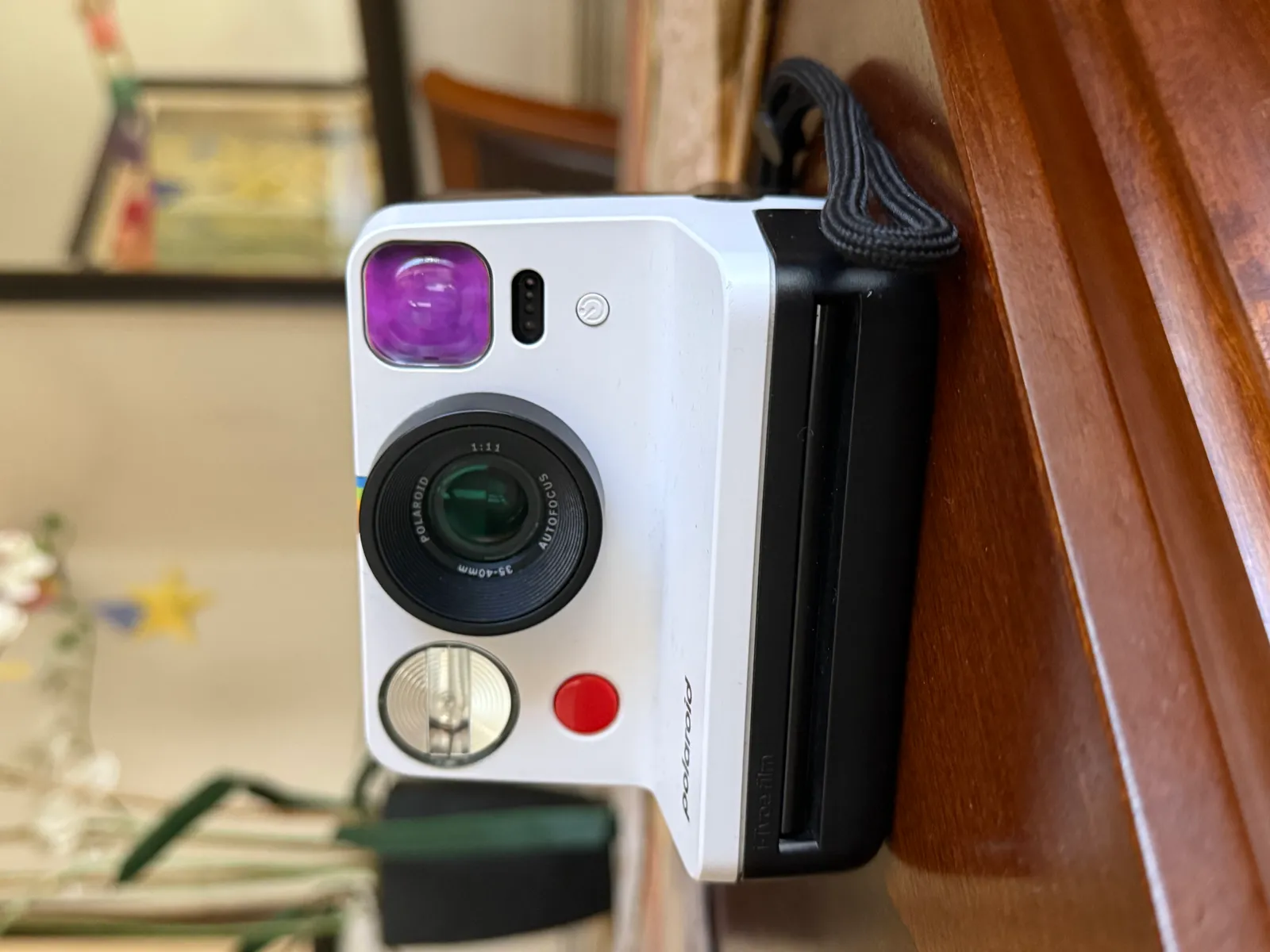
If you want the large square print with the wide white border and the soft, unpredictable look, that is the Polaroid-format system. Film runs roughly $2 per shot. Cameras $100-$150.
If you want the cheapest instant photographs and a sharper, more consistent result, the smaller Instax Mini format costs roughly $0.70-$0.90 per shot. Cameras $70-$130. The prints are credit-card sized, which is smaller than most people expect.
If you want prints from your phone rather than a separate camera, a pocket instant printer using Instax or Zink paper costs $100-$160 and lets you choose which images to print — which for most people is the honest answer, since the main frustration with instant film is spending $2 on a photograph you did not want.
If you want a camera to document things reliably, buy a digital camera. Instant film is not a documentation tool and is not trying to be.
Cost per shot, worked out properly
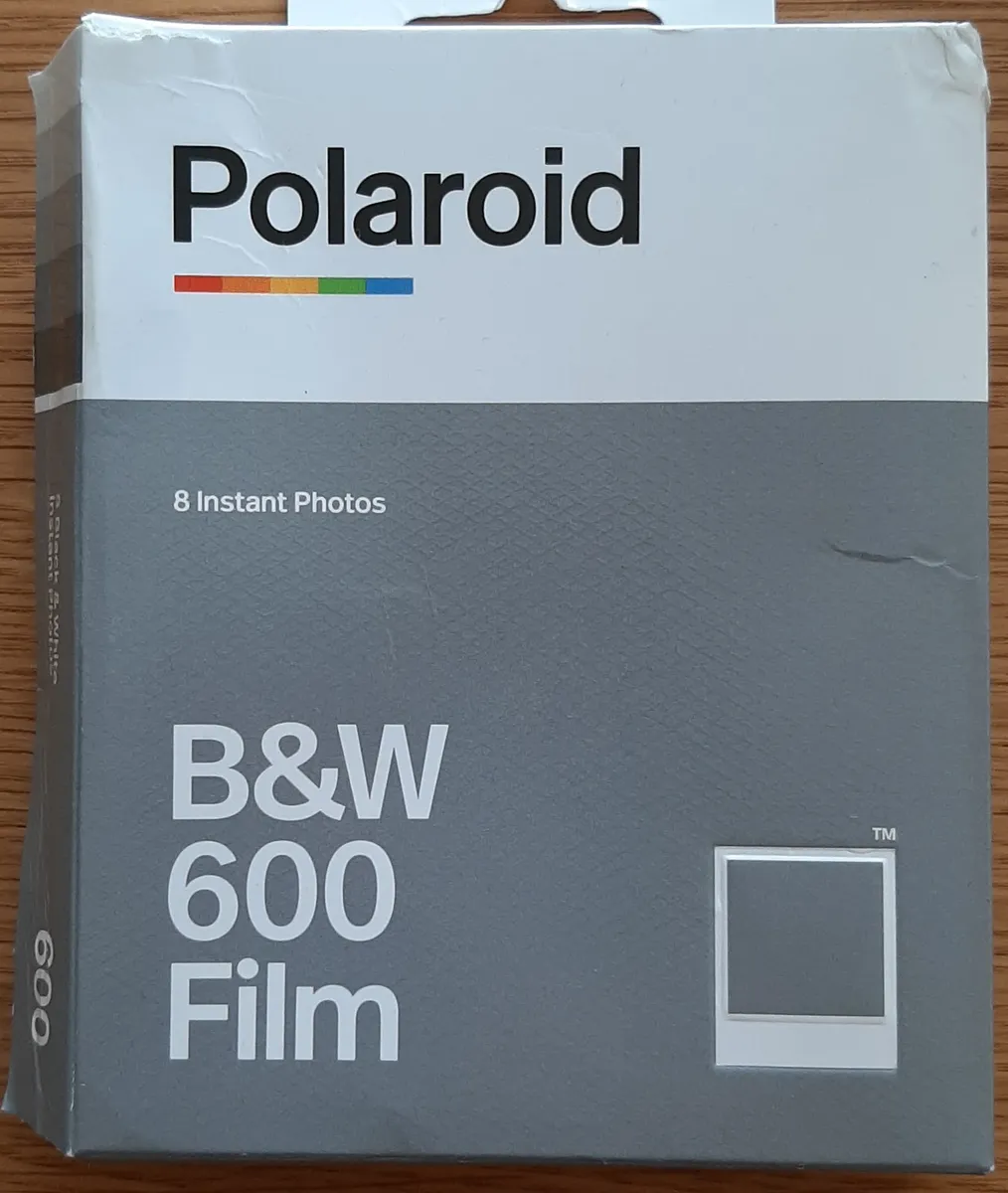
Instant film is sold in packs, usually eight or ten exposures, and the per-pack price falls modestly with bulk. Polaroid-format film lands around $17-$20 for eight, which is $2.10-$2.50 per photograph. Instax Mini runs about $14-$18 for twenty, or $0.70-$0.90 each. Instax Wide and Square sit between the two, roughly $1.10-$1.50.
Now apply a realistic keeper rate. Instant film has no second chance and no editing, and beginners discard or regret perhaps a third of their shots. At $2.20 per frame with a two-thirds keeper rate, each photograph you actually like costs $3.30. Shooting two packs a month for a year is around $400.
That number is not an argument against the format. It is an argument for choosing the format deliberately: someone who will shoot a hundred frames a year is well served by the more expensive, more characterful system, and someone who will shoot four hundred should look hard at the cheaper one.
The film systems, and how they differ in practice
Polaroid-format integral film produces a roughly 79×79mm image on a 88×107mm frame — the classic white-bordered square. Its character comes partly from limitations: relatively low ISO sensitivity, wide exposure latitude in the highlights and very little in the shadows, and colours that shift with temperature. Development takes 10-15 minutes and the image must be kept dark while it develops, which is why modern packs include a shield and why the old habit of shaking a print is actively harmful.
Instax film uses a peel-free integral process with higher effective sensitivity, finer grain, and much more consistent colour. It develops in about 90 seconds and does not need shielding. The result is sharper and cleaner, and less distinctive — which is a preference rather than a verdict.
Zink, the zero-ink thermal paper used in the smallest printers, is not film at all. Heat activates dye crystals in the paper, which means no chemistry, no development, and a durable, water-resistant print about the size of a business card. Image quality is the weakest of the three, with visible banding in gradients, and the cost is the lowest at roughly $0.35-$0.50 per print.
One practical note that catches people out: film formats are not interchangeable between camera bodies, and there is no adapter. The format you buy the camera for is the format you are in.
Camera features that actually matter
Flash control is first, and it is the difference between usable and frustrating. Instant film has low sensitivity, so most cameras fire the flash by default in anything less than bright daylight. Indoors this produces the harsh, bleached-foreground look people associate with cheap instant photos. A camera that lets you disable the flash, and that has a wide enough aperture to shoot without it, produces dramatically better indoor results.
Exposure compensation is second. A lighten/darken control lets you correct the metering, which is otherwise a simple averaging system easily fooled by a bright window or a dark jacket. On cameras without it, the workaround is choosing your background, which is a real constraint.
Minimum focus distance is third, and it is the specification behind most disappointing portraits. Many instant cameras cannot focus closer than 60cm, some not closer than a metre. If you want head-and-shoulders portraits, check this figure, and look for a camera with a close-up mode or a supplementary lens.
Then two smaller items. A self-timer, because instant photography is social and the photographer being absent from every frame is a real loss. And a battery that is rechargeable over USB rather than requiring AA cells or, worse, a battery integrated into the film pack, which means a dead pack is a dead camera.
Our Polaroid Now+ review covers a body at the more featureful end of the Polaroid-format market, including how much the app-controlled exposure modes actually add.
Handling film so it comes out
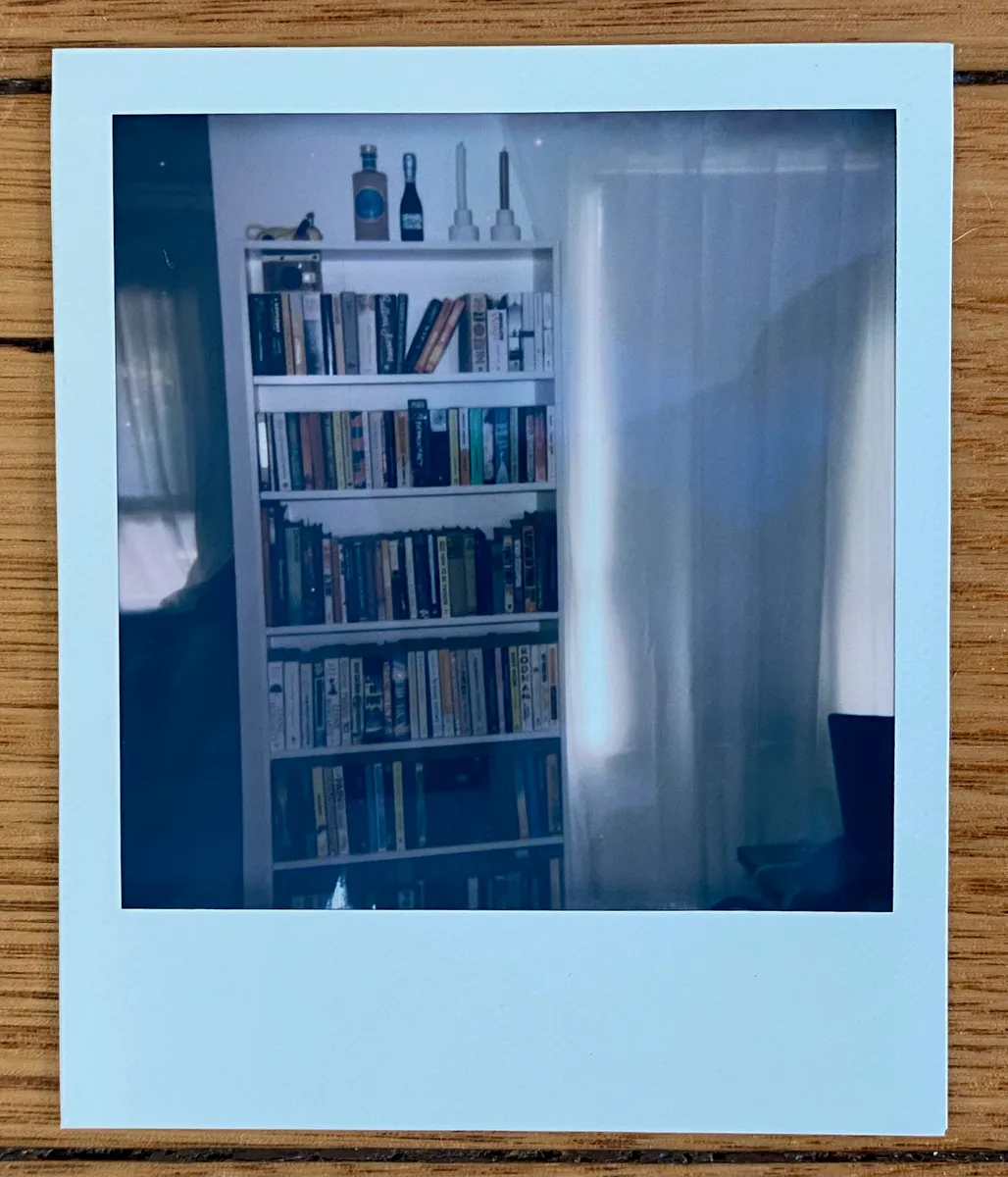
Temperature is the biggest single variable and the least advertised. Instant film develops chemically, and the reaction is temperature-dependent. Below about 13°C, prints come out with a blue-green cast and low contrast. Above about 28°C they go warm, flat, and sometimes streaky. The stated ideal is roughly 13-28°C, and the practical trick in cold weather is developing the print inside a coat pocket.
Light during development matters for Polaroid-format film specifically. The chemistry is light-sensitive for the first minute or so, and exposing the print to bright light in that window bleaches it. Modern cameras eject the print under a shield; if yours does not, put the print face-down immediately.
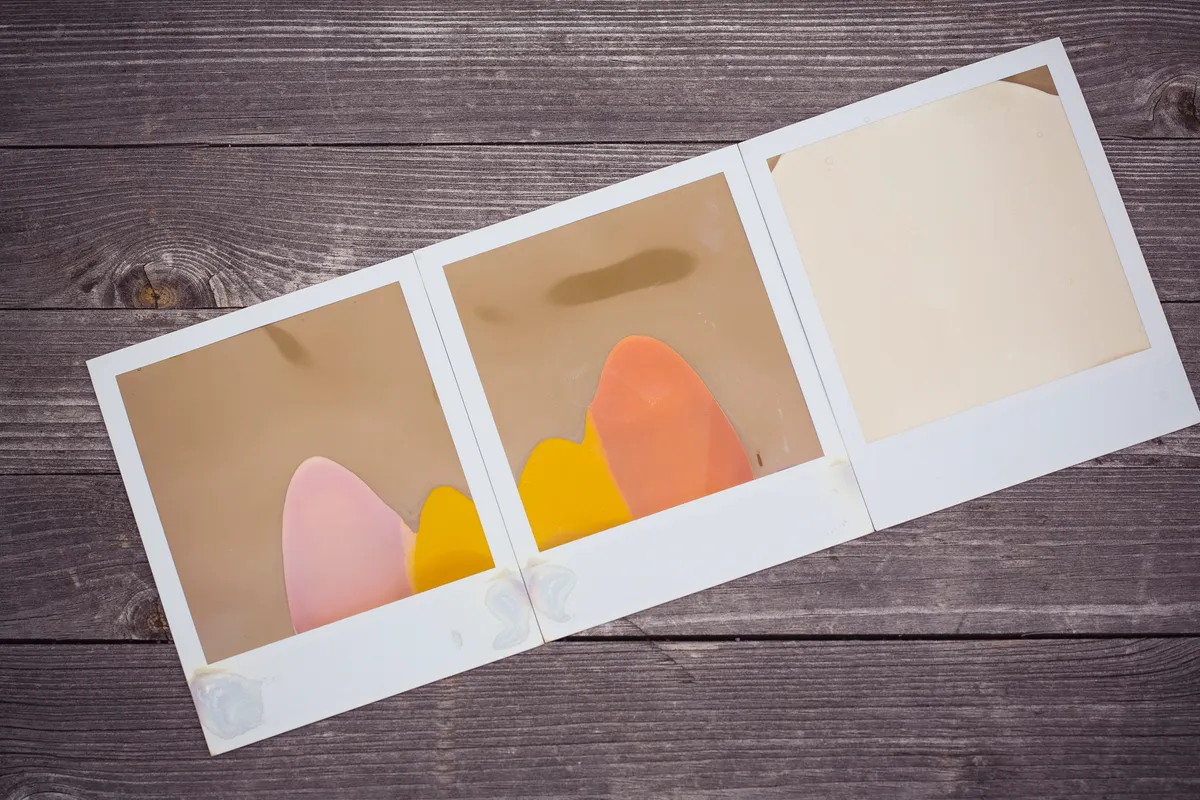
Do not shake the print. The instruction to shake comes from a much older peel-apart process and does nothing useful on modern integral film; on a still-developing print it can cause blotches where the chemical layer separates unevenly.
Store unopened film in a refrigerator, not a freezer, and let it come to room temperature for an hour before use. Film is chemically active and degrades over months at room temperature, faster in heat. Check the expiry date when buying, particularly from third-party sellers, since expired instant film shows immediately in shifted colour and dead spots.
Shooting habits that improve the hit rate
Put light behind you and on your subject. Instant film's narrow shadow latitude means backlit subjects go to solid black, with no recovery possible. This is the single most common reason a photograph fails.
Get closer than feels natural, but not closer than the minimum focus distance. Instant prints are small and a subject filling a third of the frame reads as a distant speck at print size.
Shoot in the middle of the exposure range rather than at the edges. Bright overcast daylight is close to ideal: enough light, no harsh shadows, no flash needed.
And decide before you press the button. The discipline instant film imposes — one frame, $2, no retakes — is the actual appeal for a lot of people, and it works better when treated as a feature.
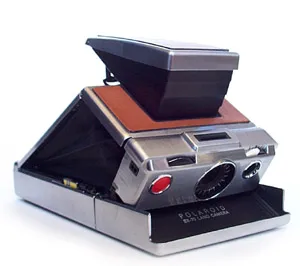
Vintage bodies: appealing and risky
Older folding and box-format instant cameras are beautiful objects and often better made than current ones, with genuine glass optics and manual controls. Film for several classic formats is again in production, which makes them usable rather than decorative.
The risks are specific. Original battery types for some models are obsolete, requiring adapters. Rollers that spread the developing chemical get sticky with age and cause repeating streaks — cleanable, but you must know to check. Light seals perish, causing fogging. And electronic shutters from the 1970s and 1980s fail in ways nobody repairs cheaply.
If buying vintage, buy from a seller who has tested it with current film and shows a sample print. A camera sold "untested, for parts or display" almost always is.
Printers versus cameras
A pocket printer takes photographs from your phone and prints them on the same instant media. It removes the two biggest frustrations of instant photography — no preview and no second chance — while keeping the physical print, and it lets you print the same image twice for two people.
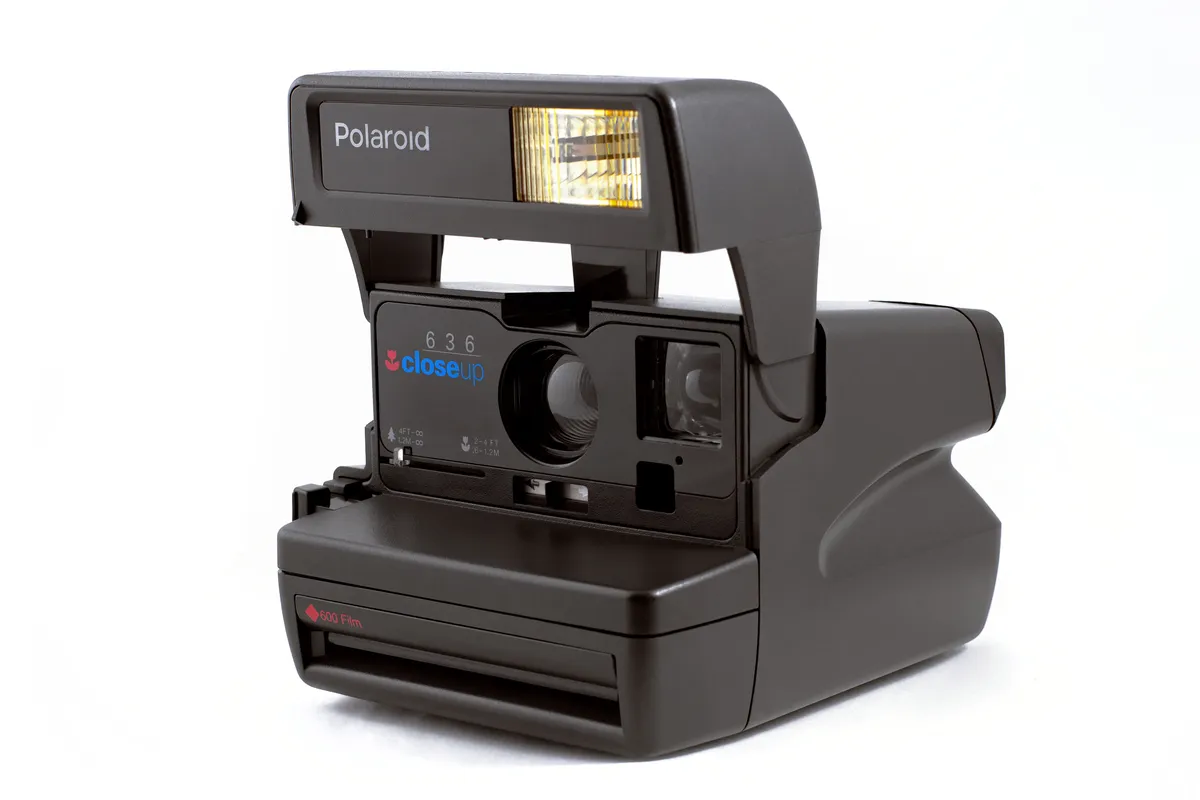
What it loses is the thing enthusiasts actually value: the commitment of the single frame, and the specific optical character of a plastic lens on low-sensitivity film. A printed phone photograph on instant film looks like a phone photograph, because it is one.
For a party, a wedding table, or a scrapbook, the printer is the more practical purchase and wastes far less film. For someone who wants the process rather than the output, it misses the point entirely. Being clear about which of those you are is the whole decision, and it is worth being honest before spending $150 and then $400 a year on film for a habit you may not have.
More coupon shopping advice

Home Security Camera Buying Guide: Local vs. Cloud Storage
A practical, balanced buying guide to home security cameras that weighs local storage against cloud subscriptions, wired versus battery power, camera placement, night vision, smart detection accuracy, and smart home integration.

Beginner Mirrorless Camera Buying Guide
A practical, honest walkthrough of what actually matters when buying your first mirrorless camera, from sensor size and lens mounts to autofocus, video specs, and the real total cost of a beginner-friendly system.

Air Purifier Buying Guide: CADR, ACH, and Filter Costs Explained
A practical walkthrough of the numbers that actually matter when buying an air purifier — CADR and ACH for sizing, true HEPA versus marketing terms, real three-year filter costs, realistic noise levels, and when a purifier won't help at all.