
Polaroid Now+ Review
Five weeks and twelve packs of film show the Polaroid Now+'s Bluetooth manual controls are a genuine upgrade over auto-only instant cameras, not just an app gimmick.
- Manual aperture, shutter, and focus controls are a real upgrade over auto-only instant cameras
- Remote shutter and self-timer via app make group shots far easier
- Double exposure mode produces genuinely creative results
- USB-C rechargeable battery lasts 10-12 film packs per charge
- Works fully in auto mode even without the app paired
- Solid, travel-durable build for a plastic instant camera
- Film costs roughly $1.75-2.25 per shot, expensive for casual use
- Companion app is functional but rough around the edges, with occasional Bluetooth drops
- No film included in most retail boxes
- Editing/remix features feel like an afterthought next to the camera controls
- Only marginal price gap over the base Now if you never touch manual mode
Instant film never really left, but it also never got easier to shoot well. The gap between "point the Polaroid at something and hope" and "actually get a photo you want to keep" has always been the format's biggest weakness, especially next to a phone camera that nails focus and exposure automatically. The Polaroid Now+ is Polaroid's answer to that gap: the classic square-format instant experience, but with a Bluetooth connection to a companion app that hands you manual control over aperture, shutter speed, double exposure, and a self-timer. We shot twelve packs of film over five weeks, split between i-Type and 600 film, indoors and out, at parties and on solo walks, to see whether the "+" actually earns its keep over the cheaper base Now, or whether it is a subscription-app gimmick bolted onto a camera that was already fun.
First impressions and what's in the box
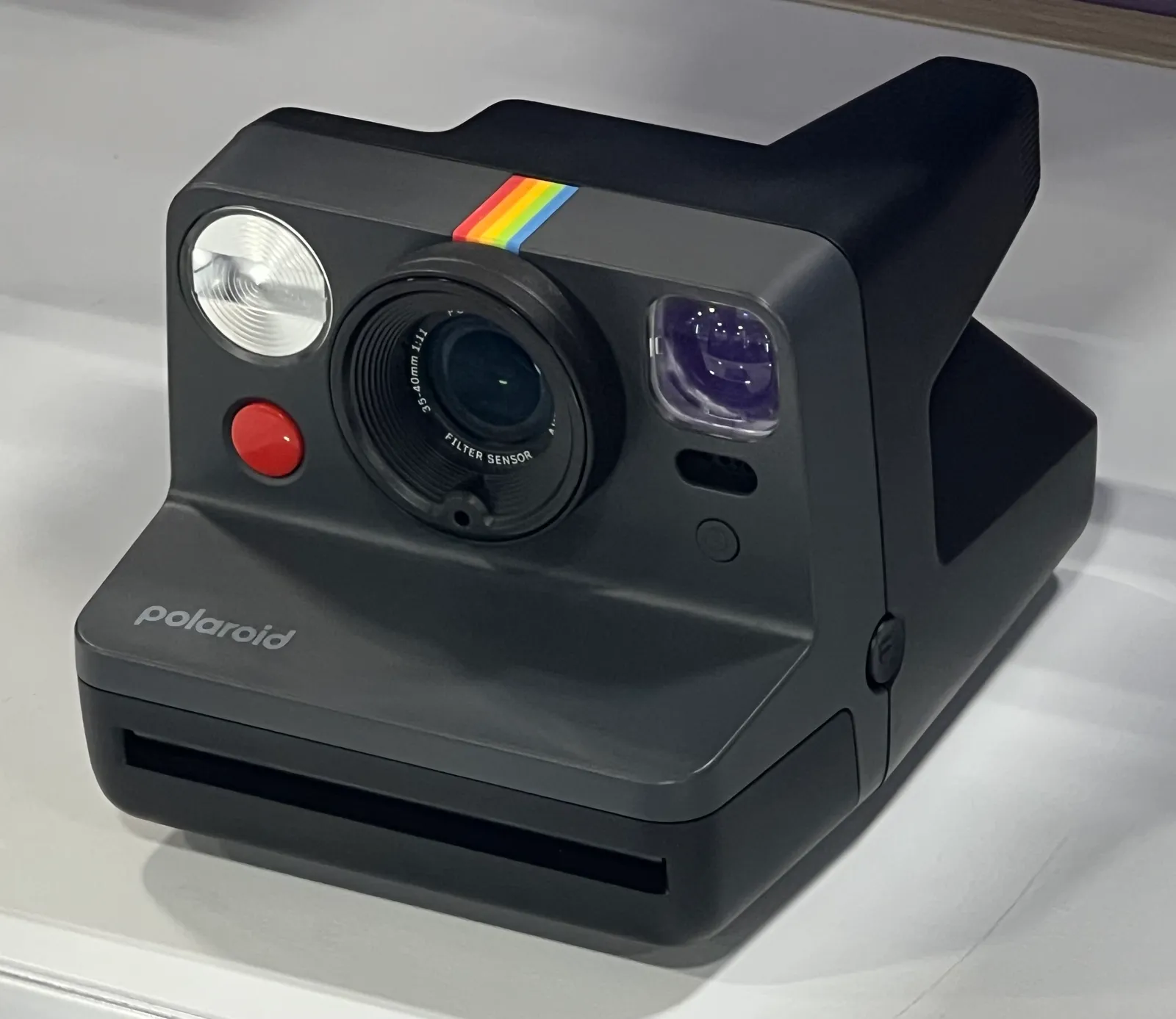
The Now+ ships in Polaroid's usual bright, minimal packaging: the camera body, a strap, a lens cap that doubles as storage for the strap clip, and a quick-start card that mostly says "download the app." There's no film included in the base box in most retail bundles, which caught us off guard the first time we unwrapped one as a gift for a friend — budget an extra $18-20 for an 8-shot pack of i-Type film if you want to shoot the same day. The camera itself is plastic but doesn't feel cheap; it has real heft, a satisfyingly clicky shutter button, and the same folding design as the standard Now, so it collapses flat-ish for a bag or drawer when not in use.
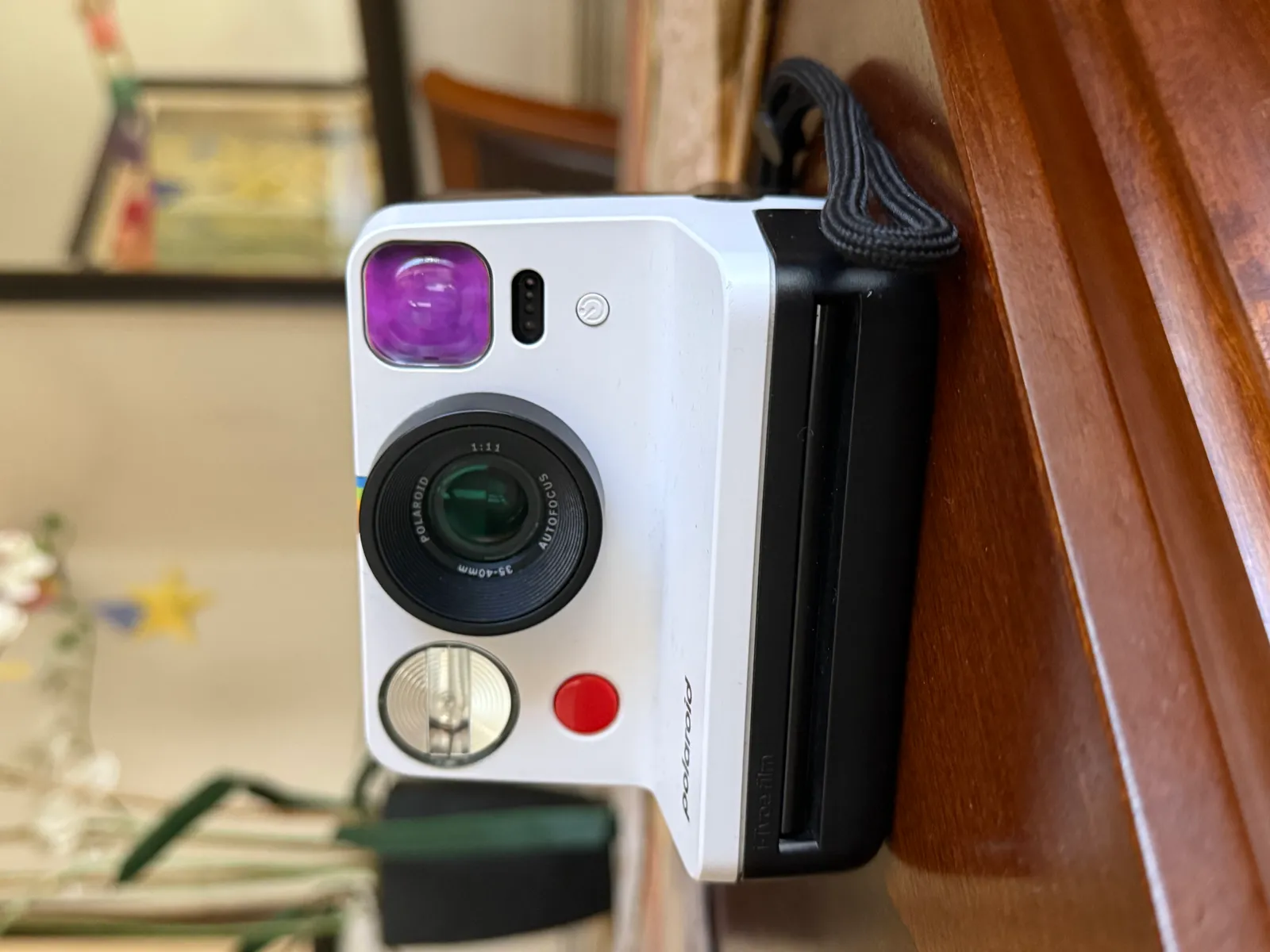
Setup took about ten minutes: pairing over Bluetooth to the free Polaroid app, updating firmware, and running through the app's brief tutorial on the manual controls. The camera works completely fine without the app too — point-and-shoot mode uses the same auto-exposure system as the base Now, so you're never locked out of quick snapshots. But the app is genuinely the reason to pick the Now+ over the cheaper model, so we spent most of our testing time inside it.
The manual controls, in practice
Once paired, the app surfaces a real exposure triangle: aperture from f/8 to f/64, shutter speeds from 1/250 down to a very long 10-second bulb-style exposure, and manual focus zones (close-up, standard, distant). None of this is class-leading compared to a real mirrorless camera, but for an instant camera it's a genuine leap. We used the aperture control to shoot a portrait with a blurred-out background at a backyard barbecue, something the auto-exposure Now simply cannot attempt, and the long-exposure mode to capture light trails from passing cars on a bridge at night — both shots came out properly exposed on the first try once we'd dialed in settings using the app's live histogram-style brightness guide.
The self-timer and remote shutter were the features that got used the most day to day, not the exposure controls. Being able to set the camera on a shelf, frame a group shot, and trigger the shutter from a phone six feet away turned "someone always has to hold the camera" group photos into something everyone could actually be in. Double exposure mode — shooting two frames onto a single piece of film — produced some genuinely striking ghost-image results once we understood to keep one frame darker than the other, though it took four wasted shots of expensive film to learn that lesson.
Five weeks of actual shooting
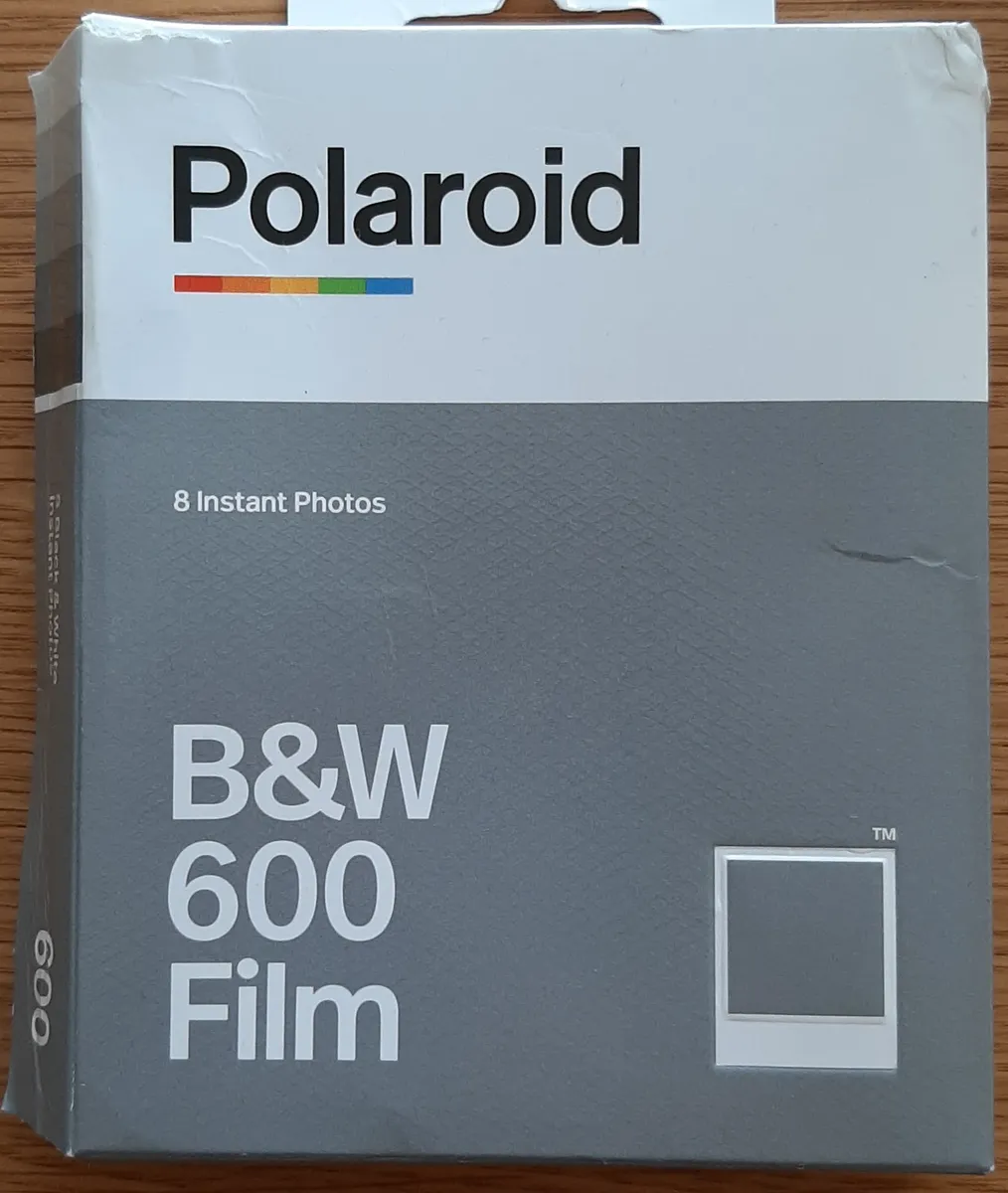
We tracked every shot across the test period: 96 exposures across twelve 8-packs of film, split roughly 60/40 between color i-Type and Polaroid's black-and-white stock. Keeper rate — meaning a shot we'd actually want to keep or give away, not blown-out or badly focused — landed around 70% once we'd learned the camera's quirks, up from maybe 40% in the first two packs while we were still shooting mostly on auto. That's the real story of the Now+: it doesn't make instant film cheap or forgiving, but it gives you enough control to correct for the situations where the fully-automatic Now would guess wrong, like backlit scenes, very dim rooms, or intentional artistic effects.
The classic instant-film problems are all still here and worth setting expectations around before you buy. Color shots in low light shift heavily warm or muddy. The film itself needs 10-15 minutes fully shielded from light to develop properly — leaving it face-up on a sunny table, which is everyone's first instinct, ruins the exposure. And at roughly $1.75-$2.25 per shot depending on film type and where you buy it, this is an expensive way to take photos compared to literally any digital option. We treated it the way most owners eventually do: saved for moments worth the cost — a birthday, a first day of school, a trip — rather than everyday snapshots.
Battery, durability, and the app itself
The Now+ charges over USB-C, which is a small but meaningful upgrade over older Polaroid cameras that used micro-USB or, worse, weren't rechargeable at all. Polaroid rates the battery for around 15 packs of film per charge; our real-world use, with the app connected and Bluetooth active for most sessions, got us closer to 10-12 packs before needing a top-up, which lines up with keeping Bluetooth radios on being a bigger battery drain than the flash or motor. A full charge from empty took just under two hours.
Durability held up fine across five weeks of being tossed in a tote bag and a backpack — no cracks, no loose hinges on the fold-out design, and the lens cover survived a drop onto a tile floor from about waist height without damage, though we wouldn't push our luck twice. The app itself is where the rough edges show. It's functional but not polished: menus sometimes require an extra tap to register, the Bluetooth connection dropped and needed re-pairing twice during testing, and the built-in "remix" filters and photo-editing tools (for editing digital copies of your scanned instant photos) feel like an afterthought bolted onto the camera-control features, which are clearly where Polaroid's actual engineering effort went.
How it compares to the standard Polaroid Now
If you've used or considered the base Polaroid Now, the physical camera is nearly identical — same lens, same flash, same film compatibility, same auto-exposure fallback mode. The entire value proposition of the "+" is the Bluetooth app and its manual controls, plus a slightly upgraded battery. At a roughly $20-30 street price difference, we think it's worth it for anyone who wants more than snapshot mode, but if you know you'll only ever shoot on full auto and never open a companion app, the standard Now saves you money for an identical shooting experience day to day.
Compared to Fujifilm's Instax Mini and Square lines, the Now+ sits at a different price point for film (Instax is noticeably cheaper per shot) but offers a much larger image size with the classic Polaroid white-bordered look that a lot of buyers are specifically chasing for the nostalgia factor. If image size and that specific aesthetic matter to you, film cost differences become secondary.
Who should buy this
The Now+ makes the most sense for people who already like the idea of instant film but have been frustrated by how much of a lottery the results usually are. If you want to shoot deliberately — controlling depth of field, exposure length, or setting up group shots with a remote trigger — the manual mode genuinely changes what the camera can do, not just how it feels to use. It's also a strong gift camera: the sizing and setup are simple enough for a teenager or a non-photographer relative, and the auto mode means it's never intimidating even before anyone opens the app.
It's a worse fit if you mainly want a cheap, disposable-feeling party camera to pass around a room — the base Now or an Instax Mini will save you money for a nearly identical casual experience. It's also not the right tool if you're chasing perfect, consistent exposures every time; that's still not what instant film delivers, manual controls or not. Budget for film costs realistically before buying: a weekend trip shooting a couple of packs a day adds up fast at nearly $2 a frame.
The verdict
After five weeks and twelve packs of film, the Polaroid Now+ earned a permanent spot on our shelf rather than getting boxed back up after the review period, which is more than we can say for a lot of novelty cameras. The manual controls are a real, usable upgrade rather than a marketing checkbox, the build quality holds up to actual travel and daily handling, and the app — rough edges aside — does what it needs to do for pairing and shooting. It's still an expensive way to take photos, and it's still instant film with all of that format's inherent unpredictability, but the Now+ narrows the gap between "fun toy" and "camera you can actually direct" further than any other current instant camera we've tested at this price.
Other products we tested

Ecobee Smart Thermostat Premium Review: Two Months of Real HVAC Testing
We installed the Ecobee Smart Thermostat Premium without a C-wire, tracked its temperature accuracy against a separate thermometer, and measured real energy savings over two months of daily HVAC use.
Bose SoundLink Flex Review: Six Weeks of Hiking, Kayaking, and Beach Days
Six weeks of camping, kayaking, and beach trips show the Bose SoundLink Flex's IP67 rating and PositionIQ orientation sensing are genuinely useful, with honest limits on bass and max volume.
Coros Pace 3 Review: Six Weeks Testing the GPS Watch That Barely Needs Charging
A dual-frequency GPS running watch that trades AMOLED shine for weeks of battery life at a fraction of the price of flagship rivals.