
Coffee Maker Buying Guide: Espresso, Pour-Over, or Pods?
A practical framework for choosing between capsules, pour-over, and real espresso at home, including why the grinder matters more than the machine.
Most people who buy a home coffee setup buy it in the wrong order. They spend $600 on a machine, keep using pre-ground supermarket beans, and then spend the next two years quietly disappointed that the shots taste flat. The uncomfortable truth about home coffee is that the brewer is rarely the bottleneck. Grind consistency, dose accuracy, water, and bean freshness account for far more of the cup than the badge on the front panel.
This guide is for the person standing at that first decision point: pods, pour-over, or a real espresso machine. It is not a "best of" list. It is a framework for figuring out which of those three paths actually matches how you drink coffee on a Tuesday morning when you are late for work — because that is the morning that decides whether a machine gets used or ends up on a shelf.
The quick answer
If you drink one or two black coffees a day and value taste over speed, buy a pour-over setup and put 70% of your budget into a grinder. Total spend: $150-$250, and it will outperform a $400 espresso machine on flavour clarity.
If you drink milk drinks — lattes, flat whites, cappuccinos — and you want them to taste like a café, you need real espresso, which means a minimum realistic budget of $700-$900 for machine plus grinder. Anything meaningfully below that buys you a machine that makes a bitter, thin approximation.
If your household is three people who all want different drinks at different times, or if you genuinely will not spend 90 seconds on preparation, buy a capsule machine and stop feeling guilty about it. Consistency you actually use beats quality you skip.
Why the grinder matters more than the machine
Espresso is brewed in roughly 25-30 seconds under about 9 bars of pressure. In that window, water takes the path of least resistance. If your grind has a wide particle distribution — some boulders, a lot of fines — the water carves channels through the puck, over-extracting the fine particles and barely touching the coarse ones. The result is a shot that is simultaneously bitter and sour, and no amount of dialling in the machine fixes it.
Blade grinders do not grind; they chop. They produce exactly the wide distribution described above. A burr grinder crushes beans between two shaped surfaces at a set distance, so particle size is controlled by geometry rather than by how long you hold a button. That is the entire difference, and it is why a $140 entry-level burr grinder paired with a $200 machine consistently beats a $340 machine paired with pre-ground coffee.
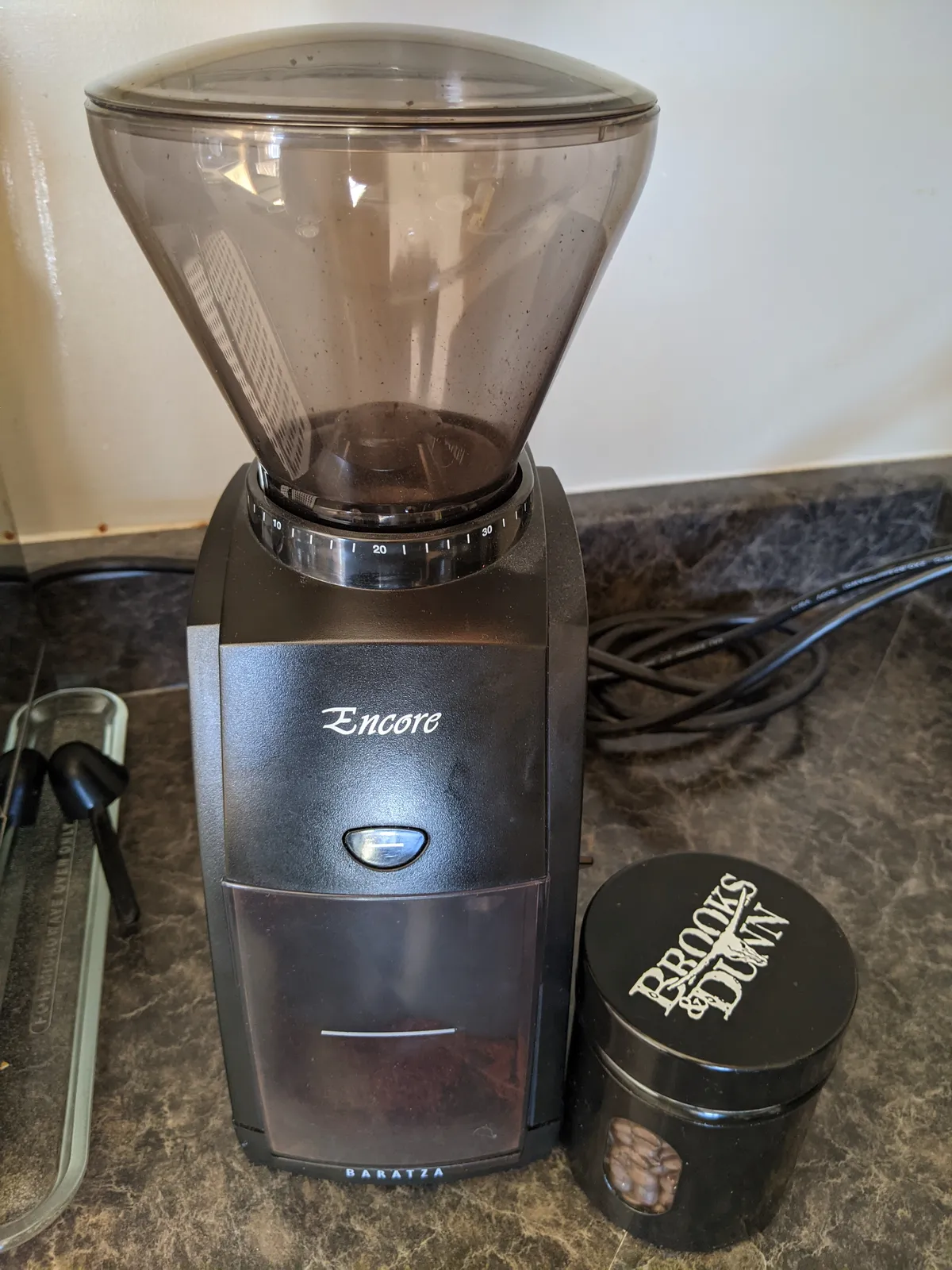
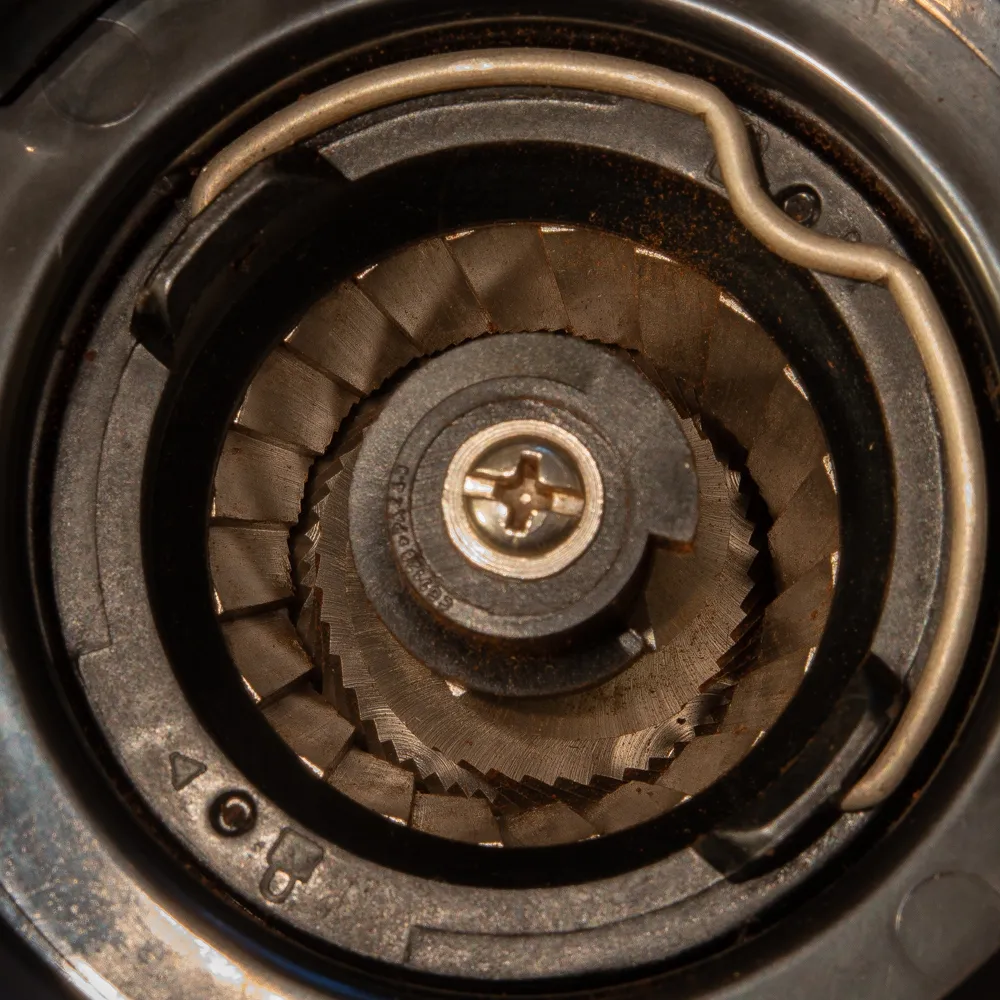
There is a second split inside burr grinders that matters if you are buying for espresso specifically: stepped versus stepless adjustment. Stepped grinders click between fixed positions. For filter coffee, where the acceptable grind window is wide, steps are fine. For espresso, the window between "gusher" and "choked" can be narrower than one click on a filter-oriented grinder, which means you will spend your life adjusting dose instead of grind. If espresso is the goal, buy a grinder marketed for espresso, or accept the compromise consciously.
A blunt budget rule that has held up well: for filter, put about half your total spend into the grinder. For espresso, put about 40% in — the machine has real work to do at that pressure, so it cannot be an afterthought.
Path one: capsules, honestly assessed
Capsule machines get sneered at, and the sneering is mostly about identity rather than engineering. What a capsule system actually sells is variance elimination. The dose is fixed at the factory, the grind was done under nitrogen and sealed, and the extraction profile is tuned to that specific capsule. You cannot make a bad cup, and you cannot make a great one.
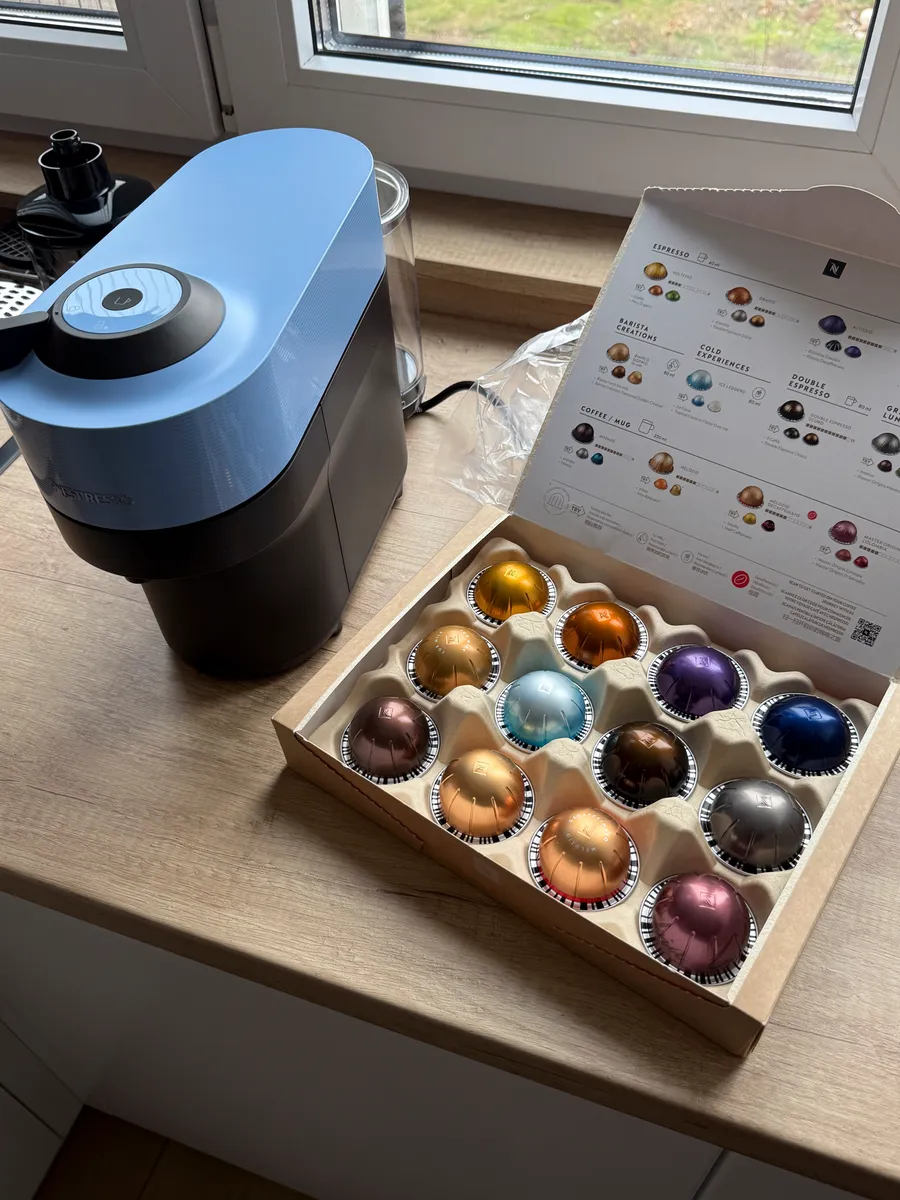
The number that should drive this decision is cost per cup, not machine price. Capsules typically run $0.70-$1.10 each. Whole beans at $18 for a 340g bag, at an 18g espresso dose, work out to roughly $0.95 per double shot — but that same bag makes about 20 pour-overs at 17g, so filter drops closer to $0.90 and rising quality does not raise the price much. At two cups a day, a capsule habit costs roughly $510-$800 a year. That is the real comparison: the machine is a rounding error against three years of consumables.
Capsules make sense when the drinker count is high and the drink preferences diverge, when kitchen counter space is genuinely scarce, or when the alternative is honestly not brewing at all and buying out instead. They stop making sense the moment one person is drinking three a day and starting to care about origin and roast date. If you are already reading about extraction, you have outgrown them. We covered one such machine in detail in our Nespresso Vertuo Pop review, including where the format's limits show up.
Path two: pour-over, the highest quality-per-dollar route
Pour-over is the only method where a $30 brewer genuinely competes with anything at any price. A cone, a paper filter, a gooseneck kettle, and a scale will produce a cup with more aromatic clarity than most home espresso setups, because filter brewing is forgiving: the extraction happens over three minutes at atmospheric pressure, so small errors get averaged out rather than amplified.
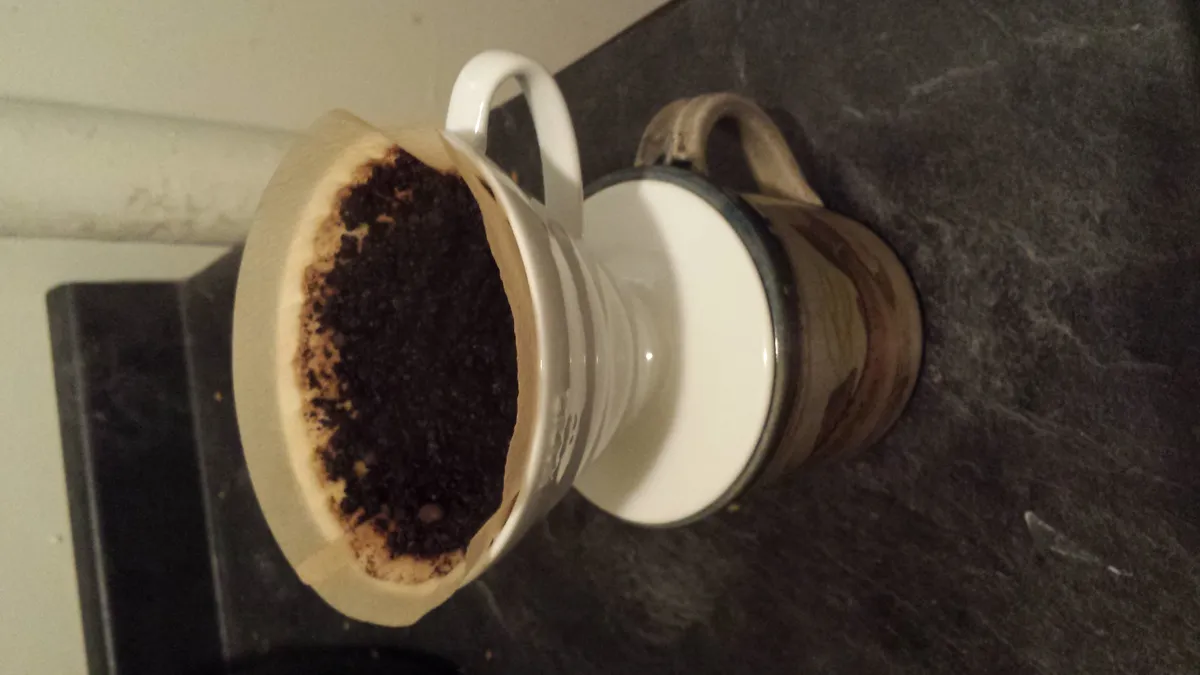
The three things that actually move the needle, in order: a 1:16 coffee-to-water ratio measured on a scale rather than eyeballed; water between 92°C and 96°C, which means off the boil for about 30 seconds; and a 30-second bloom with roughly twice the coffee weight in water before the main pour. Everything else — pour pattern, kettle brand, filter colour — is a distant fourth.
The honest downside is that pour-over is a two-hands-and-three-minutes process, and it makes one cup at a time. If your morning involves a small child or a 7:15 train, this is the method you will abandon in week three. Be realistic about that before buying. An automatic drip machine with an SCA certification is the sensible compromise — it hits the same water temperature and contact time, unattended, for four cups.
Path three: espresso, and what "budget espresso" really costs
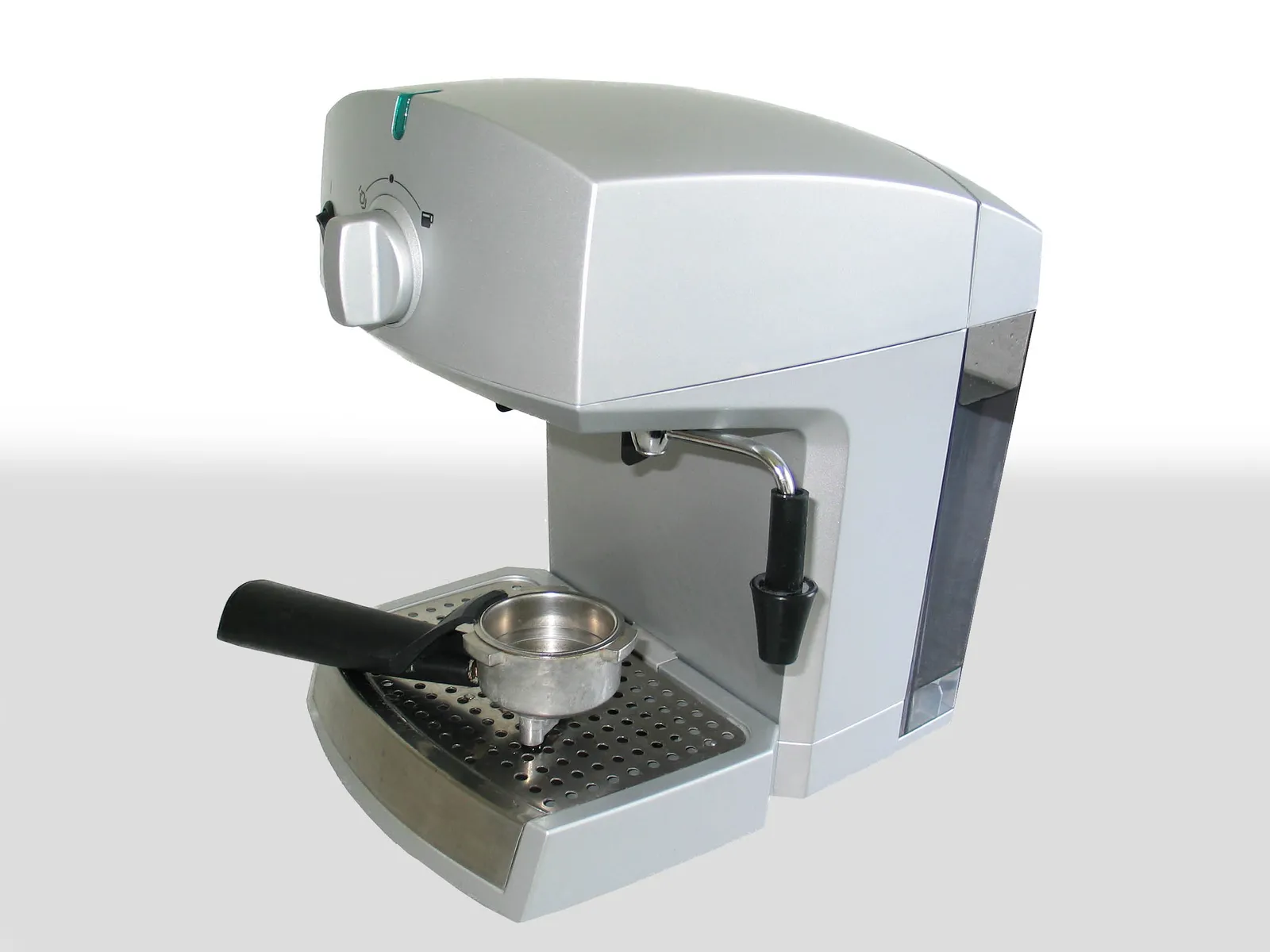
The espresso trap is that the entry price looks reachable. A $250 machine with a pressurised portafilter is marketed as an espresso machine, and it does produce a dark liquid with foam on top. But a pressurised basket creates crema artificially by forcing coffee through a small hole rather than through a properly compacted, correctly ground puck. It masks bad grind — which is the point, and also the problem: it caps your ceiling permanently.
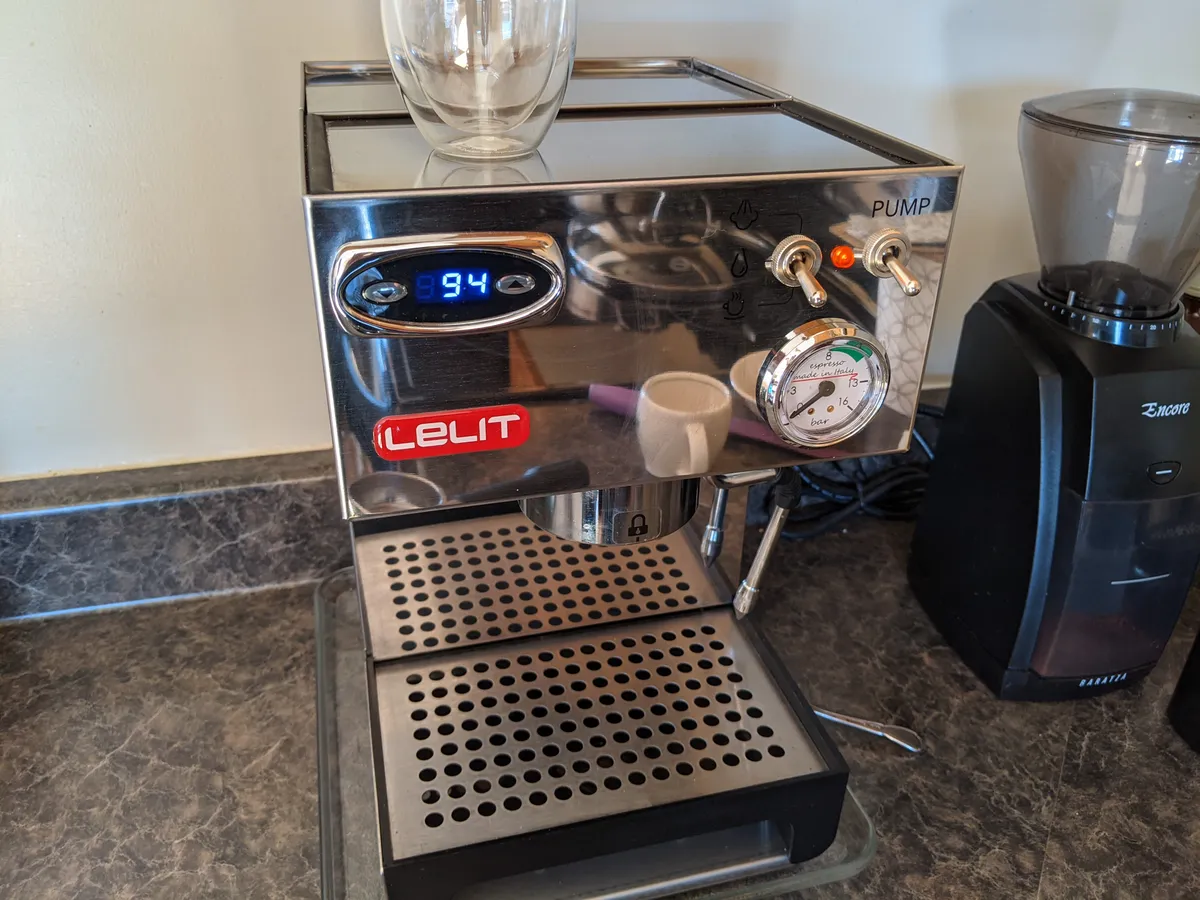
What to look for if you are going to do this properly: a 58mm non-pressurised portafilter, because that is the size the accessory ecosystem is built around; PID temperature control, which holds brew water within about 1°C instead of the 5-10°C swing of a basic thermostat; and a steam wand with enough power to texture milk in under 40 seconds. Thermoblock machines heat fast but struggle to brew and steam simultaneously; a heat exchanger or dual boiler solves that and costs accordingly.
Budget the whole system honestly: roughly $450-$600 for a competent single-boiler machine with PID, $250-$350 for an espresso-capable grinder, plus about $60 for a scale, tamper, and distribution tool. That is the $700-$900 figure from the quick answer, and pretending otherwise is how people end up with a drawer of disappointing gear.
The mistakes that cost people the most money
Buying a super-automatic bean-to-cup machine for the espresso experience. These grind, tamp, brew, and dispose of the puck in one button press, and they are excellent at exactly one thing: unattended volume in an office. They give you almost no control, their internal grinders are modest, and repairs at year four routinely cost a third of the purchase price.
Ignoring water. Coffee is 98% water, and hard water both mutes extraction and scales up your boiler. If your kettle furs up within a month, you have hard water, and a simple filter jug will do more for your cup than a $200 machine upgrade.
Buying beans by brand rather than by roast date. Coffee degasses for about 3-5 days after roasting and is meaningfully past its best after about four weeks. A supermarket bag with a 12-month "best before" and no roast date has almost certainly crossed that line. This single change — buying a bag roasted within the last fortnight — reliably produces a bigger improvement than any hardware upgrade under $300.
Chasing crema as a quality signal. Crema is carbon dioxide emulsified into oil. Fresh robusta produces mountains of it and tastes like burnt rubber. Great light-roast arabica may produce a thin, pale layer. Judge by taste.
A decision framework in four questions
First: do you drink milk-based coffee more than four times a week? If no, skip espresso entirely — you are paying a large premium for pressure you do not need. If yes, espresso or a capsule system with a milk frother are your realistic options.
Second: what is your true total budget, grinder included? Under $250 means filter, full stop. $250-$600 means excellent filter plus a good grinder, or compromised espresso — choose filter. Above $700, espresso becomes genuinely viable.
Third: how many minutes will you actually spend on a weekday morning? Under one minute means capsules or automatic drip. One to three minutes means pour-over or espresso once you are practised. Espresso is fast to pull but slow to dial in, and the first two weeks are frustrating.
Fourth: how many people are being served, with how many different drinks? A single drinker with fixed habits should optimise for quality. A four-person household with four preferences should optimise for throughput and simplicity, which almost always points at capsules or a large drip brewer.
Where to spend and where to stop
Spend on the grinder, on fresh beans, and on a $15 scale. Those three items carry most of the quality. Spend on temperature stability if you are going the espresso route, because it is the one machine feature that is genuinely hard to work around.
Stop before buying a pressure-profiling lever machine as a first setup, before buying a milk frother you will use twice, and before buying the machine that matches your kitchen colour scheme. The setup that makes the best coffee is the one whose routine you can complete without thinking, using beans that were roasted this month. Everything past that is enthusiasm — enjoyable, occasionally worth it, but not the reason the cup tastes good. If you want to see how this reasoning applies to a specific appliance rather than a category, our Vitamix 5200 review follows the same logic for a different countertop purchase: buy the part that does the mechanical work well, and let the rest be adequate.
More coupon shopping advice

Home Security Camera Buying Guide: Local vs. Cloud Storage
A practical, balanced buying guide to home security cameras that weighs local storage against cloud subscriptions, wired versus battery power, camera placement, night vision, smart detection accuracy, and smart home integration.

Beginner Mirrorless Camera Buying Guide
A practical, honest walkthrough of what actually matters when buying your first mirrorless camera, from sensor size and lens mounts to autofocus, video specs, and the real total cost of a beginner-friendly system.

Air Purifier Buying Guide: CADR, ACH, and Filter Costs Explained
A practical walkthrough of the numbers that actually matter when buying an air purifier — CADR and ACH for sizing, true HEPA versus marketing terms, real three-year filter costs, realistic noise levels, and when a purifier won't help at all.