
Commuter Bike Buying Guide: The Accessories Decide Whether You Ride
Lock, lights, mudguards, and a rack matter more than any frame upgrade. Plus which bike type suits which journey.
Bike shops sell frames and components; commuting is decided by neither. What determines whether a bike replaces some of your car or bus journeys is whether you can lock it safely, carry your things without a rucksack, and ride it in the dark and rain without preparation. Those are accessory and logistics questions, and they get almost no attention next to derailleur tiers.
This guide is about the commuting case specifically: what type of bike suits which journey, the components that reduce maintenance, and the four accessories that matter more than any frame upgrade.
The quick answer
For most commutes under 10km on paved roads: a hybrid or flat-bar city bike with 35-42mm tyres, disc brakes, mudguard and rack mounts. Budget $500-$900 new, or $250-$450 used.
For a commute involving stairs, a train, or a flat with no storage: a folding bike. It costs more per unit of performance and solves the problem no other bike solves.
For hills, cargo, or a commute long enough that arriving sweaty is a problem: an e-bike. Budget $1,200-$2,500 for one with a decent motor and a battery from a named cell manufacturer.
Then budget $200-$300 on top for a lock, lights, mudguards, and a rack. That spend is not optional and it is what converts a bike into transport.
Bike types, by journey rather than category
Hybrids and city bikes put you in a moderately upright position with flat handlebars, which gives good visibility in traffic and is comfortable in normal clothes. Tyre clearance is the specification to check: 35mm and above rides potholes and gravel paths comfortably, where a 25mm road tyre transmits every crack.
Road bikes are fast and efficient and are built around drop bars, narrow tyres, and no mounting points. They suit long commutes on smooth roads where speed is the priority, and they punish rough surfaces and heavy loads.
Gravel bikes have become the default do-everything answer for good reason: drop bars for efficiency, clearance for 40mm-plus tyres, disc brakes, and mounting points everywhere. They cost more than a hybrid and cover more ground.
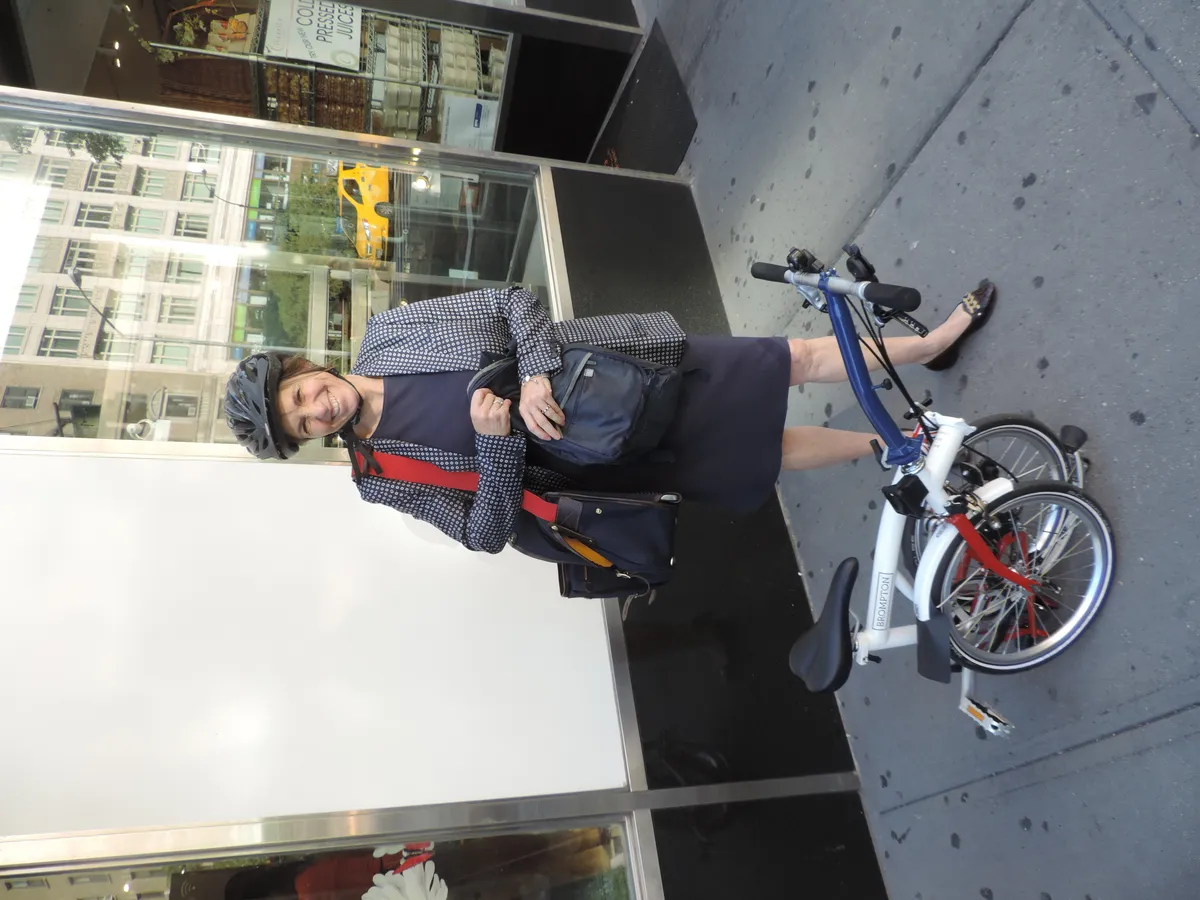
Folding bikes trade ride quality for portability. Small wheels feel twitchy and transmit more road buzz, and the fold means you can take it indoors, onto a train, or under a desk — which removes theft risk entirely, and theft is the main reason people stop cycling to work. If your building has no secure storage, this is the correct compromise.
Mountain bikes are the wrong tool for commuting despite being the most-owned type. Suspension absorbs pedalling energy, knobbly tyres are slow and loud on tarmac, and the geometry is designed for descending. Fitting slick tyres to one you already own is a perfectly good starting point; buying one for a commute is not.
Components that reduce maintenance
Hydraulic disc brakes work in the wet with far less hand force than rim brakes, and they do not wear out your wheel rims. Mechanical discs are cheaper and need occasional cable adjustment. Rim brakes are lighter and simpler and lose meaningful stopping power in rain, which for a year-round commute is the deciding argument.
Internal hub gears — where the gears live inside a sealed rear hub — need almost no maintenance, can be shifted while stationary at a light, and work with a fully-enclosed chain. They are heavier and have wider gear steps than a derailleur. For a flat commute in bad weather, they are the low-hassle choice; for hills, a derailleur with a wide range is better.
Belt drives replace the chain with a toothed rubber belt. No oil, no chain grease on trousers, and 15,000km-plus service life. They cost more and require a frame designed for them.
Puncture-resistant tyres with a reinforcing belt are the single best maintenance upgrade. They add rolling resistance you will not notice and remove roadside repairs you will. For a commuter this is a straightforward trade.
Fit, which matters more than the frame material
A bike that does not fit is uncomfortable at any price, and the adjustments that fix most problems are free.
Saddle height first: with the pedal at its lowest point and your heel on it, your leg should be almost straight, which leaves a slight bend when the ball of your foot is on the pedal. Too low is the single most common error and causes knee pain.
Frame size next. Standover clearance — a few centimetres between the top tube and your crotch when standing over the bike — is the crude check. Reach matters more: if you are stretched forward with locked elbows, the frame is too long, and a shorter stem is a $25 fix.
Saddle choice is personal and unrelated to price. What matters is whether it supports your sit bones, which means width rather than padding — an over-padded soft saddle compresses under the bones and puts pressure on soft tissue. Many shops will measure sit bone width in two minutes.
Frame material is a distant consideration. Aluminium is stiff, cheap, and rust-proof. Steel is comfortable, repairable, and rusts if the paint is chipped. Carbon is light, expensive, and inappropriate for a bike locked in the street.
The four accessories that make it transport
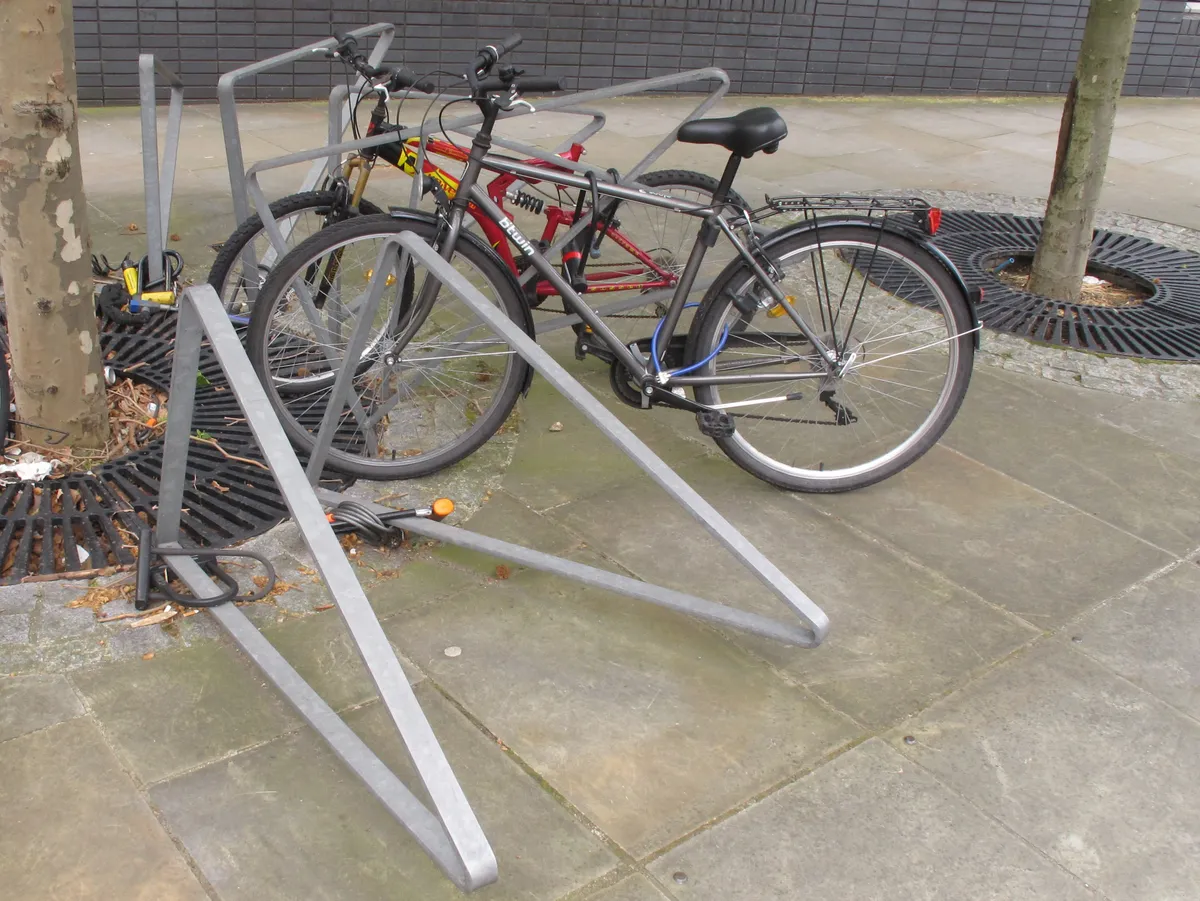
A lock, and specifically a good one. Bike theft is the reason most abandoned commutes were abandoned, and lock quality varies enormously. Look for an independent security rating rather than a marketing claim, and budget roughly 10-15% of the bike's value. A hardened steel D-lock resists bolt croppers; cable locks and thin folding locks do not. Lock through the frame and a wheel to something immovable, and take the saddle if it has a quick release.
Lights, front and rear, and not just for darkness. Daytime running lights measurably improve how early drivers notice you. For being seen, 100 lumens front is plenty; for actually lighting an unlit path, you need 600-1,000 lumens with a beam shaped to avoid dazzling oncoming traffic. Rechargeable is convenient and a spare set of battery lights in the bag covers the evening you forgot to charge.
Mudguards, which turn a wet commute from unacceptable to unremarkable. Without them, road water sprays up your back and across your face; with them, you arrive damp rather than filthy. Full-length guards on a bike with mounts are far better than clip-on ones.
A rack and pannier, or a basket. Carrying a bag on your back means a sweaty back, shifted balance, and shoulder load; putting the weight on the bike removes all three. If you must use a backpack, one with a ventilated back panel and a chest strap is the compromise — our Osprey Daylite review covers fourteen months of exactly that commuting role.
E-bikes: the specifications that matter
Motor position determines how the bike feels. Mid-drive motors at the cranks work through the gears, handle hills efficiently, and keep weight low and central. Hub motors in the wheel are cheaper and push rather than assist, which feels less natural and struggles on steep climbs.
Battery capacity in watt-hours predicts range better than any quoted kilometre figure, since range depends on rider weight, terrain, and assist level. Roughly 400-500Wh covers 40-70km of moderate assist. Check the cell manufacturer, because a battery is the most expensive replacement part and unbranded cells are where cheap e-bikes cut cost — and where fire risk concentrates.
On safety, buy from a manufacturer whose batteries and chargers carry recognised safety certification, charge on a hard surface away from exits rather than overnight in a hallway, and use only the supplied charger. Lithium battery fires in e-bikes are strongly associated with uncertified conversion kits and mismatched chargers rather than with quality complete bikes.
Legal limits vary and matter. Many jurisdictions cap assisted speed and motor power for a bike to remain legally a bicycle rather than a moped requiring registration and insurance. Check the local rule before buying something advertised with a higher figure.
Maintenance that keeps it rideable
A commuter bike needs about ten minutes of attention a month, and skipping it is how bikes become unrideable and then become garden furniture.
Tyre pressure is the big one. Tyres lose pressure continuously, and an underinflated tyre rolls slowly, handles badly, and punctures far more easily by allowing the tube to pinch against the rim. Check weekly with a floor pump that has a gauge — roughly 45-60psi for 35-42mm tyres, lower for wider.
Chain lubrication is second. A dry chain wears itself and the more expensive cassette and chainring alongside it. Wipe the chain and apply a drop of wet lube per roller every few weeks, then wipe off the excess, since surplus oil collects grit and becomes a grinding paste.
Brake pads are the safety item. Disc pads have a wear indicator and should be replaced before the friction material is level with the backing plate. Rim pads should be replaced when the grooves disappear. Both are cheap parts and a fifteen-minute job.
Buying used, and where to start
A used bike from a reputable shop with a service and a short warranty is frequently the best value in this whole category, since bikes depreciate steeply and wear slowly. Check for a straight frame with no dents at the tube junctions, wheels that spin true without wobble, and brake and gear cables that move freely.
Verify the frame number against a stolen-bike database before buying privately. It takes a minute and the alternative is funding the theft problem that makes commuting harder for everyone.
Then ride the route once on a weekend before committing to it daily. A commute that looks fine on a map can include a junction you would rather not repeat at 8am, and finding an alternative route is the difference between cycling twice and cycling for years. Total realistic first-year cost for a used hybrid, a good lock, lights, guards, and a rack is around $500-$650 — less than a few months of most transport passes, which is the arithmetic that makes this worth doing at all.
More coupon shopping advice

Home Security Camera Buying Guide: Local vs. Cloud Storage
A practical, balanced buying guide to home security cameras that weighs local storage against cloud subscriptions, wired versus battery power, camera placement, night vision, smart detection accuracy, and smart home integration.

Beginner Mirrorless Camera Buying Guide
A practical, honest walkthrough of what actually matters when buying your first mirrorless camera, from sensor size and lens mounts to autofocus, video specs, and the real total cost of a beginner-friendly system.

Air Purifier Buying Guide: CADR, ACH, and Filter Costs Explained
A practical walkthrough of the numbers that actually matter when buying an air purifier — CADR and ACH for sizing, true HEPA versus marketing terms, real three-year filter costs, realistic noise levels, and when a purifier won't help at all.