
Camping Gear Buying Guide: The Mat Matters More Than the Tent
Cold comes from the ground. R-value, sleeping bag comfort ratings, and hydrostatic head explained without the outdoor-shop jargon.
Camping gear is bought for an imagined trip and used on a real one. The imagined trip is a week in the mountains; the real one is two nights at a campsite forty minutes from home, in weather that turned out worse than forecast. Almost every expensive mistake in this category comes from equipping for the first while doing the second.
This guide covers the three items that determine whether a trip is pleasant or miserable, what the ratings on tents and sleeping bags actually mean, and where borrowed or cheap gear is genuinely fine.
The quick answer
Three items decide comfort: the sleeping mat, the sleeping bag, and the tent — in that order. Most beginners spend on the tent and sleep badly on a thin foam mat, which is exactly backwards. Cold comes from the ground, and insulation underneath you matters more than the bag on top.
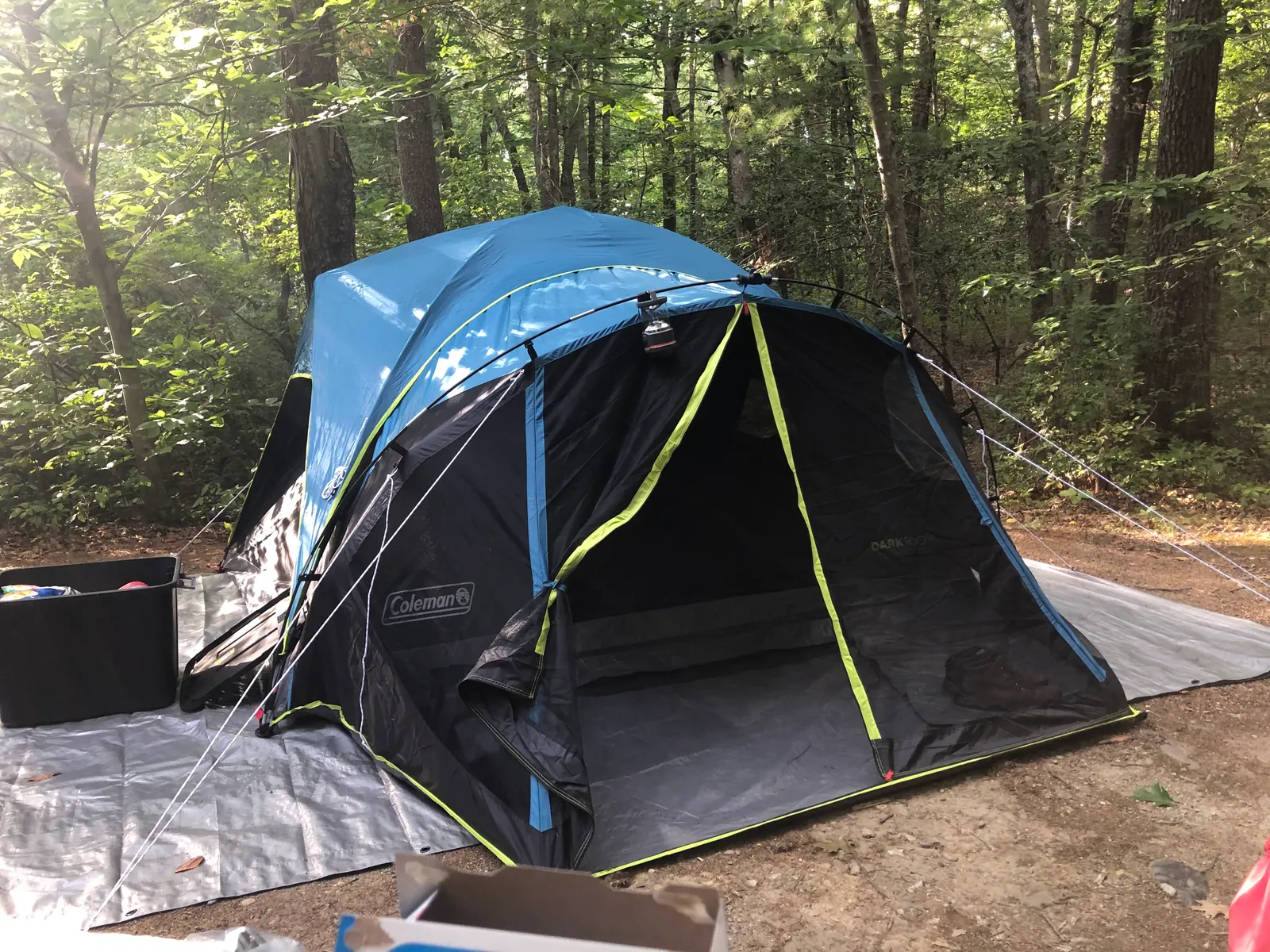
For car camping, buy roomy and heavy. Weight is irrelevant when the car is twenty metres away, and a tent you can stand up in changes a wet weekend completely. Budget $150-$350.
For backpacking, weight is the whole constraint and costs money. A tent, bag, and mat totalling under 3kg costs $600-$1,000; the same three at 5kg costs $250.
Borrow or rent for your first two trips. Camping suits some people and not others, and finding out with $800 of gear in the garage is the expensive way.
Sleeping mats: R-value is the number that matters
R-value measures resistance to heat loss through the mat, and it is the single most useful specification in camping. Roughly: R1-2 is summer only, R3-4 covers spring and autumn, R5 and above handles freezing ground, and values add — a foam mat under an inflatable combines their ratings.
The mechanism is worth understanding because it explains the most common beginner complaint. A sleeping bag's insulation works by trapping air, and the insulation under your body is compressed flat by your weight, so it does almost nothing. The mat is what stops conductive heat loss into the ground. People who are cold at night in a good bag almost always have an inadequate mat.
Three mat types. Closed-cell foam is cheap, indestructible, cannot puncture, and is bulky and modestly insulating — an excellent second layer and a mediocre only layer. Self-inflating mats combine foam and air, are comfortable and moderately heavy. Inflatable mats with internal baffles are the most comfortable and warmest per gram, and they can puncture, which is why a repair patch is not optional.
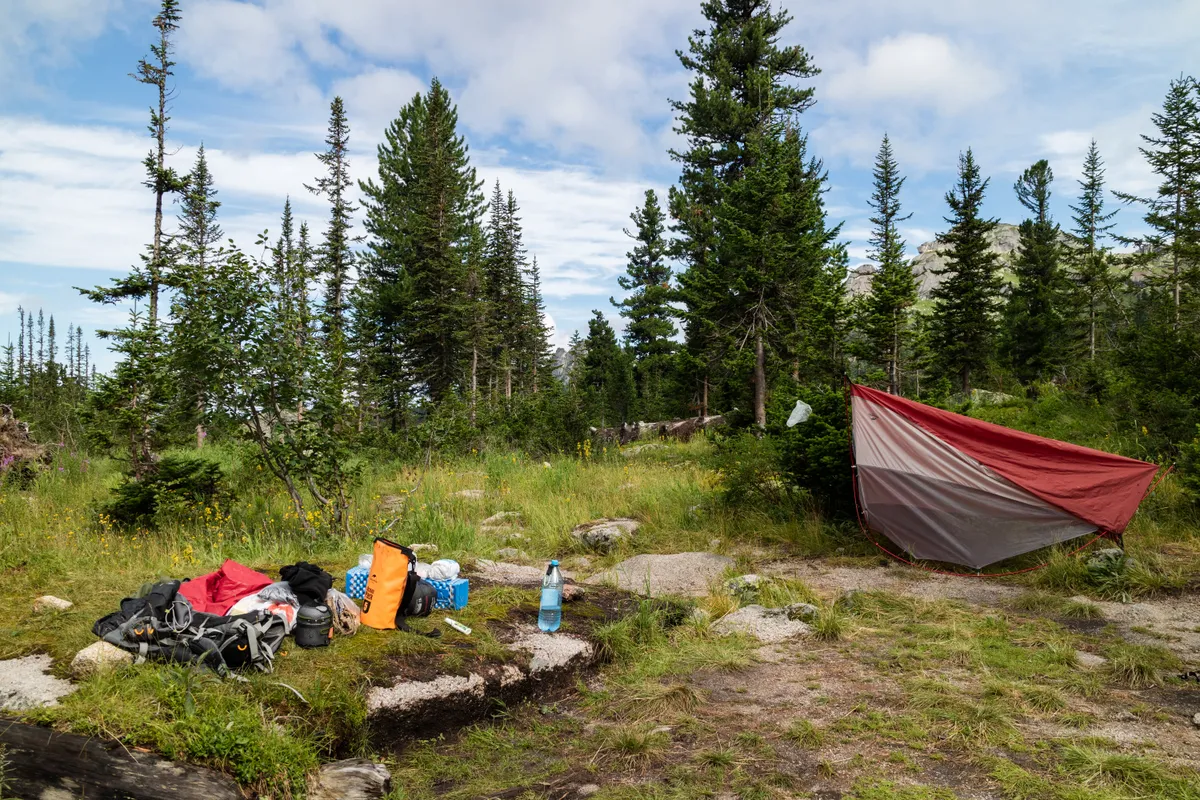
Thickness affects comfort rather than warmth. Side sleepers need 7cm or more to keep a hip off the ground; back sleepers manage on 5cm.
Sleeping bags: read the comfort rating, not the limit
Bag temperature ratings under the EN/ISO standard quote several figures, and the marketing usually leads with the wrong one. The comfort rating is the temperature at which a cold sleeper stays comfortable. The limit rating is where a warm sleeper is curled up and just about coping. The extreme rating is survival, not sleep, and should be ignored entirely.
Buy on the comfort rating, and add a margin, because bag ratings are laboratory figures achieved with an adequate mat, dry insulation, and a base layer. A bag rated 0°C comfort is a bag for about 5°C nights in real use.
Down versus synthetic follows the same logic as jackets. Down is lighter and more compressible for the same warmth and loses nearly all of it when wet. Synthetic is heavier and bulkier and keeps working damp. In a wet climate, or for a first bag that will be treated carelessly, synthetic is the practical choice.
Shape matters more than people expect. Mummy bags are warmer because there is less air to heat and less surface area; rectangular bags are roomier and colder. A bag too large for you is a cold bag.
Tents: what the ratings mean
Capacity numbers are optimistic to the point of being misleading. A "two-person" tent fits two adults shoulder to shoulder with no room for bags. The reliable rule is to buy one person more than you have: a three-person tent for two people, a four-person for a couple with a child and gear.
Hydrostatic head, quoted in millimetres, measures how much water pressure a fabric resists before leaking. 1,500mm is a minimum for showers, 3,000mm handles sustained rain, and 5,000mm is for serious weather. Groundsheets need higher figures than the fly, because your body weight presses water through — 5,000mm or more for the floor.
Seam sealing is where cheap tents leak regardless of fabric rating. Taped seams are the standard; a tent advertising a high hydrostatic head with untaped seams will leak at the stitching.
Also check the pole material and the vestibule. Aluminium poles are lighter, stronger, and flex rather than snap; fibreglass poles are cheap and splinter, and a splintered pole cannot be field-repaired. A vestibule — covered space outside the inner tent — is where wet boots and bags live, and a tent without one means wet gear inside.
Ventilation is the underrated feature. Two people breathing overnight produce roughly a litre of water vapour, and a tent without vents condenses it on the inner surface, which then drips. Condensation is mistaken for a leak constantly, and mesh panels plus a vented fly are the fix.
Cooking, light, and power
A single-burner gas stove is enough for two people. Canister stoves screwing onto a threaded gas cartridge are light, cheap, and simple; the trade is that canister output drops in cold weather as the pressure falls. Liquid-fuel stoves handle cold better and need priming and maintenance.
For car camping, a two-burner stove running from a refillable cylinder is a different and better experience, because you can cook actual meals rather than boiling water. Add a windshield either way — wind is what wastes fuel.

A headtorch beats a lantern for the same reason a head-mounted light beats a handheld one anywhere: your hands stay free. Buy one with a red mode, which preserves night vision and does not blind everyone in the tent, and one that takes a common battery type.
Power is worth planning rather than improvising. A 10,000mAh power bank charges a phone three or four times and covers a weekend. For longer trips with a fridge, lights, and several devices, a portable power station is the tool, and our portable power station buying guide covers sizing it from actual loads rather than guessing at watt-hours.
The items that actually get used
A multitool with pliers, which handles tent pole repairs, stove fiddling, and food prep. Our Leatherman Wave Plus review covers camp duty specifically among four months of mixed use.
A repair kit: a puncture patch for the mat, a length of duct tape wrapped around a pole, and two spare guy lines. Total weight negligible, and each addresses a failure that would otherwise end a trip.
A groundsheet or footprint under the tent, which protects the floor from abrasion and adds a small amount of insulation. A cheap builder's tarp cut to size works and costs a tenth of a branded footprint.
Extra pegs. Tent manufacturers supply the minimum, usually thin aluminium ones that bend in hard ground, and a set of stronger pegs is $12 well spent.

Layering and staying dry
Clothing does more for camp comfort than any equipment, and the system is simple. A synthetic or wool base layer moves moisture off the skin. A fleece or synthetic mid layer traps warm air and can be added or removed as you move. A waterproof, breathable shell blocks wind and rain.
The failure people repeat is one very warm jacket instead of layers. Walking to the campsite in a thick down jacket produces sweat, sweat then makes you cold when you stop, and a wet insulating layer cannot be dried in the evening. Three thin layers you can adjust beat one thick one every time.
Two specifics worth budgeting for. A hat, because a disproportionate amount of heat is lost from an uncovered head at night, and sleeping in a thin beanie noticeably extends a bag's usable range. And dedicated dry socks kept in the sleeping bag and worn only for sleeping, which is the cheapest comfort upgrade in camping — damp socks worn all day are why people report cold feet in a bag rated well below the actual temperature.
What to skip
Camping-specific cookware sets, mostly. A cheap saucepan from your kitchen works for car camping; only backpacking justifies titanium.
Inflatable solar lanterns, folding chairs for a two-night trip, and any gadget whose function is served by a phone. Also the six-person tent bought "for flexibility" by two people — it takes twice as long to pitch and is colder inside.
Cotton anything for sleeping. Cotton holds moisture against the skin and is genuinely dangerous in cold conditions. Synthetic or wool base layers cost little and matter.
Care that makes gear last
Never store a tent or sleeping bag damp, and never store a down bag compressed. Both rules are absolute: a damp tent grows mould that destroys the waterproof coating within weeks, and a down bag left stuffed for months loses loft permanently. Store bags loose in a large cotton sack.
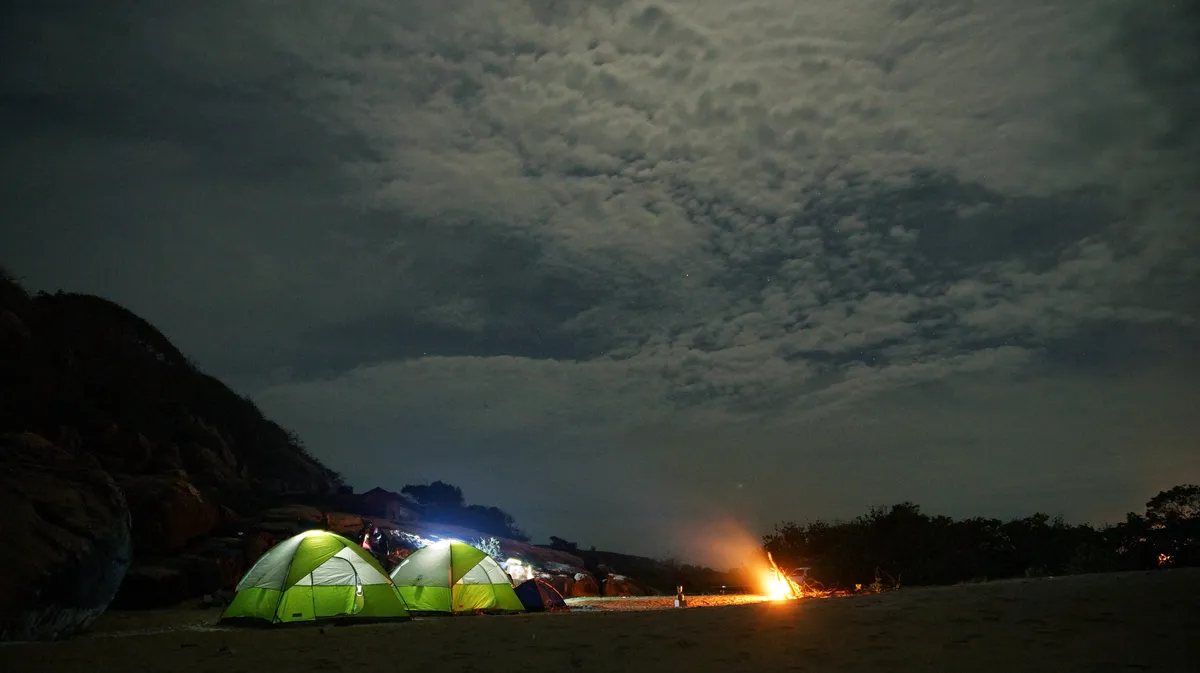
Pitch a new tent in the garden before the trip. This finds missing parts, teaches you the sequence, and prevents the standard first-trip experience of reading instructions in the rain at dusk.
Reproof the fly every few seasons with a spray-on treatment, and re-seal seams when water starts beading through them. A $15 bottle of proofer extends a tent's life by years, and the failure mode without it is a tent that mists water through the fabric in heavy rain while looking perfectly intact.
More coupon shopping advice

Home Security Camera Buying Guide: Local vs. Cloud Storage
A practical, balanced buying guide to home security cameras that weighs local storage against cloud subscriptions, wired versus battery power, camera placement, night vision, smart detection accuracy, and smart home integration.

Beginner Mirrorless Camera Buying Guide
A practical, honest walkthrough of what actually matters when buying your first mirrorless camera, from sensor size and lens mounts to autofocus, video specs, and the real total cost of a beginner-friendly system.

Air Purifier Buying Guide: CADR, ACH, and Filter Costs Explained
A practical walkthrough of the numbers that actually matter when buying an air purifier — CADR and ACH for sizing, true HEPA versus marketing terms, real three-year filter costs, realistic noise levels, and when a purifier won't help at all.